HDO Plywood Cost (2026): Price Per Sheet, What Drives It, How to Lower Per-Pour Cost
2026 HDO plywood pricing by overlay tier, the six factors driving the spread, container-direct economics from Vietnam, and the cost-per-pour math that determines whether HDO is the right call against MDO or CDX plyform.

The buyer searching "HDO plywood cost" is past the spec discussion. They have already decided HDO is the right panel for the project — what they need now is real 2026 dollar numbers, the math that justifies the premium over MDO or CDX, and a clear answer on where to buy. This guide gives all three.
Per-sheet price is the wrong metric to optimize. On a forming programme of any meaningful volume, the only number that matters is cost per pour. A $50 sheet of CDX that survives 2 pours costs $25 each time concrete touches it. A $120 sheet of HDO that survives 30 pours costs $4. The decision framework below uses that math against actual 2026 US and Canadian price ranges, container-direct landed cost from Vietnam, and the duty caveats every importer should verify before signing a PO.
Current US HDO Plywood Price Ranges (April 2026)
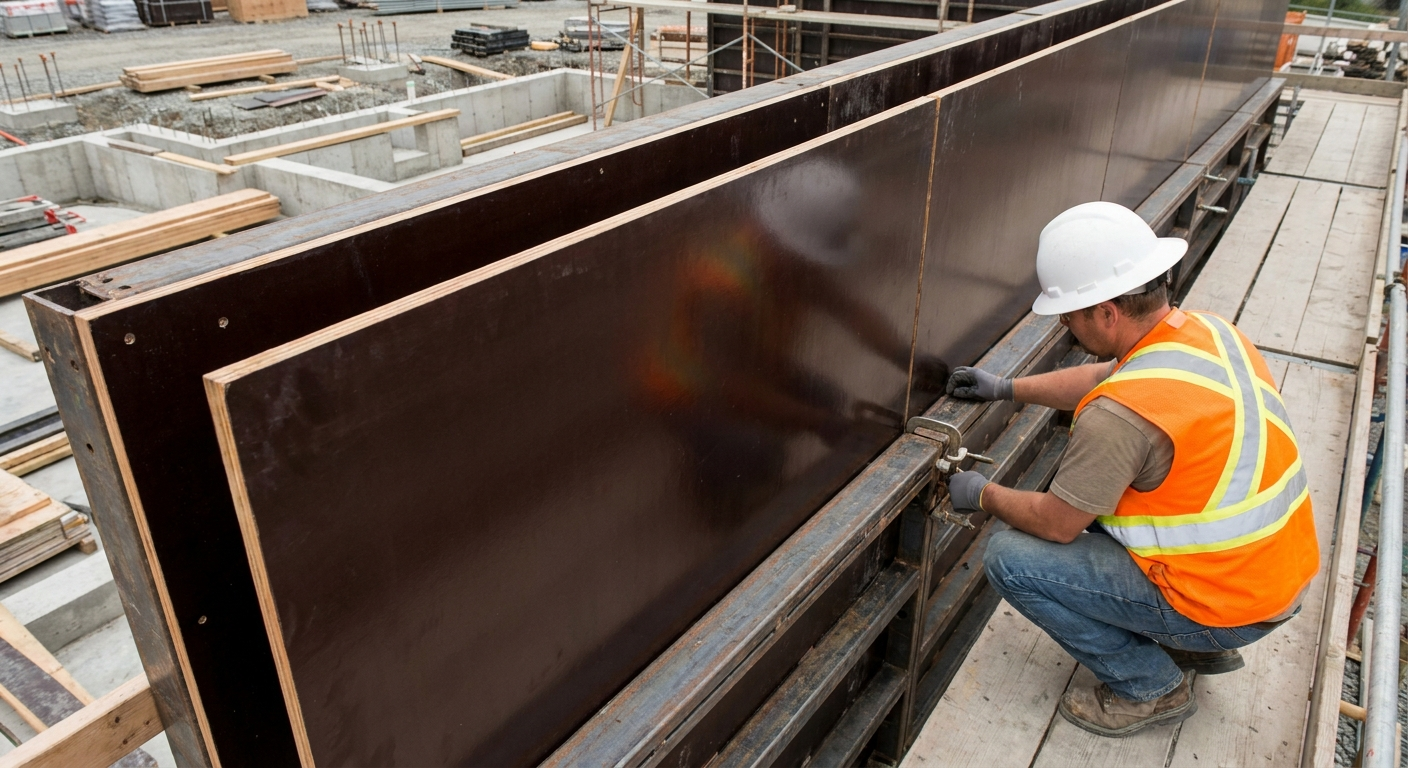
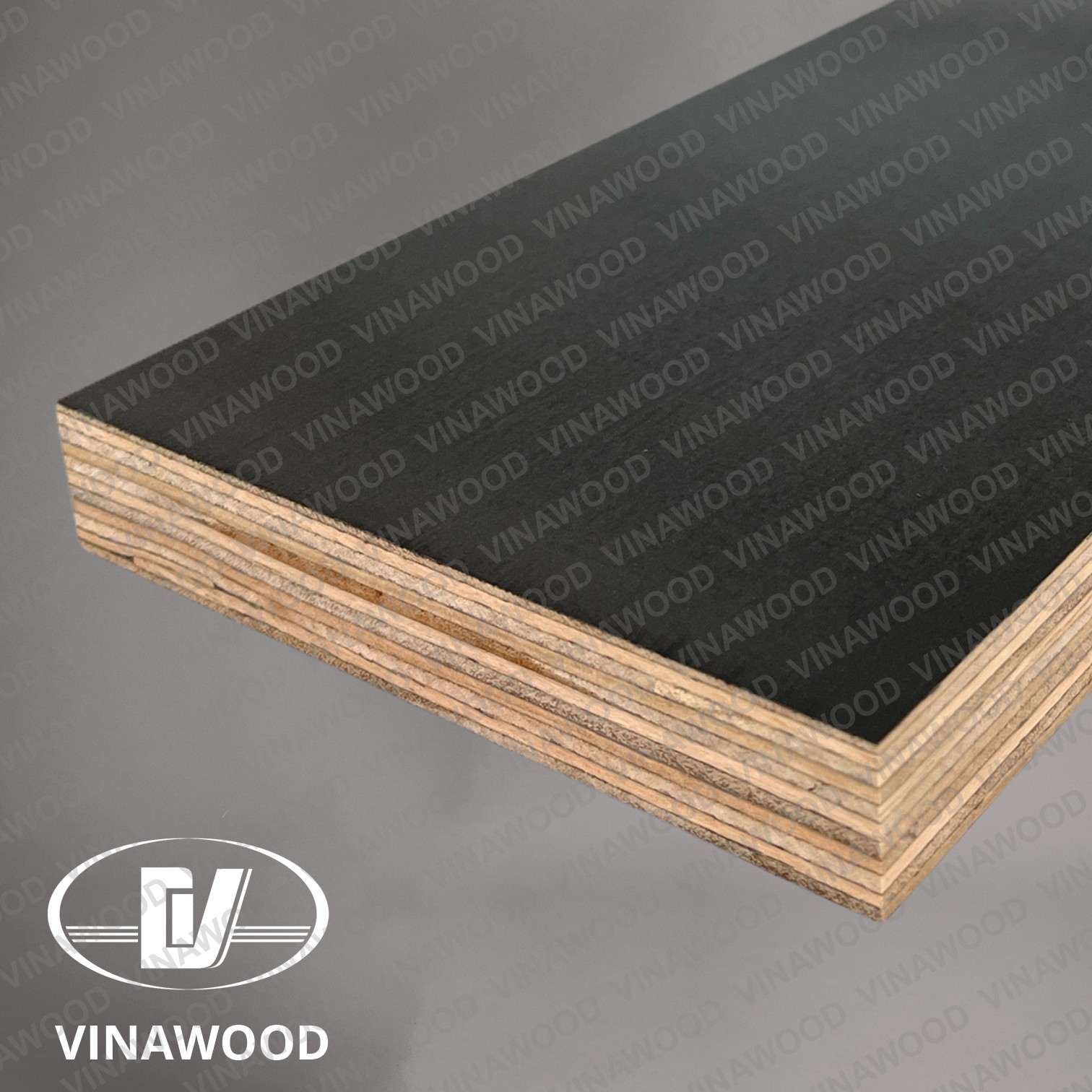
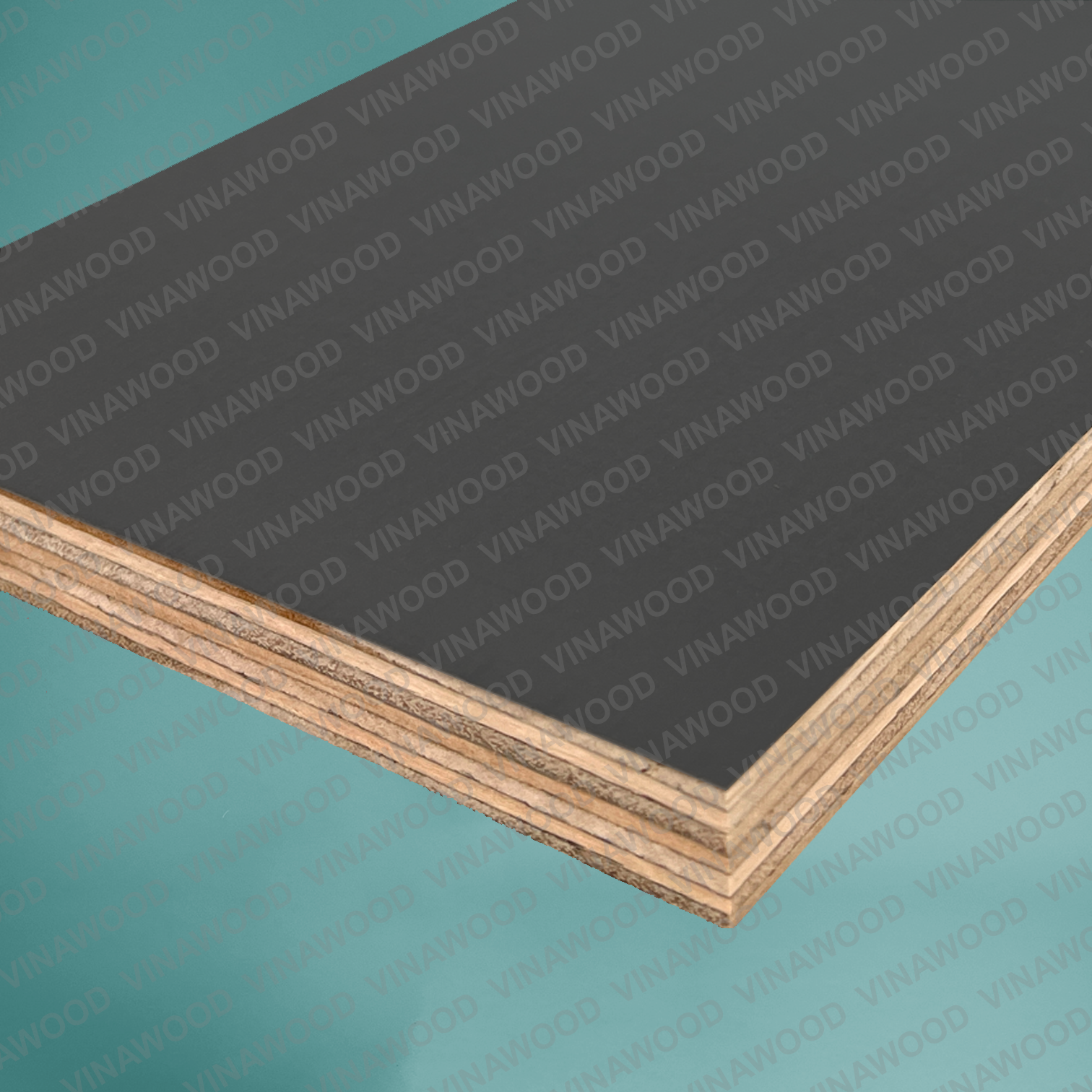
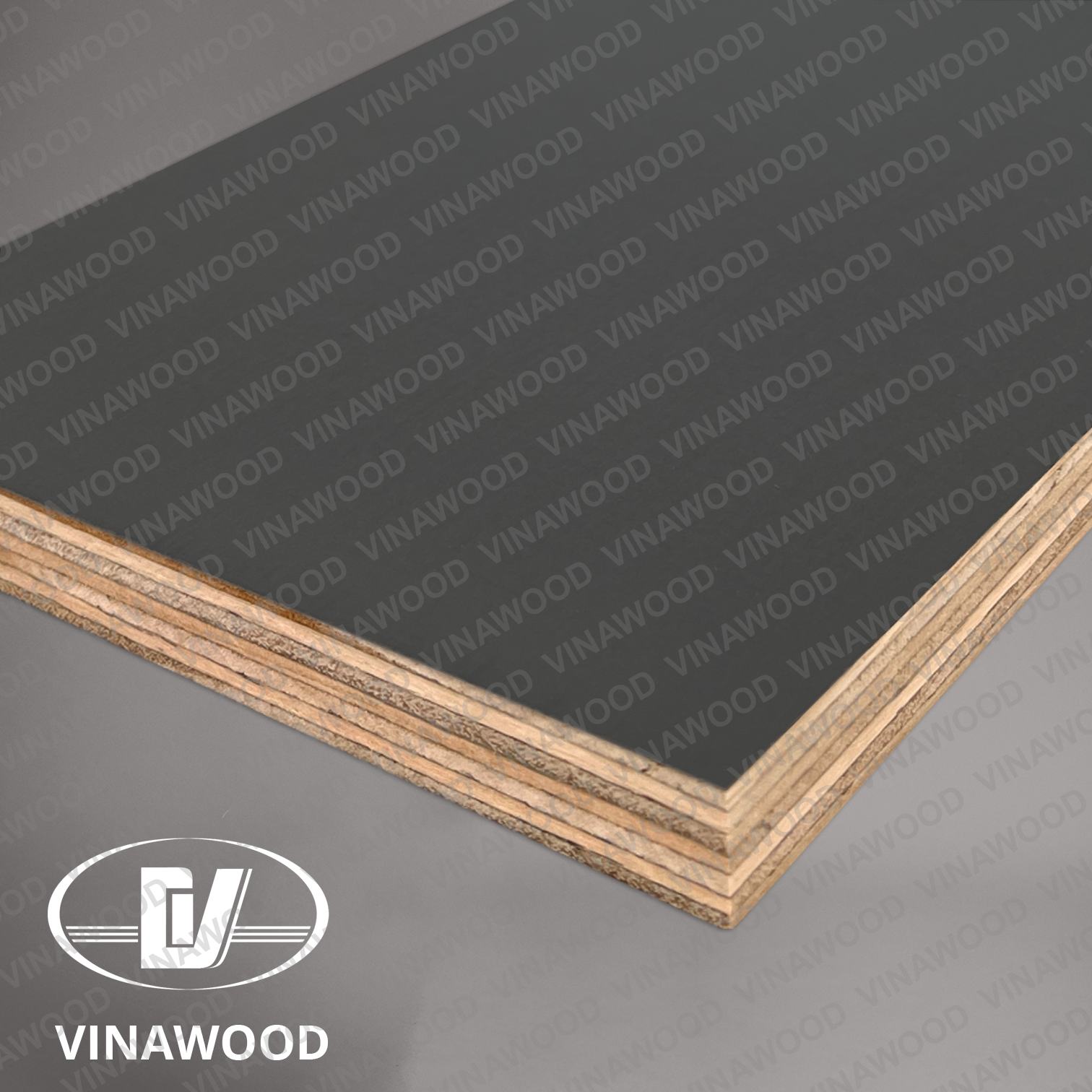
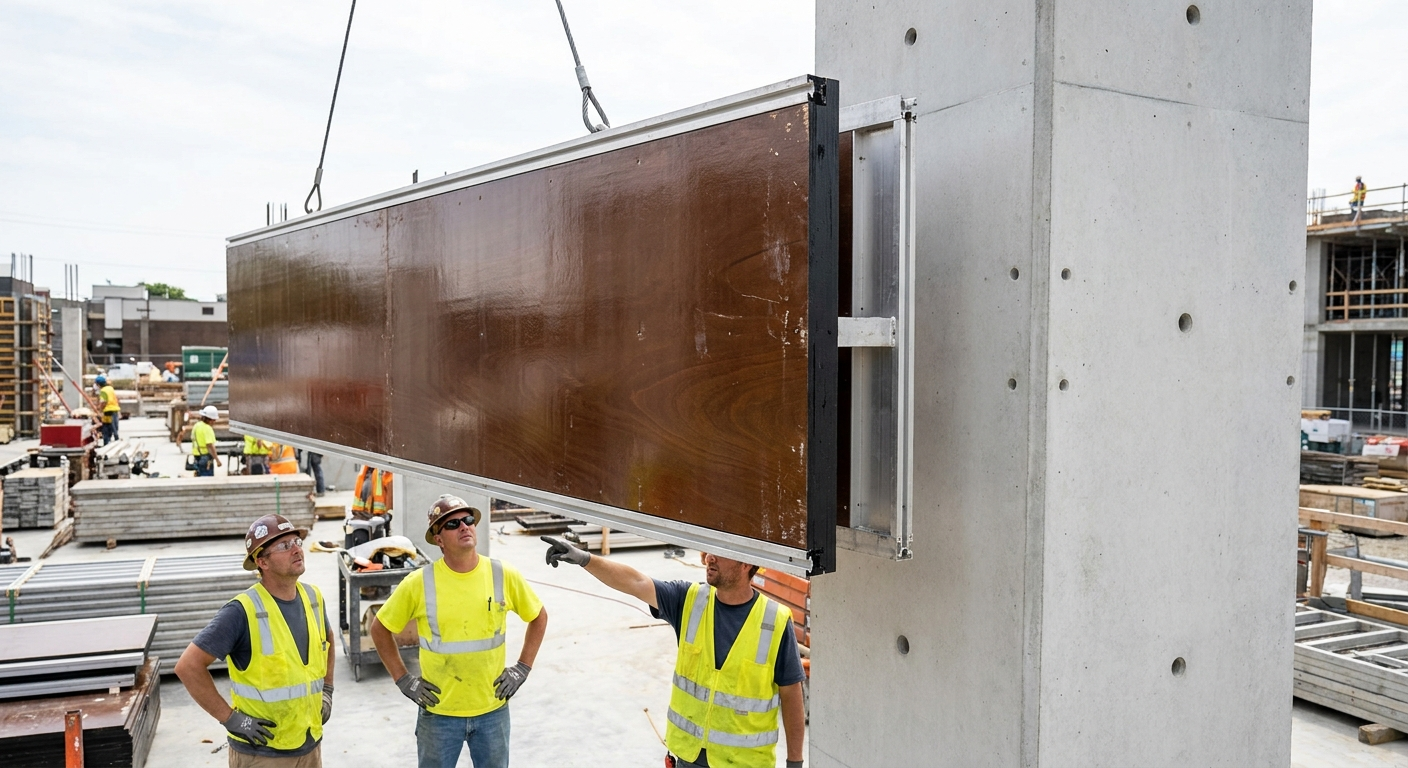
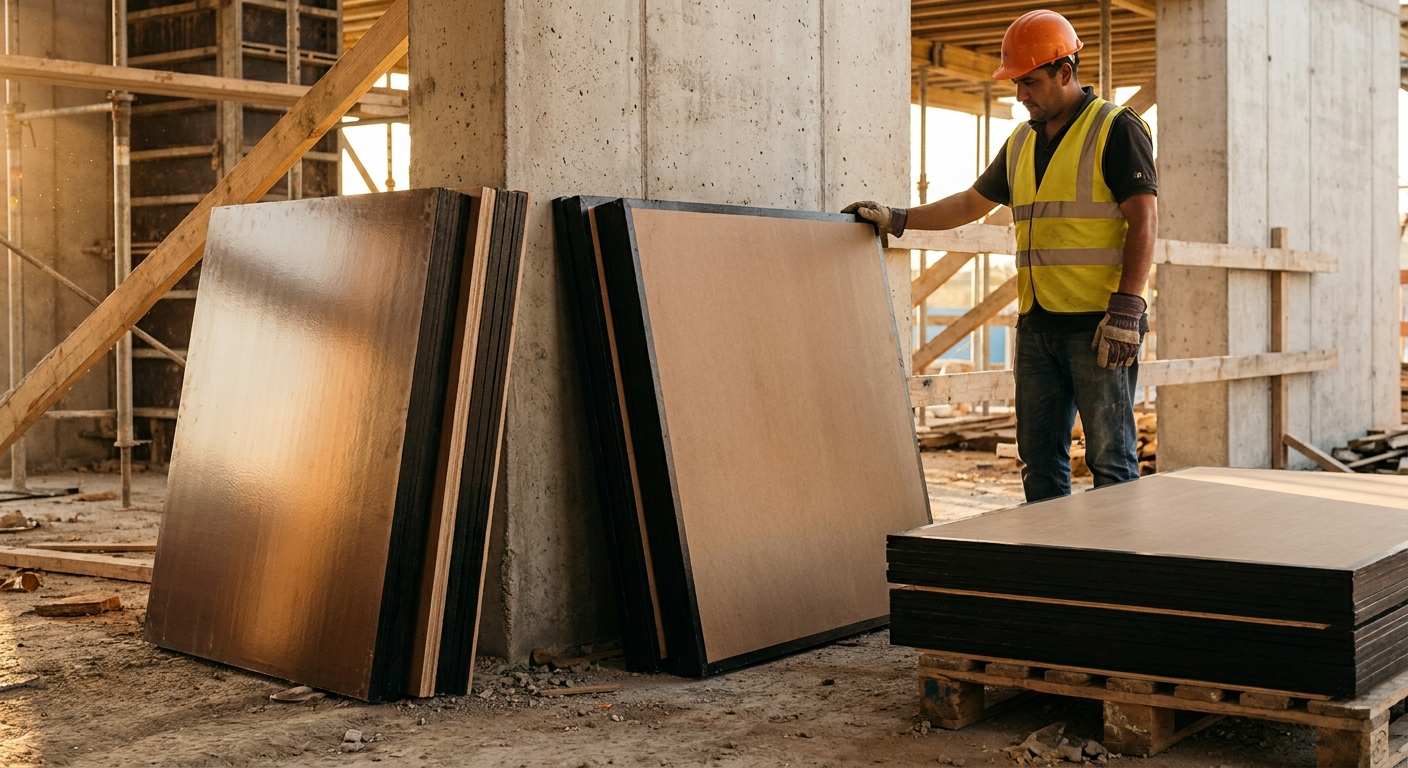
HDO plyform pricing in the US is stratified by overlay tier. Single-face panels (1SF — overlay on one side only) sit at the lower end. Double-side panels (2S) command a premium because both faces deliver concrete-grade finish and are usable. Premium HD (heavy-duty) panels with the densest overlays carry the steepest sheet price but the longest reuse life.
| HDO Tier | Overlay | Reuse Range | US Retail Price (4×8×3/4″) |
|---|---|---|---|
| HDO Basic 1SF | Single face, ~120 g/m² phenolic film equivalent | Up to 10 reuses | $80–$105 |
| HDO Basic 2S | Double face, ~120 g/m² phenolic film equivalent | Up to 15 reuses | $90–$120 |
| HDO Premium 2S | Double face, ~220 g/m² phenolic film equivalent | Up to 20 reuses | $105–$135 |
| HDO Premium HD 2S | Heavy-duty double face overlay | Up to 30 reuses | $120–$150 |
Pricing reflects April 2026 ranges for 4×8 ft (1220×2440 mm) sheets in 3/4″ (18 mm) thickness, retail/single-sheet purchase. Lumberyards with active contractor accounts and bundle pricing typically run 8–12% below the retail midpoint. These numbers change monthly with hardwood log pricing and ocean freight cost — always verify current quotes before budgeting.
For thinner stock, expect roughly 12–18% lower prices on 1/2″ (12 mm) and 5/8″ (15 mm) panels. 1″ (25 mm) sheets carry a 25–40% premium over the 3/4″ baseline because the additional veneer plies disproportionately raise raw material cost.
What Drives HDO Plywood Cost — Six Levers
The 70% spread between the cheapest and most expensive HDO panel on the market is not random. Six manufacturing factors account for almost all of it.
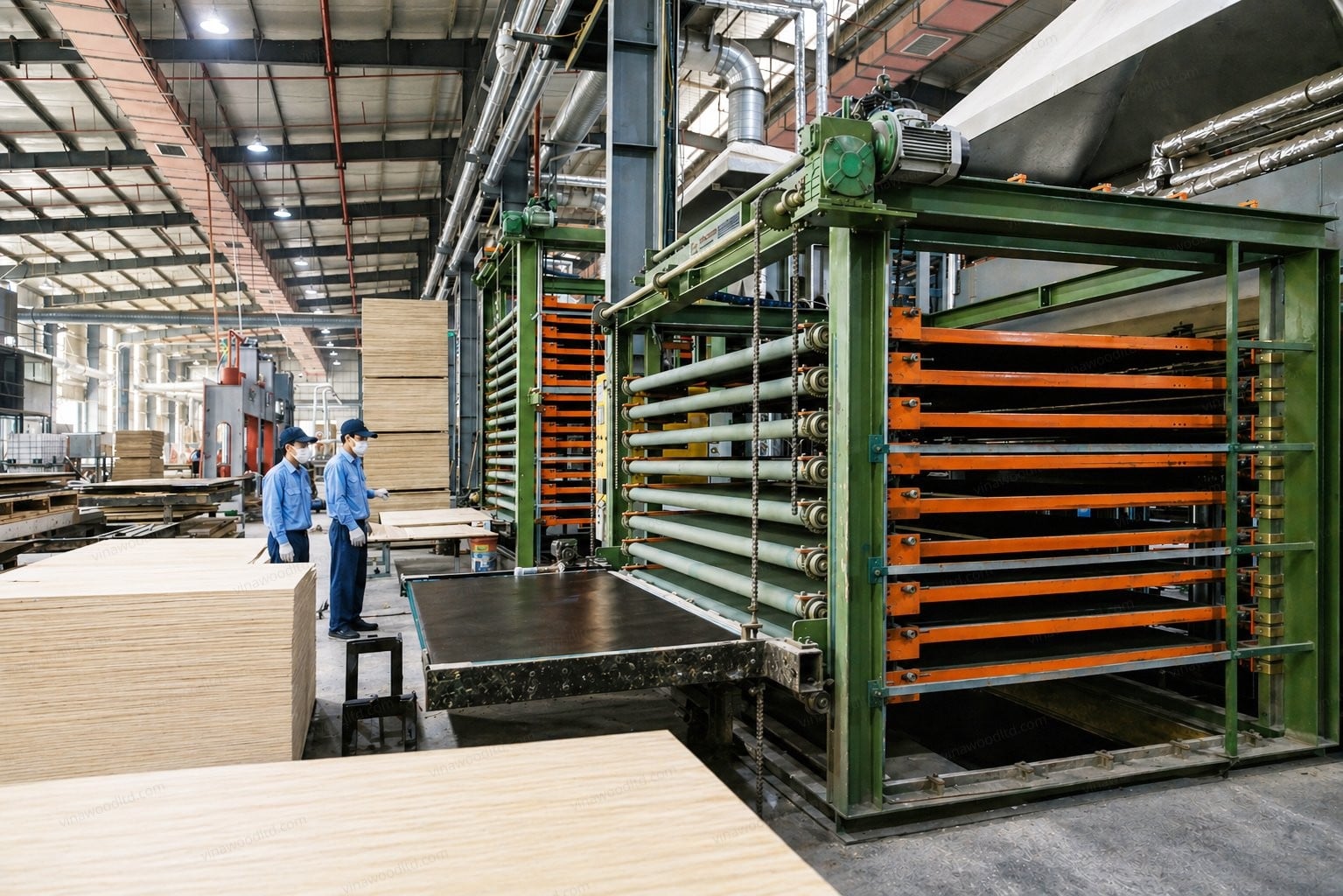
Overlay weight and resin density. The defining HDO threshold is overlay resin loading of 45 g/m² or higher. Panels at 60+ g/m² (heavy-duty grade) deliver more reuse cycles and harder concrete release, but each gram of additional phenolic resin adds direct manufacturing cost. The 220 g/m² film-equivalent overlays on premium HDO grades cost meaningfully more per sheet to produce than 120 g/m² basic overlays.
Adhesive class. HDO panels are bonded with WBP phenolic adhesive (EN 314 Class 3 / EN 636-3), the highest moisture-durability class. Phenolic resin runs 5–10% more expensive than the melamine adhesives used in lower-grade plyform. There is no shortcut here — a panel marketed as HDO that uses melamine bonding is mislabelled and will not deliver HDO reuse performance.
Core species. Hardwood cores (eucalyptus, acacia, birch) hold film bonds tighter and resist deflection better than softwood or combi-cores. Hardwood-cored HDO sits at the higher end of each tier; combi-core panels with softwood inner plies and hardwood faces sit lower. The performance difference is real on long forming runs.
Thickness. Sheet price scales non-linearly with thickness. 18 mm (3/4″) is the volume baseline because it suits typical 12–16 inch on-center stud spacing. 25 mm (1″) panels carry a 25–40% premium per sheet, but on a per-millimetre basis are cheaper than thinner stock — fixed manufacturing costs (pressing, trimming, QC) spread across more material.
Origin and duty status. US-domestic plyform from APA-rated mills (Roseburg, Coastal, Boise Cascade) carries the highest baseline cost. Container-direct from Vietnam runs 25–40% lower in landed cost on full-container orders. Specific Vietnamese SKUs fall outside current US AD/CVD orders that constrain Chinese plywood, but this is determined product-by-product under Commerce Department rulings — verify the determination covering the SKU on your PO before assuming duty-free entry. For background on which Vietnamese products qualify and the procedure to confirm, see the AD/CVD Vietnam guide.
Edge sealing and factory protection. Premium HDO panels arrive with sealed edges (acrylic or wax-impregnated) and factory wrapping. Cheaper panels come unsealed and unwrapped — and the buyer has to seal edges on site or accept earlier failure. The $5–$8 per sheet cost difference reflects this finishing step, and it pays for itself by extending panel life 2–4 reuses.
HDO Cost-Per-Pour Math — The Only Number That Matters
Per-sheet pricing comparisons mislead procurement decisions because they ignore the variable that actually drives forming budgets: how many pours each panel survives. The cost-per-pour formula is:
(Sheet price + per-pour stripping/cleaning labour) ÷ Reuse cycles = Cost per pour
Stripping and cleaning labour is the constant — call it $2–$3 per pour for any panel type with a competent crew. The variable is sheet price divided by reuses. Worked across the four common forming options on a US project today:
| Panel Type | Sheet Cost | Reuses | Cost Per Pour (panel only) |
|---|---|---|---|
| CDX sheathing (single-use forming) | $50 | 2 | $25.00 |
| MDO plyform | $85 | 10 | $8.50 |
| HDO plyform (US retail) | $120 | 30 | $4.00 |
| HDO Premium 2S (Vietnam container-direct) | $80 | 30 | $2.67 |
Two break-even points matter for the procurement decision:
- HDO vs CDX: Crossover at pour 3. Any forming programme with more than 3 pours per panel makes the cheaper CDX more expensive per pour than HDO.
- HDO vs MDO: Crossover at pour 12–15. On projects requiring 15+ pours per panel, HDO almost always wins on cost-per-pour even at full retail pricing.
Once these break-even points are clear, the per-sheet price gap loses most of its weight in the decision. The contractor running a 25-pour curtain wall programme is paying $625 in panel cost per sheet on CDX vs $120 on HDO. That is the actual comparison, not $50 vs $120.
HDO vs MDO Cost — When the Premium Pays Off
The HDO premium over MDO sits at 30–40% on a per-sheet basis. On reuse cycles, HDO delivers roughly double — 30 vs 15 typical — meaning the cost-per-pour math crosses over by pour 12–15 on most projects. For the full performance-and-finish comparison between the two overlay tiers, see the HDO vs MDO plywood comparison.
The decision framework is simple. Below 10 pours per panel, MDO is the lower cost-per-pour option and the appropriate spec — typical for smaller residential foundation work, light commercial walls, and short forming runs. Above 15 pours, HDO wins on cost-per-pour at any sheet pricing, and wins by a wider margin as cycle counts increase. Between 10 and 15 pours, the decision is roughly neutral on cost — choose based on finish requirement (HDO produces a near-mirror concrete face; MDO is smooth but not glossy).
HDO Plywood Cost in Canada
Canadian retail pricing for CSA-certified domestic plyform sits at roughly CAD $110–$170 per 4×8×3/4″ sheet for the Basic 2S to Premium HD tier range. The premium over US pricing reflects domestic supply concentration and freight from US Pacific Northwest mills.
Container-direct from Vietnam under the CPTPP enters Canada duty-free for plywood products covered by the agreement, providing a meaningful per-sheet advantage on volume orders — typically 30–40% below domestic Canadian HDO at full container scale. For a deeper look at the Canadian formwork market specifically, see construction plywood Canada.
Where to Buy HDO Plywood — Cost Tier by Channel
HDO is not a commodity panel and is not stocked at every lumberyard. Four channels serve different buyer profiles:
| Channel | Typical Price Position | Best For |
|---|---|---|
| Big-box retail (Home Depot, Lowes select stores) | +10–20% above contractor mid-point | Single-sheet, urgent need |
| Regional lumberyards / contractor accounts | Baseline contractor pricing | 10–100 sheet orders, account holders |
| Specialty plyform distributors (Toledo Plywood, Sylvan, Weekes) | Competitive on 100+ sheets, broader tier selection | Volume orders, full HDO range stocked |
| Factory-direct from Vietnam (Vinawood et al.) | −25–40% on full container vs US retail | 500+ sheet programmes, planned forming work |
The factory-direct route requires planning. Lead time runs 25–35 days from order confirmation to a US East or West Coast port, plus port handling and inland trucking. For a project with a known forming start date 6–10 weeks out and volume above one container (380–420 sheets of 18 mm), the math favours direct import. For urgent or sub-container quantities, regional distributors are the right channel.
Two duty caveats to verify before any Vietnam-origin order: the specific SKU's status under current US AD/CVD orders (verify via the Commerce Department determination covering the product, not the country), and the manufacturer's chain-of-custody documentation if FSC certification is required for the project. Reputable export manufacturers provide both as a matter of course.
How Container-Direct Saves 25–40% on HDO
The math behind container-direct savings comes down to volume and freight efficiency. A standard 40-foot high-cube container holds approximately 380–420 sheets of 18 mm HDO depending on packaging and pallet configuration. April 2026 ocean freight from Vietnam to US East Coast ports runs roughly $3,000–$5,000 per 40HC container per Drewry index data. Spread across 400 sheets, that is $7–$12 per sheet in freight cost.
For HDO, the manufacturing cost difference between Vietnam-direct and US-domestic is in the range of $25–$45 per sheet for equivalent specifications. After absorbing $7–$12 in freight, the net per-sheet saving is typically $13–$33 — a 15–30% landed cost advantage on Premium 2S and Premium HD grades. Add port handling and inland trucking ($3–$6 per sheet on common destinations) and the net advantage settles around 12–25% on landed cost, with full-cost saving running closer to 25–40% when measured against US retail rather than mill-direct domestic pricing.
The break-even is volume. Below approximately 200 sheets per shipment, LCL (less-than-container) freight rates and minimum charges erode the saving. Above one full container, the economics scale predictably — and at 2+ containers per quarter, dedicated forwarder relationships compress freight and customs cost further. For the full freight and landed-cost framework that applies across all forming plywood types, see the concrete form plywood price guide.
Hidden Cost Factors Most Estimators Miss
Per-sheet pricing comparisons routinely miss five cost categories that swing the actual project total:
Release agent consumption. HDO panels with intact phenolic film require roughly half the release agent per pour of unsealed plyform. Across a 30-pour programme on 400 sheets, that is meaningful product cost — and labour applying it.
Disposal and tipping fees on prematurely failed panels. Cheap plyform that fails at pour 3 instead of pour 8 generates disposal cost. C&D landfill tipping fees in major US metros run $40–$90 per ton. Forming plywood at roughly 18 kg per 18 mm 4×8 sheet adds up faster than estimators usually credit.
Snap-tie and she-bolt damage on splintered edges. Form ties driven through delaminated or splintered panel edges seat unevenly, transferring stress to the surrounding face and accelerating failure of adjacent reuse cycles. Premium HDO with sealed factory edges avoids this cascade entirely.
Insurance and OSHA exposure on past-life panels. Forms that should have been retired but were pushed for one more pour are a source of incident reports — failed sections, blowouts, dropped material. The cost shows up in EMR (experience modification rate) increases on the next workers' compensation renewal cycle, not on the materials line.
Waste/overhead allowance. Standard practice on US estimates is a 5–10% material overage to cover damage in transit, miscuts, and replacement during the run. HDO's lower failure rate justifies the lower end of that range; cheaper plyform with higher in-service failure justifies the upper end.
How to Get the Best Price on HDO Plywood — Five Levers
1. Buy by the bundle, not the sheet. Bundle pricing at a regional lumberyard runs 8–15% below single-sheet retail. Most yards bundle in 30–50 sheet units depending on thickness and storage capacity.
2. Open a contractor account. Account pricing typically discounts another 5–10% off bundle pricing for established accounts with quarterly volume. The credit terms also help cash flow on multi-pour projects.
3. Container-direct above 500 sheets. A 40HC container of HDO Premium 2S landed at a US port runs 25–40% below domestic distributor pricing for equivalent spec. Below ~200 sheets, LCL freight kills the math; between 200 and 500 the savings are marginal once port and inland costs are loaded.
4. Sample before committing. A $200–$400 sample order from a Vietnam-direct manufacturer prevents a $40,000 mistake on a container of panels that do not match specification. Reputable manufacturers ship samples within 1–2 weeks and provide test certificates with each shipment.
5. Plan reuse-discipline into the project schedule. Release agent applied before every pour, edges sealed after every cut, panels stored flat off the ground under cover between pours. These practices push HDO to the upper end of its rated reuse range — and the cost-per-pour math reflects the difference. Crews paid by the pour not the panel will skip these steps unless explicitly scheduled.
For US contractors evaluating Vietnam-direct sourcing, the volume baseline that justifies container-direct is one full container per quarter. Below that, the planning overhead absorbs most of the saving. HDO Premium 2S Formply from Vinawood is the volume product for that profile — 220 g/m² film equivalent, up to 20 reuses, WBP phenolic bonded throughout. The full HDO range covers the four tiers from Basic 1SF to Premium HD 2S to match the cost-per-pour target on different project scales.
Summary
Per-sheet HDO pricing is the wrong metric for any procurement decision involving more than a single pour. Run cost-per-pour math against the actual reuse target. HDO breaks even against CDX by pour 3 and against MDO by pour 12–15 on typical projects — once a forming programme passes those thresholds, HDO is almost always the lowest-cost choice on a per-pour basis. Container-direct from Vietnam under CPTPP and Section 301 (subject to product-specific AD/CVD verification) compresses cost-per-pour further, making it the lowest-cost option for any planned forming programme above one full container per quarter.
Frequently Asked Questions
How much does a sheet of HDO plywood cost in 2026?
US retail for 4×8×3/4″ HDO plyform runs roughly $80–$150 per sheet depending on overlay tier. HDO Basic 1SF (single-face) sits at the bottom of the range; HDO Premium HD 2S (heavy-duty double-face) sits at the top. Contractor-account and bundle pricing typically discounts 8–15% below single-sheet retail. Container-direct from Vietnam runs 25–40% below US retail on full-container orders.
Is HDO plywood worth the extra cost over MDO?
It depends on reuse count. Below 10 pours per panel, MDO usually wins on cost-per-pour. Above 15 pours, HDO almost always wins on cost-per-pour and produces a higher-quality concrete finish. Between 10 and 15 pours, the cost is roughly neutral — choose on finish requirement. For high-volume architectural concrete (30–50 pours), HDO or premium film-faced phenolic is the only economically defensible spec.
Why is HDO plywood more expensive than regular plywood?
Six factors drive the premium: heavier overlay resin loading (45+ g/m²), WBP phenolic adhesive throughout all plies, hardwood cores (eucalyptus, acacia, birch), tighter veneer grading, sealed edges and factory wrapping, and per-batch QC testing for thickness tolerance and bond strength. Each adds direct manufacturing cost, and together they deliver the 30–50 reuse cycles that justify the price on volume forming programmes.
How much can I save by importing HDO plywood from Vietnam?
On a full 40HC container of HDO Premium 2S equivalent, landed cost typically runs 25–40% below US retail and 12–25% below US contractor-account pricing after absorbing ocean freight, port handling, and inland trucking. The savings scale with volume — at 2+ containers per quarter, dedicated forwarder relationships compress costs further. Below 200 sheets per shipment, LCL freight rates erode most of the savings.
Does HDO plywood cost more in Canada than the US?
Yes, modestly. Canadian retail for CSA-certified domestic plyform sits at CAD $110–$170 per 4×8×3/4″ sheet across the HDO tier range, reflecting domestic supply concentration and freight from US Pacific Northwest mills. Container-direct from Vietnam under CPTPP enters Canada duty-free on covered plywood products, providing a 30–40% per-sheet advantage on volume orders relative to domestic Canadian HDO.
Category
guides
Related Markets
Related Countries
Related Products
▶Sources & References (4)
- PS 1-09 / Voluntary Product Standard for Structural Plywood — APA — The Engineered Wood Association (2009)
- AD/CVD Orders on Hardwood Plywood Products from China — US Department of Commerce / International Trade Administration (2024)
- Drewry World Container Index — Drewry Maritime Research (2026-04)
- EN 13986:2004+A1:2015 — Wood-based panels for use in construction — European Committee for Standardization (CEN) (2015)