Construction Plywood Canada: CSA Sheathing vs Formwork Panels
CSA O121/O151 stamped sheathing stays in the building. Film-faced and HDO formwork comes off after the pour. How Canadian buyers spec a mill panel. Vinawood est. 1992. Oneply is the appointed NA distribution partner.
Construction plywood in Canada is two buying jobs wearing one search term. CSA-stamped sheathing stays in the wall. Film-faced and HDO panels come off after the pour. Mix those specs and you either overbuy a stamp you do not need, or you try to form concrete with a sheathing grade that was never built for reuse.
This page used to publish CAD sheet prices and a mill directory. Both fail a mill-buyer test. Price belongs on the RFQ. The mill that pressed the overlay is the one who can stand behind a mill test. Canadian contractors still need the CSA split. They do not need a ranked list of producers.
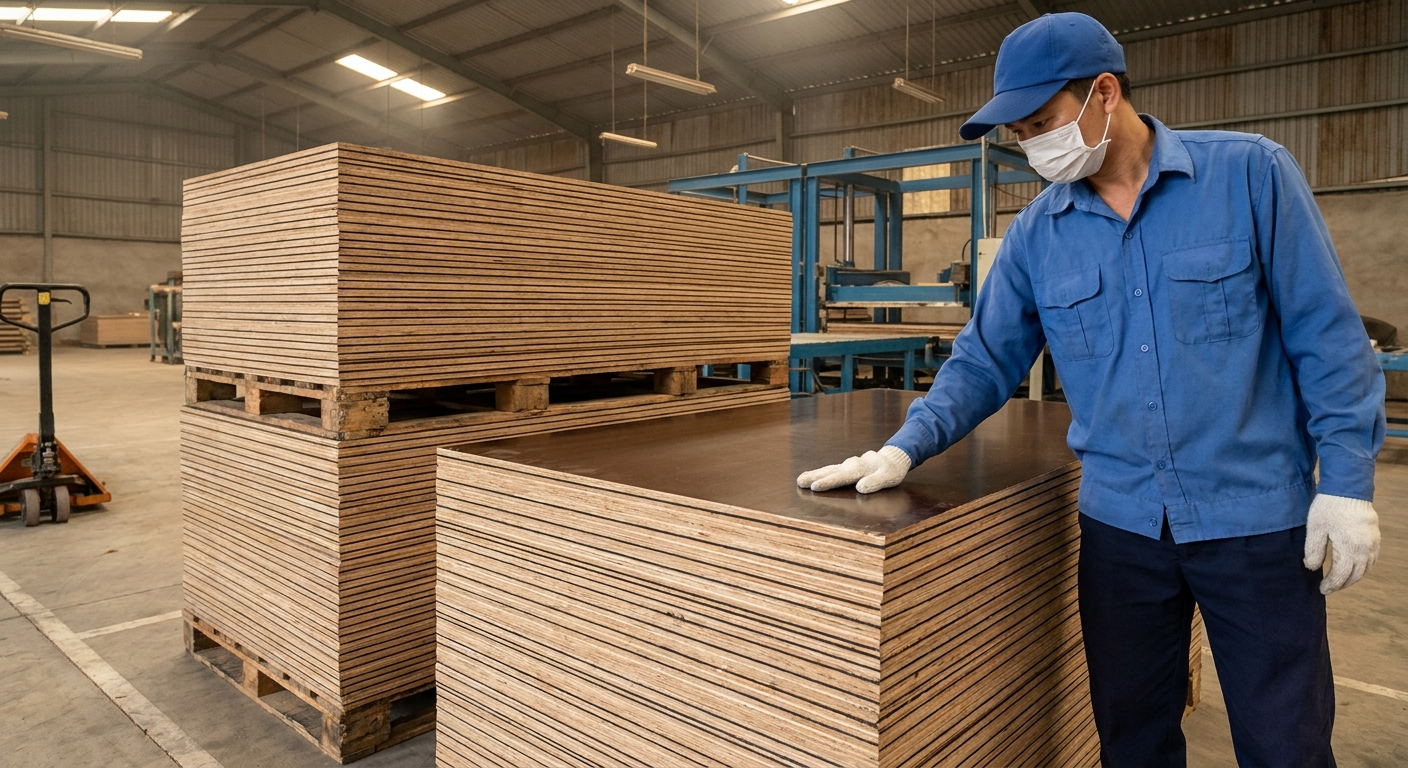
Vinawood is a Vietnam mill established in 1992. About 5,000 containers a year. 40+ export countries. Oneply is the appointed North America distribution partner. Not a commonly owned mill. The rest of this guide is how to spec a panel for Canadian formwork versus permanent sheathing.
Two jobs, two specs
Permanent construction plywood in Canada is a building-code product. Wall sheathing, roof deck, subfloor, structural diaphragm. Those sheets stay. They need a CSA O121 or CSA O151 stamp, or an accepted APA equivalent, under the National Building Code of Canada and the provincial code that adopts it.
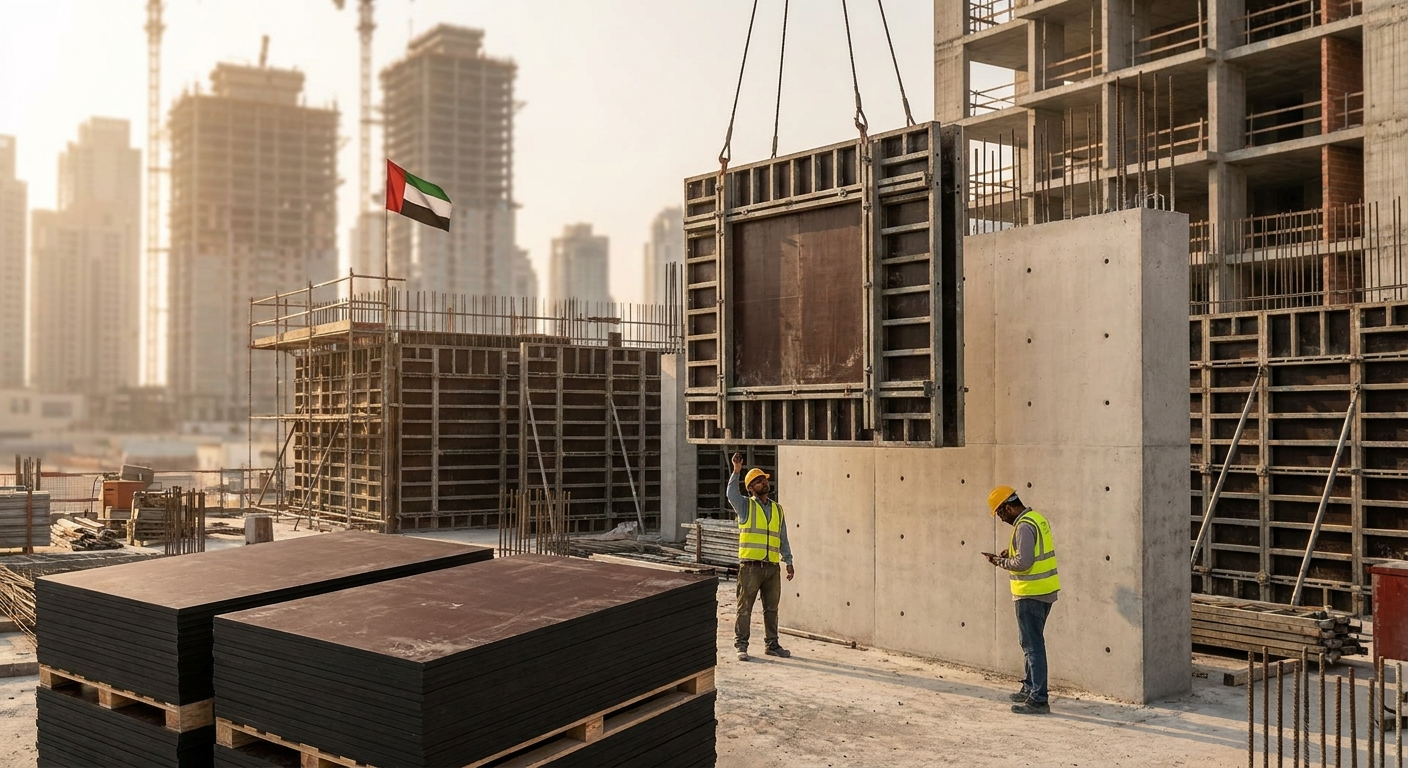
Formwork plywood is temporary. The gang strips it after the concrete sets. It never becomes part of the building. The stamp that matters is the glue class and the overlay, not a CSA sheathing grade. A film-faced or HDO sheet with a documented water-resistant bond is the usual path for commercial and infrastructure pours.
That split is the whole page. If the panel stays in the structure, ask for CSA. If it comes off the wall, ask for overlay, glue class, thickness, and reuse as "up to N."
Yard plyform still shows up on small residential jobs. Fine for a handful of foundation pours. Weak once the same set has to cover a multi-storey core. Do not treat yard plyform and mill HDO as the same product because both are brown.
A Toronto high-rise core and a Calgary house foundation can both sit under "construction plywood Canada" in a search bar. They do not share a spec. The core wants reuse and a face that releases. The house wants a stamped sheathing sheet that stays. Write the job on the RFQ in one sentence so the mill cannot guess.
For a mill-versus-trader RFQ written for a different region, see formwork plywood suppliers in the Middle East. Same mill test logic. Different overlay default.
CSA O121 and O151
CSA O121 is the Canadian Douglas-fir plywood standard. It covers panels made from Douglas-fir and western larch. Common on Western Canadian structural sheathing and roof deck.
CSA O151 is Canadian softwood plywood. Spruce, pine, and fir (SPF) faces. More common where SPF is the local resource. Same structural job, different species group.
Face grades you will see on a stamp:
| Grade | Face | Typical stay-in-place use |
|---|---|---|
| Select Tight Face (STF) | Premium, few open defects | Exposed architectural sheathing |
| Good One Side (G1S) | One face sanded | Visible interior or soffit |
| Sheathing (SHG) | Utility | Wall, roof, subfloor |
The stamp is issued by an accredited body. It is not a formwork reuse rating. G1S sanded faces get used as a forming surface on some sites. That is a field habit, not a CSA formwork class. If you need a phenolic overlay, write the overlay. Do not hope a sanded sheathing face will release like HDO.
APA PS 1 is the US cousin. Many Canadian jobs accept APA-stamped structural panels beside CSA. European EN 636 uses service class instead of species standards: EN 636-2 humid / protected, EN 636-3 exterior. For temporary formwork, map to glue class first. Then pick overlay.
WBP on a Canadian quote still means a water-resistant glue line, not a waterproof panel. Historical "Weather and Boil Proof" is a boil test on the bond. The wood still takes on moisture. Write PF versus core MUF, then the class number.
Formwork panels Canadians actually pour against
Two overlay families cover most Canadian commercial pours.
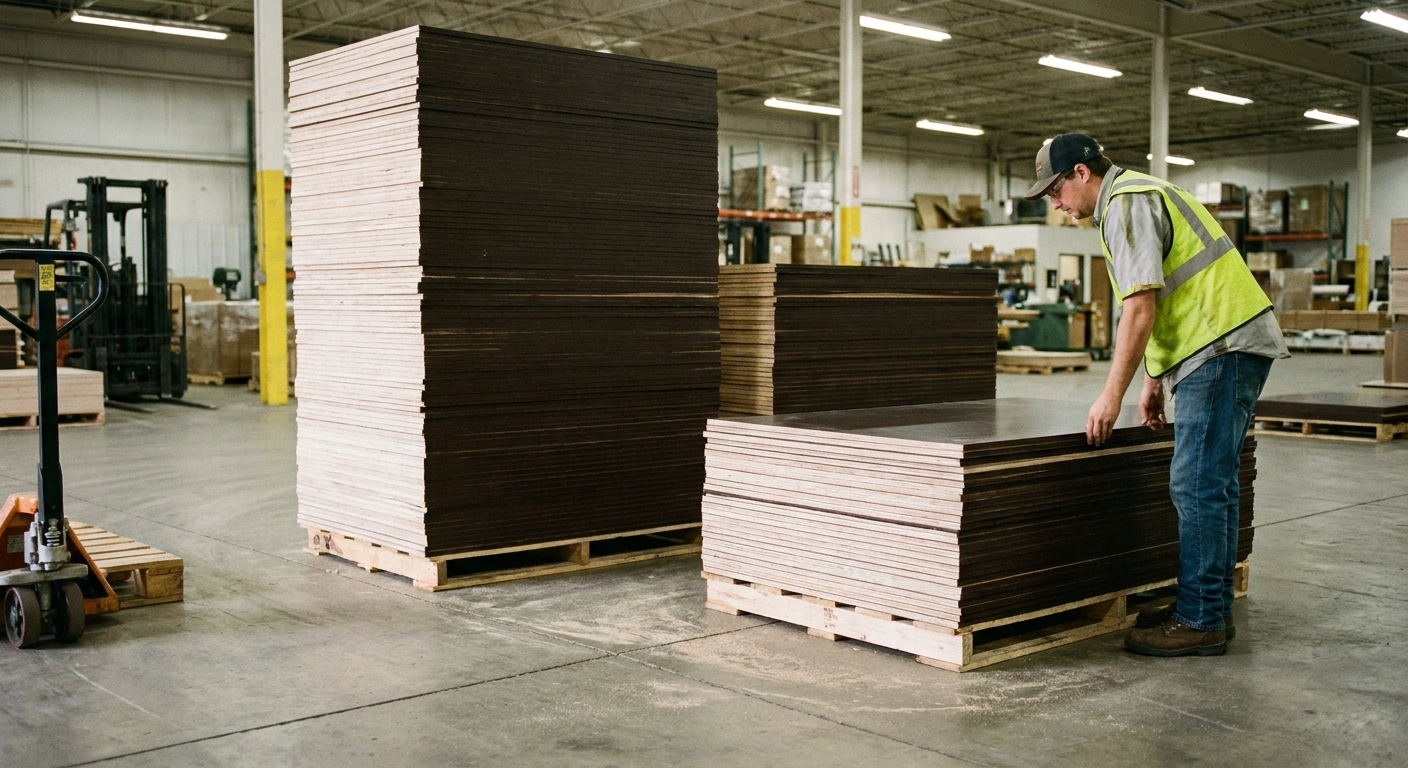
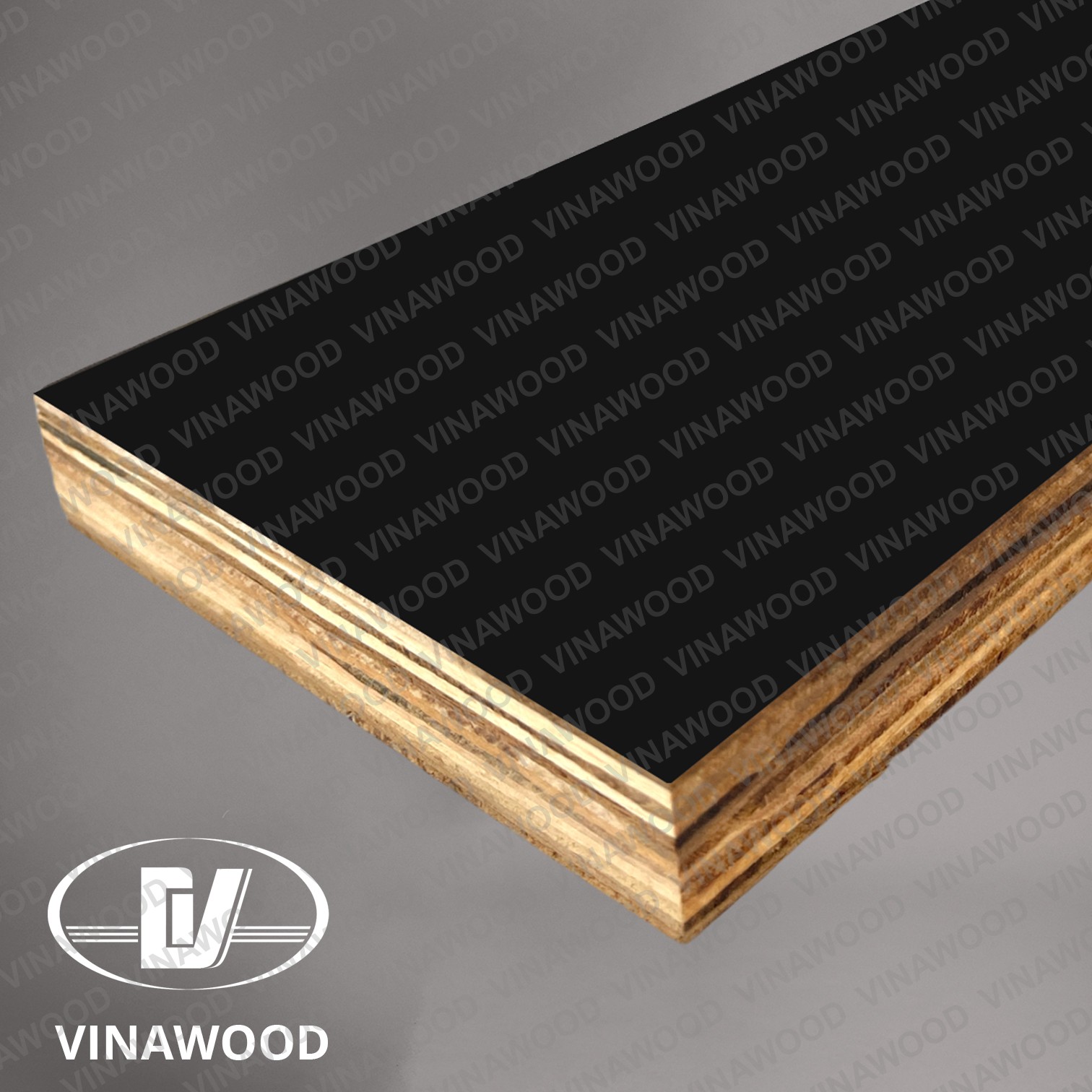
HDO (high-density overlay) is a phenolic paper face pressed onto the panel. Canadian commercial and infrastructure specs still name it when the finish has to stay tight across many pours. HDO Basic is rated up to 10 reuses. HDO Premium is rated up to 20. Both numbers are maxima under proper handling.
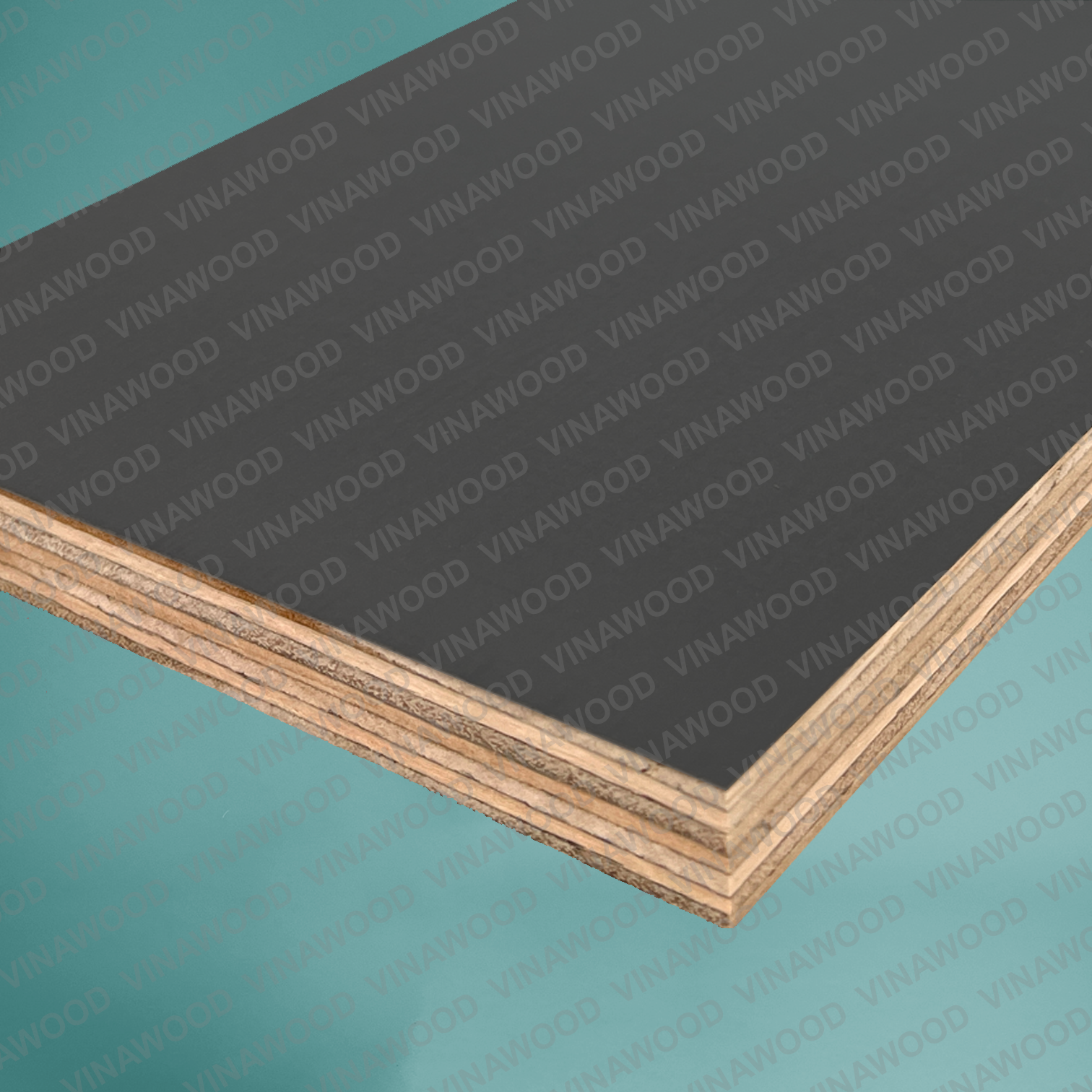
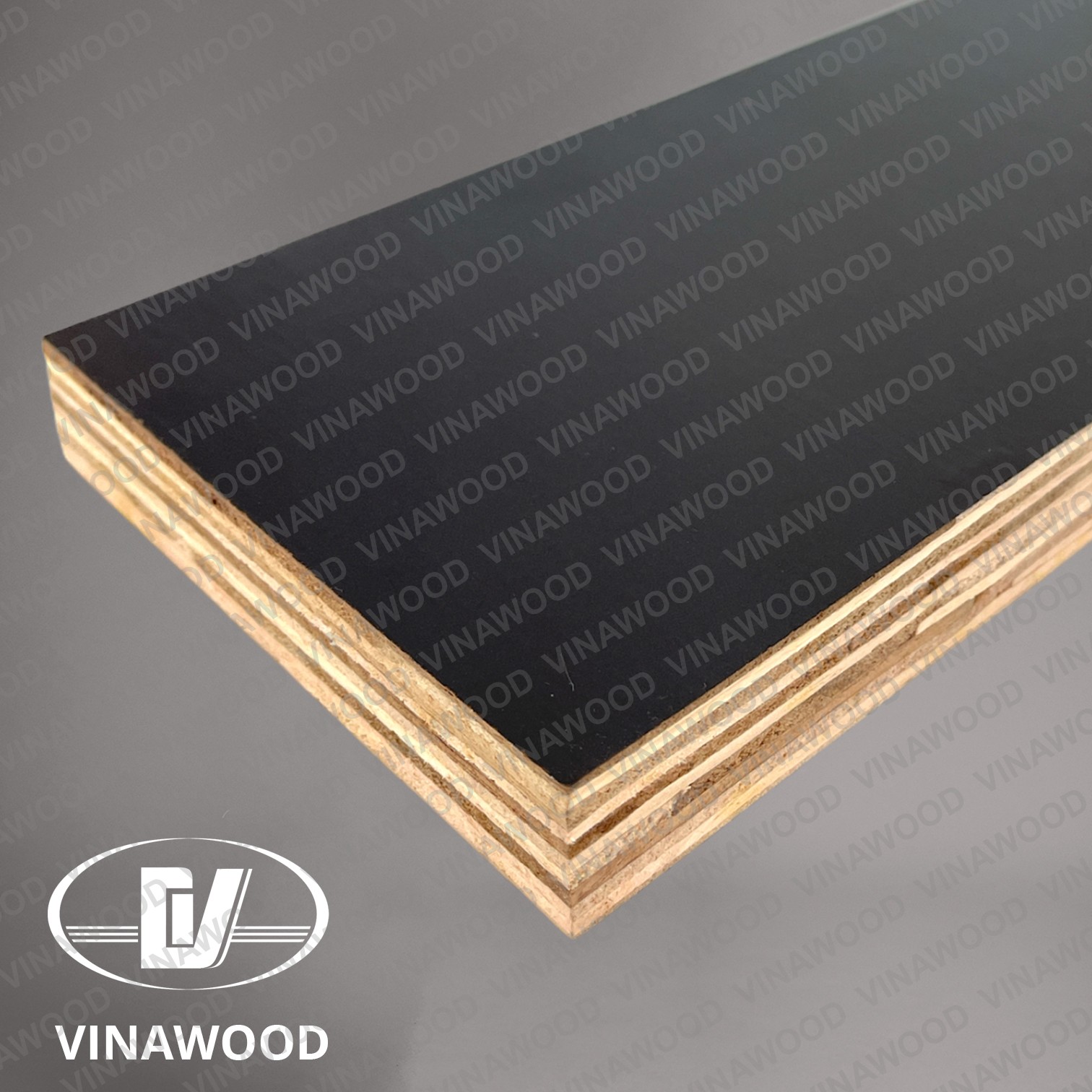
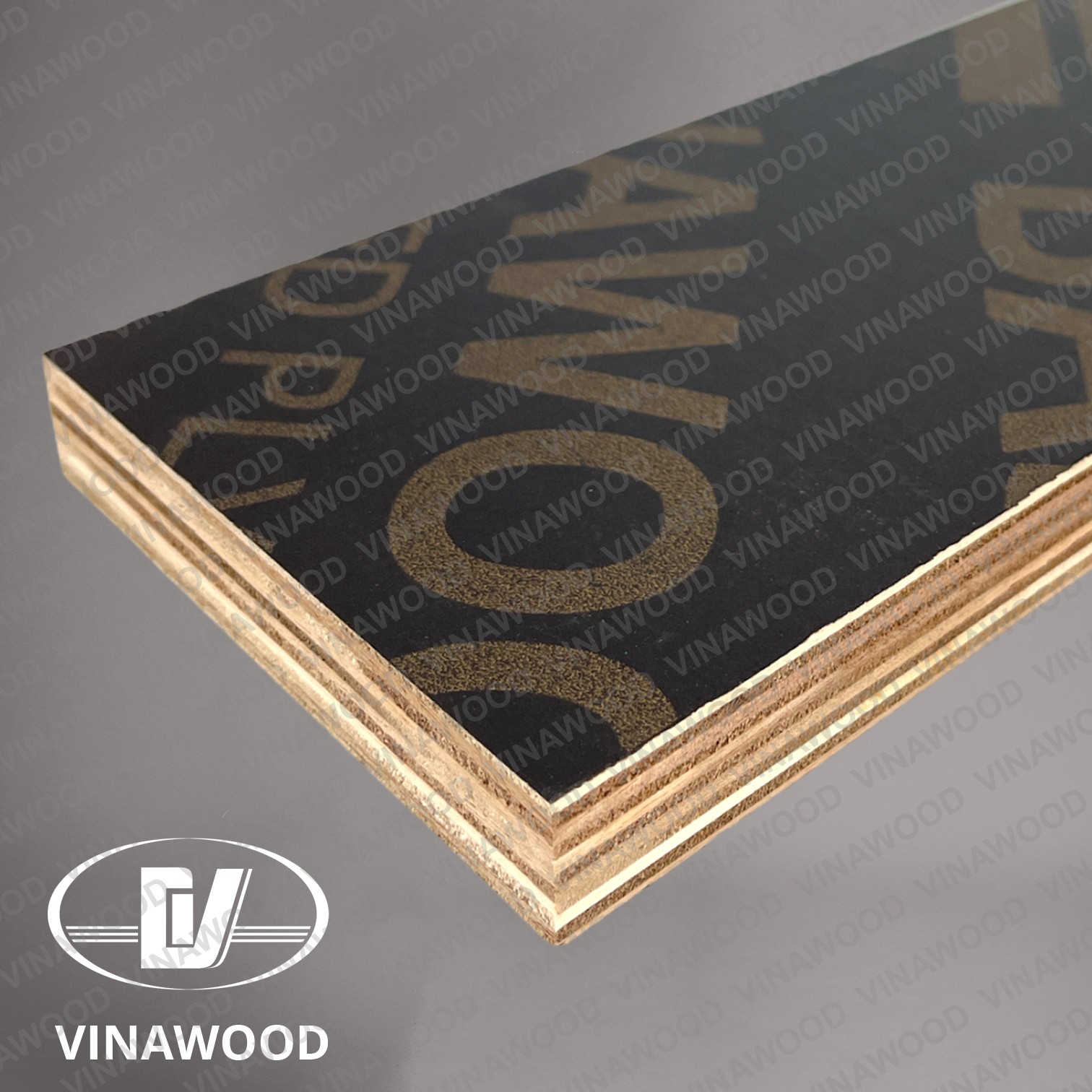
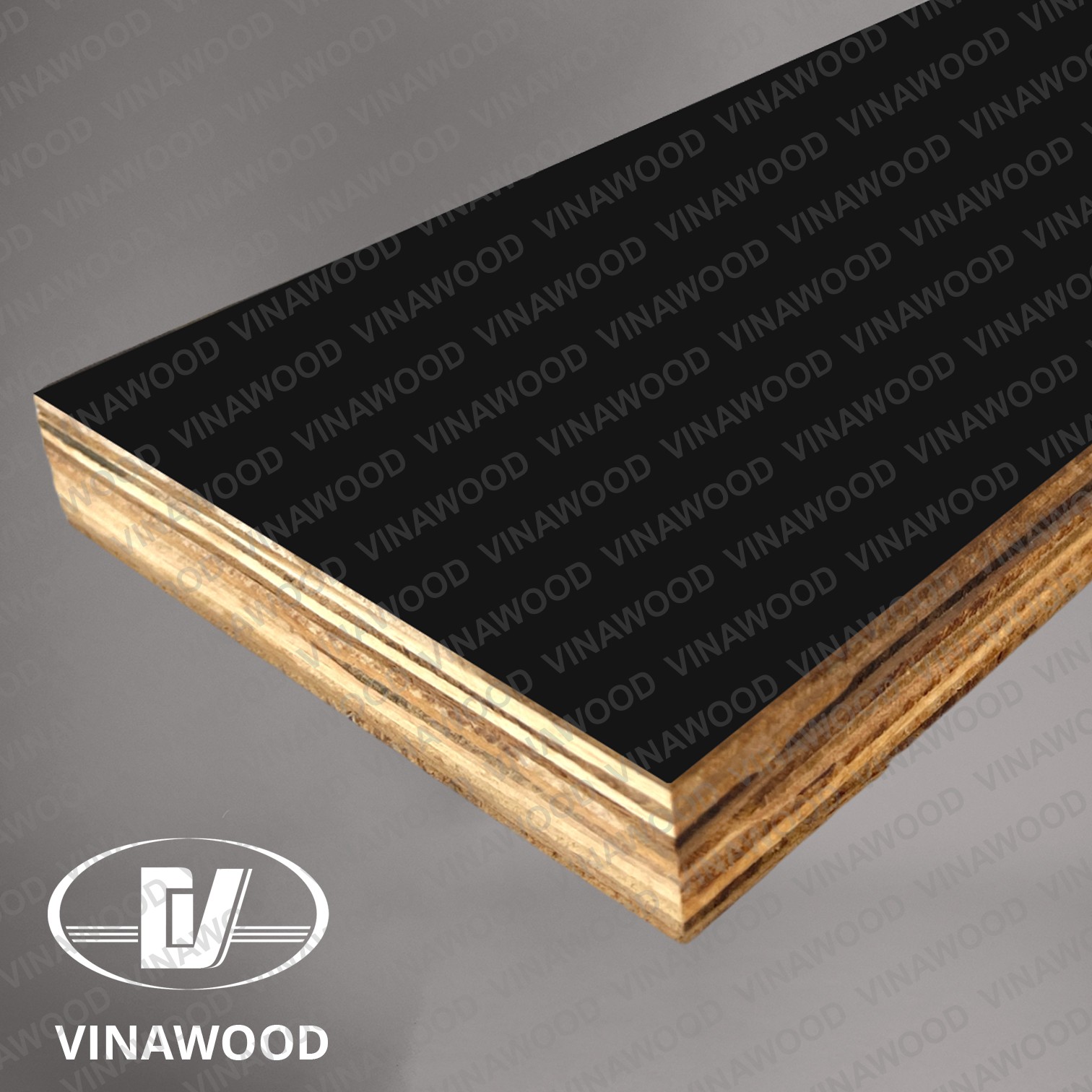
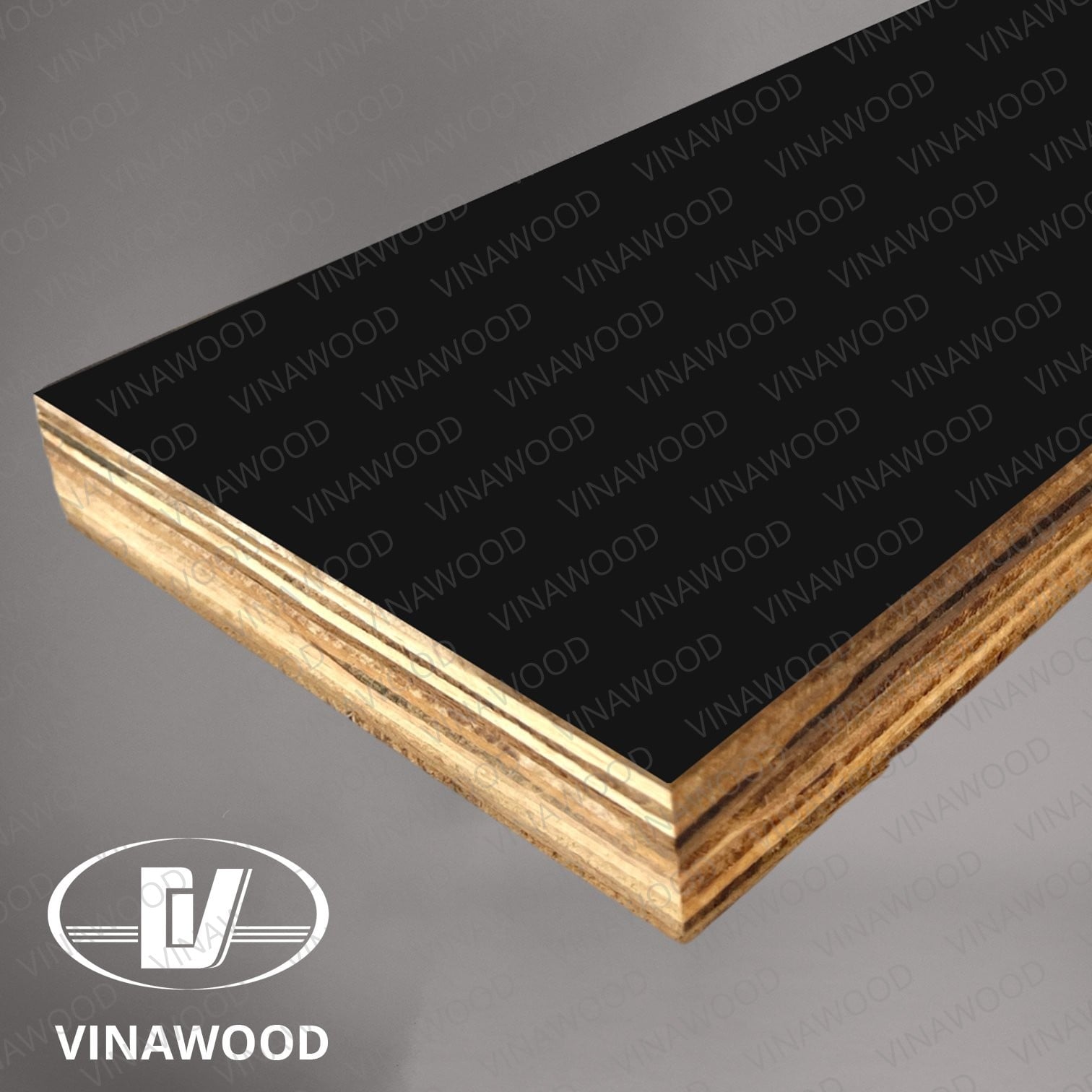
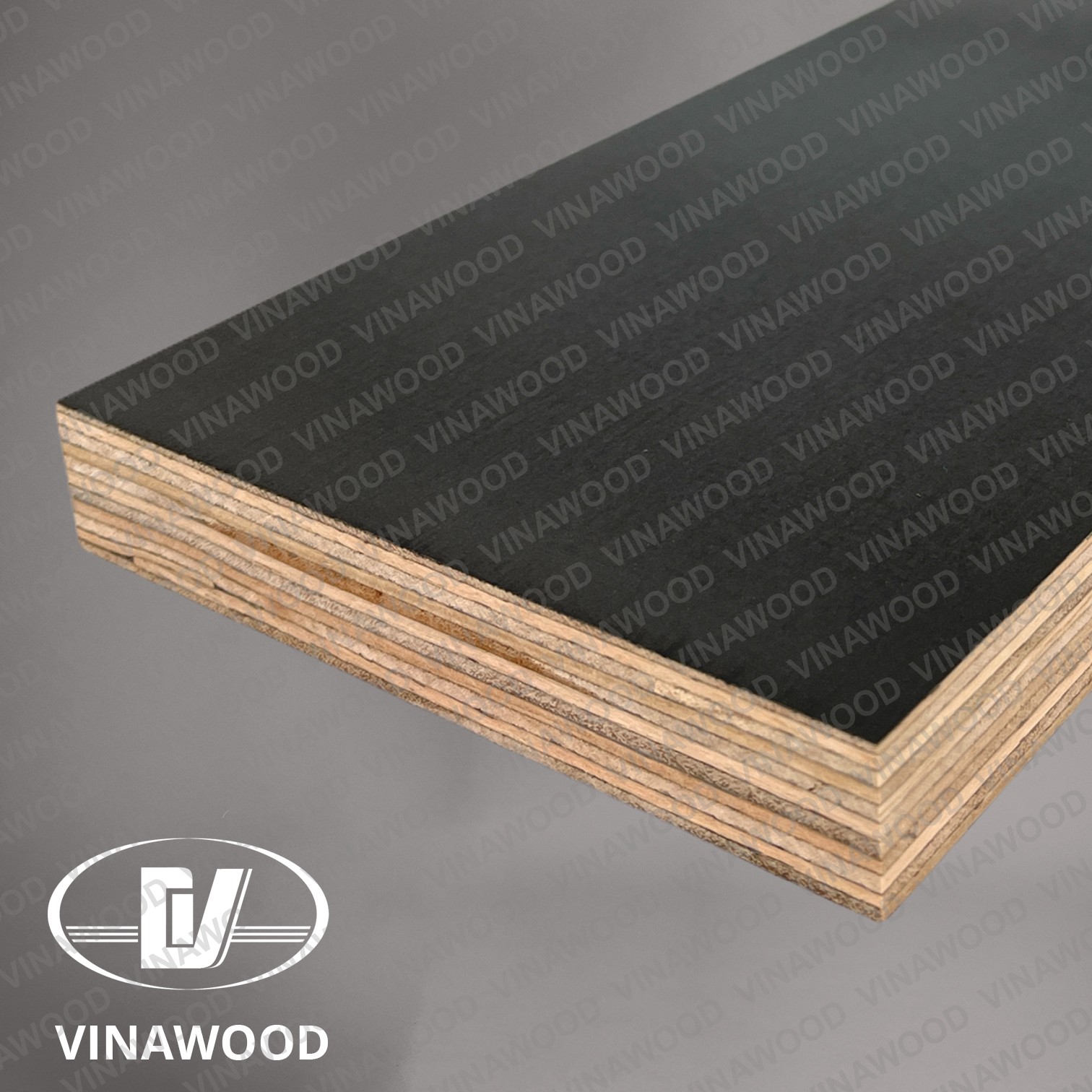
Film-faced plywood is the mill overlay most importers actually land at Vancouver, Montreal, or Halifax. Phenolic film on one or both faces. Cycle count follows glue class and film weight, not a CAD price table. See the film-faced plywood range and the HDO plywood collection side by side, then pick by reuse target and finish, not by which name sounds more "Canadian."
I have watched Canadian RFQs ask for "waterproof WBP HDO" and then accept a Class 2 film-faced sheet because the face was brown. That mix-up is a mid-pour swap waiting to happen.
Buyers sometimes search for MatteFace Plywood (MTF) as MDO formwork plywood. The product name is MatteFace. MDO is the search term. Formwork only. For the overlay comparison that already ranks on MDO, see HDO vs MDO plywood (link only). This URL stays on construction plywood Canada.
A mill-sourcing sibling for film-faced into Canada is film-faced plywood suppliers in Canada. Link only. Do not merge that page into this CSA split.
Say core MUF adhesive when you mean the glue in the veneers. Say phenolic face film or HDO paper when you mean the overlay. Decorative laminate is a third product. Consply is commercial Bintangor, not a formwork grade. Leave it off the ladder.
Vinawood formwork ladder
Canada can take both HDO and film-faced. Pick the rung that matches cycle count and outdoor storage. Plantation-grown acacia and eucalyptus cores.
| Product | Overlay / glue | Class | Reuse (max) |
|---|---|---|---|
| Eco Form Plus | Film-faced, core MUF | EN 636-2 | Up to 8 |
| Form Basic | Film-faced, core MUF | EN 636-2 | Up to 10 |
| Form Extra | Film-faced, Superior Glue MUF | EN 636-2, not Class 3 | Up to 15 |
| Pro Form Lite | Film-faced, PF | EN 636-3 / Class 3 | Up to 15 |
| Pro Form | Film-faced, PF | EN 636-3 / Class 3 | Up to 20 |
| HDO Basic | HDO, PF | Class 3 | Up to 10 |
| HDO Premium | HDO, PF | Class 3 | Up to 20 |
Only Pro Form, Pro Form Lite, and HDO are phenolic Class 3. Form Extra is not Class 3. Same phenolic face as Form Basic. Longer reuse is the Superior Glue MUF, not a thicker overlay.
Edge paint from the mill slows wicking between pours. Recoat cut edges on site. Use the release agent the mill named. Dropped corners and wet stacking move the real reuse count far below the "up to N" figure. Winter yards in Montreal freeze meltwater into the core if the pack sits on the ground. Keep it off the pad.
Pro Form Lite sits between Form Extra and Pro Form. PF Class 3, shorter reuse than full Pro Form. Use it when the pour is outdoor enough for Class 3 but the cycle count does not need the top film-faced rung. Form Extra stays on the Class 2 side even when the face looks identical.
Cost-per-pour is a method, not a blog number. Divide what you actually pay for the sheet by the pours you actually get. Handling, release agent, and wet stacking move that count more than the overlay name on the quote.
Default Canadian format is 4 × 8 ft (1220 × 2440 mm). Thickness: 18 mm (3/4 in) for walls and columns. Lighter decks and edges go thinner when the specifier says so. Write the thickness. Do not assume 18 mm covers every gang.
Import path
Formwork is temporary. Imported film-faced and HDO panels used only as forms do not need a CSA sheathing stamp. They do need a mill test that matches thickness and glue class, plus the origin pack your broker files.
Permanent sheathing is the other job. No CSA or accepted APA stamp, no stay-in-place use. Do not try to substitute a formwork overlay for a code-stamped diaphragm.
Do not ask the mill for a CSA O121 stamp on a film-faced formwork SKU. That stamp is a stay-in-place product path. Ask for the mill test, the class number, and the overlay. If the same container must also carry stamped sheathing, that is a different line on the PO, not a different sticker on the same sheet.
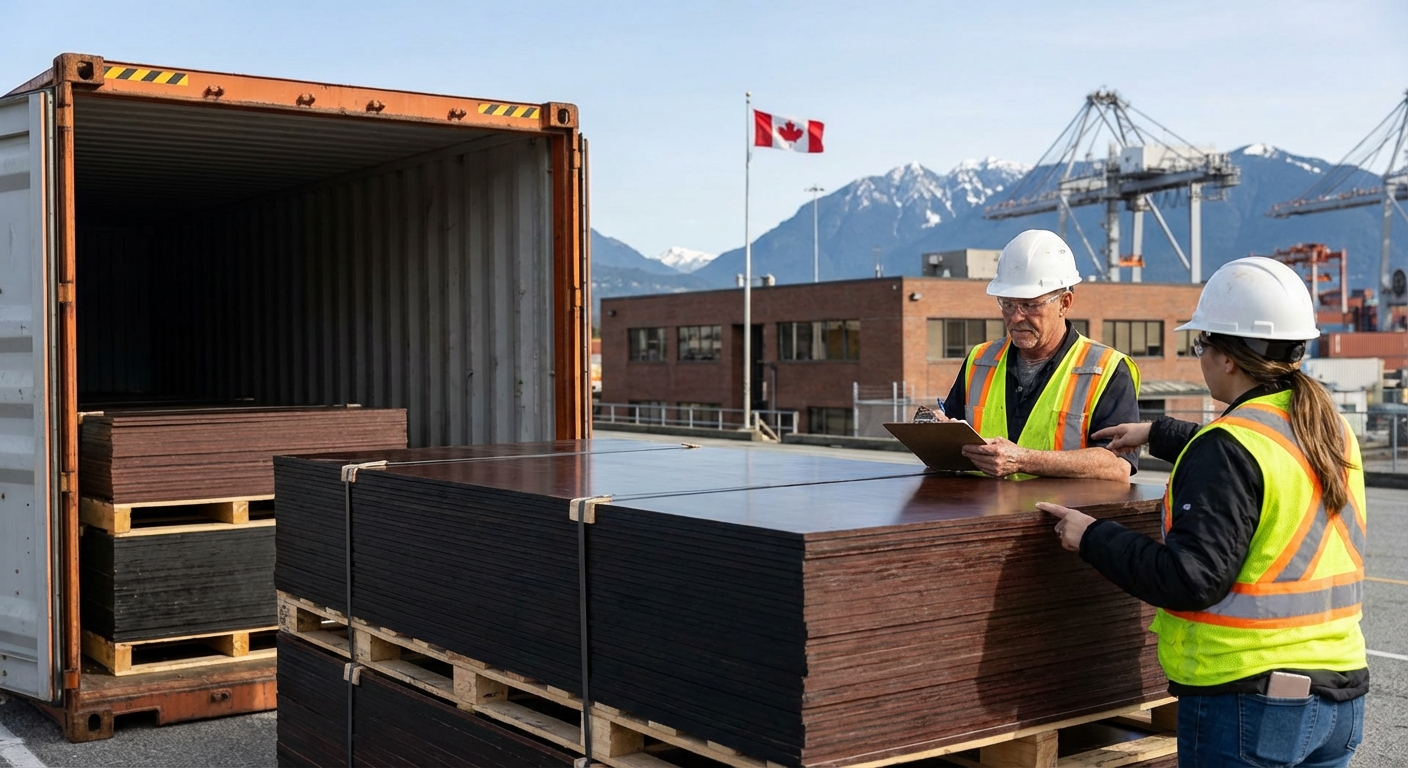
Canada and Vietnam are both CPTPP parties. Vietnamese plywood often enters duty-free with a valid origin certificate. Confirm HS and origin with the customs broker before the vessel sails. No rate belongs in this article. Rates move. Do not file a species story the broker did not assign.
Transit ranges already used on this lane:
| Port | Region served | Ocean transit (approx.) |
|---|---|---|
| Vancouver | BC, Prairies | 18-22 days |
| Montreal | Ontario, Quebec, Atlantic | 28-33 days |
| Halifax | Atlantic Canada | 25-30 days |
Add production time on the mill side. Mixed containers (HDO plus film-faced, or mixed thickness) are a normal way to hit a single-container minimum without over-ordering one SKU.
Standard pack with the container: commercial invoice, packing list, bill of lading, origin cert when CPTPP is claimed, ISPM 15 on the pallets, mill test for the ordered thickness. FSC or PEFC chain-of-custody when the project file asks. CARB Phase 2 / EPA TSCA Title VI for formaldehyde when the consultant named it.
Glue sets the water-resistance ceiling. Overlay, edge seal, and site handling decide how close you get. Two Class 3 sheets can diverge by several pours if one sat in a thaw cycle and the other stayed under cover. That is why mills publish "up to N," not a guaranteed cycle count.
A trader can photocopy a certificate. A mill can re-run the thickness you ordered. Receiving should check the sheet stamp against the mill test before the first bundle hits the crane.
What to send with the quote request
Put the split on the first line: CSA stay-in-place sheathing, or temporary formwork. Then thickness (18 mm / 3/4 in, or the size the gang actually runs). HDO versus film-faced. PF versus core MUF. Reuse as "up to N." Port: Vancouver, Montreal, or Halifax. Edge seal. Quantity.
State the application in one line: residential foundations, commercial walls, infrastructure, or architectural finish. Attach a photo of the last panel that failed if you are replacing a grade. That one picture saves a week of email.
Vinawood quotes that checklist from the mill. We have pressed formwork panels since 1992 and ship about 5,000 containers a year to 40+ countries. Oneply handles appointed North America distribution. Send the use, overlay, glue class, and quantity to request a quotation. We will match the rung instead of selling you a CSA stamp you do not need, or a brown film with no class number behind it.
Category
guides
Related Markets
Related Countries
▶Sources & References (3)
- CSA O121 — Douglas Fir Plywood — Canadian Standards Association (2023)
- CSA O151 — Canadian Softwood Plywood — Canadian Standards Association (2023)
- CPTPP Tariff Schedule — Canada — Global Affairs Canada (2024)