How to Buy Plywood from Vietnam: Complete 2026 Guide
Everything B2B buyers need to know about sourcing plywood from Vietnam — from supplier evaluation and certifications to container loading and landed cost.
If you only remember one line from this page, make it this: write the specification before you write the price email. Panel type, core species, sheet module, thickness, glue class, and the certificates your destination will open. Vietnam can ship the volume — millions of cubic meters a year into Europe, North America, the Middle East, and Asia-Pacific — because plantation Acacia, Eucalyptus, and Styrax plus real press lines undercut China-origin duty pain in several markets. Volume without evidence is still a bad buy.
Here is the order we walk new importers through. Skip one and you usually meet it again at inspection.
Lock the product on paper
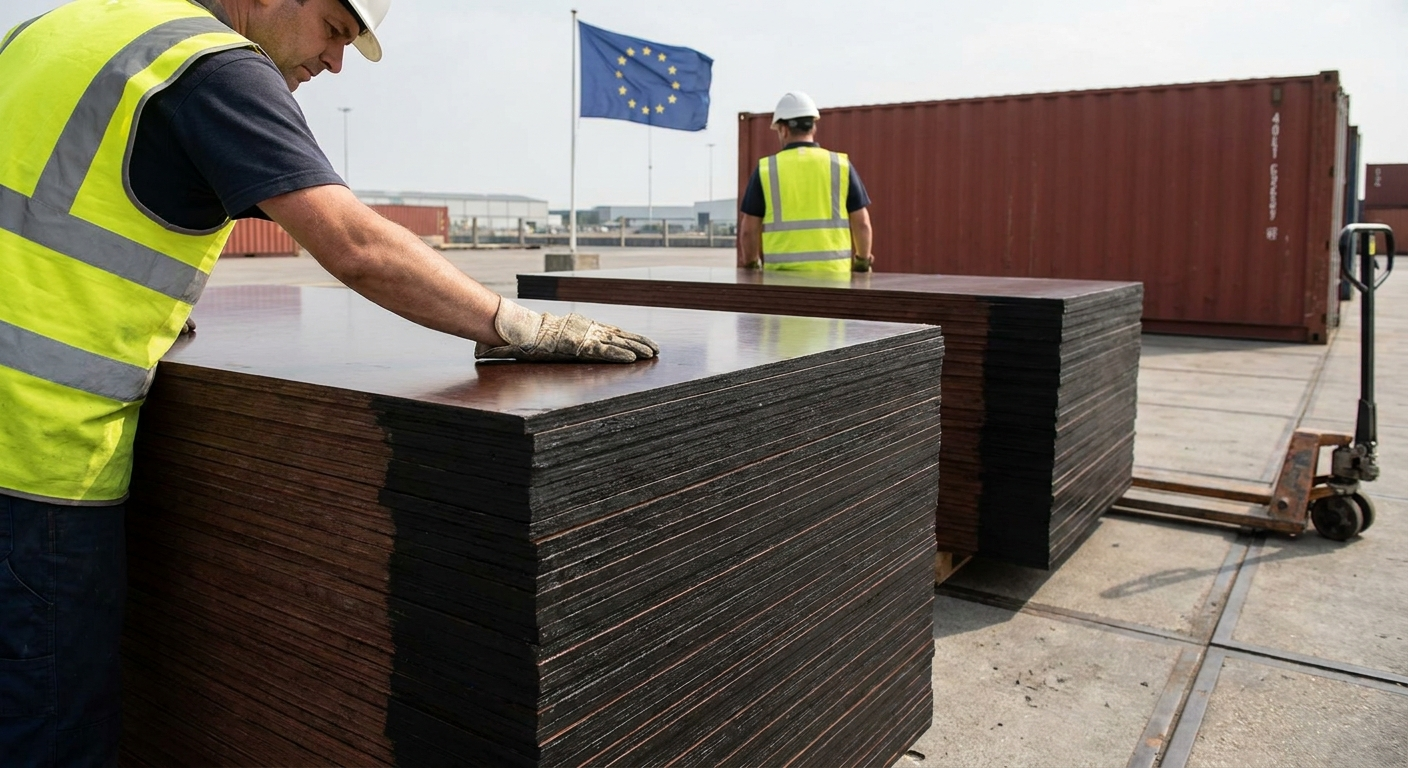
Say film-faced formwork, commercial hardwood, or a denser overlay when the finish needs it. Medium-density overlay (MDO) and high-density overlay (HDO) are education labels in APA-style talk. They are not automatic Vinawood SKU names. MatteFace is the protected commercial face name when that product line is on the table.
Pick the core or blend on the core blend calculator. Confirm 1220×2440, 1250×2500, or a custom cut in the specifications library. Convert units on the dimension converter. Keep glue intent off the face line. List FSC, CARB P2, CE, EUDR, BIS, or JAS as your market requires — details on certifications.
Vet presses, not PDFs
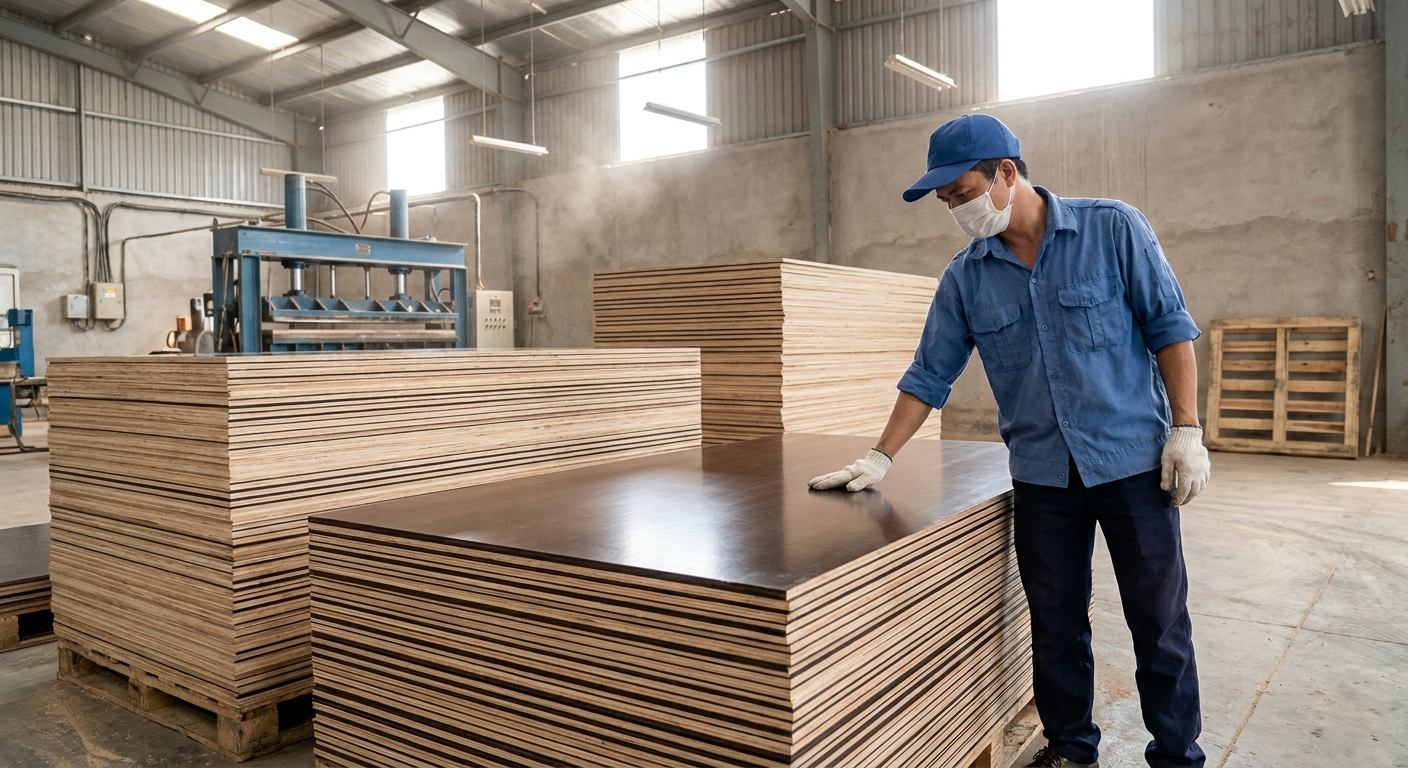
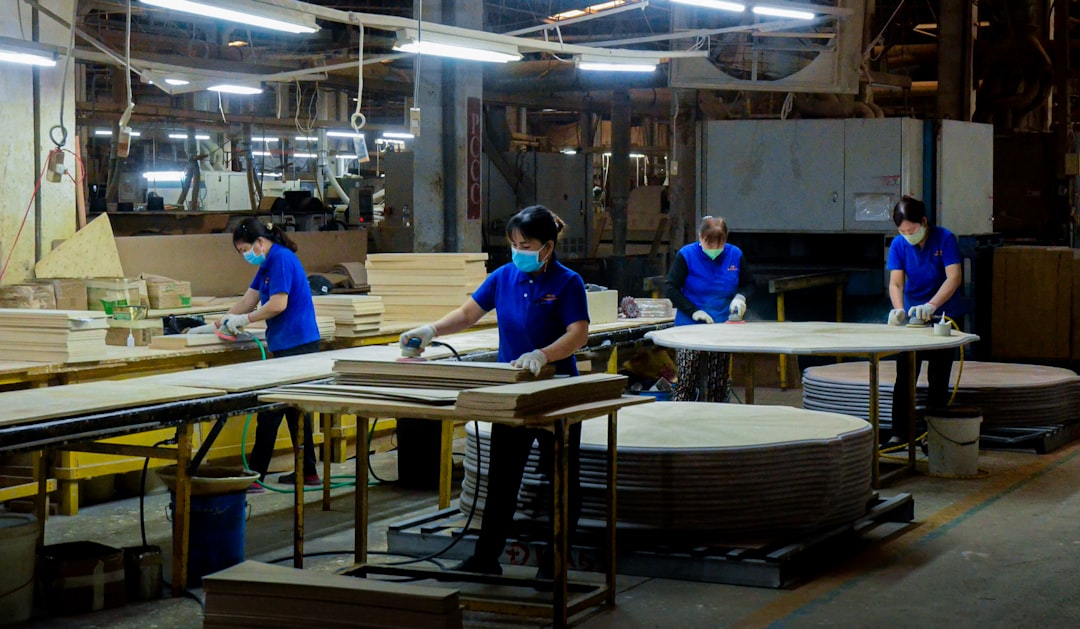
Own factory with a visit path. Current certificates on request. Multi-year export trail into your region. Honest monthly CBM. QC you can name. A sales desk that answers the thickness question the same day. Traders who cannot open a mill gate are not "flexible partners." They are a risk layer.
Samples that match the RFQ
Ask for the sheet you intend to buy. Bond, moisture, and emission reports should travel with it. FOB per CBM or per sheet, MOQ, and lead time in writing. Convert units on the CBM calculator. Stress freight and duty on the landed cost calculator.
Read the FOB levers
Species moves price. Overlay costs more than a bare commercial face. Thin panels often cost more per CBM because more veneer work sits in each cube. FSC usually adds a modest premium. Volume past a few containers is where mills sharpen. None of that fixes a wrong glue class.
Stow the box on purpose
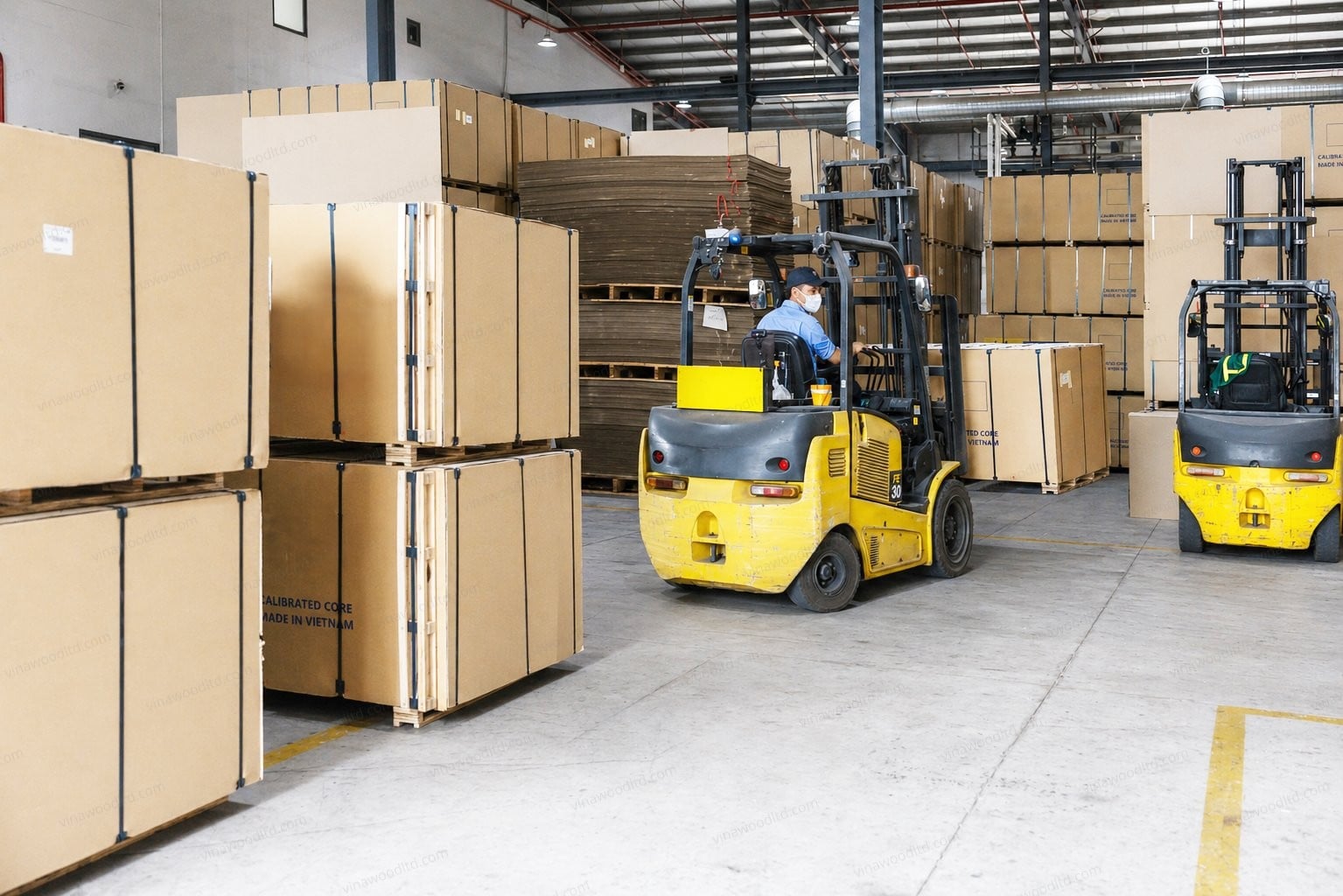
A 40HC often holds about 28–32 CBM depending on thickness. A 20 ft pack is often near 14–16. Steel straps still need a packing plan. Use the loading calculator and packing calculator before a retailer hears a sheet count you cannot stow.
Certificates follow the destination
US hardwood needs TSCA Title VI / CARB P2. EU programmes want CE, EUDR evidence, and EN language. India may need BIS. Japan construction grades may need JAS. Put the audit on the PO so Europe paperwork does not sail into a CARB hold.
Contract, watch, then ship
Specs in writing. Deposit plus balance against documents is still the default opener; LC terms come with trust. In-process photos help. Third-party inspection pays for itself on large lots. Confirm the booking before the last press cycle.
Minimums are often one 20 ft. Lead times commonly 15–30 days, longer in peak season. OEM film or edge marks are normal. Factory access and prior export declarations beat a polished brochure every time.
Category
how-to