Bamboo Plywood vs Regular Plywood: Strength, Cost, Use
Bamboo plywood vs regular plywood — a fair, manufacturer-side head-to-head on strength, cost, sustainability, moisture performance, and which use cases each panel actually serves. Includes a decision matrix and a Vietnam mill perspective on the standards rating that decides most of the comparison.
People keep lining bamboo plywood up against hardwood plywood like they are the same sheet with a greener story. From our press floor that comparison already fails. Bamboo is a strip- or strand-laminated panel built for visible interior work and rapid-regrowth credits. Hardwood plywood is the standards-rated tool for sheathing, subfloors, formwork, and marine packs. I have seen outdoor cabinets specified in interior-only bamboo. The mistake was on the RFQ, not the saw.
Use bamboo when the face is the brief and the room stays conditioned. Use hardwood when bond class, span rating, or wet-concrete reuse shows up on the paperwork. Cabinets and partitions indoors are the messy middle where taste and budget still argue. Everywhere else the standards ladder wins before species marketing does.
What you are actually buying when someone says bamboo plywood
Moso-family strips. Short harvest. Heat and pressure. Banded or strand faces instead of cathedral veneer grain. Most commercial sheets still lean on UF or melamine glue, so the service story stays interior. Phenolic bamboo exists. Rare, and priced like it. There is no neat HP-1 or EN 636 twin that drops bamboo onto the A–D and service-class map hardwood buyers already trust. Two mills at the same invoice price can feel like different products. Ask for the test report.
Hardwood plywood in the same conversation
Veneer core, grain crossed at ninety degrees. Species change with the mill — Acacia, Eucalyptus, Hevea, birch, maple, Bintangor — the build idea does not. HP-1 covers North American hardwood appearance and bond talk. EN 636 covers European service classes. BS 1088 covers marine void-free packs. APA Plyform covers North American form faces. Hardwood has a published answer on each of those rungs. Bamboo mostly does not.
Strength talk without the steel slogan
Along-fibre bamboo tensile numbers look dramatic in lab charts. Once strips are glued into a panel, adhesive and layup decide more than the species legend. Hardwood publishes bending and bond values a specifier can design against. Bamboo often leaves you holding one mill PDF. That is fine for a sideboard. It is thin ice for a structural stamp.
Cost, said plainly
US retail bamboo usually sits well above a comparable hardwood commercial sheet. Project-scale premiums often land somewhere near one and a half to two times for similar thickness and face quality. Pay that when the banded look or a rapidly renewable credit is the brief. Skip it when you are trying to buy moisture performance bamboo was never rated for.
Sustainability that survives an audit
Fast regrowth is real. Shipping distance, adhesive emissions, and chain-of-custody still sit under the same EUDR and CARB scrutiny as hardwood. An FSC or PEFC file on either species beats a slogan. Plantation Vietnamese Acacia already has a short-rotation case when the COC is current. I would rather open an EPD than read another green paragraph with empty attachments.
Moisture is the tie-breaker
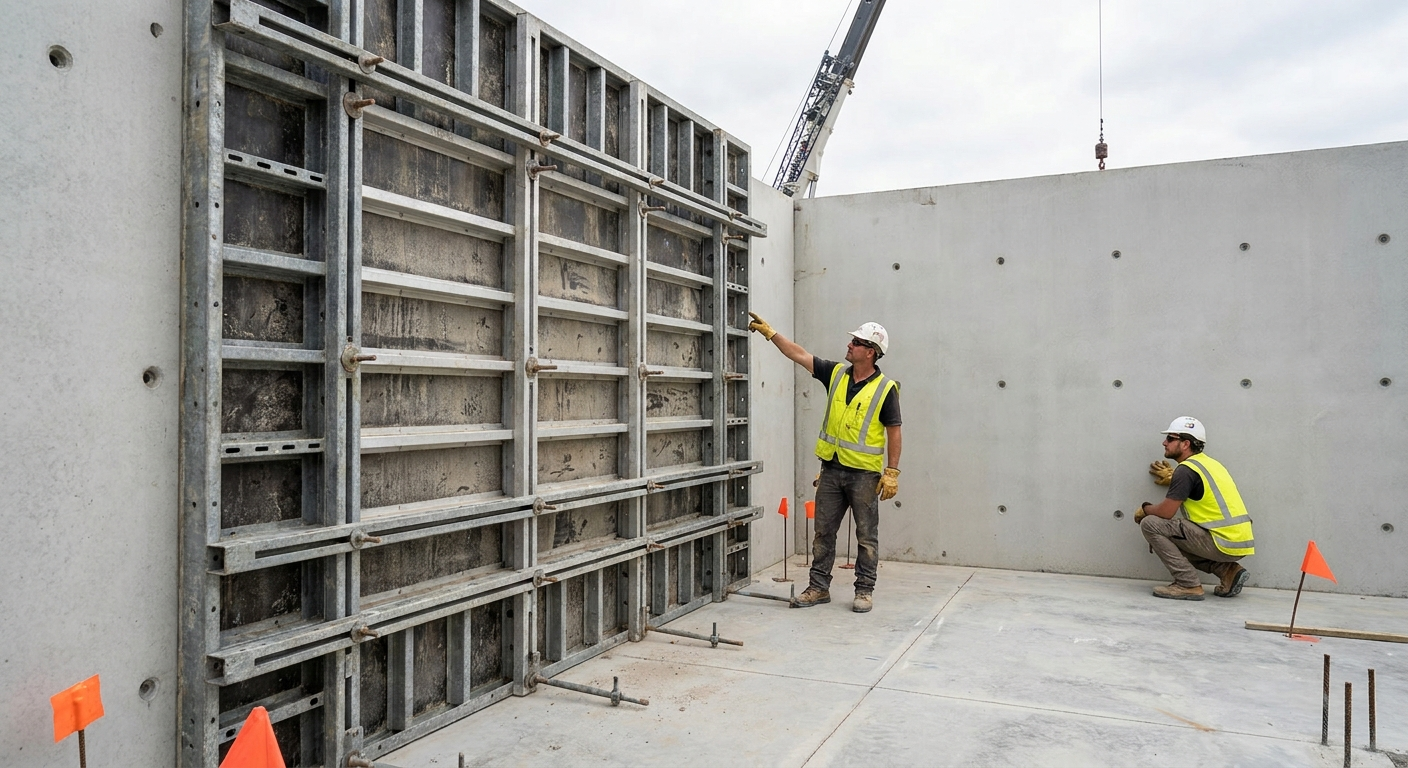
Default bamboo stays interior-only. Hardwood walks EN 636-1 dry through EN 636-3 exterior bond performance, plus BS 1088 marine and APA Exposure / Exterior language on the North American side. Formwork needs a water-resistant phenolic bond path and a reuse claim that matches the grade certificate and how the crew actually strips the gang. Brochure maxima for SKUs you did not buy do not belong on the PO. Splash zones and pour faces are hardwood jobs.
Pick by job, not by feedstock story
Bamboo earns cabinet faces, feature walls, conditioned cladding, and furniture where the band pattern is intentional. Hardwood owns structural sheathing and subfloors, Vinawood commercial and formwork ranges, marine under BS 1088, exterior work, paint-grade boxes, and any RFQ that cites a numbered bond or span. Face letters are unpacked in plywood grades explained.
| Job | Lean |
|---|---|
| Visible modern cabinet faces | Bamboo |
| Hidden carcase | Hardwood B/C face |
| Indoor feature wall | Bamboo |
| Subfloor / sheathing | Hardwood or structural softwood |
| Concrete formwork | Hardwood with exterior bond on the certificate |
| Marine | Hardwood BS 1088 |
| Bathroom vanity faces | Sealed hardwood or laminate — not raw bamboo |
| Rating-system feature panel | FSC bamboo when the credit matters |
Match service class first. The cheaper wrong panel gets expensive at rework. Broader bamboo product context sits on the bamboo plywood guide.
Category
guides
Related Markets
Related Countries
Related Products
▶Sources & References (4)
- BS 1088 — Plywood for Marine Use — British Standards Institution (2003)
- EN 636 — Plywood. Specifications — European Committee for Standardization (CEN) (2012)
- ANSI/HPVA HP-1-2020 — Hardwood and Decorative Plywood — Hardwood Plywood and Veneer Association (2020)
- FSC International — Forest Stewardship Council certification for bamboo and hardwood — Forest Stewardship Council (2024)