Importing Vietnam Plywood to the USA: Duties, Standards, and Logistics
A practical guide for US buyers importing plywood from Vietnam — covering the anti-dumping duty advantage, CARB P2 compliance, customs procedures, and landed cost analysis.
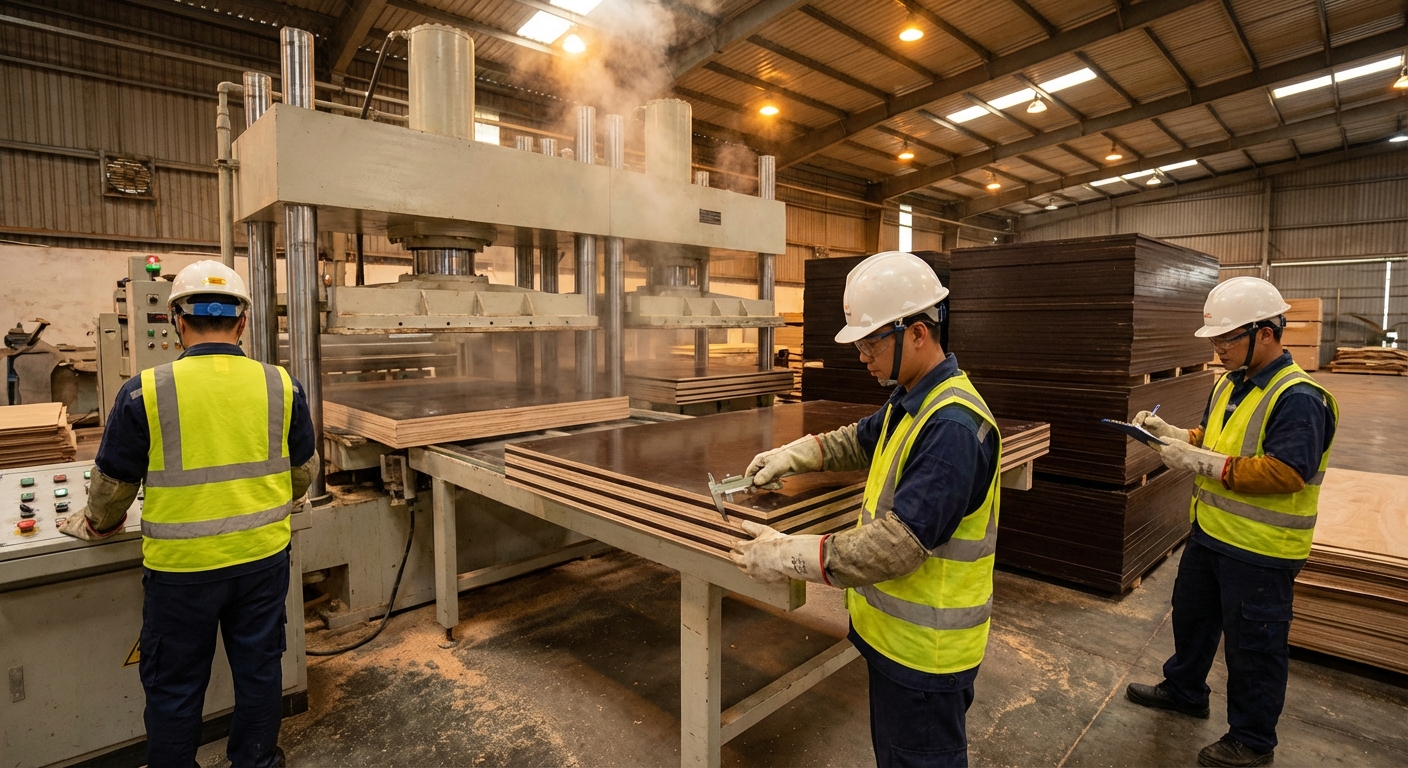
Most US buyers who call us about Vietnam plywood already know the China duty story. They want the short version: can a Ho Chi Minh City or Binh Duong pack clear without the anti-dumping mountain that hit Chinese hardwood plywood after 2013? Often yes on ordinary HS 4412 commercial lines — MFN duty still applies, and that is not the same as duty-free. Formwork and some PS-structural paths sit outside the Vietnam hardwood CVD conversation for their own reasons. Furniture-grade hardwood still needs the tariff line read carefully. I will not sign a spreadsheet that pretends every Vietnam stamp erases every remedy.
CARB Phase 2 / EPA TSCA Title VI is the gate that actually stops boxes. Chamber results, an EPA-recognized TPC, and labels with lot identity have to ride with the goods. Brokers who treat wood like general merchandise learn that the expensive way.
Duty reality, without the sales slide
Chinese hardwood plywood under AD A-570-049 has carried manufacturer rates well over 100 percent in published work. Section 301 stacked more on many China-origin goods. Vietnam packs on clean commercial plywood lines have not lived under that China order. Around 8 percent MFN still shows up on a lot of entries. Transshipment watch lists are real. Ask for press photos, domestic timber proof, and prior US entries before you model "zero AD forever."
Run scenarios on the landed cost calculator once FOB and freight are known. Freeze AD percentages only after your broker confirms the current rate for that exporter.
The emission file that CBP opens
Hardwood plywood into the US needs TSCA Title VI alignment with CARB Phase 2. Pull the TPC certificate. Check EPA's published certifier list. Ask for a recent ASTM E1333 or D6007 chamber report. Vinawood's certifications page is the map we hand buyers who need the trail, not a substitute for the lot file on your container.
Lacey, HS, and the boring pack that saves weekends
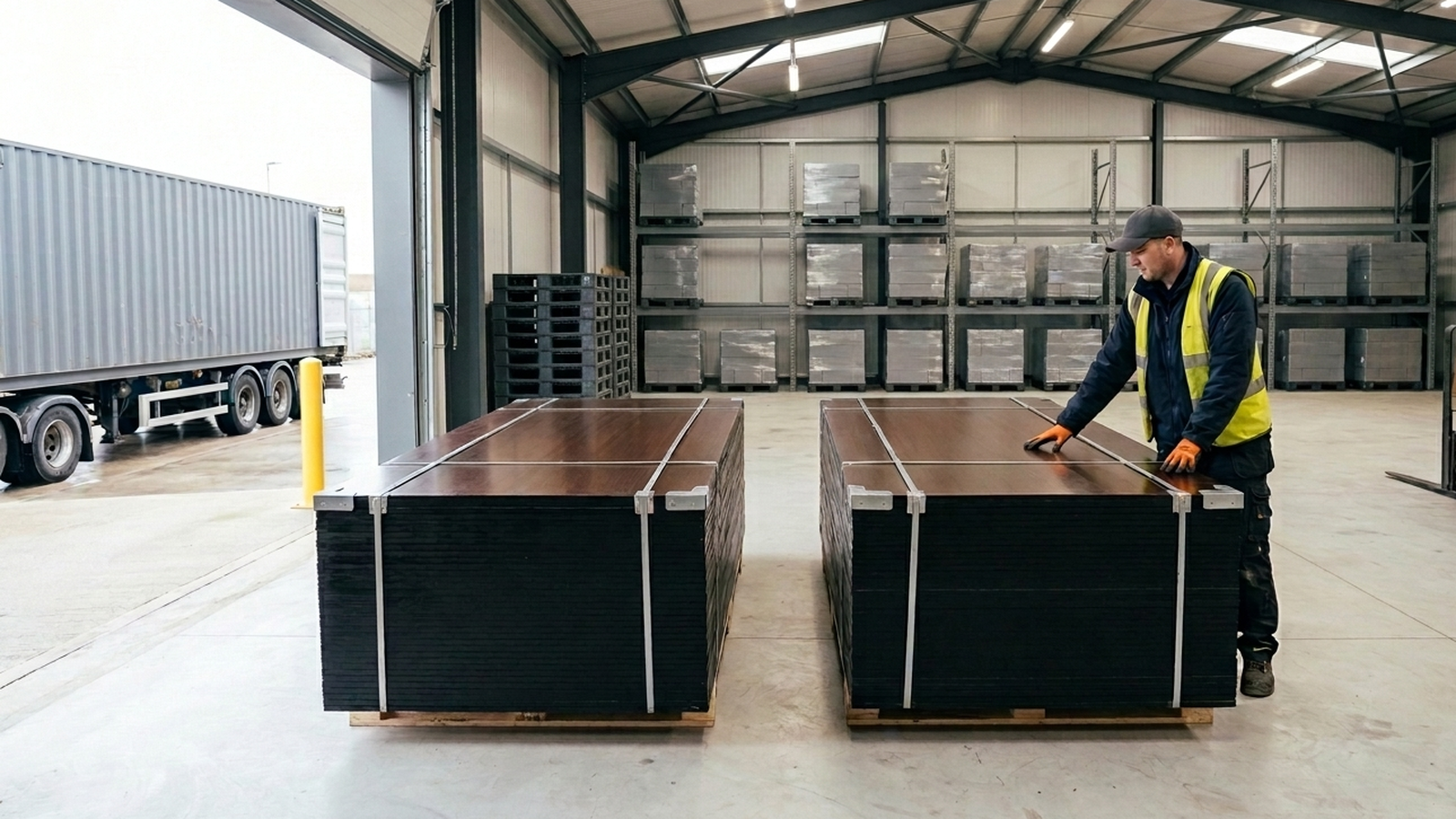
Get the HS 4412 subheading right for face, thickness, and build. Lacey wants genus, species, harvest country, and value. Acacia or Eucalyptus harvested in Vietnam belongs on that form when that is the truth. Invoice, packing list, B/L, CARB file, Lacey declaration, ISPM 15 packing cover, and origin paper when you claim a preference — that stack is the job. Hire a wood-experienced broker the first time.
Transit windows we actually see
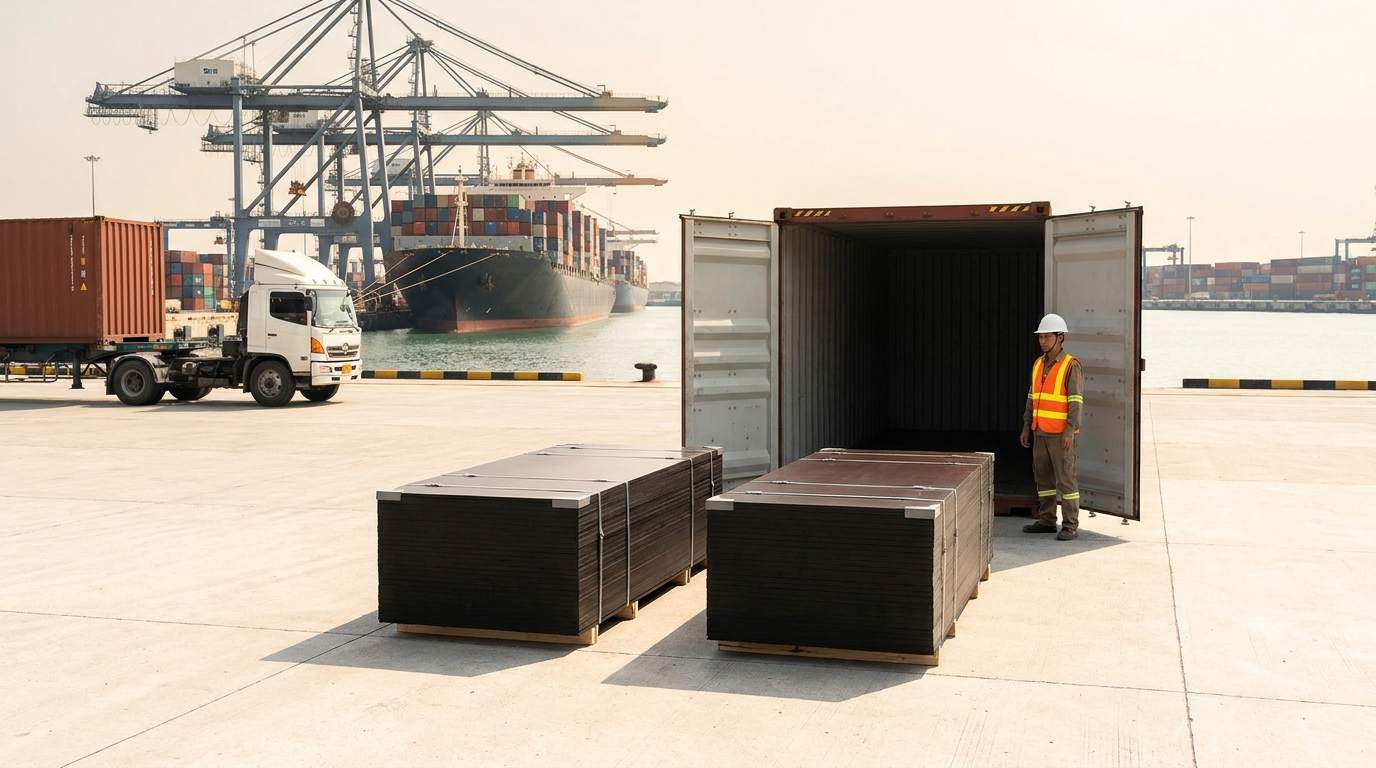
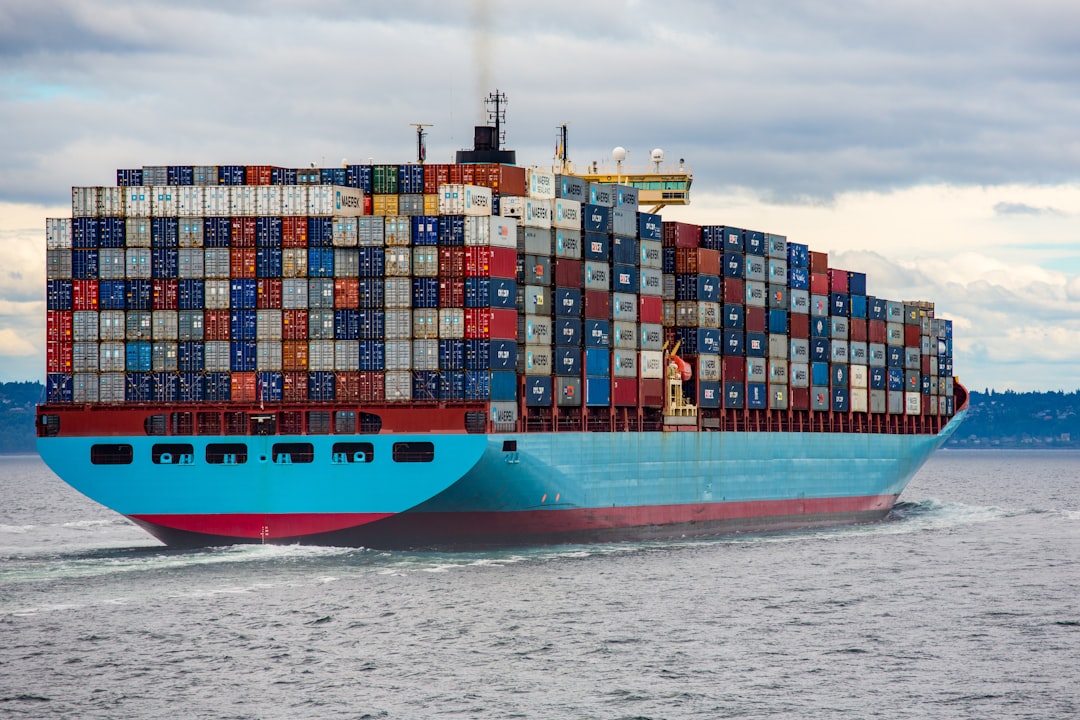
HCMC to West Coast often lands near 18–22 days into Long Beach, Oakland, or Seattle. East Coast stretches toward a month. Gulf sits in between. Hai Phong to the West Coast adds a few days. Blank sailings move every one of those numbers. Book early in Q3–Q4.
Landed cost is a shape, not a quote
A planning 40HC of 18 mm film-faced to the West Coast usually shows Vietnam FOB a bit higher than a China FOB tease, then a much lighter duty column when China AD and 301 apply on the China path. The win is the duty column. Published rates change by mill and review period. Do not tattoo a blog table onto a purchase order.
New AD on Vietnam later? Possible to watch. Real factories beat paper traders.
Special import license? No. Bond plus licensed broker.
Typical minimum? One 40HC for many mills; some take a 20 ft trial. Use the loading calculator before you promise sheet counts.
US construction standards? Strong mills can support PS 1 / PS 2 talk with reports when the RFQ asks. Write the acceptance path on the PO.
Category
market-insights