Particle Board Explained: Types, Uses, Pros & Cons
Particle board is one of the most affordable and versatile engineered wood products used in modern construction and furniture. Made by compressing wood chips, sawdust, and resin, it offers a smooth surface perfect for laminates, veneers, and melamine finishes. In this guide, we’ll explore what…
Particle board moves at roughly a third of plywood's price per square metre. That price gap is the entire reason the product still ships. Take the cost advantage away and you'd never see it again — buyers would default to plywood, MDF, or solid timber for every job. Because the gap is so wide, the board still goes out the factory door in massive volumes. It hides inside flat-pack wardrobes, melamine kitchen carcasses, office desks, and most low-cost furniture sold worldwide.
Trouble starts when buyers assume "engineered wood" means it's fighting plywood on structural ground. Wrong fight. Particle board sags under load. It swells if water finds the core. It loses screws after a couple of teardowns. The article below covers what the board is, what grades you'll see on a supplier list, and where each one belongs.
What is particle board?
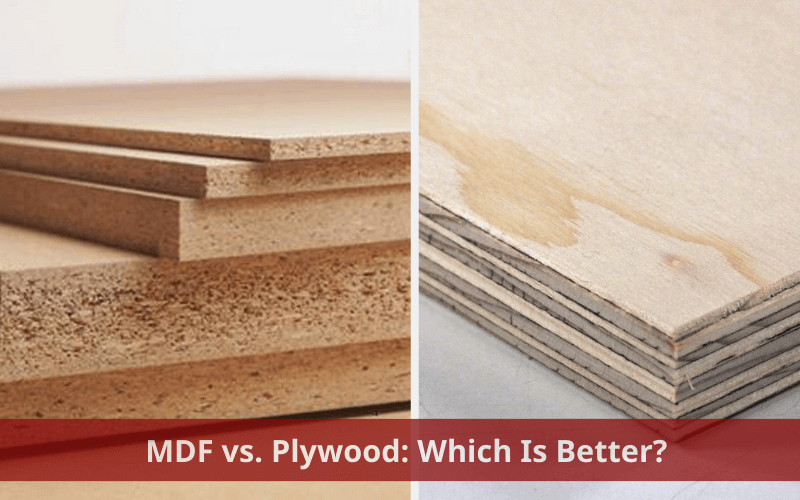
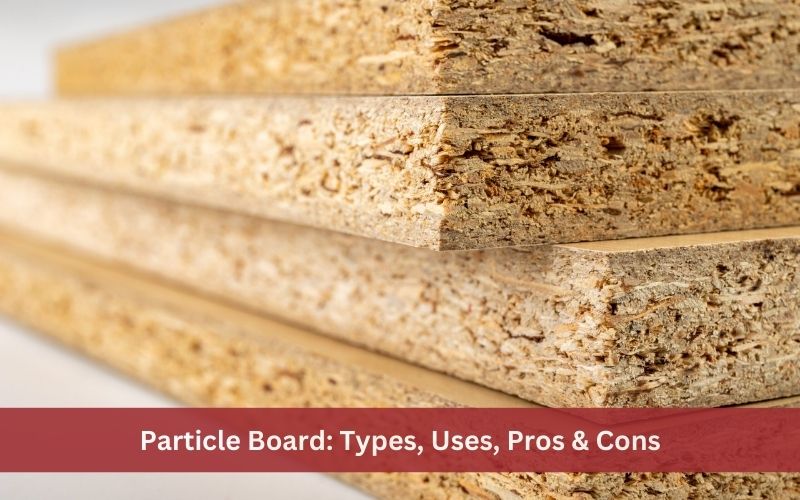
A flat panel pressed from wood chips, sawdust, and other wood residues, bonded with synthetic resin. Mat through a heated press. Comes out at a controlled thickness. Trimmed, sanded, ready to ship. Most furniture-grade board is 16 mm or 18 mm thick. Drawer bottoms and cabinet backs are thinner.
The face on a raw board is smooth enough to take laminate, veneer, or melamine without prep. That's why furniture factories keep buying it. The board on its own is weaker than plywood, MDF, or solid wood — but cost, flatness, and dimensional consistency keep it in production lines from Vietnam to Poland.
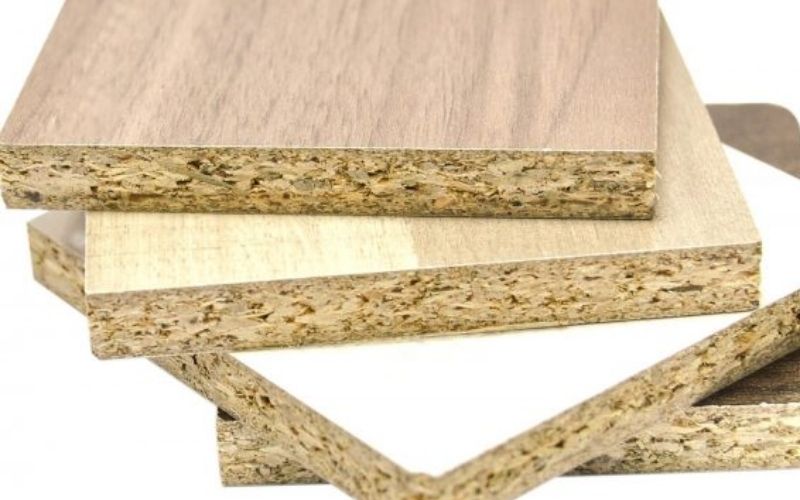
What is a particle board made of?
Recipes vary mill to mill. Core ingredients don't. Wood particles — sawdust, chips, shavings, sometimes agricultural fibre like bagasse. A synthetic resin binder. A small amount of wax for dimensional stability. Resin choice is the variable that matters most. Urea-formaldehyde for ordinary indoor furniture. Melamine-urea-formaldehyde or phenol-formaldehyde for moisture-resistant grades.
Most board is laid up in three layers. Coarser particles in the middle so thickness doesn't burn resin. Finer particles on the two faces so the surface is tight and paintable. Fire-retardant or moisture-resistance additives, when used, are blended in at the resin stage rather than coated on after pressing.
Is particle board as good as wood?
No. And it isn't trying to be.
Solid wood beats particle board on every structural axis we can name. Bending strength. Screw retention. Impact resistance. Lifespan in service. Particle board sags under load over time. Swells when water reaches the core. Loses its grip on screws when joints come apart and go back together too many times. None of that surprises anyone who specifies the product professionally.
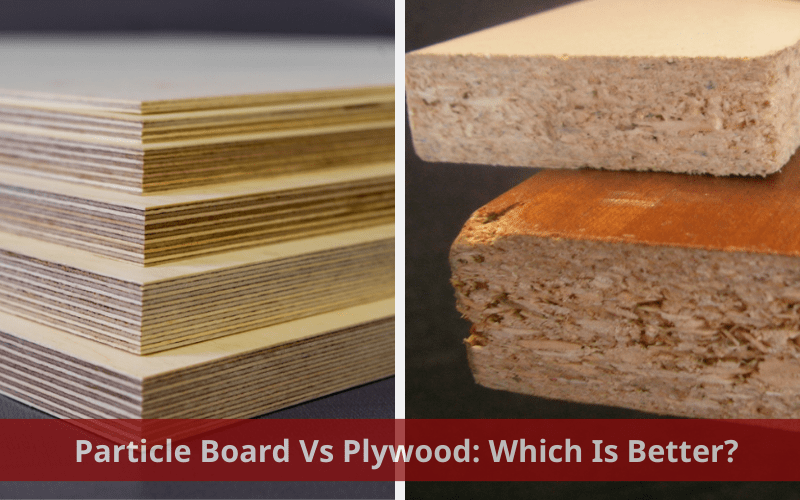
Where particle board does win is unit cost, sheet flatness, and machining behaviour at scale. For an indoor wardrobe carcass that gets assembled once and never moves, melamine-faced board does the job at a fraction of plywood's price. For anything that has to carry load over years, see water regularly, or get unscrewed and reused, plywood or solid timber is the right call.
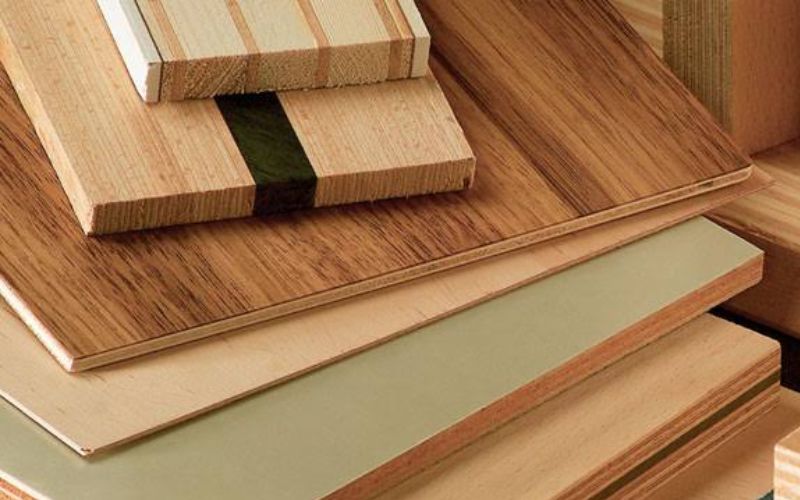
Types of particle boards
Standard (Raw) particle board
The cheapest grade. Ships unfinished. Mostly used as a substrate that gets laminated, veneered, or melamine-coated downstream. On its own raw board only ends up in very low-cost furniture, packaging crates, and floor underlayment beneath carpet or vinyl.
Faced particle board (Laminated, Veneered, Melamine)
Raw board with a decorative or protective surface bonded to one or both faces — at the mill, or at a converter further downstream. The three flavours buyers see most often:
- Laminated particle board carries a printed laminate sheet bonded under heat and pressure. Shelving, table tops, budget countertops.
- Veneered particle board uses a thin sliced wood veneer for the real-timber look. Cabinet doors, decorative furniture, anywhere the budget can't justify solid wood but the project still needs the appearance.
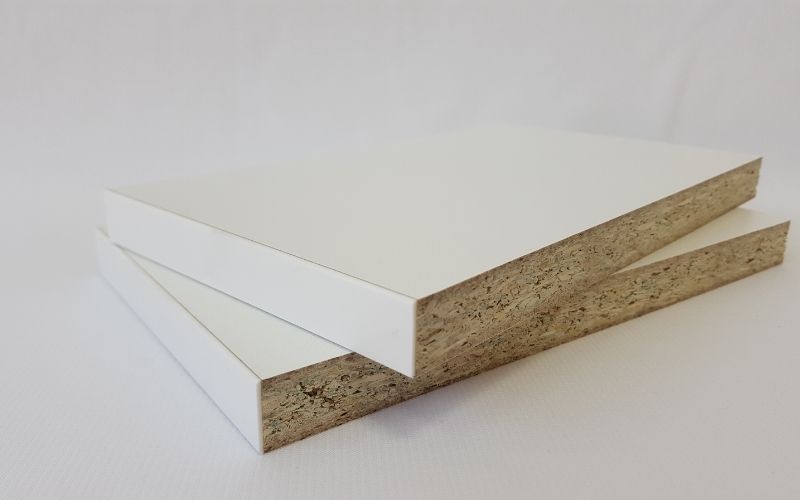
- Melamine particle board is coated with melamine-impregnated paper. Workhorse of wardrobes, office furniture, kitchen carcasses. The melamine surface holds up to scratches, household stains, and brief moisture exposure.
Cement bonded particle board
Swap the resin for Portland cement and you get a different product entirely. Heavier. Denser. Less flammable. It tolerates moisture, insects, and weather far better than any resin-bonded grade.
Common jobs: external cladding, raised access flooring, internal partition walls, soffits, roofing layers in humid climates. Catch is cost and weight. Cement bonded board runs two to three times heavier than standard board. Prices follow.
Moisture resistant particle board (MR)
MR board uses a melamine-modified urea-formaldehyde or phenolic resin. Slows how fast the core absorbs moisture. It is not waterproof. Standing water still destroys it. The grade is sized for kitchens, bathroom vanities, laundry units — any indoor location where occasional splashes and humidity are part of life but the board is never actually submerged.
Density graded and Layered particle board
Layered board uses a deliberate three-layer construction. Fine particles on the two faces. Coarser particles for the core. Face layers take finishing materials cleanly. Core carries thickness without burning resin. The bond between layers handles internal shear under load.
What you get is a stiffer, smoother board than single-layer construction at a similar weight. Furniture makers reach for it on visible cabinet panels, shelves, and decorative surfaces where appearance and dimensional stability both matter.
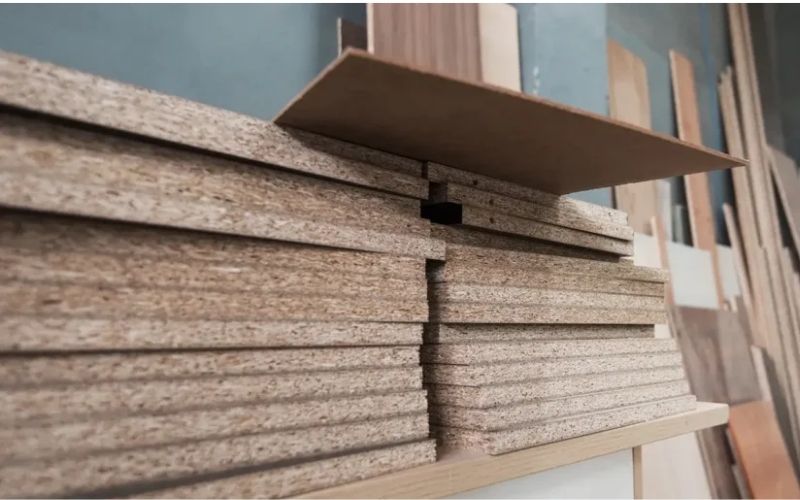
Applications of particle boards
Particle board's natural habitat is indoor furniture, casework, and substrate work. Anywhere the low cost and flat face outweigh the structural limits. Typical uses:
- Furniture manufacturing — tables, chairs, wardrobes, desks, most flat-pack lines.
- Cabinets and shelving — kitchen carcasses, office storage, bookshelves once laminated or veneered.
- Flooring underlayment — a flat substrate beneath carpet, vinyl, or laminate flooring.
- Wall panelling and partitions — lightweight decorative panels and non-structural room dividers.
- Countertops — budget kitchen and bathroom counters under a laminate or melamine surface.
- Doors — lightweight cores inside flush interior doors.
- Packaging — low-density boards for crates, boxes, and protective inserts.
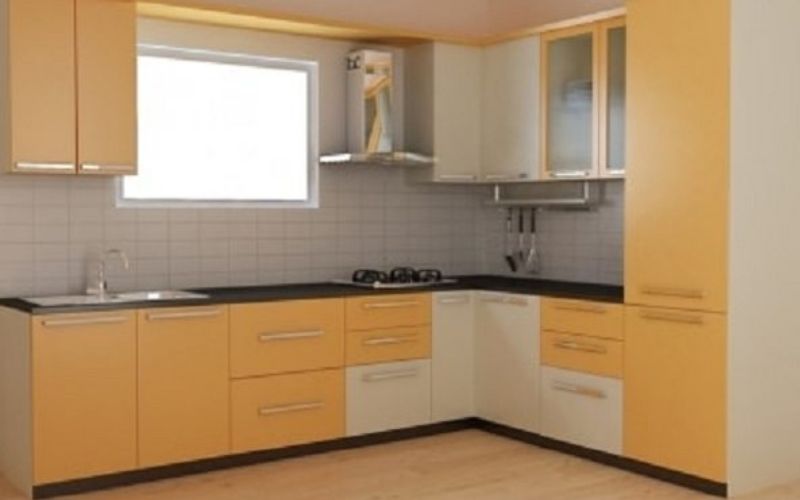
Particle board occupies a defined slot in the engineered panel market. Cheaper than plywood. Smoother than OSB. Good enough for any indoor application where the board sees a finish, stays dry, and isn't asked to carry structural loads. It is not a plywood substitute and shouldn't be sold as one.
When you spec the product, the four questions worth asking your supplier are which grade (raw, faced, MR, or cement-bonded), what density class, what facing, what formaldehyde emission class. Get those right and the board does the job it was designed for.
VINAWOOD – Vietnam Plywood Supplier Manufacturer