Vietnam Plywood vs China Plywood: Price, Quality, and Compliance Compared
Vietnam plywood vs China plywood for B2B importers: what drives landed cost, the 21 July 2026 US hardwood CVD scope, EUDR plantation paperwork, per-mill quality, and how to run a fair RFQ.
Ask a US or EU importer why they're comparing Vietnam plywood vs China plywood, and you'll rarely hear a single FOB number. You'll hear duty scope, plantation paperwork, mill consistency, and whether the container that lands still matches the sample they approved. Both origins still ship a lot of panels. The useful question is which origin, and which mill, fits the SKU and the port of entry you actually clear.
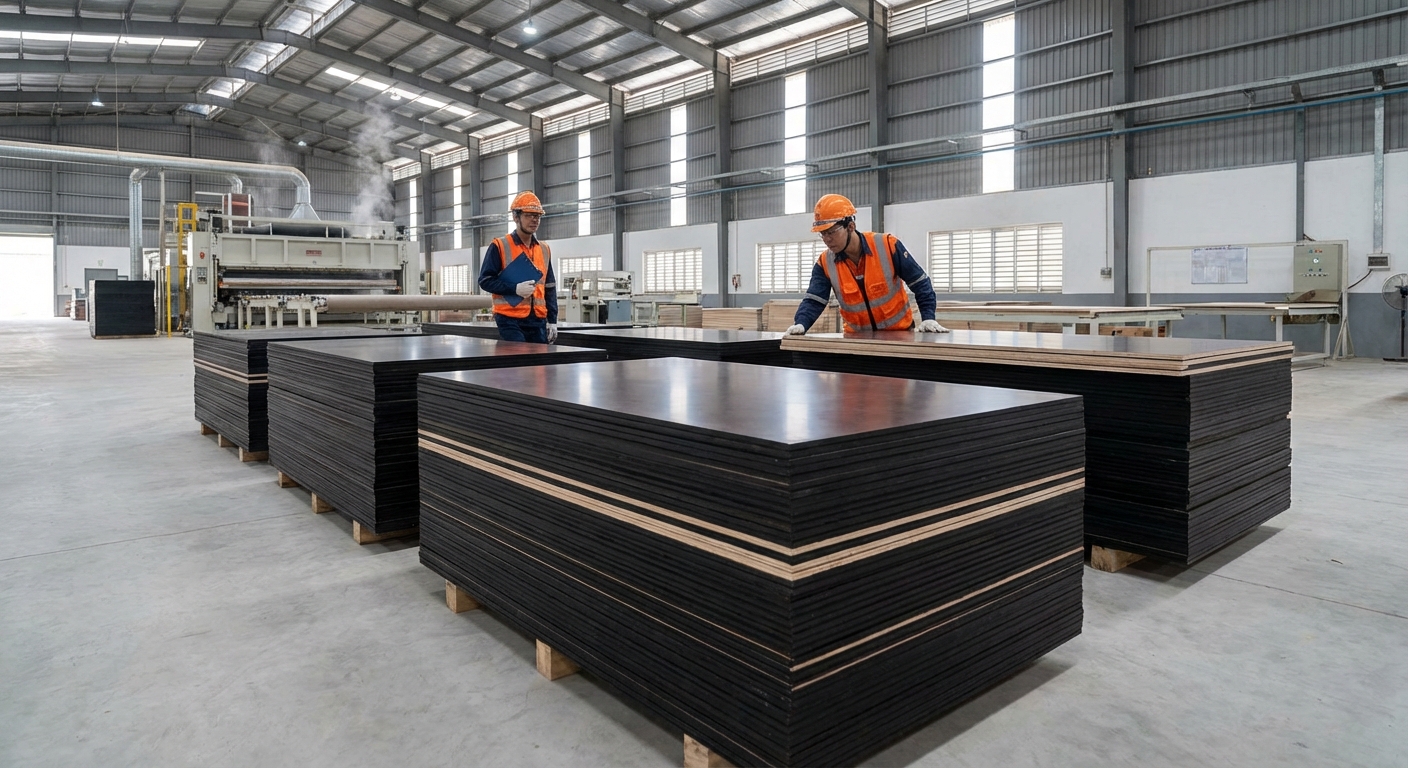
We've been making construction plywood in Vietnam since 1992 — roughly 5,000 containers a year now, going to 55+ countries . so this page is written from that side of the dock. It isn't a price list. It walks the comparison the way a broker and a jobsite both care about it: what drives cost, how US hardwood CVD and EUDR change the file, how quality is set mill by mill, and how to run the RFQ without guessing.
What actually drives price and landed cost
FOB sheet price is only the first line. Glue class, overlay weight, core species, thickness tolerance, and how many sheets get inspected before packing move the factory quote more than a nationality on the bill of lading. Two "18 mm film-faced" offers can be different products if one is MUF core resin on EN 636-2 and the other is phenolic Class 3 / EN 636-3.
Landed cost then adds ocean freight, insurance, destination fees, and duty. Freight markets move week to week, so published dollar figures go stale fast. Duty is a legal scope question for your broker, not a slogan. When you need a working model, use the landed cost calculator with your own freight quote and the tariff line your broker confirms. Then send the same fields on an RFQ instead of shopping bare CBM numbers from a blog table.
In our range, Class 3 phenolic sits on Pro Form, Pro Form Lite, HDO Standard, and HDO Premium. HDO Basic is Class 2. Form Basic and Form Extra use MUF core resin (EN 636-2). Form Extra's longer reuse comes from Superior Glue chemistry, not a thicker face film. P-Form is polypropylene on the face. Consply is commercial Bintangor, not film-faced. MatteFace Plywood (MTF) is the matte forming face many buyers still search as MDO. Keep that name on the product line, not next to a duty argument. Reuse stays "up to N" under good site practice: up to 8 for Eco Form Plus, up to 10 for Form Basic or HDO Basic, up to 15 for Form Extra, Pro Form Lite, or MatteFace, and up to 20 for Pro Form or HDO Premium. Say water-resistant when you mean WBP glue. Leave a cut edge open and the core will still drink moisture.
US duties: hardwood CVD is not a blanket Vietnam story
For years, buyers treated Chinese hardwood plywood as the duty problem and Vietnam as the clean alternative. That shorthand is outdated. On 21 July 2026 the US Commerce Department issued a final affirmative countervailing-duty determination on hardwood plywood from Vietnam. Hardwood plywood is in scope. Formwork and PS-structural families are treated outside that hardwood-plywood scope.
That means duty is a per-SKU, per-entry question. Don't accept a blanket claim that every Vietnam plywood line clears without CVD. Don't invent a percentage outcome from a blog. Ask for the Commerce determination reference that covers the exact product you're buying, then run it past your broker before you commit a container. China still carries a long hardwood-plywood AD/CVD order history from earlier years. Treat that as cited trade history, not a reason to skip Vietnam diligence on the SKUs that now sit inside scope.
If the programme is US-bound formwork, start with the product family and the scope language, not with origin mythology. Our importing Vietnam plywood to the USA guide walks the paperwork path. Sales can walk a specific purchase order. This page will not quote duty rates.
EUDR and plantation paperwork
EU buyers comparing origins now ask about EUDR first. Regulation (EU) 2023/1115 requires deforestation-free due diligence for listed commodities, including wood products such as plywood. Application dates were adjusted by later Official Journal amendments, including Regulation (EU) 2025/2650. Large and medium operators, and micro or small operators already covered by the older EUTR rules for HS 4412 wood, look at 30 December 2026. Micro and small operators not already under EUTR look at 30 June 2027. Confirm the cohort that applies to you with a qualified adviser. This page isn't legal advice.
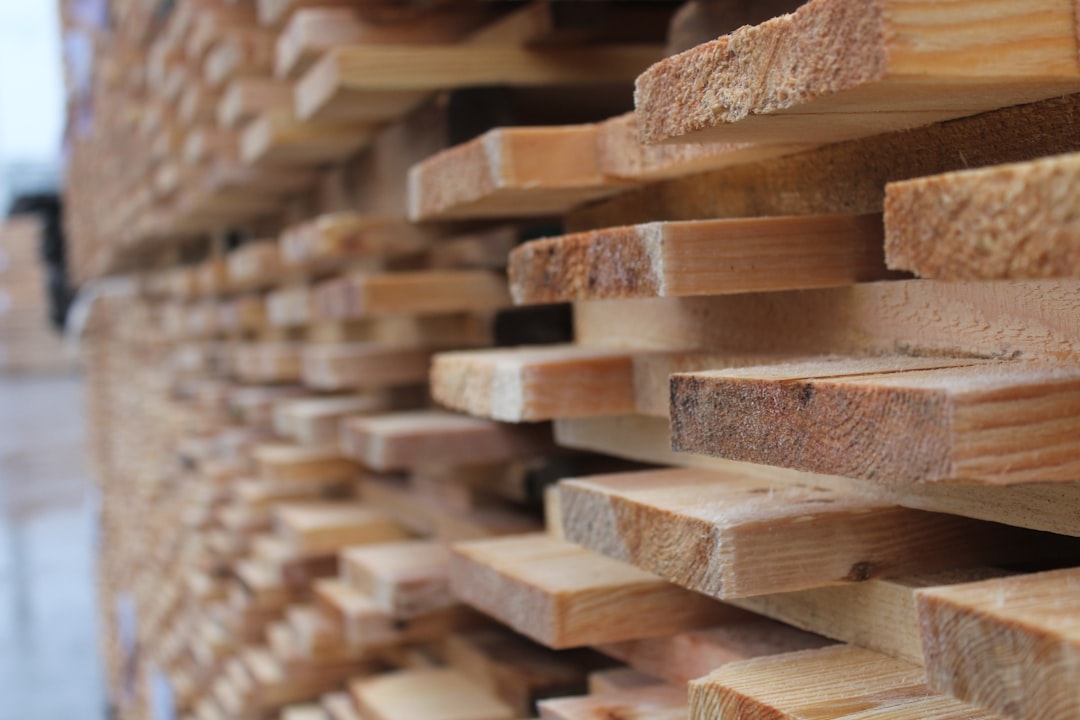
Vietnam's construction plywood cores are plantation-grown Acacia, Eucalyptus, and Hevea. That plantation base is what makes geolocation and plot-level files workable. A mill that can hand you plantation coordinates, a due-diligence statement, and a chain-of-custody file is easier to put into TRACES than a supply chain that can't name the plot. Vinawood prepares that evidence pack on request. The operator of record still files the DDS. More detail sits in the EUDR compliance guide for plywood importers and on /certifications/eudr.
China can also supply certified and plantation-linked product. The point isn't nationalism. It's whether the specific mill in front of you can produce the file your EU importer needs before the vessel sails. If the pack is incomplete, keep shopping. A late DDS scramble at the terminal costs more than a slower quote that already has the plots attached.
Quality is per mill, not per passport
Both origins have strong mills and weak mills. Quality is set by core grading, glue line, overlay, press discipline, and how many sheets get checked before packing. A clean Chinese factory and a clean Vietnamese factory can both pour well. A weak mill in either country won't. "Which is better" is the wrong headline if the RFQ never names bond class or inspection.
What we can prove on our own floor: a 12-step production sequence, every sheet inspected, ISO 9001, CE marking under EN 13986, EPA TSCA Title VI (CARB P2), FSC-COC, and PEFC among the certifications on our company profile. Formaldehyde classes are tested per product and shipment. Not as a national slogan. Compare core species behaviour with the core blend calculator when you're still choosing hardwood versus softer commercial cores. Styrax or poplar talk belongs to general origin context. It isn't a Vinawood core claim.
I have sat on RFQ calls where the buyer had a clean China price and a clean Vietnam price and still couldn't name the glue on either quote. That's the gap. Write the chemistry. Then sample both. Then pick the mill that matches the pour, not the country that wins a spreadsheet argument.
Is Vietnam plywood "just re-exported Chinese plywood"? Reputable Vietnamese mills answer with production records and a certificate of origin that names Vietnam. Trading desks that can't show a press are a different buy. US Customs actively watches for transshipment patterns. Your diligence should too.
| Planning lens | Vietnam (as a sourcing origin) | China (as a sourcing origin) |
|---|---|---|
| What sets sheet quality | Mill controls: glue, core grade, overlay, inspection | Same. Range is wide; diligence isn't optional |
| US hardwood plywood CVD | Final affirmative CVD determination 21 Jul 2026; formwork / PS-structural outside hardwood scope. Confirm SKU with broker | Long-running hardwood plywood AD/CVD order history. Confirm current rates with broker |
| EUDR file readiness | Plantation Acacia / Eucalyptus / Hevea supports geolocation packs when the mill keeps plot records | Possible with the right mill; verify plot files before booking |
| Typical export port we load | Hai Phong for northern cargo (FOB Hai Phong on many quotes) | Varies by mill region. Confirm on the booking |
| How to compare offers | Same RFQ fields: thickness, glue class, overlay, certs, inspection | Same RFQ fields. Don't compare bare FOB alone |
That table is a planning summary only. It carries no prices and no duty percentages on purpose.
Supply chain, ports, and origin paperwork
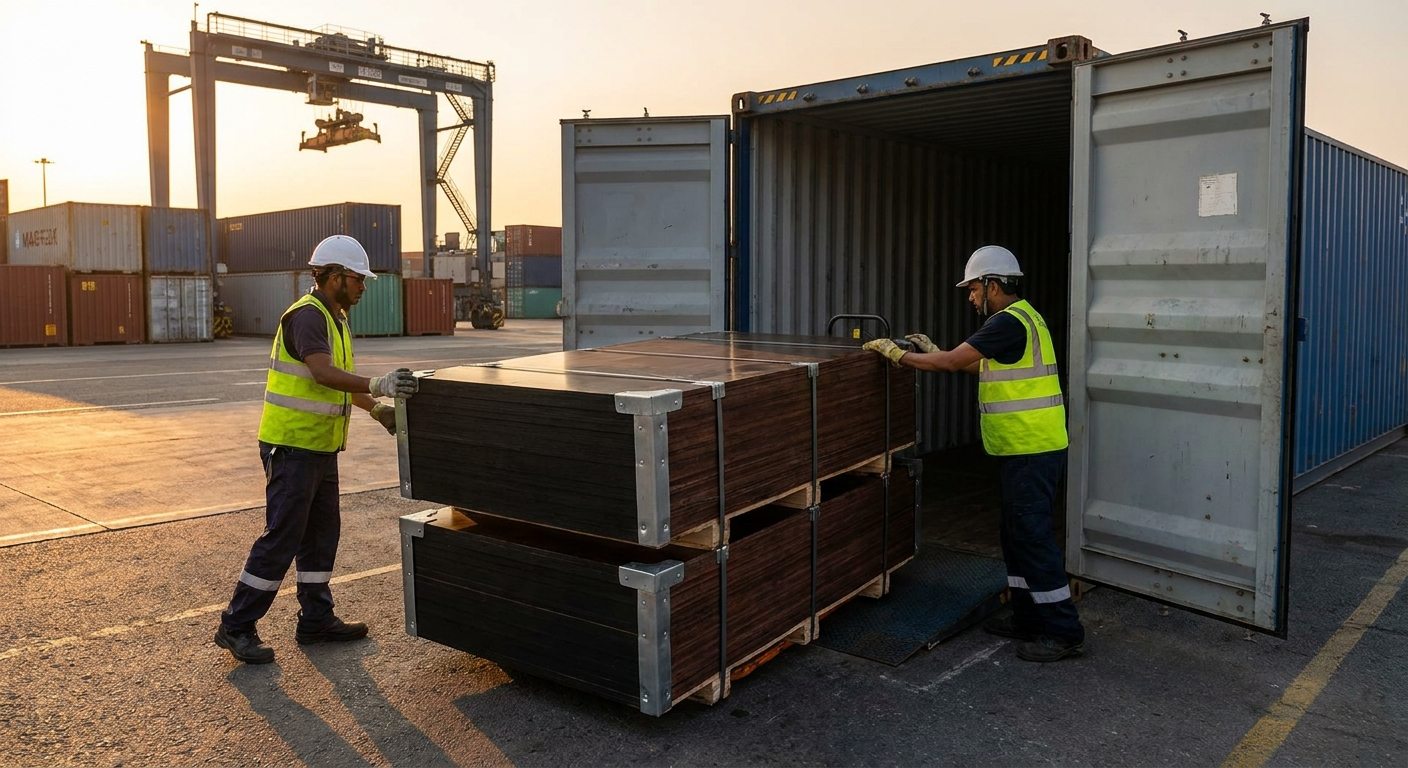
Our mill is in Vietnam. When logistics show up on the quote, Hai Phong is the northern port most of our export cargo uses. Buyers type that as "FOB Hai Phong plywood." We don't treat a southern port name as an origin cue on this page. Production records, a certificate of origin, and a packing list that matches the proforma are the documents that answer the old transshipment worry. Geopolitics and container availability change. They aren't a reason to skip mill diligence. Diversifying origins can be smart risk management. Substituting an unverified mill because the FOB looked lower isn't.
Transit time is a schedule, not a promise. Confirm the booking with your forwarder before you sell a date to your customer. A few days either way rarely decides a bulk programme. A wrong glue class always does.
How to run the Vietnam vs China comparison without guessing
Write one spec pack and send it to both shortlists. Thickness and tolerance. Glue class with the chemistry named: MUF core resin versus phenolic face film, never a bare "melamine." Overlay type. Emission class. Destination certifications. Port of clearance. Order samples. Book third-party pre-shipment inspection before the doors close. Payment terms vary by relationship and bank appetite. Agree them on the proforma instead of copying a forum default. Then send the RFQ.
Will China AD orders disappear tomorrow? The US hardwood plywood order on Chinese product has been reviewed and maintained for years. There's no public signal here that importers should plan on its sudden removal. Plan the SKU in front of you, with your broker, against the rules in force when the entry is filed.
Useful next reads: plywood manufacturers in Vietnam, the USA import guide linked above, the EUDR guide, and five misconceptions about Vietnam plywood. The Vietnam plywood supplier pillar stays the deeper Vinawood pitch if you already know the origin.
When the pack is ready, send it through /rfq or /contact?type=quotation. You'll get a mill quote against the fields you wrote, not a directory listing and not an invented duty table.
Category
market-insights
▶Sources & References (4)
- Hardwood Plywood from Vietnam: Final Affirmative Countervailing Duty Determination — US Department of Commerce, International Trade Administration (2026-07-21)
- EU Regulation 2023/1115 on deforestation-free products (EUDR) — European Union Official Journal (2023-06-09)
- Regulation (EU) 2025/2650 amending EUDR application dates — European Union Official Journal (2025)
- EN 13986 — Wood-based panels for use in construction — CEN (2015)