10 Best Commercial Plywood Suppliers in Middle East
Skip ranked Top-10 mill lists. Spec commercial sanded (Consply/Bintangor) versus film-faced formwork, mill versus trader, and bond class before deposit. Vinawood est. 1992, ~5,000 containers/year, 55+ countries.
A buyer searching for the 10 best commercial plywood suppliers in the Middle East is usually trying to fill a furniture, joinery, or interior pack — not hunting another ranked mill directory. The title still carries that search habit. The diligence job is different: separate commercial sanded panels from film-faced formwork, then decide whether you are talking to a mill, a trader, or a local stockist before the deposit leaves the account.
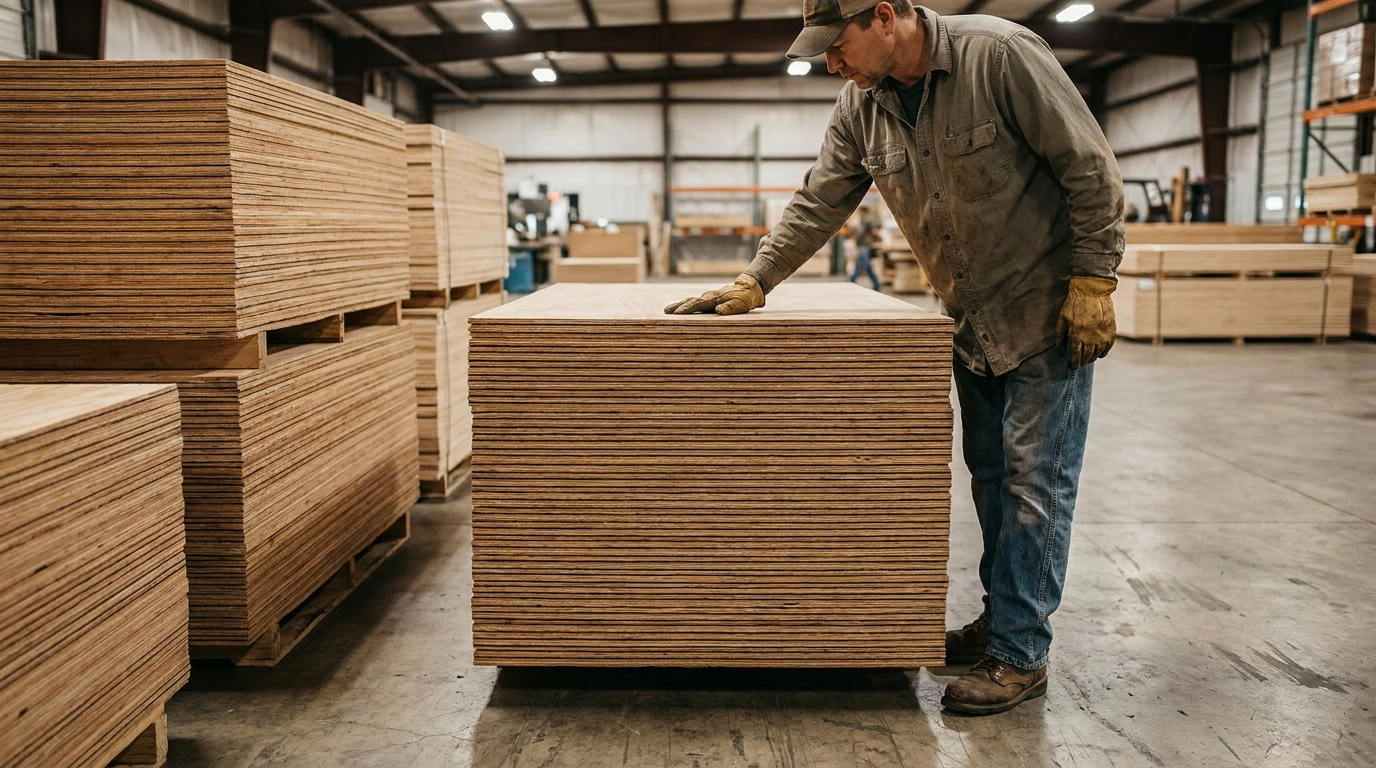
Commercial plywood in Gulf tenders often travels under names like Consply or Bintangor face. Those sheets are sanded rotary-cut faces for cabinetry, fittings, and packing. They are not the phenolic film face that crews pour concrete against. Mixing those two lanes on one RFQ is how a brown film pack arrives when the joiner needed a clear sanded face — or the reverse.
Vinawood is a Vietnam manufacturer established in 1992. We ship about 5,000 containers a year to 55+ countries and press plantation-grown cores for both commercial and formwork programmes. What follows is how a GCC importer or contractor should vet commercial plywood supply without a Top-10 endorsement list.
Commercial plywood is not formwork plywood
Commercial plywood is the sanded panel lane. Buyers specify thickness, face grade, core species expectation, and a moisture-resistant or exterior bond class for furniture, interiors, and packing. Consply and Bintangor describe that commercial face family. They do not describe film-faced formwork.
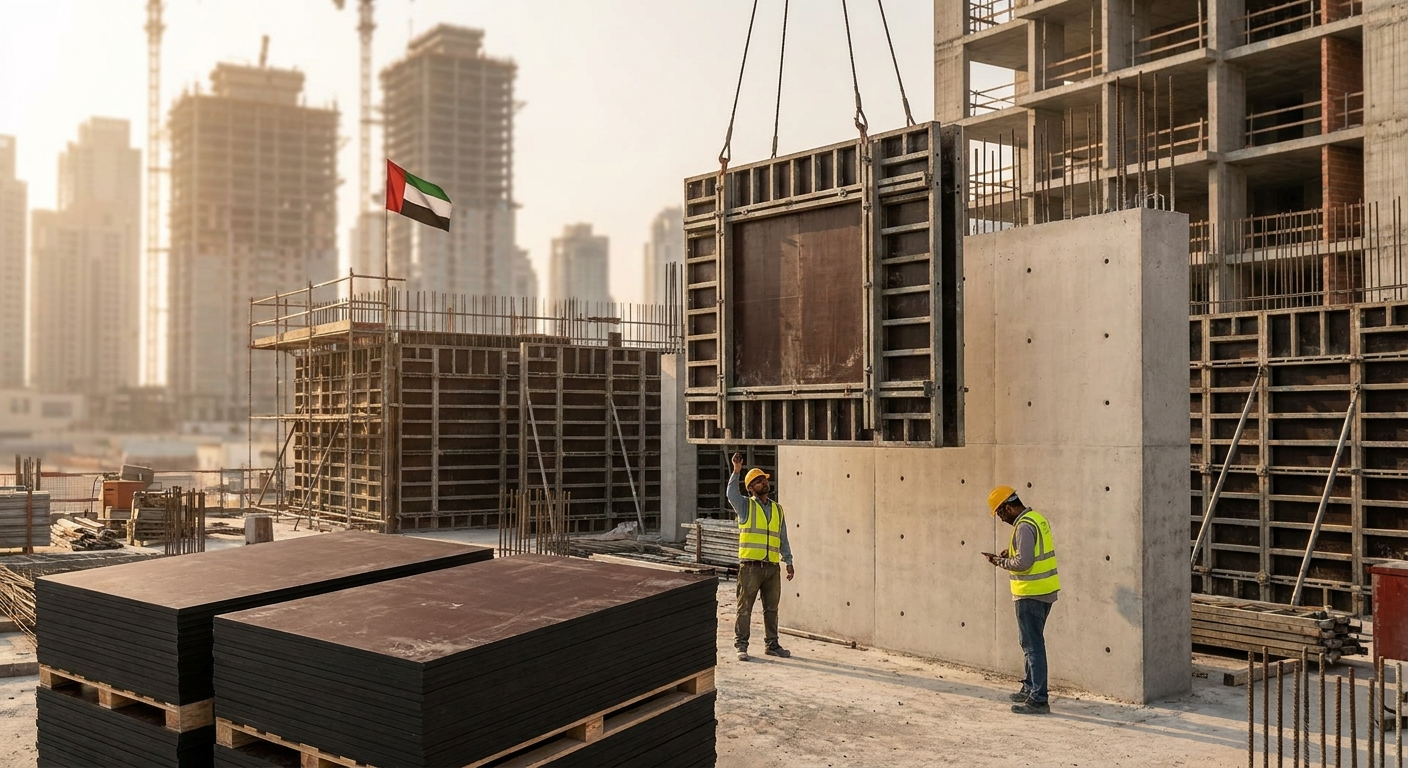
Formwork plywood is a temporary concrete mould. The phenolic film, EN 636 class, film gsm, and reuse written as "up to N" decide finish and pour count. That diligence lives on the sibling page formwork plywood suppliers in the Middle East. Keep this URL on commercial RFQs. Keep that URL on shuttering and pour programmes.
WBP language still shows up on Gulf commercial quotes. Treat it as a water-resistant glue-line claim, not a waterproof panel. Wood still takes on moisture. Ask for the bond class number on the mill report instead of accepting "WBP" as a finished answer.
I still open mixed GCC emails that put kitchen-cabinet face grades and outdoor pour targets in the same line. That is how the wrong pack clears customs and fails on site.
Mill vs trader vs local stockist
Three roles answer almost every UAE, KSA, and Qatar commercial enquiry. Mixing them is how a certificate and a packing list disagree.
- Mill. Peels veneer, lays glue, presses the panel, sands the face, and issues the mill test for that thickness. This is the party who can re-run the grade you ordered.
- Trader. Buys FOB or CIF and resells. Useful for mixed SKUs and short call-offs. Weak when you need a mill letterhead tied to one factory.
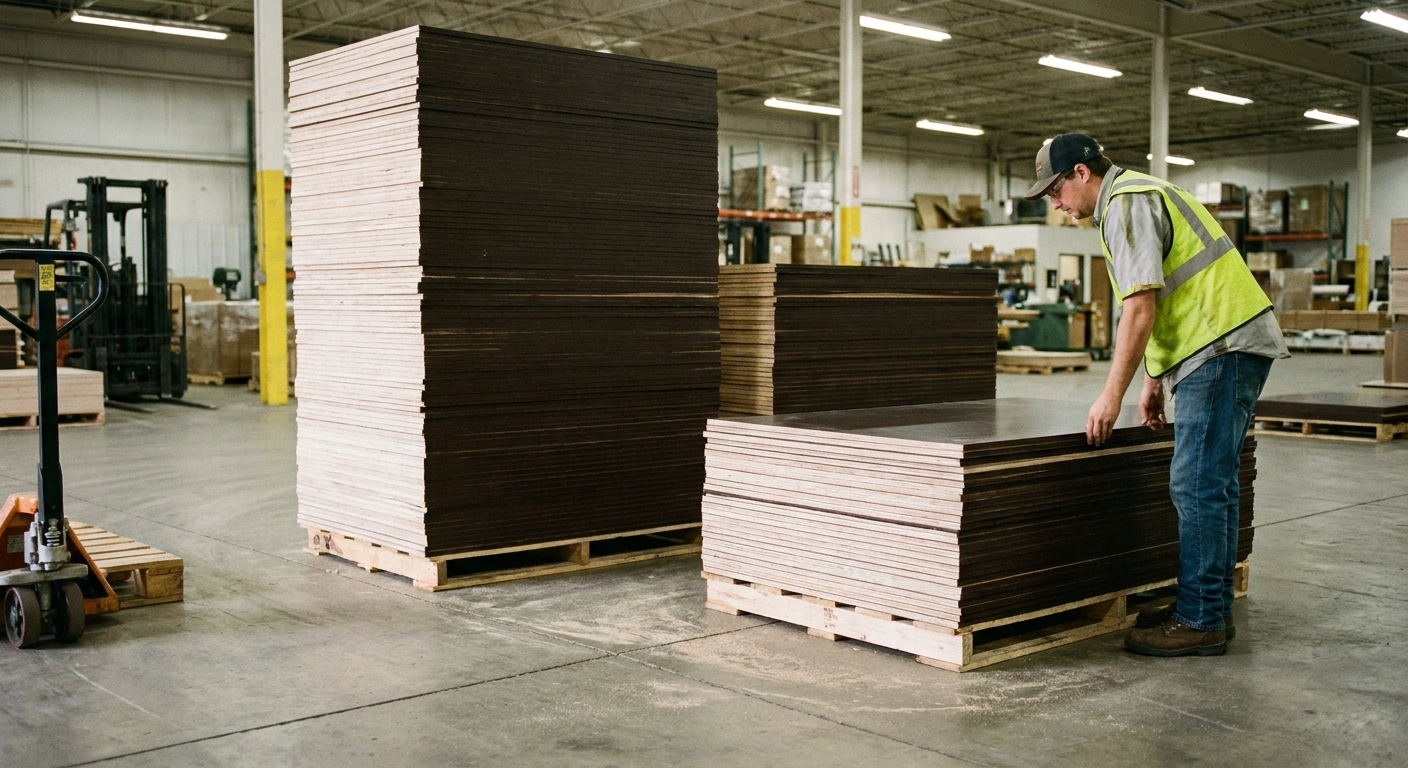
- Local stockist. Holds 1220×2440 mm sheets in a Gulf warehouse for next-week pickup. Speed, not press control.
Write the RFQ as if the mill will answer it. Ask who owns the press. Ask whether the bond class on the certificate matches the thickness and face grade on the PO. A stockist can move packs. They cannot rewrite a glue class they did not press.
When a directory page ranks ten factories by brand fame, treat it as marketing. Fame does not set face grade. Fame does not set bond class. Fame does not tell you whether the sheet is commercial sanded or film-faced.
What a GCC commercial RFQ should lock
Start with the job: furniture run, hotel fit-out, retail joinery, packing crates, or a mixed interior programme. Then fill the panel fields before price.
- Thickness and face size (metric primary; note imperial only if the drawing forces it)
- Face type: commercial sanded / Consply / Bintangor — never "film-faced" unless the pour lane is intentional
- Core adhesive and bond class (MR / water-resistant MUF versus exterior PF class when the tender names it)
- Core species or density note if weight and machining matter
- Edge condition and packing mark preferences for your yard
- Quantity, destination port, and preferred Incoterm
If any line on the RFQ sounds like formwork — film gsm, reuse "up to N," phenolic Class 3, HDO Basic up to 10 or Premium up to 20 — move that ask to the formwork sibling. Form Extra is not Class 3. Only Pro Form, Pro Form Lite, and HDO sit on phenolic Class 3 / EN 636-3. MatteFace Plywood (MTF) is a formwork overlay product; buyers often search it as MDO. Keep MatteFace on formwork jobs. Do not drag anti-dumping or countervailing language next to it.
GCC commercial defaults still cluster on 1220×2440 mm sheets. Thickness first, then face grade, then bond class. A light sanded face on a humid-service core is a different product from an exterior PF pack, even when both look "commercial" on a trader sheet.
Vinawood commercial and formwork lanes
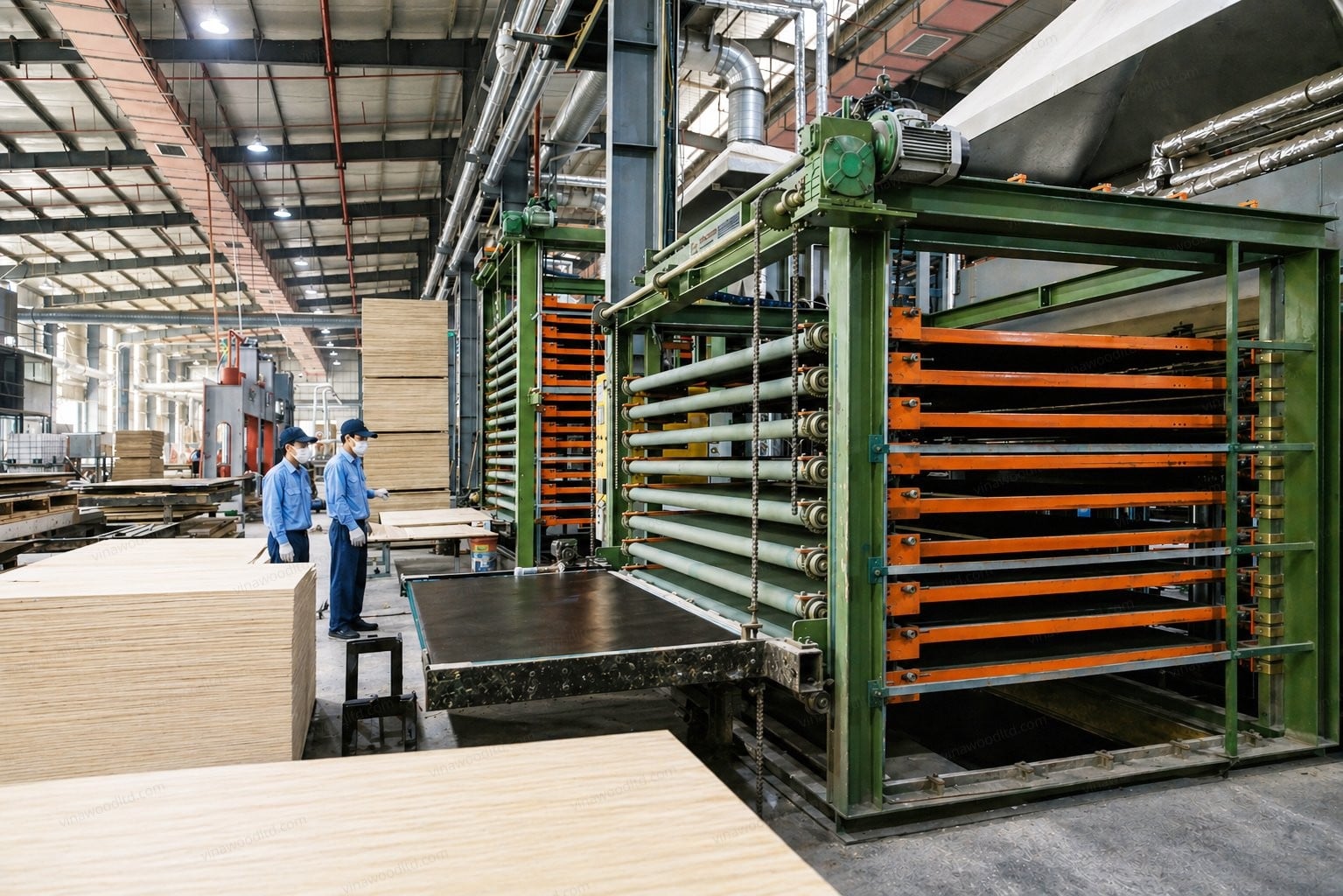
Vinawood presses plantation-grown acacia and eucalyptus cores through a 12-step process with 100% individual sheet inspection. Commercial programmes cover sanded faces for joinery and packing. Formwork programmes cover film-faced, HDO, and MatteFace overlays for concrete work. Do not order both as if they were one SKU.
On the formwork ladder, Eco Form Plus, Form Basic, and Form Extra sit on core MUF / EN 636-2. Form Extra uses Superior Glue MUF and is not Class 3. Pro Form Lite and Pro Form are PF Class 3. HDO Basic is written for programmes up to 10 reuses; HDO Premium up to 20. Those are maximums under careful handling — never stretch them with a plus sign. Vinawood panels are used with major formwork systems, including Doka, Peri, and Alsina. Those names sit as system partnerships, not as rival mills.
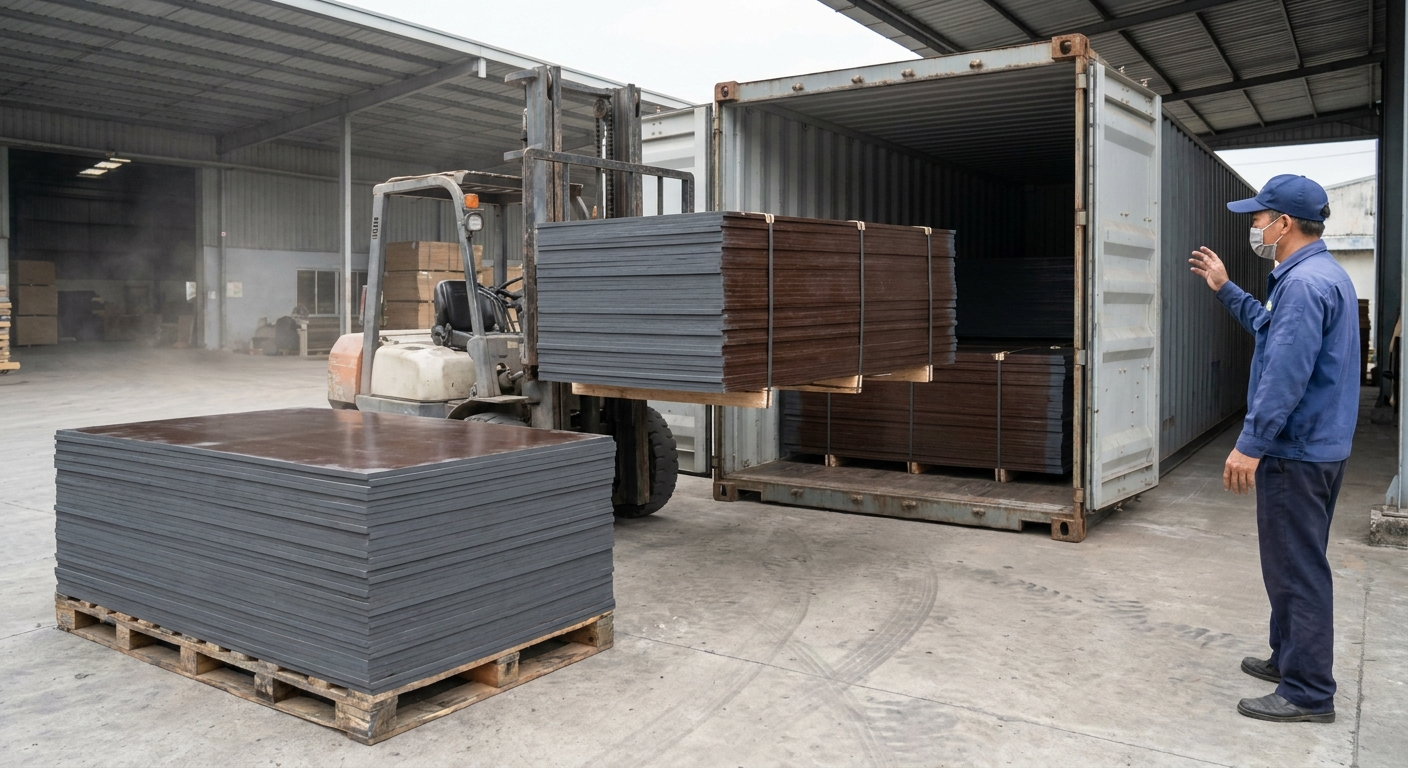
For North America stocking that sits beside Gulf container programmes, Vinawood keeps distribution warehouses in Toronto, Vancouver, Calgary, Montreal, Miami, Houston, and Baltimore to supply ready stock to local distributors. That network is logistics for distributors. It is not an exclusive stockist claim, and it does not replace the mill certificate that travels with a GCC container.
Worldwide diligence without a ranked mill roster lives on top plywood suppliers and manufacturers in the world. Canada formwork stocking patterns live on film-faced plywood suppliers in Canada. Use those pages as checklists. Do not treat them as duplicate commercial directories for the Gulf.
Documents to ask for before the deposit
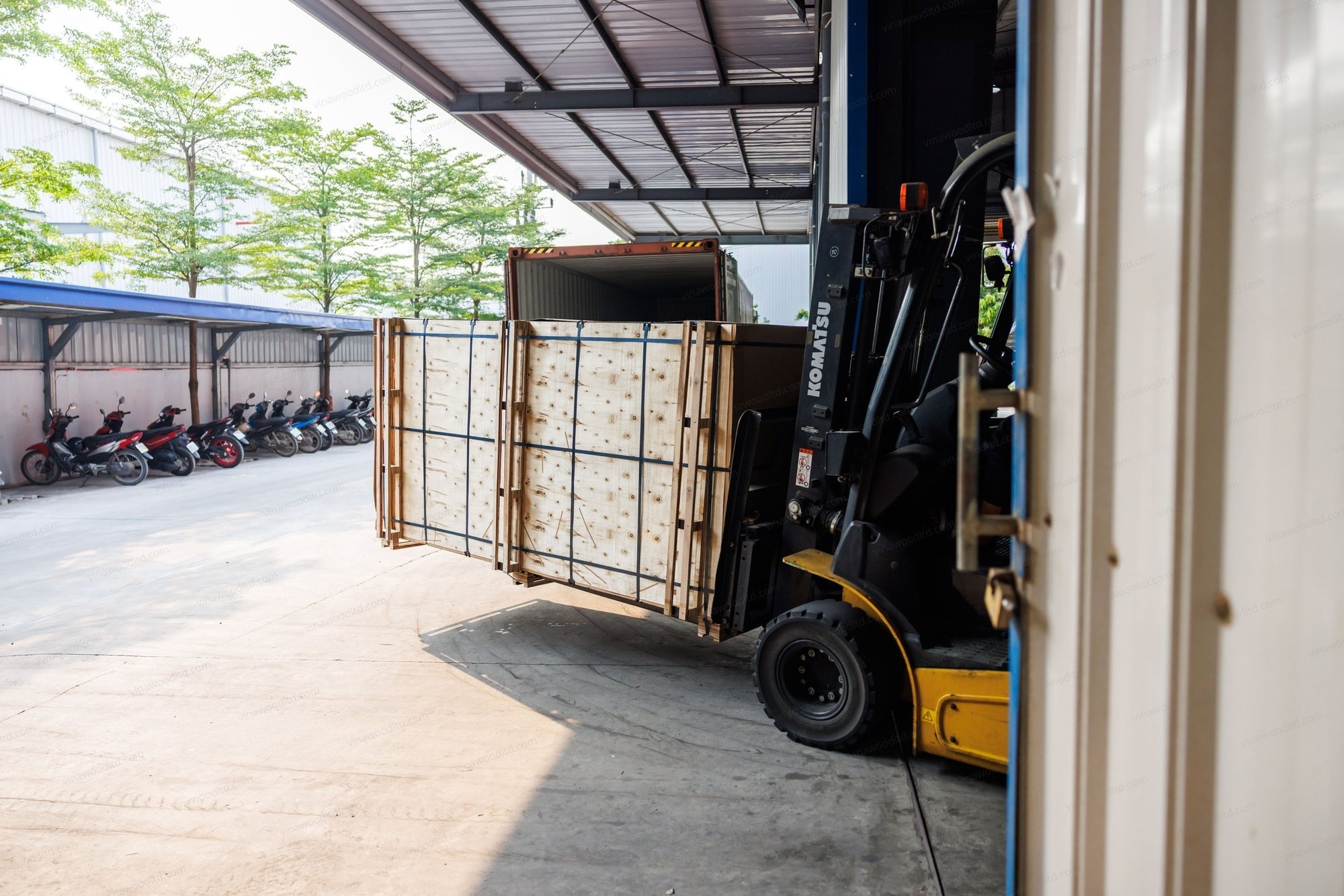
Certificates without batch linkage are decoration. Ask the mill for a pack that matches the PO thickness and face grade:
- Mill test report for bond class and thickness
- Origin / packing list that names plantation-grown species
- Fumigation or ISPM 15 on the pallets
- FSC or PEFC chain-of-custody when the project file asks for it
- DoP / CE papers when the buyer needs EN 13986 on file
No duty rate belongs on this page. Rates move. Confirm HS and origin with the customs broker in UAE, KSA, or Qatar. A trader can photocopy a certificate. A mill can re-run the thickness you actually ordered. Check the certificate thickness against the sheet stamp before the crane lifts the first bundle.
If the mill cannot show how a certificate maps to a pack mark, pause the deposit. Generic PDFs that never saw your thickness are a common trader tell. Ask for the mill letterhead and the batch window.
What to put on the RFQ
Middle East search traffic still clusters on "10 best" mill-list headlines. Replace that habit with a short filter: who owns the press, whether the face is commercial sanded or film-faced formwork, and whether the bond class on the report matches the PO. Everything else is secondary.
Send application, face type, bond class, size, quantity, destination port, and document pack in one note. Include preferred Incoterm. Attach a failed-panel photo if you are replacing a grade that delaminated or cupped early. If the job is a pour programme, say so and use the formwork sibling instead of this commercial checklist.
Vinawood will quote commercial or formwork lanes against that checklist from Vietnam. Request a quotation at /contact?type=quotation or open an RFQ. Bring the face type and class you need. We will not sell you a ranked Top-10 story in place of a mill that can press it.
▶Sources & References (2)
- EN 636 Plywood — Specifications — CEN (2015)
- EN 314-2 Plywood Bonding Quality Requirements — CEN (2001)