Formwork Plywood Suppliers in the Middle East: How GCC Buyers Vet a Mill
GCC buyers vet a formwork plywood mill by glue class, not a ranked supplier list. Spec EN 636-2 core MUF versus EN 636-3 PF, film gsm, and reuse as up to N. Vinawood est. 1992, about 5,000 containers a year, 55+ countries.
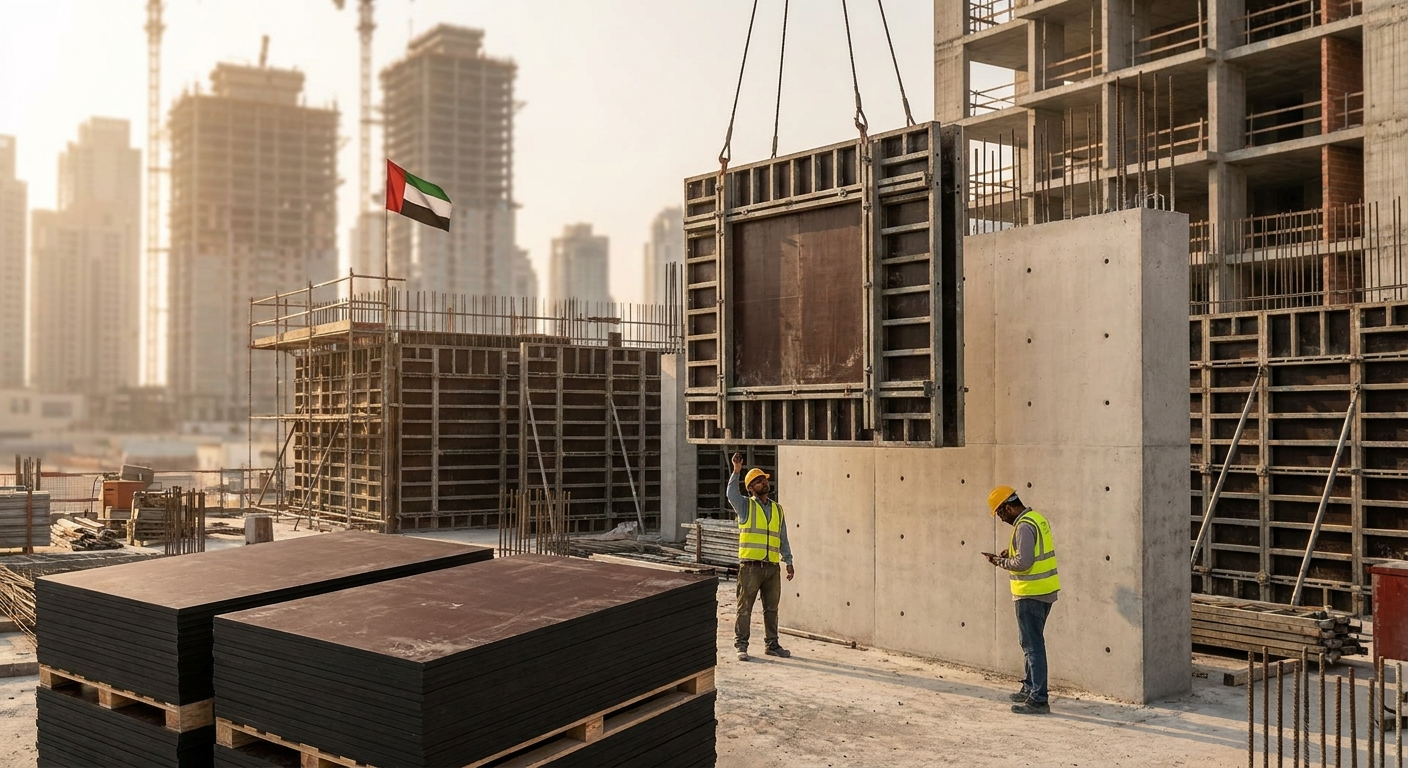
Type "formwork plywood suppliers in the Middle East" into a search bar and you get directories. Most GCC buyers already know that is the wrong tool. The money is lost or saved before the crane lifts the first bundle: EN 636 class, phenol-formaldehyde (PF) versus core melamine-urea-formaldehyde (MUF) adhesive, film gsm, and a reuse target written as "up to N." Lock those four lines on the RFQ early. Price talks after that are cleaner because the certificate that rides with the container has to match the face the architect will see.
Older versions of this page named a directory of companies. That format fails a mill-buyer test. Formwork plywood is a temporary concrete face. Whoever pressed the plantation-grown core and applied the phenolic face film can stand behind a mill test report. A local stockist can hold 18 mm sheets for next-week pickup. They cannot rewrite the glue class on a certificate they did not issue.
Vinawood is the mill in this story. Vietnam manufacturer since 1992. About 5,000 containers a year. Exports to 55+ countries. The rest of the page is how a GCC buyer should vet any formed plywood manufacturer, including us, without treating film colour as a class number.
What a GCC formwork RFQ actually asks
UAE, KSA, and Qatar enquiries keep returning the same three roles. Mix them and the wrong pack lands on the crane. A mill presses plantation-grown cores, applies the face film, and issues the mill test. A trader buys FOB or CIF and resells mixed SKUs when a short call-off matters more than one factory's Declaration of Performance (DoP — the CE paper that states what the panel is certified to do). A local stockist holds 1220×2440 mm sheets in a Gulf warehouse for speed. Not glue chemistry.
Write the RFQ as if the mill will answer it. Ask for a mill test report for that thickness, film gsm (grams of phenolic overlay per square metre), core glue chemistry, EN 636 class, and edge-seal method. "WBP plywood" without a class number is not a spec. WBP here means a water-resistant glue line. It does not mean a waterproof panel. Historical "Weather and Boil Proof" is a boil test on the bond. The wood still takes on moisture if edges sit open in coastal humidity.
GCC default size is still 1220×2440 mm at 18 mm or 21 mm. Metric 1250×2500 mm is available on request for gangs that already run that module with system envelopes such as Doka, Peri, or Alsina. Spec thickness first, then format, then film weight. A light film on a Class 2 core is a different product from a heavier film on Class 3 PF even when both look brown on the truck.
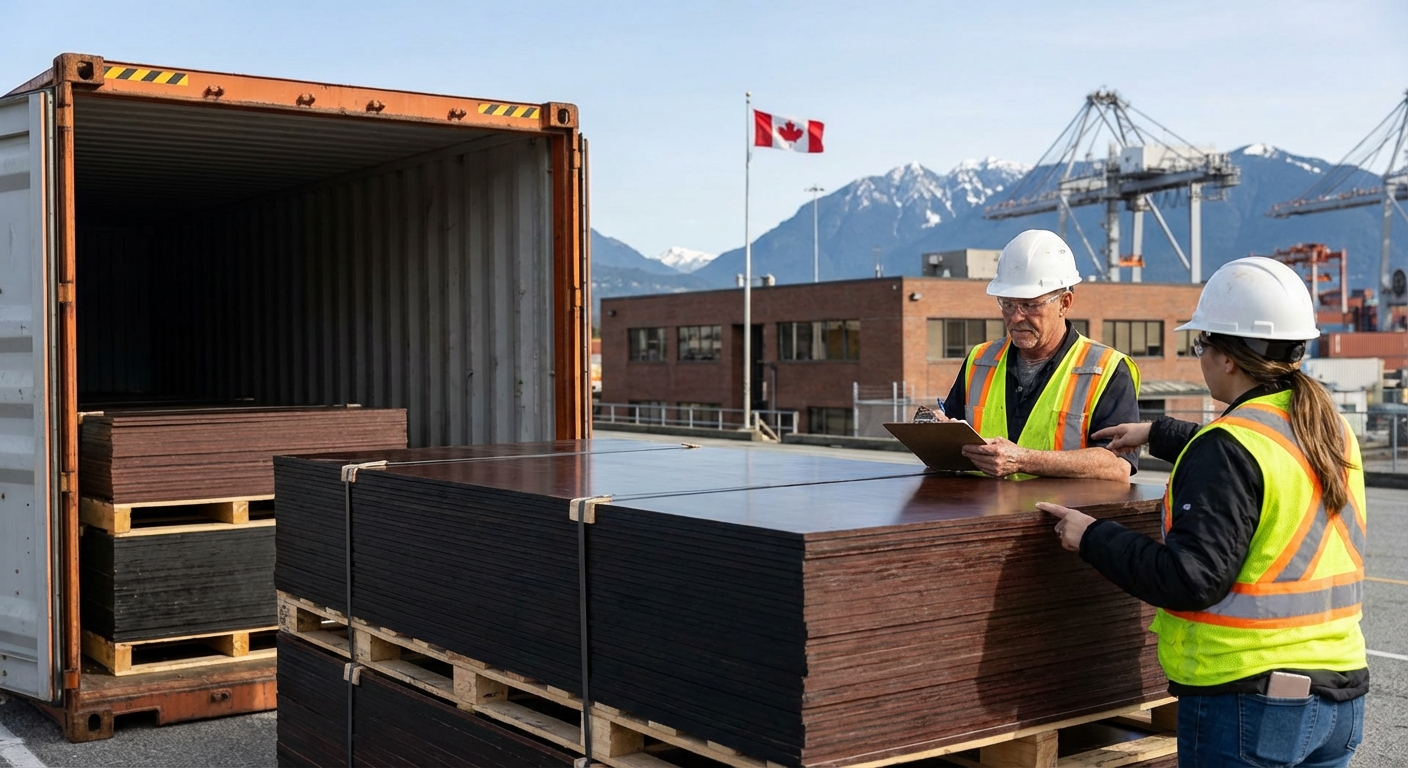
A formed plywood manufacturer for GCC work is the mill that can ship that spec under one mill test pack. If the quote names a stockist and the certificate names someone else, stop. That gap is how Class 2 sheets arrive with a Class 3 story. Programmes that also pull Canadian call-offs keep the same mill-versus-trader split, but the overlay range shifts — see construction plywood in Canada for the CSA sheathing versus formwork split. Do not merge those two buying jobs on one PO.
Read the glue class, not the film colour
EN 636 is the European plywood service class: EN 636-2 for humid / protected service, EN 636-3 for exterior exposure. The matching glue-line test is EN 314. Class 2 is the usual home of core MUF adhesive (melamine-urea-formaldehyde in the core veneers, not a decorative laminate face). Class 3 is phenol-formaldehyde (PF).
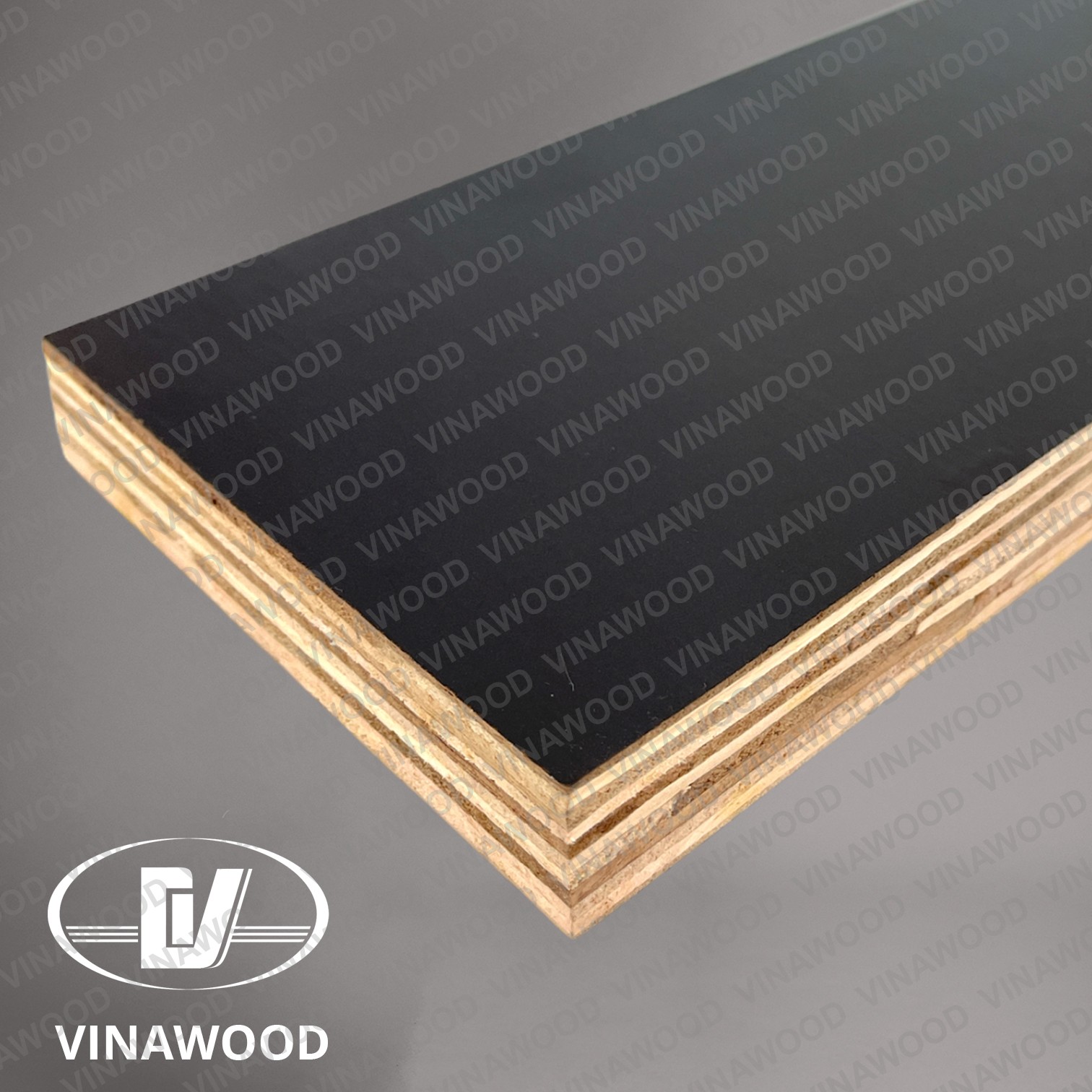
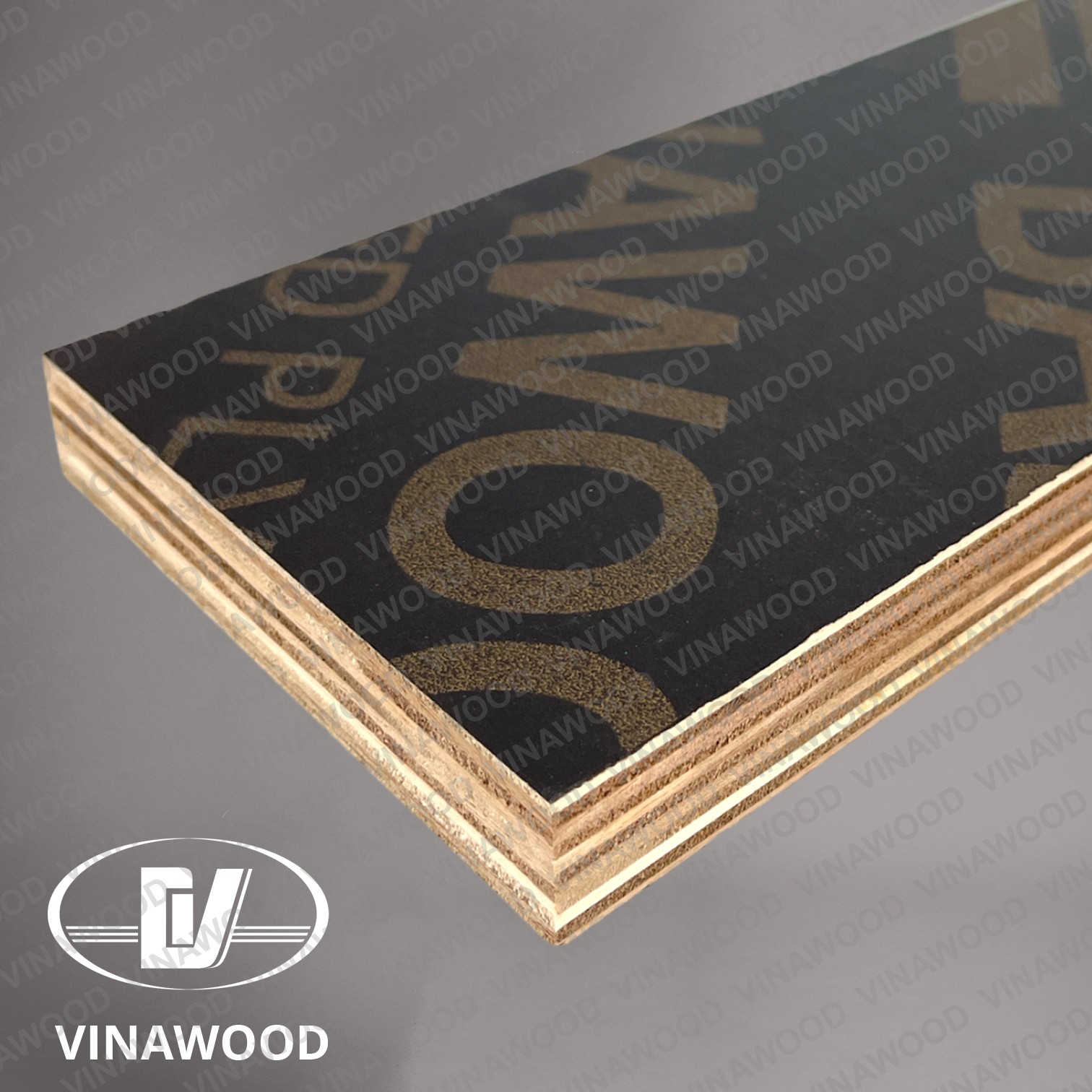
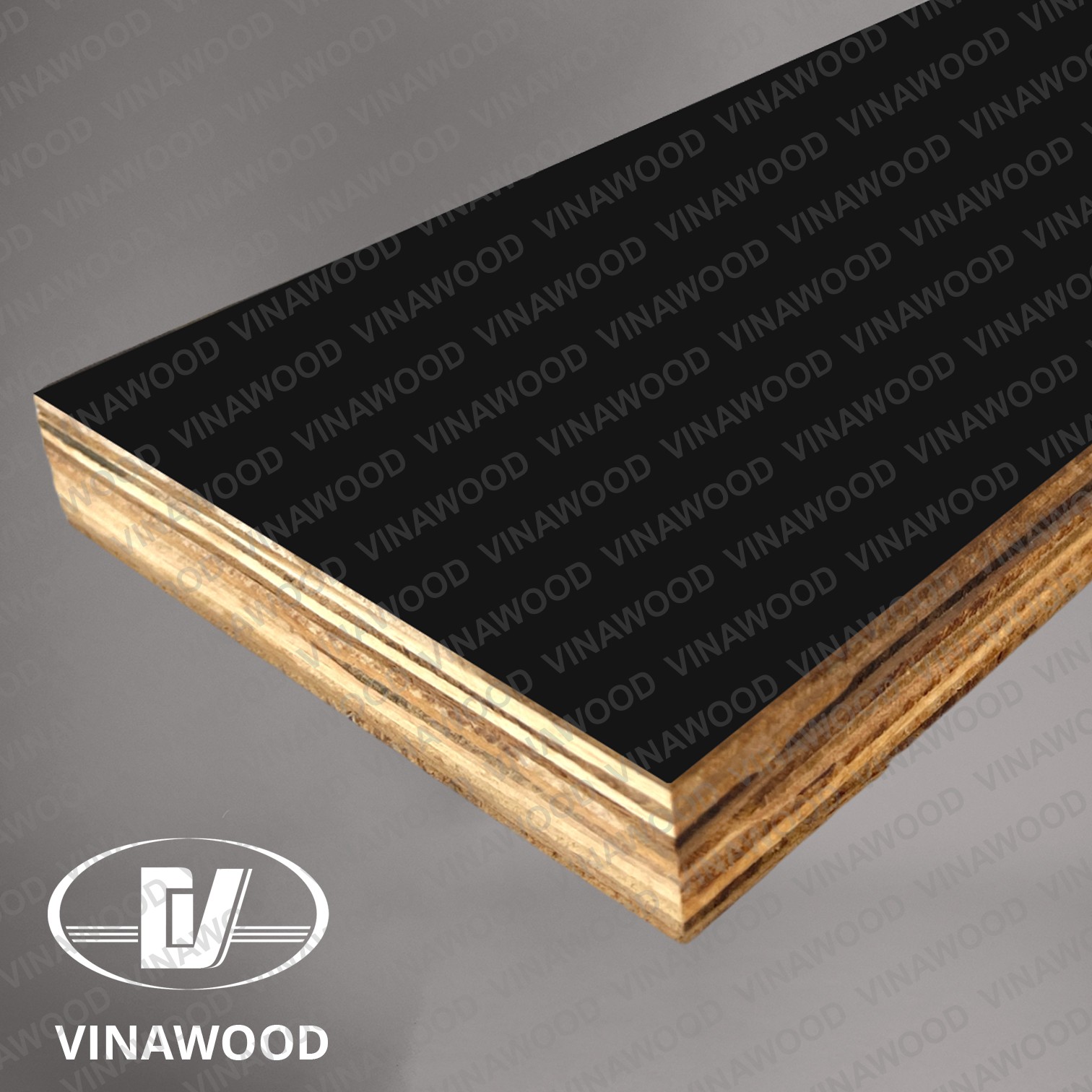
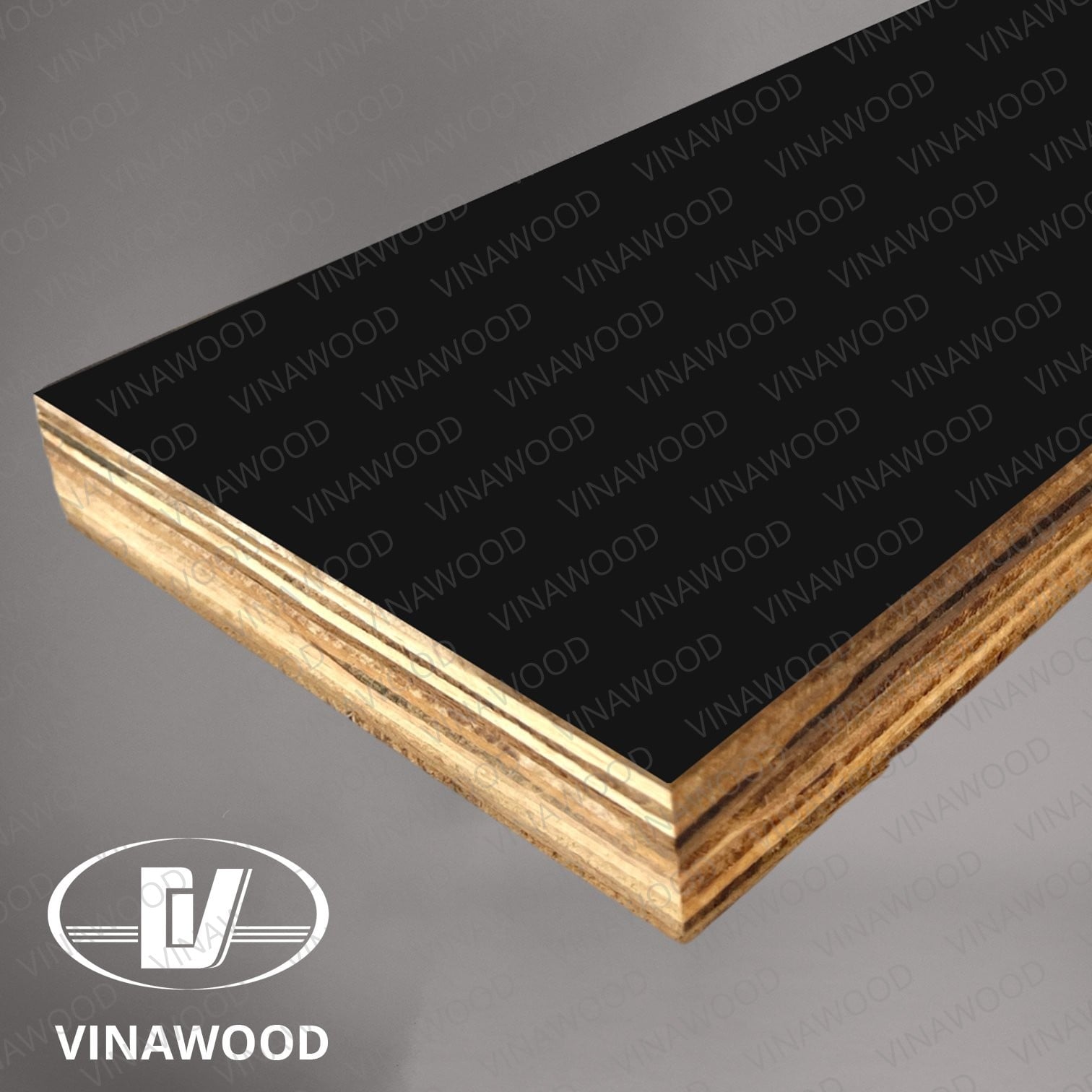
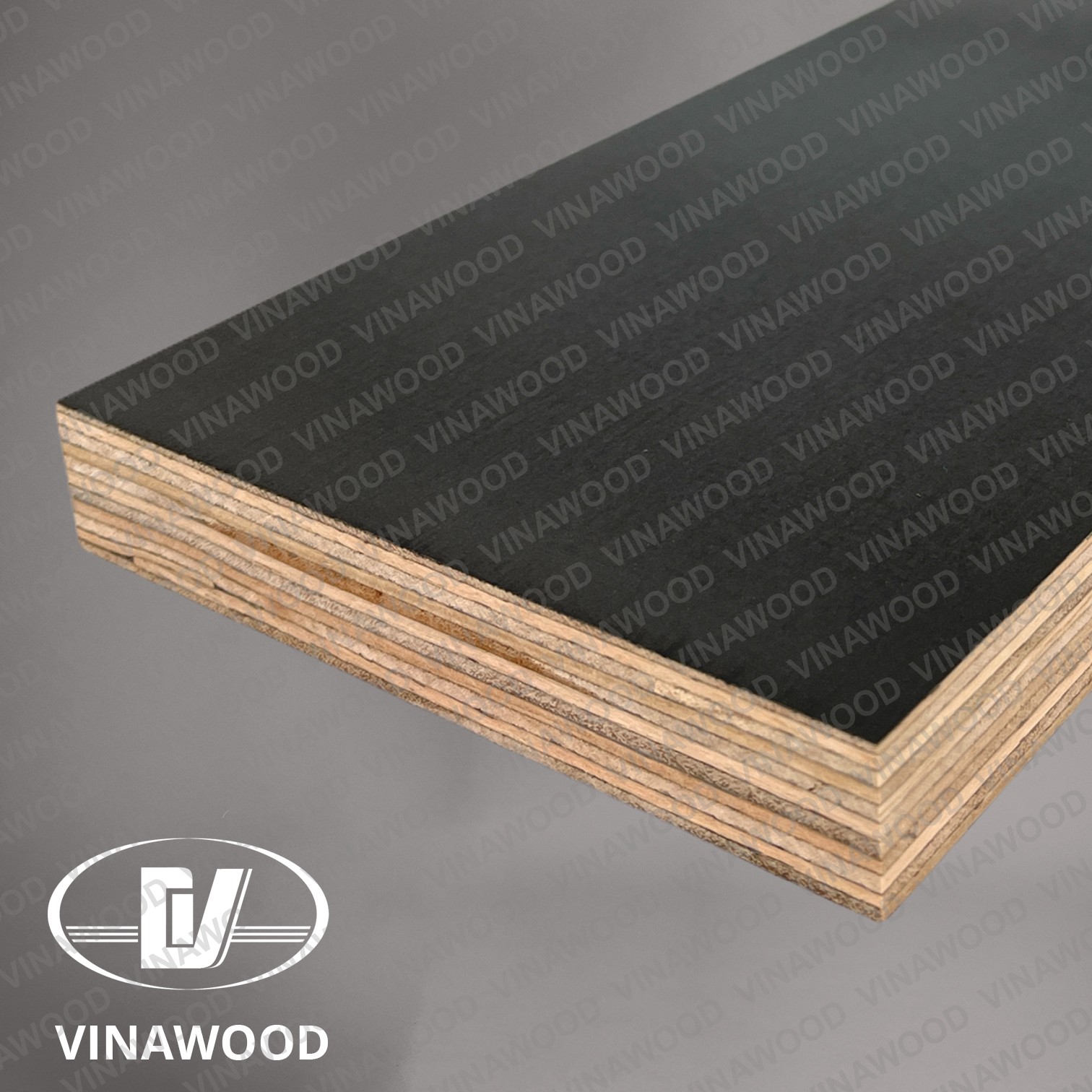
The brown film on the face is a phenolic overlay. It is not the core glue. A mill can put the same phenolic face on Form Basic and Form Extra. The reuse gap between those two SKUs comes from glue chemistry, not a heavier film. Call that out on the PO. Otherwise you pay for Class 3 and receive Class 2 with a dark face.
I have watched GCC RFQs treat a brown film as if it were EN 636-3 phenolic. That mix-up is how a mid-tower swap starts.
Say core MUF adhesive when you mean the glue in the veneers. Say phenolic face film when you mean the overlay. Decorative laminate is a third product and does not belong on a formwork RFQ. Consply is commercial Bintangor plywood, not a film-faced formwork grade, so leave it off this ladder. Film colour (brown, black, or a matte kraft look) is a site preference, not a class. Buyers sometimes search for MatteFace Plywood (MTF) as MDO formwork plywood. The product name is MatteFace. MDO is the search term. On a GCC pour, start with the film-faced plywood range unless the specifier already named an overlay product.
A dark glue line at a cut edge is a field clue. It is not a certificate. Still ask for the class number on the lab report. "Is this WBP?" almost always gets a yes. The class is the technical answer. Trade sheets also print "WBP melamine" for Class 2 MUF. Common phrasing in formwork buying. Different exposure envelope from Class 3 PF. If the tender text says WBP without a class number, clarify before the PO locks.
Vinawood formwork ladder for GCC programmes
GCC default is film-faced, 18 mm or 21 mm, often 1220×2440 mm. HDO (high-density overlay) is the North America analogue (HDO Basic up to 10 reuses, HDO Premium up to 20) and should not be treated as the Gulf stock grade. Match the film-faced rung to cycle count and outdoor storage. Then confirm the bond class on the mill pack.
| Product | Core glue | EN class | Reuse (max) |
|---|---|---|---|
| Eco Form Plus | Core MUF | EN 636-2 | Up to 8 |
| Form Basic | Core MUF | EN 636-2 | Up to 10 |
| Form Extra | Superior Glue MUF | EN 636-2, not Class 3 | Up to 15 |
| Pro Form Lite | PF | EN 636-3 / Class 3 | Up to 15 |
| Pro Form | PF | EN 636-3 / Class 3 | Up to 20 |
Only Pro Form, Pro Form Lite, HDO Standard and HDO Premium are Class 3 on Vinawood's map; HDO Basic is Class 2. Form Extra is not Class 3. Same phenolic face as Form Basic; longer reuse is the Superior Glue MUF, not a thicker overlay. Reuse is a maximum under proper handling. P-Form is polypropylene overlay, not Pro Form. Keep those names separate on the PO.
Plantation-grown acacia and eucalyptus cores are the species on these lines. Density still varies by SKU. If the gang is sensitive to sheet weight, put a weight or stiffness note on the RFQ instead of a species slogan. Shuttering is the same temporary face under another search term — link only: shuttering plywood suppliers. This page stays on how to vet the mill, not a directory.
Pro Form Lite sits between Form Extra and Pro Form: PF Class 3, shorter reuse than full Pro Form. Reach for it when the pour is outdoor enough for Class 3 but the cycle count does not need the top rung. Form Extra stays on the Class 2 side even when the face looks identical. Glue sets the water-resistance ceiling. Core species, face film gsm, edge seal, and site handling decide how close you get to the stated reuse. Two Class 3 sheets can diverge by several pours if one sat in the sun and the other stayed under cover.
Heat, UV, and storage between pours
Gulf yards cook panels. A Class 3 glue line still needs sealed edges and shade. Stack under cover, faces in, off the sand. UV chalks a film that sat in the sun for a month — surface wear, not proof the core glue failed. Factory edge paint slows wicking between pours. Recoat cut edges on site. Use a release agent the mill named. Skip the random diesel mix.
Between pours, keep the pack off standing water. A sealed 18 mm sheet can still cup if one face bakes and the other sits damp. Rotate the stack. That five-minute habit saves more pours than a heavier film gsm on a neglected yard. Coastal humidity is a different problem from inland heat. A Doha waterfront store will wet the edges faster than a covered Riyadh compound. Write the storage note on the RFQ so the mill can warn you when Class 2 MUF is the wrong call for an open desert laydown.
Do not judge a delivery by film colour after two weeks in the sun. Judge it by the mill test that arrived with the container, then by how the first pour releases. Face chalks early? Handling. Core delaminates? Glue class. Dropped corners and wet stacking move the real reuse count far below the "up to N" figure long before the film colour fades.
Documents that travel with the container
Ask the mill, not the trader, for the pack that matches the PO thickness. Mill test report for bond class and thickness. Origin / packing list that names plantation-grown species. Fumigation or ISPM 15 on the pallets. DoP / CE papers when the buyer needs EN 13986 on file. No duty rate belongs on this page. Rates move. Confirm HS and origin with the customs broker in UAE, KSA, or Qatar.
For the ocean-leg checklist that sits beside this RFQ, see importing Vietnam plywood to India and the Middle East. Logistics sibling. Not a second mill guide. A trader can photocopy a certificate. A mill can re-run the thickness you actually ordered. Run that test when two quotes look identical on film colour.
Check the certificate thickness against the sheet stamp before the crane lifts the first bundle. An 18 mm report on a 21 mm delivery is not a clerical typo. Different product. Ten minutes of receiving saves a claim file. FSC or PEFC chain-of-custody belongs on the pack when the project file asks for it. CARB Phase 2 / EPA TSCA Title VI is the formaldehyde path for other markets. GCC formwork tenders more often ask for the mill test and the origin papers first. Add the rest when the consultant named them.
What to send with the quote request
Put these lines on the RFQ so the mill cannot swap a lighter face without telling you: EN 636 class (2 or 3); PF versus core MUF; film gsm; thickness 18 mm or 21 mm; format 1220×2440 mm or 1250×2500 mm; reuse target as "up to N"; heat and UV storage note (covered yard, open desert, or coastal); edge seal; quantity and port. State the application in one line — mid-rise walls, infrastructure, coastal yard, or high-rise reuse target. That one line saves a week of email. Attach a previous panel photo if you are replacing a grade that failed early.
Vinawood quotes that checklist from the mill. We have pressed formwork panels since 1992 and ship about 5,000 containers a year to 55+ countries. For programmes that also need North American ready stock for local distributors, Vinawood maintains distribution warehouses in Toronto, Vancouver, Calgary, Montreal, Miami, Houston, and Baltimore. Same brand. Different lead path. Still mill-backed paperwork. Send the application, glue class, overlay, and quantity to request a quotation or use the RFQ form. We will match the rung on the ladder instead of selling you a brown film with no class number behind it.
Category
market-insights
Related Markets
Related Countries
▶Sources & References (2)
- EN 636 Plywood — Specifications — CEN (2015)
- EN 314-2 Plywood Bonding Quality Requirements — CEN (2001)