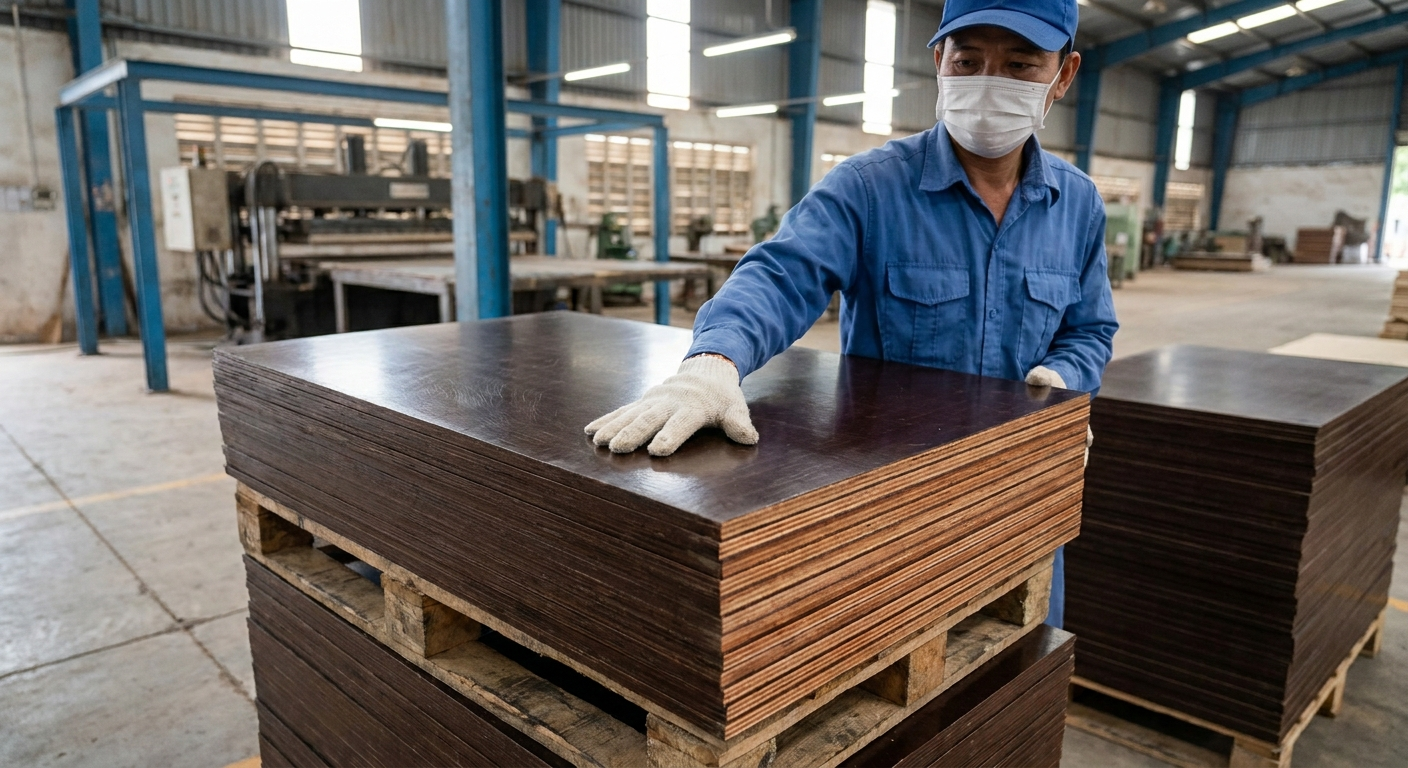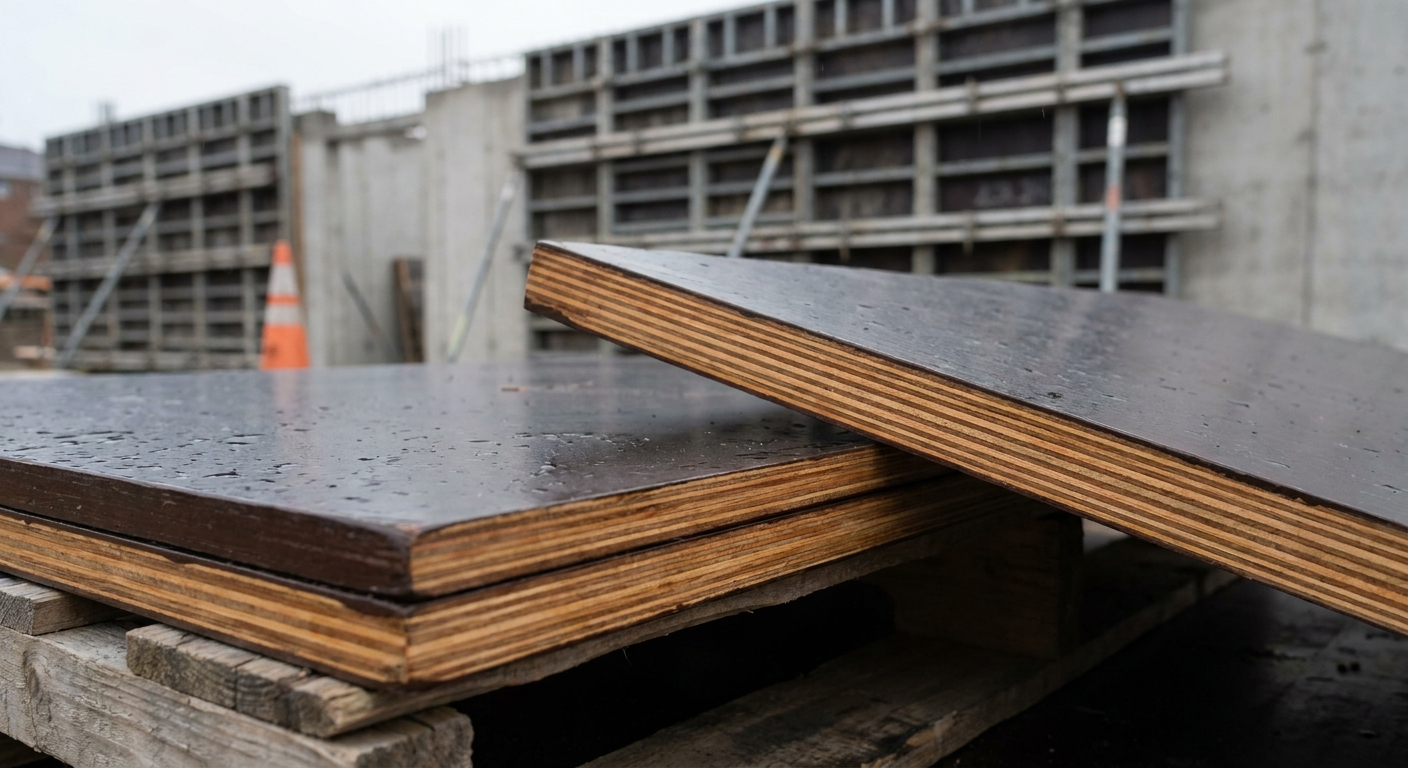
What is shuttering plywood?
Shuttering plywood is the temporary concrete mould (UK/India naming). WBP water-resistant not waterproof; reuse up to N by grade; Class 3 = Pro Form, Pro Form Lite, HDO only. Vinawood since 1992, ~5,000 containers/year, 55+ countries.
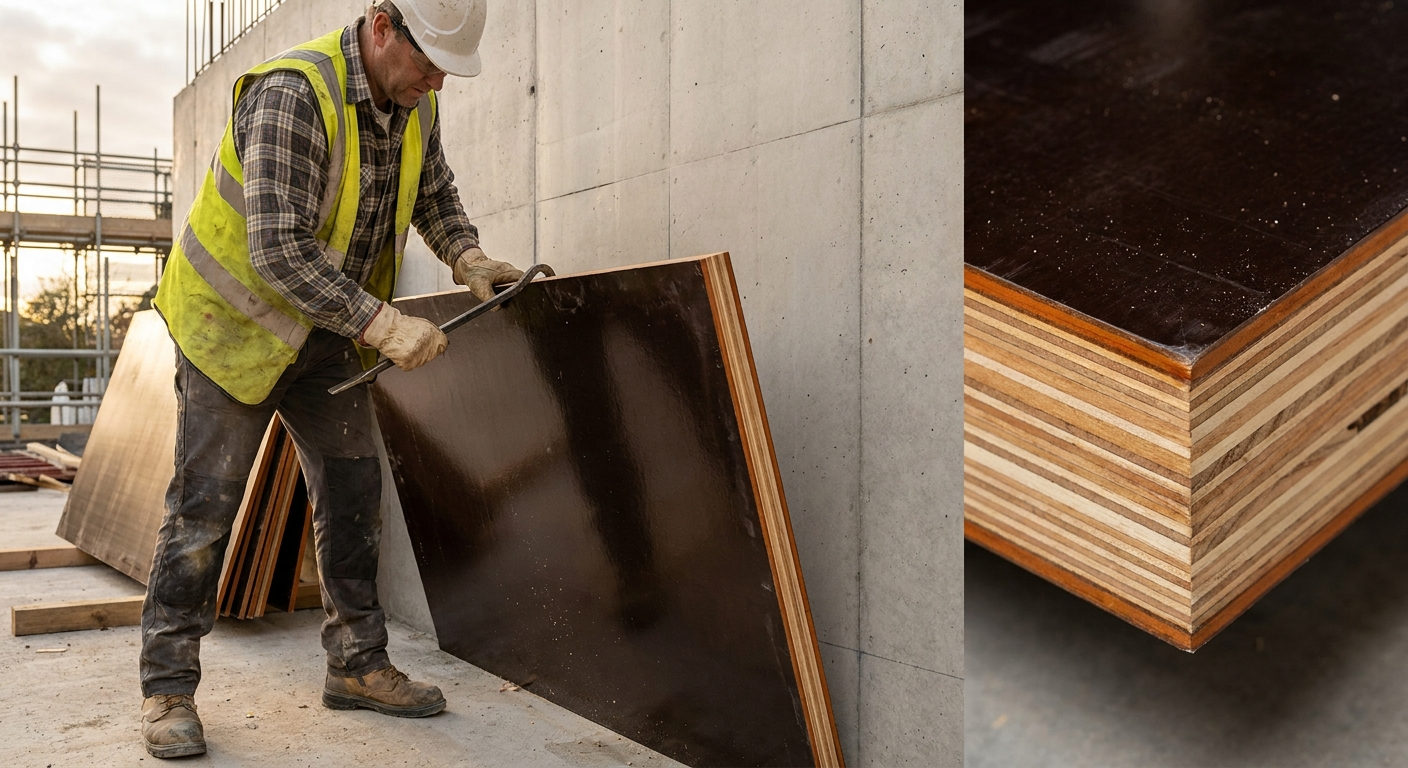
Shuttering plywood is the temporary mould crews pour against. Once the concrete can stand, the shutter comes off and the cycle starts again. UK and India still say shuttering. North America says forming plywood or plyform. Export catalogues usually say film-faced. Same job. Different labels.
Four fields decide whether the quote is a real shuttering panel or a colour photograph: overlay, core bond class, size, and emission class. CDX sheathing is not shuttering. Decorative melamine laminate is not shuttering either, even when a yard sticker stretches the word. For the Soft SoT type ladder across HDO, MatteFace, and film-faced grades, cite concrete forming plywood — do not re-body that hub here.
What shuttering plywood is on a pour programme
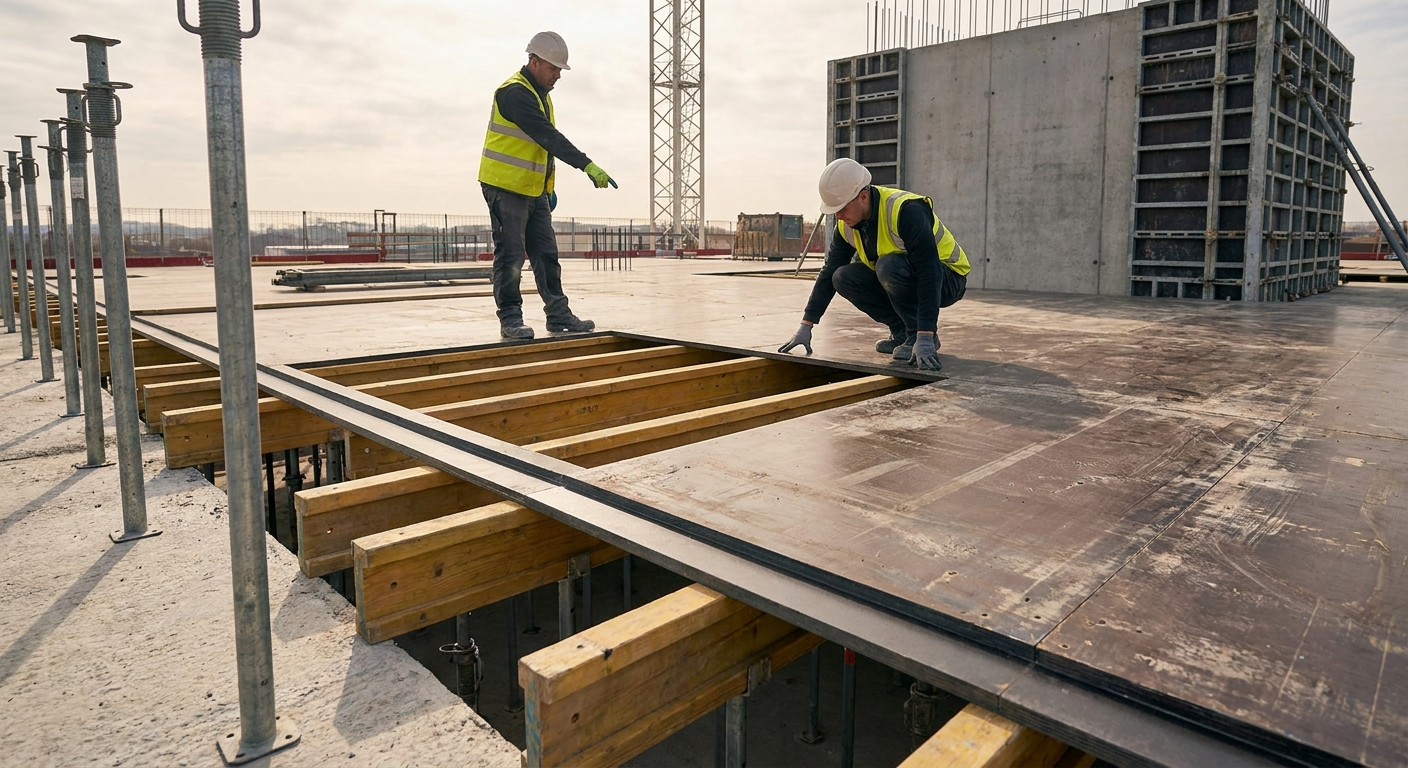
On site, shuttering plywood is the thin face of a framed form. Walers and soldiers hold the sheet; the phenolic or density overlay faces the concrete. Vertical shutters form walls and columns. Horizontal centrings form slab soffits. Both want a water-resistant WBP glue line, a sealed edge, and a face that releases without tearing the pour.
A phenolic film on kraft paper is the most common export face. HDO paper is the North American fair-face overlay. MatteFace Plywood (MTF) is Vinawood's matte phenolic formwork surface — buyers often search it as MDO, and MDO stays a search bridge only. None of those overlays turns an ordinary MR urea board into shuttering. Bond class in the core decides whether the plies stay closed after wet cycles.
Thickness usually sits between 12 mm and 21 mm. Eighteen millimetres is the workhorse for walls when stud spacing is ordinary. Sheet footprints are 1220×2440 mm for many US, Canadian, and UK gangs, and 1250×2500 mm for EU and Middle East equipment. Mix those two footprints on one wall and you get a lip in the concrete.
Water-resistant WBP — never waterproof
Shuttering plywood is water-resistant under a weather-and-boil-proof (WBP) glue class. It is not waterproof. Fresh concrete stays alkaline and wet for hours. Rain sits on stacked sheets between pours. Cut edges drink water the moment you trim a panel on site. A WBP bond and a phenolic face are built for that rhythm. They are not a sealed hull.
EN 636-2 covers humid service with MUF core resin. EN 636-3 / Class 3 is the exterior phenolic band. Writing "waterproof shuttering" on an RFQ usually means the buyer wants Class 3 phenolic — say that in plain text instead. Deeper moisture language lives on is shuttering plywood waterproof.
Edge seal is the cheapest reuse insurance we ship. Film covers the faces only. Every site cut needs paint before the next pour, or the end grain opens and the sheet looks failed while the glue line is still sound.
Bond class and the Vinawood shuttering ladder
Buyers often collapse glue, face film, and product name into one word. They are three different layers. Core glue sits between veneers. Face film is the overlay paper. Decorative laminate is a furniture surface. Name which melamine you mean — core MUF, a light face film, or kitchen laminate — before the mill quotes.
Only Pro Form, Pro Form Lite, HDO Standard and HDO Premium are Class 3 / EN 636-3 on this mill; HDO Basic is Class 2. Form Extra carries the same phenolic face family as Form Basic, but the core is Superior Glue MUF at EN 636-2. Longer reuse from glue chemistry, not a heavier film. Still not Class 3. P-Form is polypropylene-faced and is not Pro Form. Consply is commercial Bintangor and does not belong on a shuttering list.
| Grade | Core glue | Bond class | Reuse (maximum) | Best fit |
|---|---|---|---|---|
| Eco Form Plus | MUF (WBP) | EN 636-2 | up to 8 | Entry film-faced, short cycles |
| Form Basic | MUF (WBP) | EN 636-2 | up to 10 | Residential basements, short wall series |
| Form Extra | Superior Glue MUF | EN 636-2. Not Class 3. | up to 15 | Mid-range housing; same phenolic face as Form Basic |
| Pro Form Lite | PF (phenolic) | EN 636-3 / Class 3 | up to 15 | Class 3 writing without Pro Form's full ceiling |
| Pro Form | PF (phenolic) | EN 636-3 / Class 3 | up to 20 | Commercial walls, longer outdoor exposure |
| HDO Basic / Premium | PF (phenolic) on Premium | Basic: EN 636-2 / Class 2; Premium: EN 636-3 / Class 3 | Basic up to 10; Premium up to 20 | NA fair-face programmes |
| MatteFace (MTF) | formwork overlay | confirm on quote | up to 15 | Matte cast face; searched as MDO |
Reuse is always written as up to N under good site practice. Never 50+. Never 100. Crowbar stripping, open edges, and standing water on the stack cut those figures roughly in half. Spec detail by type lives on the shuttering plywood guide and the phenolic plywood hub.
Shuttering ply versus ordinary plywood
Ordinary interior plywood uses MR urea adhesive and a sanded wood face. Fine for furniture. Fine for dry interiors. Not built for hydrostatic pour pressure or wet cycling. Shuttering plywood uses a WBP glue line, a release-ready overlay, and sealed edges so the sheet survives repeated contact with wet concrete.
Strength comes from cross-laminated plantation-grown hardwood veneers — Acacia, Eucalyptus, or Hevea on Vinawood lots. Never tropical-forest marketing copy. Core voids are normal in hardwood-core plywood within grading tolerances. They matter when they hit an unsealed edge, which is what edge paint covers.
I still open RFQs that price "shuttering ply" against a retail birch craft sheet and then ask why the pour face prints grain. Write overlay and bond class first. Sheet size second. Price last.
Where shuttering plywood shows up on commercial jobs
Wall and column shutters take most of the volume. Basement cores, retaining walls, and commercial shafts pour against film-faced or HDO sheets held in steel frames. Slab centrings sit as the thin top face on timber bearers or a system table. The sheet is not the structural beam. Beam soffits and side panels are often cut thinner at 9–15 mm and still need sealed edges after every trim.
Foundations, stair flights, and awkward returns use the same panel class when a system form does not fit. Anti-slip film variants show up on scaffolding decks where grip matters more than a glass-smooth face. Element-by-element setup belongs on dedicated Soft SoT pages. This hub stays at the naming and bond-class level so importers can map grade to pour count before they chase sheet price.
How crews choose shuttering plywood
Start with exposure, not with film colour. Covered short cycles can live on Eco Form Plus, Form Basic, or Form Extra (EN 636-2). Long outdoor shafts and climbing cores usually want Pro Form Lite, Pro Form, or HDO Standard / HDO Premium (Class 3). Match film gsm or HDO grade to abrasion. Then match footprint to the frame module you already own.
Cost per pour beats sheet price every time. Take your landed cost and divide by the pour count you actually expect — not the catalogue maximum. Below roughly eight or nine pours, a lighter MUF panel often wins. Above that band, Class 3 phenolic usually wins on absolute cost. No invented sheet prices belong here.
Vinawood panels are used with major framed systems from Doka, Peri, and Alsina when the frame module matches the sheet. The system holds the sheet. The sheet is still the face the concrete sees.
We've watched the same Pro Form Lite lot clear near fifteen pours on a disciplined commercial core and struggle past nine once three subcontractors shared the stack without resealing cuts. Handling spends the life before the mill does.
Mill sourcing and warehouse stock
Vinawood has made construction plywood in Vietnam since 1992. About 5,000 containers a year go to 55+ countries on plantation-grown cores. Factory-direct programmes let you name grade, thickness, size, film gsm, and bond class on the mill quote. Packing list, mill test report, and Declaration of Performance travel with the lot — if those three are missing, the overlay colour is just paint.
Local distributors who need ready stock can draw from Vinawood warehouses in Toronto, Vancouver, Calgary, Montreal, Miami, Houston, and Baltimore. Stocking shortens lead time for break-pack sheets. It does not replace the mill certificate. Not an exclusive stockist claim. Not a shop-here list.
Put these fields on the ask before price: grade name (Eco Form Plus / Form Basic / Form Extra / Pro Form Lite / Pro Form / HDO), core glue in writing (MUF vs PF), bond class (EN 636-2 vs EN 636-3), thickness and sheet size, film weight or HDO grade, target reuse as your expected pours, and emission docs (CARB Phase 2 / EPA TSCA Title VI, FSC-COC, EN 13986 DoP). Browse the film-faced plywood collection and HDO plywood, then send the pour programme through /rfq or /contact?type=quotation.
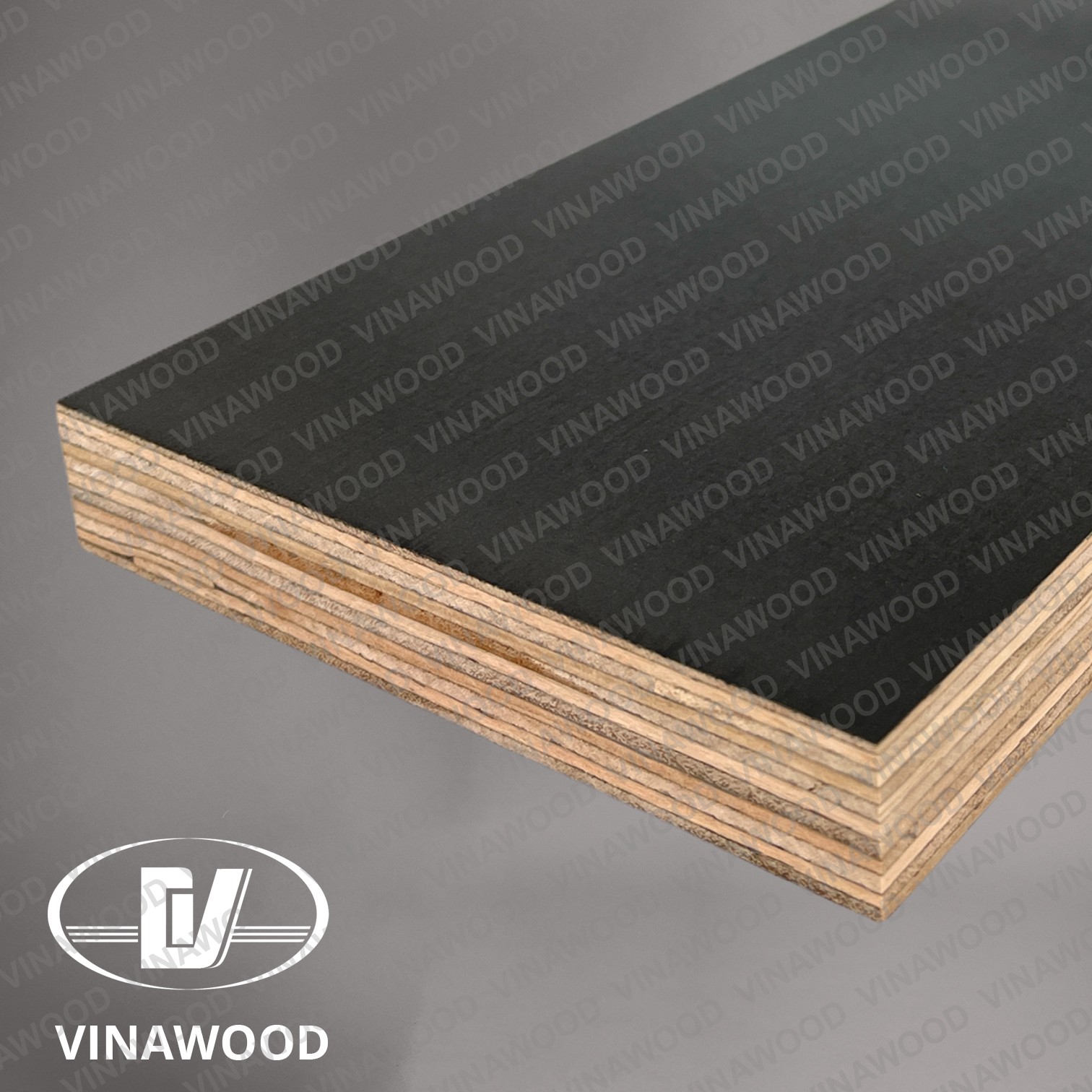
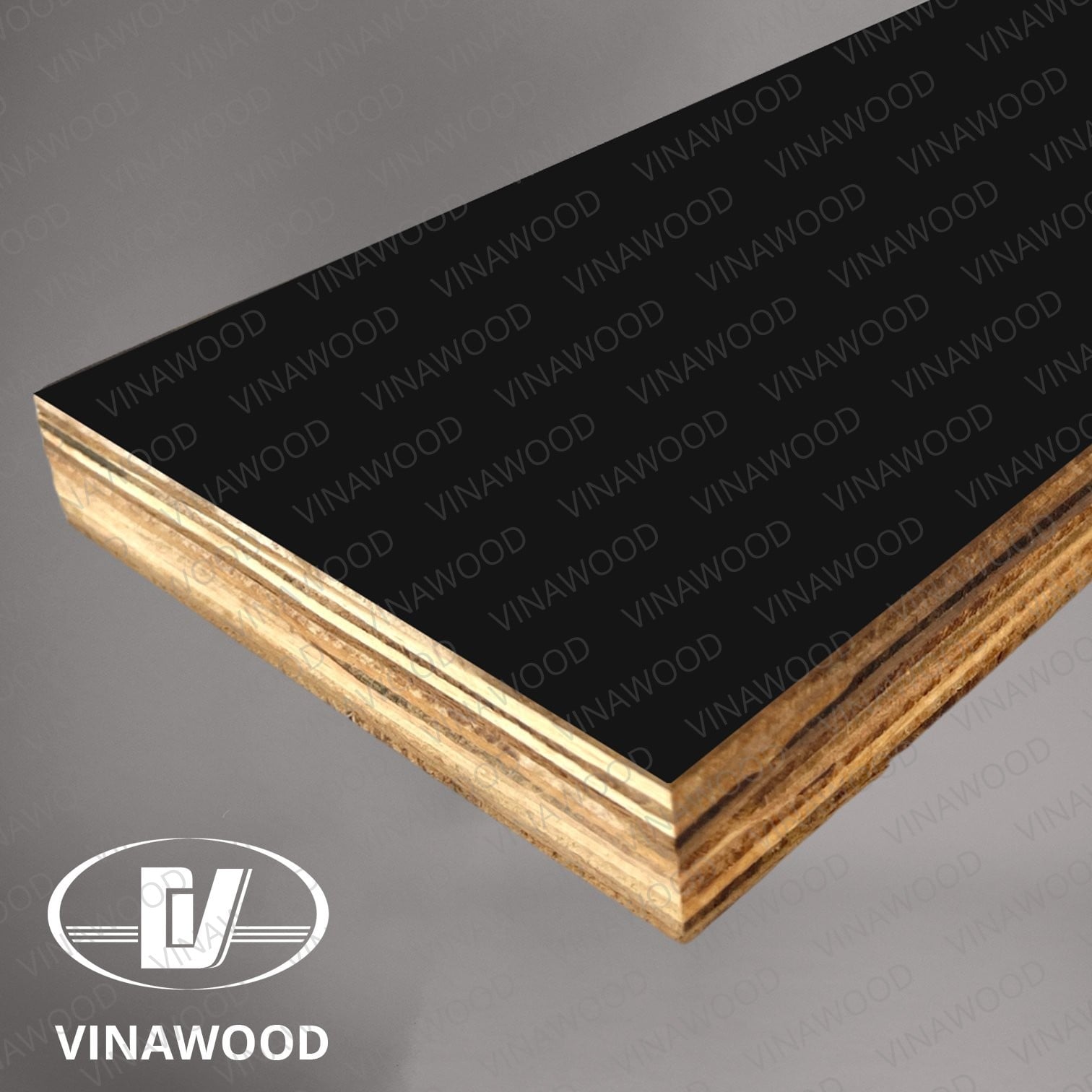
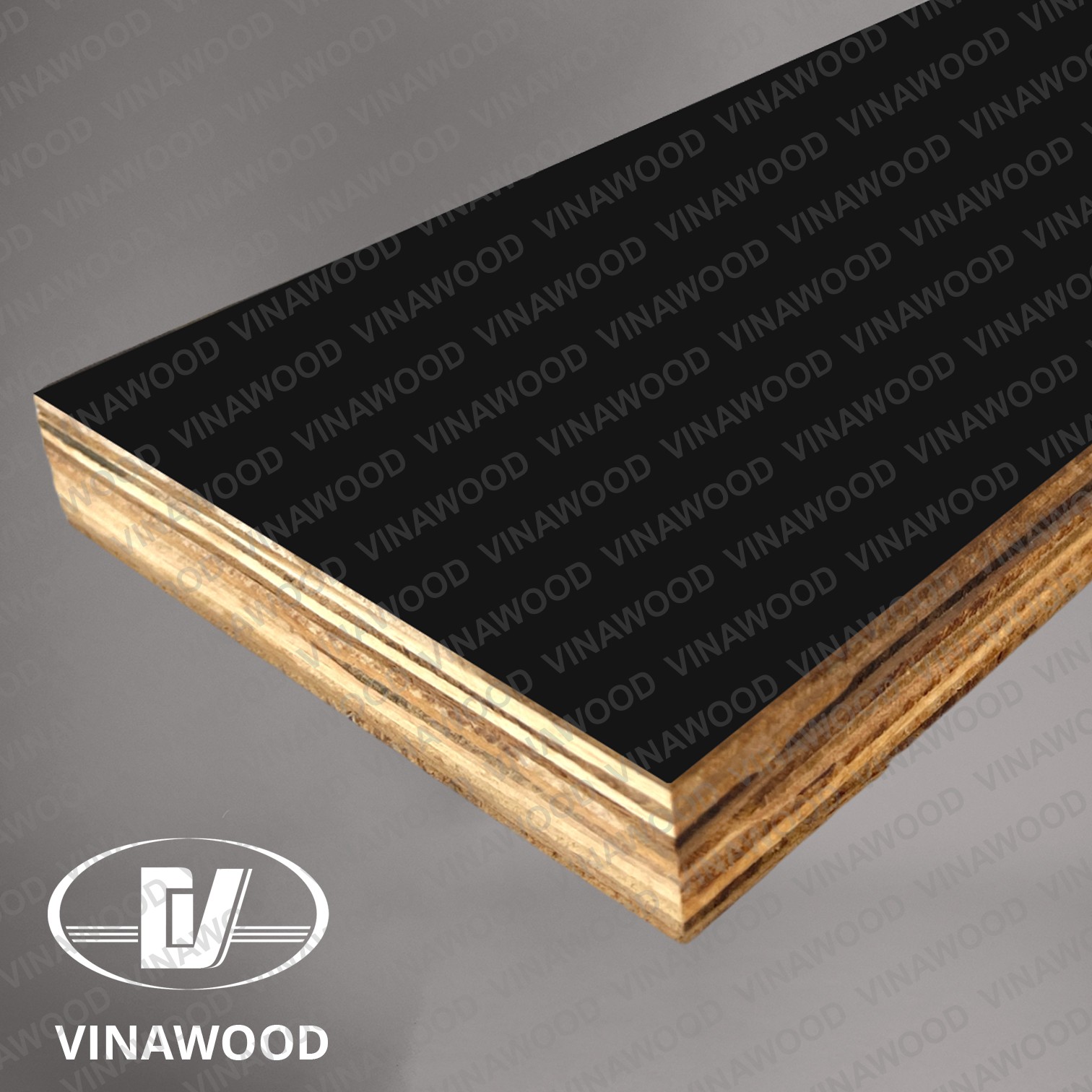
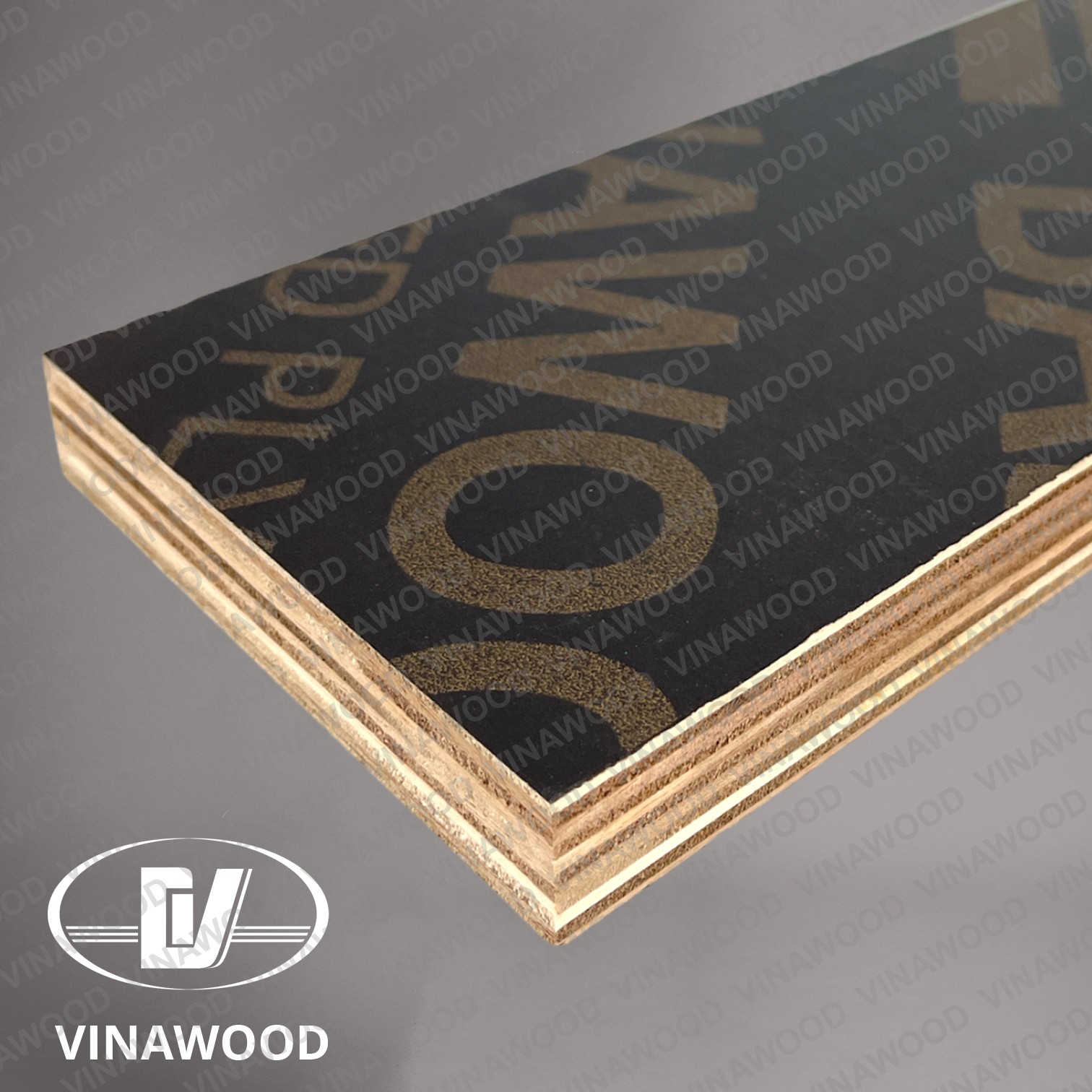
Related Products
▶Sources & References (3)
- Shuttering plywood guide — types, bond class, reuse — Vinawood (2026-09)
- Is shuttering plywood waterproof? — Vinawood (2026-09)
- EN 636 Plywood — specifications — CEN (2015)