Top 15 Plywood Suppliers and Manufacturers In The World
Importers do not need another Top-15 mill list. Use this worldwide formwork checklist: mill vs trader, RFQ specs, Vinawood ladder, documents before deposit, and NA distribution warehouses for ready stock to local distributors.
Importers searching for plywood suppliers and manufacturers worldwide do not need another Top-15 mill list. They need a way to tell a pressing mill from a trader, and a formwork RFQ from a furniture brochure. Vinawood is a Vietnam formwork mill established in 1992. This page is the due-diligence checklist we wish every first container used.
Skip furniture and décor framing. The buyers this guide serves order film-faced, HDO, and MatteFace formwork panels for concrete work. Soft note only: buyers often search MatteFace as MDO formwork plywood. The product name is MatteFace Plywood (MTF). Keep that overlay on formwork jobs. Do not drag anti-dumping or countervailing language next to it.
I have seen RFQs that mixed kitchen-cabinet face grades with outdoor pour targets in the same email. That is how delamination claims start. Separate the lane before you ask for a mill quote.
Mill vs trader vs lumberyard
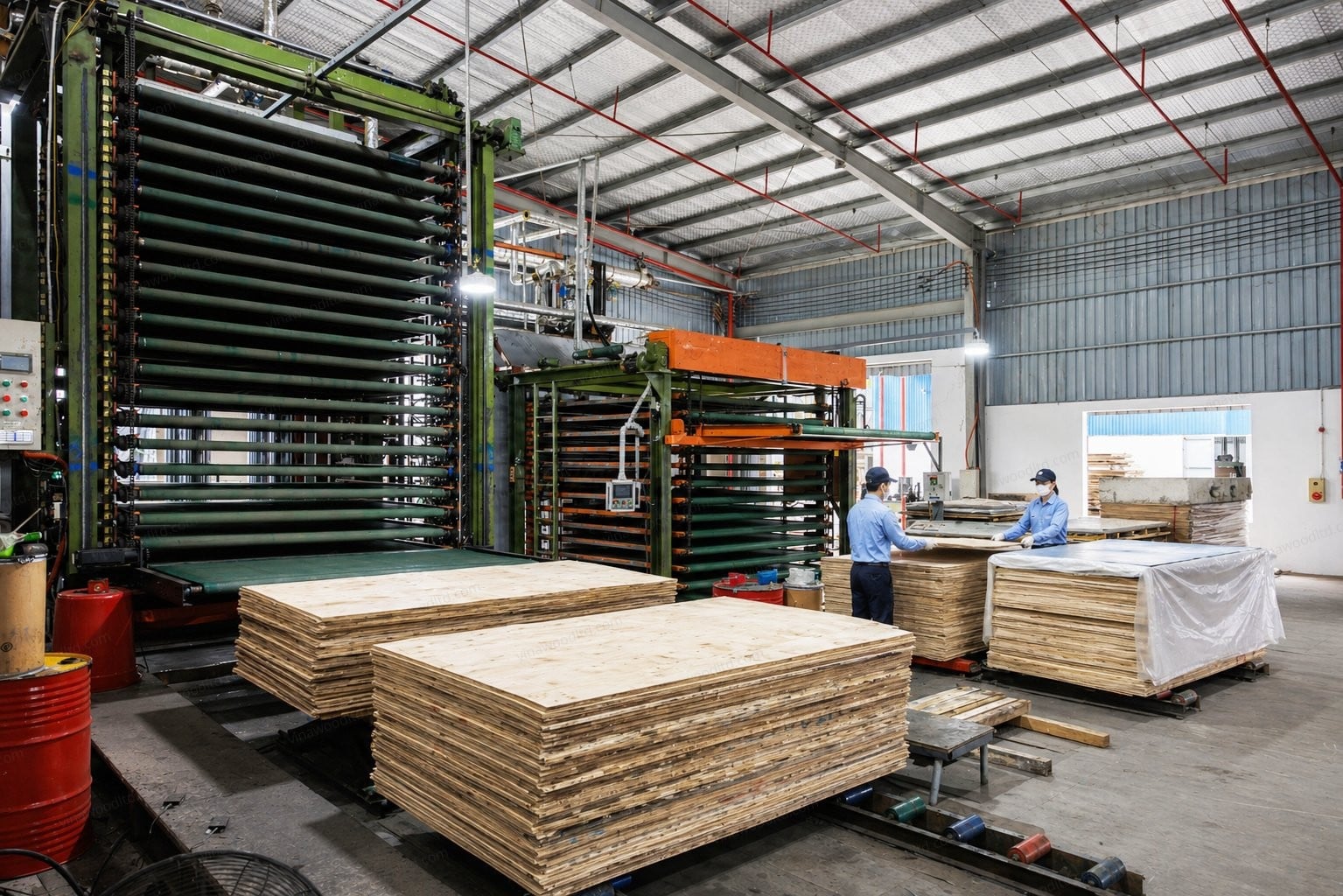
A mill peels veneer, lays glue, presses the panel, and films the face. A trader buys finished packs and resells. A lumberyard stocks retail or contractor volumes in one market. All three can appear in a Google result for "plywood manufacturers." Only the mill controls bond class and film gsm on the day the press runs.
Ask who owns the press line. Ask whether the EN 314 class on the certificate matches the thickness on your PO. A trader can still be useful for mixed loads or NA stocking. Just price the risk: if the bond fails, you need the mill's batch data, not a forwarder's apology.
When a directory page ranks fifteen factories by brand fame, treat it as marketing, not diligence. Fame does not set film gsm. Fame does not set EN 314 class. Fame does not set how many pours a face survives on your site.
Vinawood presses in Vietnam and ships about 5,000 containers a year to 55+ countries.
Vinawood keeps distribution warehouses in Toronto, Vancouver, Calgary, Montreal, Miami, Houston, and Baltimore to supply ready stock to local distributors. A buyer who needs a few packs this week works through a local distributor that draws from that network. Stocking shortens lead time. It does not replace the mill certificate that travels with the pack. This is not an exclusive stockist claim.
What worldwide formwork buyers actually order
Most RFQs in this lane fall into three overlay families:
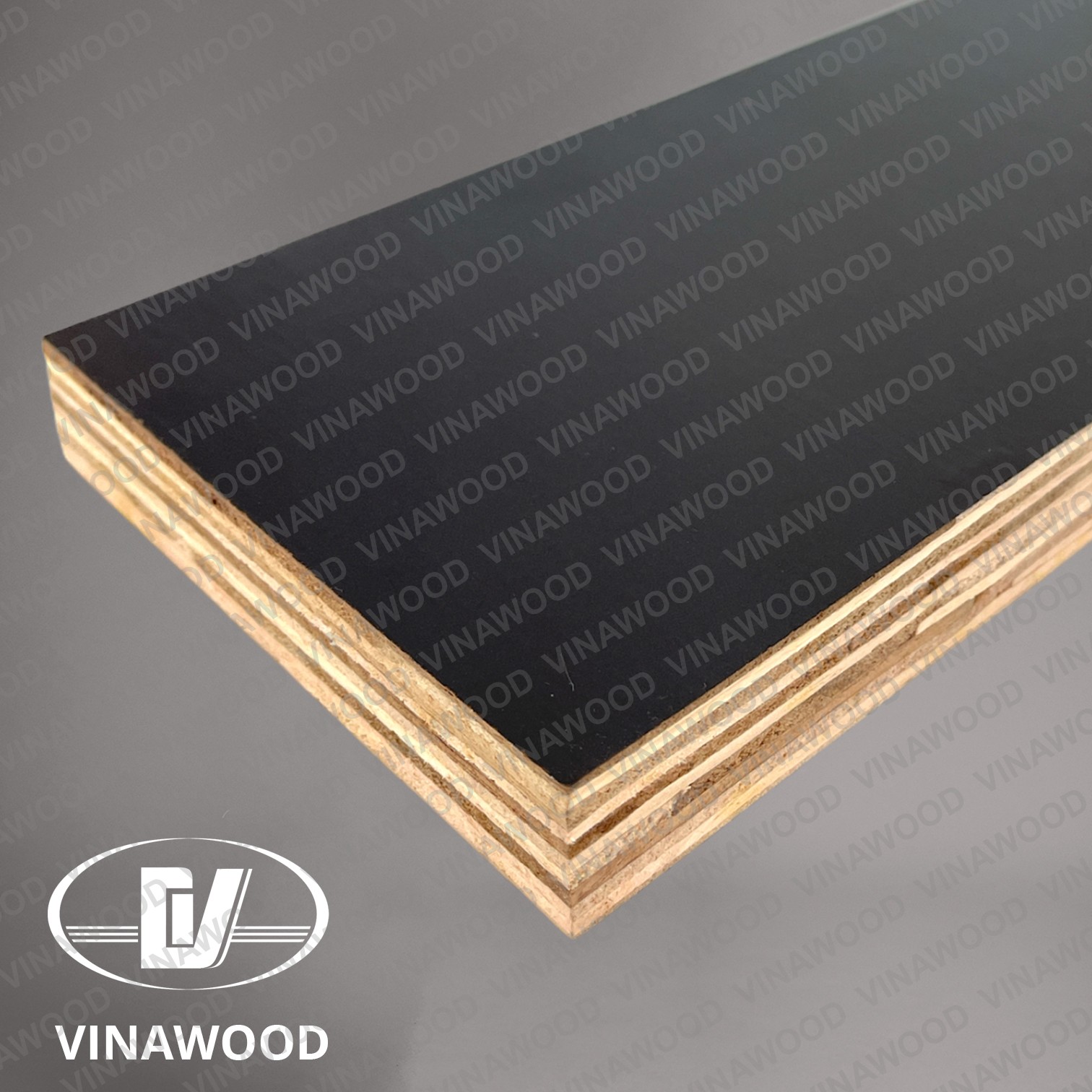
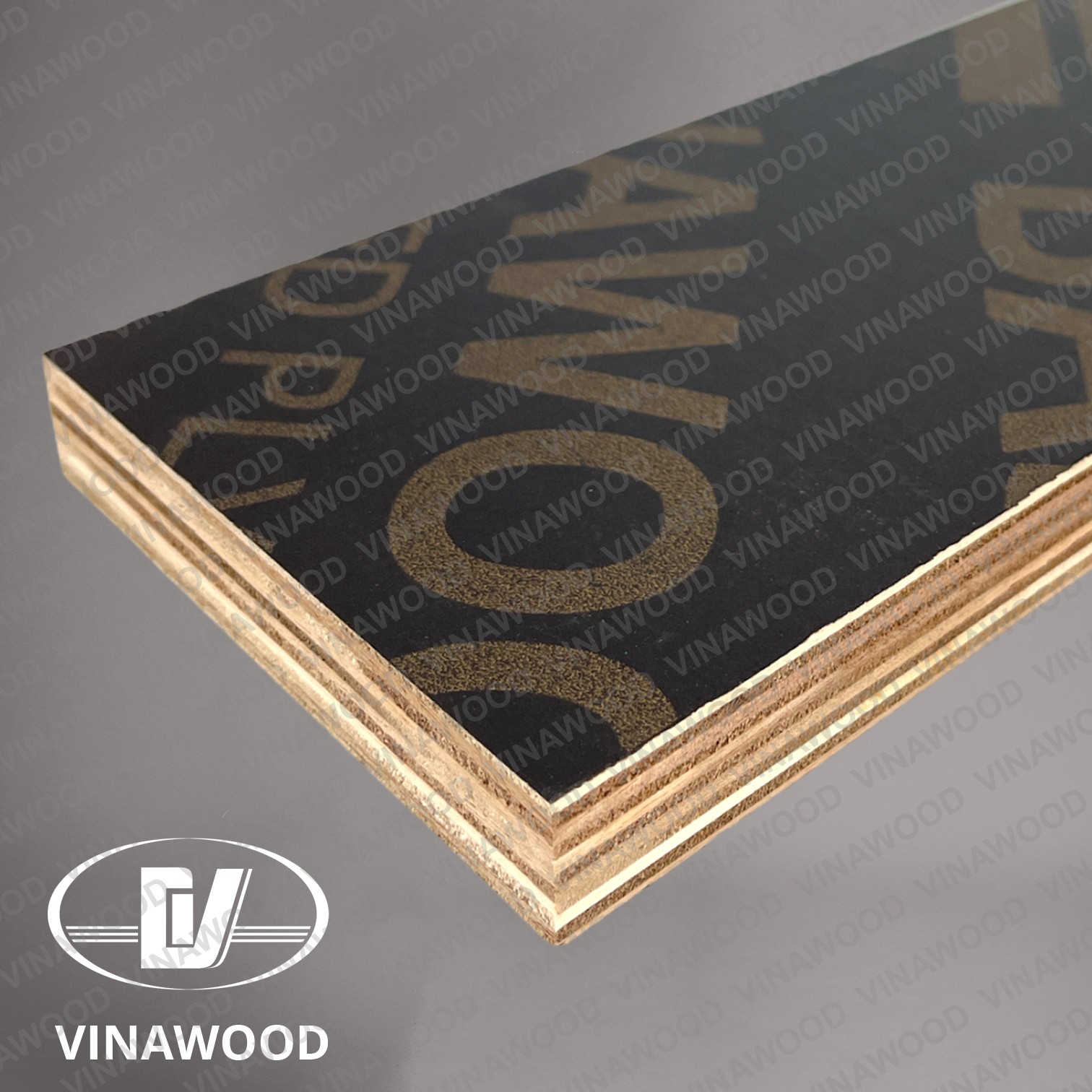
- Film-faced plywood for general concrete formwork
- HDO plywood for high-cycle overlay work in markets that specify it
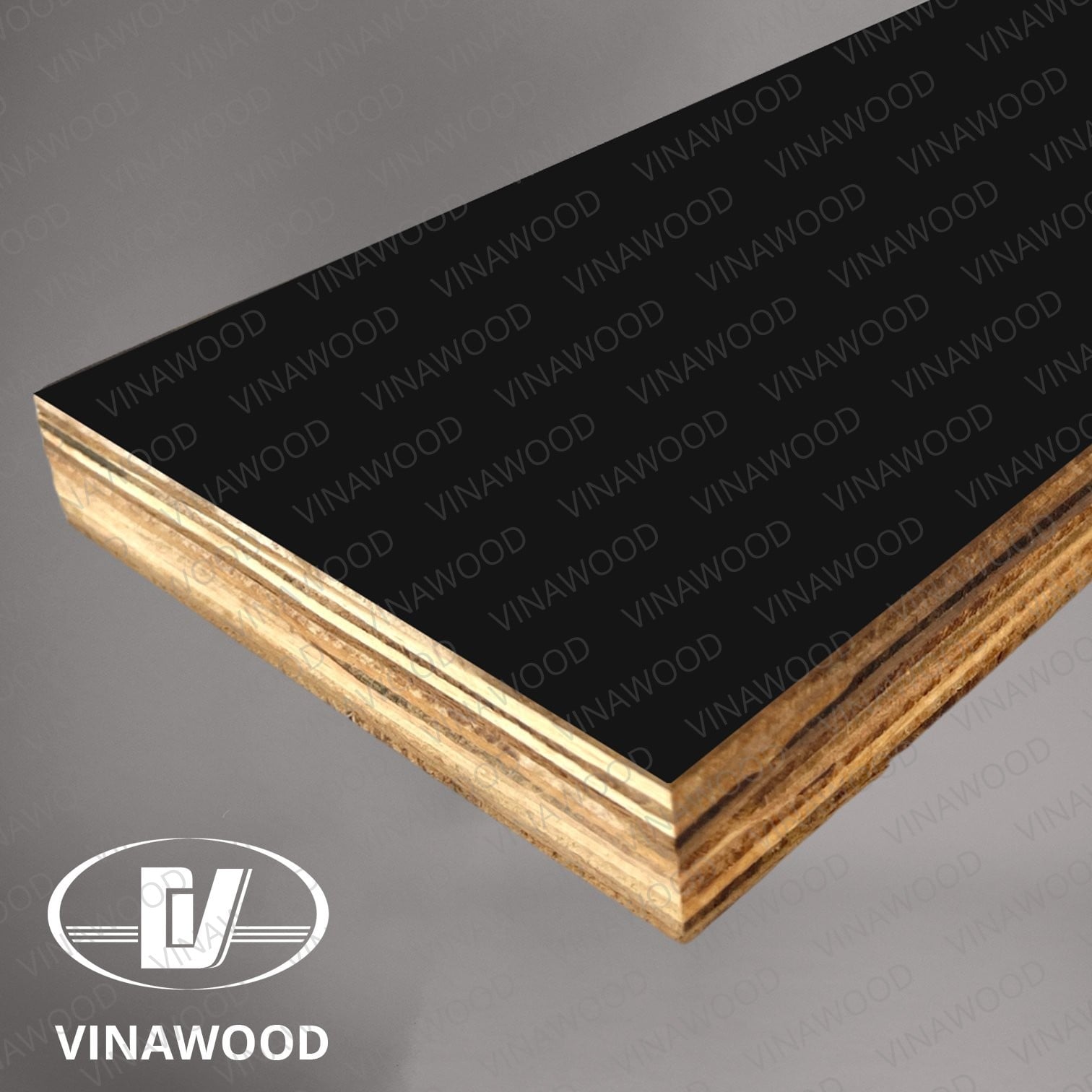
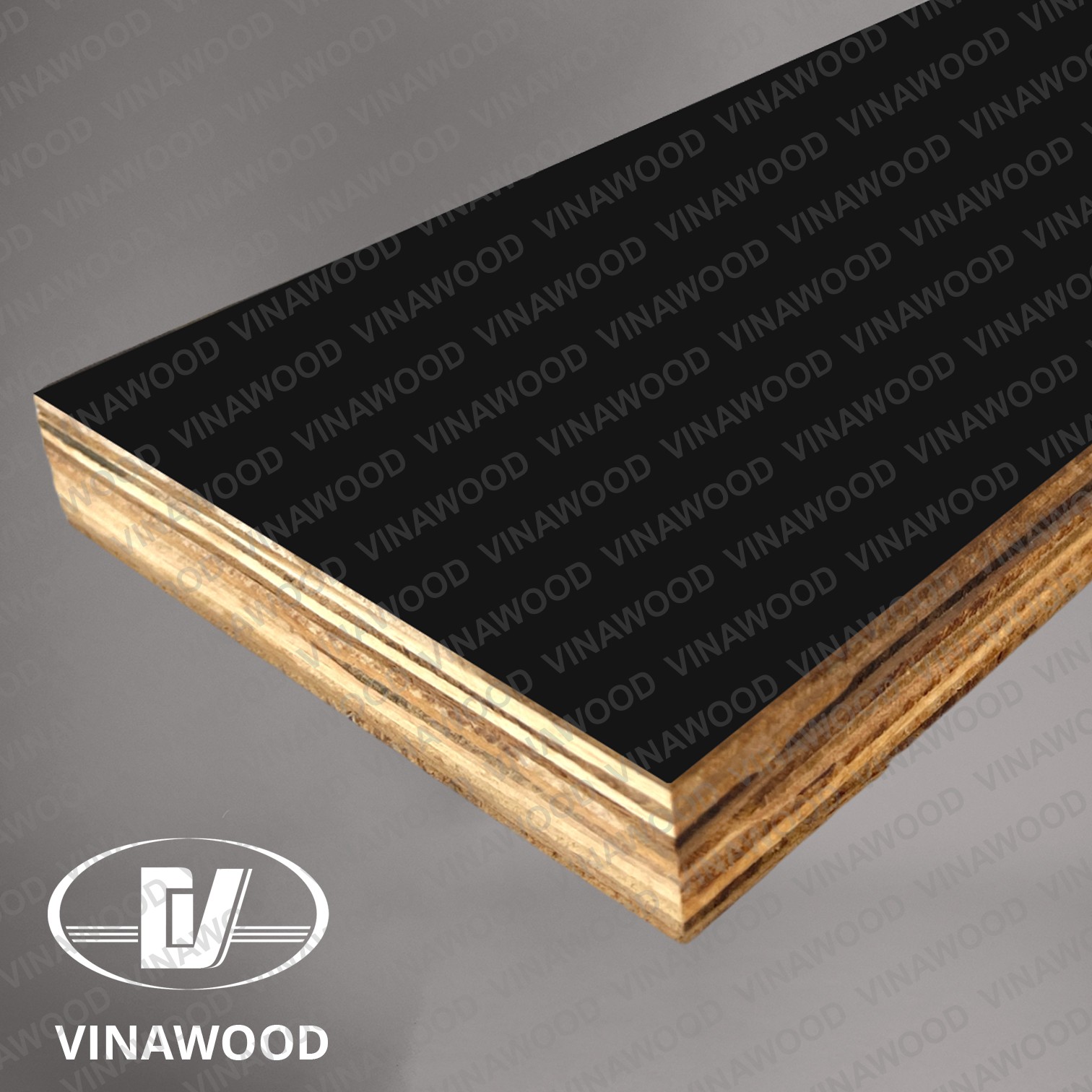
- MatteFace plywood for matte phenolic face film (formwork only)
Bond class sits beside the overlay. Water-resistant WBP talk maps to EN 314 Class 3 PF for outdoor reuse, or Class 2 core MUF for humid-protected work. Read that split on WBP plywood before you lock the glue line on a worldwide PO. WBP is a bond test family, not a waterproof grade name on the invoice.
Country pages still matter for local stocking and docs. Canada buyers can cross-check the same diligence pattern on film-faced plywood suppliers in Canada. Vietnam-origin mill context lives on plywood manufacturers Vietnam. Link those pages. Do not rewrite their titles here. Do not treat them as duplicates of this worldwide checklist.
Structural and furniture mills can still sell plywood worldwide. That does not make them formwork mills. If your pour needs a phenolic face and a stated reuse target, ask for the film weight and the EN 314 class in the same sentence. Furniture face grades fail that ask.

Specs that belong on the RFQ
Write the job first. Covered residential pour. Open infrastructure. Coastal yard. High-rise reuse target. Then fill the panel fields:
- Thickness and face size (metric primary; note imperial only if the site drawing forces it)
- Film gsm and face type (phenolic film, HDO, MatteFace)
- Core adhesive: PF Class 3 vs core MUF Class 2
- Edge seal colour and brand mark
- Reuse target as "up to N," never N+
- Core species expectation if weight or stiffness matters
- Pack count, strap pattern, and pallet mark preferences for your yard
Add documents in the same RFQ: EN 314 class on a lab report, FSC or PEFC chain-of-custody when required, CARB P2 / TSCA Title VI for US paths, CE / EN 13986 for EU construction product paths. No invented certificate numbers on either side of the email.
Duties are a broker question. Formwork and PS-structural panels are excluded from Vietnam hardwood CVD. One line is enough. Route tariff detail to sales with your HS code, not to a blog essay.
I still open every first-container file with the EN 314 class before I look at the price column. Price without class is a guess. Film gsm without a pour description is also a guess. Put both on the RFQ.
Vinawood formwork ladder
Pick glue class to match the pour, then pick overlay weight. Vinawood runs a 12-step process with 100% individual sheet inspection on plantation-grown cores. Reuse figures below are maximums written as "up to N."
Core MUF / Class 2 side:
- Eco Form Plus: up to 8 reuses
- Form Basic: core MUF, phenolic face film, up to 10 reuses
- Form Extra: Superior Glue MUF, not Class 3, same phenolic face as Form Basic, up to 15 reuses
Phenolic Class 3 side:
- Pro Form Lite: PF Class 3, 165 gsm film, up to 15 reuses
- Pro Form: PF Class 3, up to 20 reuses
- HDO range: Basic up to 10, Premium up to 20
Only Pro Form, Pro Form Lite, and HDO are phenolic Class 3 / EN 636-3. Form Extra is not. Consply is commercial Bintangor, not film-faced. P-Form is polypropylene and is not Pro Form. Omit it unless a buyer asks for PP overlay by name.
NA overlay buyers often add HDO and MatteFace on the same RFQ as film-faced. Keep MatteFace on formwork.
When you compare Vinawood to another mill, use the same checklist: press ownership, class, film gsm, reuse as "up to N," and documents. Do not compare brand lists. Brand lists do not pour concrete.
Documents to ask for before the deposit
Certificates without batch linkage are decoration. Ask for:
- EN 314 report with class number matching thickness and face weight
- FSC or PEFC CoC when your buyer or tender requires it
- CARB P2 / EPA TSCA Title VI evidence for US destinations
- CE / EN 13986 pack when the panel enters an EU construction product path
- Packing list, mill marks, and edge-seal description that match the PO
Use the same checklist when you shortlist two Vietnam mills and one trader. Drop the mill that cannot name class and film gsm in writing. Keep the mill that can.
If the mill cannot show how a certificate maps to a pack mark, pause the deposit. Traders sometimes forward a generic PDF that never saw your thickness. Ask for the mill letterhead and the batch window.
Compare two mills on the same checklist. Do not rank them by brand fame. A Vietnam mill that answers film gsm, class, and reuse in one email beats a directory page that names fifteen unrelated factories.
EUDR and shipment evidence packs sit on separate Vinawood pages when your destination needs them. Keep this worldwide guide on supplier diligence. Do not turn it into a compliance product page.
How to run the first container without drama
Start with a pilot volume if your market is new to the mill. Confirm sample face colour and edge paint against the PO photo. Keep one sheet from the first pack as a reference for claims. Photograph bundle marks at receiving.
Ready stock through local distributors covers short needs when packs sit in a Vinawood distribution warehouse. That does not replace the mill certificate. Stocking is logistics. Bond class is manufacturing.
Vinawood panels are used with major formwork systems, including Doka, Peri, and Alsina. Those names sit on the reference list as partnerships, not as rival mills. Ask sales for references that match your region and overlay family.
If a prior pack delaminated early, send the failed-panel photo with the new RFQ. Say whether the pour was covered or open, and whether the bond class on the old invoice matched EN 314 Class 3 or Class 2. That context saves a week of email.
Lead time, Incoterm, and payment terms belong in the commercial reply, not in a mill list article. Ask for them after the tech fields are locked. Mixing price and class in the first sentence is how Class 2 panels end up on outdoor jobs.
What to put on the RFQ
Worldwide search traffic still clusters on mill-list headlines. Replace that habit with a three-line filter: who owns the press, what EN 314 class ships on the pack, and whether reuse is written as up to N for your pour. Everything else is secondary.
Send application, overlay, bond class, size, film gsm, reuse target, and document pack in one note. Include destination port and preferred Incoterm. Attach a failed-panel photo if you are replacing a grade that delaminated early.
Vinawood will quote the formwork ladder against that checklist from Vietnam. Request a quotation at /contact?type=quotation. Bring the class number you need. We will not sell you a worldwide Top-15 story in place of a mill that can press it.
If you already know you need film-faced Class 3 for outdoor reuse, say so. If you need Class 2 core MUF for humid-protected work, say that too. The mill reply should name Eco Form Plus, Form Basic, Form Extra, Pro Form Lite, Pro Form, or HDO against those fields. Anything else is a different conversation.
Category
how-to