·8 min read
Discover Premium Clapboard Siding for Your Home Renovation
In the design field, clapboard can be considered as the most popular siding style, but do you know how to maintain it and what it is made of? Vinawood can help you answer the most questions you’re wondering and you definitely know where to find the best clapboard materials on the market. What is…
In the design field, clapboard can be considered as the most popular siding style, but do you know how to maintain it and what it is made of? Vinawood can help you answer the most questions you’re wondering and you definitely know where to find the best clapboard materials on the market.
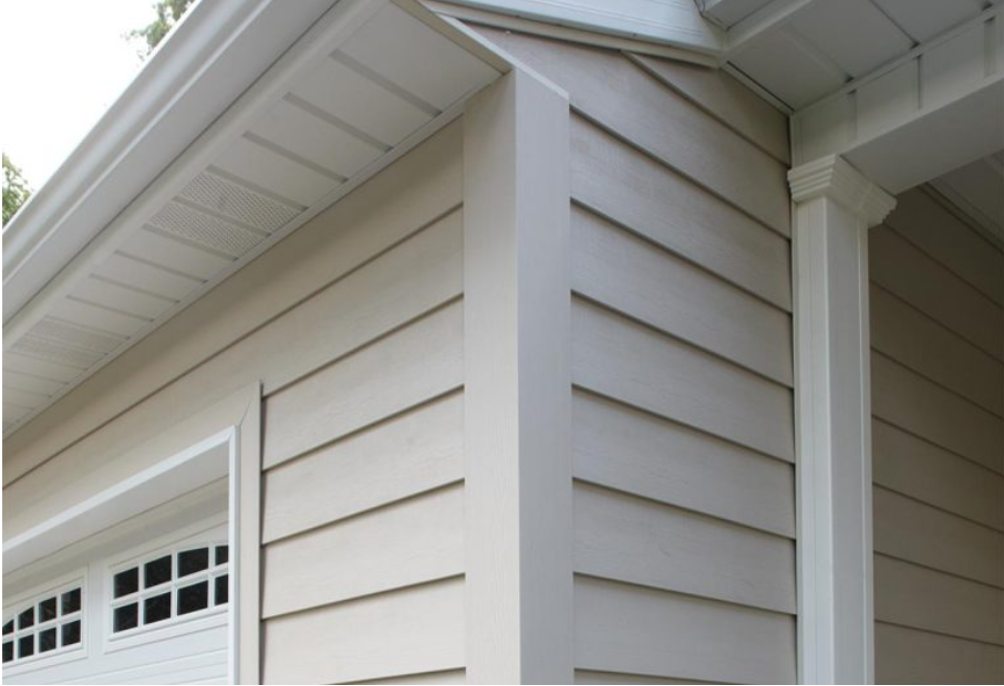 Clapboard applied at a home in US
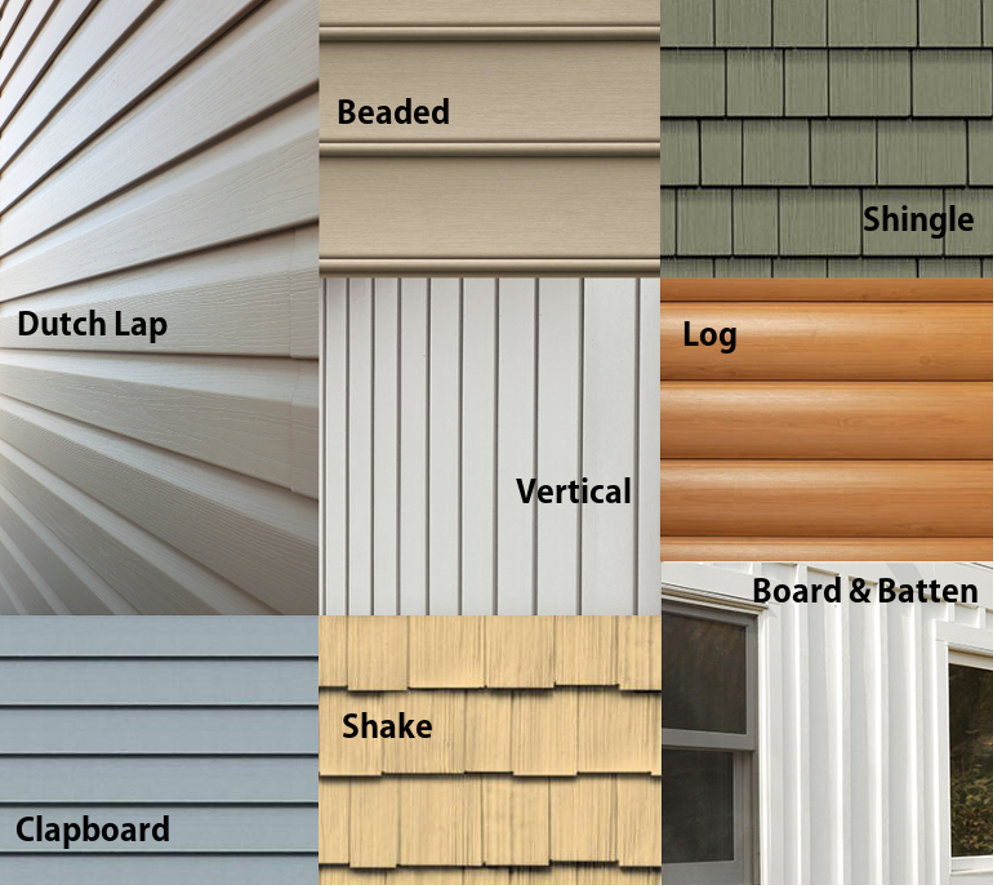 Different looks of Clapboard
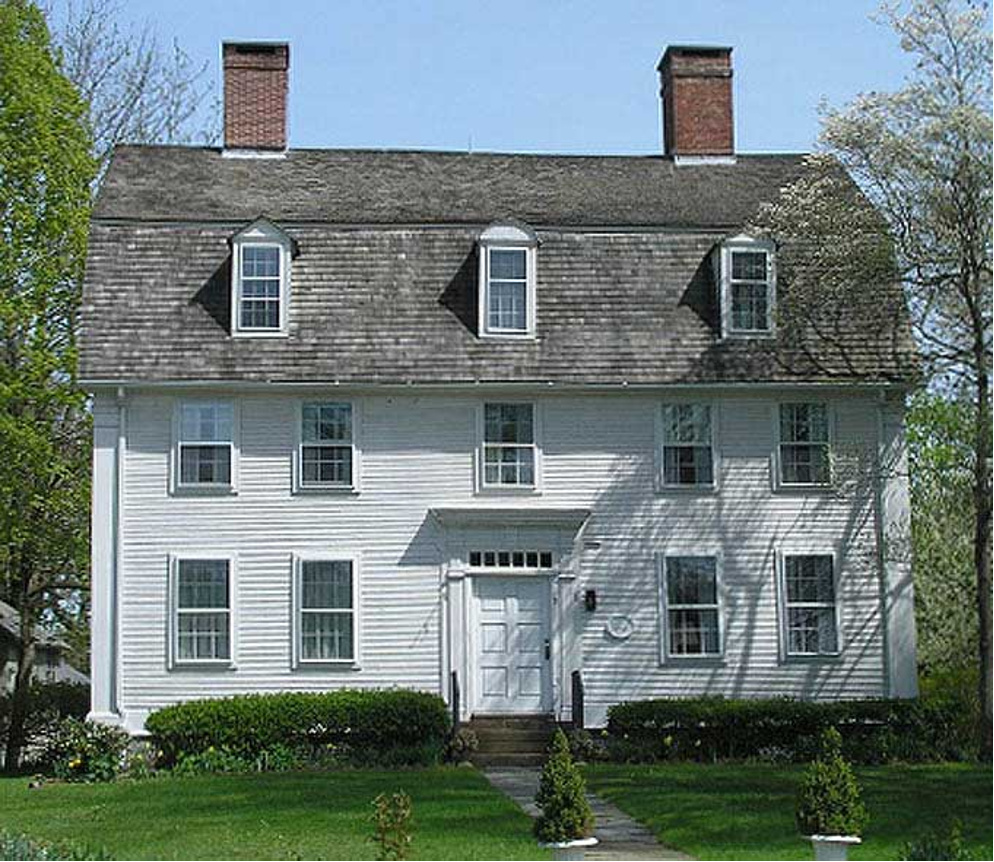 A home exterior designed with clapboard
What is clapboard?
Clapboard, also called bevel siding or lap siding, is a type of exterior siding commonly used on residential and commercial buildings. It contains wooden boards that are typically made from cedar or other types of wood. There are many different types of lap siding - each with distinct design differences that can alter the finished look of their exterior, including more or less pronounced shadow line and curvatures of the lap. The bottom side of it is thicker than the top Today's clapboard siding designs are much more effective at protecting the home. This is due to a combination of factors, including modern materials that perform better than wood, high-tech fabrication, and easy-installation designs. Clapboard applied at a home in USWhat does clapboard siding look like?
Clapboard has a relatively smooth and flat appearance that has a noticeable lap profile with subtle shadow lines due to its traditional wedge-shaped panels and snug overlap. It has a very classic appearance that looks great and so gentle for every home.What is clapboard siding made of?
There are 2 kinds of clapboard, the modern and the traditional ones. The traditional one was made from raw timber. Wood clapboard can have a beautiful appearance but it is extremely difficult to maintain because it is easily damaged by water, dry rot and pest infestation. Sustainable foresting can also be difficult to ensure. For those reasons, most homes no longer use traditional wood clapboard. Builders have found many ways to keep the authentic style of clapboard without relying solely on wood. Alternative materials include metal, vinyl, and fiber cement. Of these, fiber cement is the most preferable option because of its enhanced durability, low-maintenance upkeep, and weather resistance. Different looks of ClapboardWhere is clapboard siding used?
Clapboard is used throughout many countries because of its genuine charm and wide appeal, especially in the northeast of the USA. Homes, barns, garages, and special-use buildings – clapboard is truly a versatile siding style. Clapboard siding has been used in a wide range of architectural styles with creative applications. In addition to being used from foundation to roof to cover the exterior of homes, clapboard can also be used as an accent – for example on dormers – to help particular features stand out. With classic appeal, clapboard offers lots of design potential. A home exterior designed with clapboardWhat are the benefits of clapboard?
One of the most significant benefits of clapboard vinyl siding is its durability and longevity. Investing in a siding material that can withstand the test of time is crucial for homeowners looking to protect their homes and reduce the need for frequent repairs or replacements. Clapboard is designed to withstand extreme weather conditions, making it an ideal choice for homes located in regions prone to high winds, heavy rain, and intense sun exposure. It is resistant to moisture, preventing water infiltration that can lead to rot, mold, and other structure issuses. Moreover, clapboard vinyl siding is engineered to resist the damaging effects of UV rays. The vinyl material contains additives that protect it from fading and discoloration caused by prolonged sun exposure. This means that your siding will maintain its vibrant color and fresh appearance for many years, even in the face of relentless sunlight. In addition to moisture resistance, clapboard vinyl siding also offers excellent resistance to fading, cracking, and warping. It maintains its vibrant color and integrity for many years, reducing the need for frequent painting or refinishing. This not only saves you time and effort but also helps you save money in the long run.Is clapboard siding expensive?
It depends on the quantity and the quality of wood you want to use. The cost to install wood siding falls between $3 and $10 per square foot on average, or $7,000 to $23,000 for the standard-sized home, including labor and materials. In the scheme of things, wood siding prices fall in the middle of the range compared to the cost of common types of siding, but maintenance prices can add up over time. You can ask the seller for the price, at Vinawood we alway offer the discount for you but also give you the best quality wood. On average, the cost of vinyl siding is less than wood siding, but it depends on the variety of each option that you choose. For example, pine wood siding prices are on par with many vinyl siding options, and outside of complex wood siding styles, cost about the same to install.How long does wood clapboard siding last?
Clapboard vinyl siding is known for its long lifespan, typically ranging from 20 to 40 years or more, depending on the quality of the materials and proper maintenance. Unlike wood siding, which requires regular painting and staining to preserve its appearance and structural integrity, clapboard vinyl siding requires minimal maintenance to look its best and maintain its functionality. There are various siding types out there and each of them has its own life span.Aluminum Siding
Compared to other siding materials, Aluminum siding is the most inexpensive and durable. However, it has one of the shortest service lives before needing to be completely replaced, with a longevity range of 20 to 40 years.Wood Siding
Wood siding is tied with Aluminum siding in terms of lifespan, lasting 20 to 40 years, as well. But siding companies say it is possible to extend this with meticulous maintenance and various factors such as the wood type, the location of your home, paint, caulking, etc.Steel Siding
Despite its significant expense, this is one of the most commonly used house siding materials due to its durability. A properly installed steel siding is projected to have a life expectancy of 40 years or more if properly taken care of.Stucco Siding
In siding installation, there are two ways you can install stucco: over a backer board on a wood frame wall, which would last 50 to 60 years, and over the concrete block, which is estimated to last 60 to 80 years. However, both estimates are based on three regular maintenance projects that involve repainting and re-caulking. In other words, you need to take care of it.Vinyl Siding
Commonly selected for its durability and cost-effectiveness, vinyl siding is a popular choice for home exteriors. Its impressive lifespan, typically spanning from 20 to 40 years, hinges on factors like local climate conditions and regular maintenance. Often surpassing expectations, vinyl siding presents an attractive alternative to more high-maintenance options such as wood, boasting an economical and low-maintenance nature. However, like all construction materials, it’s important to remember that vinyl siding isn’t invincible, necessitating replacement or repair as the years roll on.Fiber Cement
Catching up to vinyl siding in terms of popularity is fiber cement due to its attractive, durable, low maintenance, and inexpensive cost. Various associations predict that properly installed and cared for Fiber Cement siding should last more than 100 years. With a life span like that, you’ll never have to get it replaced in your lifetime ever again.H2: Can you side over clapboard?
Yes, but it’s rare-probably less than 1% of our siding installations, it's not a good idea to install vinyl siding over wood. It is because of these reasons:- Hidden Rot, Mold, and Deterioration
- Lack of Weather Protection
- Adds Thickness to Walls