Plywood Waterproof Coating & Sealer: Seal Plywood for Outdoor Use
Which products actually waterproof plywood — marine epoxy, spar urethane, penetrating sealers, deck paint — how to apply them, and why edge sealing decides whether any of it lasts. Plus the honest line: a coating extends life but doesn't fix the wrong grade.
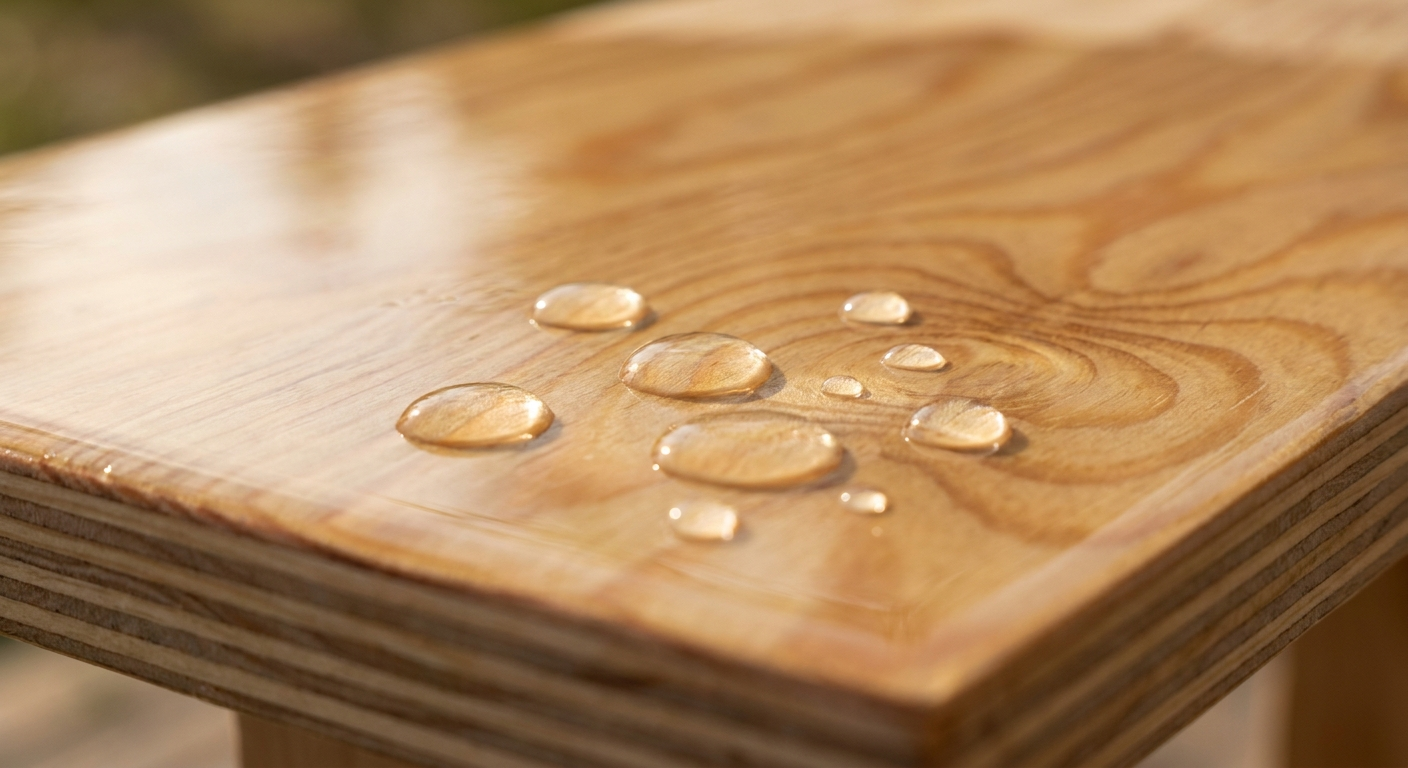
A coating buys an existing plywood panel more time outdoors. It will not turn an interior sheet into marine plywood. People mix those two ideas up constantly, and the confusion is why a coated garden box can swell and split inside one wet season. The coating did its job at the surface. The water just went around it, through the edges, straight to the glue.
So this guide is about three things: which products actually keep water out, how to put them on so they last, and the one step nearly everyone skips. The view here is from the mill side of the trade. Sometimes the honest answer is that the sheet in your hands was never meant to go outside, and a coating is a patch, not a cure.
What a waterproof coating actually does, and does not do
A coating sits on the face and slows surface absorption. A good film keeps rain off the top veneer for years. The thing it cannot touch is the adhesive holding the plies together. Interior plywood uses urea-formaldehyde glue, and that glue gives up when water reaches it. Let moisture sneak past the coating, through a bare edge or a screw hole, and it runs along the glue lines and lifts the panel from inside. The face can look perfect while the core is already gone.
Think of a coating as a face treatment rather than a grade upgrade. On a panel that is already exterior-rated or marine, it adds UV protection and stretches the service life. On an interior sheet sent outdoors, it only delays the failure. Which of those two you are dealing with tells you how much to spend and how long to trust the result.
The five product categories
Five families of product get sold for this, and they are nowhere near equal. Roughly from toughest to simplest:
Two-part marine epoxy. Resin and hardener mixed on the spot, then brushed or rolled. Hardest film, longest life, the stuff that goes on boat hulls and transoms where failure is not an option. It also punishes sloppiness: get the ratio wrong, miss the working-time window, or coat in the cold and the batch is wasted. West System and TotalBoat are the names you will see.
Exterior polyurethane and marine spar varnish. A flexible clear film with a real UV package, so it flexes as the wood swells and shrinks across seasons instead of cracking. Far more forgiving of a clumsy brush than epoxy. That is why it is the everyday pick for outdoor furniture, garden structures, and signs. The trade-off is more coats and a recoat every few years.
Penetrating sealers. Oil-based or waterborne sealers that soak into the surface rather than forming a film, such as Thompson's WaterSeal and Penofin. Cheapest and simplest, but they do not build a hard barrier and need reapplication yearly. Right for low-stakes work where reapplication is easy.
Waterproof deck paints. Pigmented, elastomeric coatings that hide the wood grain and build a thick flexible film. Behr and Rust-Oleum sell these for deck and floor use. Good for utility surfaces like workshop and garage plywood floors where appearance is secondary to a durable walking surface.
Bituminous and asphaltic coatings. Foundation-grade black coatings for buried or hidden surfaces. They waterproof well but are not for any visible surface. Reserve these for the back of a panel that will never be seen.
Coating comparison — service life vs cost
| Coating | Service life (outdoor) | Coats needed | Cost (1 gal, ~400 sq ft) | Best for |
|---|---|---|---|---|
| Two-part marine epoxy | 5 to 10 years | 3 | $80 to $150 | Boat hulls, transoms, severe wet exposure |
| Spar urethane / marine varnish | 3 to 5 years | 4 to 6 | $35 to $65 | Outdoor furniture, garden structures, signs |
| Penetrating sealer | 1 to 3 years | 2 (reapply yearly) | $20 to $40 | Garden boxes, fence accents, low-stakes |
| Waterproof deck paint | 3 to 6 years | 2 | $40 to $70 | Workshop and garage plywood floors |
Prices are indicative for the US market in 2026 and move with brand and region. The pattern that holds across markets: the harder the film and the longer the service life, the more demanding the application.
Step-by-step application
Prep decides the outcome more than the product does. Premium epoxy brushed over dusty, unsanded plywood will fail before a mid-tier varnish that went on right. Here is the order that works:
- Sand to 120 grit. Open the surface so the coating keys into the wood. Skip this and the film sits on top and peels.
- Remove all dust. Vacuum, then wipe with a tack cloth. Dust trapped under the first coat is a built-in failure plane.
- Prime if the product calls for it. A stain-blocking primer such as BIN or Kilz on raw plywood improves adhesion for paints and some sealers. Epoxy and spar varnish usually go on without separate primer.
- Apply 2 to 4 coats. Thin, even coats beat one thick coat every time. Follow the product's recoat window.
- Sand lightly between coats. A scuff sand with fine grit gives each coat something to grip.
- Respect drying time. Rushing the recoat traps solvent and softens the whole film. Wait the full interval the manufacturer lists.
The step that gets skipped most, and that causes most failures, is the one that comes next.
Edge sealing — the single most important step
Edges are how water gets in. A cut edge exposes end grain plus the glue line between every single ply, and end grain drinks water many times faster than a face does. So a panel with flawless coated faces and bare edges still fails, often inside a year, because the water slips in at the edge and runs along the glue lines beneath that perfect-looking surface. The coating never had a chance.
Two methods seal edges properly. Brush-on epoxy edge sealer soaks into the end grain and hardens into a barrier. Or use a two-pass technique with whatever coating you are applying to the faces: flood the edge with the first pass, let it wick in, then apply a second pass once the first has soaked home. Either way, the edges get more attention than the faces, not less. "Paint the face and ignore the edges" is the number-one reason DIY waterproofing fails, and it is entirely avoidable.
When a coating is the wrong answer
Some jobs beat any coating, full stop. Standing water. Freeze-thaw cycling. Structural load carried while the panel is wet. In those cases a surface film will not rescue an interior sheet. Water reaches the glue line one way or another, and from there the bond class of the panel decides everything.
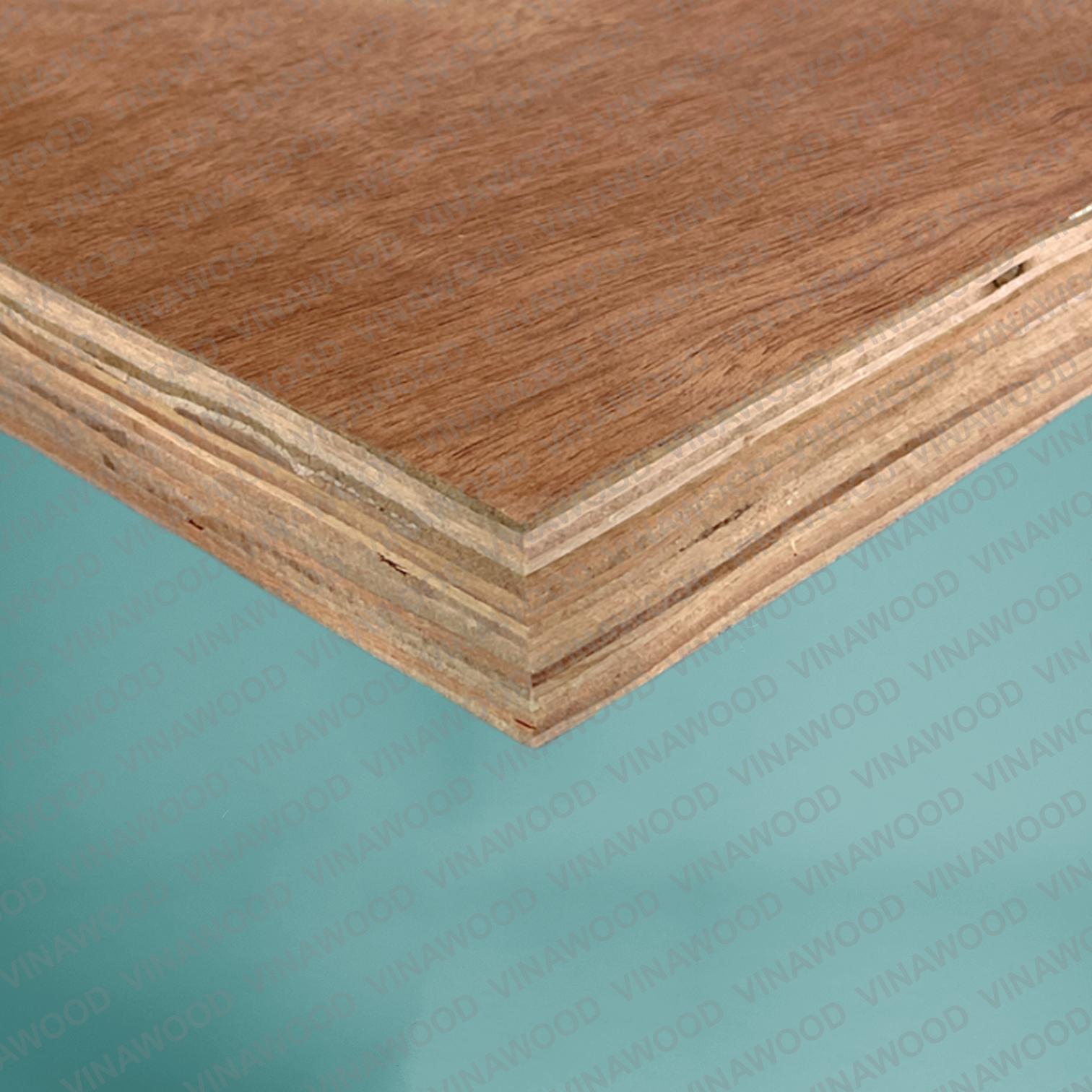
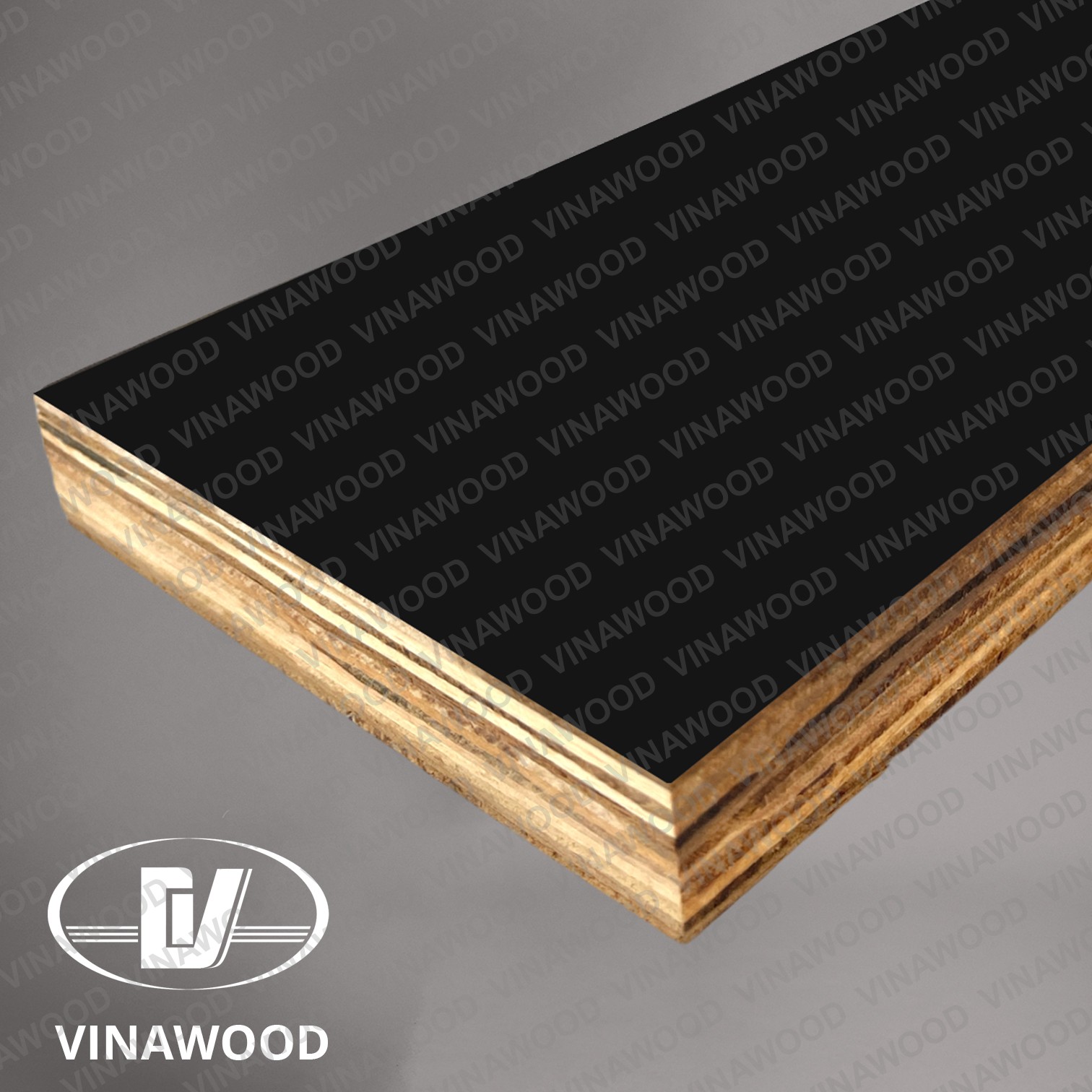
The answer there is the right panel, not a thicker coat. Marine plywood with a WBP phenolic bond to BS 1088 or EN 636-3 Class 3, or film-faced plywood, both resist moisture from the inside out. We watch this play out from the mill side: a buyer reaches for epoxy to save a sheet that should never have left the workshop, when a phenolic-bonded panel ordered up front would have cost less over the life of the build. Coating fixes a panel already on the job. For a panel you are still about to buy, grade is the whole decision. The marine plywood for permanent outdoor use comparison sorts out which grade fits which job.
Plywood for outdoor furniture — practical specification
For outdoor furniture and garden structures the workable approach is a two-part decision. Start with an exterior-rated panel, ACX or exterior-grade CDX at Exposure 1 minimum, so the bond class already resists moisture. Then coat for UV protection and final water resistance with spar urethane or a quality exterior varnish. The panel handles the bond-line moisture risk; the coating handles surface water and sun.
This pairing lasts far longer than coating an interior panel, and costs less than full marine grade for furniture that lives under a porch roof or comes indoors for winter. For the wider set of waterproofing methods and where each fits, the broader waterproofing techniques guide covers the full range.
Common mistakes
Five errors shorten coating life more than any product choice:
- Skipping primer on raw plywood where the product line calls for it, so the topcoat never keys in.
- One coat instead of three. A single coat leaves pinholes the eye cannot see but water can find.
- Coating in high humidity or below 50°F (10°C). Cold or damp air keeps the film from curing properly and it stays soft.
- Forgetting the edges. Covered above, and worth repeating because it is the most common failure of all.
- Using an interior-only sealer outdoors. Interior products have no UV package and break down in months under direct sun.
At-a-glance — which coating for which job
| Job | Recommended coating |
|---|---|
| Boat transom, hull repair, severe wet exposure | Two-part marine epoxy, edges sealed first |
| Outdoor furniture, garden structures, signs | Spar urethane / marine varnish over exterior-grade panel |
| Garden boxes, fence accents, low-stakes outdoor | Penetrating sealer, reapplied yearly |
| Workshop or garage plywood floor | Waterproof deck paint |
| Buried or hidden back-of-panel surface | Bituminous / asphaltic coating |
| Standing water, freeze-thaw, structural-wet load | None — specify marine or film-faced plywood instead |
For the forming-panel side of moisture-engineered plywood, the film-faced concrete form plywood guide covers how phenolic film delivers built-in water resistance without any aftermarket coating.
About Vinawood
Vinawood manufactures plywood with moisture resistance built into the panel, for the applications where coating after the fact will not deliver. The film-faced phenolic range carries a WBP phenolic bond at EN 636-3 Class 3 for concrete formwork, and the marine range uses the same WBP phenolic adhesive for boat-building and outdoor structures. Where specifying the right panel from the start is more durable than coating later, the marine plywood collection and the film-faced range ship factory-direct to US ports including Los Angeles, Houston, and Savannah. Vinawood was founded in 1992, exports more than 5,000 containers a year to 55+ countries, and holds EPA TSCA Title VI / CARB Phase 2, CE under EN 13986, FSC chain-of-custody, and ISO 9001 certifications. Vinawood does not produce pressure treated plywood; for ground-contact use in North America, source that from a domestic mill.
Category
how-to
Related Markets
Related Countries
Related Products
▶Sources & References (4)
- APA — Exterior Plywood Finishing and Coating Guidelines — APA — The Engineered Wood Association (2023)
- West System — Marine Epoxy Application Best Practices — Gougeon Brothers / West System (2024)
- Wood Finishing Bulletins — Finishing of Wood Products — USDA Forest Products Laboratory (2021)
- ASTM D2247 — Standard Practice for Testing Water Resistance of Coatings — ASTM International (2020)