Marine Plywood vs Pressure Treated: A Builder's Guide to Picking the Right Outdoor Panel
Marine plywood resists delamination; pressure treated plywood resists rot and insects. They solve different problems. A side-by-side comparison covering adhesive class, chemical treatment, US 2026 prices, and a use-case-by-use-case framework for picking the right outdoor panel.
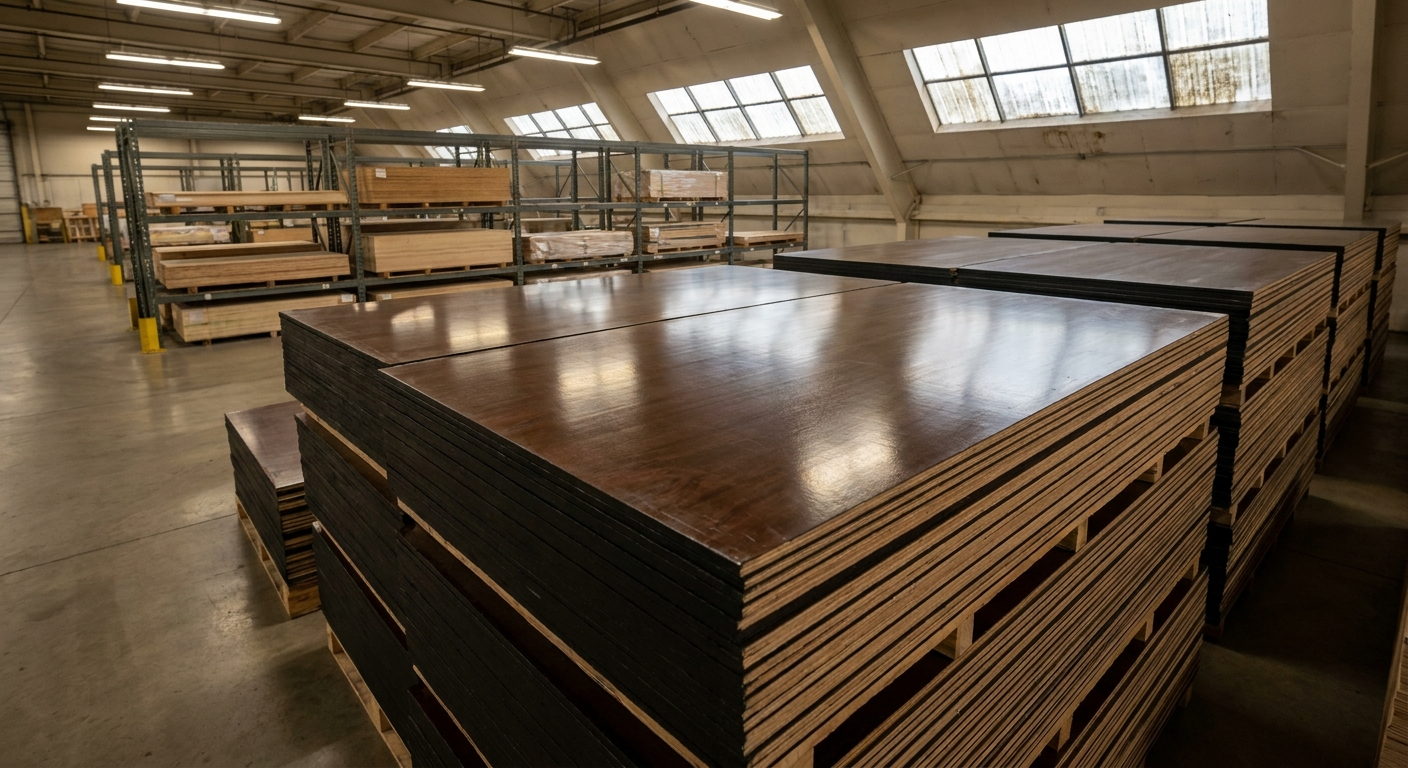
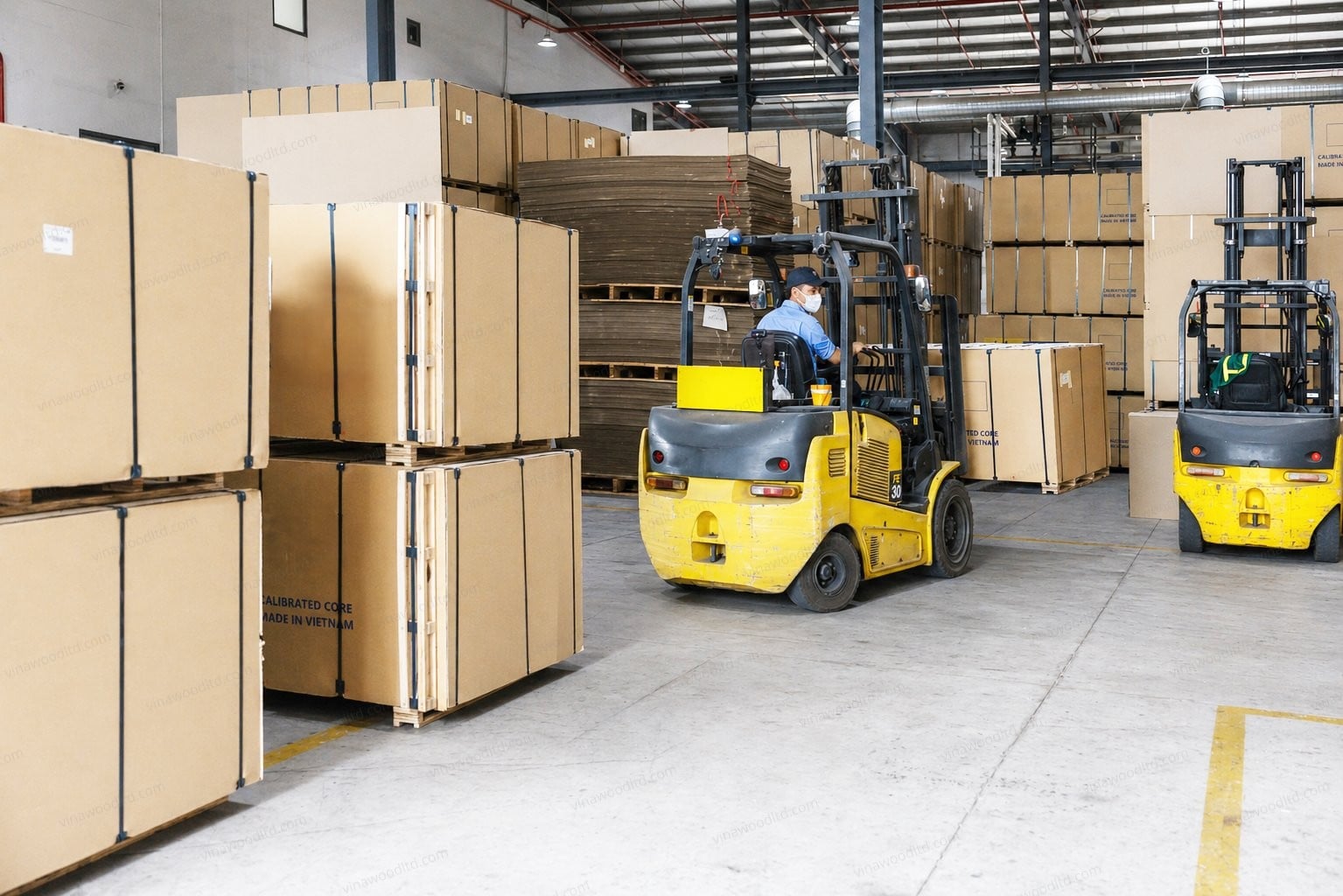
Two products, two completely different failure modes. Marine plywood is engineered against delamination — its adhesive holds the plies together when water gets in. Pressure treated plywood is engineered against rot and insects — chemicals injected under pressure poison the wood against fungi and termites. They are not interchangeable, and the most expensive mistakes on outdoor builds come from picking one when the job needed the other.
The framework that resolves the choice is short. Look at the water contact pattern. Will the panel sit in soaked soil, or sit above the waterline? Will it carry structural load, or hide behind a finish? Will rot start from the chemical residue at fastener holes, or from water wicking into unsealed cut edges? Each panel has one of those failure modes built into its design, and the right one depends on which failure is more likely on your job.
What marine plywood actually is
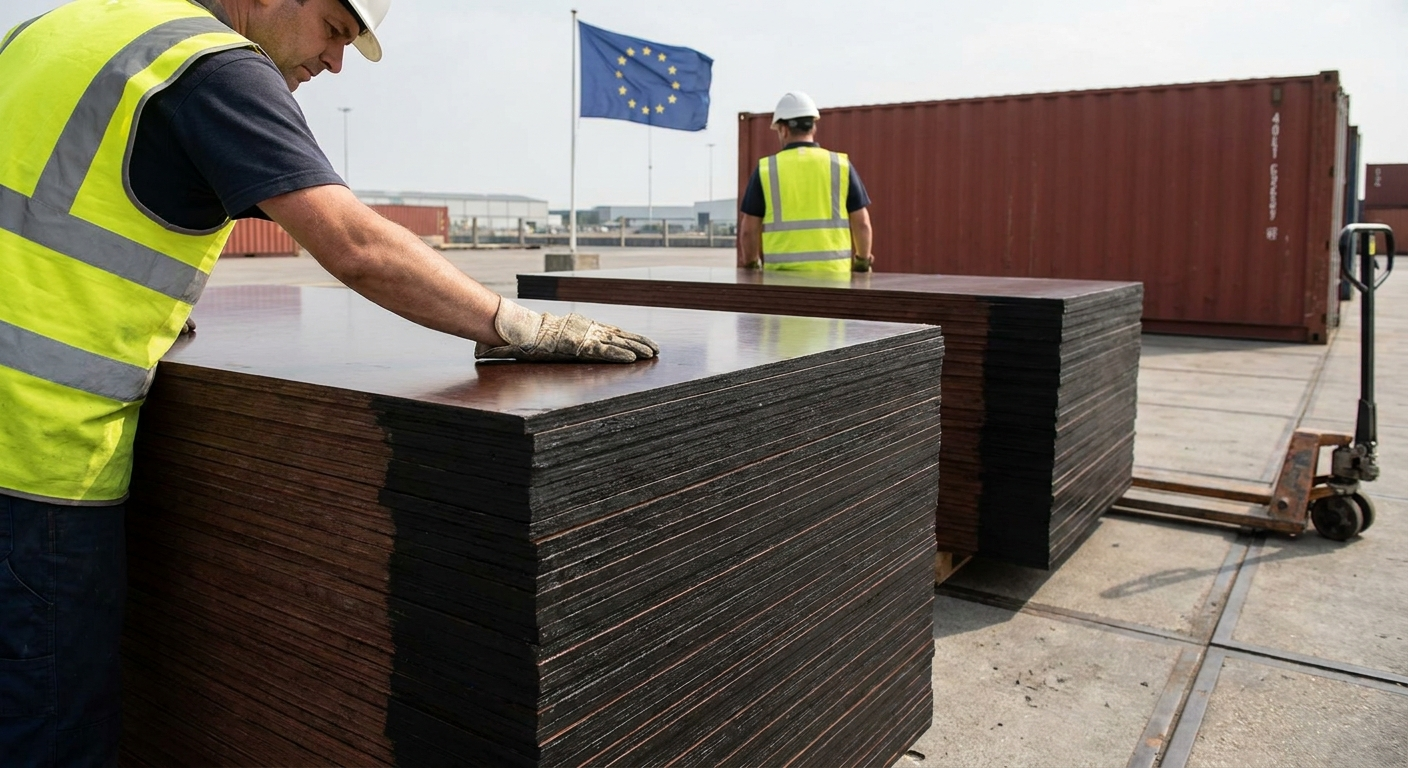
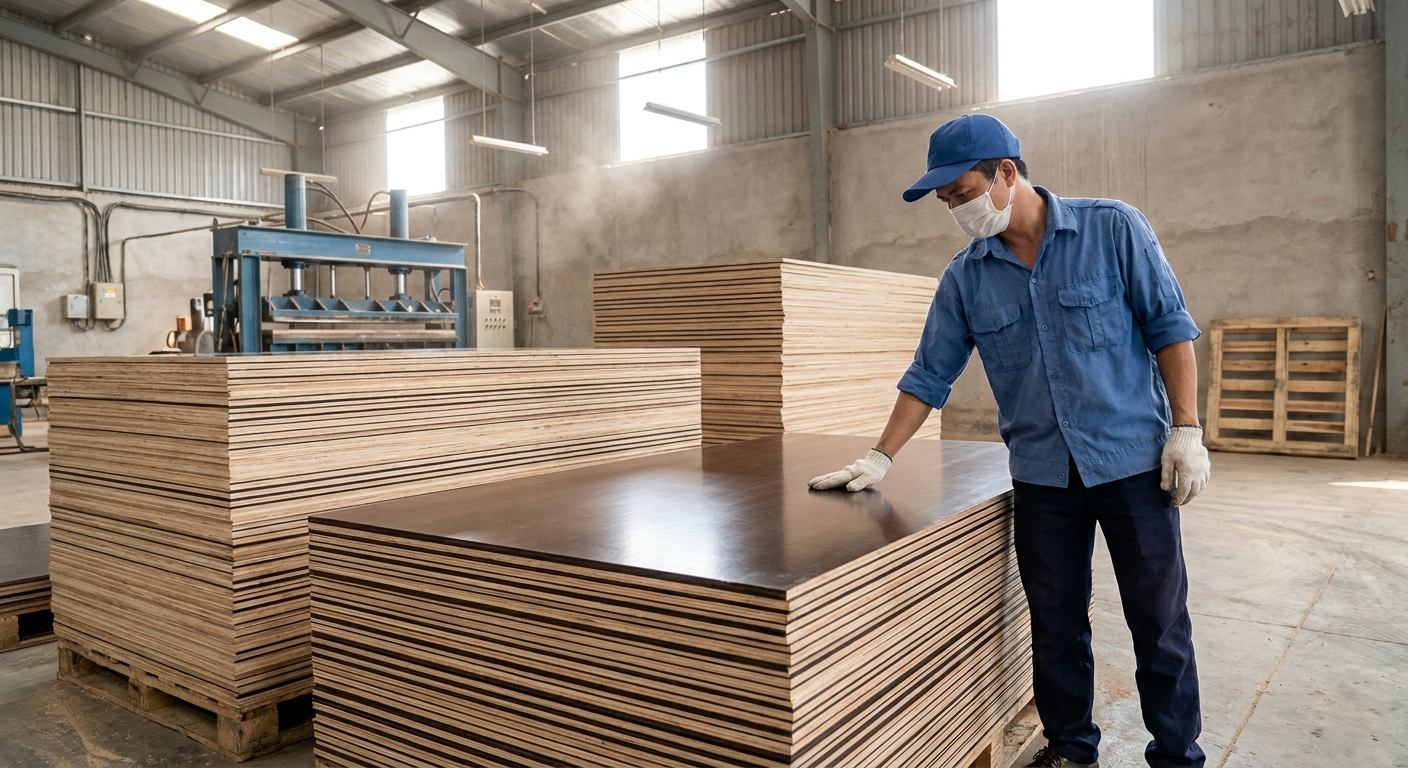
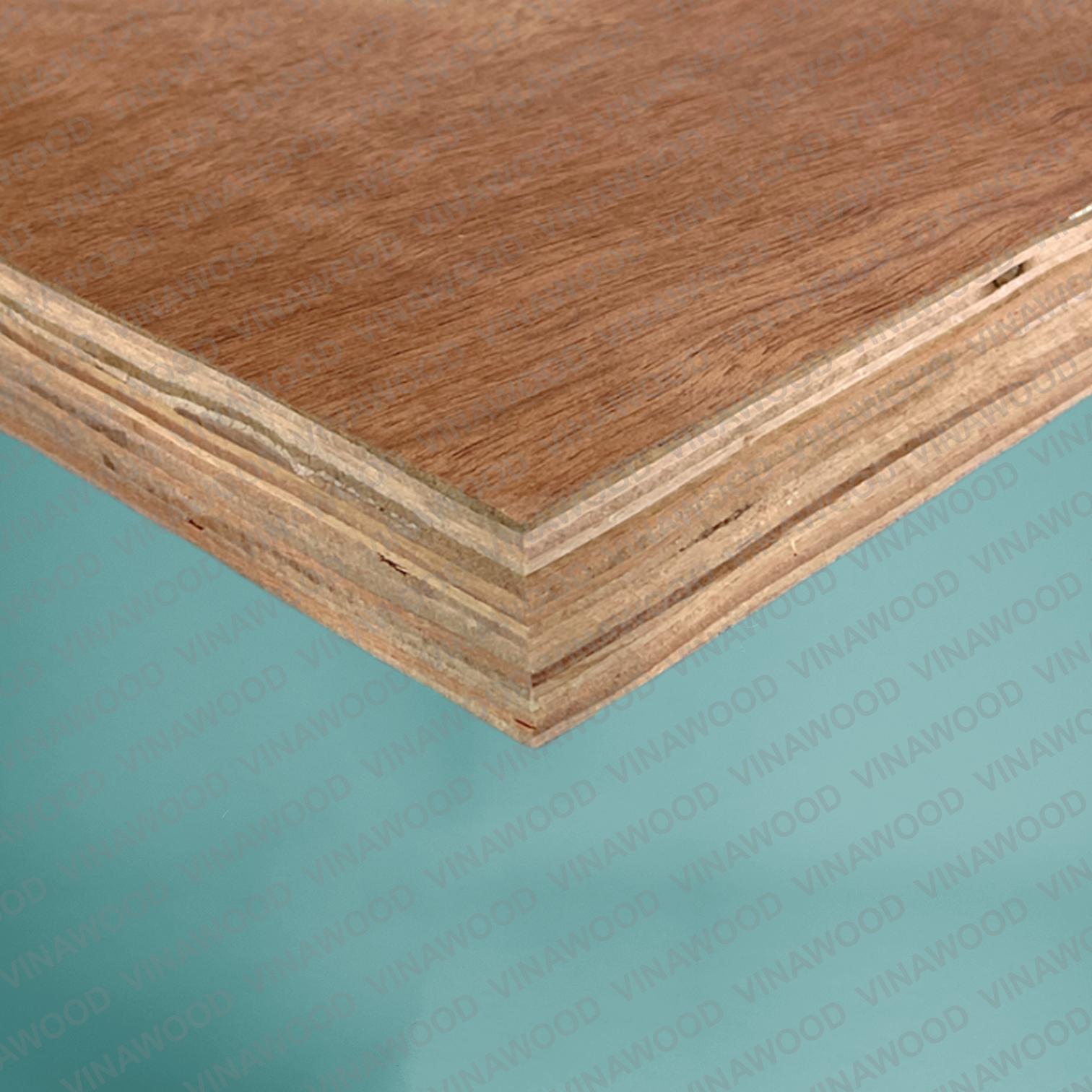
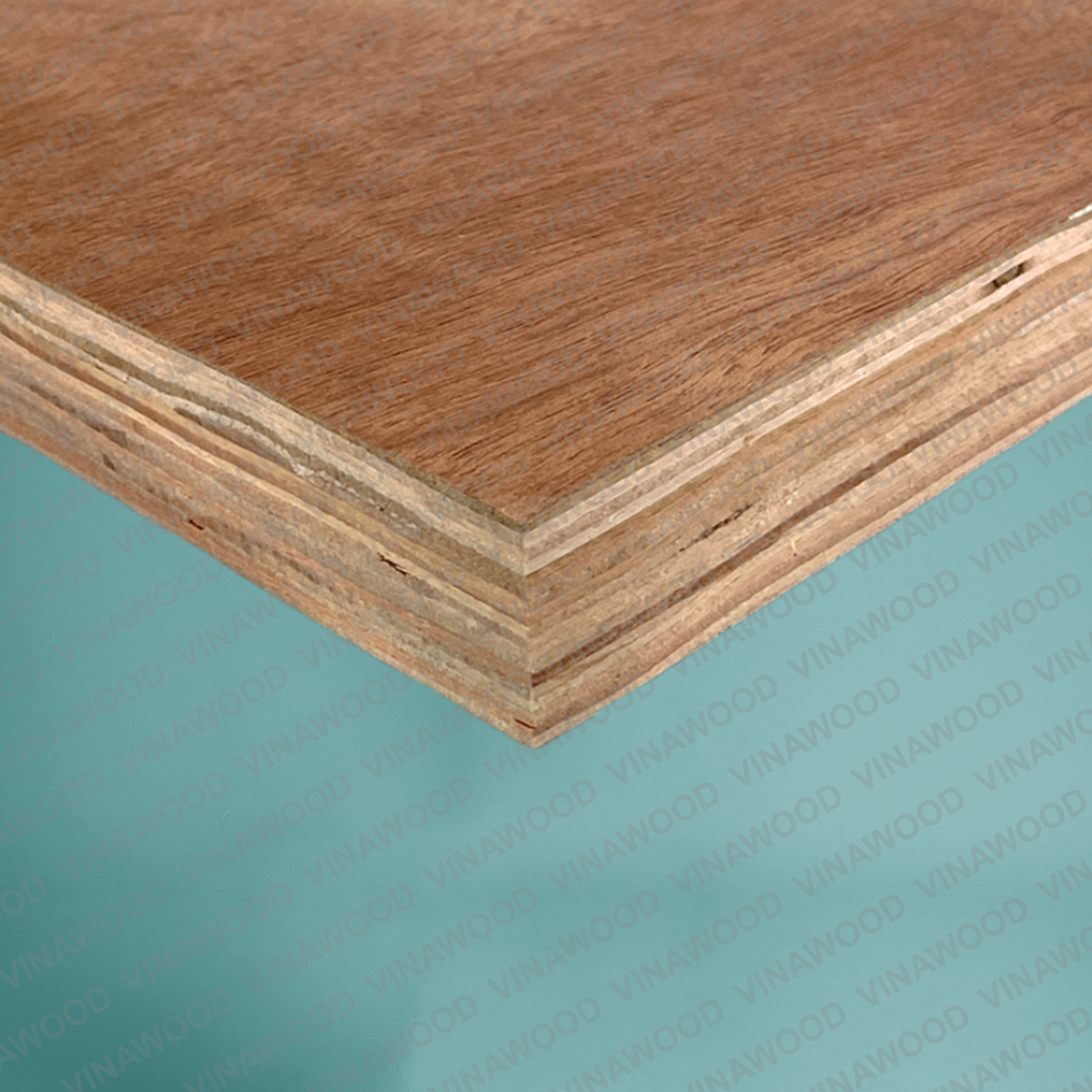
Marine plywood is structural plywood with three engineering tweaks aimed at water performance. The adhesive is WBP phenolic, classified to EN 314 Class 3 or EN 636-3, the European standard for plywood that lives in full outdoor exposure. The core is void-free, meaning every internal ply is graded so no gaps, knots, or open patches sit between the face veneers. The face and back are typically hardwood at A or B grade, smooth enough to take paint or stain without visible defect telegraphing.
BS 1088 is the British Standard most commercial buyers reference for true marine grade. It specifies face veneer species (Okoumé, Khaya, Sapele, certain Meranti), allowable defect tolerances, and lot-level certification. "Marine grade" sold at a big-box retailer without BS 1088 paperwork is sometimes a marketing label rather than a spec — the buyer should ask for the bond class certificate before paying the marine premium.
Vinawood Marine Extra Plywood and Marine Standard Plywood are examples of phenolic Class 3 marine panels for non-BS 1088 applications (exterior cladding, garden furniture, freshwater dock decking). For nautical work that requires BS 1088 paperwork, the certified African-veneer product remains the reference. From a Vietnamese mill perspective, our marine range sees most demand for outdoor-cabinet and architectural-cladding work in North America and Europe — boat hull repair stays a niche application.
What pressure treated plywood actually is
Pressure treated plywood is softwood plywood (typically Southern yellow pine or Douglas fir CDX) injected under pressure with a chemical preservative. The chemicals are different from the historic CCA (chromated copper arsenate) cocktail, which has been phased out of residential use in most jurisdictions since the early 2000s. Today's PT plywood uses ACQ (alkaline copper quaternary), MCA (micronized copper azole), or copper azole, all selected to resist decay fungi and wood-boring insects.
The treatment process: kiln-dried plywood goes into a sealed cylinder, vacuum is pulled to remove air from the cell structure, then the cylinder fills with preservative solution under high pressure. The solution forces into the cell walls; pressure releases; excess solution drains. Retention level (pounds of preservative per cubic foot) determines what use category the panel is rated for. AWPA UC4A is suitable for ground contact; UC4B for ground contact with critical structural use.
The catch buyers miss most often: PT plywood is about chemistry, not glue class. The plywood underneath the chemical can be CDX with WBP phenolic adhesive (good for outdoor exposure beyond the chemical's protection) or with interior MR adhesive (will fail at the glue line under repeated wet-dry cycles regardless of how thoroughly the wood is treated). When ordering PT plywood for outdoor structural use, ask the supplier whether the underlying plywood is exterior-glued.
Pressure treated plywood is also not the same product as pressure treated lumber. Dimension lumber (2×6, 4×4, 6×6) is treated as solid wood; plywood is treated as a panel. Buyers who ask the lumberyard for "pressure treated" without specifying the form often get conflicting answers between the lumber aisle and the panel aisle.
Side-by-side comparison
Spec, cost, and failure-mode comparison for the dominant 4×8×3/4″ format:
| Property | Marine Plywood (BS 1088 / EN 636-3) | Pressure Treated Plywood (ACQ / MCA) |
|---|---|---|
| Adhesive class | WBP phenolic, EN 314 Class 3 | Variable; CDX-PT typically WBP, but verify |
| Core voids | Void-free, all plies graded | Standard CDX core; voids permitted |
| Face/back grade | A/B hardwood, smooth, low defect | C/D softwood, knots and patches allowed |
| Density (typical, 18 mm) | 500–650 kg/m³ | 450–550 kg/m³ |
| Water contact rating | Above-waterline structural; freshwater dock decking | Ground contact; soaked soil exposure |
| Primary failure mode | Delamination at unsealed cut edges | Rot at fastener penetrations as preservative leaches |
| Insect / termite resistance | None inherent | Yes — built into the chemistry |
| Typical 4×8×3/4″ retail (US 2026) | $80–$225 | $50–$95 |
| Service life with edge-sealing + finish | 15–25 years above waterline | 10–20 years in ground contact |
Marine commands the price premium for void-free construction and hardwood face grading. Pressure treated stays cheaper because the underlying plywood is commodity-grade CDX; the cost of the chemical injection is a smaller add-on than the cost of marine-grade veneer selection. Both ranges vary widely with regional supply, so verify on the day of order.
When marine plywood wins
The use cases where marine plywood is correct: above-waterline structural work on small boats (transom skins, deck cores, bulkhead replacements, floor underlayment), freshwater dock decking with no soil contact, exterior cabinets and architectural cladding where face appearance matters, painted exterior trim that has to hold its dimensional stability under freeze-thaw cycles, and any structural application where a void in the core would cause failure under load.
The boat-restoration use case is the canonical one. A transom skin failure on a small fishing boat is dangerous; the panel has to hold the outboard's torque and weight while sitting in saltwater spray. Cheaper plywood with internal voids can pass a visual inspection and fail catastrophically at load. Marine plywood is engineered specifically to keep that failure off the table.
Limit: marine plywood is water-resistant, not waterproof. Cut edges expose the WBP glue lines and the inner plies; if they sit in standing water without sealing, the panel will absorb water through the edge and the glue can hydrolyze over years. Edge sealing with marine epoxy or polyurethane primer is part of the install, not optional. We've seen 20-year-old marine plywood transom skins still in service where the original edge sealing was applied; we've seen 4-year-old marine panels delaminate on builds where the edges were left bare.
When pressure treated plywood wins
The use cases where pressure treated is the right call: ground-contact applications (raised garden bed sides, retaining wall sheathing, fence post brackets), structural sheathing in damp environments (subfloors over crawl spaces, roof sheathing in coastal humidity zones), framing for outdoor decks and pergolas where the panel is hidden behind finish material, and any low-budget outdoor build where the panel is expected to be replaced in 10 to 15 years anyway.
The chemistry does the work the marine adhesive cannot. Soil contact means termites and decay fungi attack the panel from the back side; even an EN 636-3 phenolic glue line will not save plywood that gets eaten from inside by carpenter ants or chewed up by fungal hyphae over five years. Pressure treated chemistry is what stops that biological attack, full stop.
Limit: PT plywood is rated for what it is rated for. UC3B (above-ground, exposed to weather) is not the same as UC4A (ground contact); using a panel below its rated category is a recipe for failure. Always confirm the use-category stamp on the panel before installing in soil.
Is marine plywood pressure treated? Answered directly
No. Marine plywood is not pressure treated by default. The two terms describe different manufacturing processes. Marine plywood relies on adhesive bond class (WBP phenolic) and veneer grading (void-free, hardwood face) to resist water damage. Pressure treated plywood relies on chemicals injected under pressure to resist biological attack.
A small number of specialty products combine both — marine-grade plywood with additional pressure treatment for high-rot-risk environments. They exist, they are expensive, and they are rare on the retail shelf. Most buyers asking the question want to know whether the marine plywood at the local lumberyard has been chemically treated. The answer is no.
What this means for buyers: if your job needs both water resistance and chemical insect resistance, you're either buying a specialty combined product or doing the chemistry yourself with a brush-on borate treatment after install. Marine plywood by itself is not a substitute for ground-contact pressure treated plywood in soil, and pressure treated plywood by itself is not a substitute for marine plywood in above-waterline structural use.
Lifecycle cost framing
Per-sheet pricing misses the cost picture. The right comparison is cost-per-decade against the actual failure mode. PT plywood typically rots from the inside out at fastener penetrations: water enters at the screw hole, the local preservative leaches into the surrounding wood, the chemistry no longer protects that point, fungi colonize the softened fiber, and the panel softens around the fasteners over five to ten years. Stainless or hot-dipped galvanized fasteners and a top-coat sealer extend the timeline; bare deck screws shorten it.
Marine plywood typically delaminates at unsealed cut edges. Water wicks into the inner plies through the exposed end-grain; the WBP adhesive eventually hydrolyzes; the plies separate. Sealing every cut edge with epoxy or polyurethane primer at install time and re-sealing after every refinish cycle is the discipline that delivers the 20-year service life the spec promises.
On a 10-year horizon, marine plywood at $150 per sheet with proper edge sealing typically beats pressure treated at $75 per sheet replaced once. On a 25-year horizon, the marine math gets even better — assuming the install is disciplined. Where the install is sloppy, neither product hits its service life and both fail early.
Compatibility, safety and disposal
Two substitutions to avoid. Pressure treated plywood is not a marine plywood substitute over water. The voids in the CDX core can fail under structural load, and the chemistry does nothing for delamination resistance once water gets through the face. Marine plywood is not a pressure treated substitute in soil. The phenolic glue line is great against water; it is biological food once the chemistry is absent.
Safety. Cutting either product produces dust that warrants a respirator. PT plywood dust contains preservative residues that OSHA and EPA flag as eye, skin, and respiratory irritants — N95 minimum, P100 cartridge respirators preferred for prolonged cutting. Marine plywood dust is wood dust; standard dust mask protection covers it. Wash hands and clothes after cutting either, especially PT.
Disposal. Marine plywood scrap is not pressure-treated and can be burned safely or sent to wood-waste recycling. Pressure treated plywood scrap cannot be burned — the combustion releases the preservative chemistry into the smoke, which is regulated as hazardous in most jurisdictions. PT scrap goes to landfill, with construction-debris tipping fees that have climbed sharply in California, the New York metro, and most other major markets since 2022.
How to choose, in 60 seconds
The decision tree, plain prose. If the job involves ground contact or insect-risk environments, pressure treated. If the job is above the waterline with structural load (boat repairs, dock decking, exterior cabinets), marine. If the panel is hidden behind finish material in a damp space (subfloor, sheathing), pressure treated wins on cost. If the panel is visible and has to take paint or stain cleanly, marine wins on face quality.
Two checks before paying the marine premium. First, ask the supplier for the bond class certificate. "Marine grade" without EN 314 Class 3 or BS 1088 paperwork is a marketing label, not a spec. Second, ask about edge sealing — if the supplier doesn't have an opinion on what to use and how often, the install discipline that makes marine plywood worth its premium probably won't follow. For deeper context on how marine grade compares to other plywood categories, the comparison vs regular interior plywood and the broader outdoor plywood guide both cover adjacent ground.
Vinawood marine and exterior plywood ranges
Vinawood manufactures marine plywood under two product lines: Marine Standard Plywood and Marine Extra Plywood, both phenolic-bonded to EN 314 Class 3 and EN 636-3, available in 4 to 25 mm thicknesses across 1220×2440 mm and 1250×2500 mm formats. Plantation-grown Acacia and Eucalyptus cores with hardwood face veneers, FSC chain-of-custody certified, full CE documentation per EN 13986. The marine plywood collection has the complete SKU breakdown.
Application boundaries to be honest about. For BS 1088 nautical work where the certified African-veneer specification matters for hull integrity and surveyor sign-off, the certified Okoumé / Khaya product remains the right call. The Vinawood marine range fits the broader marine and exterior application envelope: dock decking, exterior cladding, garden furniture, painted architectural exterior, and freshwater applications. Vietnam-sourced economics on full-container quantities run 25 to 35% below US-domestic marine retail. We do not produce pressure treated plywood — for ground-contact applications in the United States or Canada, source PT from a domestic mill. Vinawood has manufactured film-faced and marine plywood since 1992 and ships to contractors in 55+ markets globally.
Category
how-to
Related Markets
Related Countries
Related Products
▶Sources & References (4)
- EN 314-2:1993 — Plywood. Bonding quality. Requirements — European Committee for Standardization (1993)
- BS 1088-1:2018 — Marine plywood. Specifications — British Standards Institution (2018)
- Pesticides — Wood Preservatives (ACQ, MCA, Copper Azole) — US EPA (2024)
- AWPA U1 — Use Category System: User Specification for Treated Wood — American Wood Protection Association (2023)