Plywood Core Species Guide: Acacia vs Eucalyptus vs Styrax
A technical guide to plywood core wood species — comparing density, bonding properties, cost, and ideal applications for Acacia, Eucalyptus, Styrax, and other common species.
Why Core Species Matters
The core material is the single most important factor determining plywood performance. It affects panel density, weight, bonding strength, moisture resistance, screw-holding capacity, and ultimately — price. Understanding core species is essential for specifying the right plywood for your application.
Vietnam's plywood industry primarily uses three core species from managed plantations: Acacia, Eucalyptus, and Styrax. Each has distinct properties that suit different end uses.
Species Comparison Table
| Property | Acacia | Eucalyptus | Styrax | Poplar | Pine |
|---|---|---|---|---|---|
| Density (kg/m³) | 500–600 | 550–680 | 420–520 | 350–450 | 420–530 |
| Panel density* | 580–650 | 620–700 | 480–560 | 420–500 | 490–560 |
| Color | Light to medium brown | Reddish-brown | Pale cream/white | Very light/white | Yellowish |
| Bonding | Excellent | Excellent | Good | Good | Good |
| Water resistance | Good | Very good | Moderate | Low | Moderate |
| Veneer quality | Good — some knots | Good — tight grain | Excellent — clean, smooth | Good — soft, uniform | Variable — knots common |
| Cost (relative) | $$ | $$$ | $$ | $ | $$ |
| Availability (Vietnam) | High | High | Moderate | Not local — imported | Moderate |
*Panel density includes glue, face layers, and compression. Use our Core Species & Blend Density Calculator for exact density calculations.
Acacia — The Workhorse
Acacia (primarily Acacia mangium and A. auriculiformis) is Vietnam's most abundant plantation species and the backbone of its plywood industry.
Properties
- Medium-high density (500-600 kg/m³) provides good strength-to-weight ratio
- Excellent bonding with phenolic and melamine adhesives
- Natural durability against fungi and insects (moderate)
- 5-7 year rotation cycle ensures steady supply
Best Applications
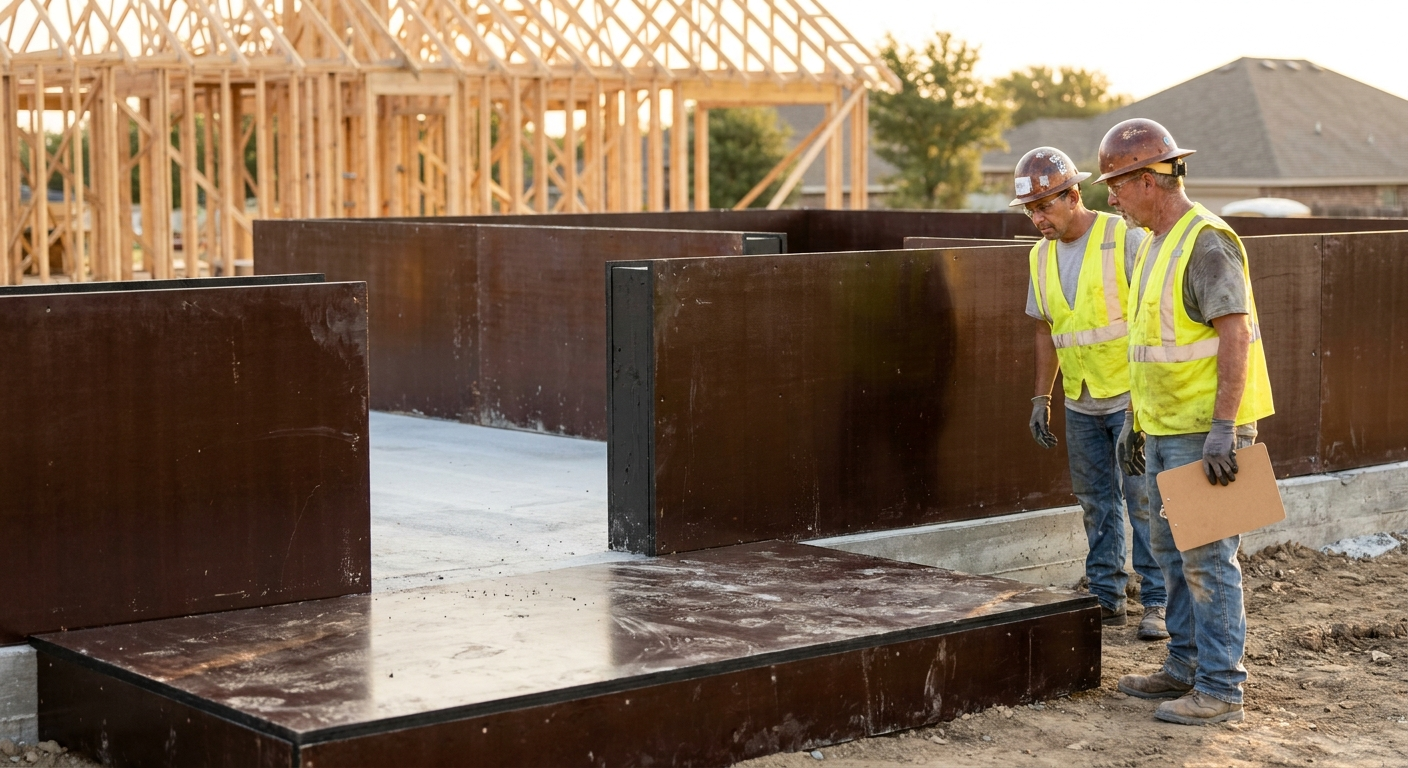
- Construction formwork (film faced plywood)
- Commercial plywood for packaging and industrial use
- Structural panels where medium density is acceptable
- Standard-grade MDO and HDO panels
Considerations
Acacia veneer may have occasional knots and color variation. Core gaps can occur if veneer grading is not strict. These are cosmetic issues that don't affect structural performance in formwork applications.
Eucalyptus — The Performance Choice
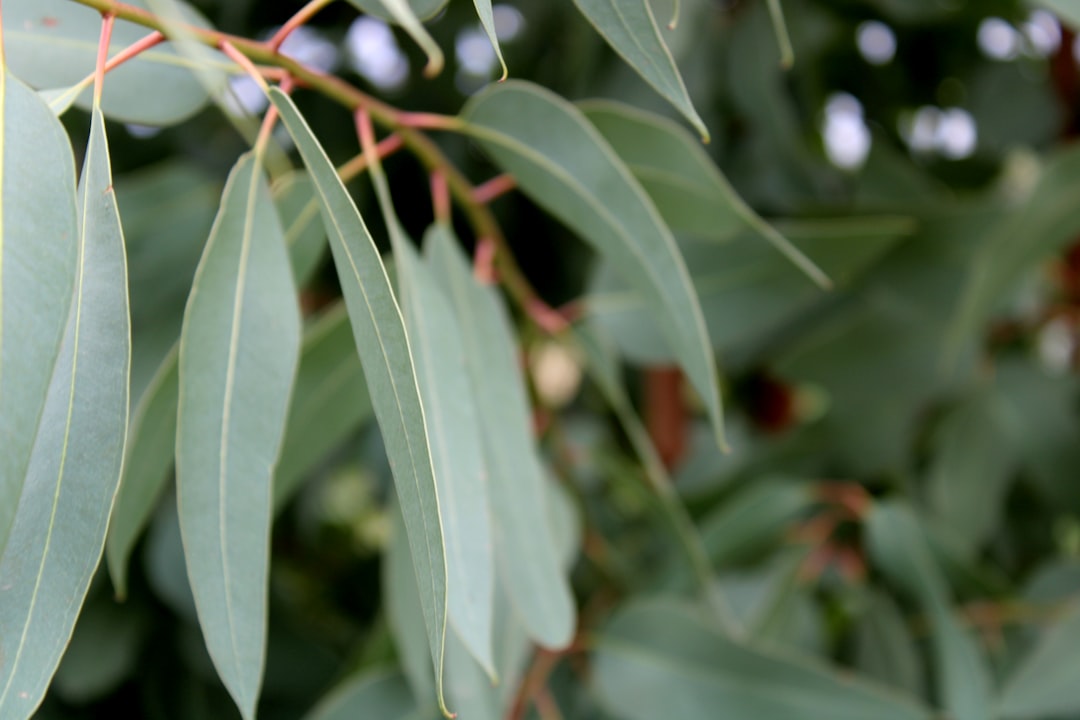
Eucalyptus (E. urophylla, E. grandis, and hybrids) offers superior density and water resistance.
Properties
- Higher density (550-680 kg/m³) than Acacia — stronger and heavier panels
- Excellent water resistance — performs well in high-moisture environments
- Tight, interlocked grain provides excellent bonding surfaces
- Higher stiffness and bending strength compared to Acacia
Best Applications
- Marine and outdoor plywood
- High-rise construction formwork (maximum reuse cycles)
- Structural applications requiring higher load-bearing capacity
- Premium film faced panels for demanding projects
Considerations
Eucalyptus commands a price premium of 10-20% over Acacia. Panels are heavier, which increases shipping costs per unit volume. Check weight per sheet in our Specifications Library.
Styrax — The Furniture Favorite
Styrax (Styrax tonkinensis) is prized for its clean, light-colored veneer — ideal for applications where appearance matters.
Properties
- Lower density (420-520 kg/m³) — lighter panels, easier to handle
- Pale cream color — excellent for face veneers and furniture-grade plywood
- Smooth, uniform veneer with minimal defects
- Good workability — sands and finishes well
Best Applications
- Furniture-grade plywood
- Interior paneling and cabinetry
- Lightweight packaging
- Face veneer on multi-species panels (Styrax face on Acacia core)
Considerations
Styrax is less water-resistant than Acacia or Eucalyptus — not recommended for outdoor or high-moisture applications. Supply is more limited than Acacia, which can affect availability for very large orders.
Mixed-Species (Blended) Cores
Many Vietnamese manufacturers offer blended cores combining two or more species to optimize performance and cost:
- Acacia/Eucalyptus blend: Improves density and water resistance over pure Acacia at lower cost than pure Eucalyptus
- Styrax face / Acacia core: Combines aesthetic face quality with structural core strength
Use our Core Species & Blend Density Calculator to estimate panel density for any species combination.
How to Specify Core Species
When requesting quotations from Vietnamese plywood suppliers:
- Specify core species explicitly (e.g., "100% Acacia core" or "Eucalyptus/Acacia blend 60/40")
- Request density specification per m³ for the finished panel
- For furniture-grade, specify face/back veneer species separately from core
- Consider FSC certification requirements — availability varies by species
Browse our Product Catalog to see available configurations or use the Plywood Selector to match species to your application.
Frequently Asked Questions
Which core species is strongest?
Eucalyptus has the highest density and bending strength among commonly available Vietnamese species. For structural applications requiring maximum strength, specify Eucalyptus core.
Can I mix species in the same order?
Yes. Many buyers order Eucalyptus-core panels for demanding applications and Acacia-core for standard use within the same shipment. Discuss with your supplier to optimize the mix.
Does core species affect formaldehyde emissions?
Core species itself does not significantly affect emissions — formaldehyde levels are primarily determined by the glue type and application process. Both Acacia and Eucalyptus cores can achieve CARB P2 / E0 emission levels with proper manufacturing.
What about Birch plywood from Vietnam?
Birch does not grow commercially in Vietnam. Birch plywood is primarily sourced from Russia, Finland, and the Baltic states. Vietnam specializes in tropical and subtropical plantation species.
Category
product-spotlight