Softwood Types and Their Characteristics
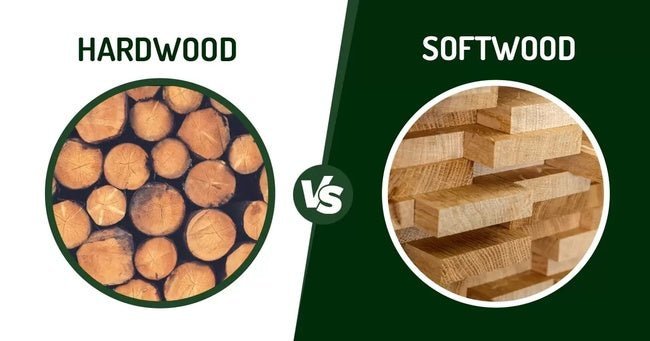
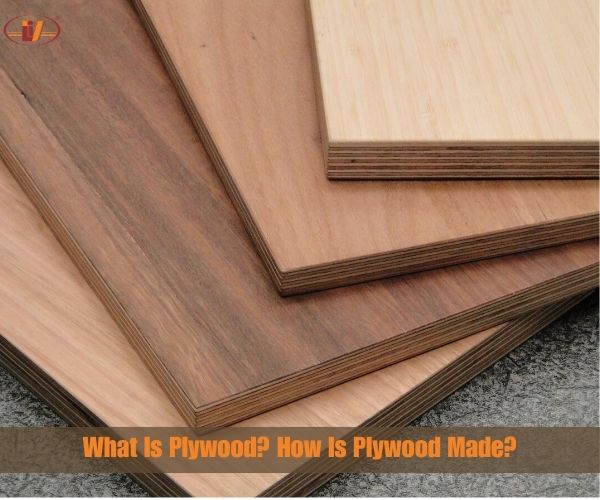
The most common softwood types include pine, cedar, spruce, larch, and fir. Depending on the type, these woods can be used for a variety of woodworking projects, including interior mouldings, making windows, furniture, plywoods, fibreboards, and construction framing. What are 5 types of softwood?…
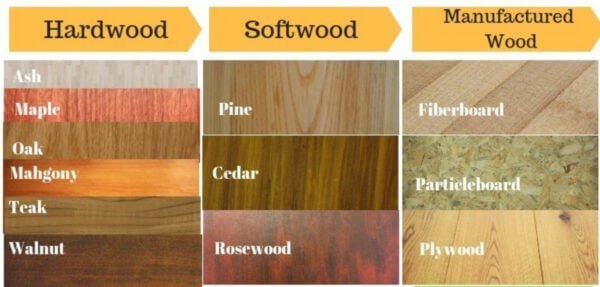
Most softwood on job sites comes from a short list: pine, cedar, spruce, larch, fir. Framing, mouldings, windows, furniture cores, plywood faces, fibreboard furnish — softwoods cover that range because they grow fast and machine clean.
What are 5 types of softwood?
Softwood comes from conifers — needles, cones, usually evergreen. Five you will actually buy:
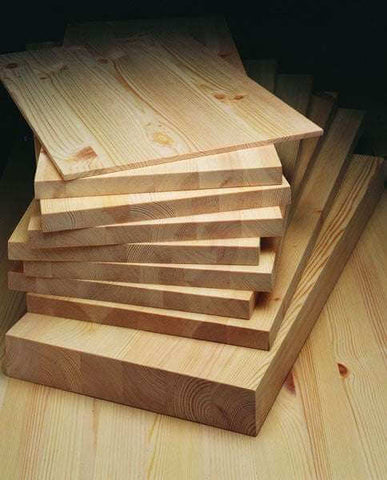
Pine
Genus Pinus. Cheap relative to hardwoods. Pale yellow to light brown, straight grain, easy with hand tools or a router. Furniture shops like it. So do framing crews and millwork plants making windows, doors, plywood, and fibreboard. Takes stain and paint without much fight. Soft enough to dent if you lean a ladder wrong — plan for that.
> Get more details: pine plywood, ac plywood, bamboo plywood, bendable plywood,poplar plywood
Cedar
Smells like a closet for a reason. Natural oils push insects and slow rot. Color runs reddish-brown to pinkish. Outdoor furniture, decking, siding, shingles — cedar owns those tickets. Holds fasteners well. Not the stiffest beam wood, but for exposed exterior trim it earns the premium.
Spruce
Pale, fine texture, strong for its weight. Framing, trusses, engineered panels. Instrument makers chase it for tops because it rings. Accepts paint and stain evenly. Interior trim and paneling too. Light in the hand compared with dense pines.
Larch
Odd softwood: deciduous needles. Dense for the group. Warm reddish-brown with a busy grain. Cladding, decking, boat work, outdoor furniture — places where rain and sun show up. Harder to machine than pine. Worth it outdoors.
Water-resistant enough for many exterior jobs without drowning the budget in tropical hardwood.
> Explore further: hdo vs mdo plywood, tongue and groove plywood, walnut plywood, white oak plywood
Fir
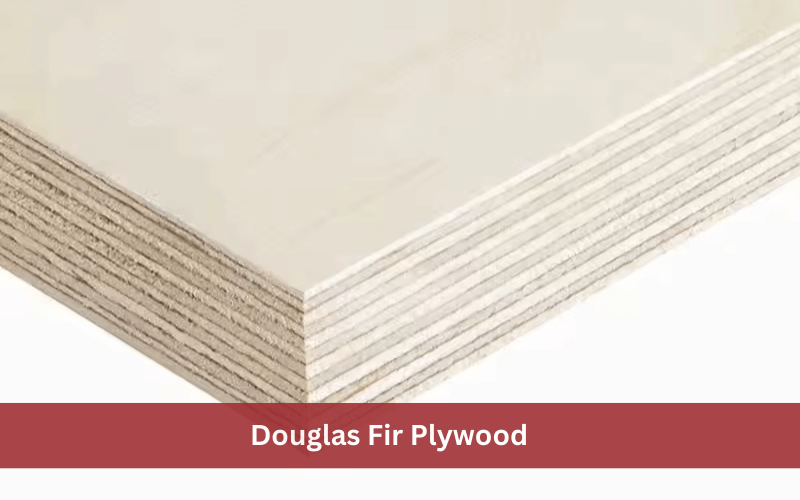
Straight grain, pale yellow to light brown, stable. Douglas fir especially shows up in beams, framing, and plywood cores. Strength-to-weight is the pitch. Furniture and trim when you want a clean paint grade. Common on structural cut lists for a reason.
Each species has a lane. Match the lane to the job — do not buy cedar for floor joists or spruce for a wet deck.
> Read more: plywood sizes, 3/4 plywood, 4x8 plywood, 1/2 plywood, 5/8 plywood, 1/4 plywood
What are the softwood classes?
Yards sort softwood lumber into structural, yard, and shop/factory. Structural is house framing and similar load work. Yard covers decking, fencing, general outdoor stock. Shop and factory feed furniture plants and millwork. The label is a sorting hint, not a magic grade stamp — still read the grade mark on the board.
> Read more: laminate flooring, hardwood flooring, baltic birch plywood, maple plywood, ACX plywood, BBOES plywood
Which softwood is best?
No single winner. Pine wins price and workability for indoor builds. Cedar wins wet decks and siding. Redwood sits next to cedar for weather and looks. Fir wins many structural bids on strength-to-weight. Spruce stays light and strong for framing and instrument tops. Larch punches above its class outdoors. Pick from the job, not from a ranking list.
What is the best grade of softwood?
No. 1 is the clean end of common grades: few knots, smooth face, used where people see the wood — furniture, fine cabinetry, exposed beams. Lower grades carry more knots and still work fine inside walls. Pay for No. 1 only when the surface shows.
> Discover more: furniture grade plywood, plywood underlayment, shuttering plywood, concrete forming plywood
What are the strongest softwoods?
Ask a framer and you hear the same names:
- Douglas Fir (especially coastal) — beams and heavy framing.
- Southern Yellow Pine (longleaf, loblolly) — dense, used in decking, flooring, heavy construction.
- Larch / tamarack — tough outdoors, cladding and decks.
- Sitka spruce — high strength for the weight; boats and light structures.
- Western red cedar — not the densest, but holds up outdoors with less chemical help.
Strength charts still beat brand myths. Check the grade stamp for the span you need.
Is teak a softwood?
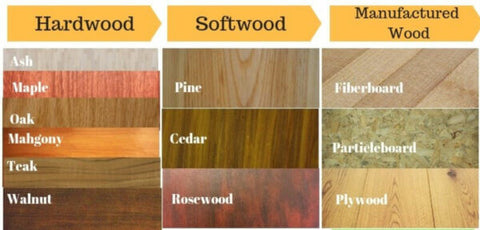
No. Teak is a hardwood from Tectona grandis. Dense, oily, stubborn in weather. Outdoor furniture and decking love it for that reason — see teak species. Softwood list does not include it.
> Learn more: types of wood, Types Of Plywood, marine plywood, birch plywood, MDO plywood, HDO plywood
Is birch a softwood?
No. Birch is a hardwood (genus Betula). Fine grain, used in furniture, cabinets, and plywood faces. "Hardwood" is a botanical label, not a hardness guarantee — some softwoods outrank some hardwoods on Janka. Birch still sits on the hardwood side of the ledger.
Match species to climate and load. Wrong softwood outdoors fails faster than a cheap upgrade indoors.
VINAWOOD - Vietnam Plywood Supplier & Manufacturer
> Discover more: burnt plywood floor, plywood edge banding, plywood garage walls, plywood kitchen cabinets