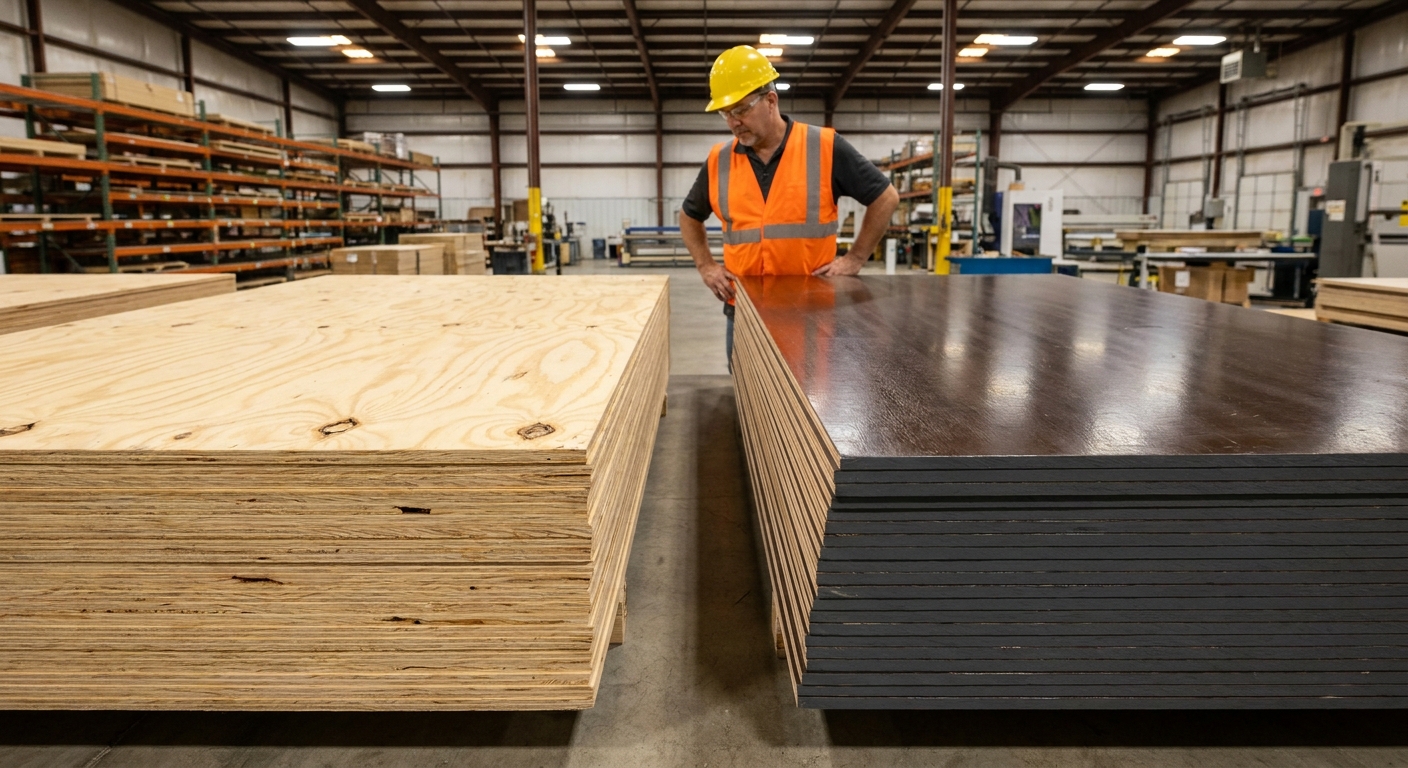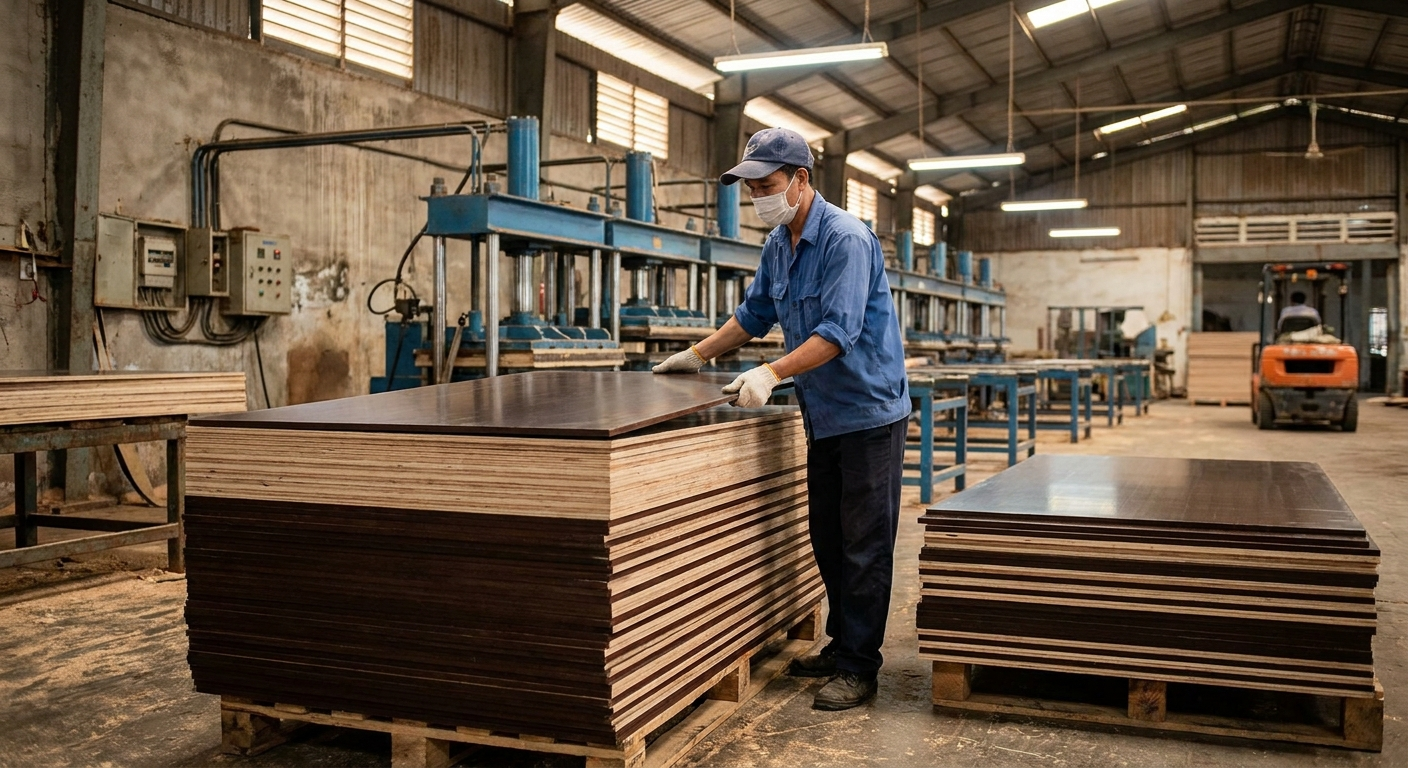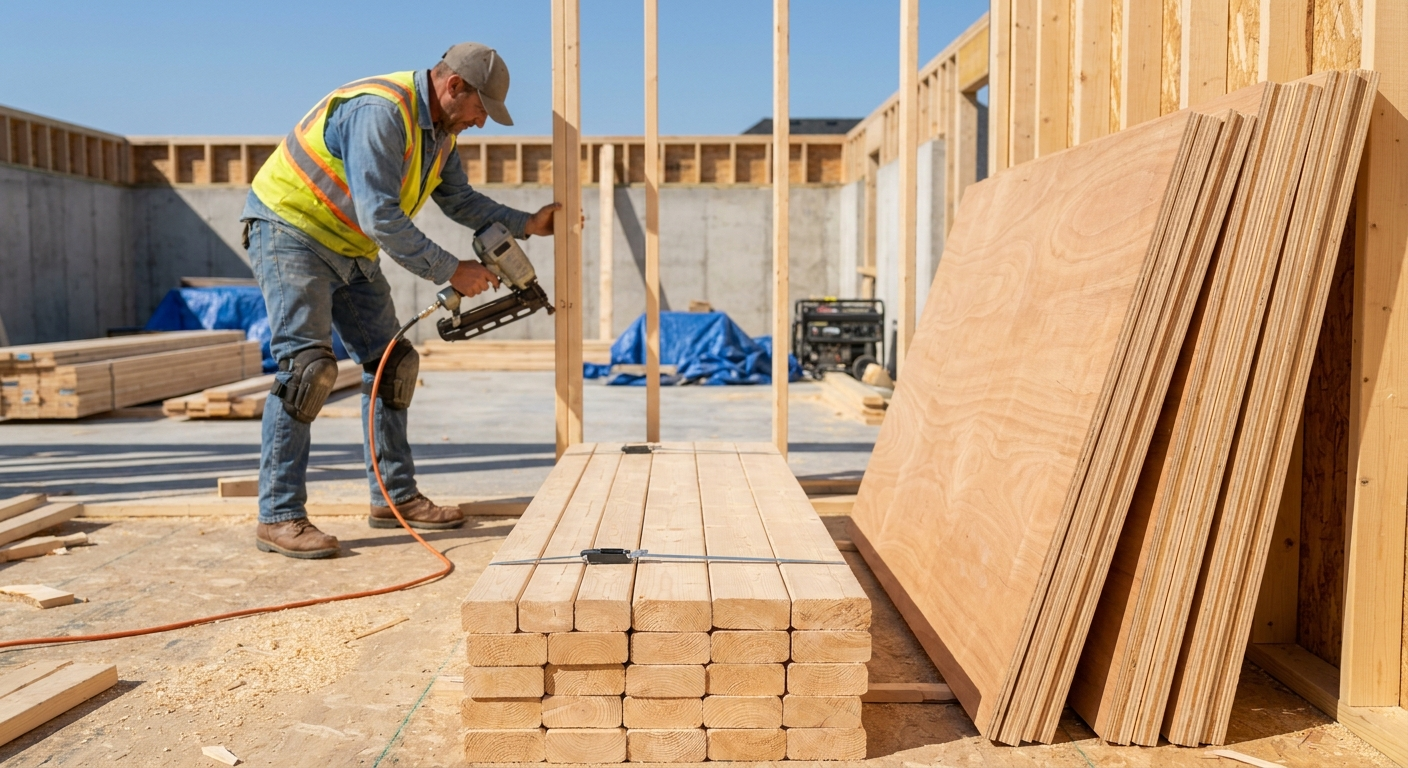
3/4 plywood: Actual Sizes, Types and Common Uses
Is 23/32" the same as 3/4" plywood? Yes — it's the actual milled thickness of nominal 3/4" stock. The actual size in inches and mm, why the panel comes in under its name, when the 1/32" gap matters for cabinet joinery, common uses, and how to pick the right grade.
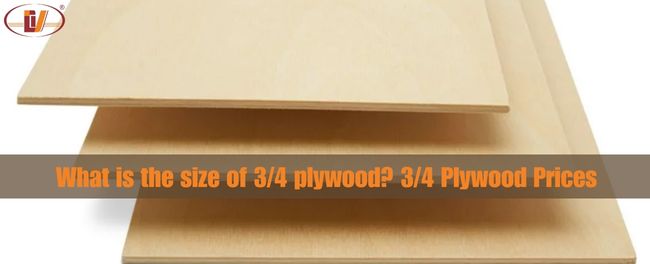
Pull a sheet of "3/4-inch" plywood off the rack and put a caliper on it, and you will read about 23/32", not a full 3/4". That is not a defect or a mislabel. It is how the industry mills and sells the panel. The nominal call-out is 3/4"; the actual milled thickness is 23/32". This guide answers the question buyers ask most often, whether 23/32 is the same as 3/4, then covers the actual size in inches and millimeters, when the small difference matters, and how to pick the right grade.
Is 23/32" the same as 3/4" plywood?
Yes. They are the same panel under two labels. 3/4" is the nominal (named) thickness; 23/32" is the actual thickness after the sheet is sanded and finished. The gap between them is about 1/32 of an inch.
| Call-out | What it is | Thickness (inch) | Thickness (mm) |
|---|---|---|---|
| 3/4" | Nominal (named) size | 0.750" | 19.05 mm |
| 23/32" | Actual milled size | 0.71875" | ~18.26 mm |
| Difference | Sanding + tolerance | ~0.031" | ~0.8 mm |
So when a yard lists a panel as 23/32" and another lists it as 3/4", they are usually quoting the same sheet. The 23/32" figure is just the honest measured number; 3/4" is the rounded name everyone uses on a cut list.
Why a 3/4" sheet measures 23/32"
Three things pull the finished panel below its nominal name. The veneers lose a little thickness as they dry to target moisture content. The sanding step that gives finish-grade plywood its smooth face removes a thin layer of material. And manufacturing tolerance is built around the nominal size rather than landing exactly on it. The net result is a panel milled a hair under 3/4", standardized at 23/32".
This is the same convention that makes a "2x4" actually measure 1.5" by 3.5". The nominal name is a category label, not a caliper reading. Plywood follows the same logic across the thickness range, which is why the metric and imperial figures never line up cleanly.
3/4" plywood actual size
A standard full sheet is 4 ft × 8 ft (1220 × 2440 mm). Thickness is the part that drifts from the name. The nominal-to-actual ladder across common thicknesses:
| Nominal | Actual (approx.) | Metric (approx.) |
|---|---|---|
| 1/4" | 7/32" | ~6 mm |
| 3/8" | 11/32" | ~9 mm |
| 1/2" | 15/32" | ~12 mm |
| 5/8" | 19/32" | ~15 mm |
| 3/4" | 23/32" | ~18 mm |
| 1" | 1" (less common sanding loss) | ~25 mm |
The pattern holds: each nominal call-out sits about 1/32" above the milled reality. For the full sheet-dimension picture across lengths and widths, the plywood sizes guide covers standard and oversized panels.
When the 1/32" difference matters — and when it doesn't
For most framing work the difference is invisible. Subfloor, wall and roof sheathing, and general construction treat 23/32" and 3/4" as the same panel; the structural rating and the joist or stud spacing drive the decision, not the last 1/32". A 23/32" sheet specified for a 16" on-center subfloor performs exactly as a "3/4" subfloor.
Where it matters is precision joinery. A dado or rabbet cut to a true 3/4" leaves a sloppy fit around a 23/32" panel, and the gap shows. Cabinet makers cut their grooves to the actual measured panel, often with an undersized dado set sized for 23/32" stock. Flush transitions between a plywood panel and a 3/4" solid-wood edge also reveal the step if you assume the nominal number. The rule is simple: for structure, the name is fine; for joinery, measure the sheet in front of you, because thickness can drift slightly between mills and batches.
Common uses of 3/4" plywood
3/4" is the workhorse thickness. Its stiffness and screw-holding make it the default where a panel has to carry load or take fasteners on edge. Typical uses:
- Subfloor over joists at 16" or 19.2" on center, usually tongue-and-groove.
- Cabinet carcases and shelving, where the thickness resists sag under load.
- Furniture and built-ins, especially where a screwed edge joint needs to hold.
- Workbench tops and jigs, often doubled to 1.5" for a stable surface.
For shelving spans and load behavior, the species and grade matter as much as the thickness — a birch-faced panel sags less than a softwood one over the same span.
3/4" plywood by type and grade
The same nominal thickness comes in grades aimed at different jobs. Choosing among them is a question of face quality and bond class, not thickness:
- Sanded (A-C / B-C): smooth face for cabinets, furniture and paint-grade work.
- CDX: sheathing-grade, rougher faces, Exposure 1 bond — subfloor and structural use under a finish layer.
- Birch: hardwood face and a fuller core, the cabinet-shop standard for stiffness and finish.
- Marine: void-free core and a fully waterproof WBP bond for wet and outdoor service.
The face-grade letters (A, B, C, D) and the bond class are explained in the plywood grades guide. Whether the core is a hardwood or softwood species also changes weight, stiffness and screw-hold — the hardwood vs softwood comparison covers that trade-off. For a 3/4" subfloor specifically, the subfloor installation guide walks the glue-and-screw sequence that keeps the floor quiet.
Quick reference
| Question | Answer |
|---|---|
| Is 23/32" the same as 3/4"? | Yes — same panel, nominal vs actual milled thickness |
| Actual thickness of 3/4" plywood | 23/32" (0.71875"), about 18.26 mm |
| Nominal 3/4" in mm | 19.05 mm |
| Standard sheet size | 4 ft × 8 ft (1220 × 2440 mm) |
| Interchangeable for subfloor? | Yes |
| Interchangeable for cabinet joinery? | No — cut dados to the measured 23/32" |
About Vinawood
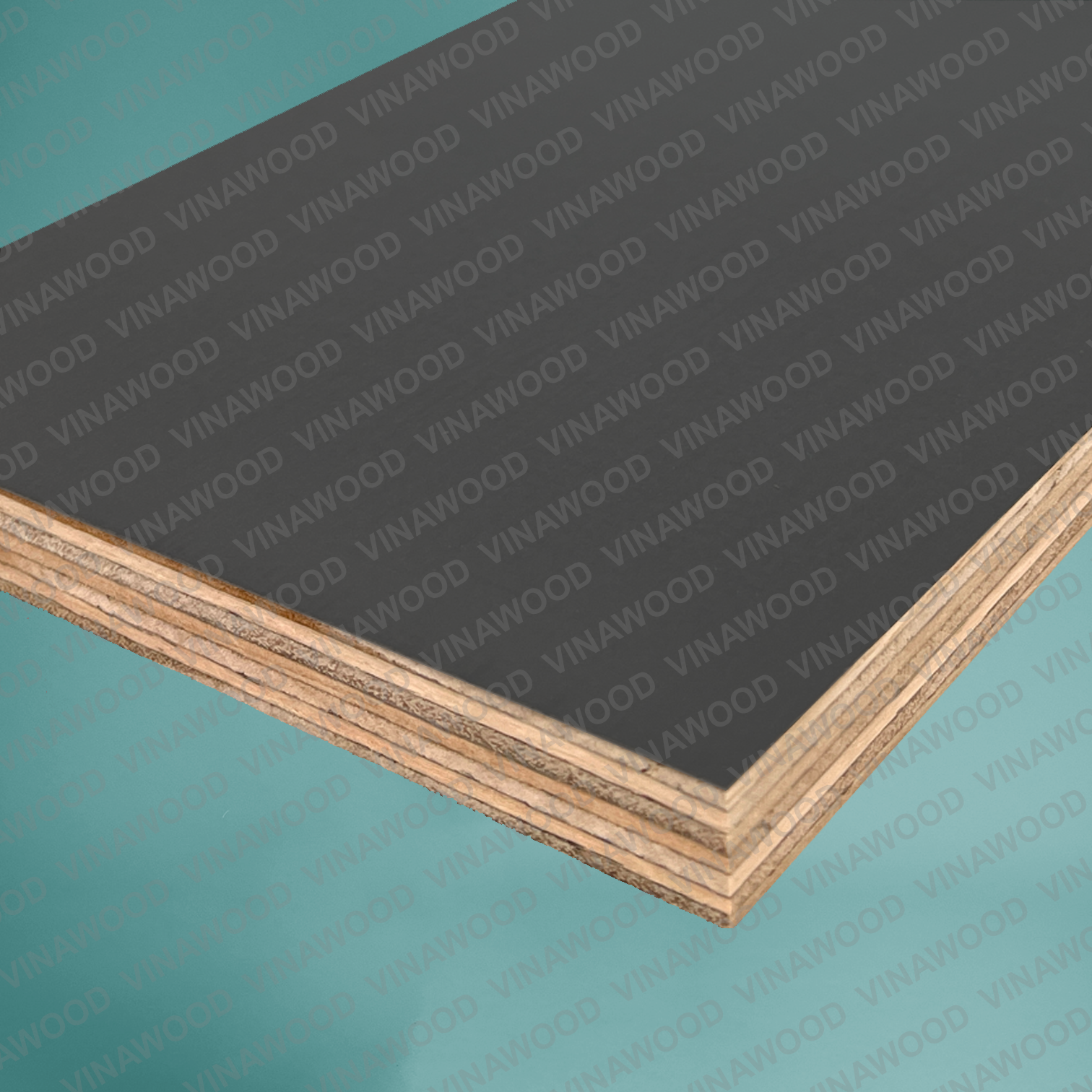
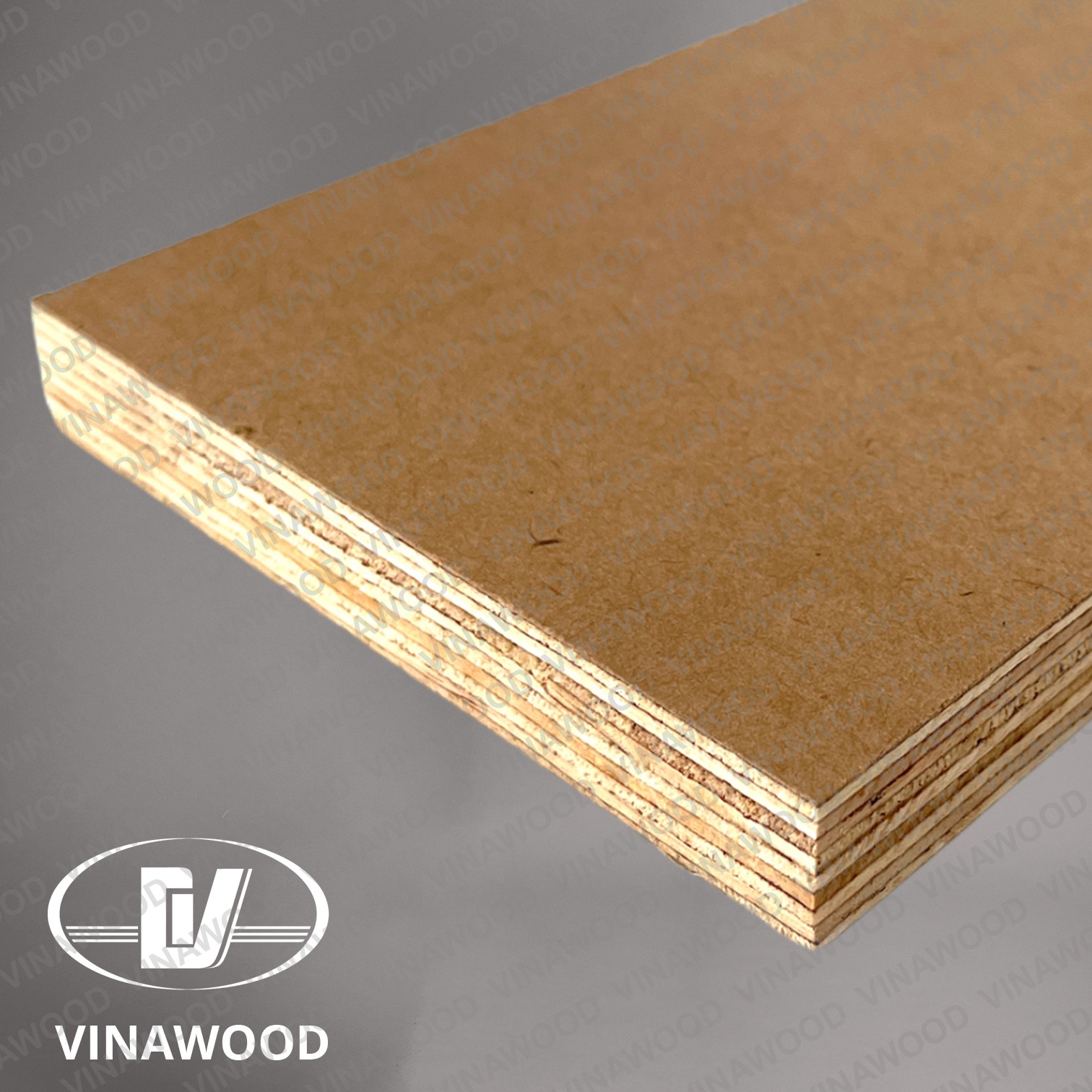
Vinawood is a Vietnamese plywood manufacturer founded in 1992, exporting more than 5,000 containers a year to 55+ countries. For the North American market, Vinawood supplies film-faced concrete formwork in the ~18 mm (3/4" nominal) range, including the HDO plywood range with a WBP phenolic bond at EN 636-3 / Class 3 and up to 20 reuse cycles, plus the MDO plywood range for matte-finish forming. Panels ship in both 1220 × 2440 mm and 2500 × 1250 mm formats. Certifications include EPA TSCA Title VI / CARB Phase 2, CE marking under EN 13986, FSC chain-of-custody, and ISO 9001. For permanent structural subfloor and sheathing in the United States, APA-stamped domestic panels remain the convention; Vinawood's role is factory-direct formwork and overlay panels. Technical data sheets are available at vinawoodltd.com.
Category
guides
Related Markets
Related Countries
Related Products
▶Sources & References (3)
- Voluntary Product Standard PS 1-19 — Structural Plywood — APA / U.S. Department of Commerce (2019)
- Voluntary Product Standard PS 2-18 — Performance Standard for Wood Structural Panels — APA / U.S. Department of Commerce (2018)
- ANSI/HPVA HP-1-2020 — Hardwood and Decorative Plywood — Hardwood Plywood and Veneer Association (2020)