Softwood vs Hardwood Plywood: A Construction Buyer's Guide
Softwood and hardwood plywood differ in core species, density, bending strength, and moisture performance. This guide explains what matters for construction buyers — and why 'hardwood plywood' means something different in formwork than in furniture.
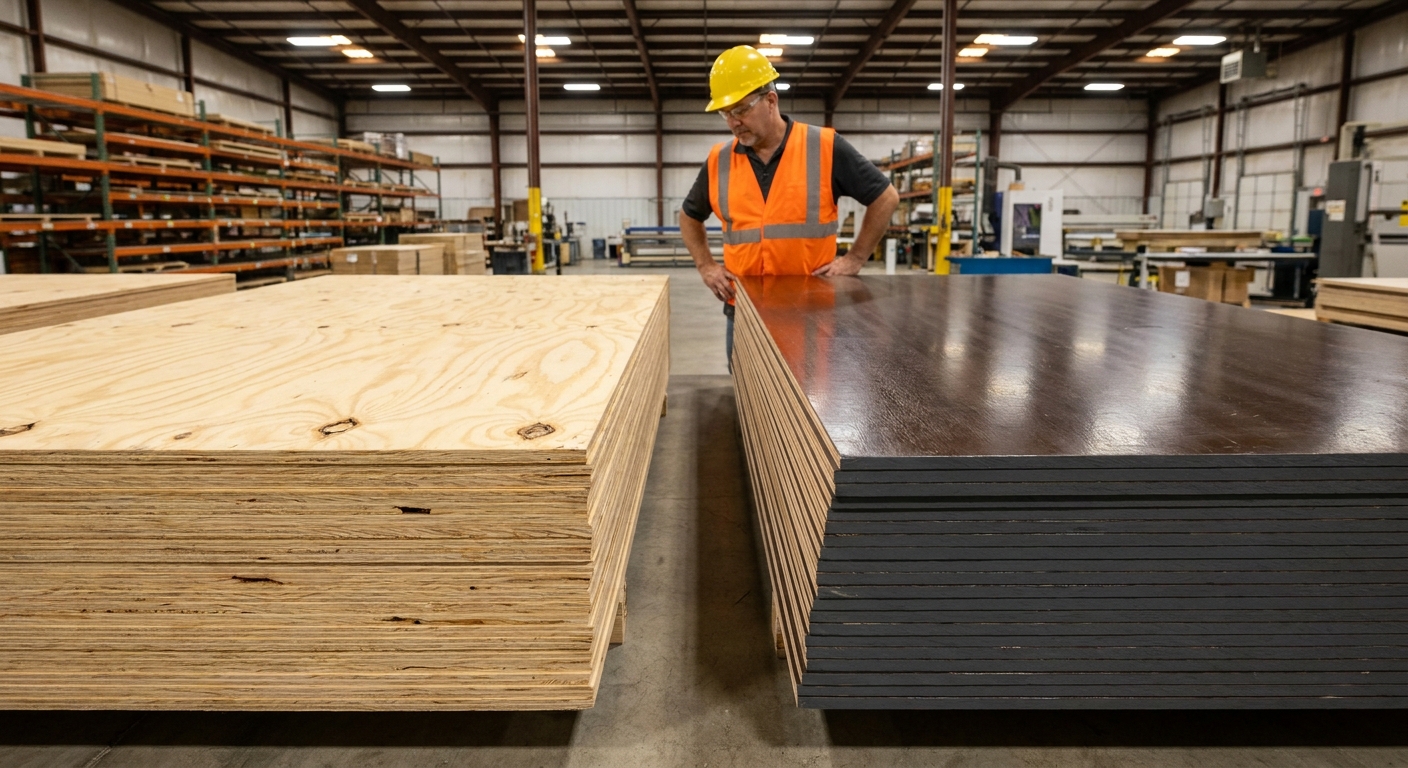
Buyers keep asking whether plywood is softwood or hardwood. Wrong frame. Plywood is engineered. The veneer species decide density, bend, weight, and where the sheet belongs. Softwood faces own sheathing. Hardwood film-faced packs own reusable formwork.
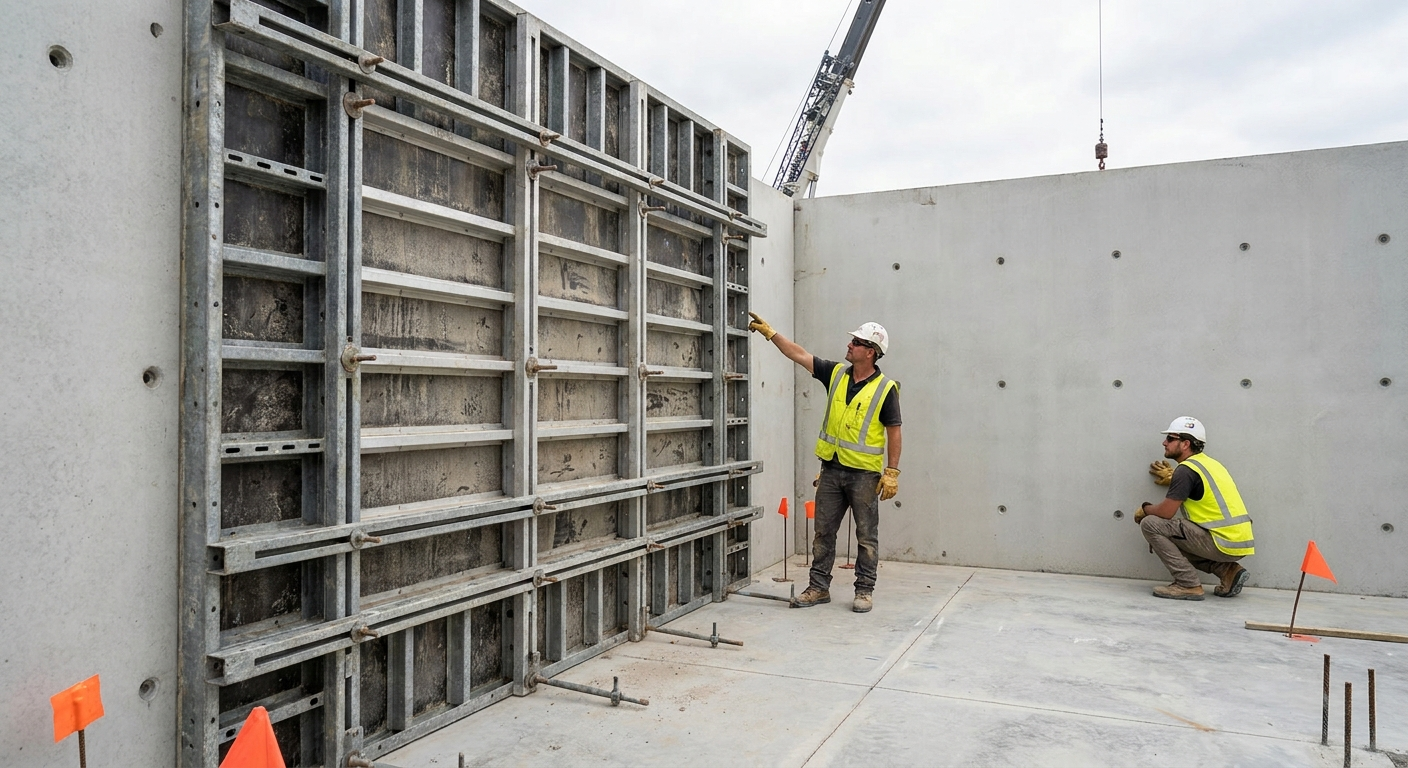
One more trap: in a US yard, "hardwood plywood" often means a thin birch furniture panel. On a pour, it means 18 mm structural film-faced. Same words. Different product. This page is for the construction buy.
Botany, not hardness
Hardwood = broadleaf (eucalyptus, acacia, birch, keruing, meranti). Softwood = conifer (Douglas fir, SYP, spruce, radiata). The label is family, not a thumbnail test.
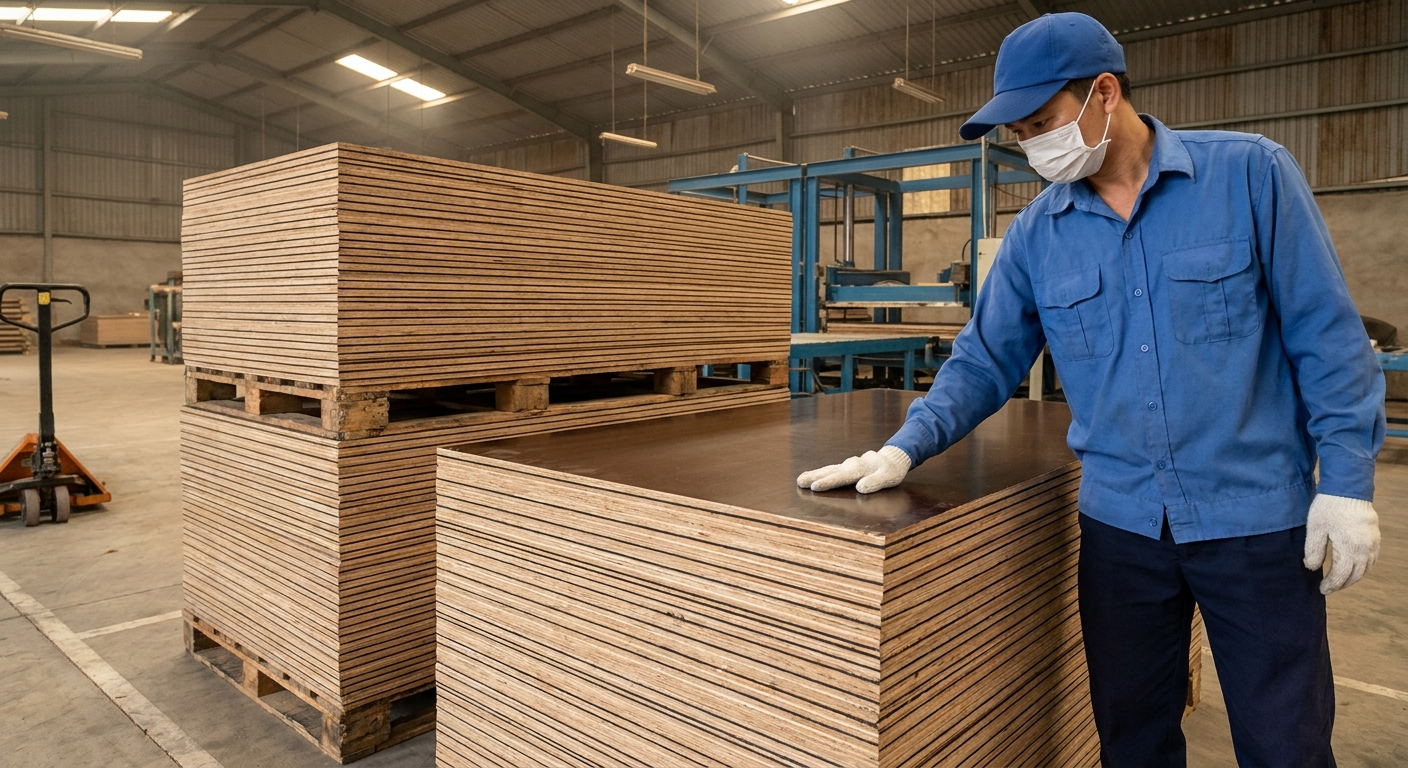
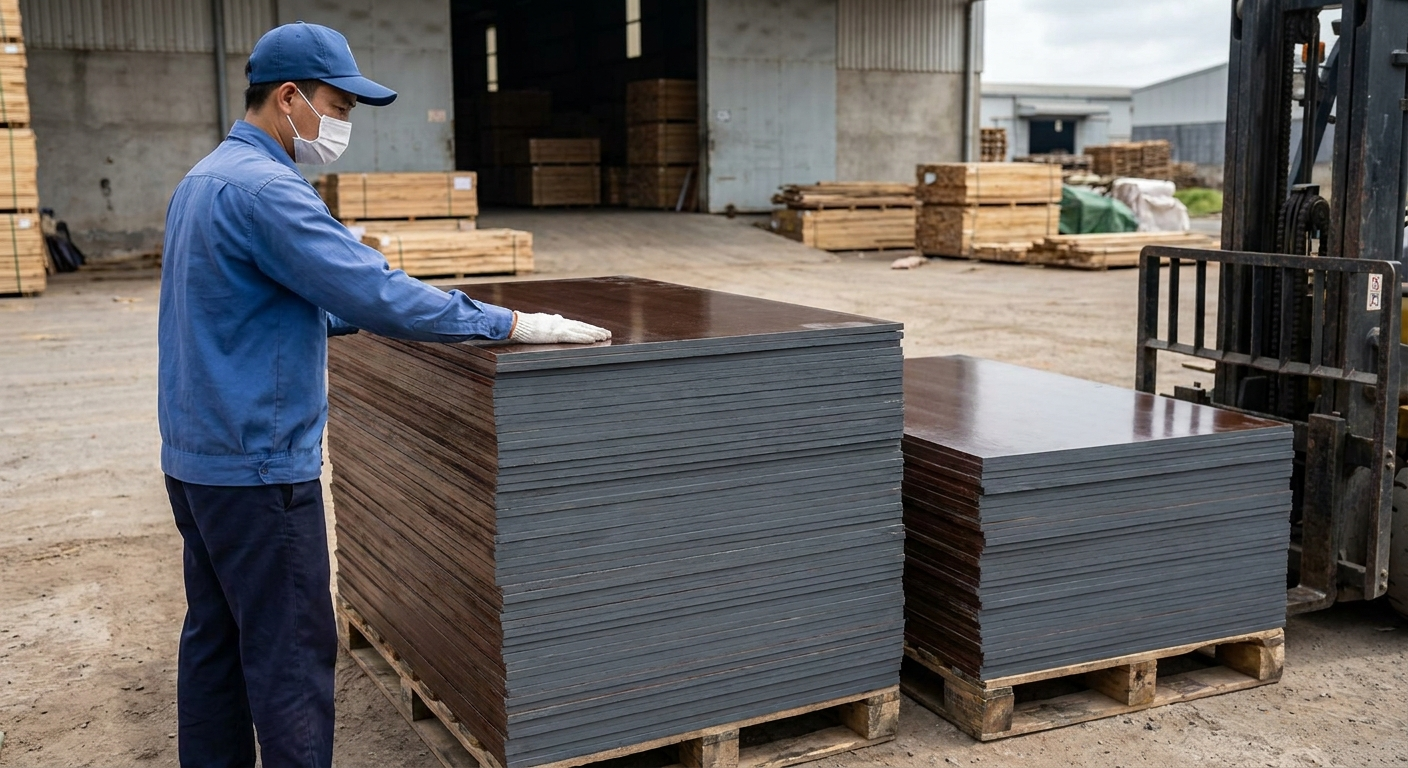
Softwood CDX dominates North American sheathing. Hardwood-cored film-faced from Vietnam, Indonesia, and Malaysia dominates formwork and shuttering. Our cores are plantation-grown. We do not call them "tropical" in mill copy.
Density and weight
Hardwood cores: roughly 550–750 kg/m³. Softwood: nearer 450–550.
Sixty sheets of 18 mm Form Basic land near 1,600 kg. Softwood equivalent: about 1,200–1,300 kg. Weight can fill a 40HC before cube does. Plan with the CBM calculator.
Bend and stiffness
Form Basic: 45 N/mm² along grain, 30 across (EN 636). CDX softwood often 25–35 along grain. Modulus of elasticity commonly ~5,000 N/mm² on hardwood-faced packs versus ~3,000–4,500 on softwood.
Wider stud spacing. Less deflection. Fewer blowouts. That is why engineers write hardwood-cored film-faced on commercial pours. Specs on the Form Basic page.
Glue and moisture class
CDX: APA Exposure 1 phenolic. Survives jobsite delays. Not a reusable wet form face.
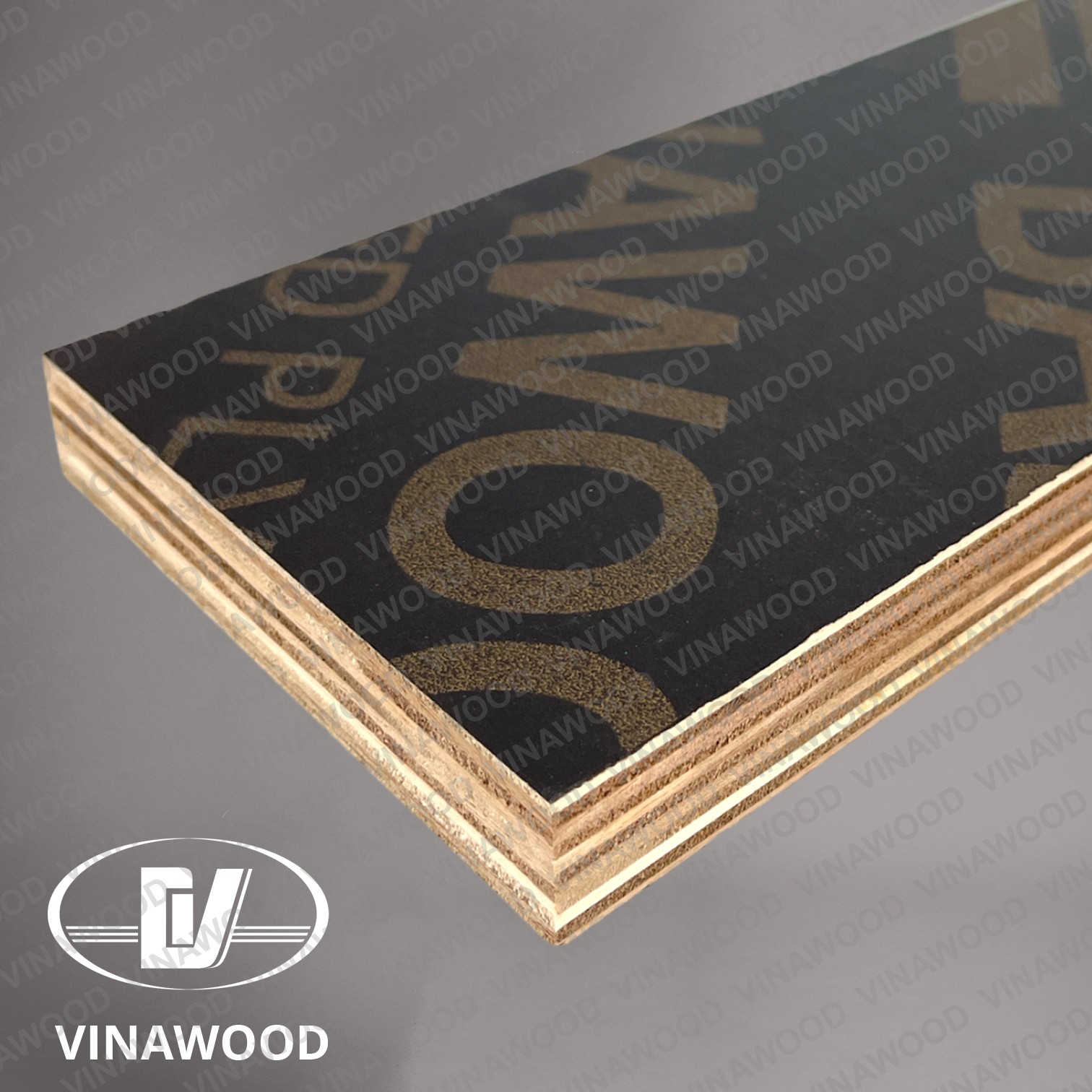
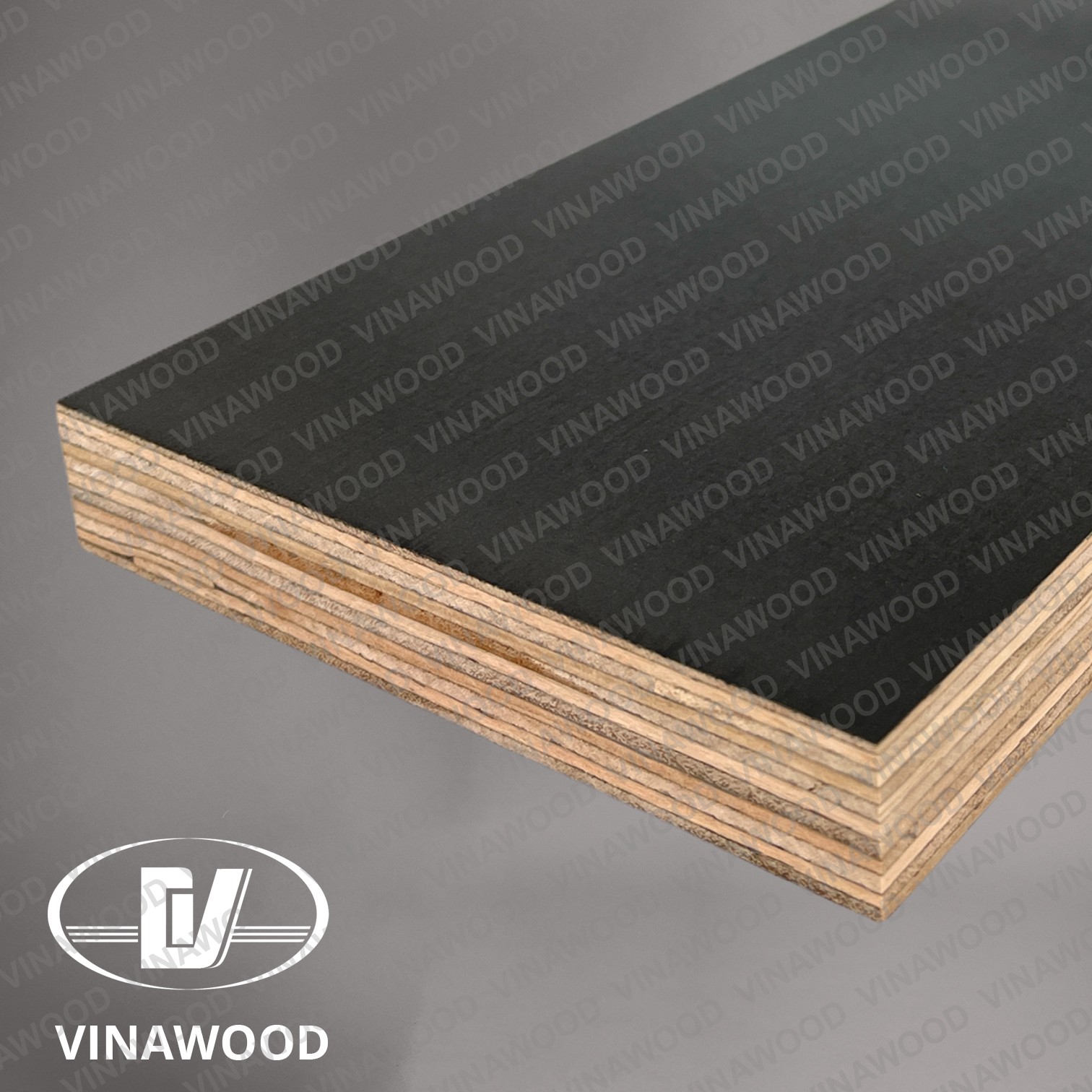
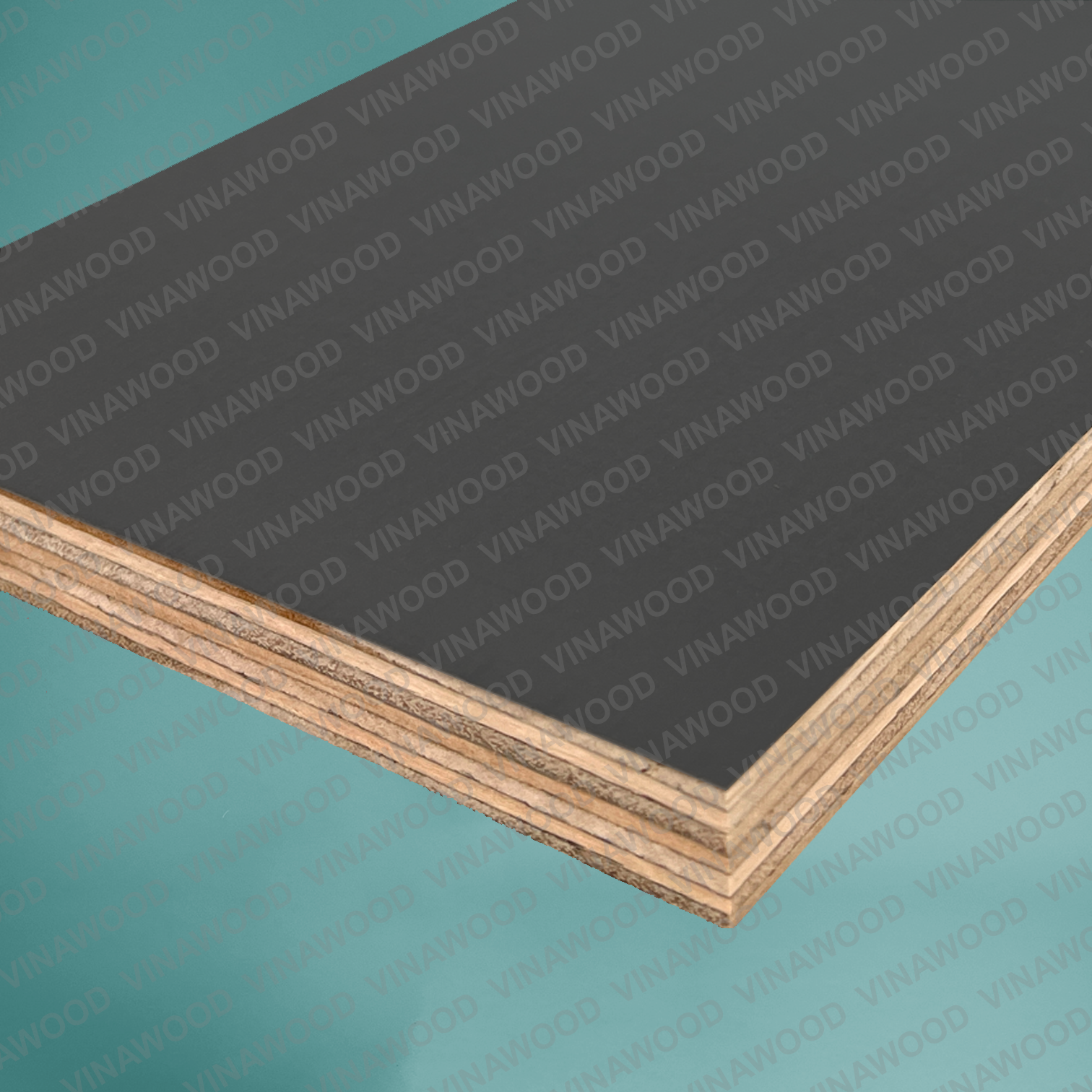
Class 2 (EN 636-2) — WBP melamine. Form Basic (up to 10 reuses), Form Extra (up to 15), HDO Basic 1SF/2S.
Class 3 (EN 636-3) — WBP phenolic. Pro Form (up to 20 reuses, 125 gsm film), Pro Form Lite, HDO Standard, HDO Premium. Not every HDO SKU.
Film overlay is the working face CDX never had.
Applications
Softwood: roof and wall sheathing, underlayment. Buy local. Do not import sheathing from Vietnam when domestic supply is thick.
Hardwood decorative: furniture faces. Not our formwork lane.
Hardwood film-faced: formwork, shuttering, scaffolding boards. I still stop buyers who grab ¼″ birch and think they ordered an 18 mm pour panel.
Cost shape
Softwood: short freight inside North America and Northern Europe. Hardwood film-faced: FOB Vietnam, often 18–35 days transit. Higher sheet price, lower cost-per-pour when reuse hits. Confirm US duty lines with your broker — some formwork and PS-structural paths sit outside Vietnam hardwood CVD.
Spec call
Formwork → hardwood film-faced. Form Basic for standard. Pro Form for exterior Class 3. HDO when the RFQ names HDO — check Class 2 vs 3 on the SKU. Sheathing → local softwood. Marine / permanent humidity → WBP phenolic or dedicated marine grades in the film-faced range.
Use the plywood selector before the price email.
Category
guides
Related Markets
Related Countries
Related Products
▶Sources & References (4)
- Product Guide: Softwood Plywood Grades and Species — APA — The Engineered Wood Association (2023-01-01)
- ANSI/HPVA HP-1 — Hardwood and Decorative Plywood — Hardwood Plywood and Veneer Association (2020-01-01)
- EN 636:2012+A1:2015 — Plywood. Specifications — European Committee for Standardization (CEN) (2015-01-01)
- Wood Handbook: Wood as an Engineering Material — Chapter 12: Structural Use Panels — USDA Forest Products Laboratory (2021-01-01)