Plywood Insulation Value: R-Value by Thickness and What It Means
How much insulation value plywood actually provides: R-value by thickness, what R-value and thermal conductivity mean, how plywood compares to OSB, drywall and rigid foam, and where it fits in a wall or roof assembly.
Stack solid plywood ten inches deep and you would match roughly what a single inch of rigid foam does for a wall. That gap is the whole story. A plywood sheet carries an R-value of about 1.0 to 1.25 per inch, so a 3/4-inch panel lands near R-0.94 and a 1/2-inch panel near R-0.63. Real numbers, small effect. Two inches of foam reaches R-10 and up. Plywood insulates a bit because it is wood, but it is a structural panel first, and trouble starts when a build-up leans on it for thermal work it cannot do.
We field this question most often from buyers wondering whether the sheathing choice will move a building's energy rating. Usually it does not. Knowing why before you specify saves a wrong call.
What R-value and thermal conductivity actually mean
R-value measures resistance to heat flow. The higher the number, the more the material slows heat moving through it. R-value is additive across the layers of an assembly, so a wall's total is the sum of every layer from the inside face to the outside.
Thermal conductivity, or k-value, is the flip side. It measures how readily a material conducts heat, so a low k-value means a good insulator. Wood sits in an interesting middle ground. Its k-value of roughly 0.11 to 0.15 W/(m·K) makes it a far better insulator than steel or concrete, and a far worse one than fiberglass batt or foam. That middle position is the whole story of plywood's thermal behavior. It resists heat enough to matter at the margins, not enough to carry an assembly.
R-Value by Thickness — Quick Reference
Planning numbers at about R-1.25 per inch. Real panels drift with species and moisture, so these are not lab certificates.
| Thickness | Metric | Approx. R-value |
|---|---|---|
| 1/4" | 6 mm | R-0.31 |
| 3/8" | 9 mm | R-0.47 |
| 1/2" | 12 mm | R-0.63 |
| 5/8" | 15 mm | R-0.78 |
| 3/4" | 18 mm | R-0.94 |
| 1" | 25 mm | R-1.25 |
The pattern is linear: double the thickness, double the R-value. That linearity is also the limit. To reach the R-13 to R-21 that a code-compliant wall cavity needs, you would stack ten to seventeen inches of solid plywood, which no one does. The panel earns its place structurally, and the insulation layer earns its place thermally.
Plywood vs OSB
OSB and plywood land close on thermal performance. OSB runs a touch denser than most plywood, which nudges its conductivity slightly higher and its R-value per inch slightly lower, but the gap is small enough that it rarely changes a build decision. A 7/16-inch OSB sheathing panel and a 1/2-inch plywood panel contribute about the same fraction of an inch of R-value to a wall.
For thermal purposes the two are interchangeable. The choice between them turns on moisture behavior, fastener holding, and cost, not on R-value. Anyone picking sheathing for its insulating contribution is optimizing the wrong variable.
Plywood vs drywall, fiberboard and rigid foam
Set against the materials it shares a wall with, plywood lands in the middle. Drywall insulates slightly less per inch, wood fiberboard slightly more. Rigid foam beats all of them several times over, which is why foam exists in the first place.
| Material | Approx. R-value per inch |
|---|---|
| Plywood | 1.0 to 1.25 |
| OSB | 1.0 to 1.2 |
| Gypsum drywall | 0.9 |
| Wood fiberboard | 2.0 to 2.7 |
| Expanded polystyrene (EPS) | 3.6 to 4.2 |
| Polyisocyanurate rigid foam | 5.6 to 6.5 |
The lesson is structural. Wood-based panels cluster around R-1 per inch because they are wood, and wood is a thermal bridge compared to a purpose-built insulator. When a builder asks whether plywood will improve a wall's energy rating, the honest answer is: a small amount, swamped by whatever insulation goes in the cavity.
Where plywood fits in a wall or roof assembly
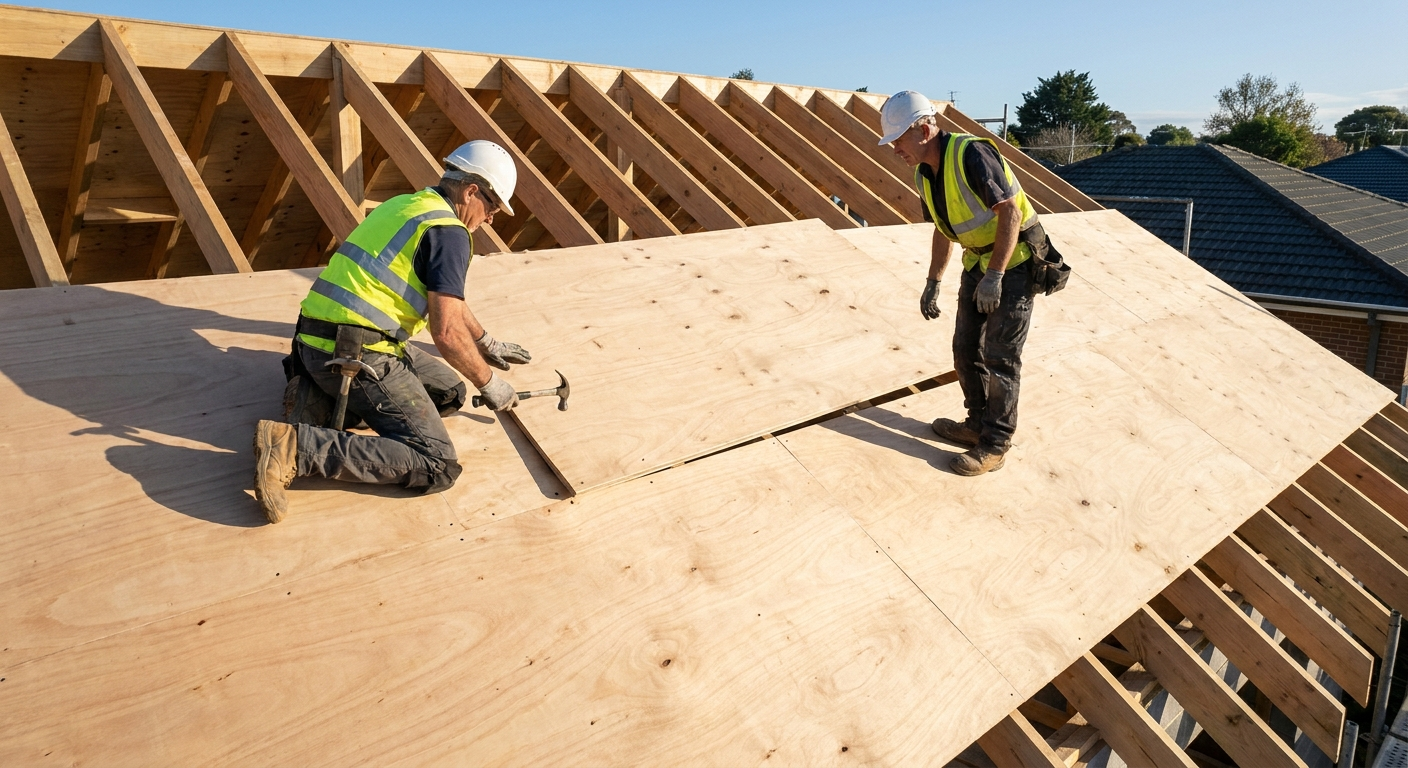
In a framed wall, plywood is the sheathing, the structural skin nailed to the studs that braces the frame and provides the substrate for the weather barrier and cladding. Its R-value is a bonus, not a function. The wall's thermal performance comes from the cavity insulation between the studs and any continuous insulation outboard of the sheathing.
One detail worth flagging because it gets done wrong: laying plywood over attic insulation to make a storage deck. The panel compresses the insulation beneath it, and compressed insulation loses R-value fast. The plywood adds its own R-0.94 or so, but it can subtract several points of R-value from the batt it crushes. The net is usually a loss. The fix is to raise the decking on a framework above the insulation so the batt keeps its loft.
Factors that shift the number
Three variables move plywood's R-value off the table figure. Species and density come first. Lower-density wood traps more air and insulates better, so a lighter poplar-core panel edges out a dense hardwood-core panel of the same thickness. Density order runs Hevea above Eucalyptus above Acacia, and the lighter the core, the marginally higher the R-value.
Moisture content comes second, and it matters more than most buyers expect. Water conducts heat far better than wood does, so a damp panel insulates worse than a dry one. A sheet at 18 percent moisture content has a measurably lower R-value than the same sheet at 8 percent. We see this in our own export testing: panels conditioned to a dry interior service moisture read a higher resistance than the same product pulled straight from a humid yard. Panel orientation is the third factor, with heat moving slightly differently along the grain than across the laminations, though the effect is small enough to ignore in practice.
Does plywood add useful insulation?
Modest, but not negligible. A 3/4-inch sheathing layer contributing R-0.94 to a wall is real resistance that the energy model counts. Across a whole building envelope, the sheathing's contribution adds up to a small but genuine share of the total. The mistake is expecting it to do more. Plywood will not replace insulation, will not meet a cavity's code requirement on its own, and will not rescue an under-insulated wall. It pulls its weight as a structural panel and contributes a thermal bonus on the side.
When thermal performance matters for panel selection
For most construction, the thermal contribution of the panel is too small to drive the choice. A few niche cases are exceptions. Cold-store and refrigerated-room linings sometimes specify panel thermal behavior alongside the dedicated insulation, and some prefabricated panel systems account for the sheathing's resistance in their certified assembly value. Even there, the panel supports the insulation rather than substituting for it.
If a project genuinely needs thermal performance from the wall, the budget belongs in the insulation layer, not in thicker sheathing. Specify the plywood for its structural grade, bond class, and moisture resistance, and let the insulation handle the R-value. For the wider set of panel characteristics that do drive selection, the properties of plywood guide covers strength, bond, and dimensional behavior, and the density of plywood guide explains the species-and-weight relationship that nudges both thermal and structural numbers.
About Vinawood
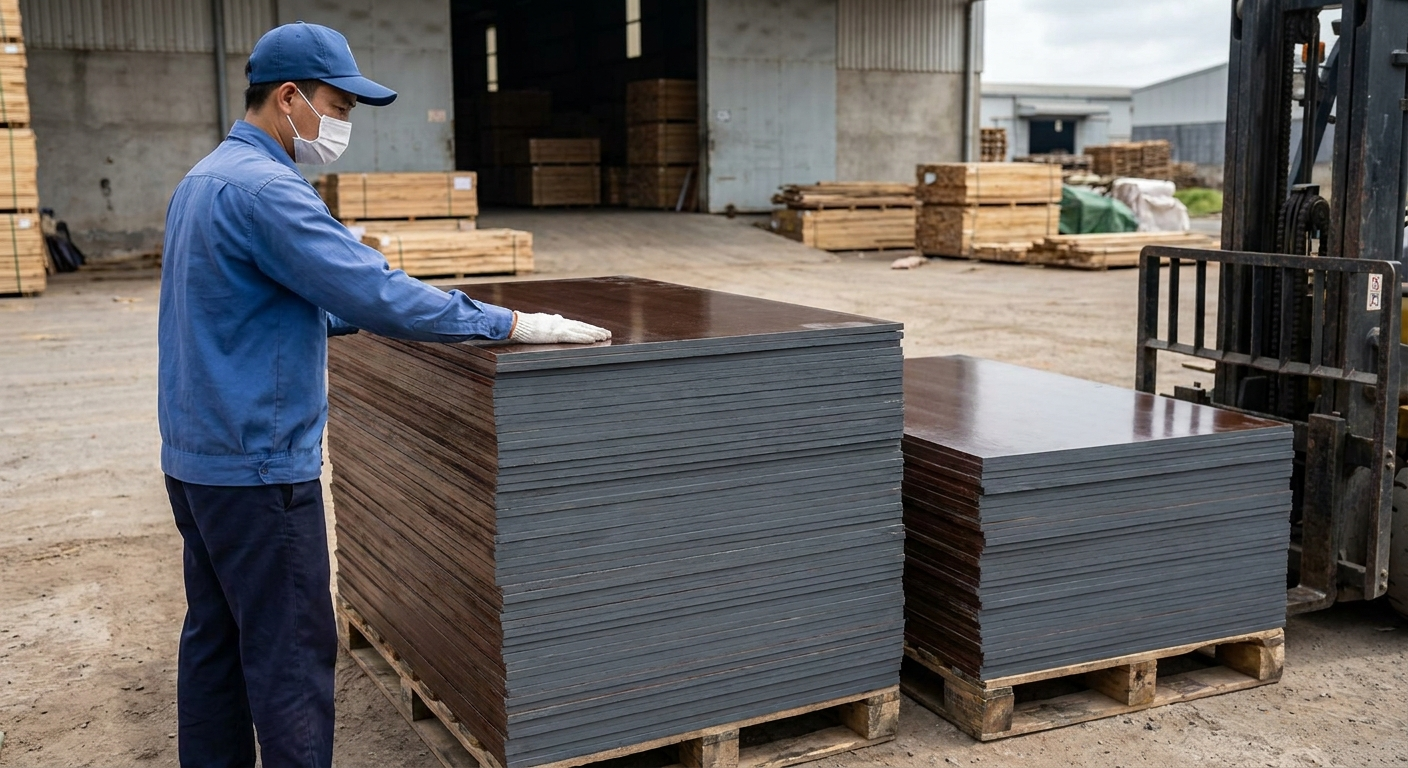
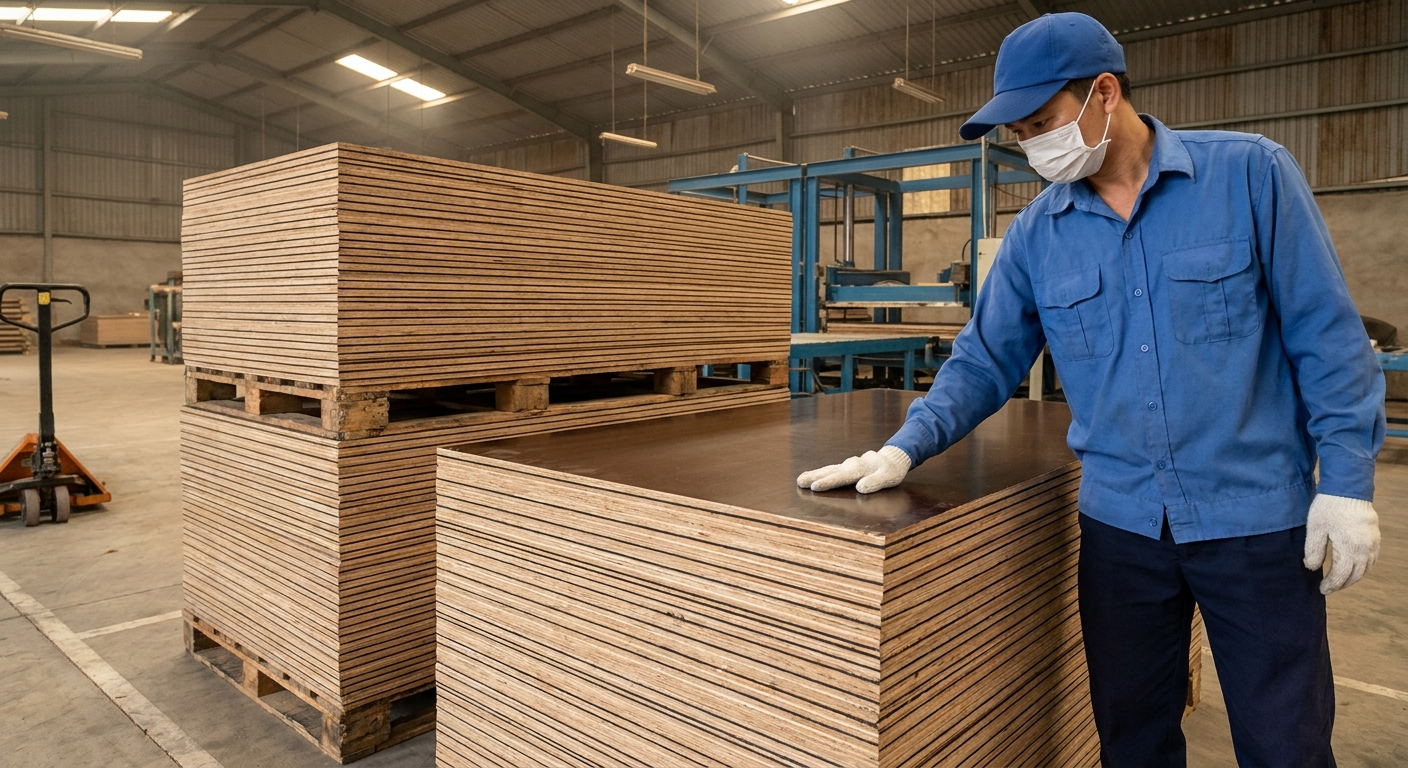
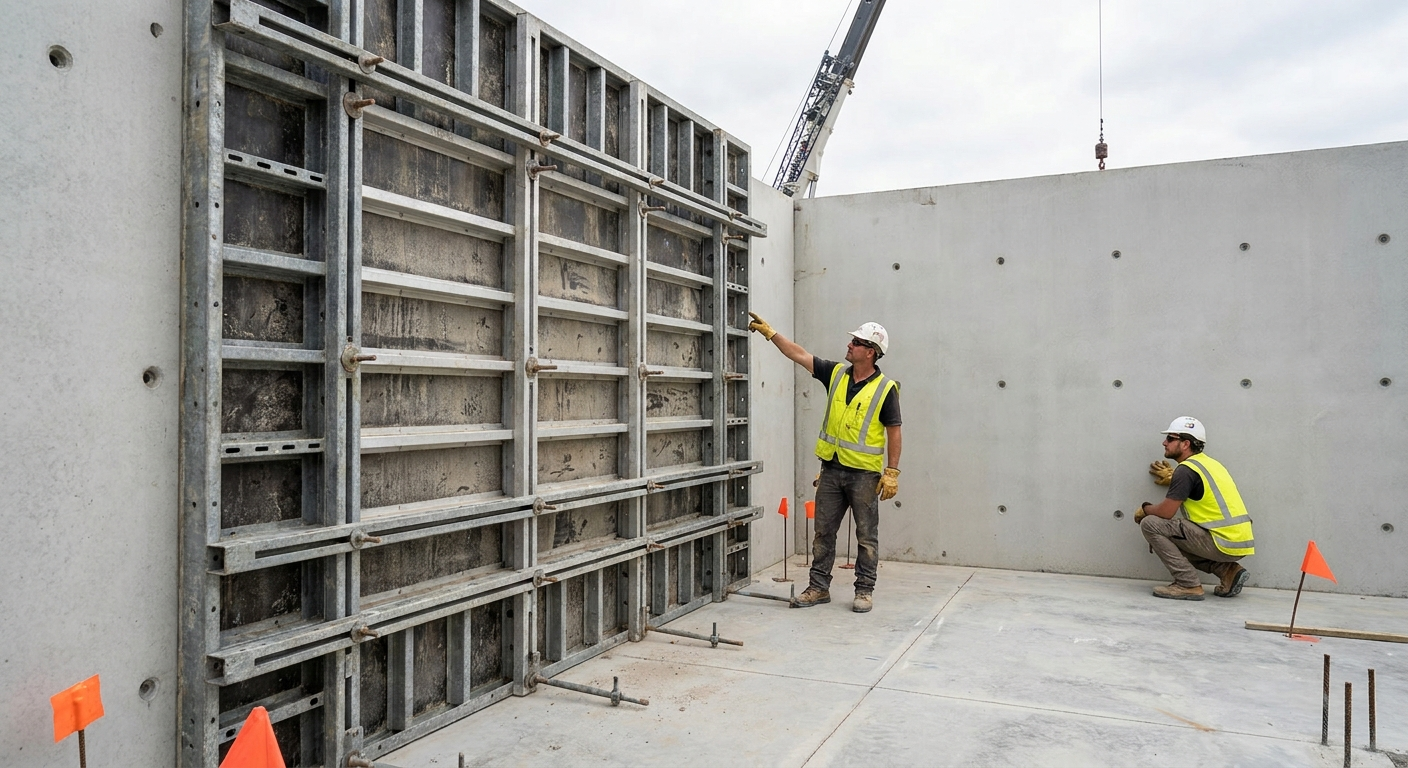
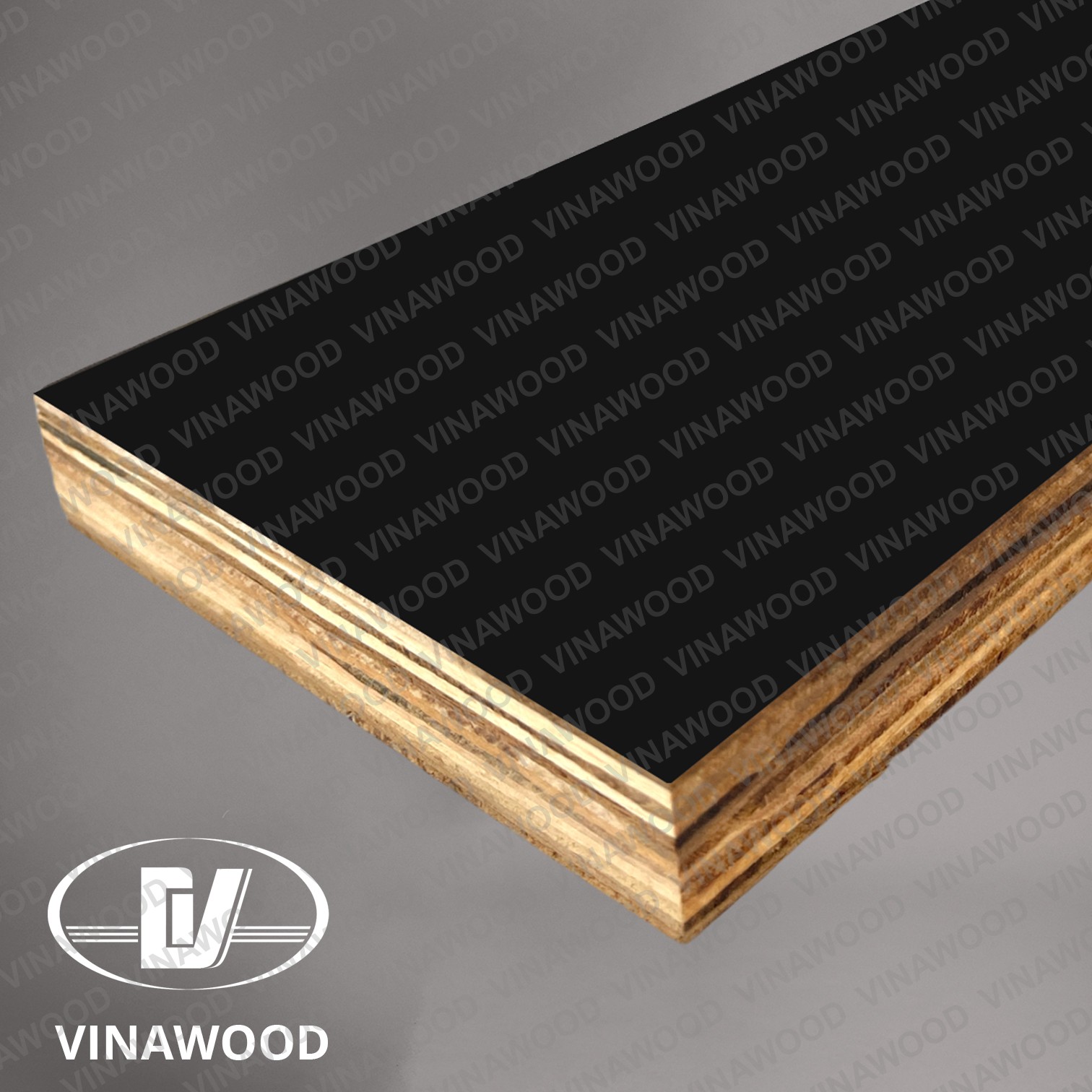
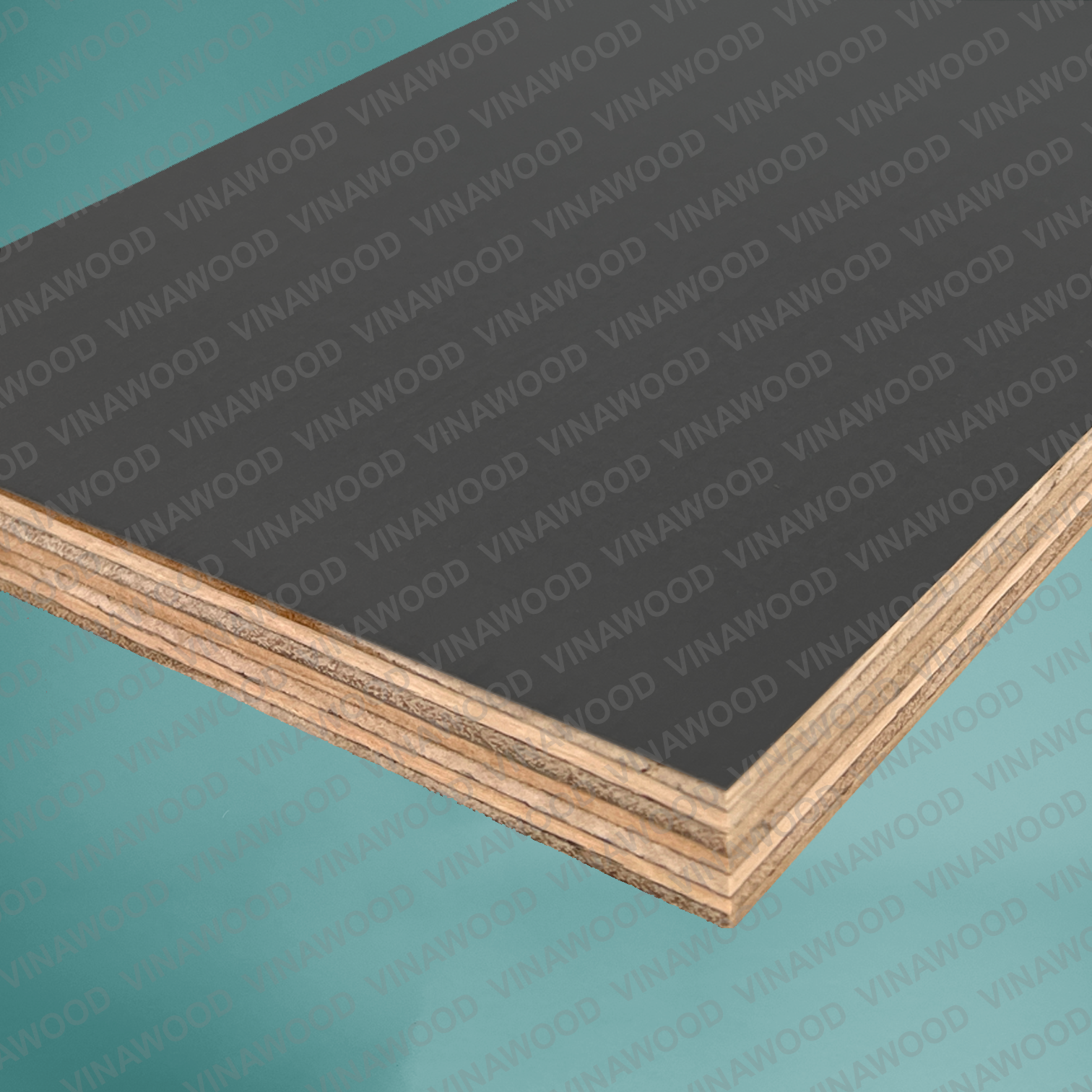
Vinawood is a Vietnamese plywood manufacturer founded in 1992, exporting more than 5,000 containers a year to 55+ countries. Our panels are engineered for structural and formwork performance rather than thermal insulation, which is the honest framing for any wood-based panel. For the North American market, the HDO plywood range and the broader film-faced plywood collection cover concrete formwork and structural applications, with HDO and Pro Form-class panels carrying a WBP phenolic bond at EN 636-3 / Class 3 and up to 20 reuse cycles. Certifications include EPA TSCA Title VI / CARB Phase 2, CE marking under EN 13986, FSC chain-of-custody, and ISO 9001. Technical data sheets and CARB documentation are available at vinawoodltd.com.
Category
guides
Related Markets
Related Countries
Related Products
▶Sources & References (4)
- R-Values of Materials — Archtoolbox (2024)
- Wood Structural Panel R-Values (Tech Tip) — PFS TECO (2022)
- Thermal Properties of Wood and Wood-Based Panels — USDA Forest Products Laboratory (2021)
- EN 12664 — Thermal performance: determination of thermal resistance — European Committee for Standardization (CEN) (2001)