Plywood Span Rating Explained: How to Read 32/16, 48/24 and the APA Stamp
How to read a plywood span rating: the two-number 32/16 and 48/24 system, the 24/0 roof-only case, single-number Sturd-I-Floor ratings, where it sits on the APA stamp, and how it maps to EN structural conventions.
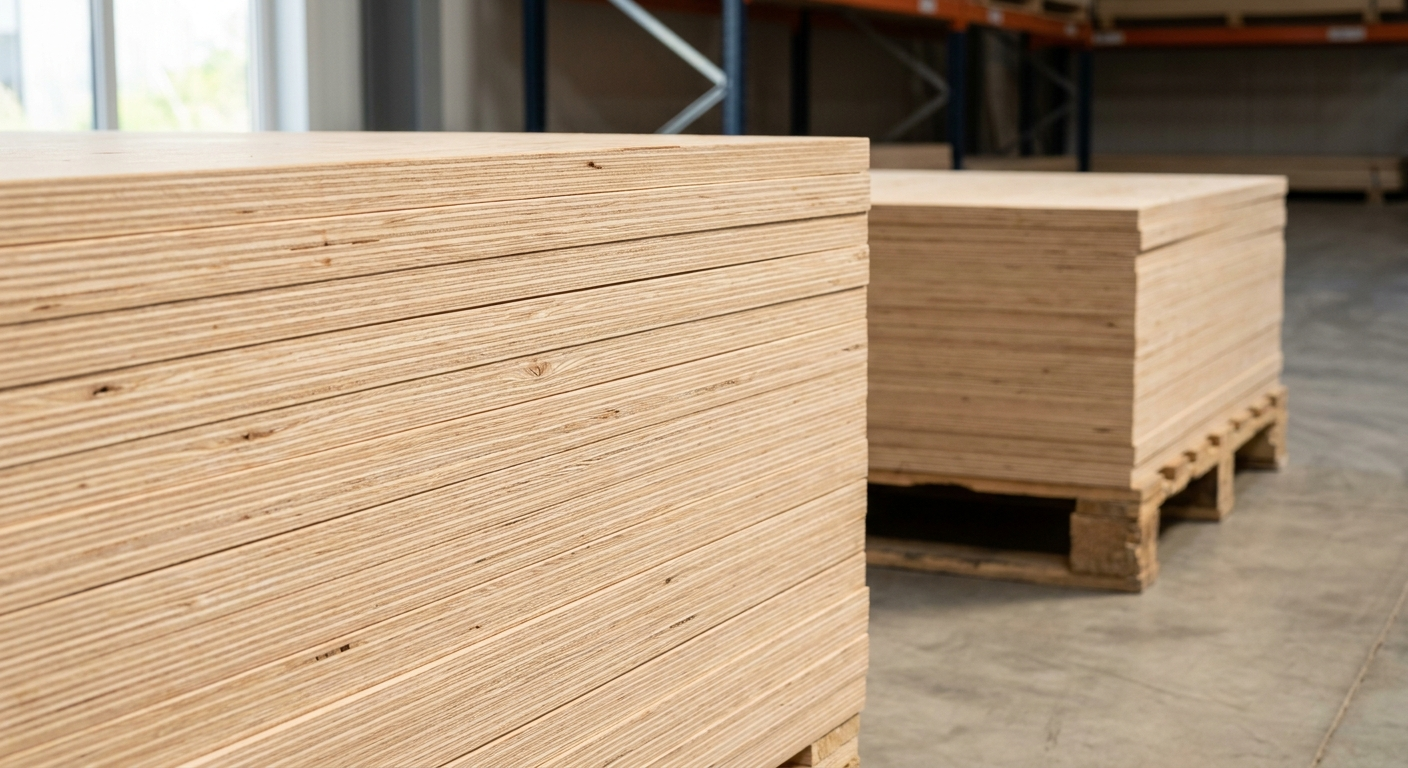
32/16 stamped on a sheathing panel is two numbers, not one. Thirty-two inches is how far that panel spans across roof rafters. Sixteen is the limit across floor joists. Same panel, two jobs, two limits, because a roof and a floor do not carry load the same way. Read the left number for a roof and the right for a floor and most of the confusion around span ratings goes away.
Framers, subfloor specifiers, and the inspectors checking their work read this stamp every day. It is a North American convention, since that is where the APA span-rating system lives. One note up front, because this comes from a manufacturer: Vinawood does not make APA-span-rated sheathing. Our panels are EN 636 formwork and film-faced products, rated under a different system, and that difference is worth understanding on its own.
The two-number rating decoded
A span rating printed as two numbers separated by a slash gives two spacings. The left number is the maximum spacing in inches when the panel is used as roof sheathing. The right number is the maximum spacing when the same panel is used as subflooring. So a 32/16 panel spans up to 32 inches across roof rafters, or up to 16 inches across floor joists.
The two numbers differ because the two jobs differ. A roof carries lighter, more distributed loads than a floor, which takes concentrated foot traffic and furniture point loads. The same panel can therefore span farther on a roof than on a floor, and the stamp captures both limits at once. Read the left number for a roof, the right for a floor, and ignore the one that does not apply to your build.
The zero case: 24/0
A rating like 24/0 has a trailing zero, and the zero is doing real work. It means the panel is rated for roof sheathing up to 24-inch rafter spacing, and is not rated for subfloor use at all. The floor number is zero because the panel is too thin to carry floor loads between joists.
This catches people who grab a thin sheathing panel for a floor because it was cheaper. A 24/0 panel under a floor is an unrated application, and an inspector who reads the stamp will flag it. If a panel will see floor duty, the right number on its stamp has to be a real spacing, not a zero.
Single-number ratings: Sturd-I-Floor and walls
Not every panel carries the two-number stamp. Sturd-I-Floor panels, designed as a single combined subfloor-and-underlayment layer, carry one number followed by "o.c." — 16 o.c., 20 o.c., 24 o.c. That figure is the maximum joist spacing in inches for a panel installed as a single-layer floor with the finish flooring going directly over it. A 24 o.c. Sturd-I-Floor panel suits joists up to 24 inches apart.
Wall sheathing follows its own simpler logic, rated to the stud spacing it can span, typically 16 or 24 inches on center. The single-number convention exists wherever a panel does one job rather than two, so there is no second figure to print.
Where to find the rating: the APA grade stamp
The span rating lives on the APA grade stamp, the block of text inked onto the panel. The stamp packs several fields into a small space. Reading them in order, you find the panel grade (the face and back veneer quality), the span rating, the bond classification (Exposure 1 or Exterior), the Performance Category or thickness, the mill number, and the standard the panel is built to, usually PS 1 or PS 2.
The span rating is the field most often read in the field, because it answers the immediate question on the framing deck: can this panel go here. From our side of the trade, the most common confusion we see from North American buyers is treating the two span numbers as a single quality grade, when they are two independent spacing limits for two different applications. Reading the stamp correctly turns a cryptic block of ink into a clear yes-or-no for the spacing in front of you.
Span Rating Quick Reference
| Span rating | Typical thickness | Primary use |
|---|---|---|
| 24/0 | 3/8" | Roof sheathing only — not for subfloor |
| 24/16 | 7/16" | Roof to 24", subfloor to 16" |
| 32/16 | 15/32", 1/2" | Roof to 32", subfloor to 16" — the residential workhorse |
| 40/20 | 19/32", 5/8" | Roof to 40", subfloor to 20" |
| 48/24 | 23/32", 3/4" | Roof to 48", subfloor to 24" |
| 20 o.c. (Sturd-I-Floor) | 19/32", 5/8" | Single-layer floor, joists to 20" |
| 24 o.c. (Sturd-I-Floor) | 23/32", 3/4" | Single-layer floor, joists to 24" |
The 32/16 panel is the one most framers reach for in residential work, which is why "32/16 plywood" is a search in its own right. It covers standard 16-inch joist spacing for floors and handles roof rafters out to 32 inches.
How thickness, species and Performance Category relate
A span rating is not set by thickness alone. Two panels of the same nominal thickness can carry different span ratings if their veneers come from different species groups, because a stiffer species spans farther. The APA Performance Category, which replaced raw thickness callouts on many panels, ties the rating to a tested performance level rather than a caliper reading.
This is why reading the stamp beats measuring the panel. A 3/4-inch panel does not automatically carry a 48/24 rating; it carries whatever rating its construction earned in testing. The stamp reports the result. The thickness is one input among several. For how nominal thickness diverges from the measured panel at the yard, the plywood standard sizes and dimensions guide covers the nominal-versus-actual gap.
How it maps to EN and other conventions
The APA span rating is a North American system. European structural plywood does not use it. Under the EN framework, plywood is classified by service class (EN 636-1 dry, EN 636-2 humid, EN 636-3 exterior) for bond performance, and structural design values come from EN 1995 (Eurocode 5) rather than from a printed span number. An engineer designing a floor to Eurocode calculates the span from the panel's published bending and stiffness values, not from a stamp.
Australian and New Zealand structural plywood (AS/NZS 2269) uses a stress-grade system, again different from the APA spacing stamp. For an international reader, the takeaway is that the 32/16-style number is specific to North America. The full cross-reference between the EN, APA and ANSI systems sits in the formwork plywood grades across EN, APA and ANSI guide.
Span ratings vs formwork panel ratings
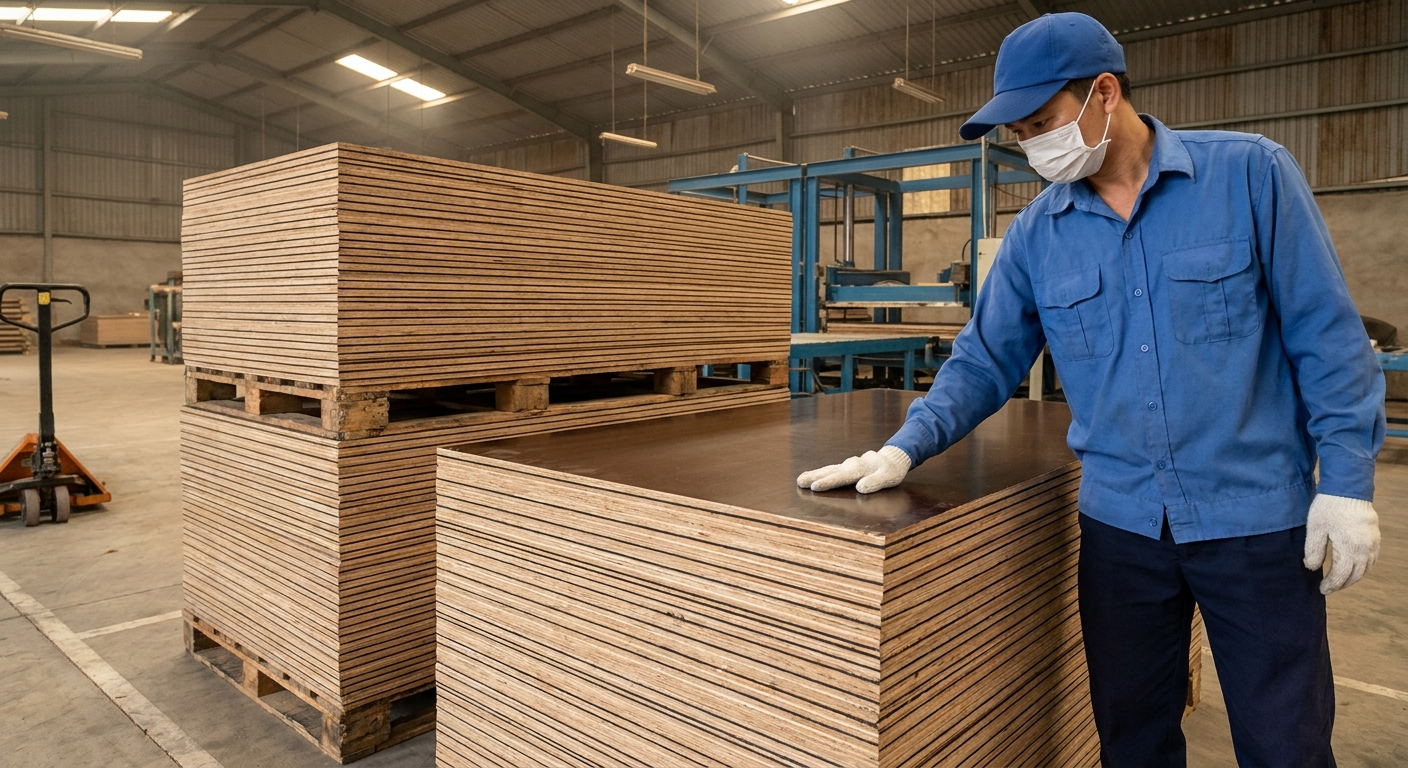
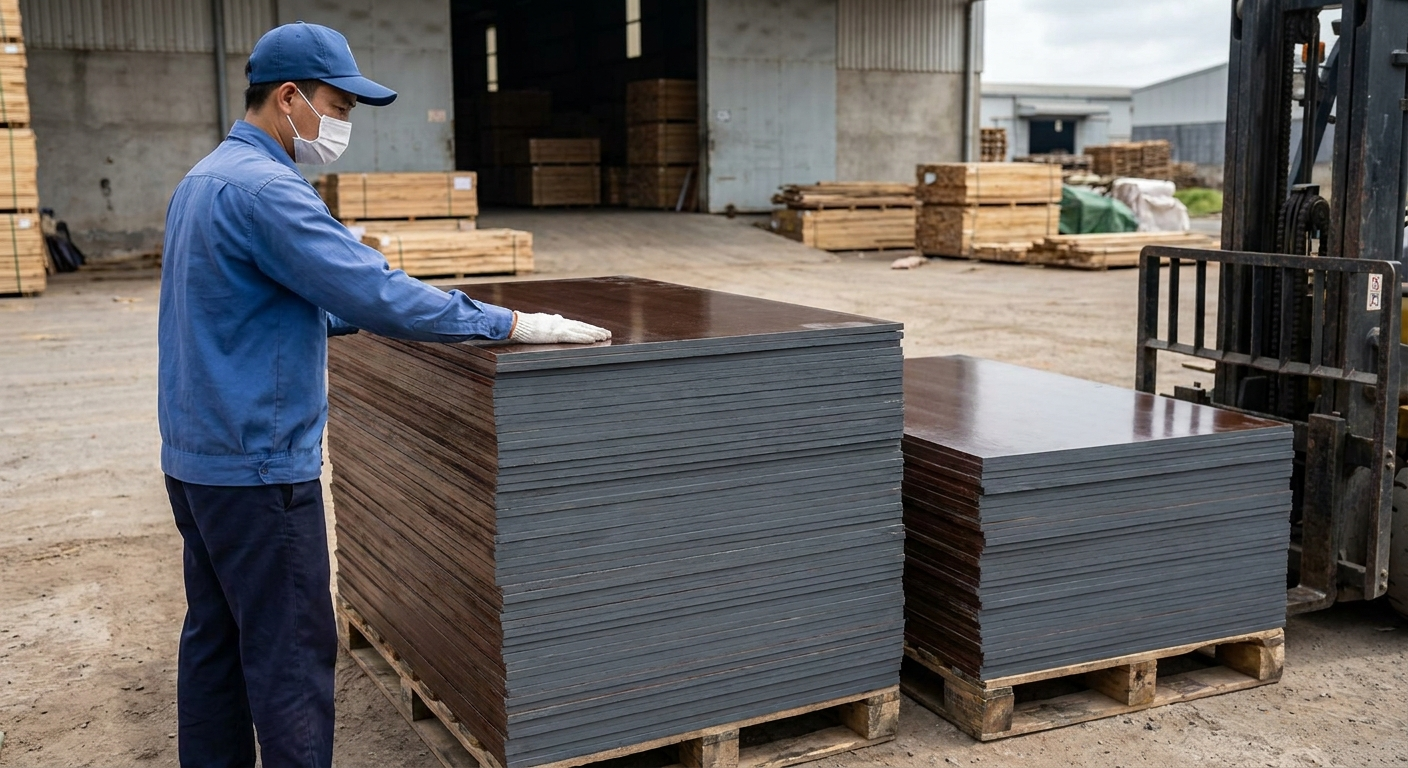
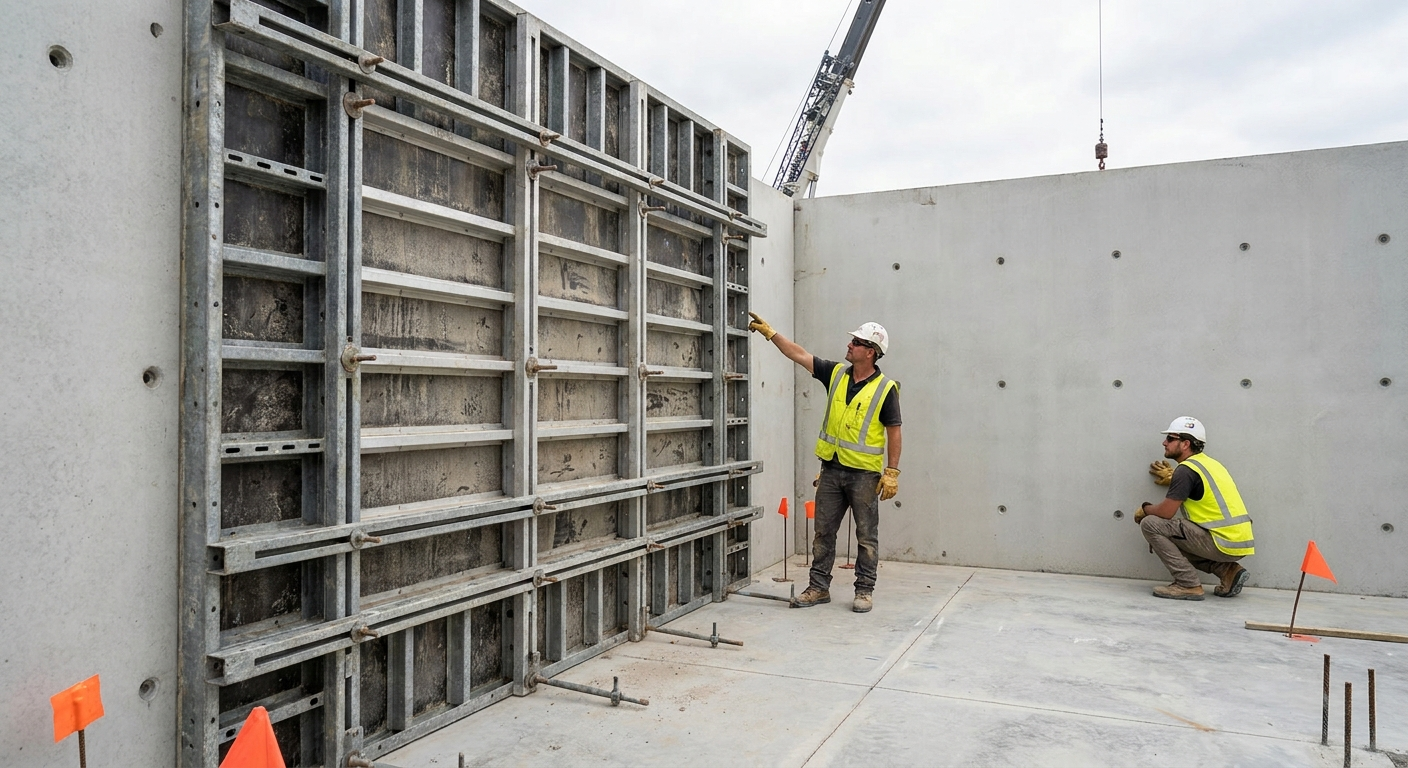
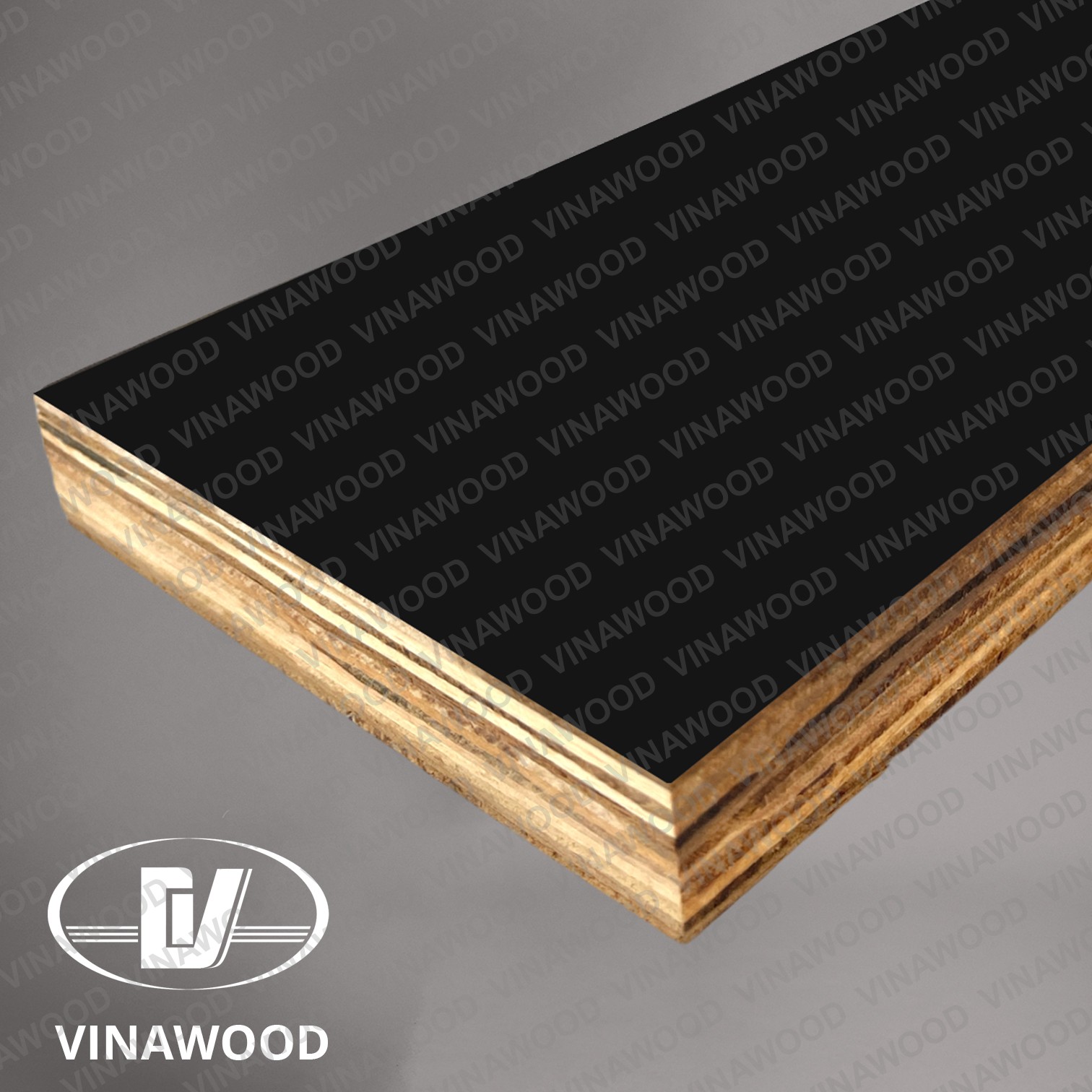
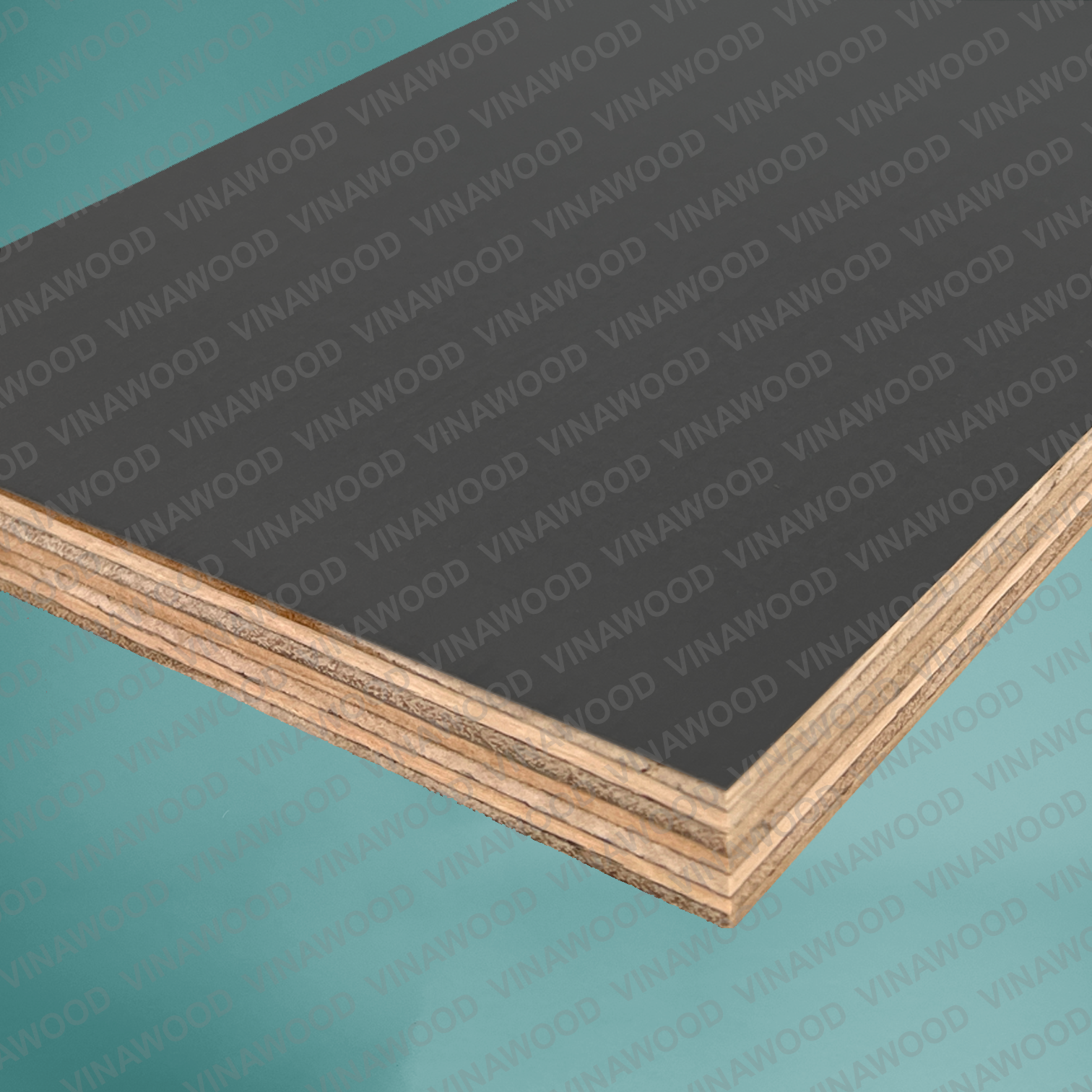
This is where the honest manufacturer framing matters. APA span ratings and formwork panel ratings are two separate systems, and a formwork panel is not a sheathing substitute. Concrete formwork and film-faced panels are rated by their EN 636 service class and by reuse-cycle expectations, not by an APA span number. A Pro Form or HDO formwork panel is engineered for the pressure and surface finish of a concrete pour, with a WBP phenolic bond at EN 636-3 / Class 3 and up to 20 reuse cycles, not for spanning roof rafters to a printed limit.
The two should never be swapped. A film-faced formwork panel does not carry an APA span rating, and using one as structural sheathing means working outside any rated system. Likewise, an APA-stamped sheathing panel is not built for the alkaline, high-moisture, repeated-pour environment of formwork. Match the panel to the rating system its job actually uses. For the broader properties that separate panel families, the properties of plywood guide covers the ground.
About Vinawood
Vinawood is a Vietnamese plywood manufacturer founded in 1992, exporting more than 5,000 containers a year to 55+ countries. To be clear about scope: Vinawood manufactures film-faced and formwork panels rated under the EN 636 system, not APA-span-rated structural sheathing. For permanent structural roof and floor sheathing in North America, APA-stamped panels from a domestic mill are the convention, and that is the honest recommendation for code-governed structural work. Vinawood's role in the North American market is factory-direct concrete formwork plywood — the film-faced plywood range, with HDO and Pro Form-class panels carrying a WBP phenolic bond at EN 636-3 / Class 3 and up to 20 reuse cycles. Certifications include EPA TSCA Title VI / CARB Phase 2, CE marking under EN 13986, FSC chain-of-custody, and ISO 9001. Technical data sheets are available at vinawoodltd.com.
Category
guides
Related Markets
Related Countries
Related Products
▶Sources & References (4)
- APA Trademark and Grade Stamp Guide — APA — The Engineered Wood Association (2024)
- Voluntary Product Standard PS 1-19 — Structural Plywood — APA / U.S. Department of Commerce (2019)
- Voluntary Product Standard PS 2-18 — Performance Standard for Wood Structural Panels — APA / U.S. Department of Commerce (2018)
- EN 636:2012+A1:2015 — Plywood. Specifications — European Committee for Standardization (CEN) (2015)