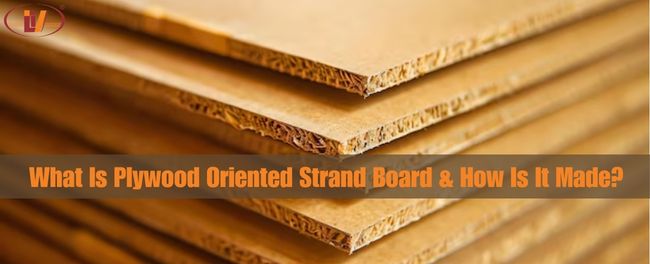
Blockboard: Structure, Benefits and Common Applications
Blockboard is a lightweight softwood-strip-core panel faced with veneer, used for interior furniture, doors and wide flat spans. This guide covers how it is made, how it compares with plywood and MDF, which glue grade to specify (MR vs BWP), and when plywood is the better call.
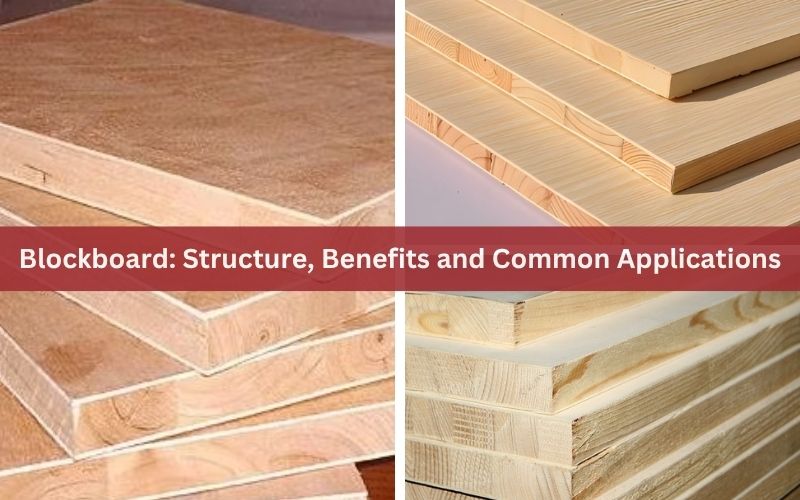
Blockboard runs 25 to 40 percent lighter than plywood at the same 18 mm (about 3/4 in) thickness. That single number drives almost everything else. The panel stays flat over a wide span. It holds a screw along its length. And it gives way fast once water reaches the core. This article covers what blockboard is, where it earns its keep, and the specs to confirm before you order.
What is blockboard
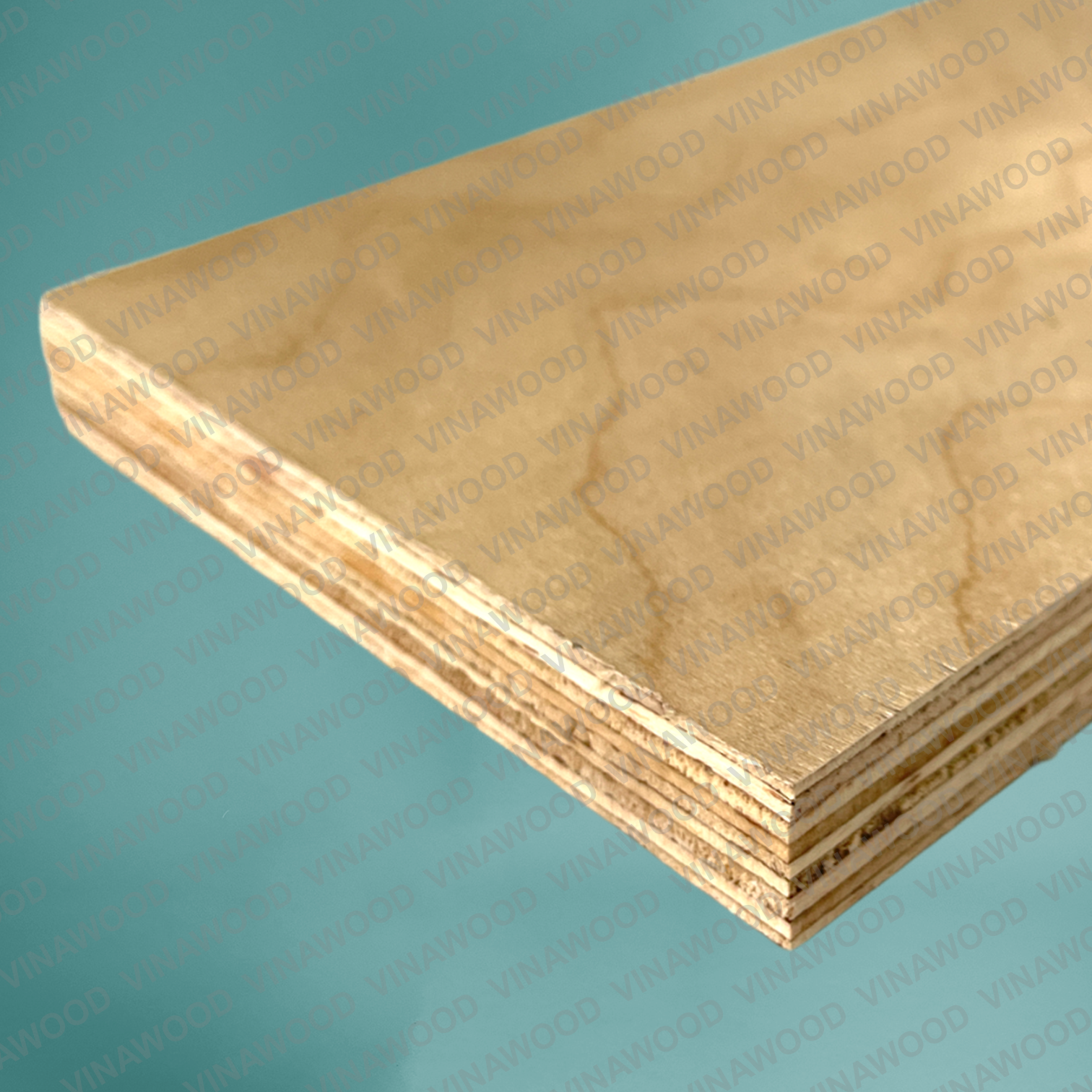
Blockboard is an engineered wood panel built around a core of softwood strips glued edge to edge, then faced on both sides with a wood veneer laid crosswise. The core strips run the length of the sheet. The face veneers run across them. That cross-grain sandwich is what keeps the panel from cupping the way a wide slab of solid timber would.
The word is a British, Indian and Southeast Asian one. A merchant in Manila, Manchester or Mumbai will say "blockboard". An American yard calls the same product lumber-core plywood. Buyers reach for it when they want a flat, wide, lightweight panel that still takes paint or laminate cleanly. Long cabinet sides. Wardrobe shutters. Flush interior doors. Those are the classic jobs.
How blockboard is made
Three layers do the work. Sawn softwood battens, usually 25 to 30 mm wide, get kiln-dried and glued side by side into a solid slab. That block is the core the panel is named after. A veneer is bonded to each face at 90 degrees to the strips, and the stack passes through a hot press that cures the glue lines into one rigid board.
Core species vary by region, and this matters more than most buyers expect. Pine is the traditional choice. Plenty of Asian mills use Hevea, the plantation-grown rubberwood species, because it presses flat and machines cleanly. So a sheet sold as blockboard in the Philippines can carry a completely different core from one sold in the UK. Face veneers are picked for finish rather than strength, since the core does the structural work and the face does the looking-good. Confirm the core species before you assume two "blockboard" panels are the same thing.
Blockboard vs plywood vs MDF
Three flat panels chase the same interior jobs. Line up the properties and the choice usually makes itself. Read the table as an orientation, not a verdict. For the full head-to-head on the two closest rivals, see our guide on plyboard vs plywood — "plyboard" is the British synonym for the same panel.
| Property | Blockboard | Plywood | MDF |
|---|---|---|---|
| Core structure | Softwood strips edge-glued, veneer faces | Odd number of cross-laminated veneers | Compressed wood fibres, no grain |
| Relative weight | Light | Medium to heavy | Heavy |
| Bending strength | Good over wide spans, lower under point load | High across the board | Low |
| Edge screw-holding | Strong along the strip axis | Consistent on every edge | Weak, splits without a pilot hole |
| Moisture behaviour | Poor unless a moisture-resistant grade | Grade-dependent; marine grades hold up | Poor, swells readily |
| Typical interior use | Doors, shelves, wide cabinet panels | Structural and general joinery | Painted flat surfaces, routed profiles |
What blockboard is used for
The panel's job is to span flat without carrying plywood's weight. A few applications account for most of what our Asian and UK customers order it for.
Furniture and cabinetry
Shelves, wardrobe sides, table tops, desk carcasses. Long-span flatness is why a joinery shop pays for blockboard over solid timber, and the lighter sheet is easier to lift onto a bench and install. Screw-holding along the strip axis is decent too, which helps with knock-down furniture that gets built, moved and rebuilt.
Flush doors and partitions
Interior doors and partition walls use blockboard because it holds shape across height and width without sagging. A door skinned over a blockboard frame stays true where a solid slab would move with the seasons.
Wall panelling and ceilings
The veneer face takes paint, laminate or a wood-veneer overlay without fuss, so decorative cladding and ceiling panels borrow the same flatness that suits cabinet doors. None of it survives once moisture gets in. That is the trade-off the next two sections deal with.
Grades: MR, BWP and decorative
Blockboard sells by glue grade, and the grade decides where a panel can go. Indian and Southeast Asian mills work to IS 1659, which recognises two bond grades.
MR grade uses a moisture-resistant urea-formaldehyde glue. It shrugs off humidity and the odd wipe-down, and it is the standard board for dry interior rooms. BWP grade, short for boiling water proof, uses a phenolic glue line that passes a boiling-water bond test. That is why damp-prone kitchen and utility joinery specifies it. Note what BWP describes: the glue line, not the whole panel. The softwood core still wants sealing, and it still is not an exterior product.
You will also see blockboard sold plain, which you sand and finish yourself, or decorative, which arrives pre-veneered or laminate-faced. For the full grade vocabulary across engineered panels, our overview of the types of plywood and their grades lays it out.
Is blockboard water-resistant?
It comes down to the glue line, not the wood. Standard MR-grade blockboard uses a moisture-resistant urea-formaldehyde glue that copes with humidity and little else. A BWP grade steps up to a phenolic WBP-class glue that survives damp conditions and the boiling-water test, which buys real time in a kitchen or utility room.
Neither grade is built for standing water or the outdoors. The softwood core pulls moisture through any unsealed edge, swells, and lifts the veneer face off the panel. For a real wet room, a bathroom, or an exterior job, reach for marine plywood instead. Its whole construction is designed around a WBP glue line and a void-free core, not a strip core that has to be sealed against water.
What to check before you specify blockboard
Core strip spacing — and what is normal
Small gaps between core strips are a normal feature of strip-core construction, not a fault. Every mill works to a spacing tolerance, and the international grading frameworks say what is acceptable. EN 635 classifies plywood by surface appearance. ANSI/HPVA HP-1 covers hardwood and decorative panels. A tight, evenly spaced core is what you want, and a reputable spec sheet states the tolerance the panel is built to.
Wider or uneven spacing may be worth checking against the stated grade, especially if a fastener has to land on a particular line. Rather than judge two panels by the same product name, ask for the spec sheet.
Ask for the specification, not the label
Two sheets both stamped "blockboard" can behave very differently. Strip species, glue class, press schedule and veneer thickness all move the outcome. That is not a reason to distrust the category. It is a reason to buy on specification. Ask for the glue grade, the core species, the face-veneer thickness and the standard the panel is built to. A certified manufacturer keeps all four on a data sheet.
Surface and edges
Face veneer on blockboard is thin, often 0.6 to 1 mm, so it chips under rough handling and usually wants sanding plus a sealer coat before service. Cross-cuts through the strip core can splinter where the strip ends meet the veneer. That is why edge banding or a solid-timber lip is standard on any edge that shows.
Sheet sizes and thicknesses
The size nearly every market buys is 2440 × 1220 mm (8 × 4 ft). Thickness runs 12, 15, 18 and 25 mm. 18 mm is the default for shelving and door cores. Thinner 12 and 15 mm sheets suit cabinet backs and light partitions, and 25 mm goes into work surfaces and heavier tops. Confirm actual thickness against the nominal figure, because face-veneer thickness and sanding can shift it a fraction either way.
When plywood is the better specification
Blockboard wins on one thing: a light, flat, wide panel for interior joinery that stays put. The moment a job involves real load, moisture, or a structural role, plywood is the better call. Worth saying that plainly rather than selling past it.
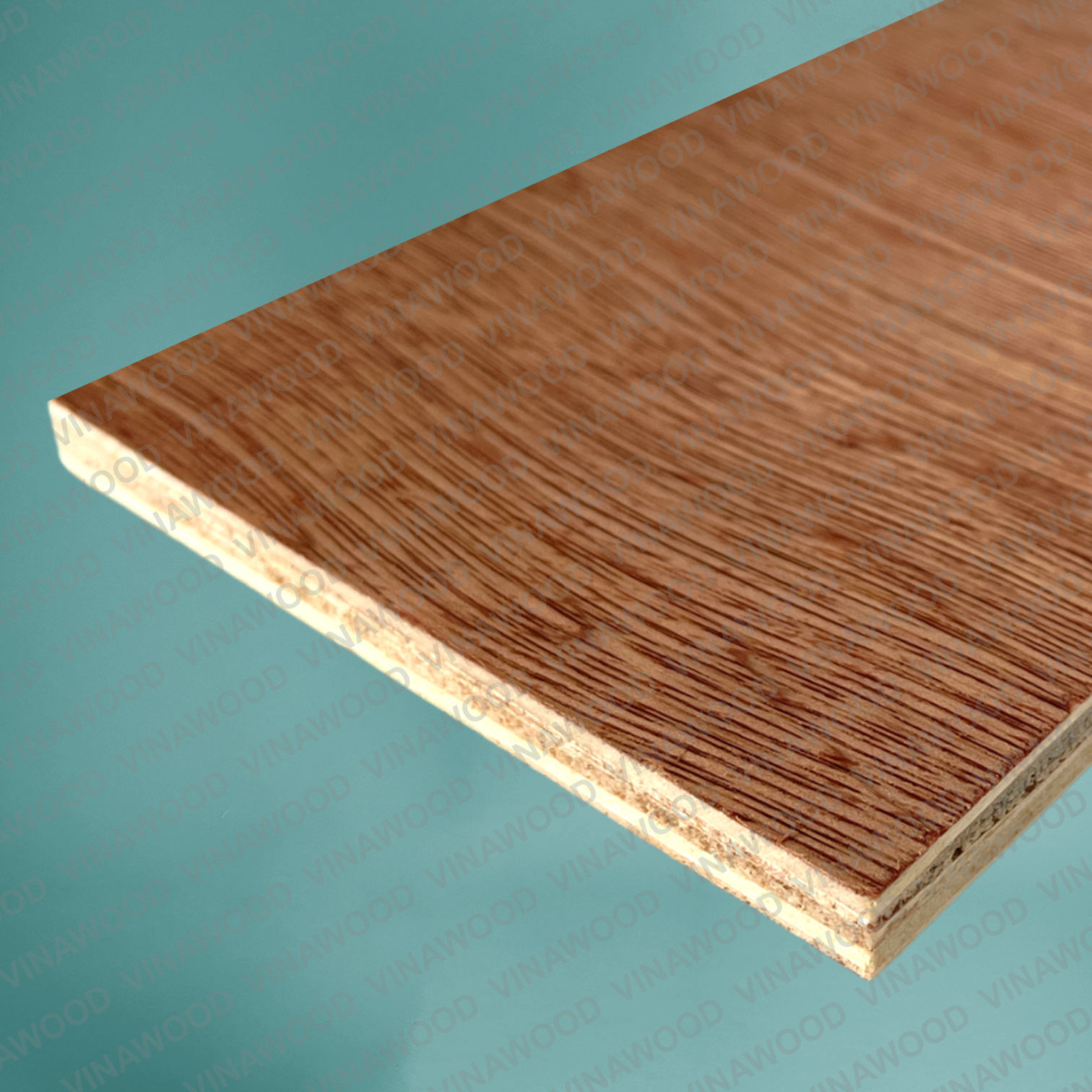
In our own export mix, the buyers who ask us about blockboard tend to be furniture, door and joinery makers, the same shops that come back for load-bearing panels once a project moves outdoors or under weight. Vinawood does not manufacture blockboard. What we make for that buyer is commercial plywood, including our Consply commercial Bintangor range: a cross-laminated hardwood panel that carries real load and holds screws on every edge. In a WBP grade it also stays serviceable where damp would ruin a strip core. When the spec calls for structure or moisture tolerance instead of lightweight flatness, that is the panel to price.
Buying blockboard: what to ask a supplier
Five questions separate a panel that performs from one that disappoints. Ask them before the order, not after the delivery lands.
- Glue grade. MR for dry interior, BWP for damp interior. Get it in writing.
- Core species. Pine, Hevea or a mix. It changes density, screw-hold and price.
- Core construction. Strip width and the spacing tolerance the panel is built to.
- Face-veneer thickness. 0.6 to 1 mm is typical; a thicker face takes more finishing abuse.
- Certification. The standard the panel meets and the test paperwork behind it.
About Vinawood
Vinawood is a Vietnamese plywood manufacturer established in 1992, shipping over 5,000 containers a year to 55+ countries. We do not make blockboard. Our range covers commercial, structural, marine and formwork plywood built for load, moisture and long service.
Every sheet moves through a 12-step production process with 100% individual sheet inspection, backed by ISO 9001, FSC-COC and PEFC chain-of-custody certification, CE marking to EN 13986, and CARB P2 / EPA TSCA Title VI compliance for North America. Weighing blockboard against a plywood panel for furniture, joinery, or a project that has to hold up outdoors? Contact our sales office and we will point you to the right specification.
Related Markets
Related Countries
Related Products
▶Sources & References (3)
- EN 635 — Plywood: classification by surface appearance — CEN (European Committee for Standardization) (1995)
- EN 636 — Plywood: specifications — CEN (European Committee for Standardization) (2012)
- ANSI/HPVA HP-1 — American National Standard for Hardwood and Decorative Plywood — Decorative Hardwoods Association (HPVA) (2020)