How to flatten warped plywood: A step-by-step
How to flatten warped plywood, step by step: read the warp type, moisten the concave face, sandwich with towels, press flat on a level surface for 24–48 hours, and add gentle heat if needed. Plus the honest limits (creased or delaminated sheets won't recover) and how to prevent recurrence through…
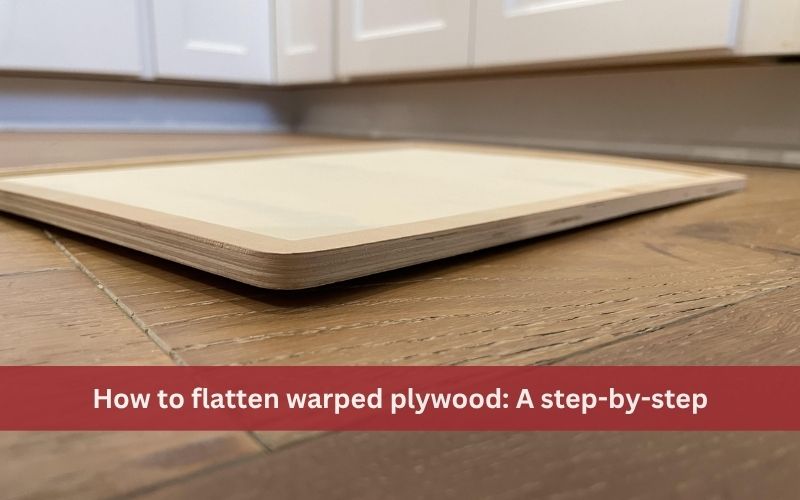
Mild cupping and bowing in plywood are often recoverable. A sheet that has picked up moisture on one face and curled can frequently be coaxed back flat with moisture, pressure, and time. Set expectations first, though: a sheet that is creased, cracked at a face veneer, or delaminated has passed the point where flattening helps, and the honest move is to replace it. This guide covers the working method for the recoverable cases, when to stop, and how to keep it from happening again.
One thing worth saying up front, from a panel manufacturer's seat: warping is a post-factory phenomenon. It comes from storage, handling, and uneven moisture after the sheet leaves the mill, not from how the panel was made. Thinner panels flex more than thick ones by simple physics, not because of a defect. Framing the fix this way also points at the cause, which is what stops the warp coming back.
What causes plywood to warp
Warping is almost always a moisture story, and the trigger is imbalance rather than moisture as such. When one face or edge takes on water faster than the rest of the sheet, that side swells while the other stays put, and the panel cups, bows, or twists. The usual culprits, all after the factory:
- Moisture imbalance. One face damp, the other dry — from a wet floor, a leak, or humid air on one side only.
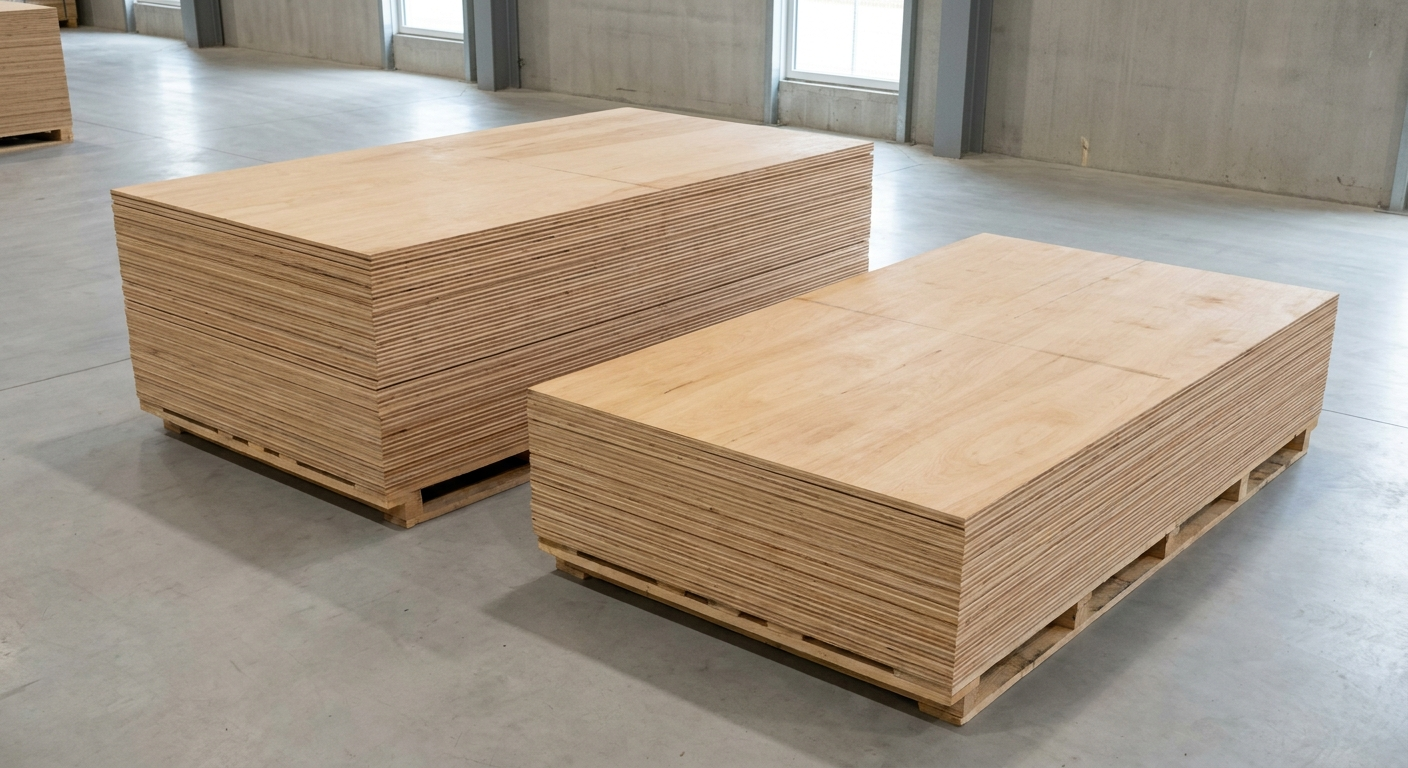
- Improper storage. Sheets leaned at an angle, stored on bare concrete, or left unsupported in the middle set a bow under their own weight.
- One-sided sun or heat. Direct sun on one face dries and shrinks it, pulling the panel toward the heat.
- Unsealed edges. Cut edges expose end grain and glue lines that drink moisture far faster than a face, so the panel moves from the edge in.
Read the cause before you fix the sheet, because the same condition that warped it will warp it again once it is flat.
Step 1: Assess the warp
Lay the sheet on a flat surface and look along its edges and face. Identify the warp type: cupping (edges curl up or down across the width), bowing (an arch along the length), twisting (opposite corners lift), or crowning (a hump in the centre). Then find the concave side, the inward curve, and the convex side, the outward curve. The concave side is the one that needs moisture; the convex side faces down during flattening. Naming the warp correctly is what makes the rest of the method work.
Step 2: Moisten the concave side
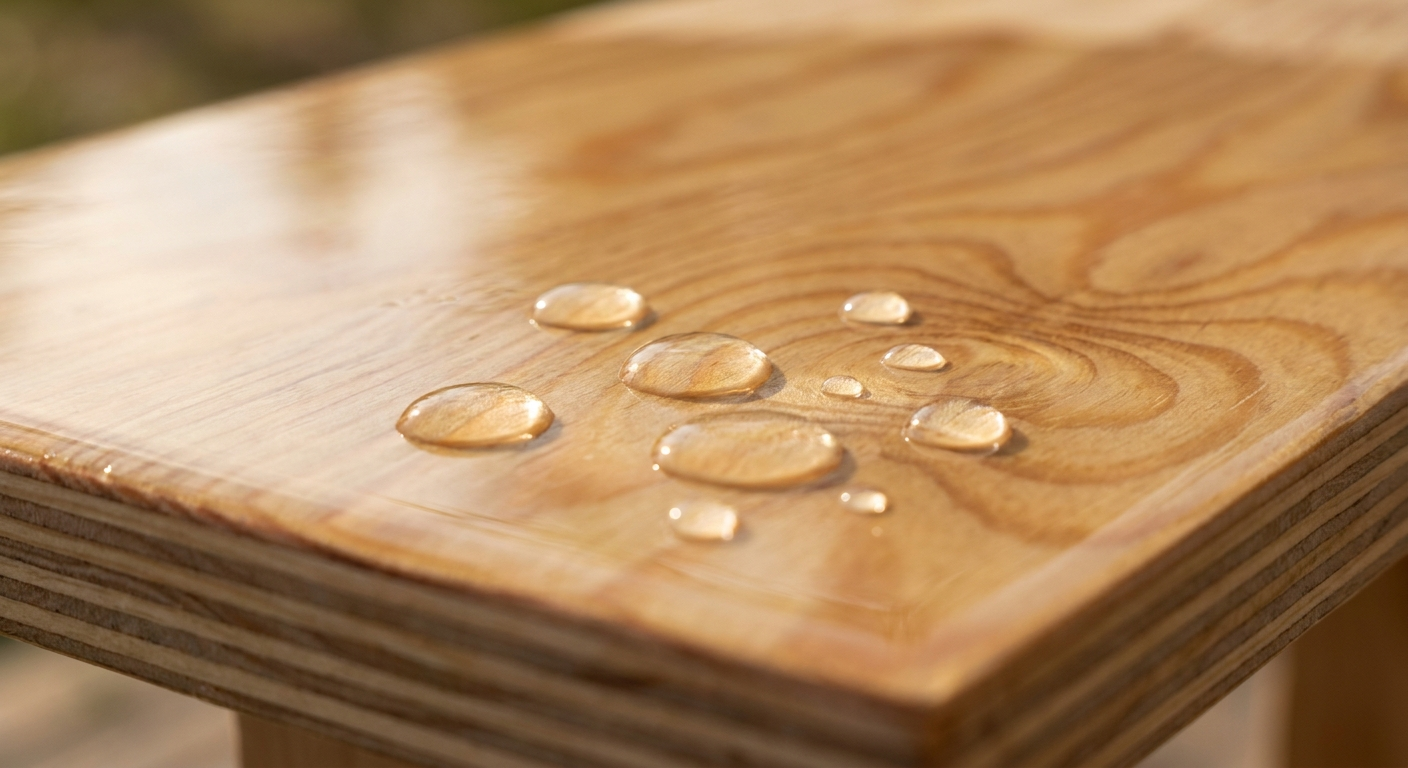
Add controlled moisture to the concave (inward) face only. Lightly mist it with clean water from a spray bottle, just enough to dampen evenly, not soak. A damp towel laid on the concave face gives even more control. Keep water off the convex side, which would only deepen the warp. The moisture lets the compressed fibres on that face relax and expand, making the sheet flexible enough to move in the next steps.
Step 3: Sandwich with towels
Lay a clean damp towel over the concave face to hold and spread the moisture, and a dry towel on the convex face to absorb excess and cushion the sheet against the weights. Cover the whole panel so moisture and pressure stay even; a dry patch or a wet patch becomes a new distortion. This sandwich keeps humidity consistent while you press.
Step 4: Press flat on a level surface
Set the sandwiched sheet on a flat, solid surface such as a workbench or floor. Stack heavy, evenly distributed weight across the whole panel — books, bricks, or a full sheet of ply on top. If you use clamps, put the panel between two flat boards and tighten along the edges and centre. Keep the pressure firm but balanced; uneven pressure just trades one bend for another. The aim is to hold the sheet flat while the relaxed fibres reset.
Step 5: Leave it 24–48 hours
Leave the weighted or clamped sheet undisturbed for 24 to 48 hours. Check every 12 to 24 hours by easing off the weight and looking along the panel. If the warp persists, mist the concave side again lightly and repeat. Wood reshapes slowly; rushing this step gives uneven results or a sheet that springs back.
Step 6: Gentle heat (optional)
For a stubborn warp, add gentle heat to help the fibres relax. Lay a damp towel on the concave side and pass a warm iron slowly over it, or use a heat gun on low, keeping it moving so no spot scorches. After heating, reapply the weight and let the panel cool while pressed flat. Heat is an accelerant, not a substitute for even pressure and time.
When it won't flatten
Some sheets are past saving, and it is cheaper to know when to stop. A creased panel, a face veneer that has cracked, or a sheet where the plies have delaminated will not return to flat and true, and forcing it wastes time you could spend on a fresh sheet. Severe twists rarely come fully out either. If two full cycles of moisten-press-wait have not brought a sheet close to flat, treat it as replacement stock. This is not a panel-quality verdict — a sheet this far gone usually records a storage or moisture problem — it is just the limit of what remoistening can undo.
Prevent it happening again
Flattening treats the symptom; storage treats the cause. Store sheets flat on a full-support pallet raised off the floor, keep humidity even, keep sun and damp off one face, and acclimate stock before use. Our companion guide to how to store plywood covers the prevention side in full. Sealing cut edges is part of it too: an unsealed edge is the fastest moisture path into the core, and edge and surface sealing options are covered in plywood waterproof coating and sealing.
Choosing panels that resist warping
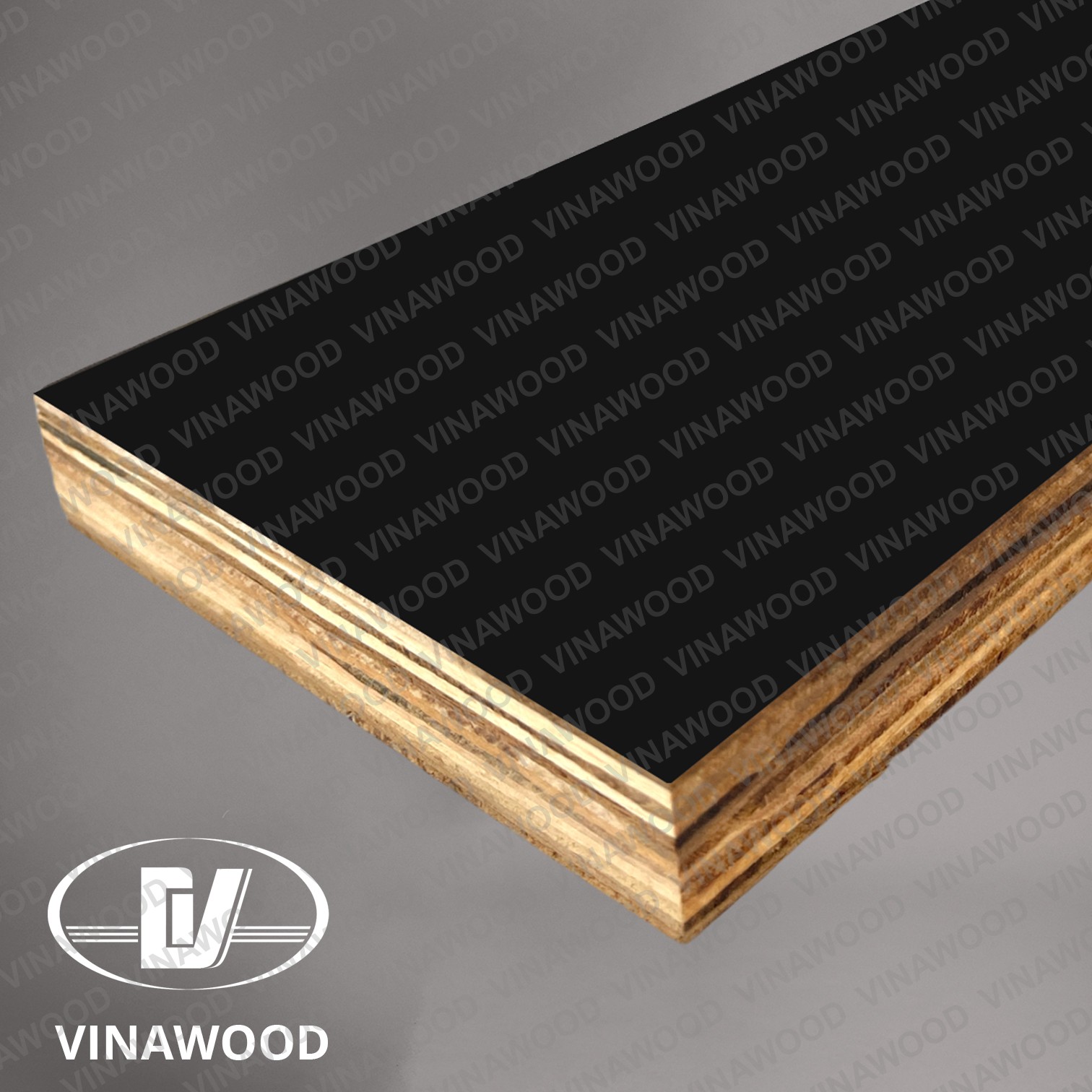
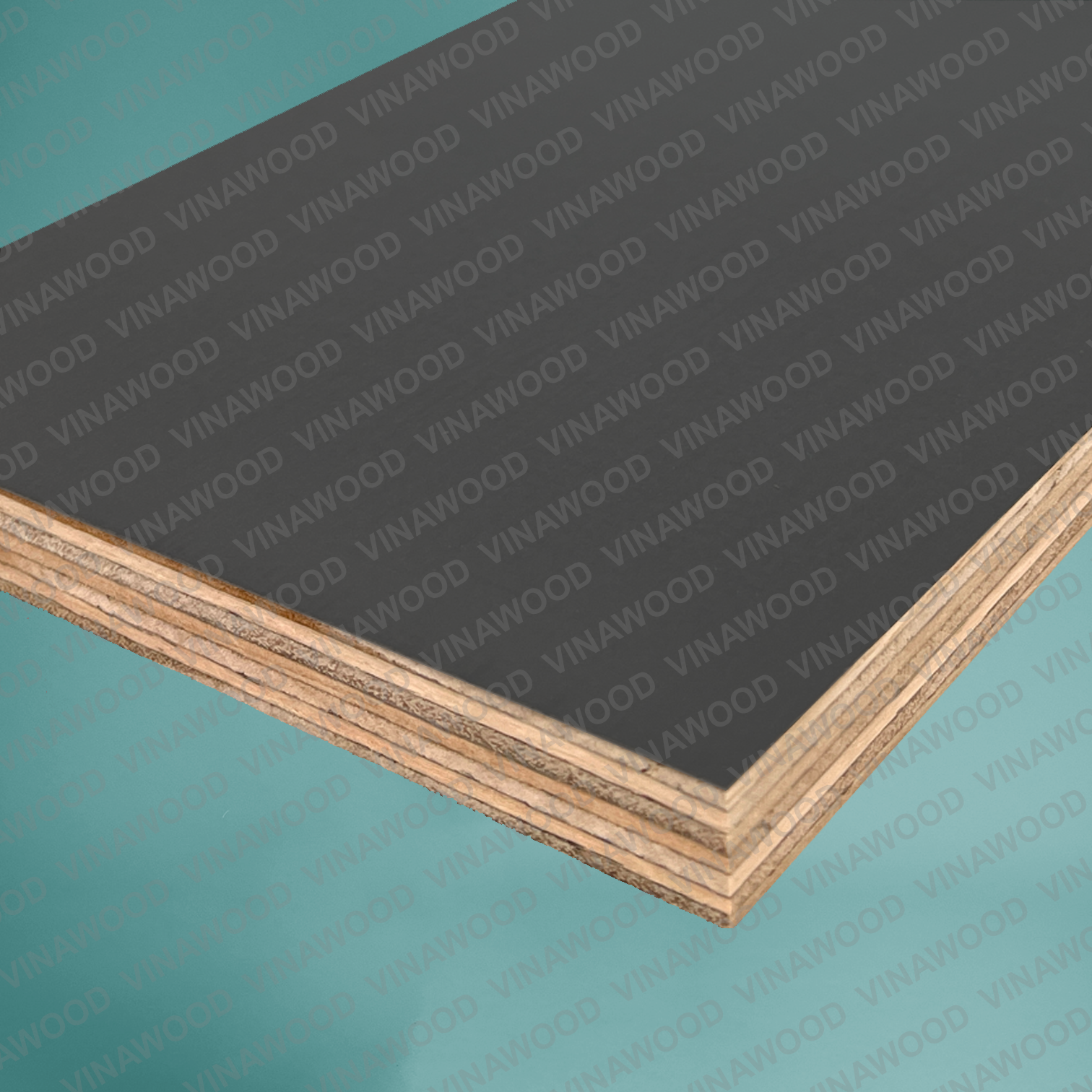
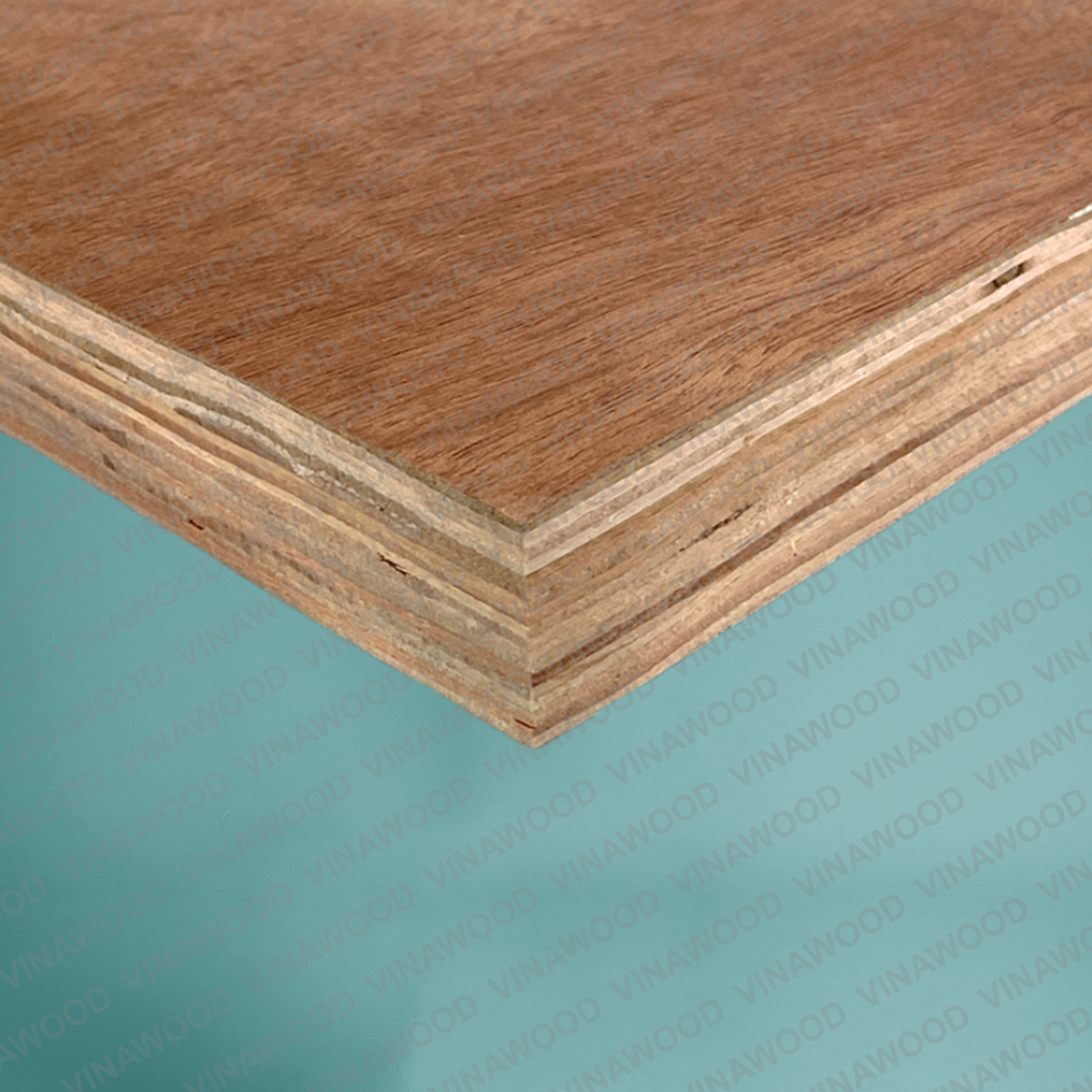
Some panels move less than others because dimensional stability is built into the board. Balanced, odd-ply cross-laminated construction with a weather-durable WBP bond resists the differential swelling that cups a sheet, and a sealed face and edges keep moisture out from the start. For North American buyers who need that stability from the panel rather than from aftercare, the HDO plywood range and the marine plywood collection both use WBP phenolic adhesive and hold their shape in wet and variable conditions far better than an interior sheet. No panel is immune to a bad storage regime, but a stable, sealed panel gives you a head start.
About Vinawood
Vinawood manufactures plywood with dimensional stability built in: a 12-step process, balanced cross-laminated construction, controlled core moisture, factory edge-sealing, and 100% individual-sheet inspection. Founded in 1992, Vinawood exports more than 5,000 containers a year to 55+ countries. Where flattening a warped sheet is a repair, specifying a stable, sealed panel from the start is the fix — the marine and HDO ranges use WBP phenolic bonds and are water-resistant by construction (not waterproof). Certifications include EPA TSCA Title VI / CARB Phase 2, CE under EN 13986, FSC chain-of-custody, and ISO 9001, with documentation on every shipment. To match a panel to your conditions: vinawoodltd.com.
Category
how-to
Related Markets
Related Countries
Related Products
▶Sources & References (2)
- Wood Handbook — Wood as an Engineering Material (moisture, shrinkage and warp) — USDA Forest Products Laboratory (2021)
- APA — Storage and Handling of Panel Products — APA — The Engineered Wood Association (2023)