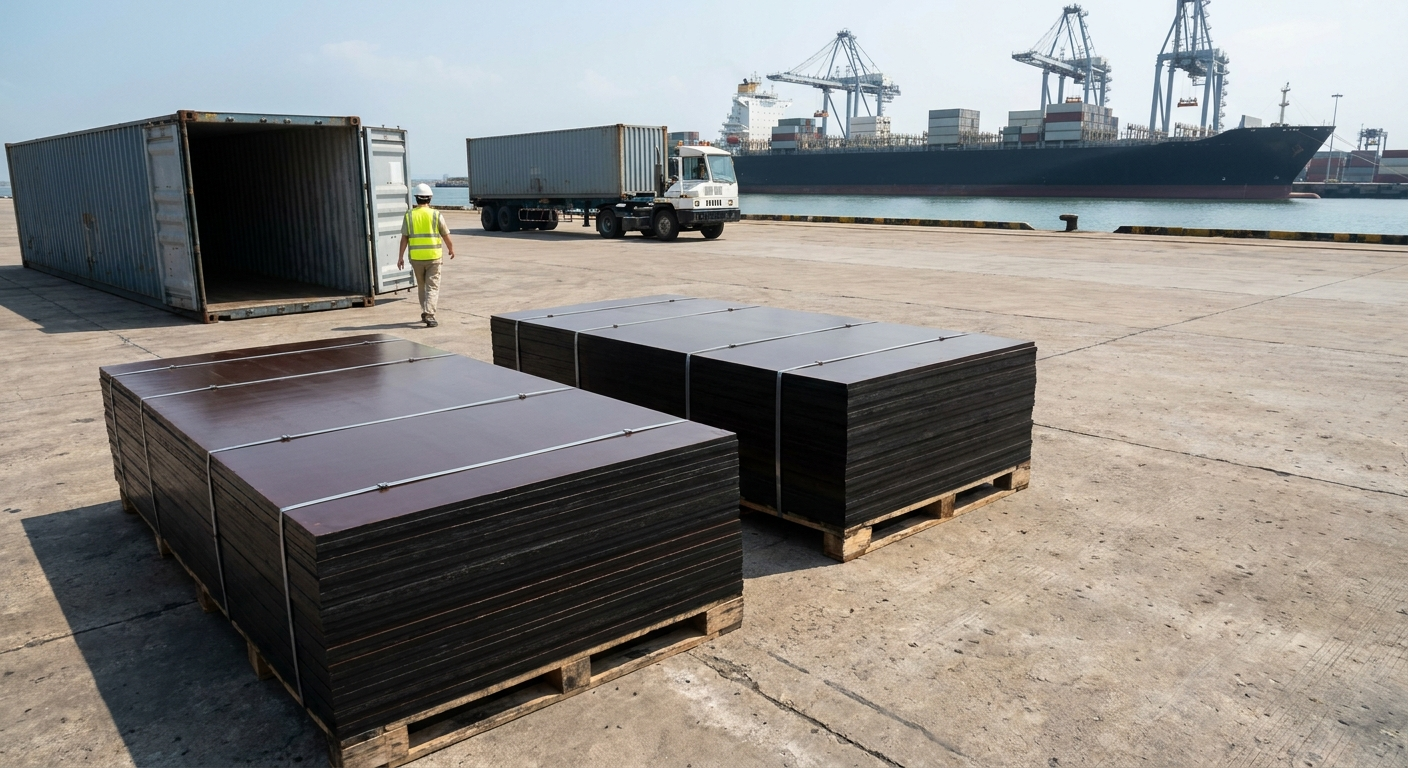
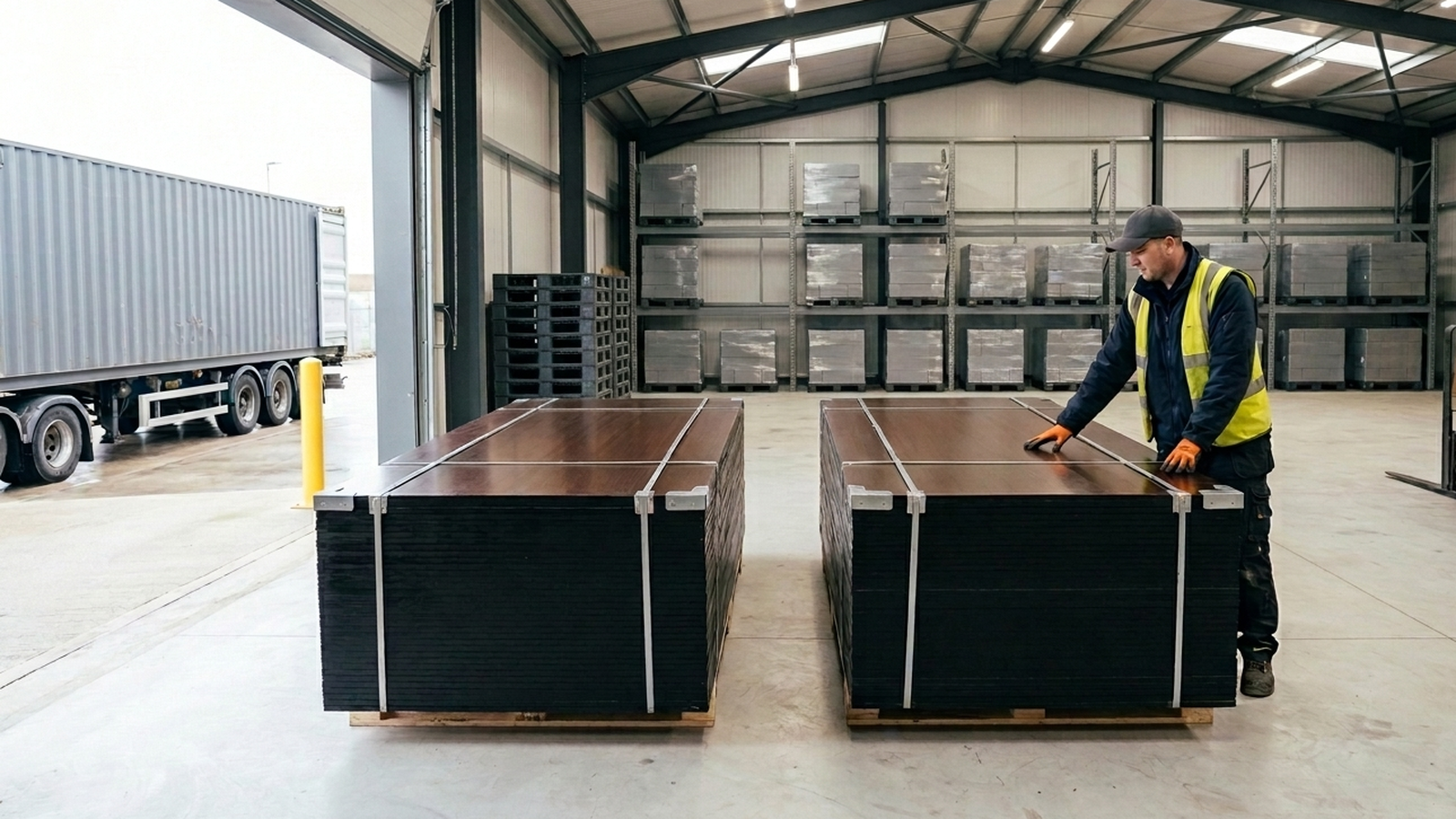
Importing Vietnam Plywood to the EU: Complete Guide
Everything EU importers need to know about buying plywood from Vietnam — covering EUDR compliance, CE requirements, customs duties, and practical logistics.
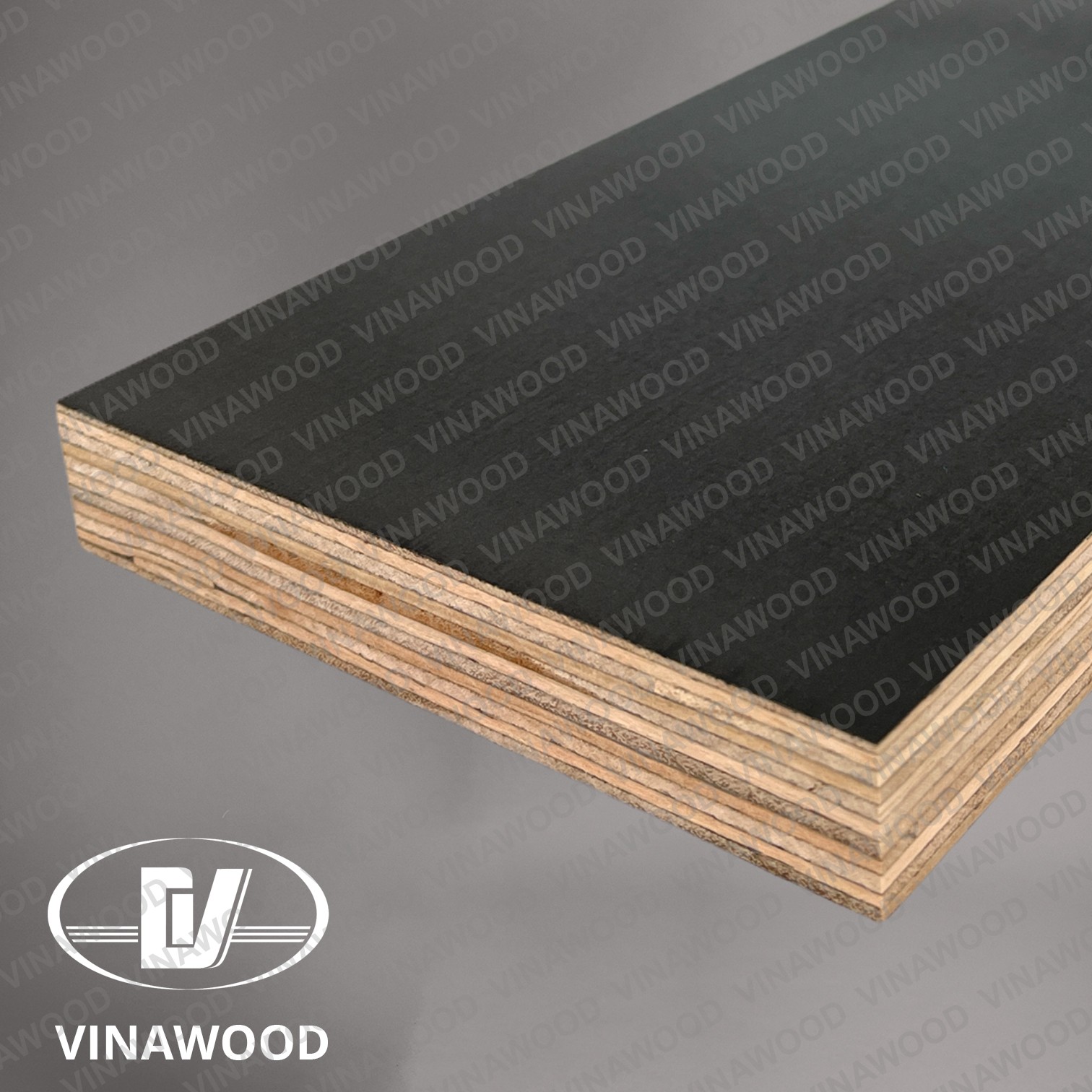
EU buyers who call us about Vietnam plywood usually want three answers in the first call: will EVFTA cut the duty, can the mill support an EUDR file, and how long does Cat Lai to Rotterdam take when the booking is clean. The short version is yes on preferential duty when origin paperwork is real, yes on EUDR when plot geolocation rides with the pack, and about 25–30 days on a normal North Europe string. None of that is automatic.
This page is the route map we hand first-time EU importers. Confirm duty, CE, and EUDR with your broker and counsel before you tattoo any number onto a purchase order.
What EVFTA actually buys you
Since August 2020 the EU-Vietnam Free Trade Agreement has been phasing plywood (HS 4412) down from the ordinary 7–10% MFN rate. Preferential rates only land with a EUR.1 movement certificate or a qualifying exporter origin declaration. Rules of origin want real processing in Vietnam. A change of bill of lading through Cat Lai does not count.
- HS 4412 duties step down from the MFN band when origin is proven
- EUR.1 or a valid origin declaration has to travel with the goods
- Transshipment without sufficient Vietnamese processing fails the claim
The four regulatory gates
1. EUDR
The EU operator who first places the plywood on the market files the due-diligence statement in TRACES. The mill does not. What the mill does is assemble geolocation, species, quantity, and legality evidence so that filing is not a guess. Vietnam plantation cores help. Missing plot coordinates still stop the box. Full mechanics sit in our EUDR compliance guide.
2. CE marking
Structural plywood for EU construction needs CE marking under EN 13986 — Declaration of Performance plus Factory Production Control. Furniture and packaging packs that are not structural usually skip CE. Do not assume a site pour sheet is "non-structural" just because someone said so on WhatsApp.
3. Formaldehyde
EN 13986 still sets E1 at ≤ 0.124 mg/m³, with E0.5 as the tighter class. Regulation (EU) 2023/1464 is squeezing the ceiling further. Mills already pressing CARB P2 / EPA TSCA Title VI for US buyers often clear EU emission limits too. Ask for the chamber report on the grade in the PO, not a generic mill flyer.
4. REACH
Standard phenolic or melamine-bonded plywood rarely trips REACH. Biocides, flame retardants, and other add-ons can. If the mill treats the panel, get the substance list before deposit.
Customs duties and classification
| HS Code | Description | MFN Duty | EVFTA Rate |
|---|---|---|---|
| 4412.31 | Plywood with tropical hardwood face | 7% | Preferential |
| 4412.33 | Other plywood, face ply ≤ 6mm | 7-10% | Preferential |
| 4412.34 | Other plywood, face ply > 6mm | 7-10% | Preferential |
| 4412.39 | Other plywood | 7% | Preferential |
That "tropical hardwood face" line is tariff nomenclature, not a Vinawood product claim. Wrong HS face language and a missing EUR.1 are the two fastest ways to lose preferential duty at the pier.
Routes and order timing
Cat Lai (HCMC) to Rotterdam, Hamburg, or Antwerp usually sits near 25–30 days. Hai Phong into Genoa, Barcelona, or Piraeus is often 22–28. Blank sailings move both windows.
- Quote and samples: 1–2 weeks
- Confirmation and deposit: about a week
- Press cycle: 15–30 days
- Pre-shipment inspection if you want it: 2–3 days
- Ocean: 25–30 days
- EU clearance: 2–5 days
Budget 8–12 weeks door-to-door when EUDR and EUR.1 files are ready before sailing. I have watched containers sit because geolocation arrived after the vessel left.
EN specs EU buyers actually write
European buyers write EN language, not APA grades:
- EN 314-1/2 — bond class
- EN 636 — dry / humid / exterior (636-1 / 636-2 / 636-3)
- EN 315 — dimensional tolerances
- EN 12369 — characteristic strength
Ask for reports on the grade in the PO. "Export quality" without an EN number is not an EU conversation.
Practical tips
- Trial one container before you scale
- Put SGS, Bureau Veritas, or equivalent on pre-shipment QC
- Raise EUDR geolocation at quotation, not at the dock
- Ship EUR.1 whenever preferential duty is available
- Order early for Q2–Q3 European pour season
Stress the numbers on the Landed Cost Calculator. Check sheet counts on the Container Loading Calculator before a retailer hears a number you cannot stow.
Frequently Asked Questions
Do I need CE marking on every EU plywood shipment?
No. CE under EN 13986 applies to structural construction panels. Non-structural furniture and packaging packs usually skip it. Write the intended use on the PO so nobody argues at clearance.
How do I claim EVFTA preferential duty?
Valid EUR.1 or a qualifying exporter origin declaration, plus real Vietnamese processing under the rules of origin. Without that stack, customs assesses full MFN even when the mill is in Vietnam.
Category
market-insights