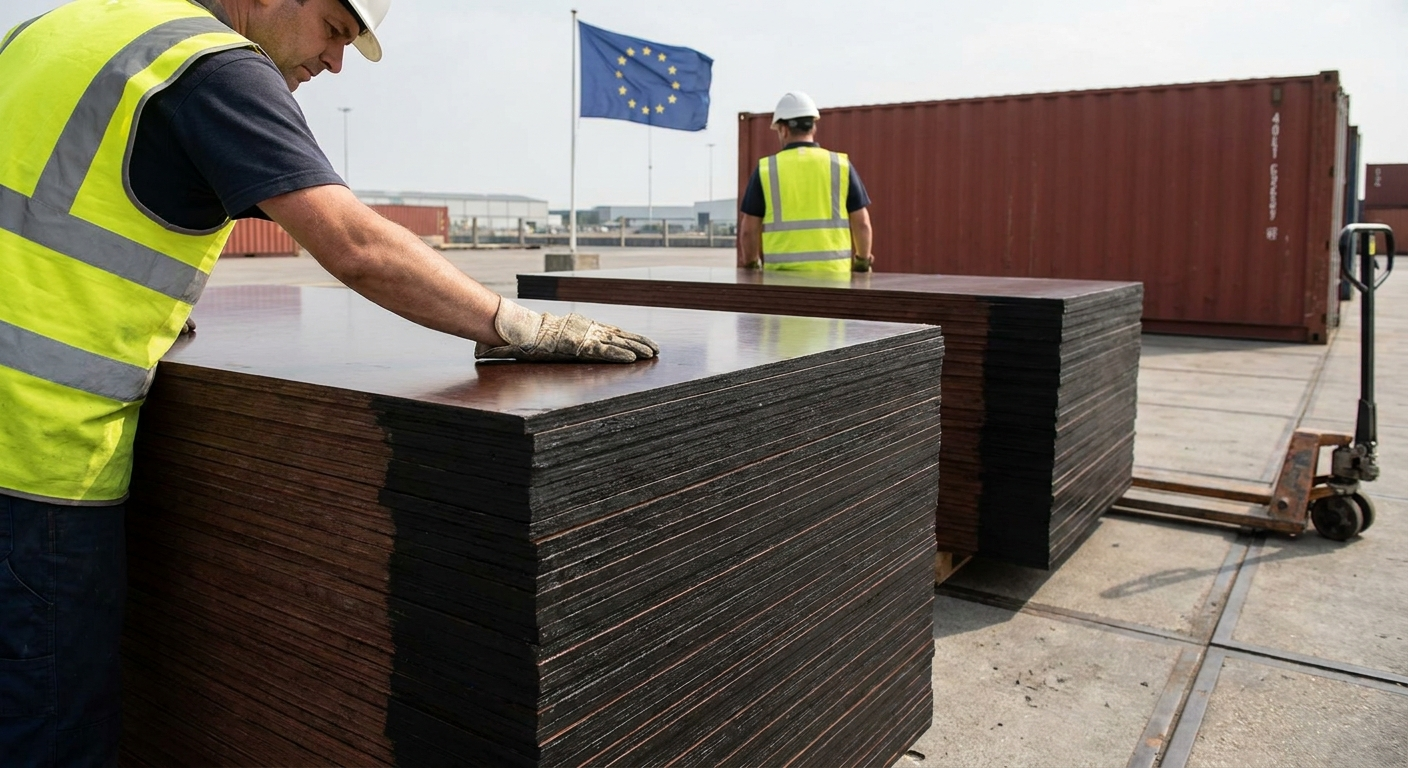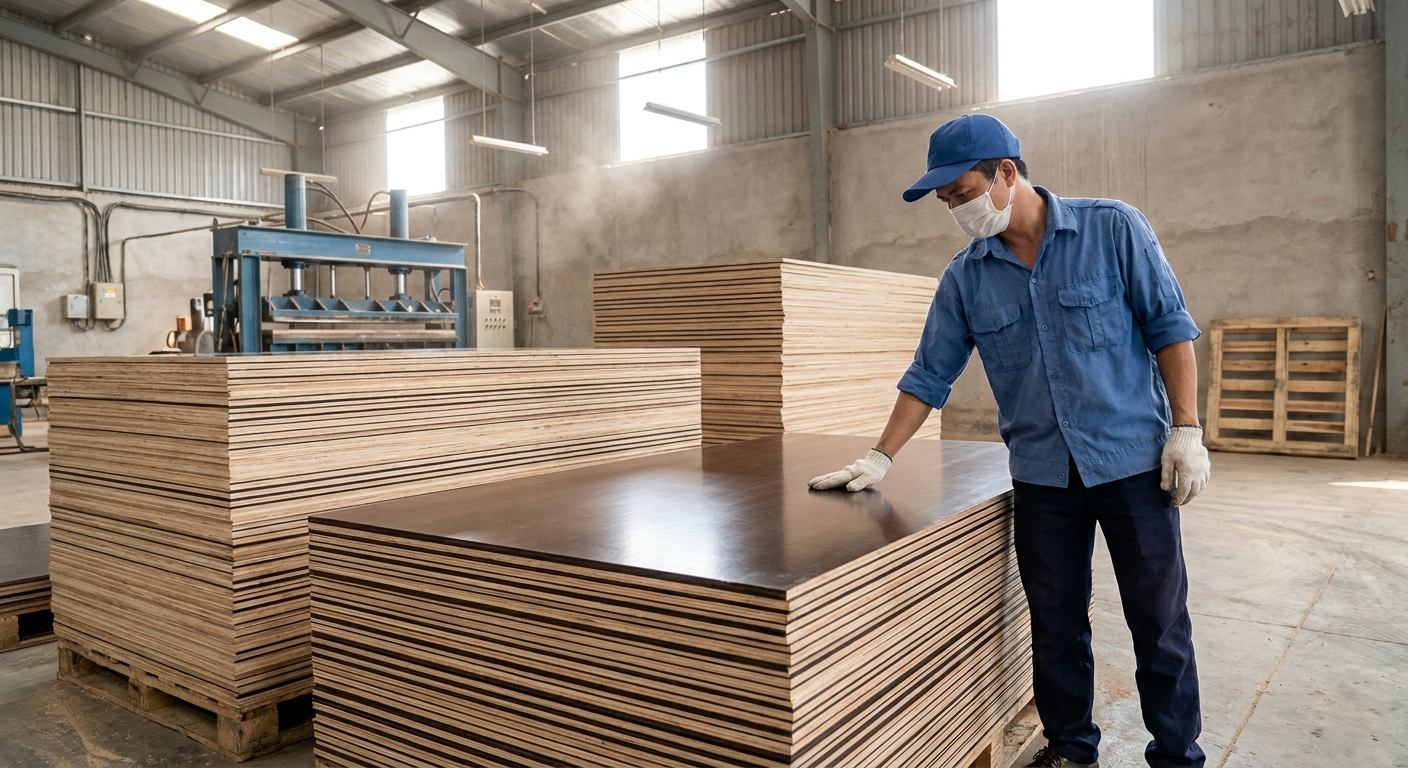
Plywood Moisture Content Guide: Testing, Standards, and Shipping Risks
A technical guide to plywood moisture content — covering acceptable ranges, testing methods, quality impact, and strategies for preventing moisture damage in transit.
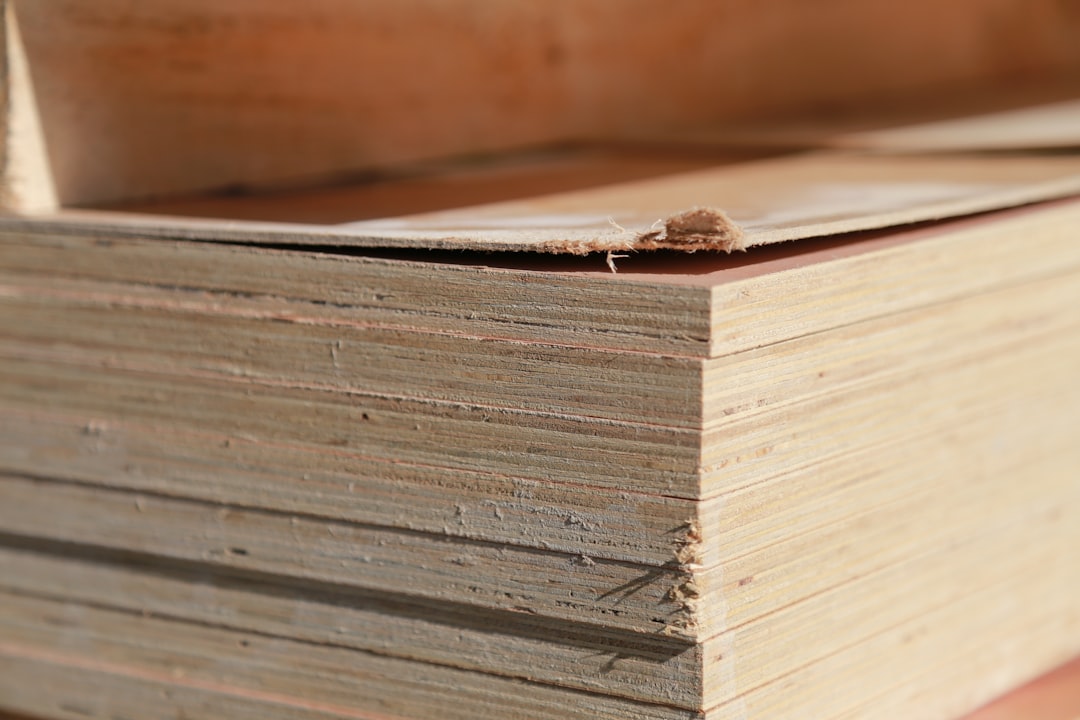
Why Moisture Content Matters
Moisture content (MC) is one of the most critical quality parameters for plywood. Panels shipped with too-high MC can develop mold, delamination, warping, and dimensional instability. Panels that are too dry may crack or check. Understanding MC helps buyers specify correctly, inspect incoming shipments, and avoid costly claims.
Acceptable Moisture Content Ranges
| Standard | Acceptable Range | Target |
|---|---|---|
| EN 636 (EU) | 5-14% | 8-12% |
| JAS (Japan) | ≤ 14% | 8-12% |
| General export standard | 8-14% | 10-12% |
| Furniture-grade (interior) | 6-10% | 8% |
For tropical-origin plywood like Vietnam's Acacia and Eucalyptus panels, a target MC of 10-12% at time of packing is the industry standard for export.
Testing Methods
1. Pin-Type Moisture Meter (Resistance Method)
The most common field-testing method. Two pins are driven into the wood, and electrical resistance between them indicates moisture content.
- Pros: Inexpensive, portable, quick readings
- Cons: Measures only at pin depth; species correction factors needed
- Accuracy: ±1-2% when properly calibrated
2. Pinless (Capacitance) Meter
Uses electromagnetic signals to measure MC without damaging the panel surface.
- Pros: Non-destructive, scans larger areas quickly
- Cons: Less accurate than pin-type; affected by density variations
- Accuracy: ±2-3%
3. Oven-Dry Method (Laboratory)
The definitive reference method. A sample is weighed, oven-dried at 103°C until constant weight, then the MC is calculated from weight loss.
- Pros: Most accurate (reference standard)
- Cons: Destructive, time-consuming (24+ hours), requires lab equipment
- Accuracy: ±0.1%
Impact of Incorrect Moisture Content
Too High (>14%)
- Mold growth: Container transit creates a closed, warm environment — perfect for mold if MC is high
- Delamination: Excess moisture weakens glue bonds, especially in MR (melamine) bonded panels
- Warping/Bowing: Uneven drying after arrival causes dimensional distortion
- Weight overcharge: Excess moisture adds weight, potentially pushing containers over weight limits
Too Low (<6%)
- Checking and cracking: Overly dry panels absorb moisture from the environment, causing surface checks
- Brittleness: Veneer becomes more prone to cracking during handling
Moisture Management During Shipping
The container environment is critical. A sealed container experiences temperature cycling during ocean transit — warm days cause moisture evaporation, cold nights cause condensation. This "container rain" can soak panels even if they left the factory at acceptable MC.
Best Practices
- Desiccant packs: Silica gel or calcium chloride desiccant bags absorb container moisture — use 10-20 kg per 40HC container
- Kraft paper: Wrapping bundles in kraft paper absorbs surface condensation
- Ventilation: Some shipping lines offer ventilated containers for wood products — useful for long transits
- Seaworthy packing: Steel-strapped pallets with top covers protect against direct water contact
- Inspection at origin: Measure MC at the time of container loading — not just at production
How to Specify Moisture Content
Include MC requirements in your purchase contract:
- Maximum MC at time of packing: 12% (or as agreed)
- Testing method: Pin-type meter at panel face center, minimum 3 panels per bundle
- Documentation: MC test report with batch/bundle reference numbers
Frequently Asked Questions
What moisture content should I expect on arrival?
If packed at 10-12% MC with proper desiccants and packing, arrival MC should be 10-14% depending on transit time, route, and season. Panels arriving above 14% warrant investigation.
Can high moisture content void my warranty?
Most manufacturers warrant MC at time of packing — not at time of arrival. Document MC at your receiving warehouse and compare with the factory's loading reports. If factory MC was within spec, transit damage may be a shipping insurance claim rather than a supplier warranty issue.
How do I test MC on film faced plywood?
Pin-type meters cannot penetrate the film face. Test at the panel edges where the core is exposed, or use a pinless meter. For definitive testing, remove a small film area or use the oven-dry method on a sample cut from the edge.
Does core species affect moisture content?
Different species equilibrate at slightly different MC levels. Eucalyptus tends to hold slightly more moisture than Acacia due to higher density. However, the difference is small (1-2%) and factory drying compensates for this.
Category
how-to