What is RTD in plywood? Can RTD plywood be used indoors?
RTD plywood is structural softwood sheathing with an Exposure 1 bond — the same veneer grades as CDX, produced through a temperature-controlled drying and pressing route. A complete guide to what RTD means, what it is used for, and how it compares to CDX and BCX.
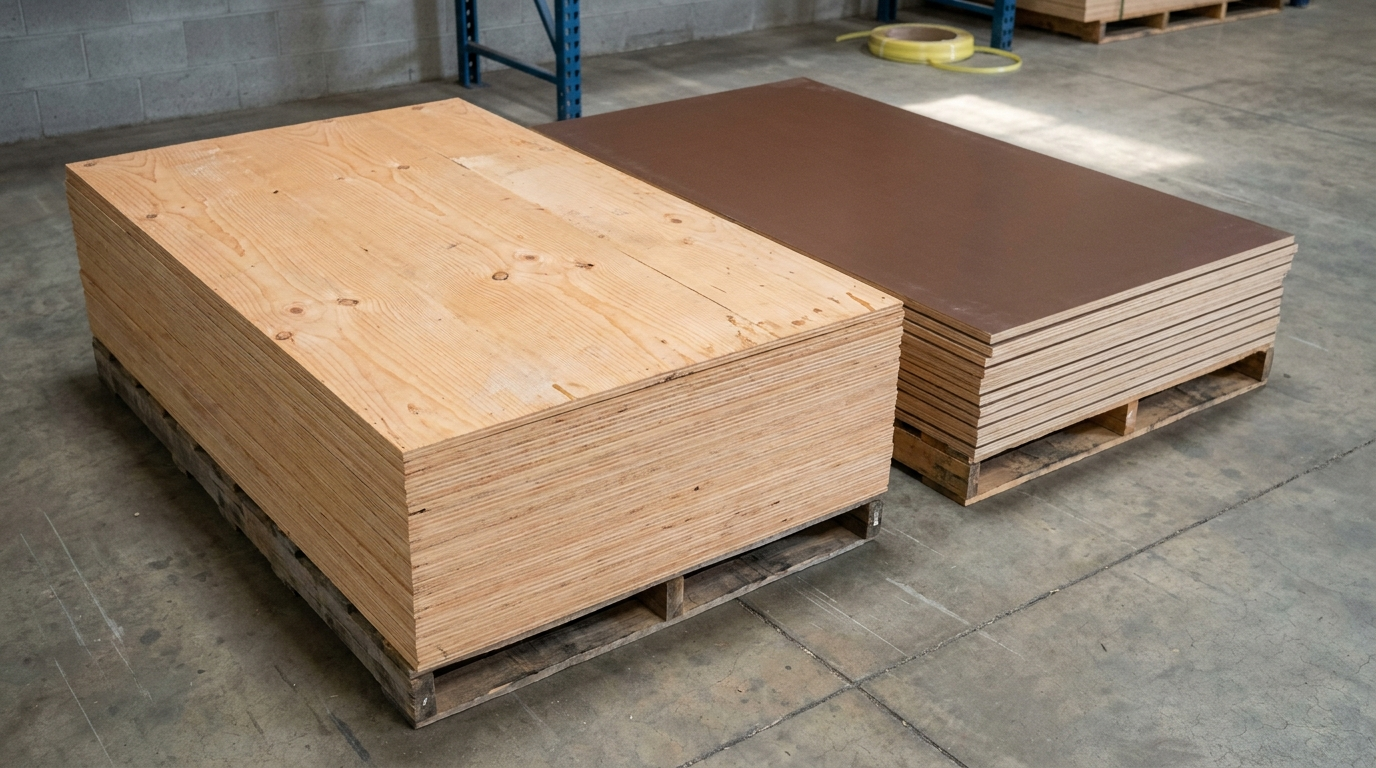
RTD plywood is structural softwood sheathing with an Exposure 1 (weather-resistant) glue bond. It carries the same veneer grades as CDX and gets used for the same jobs: wall sheathing, roof decking, and subfloor. The letters RTD describe how the panel was dried and pressed, not a higher tier of plywood and not a different product from your usual sheathing sheet.
Two things buyers most often get wrong about it are worth clearing up right away. RTD is not pressure-treated, and it is not waterproof. Below is what the designation actually means, what the panel is for, and how it stacks up against CDX and BCX on the lumberyard rack.
What RTD plywood means
RTD is a manufacturing designation for CDX-grade structural sheathing. The most widely repeated reading of the acronym is "Resistance Temperature Detector," pointing to the temperature sensors a mill uses to hold the hot-press at the right heat while the glue-line cures. That explanation circulates on most builder and retailer pages, and it is the prevailing industry shorthand, but it is worth treating as the common account rather than a settled technical fact. What is not in dispute is the practical part: an RTD panel is sheathing plywood bonded with an Exposure 1 adhesive, produced through a temperature-controlled drying and pressing route.
Put plainly, the letters point at process control, not at a separate material. The veneers, the grades, and the glue class are the same ones you would find in a sheet stamped CDX. If you want the underlying picture of veneer layup and glue-lines, our guide to how plywood is made and bonded covers the press stage in detail.
RTD plywood at a glance
| Attribute | Typical value |
|---|---|
| Panel type | Structural softwood sheathing |
| Veneer grade | C face / D back (unsanded), same as CDX |
| Bond / exposure | Exposure 1 (weather-resistant during construction) |
| Species | Softwood — pine, fir, spruce |
| Common thicknesses | 15/32", 19/32", 23/32" (about 12, 15, 18 mm) |
| Sheet size | 4 ft × 8 ft |
| Typical uses | Wall sheathing, roof deck, subfloor |
| Pressure-treated? | No |
| Waterproof? | No — water-resistant bond, not permanent wet service |
What RTD plywood is used for
RTD panels do the ordinary structural work of a wood-frame building. On walls they go up as exterior sheathing behind the housewrap and cladding. On roofs they form the deck that carries the underlayment and shingles. On floors they serve as subfloor over the joists. None of that is exotic. It is the everyday sheathing role that CDX has filled for decades, and RTD sits in exactly the same slot.
Because the bond is Exposure 1, the panel tolerates the weather exposure a jobsite hands it before the building is closed in. Rain during framing, a few weeks open to the sky, the normal delays of construction. What it is not built for is standing water or a permanent damp installation. For anything that stays wet, the panel choice changes entirely.
Is RTD the same as CDX? (RTD vs CDX)
Mostly, yes. RTD and CDX share the same veneer grades and the same Exposure 1 glue class. The honest difference is the drying and pressing route: RTD mills lean on tighter temperature control through the press cycle, which is where the acronym comes from. That process discipline can tighten consistency panel to panel, but it does not move the sheet into a higher grade or a different exposure class.
| Feature | RTD | CDX |
|---|---|---|
| Veneer grade | C/D, unsanded | C/D, unsanded |
| Bond class | Exposure 1 | Exposure 1 (the "X") |
| Species | Softwood | Softwood |
| Typical use | Sheathing, subfloor, roof deck | Sheathing, subfloor, roof deck |
| Main difference | Temperature-controlled press route | Standard sheathing spec |
We have sold structural sheathing into the US market long enough to see how this plays out on the ground: crews treat RTD and CDX as interchangeable for framing, and the spec sheet backs that up. If a supplier tells you RTD is a stronger or more durable class of panel, ask which veneer grade and which exposure class — the answer will be the same C/D and Exposure 1 as CDX.
RTD vs BCX
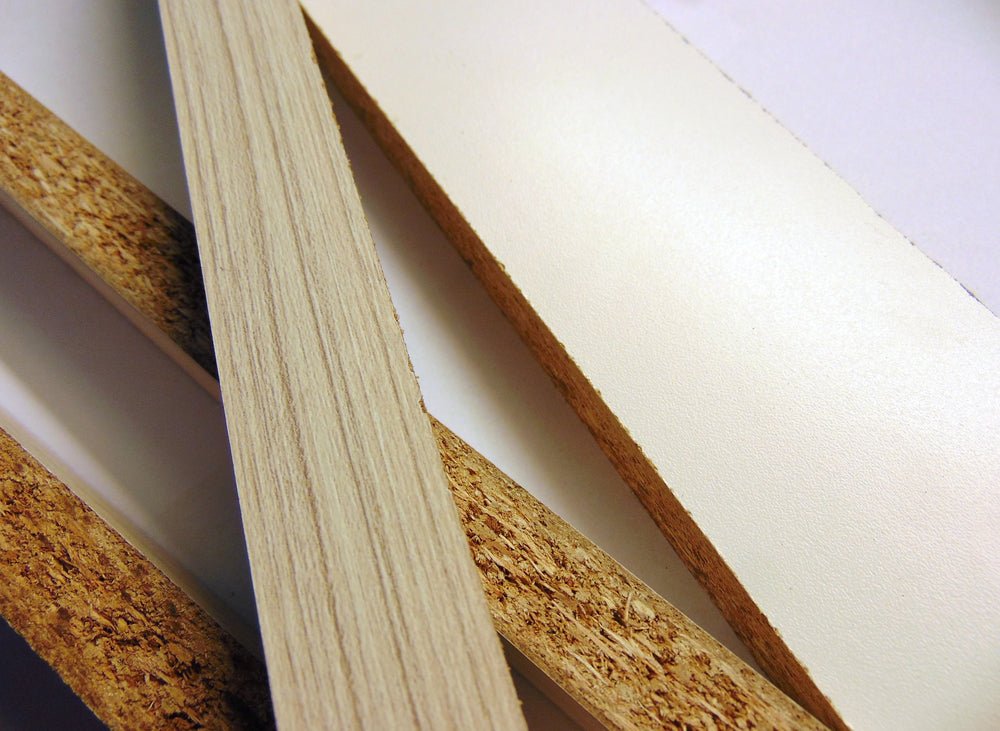
BCX is the odd one out here. The B in BCX means a sanded, patched B-grade face, so the panel has a smoother, near paint-ready surface. RTD and CDX keep their rougher C-grade face because sheathing never shows. All three share the Exposure 1 bond, so the split is about finish, not glue.
| Feature | RTD | BCX |
|---|---|---|
| Face grade | C, unsanded | B, sanded |
| Bond | Exposure 1 | Exposure 1 |
| Surface | Rough (hidden in the wall) | Smooth, near paint-ready |
| Picked for | Structural sheathing | Visible or painted work |
Reach for BCX when a face will be seen or painted. Reach for RTD or CDX plywood when the panel disappears behind cladding, roofing, or flooring and only the structure matters.
Is RTD plywood waterproof?
No. Exposure 1 is a weather-resistant bond meant to survive construction delays, not a waterproof rating. The glue-line holds up through rain and humidity while the frame is open, but the panel is not built for standing water, ground contact, or a permanently damp location. For wet-service work such as docks or boat building, the right answer is a marine-grade panel with a fully weatherproof phenolic bond, not sheathing. Calling any sheathing "waterproof" oversells it.
Is RTD plywood pressure-treated?
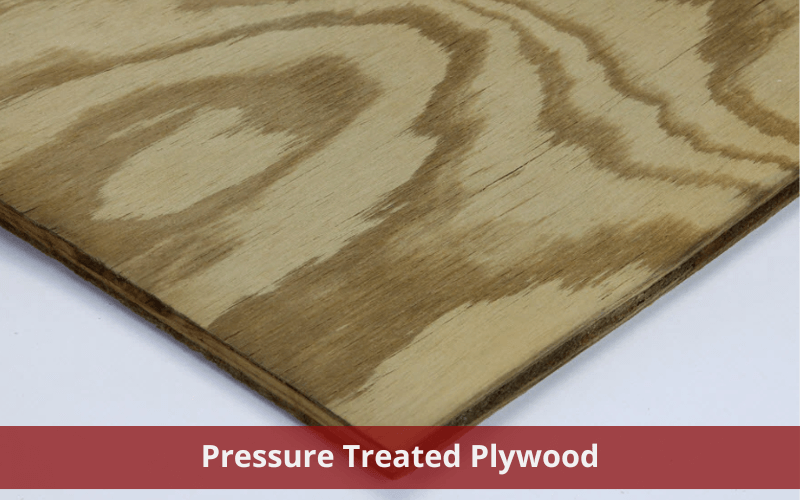
No. Pressure treatment is a separate chemical process that forces preservatives into the wood to resist rot and insects, and it is applied after the panel is made. An RTD sheet off the rack has not been treated. If a project needs rot or termite resistance for ground-contact or exposed use, that calls for a pressure-treated panel bought as such, or a preservative applied to spec. Do not assume an RTD stamp implies any treatment.
How RTD sheathing is bonded
The Exposure 1 bond is what lets RTD take jobsite weather. During pressing, the adhesive cures under heat into a glue-line that stays intact through the moisture a building sees before it is closed in. The temperature-controlled route the RTD name points to is really about holding that press cycle steady so the cure is even across the sheet.
This is where manufacturing discipline earns its keep. At Vinawood, every panel runs through a 12-step production process with temperature-controlled hot-pressing and 100% individual-sheet inspection, and the in-house lab checks bond strength and moisture on samples pulled from the line. That is the same press-control principle the RTD designation is getting at, applied across our structural and formwork grades. Compare the OSB versus plywood trade-offs if you are weighing sheathing options for a framing package.
Sourcing structural plywood from a manufacturer
For importers and distributors buying sheathing-grade panels by the container, the supply question is less about the RTD label and more about documented bond class, consistent thickness, and clean compliance paperwork. Vinawood is a Vietnamese plywood manufacturer, not an RTD retailer, and we do not stamp a branded "RTD" SKU. What we supply for the US market is structural and formwork plywood produced to spec with EPA TSCA Title VI / CARB P2 formaldehyde compliance and full documentation on every shipment. Buyers sourcing from the US can also read our overview of plywood manufacturers serving the USA.
Vietnam-origin panels also carry a market-access edge on certain product lines against China-origin plywood under the US anti-dumping and countervailing orders. That advantage is product-specific and tied to particular tariff scopes, so treat it as a per-order question for your customs broker rather than a blanket duty-free claim.
About Vinawood
Vinawood is a Vietnamese plywood manufacturer established in 1992, shipping more than 5,000 containers a year to over 55 countries. Production is certified to ISO 9001 and CE (EN 13986), with FSC and PEFC chain-of-custody and EPA TSCA Title VI / CARB P2 compliance for the US market. Every sheet is inspected individually across a 12-step, vertically integrated process from veneer peeling to surface lamination. For a factory-direct quote on structural or formwork plywood, or to check which grade fits your framing package, our sales team responds within 24 hours.
Category
guides
Related Markets
Related Countries
Related Products
▶Sources & References (1)
- PS 1 Structural Plywood & Exposure Durability Classifications — APA - The Engineered Wood Association (2019)