1 Inch Plywood: Thicknesses, Strength, Sheet Types & Buying Guide
True 1 inch plywood exists, but most "1 inch" panels are nominal. This guide covers real thickness, the sheet types sold near 25 mm, strength, 4x8 sizing and weight, where it gets used, and indicative price bands.
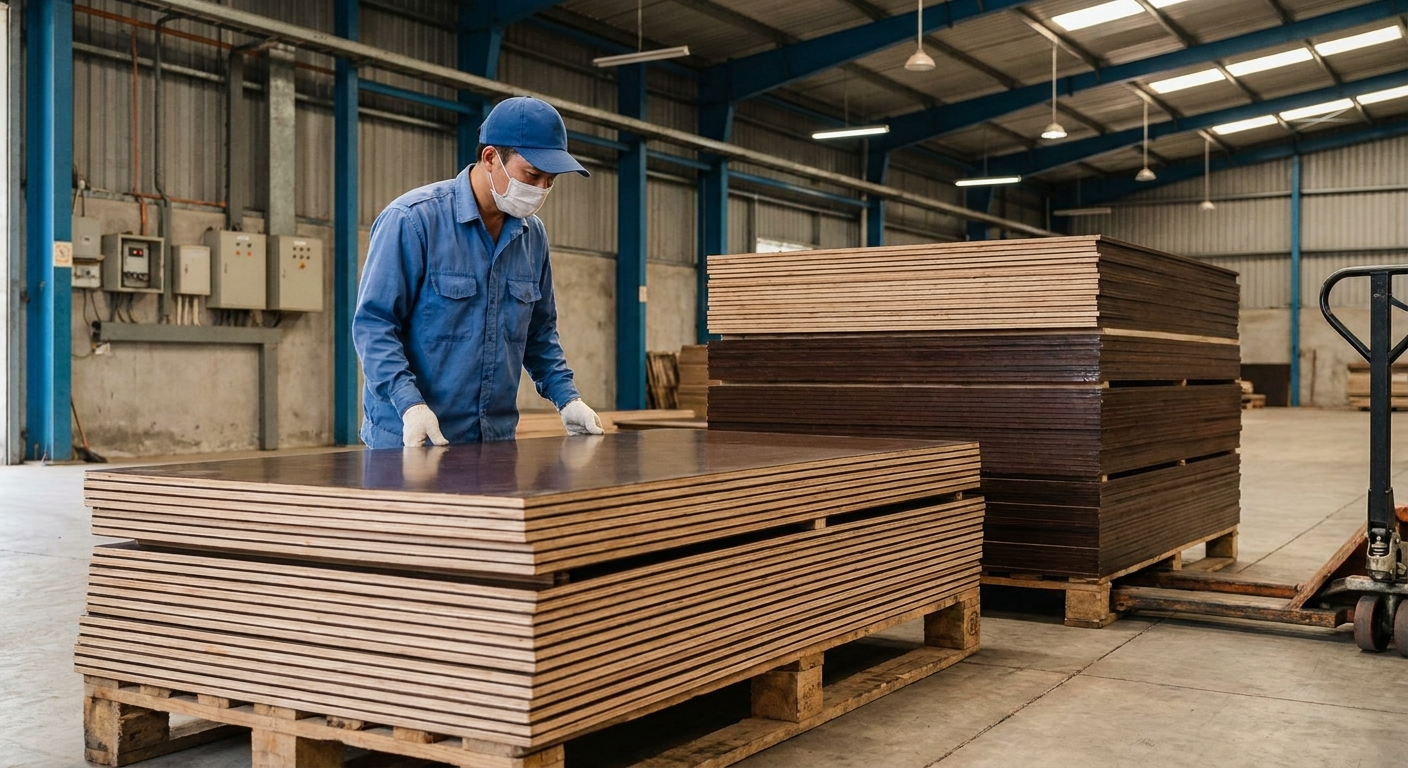
A sheet sold as one inch is almost never a true inch. Put a caliper on North American fir and you get about 23/32. Measure Baltic birch marked one inch and it reads 24 mm, which works out to 0.945 inch. Close, not exact. That millimetre is nothing on a shelf and a real problem on a workbench top that has to sit flush or a stair tread that has to meet code.
Does true 1 inch plywood exist?
It does, but less often than the search volume suggests, and for two reasons. The first is nominal sizing. North American softwood plywood is named by a rounded figure, so a sheet in the three-quarter-inch family reads about 23/32 under a caliper, and a panel marketed as a full inch is often built from thinner plies that land slightly under. The second is metric stock. Baltic birch sold as one inch is almost always a genuine 24 mm panel, 17 plies deep, and 24 mm is 0.945 inch.
So, practically: if you need a measured inch, ask for 25 mm and check the caliper reading yourself, or take Baltic birch 24 mm and live with the millimetre. Nominal-inch fir you shim. Our guide to plywood standard sizes and dimensions covers why nominal and actual drift apart from one market to the next.
1 inch plywood by sheet type
At or near an inch you are not choosing one product. You are choosing among six, each built for a different job.
| Type | Typical face grade | Core | Best for |
|---|---|---|---|
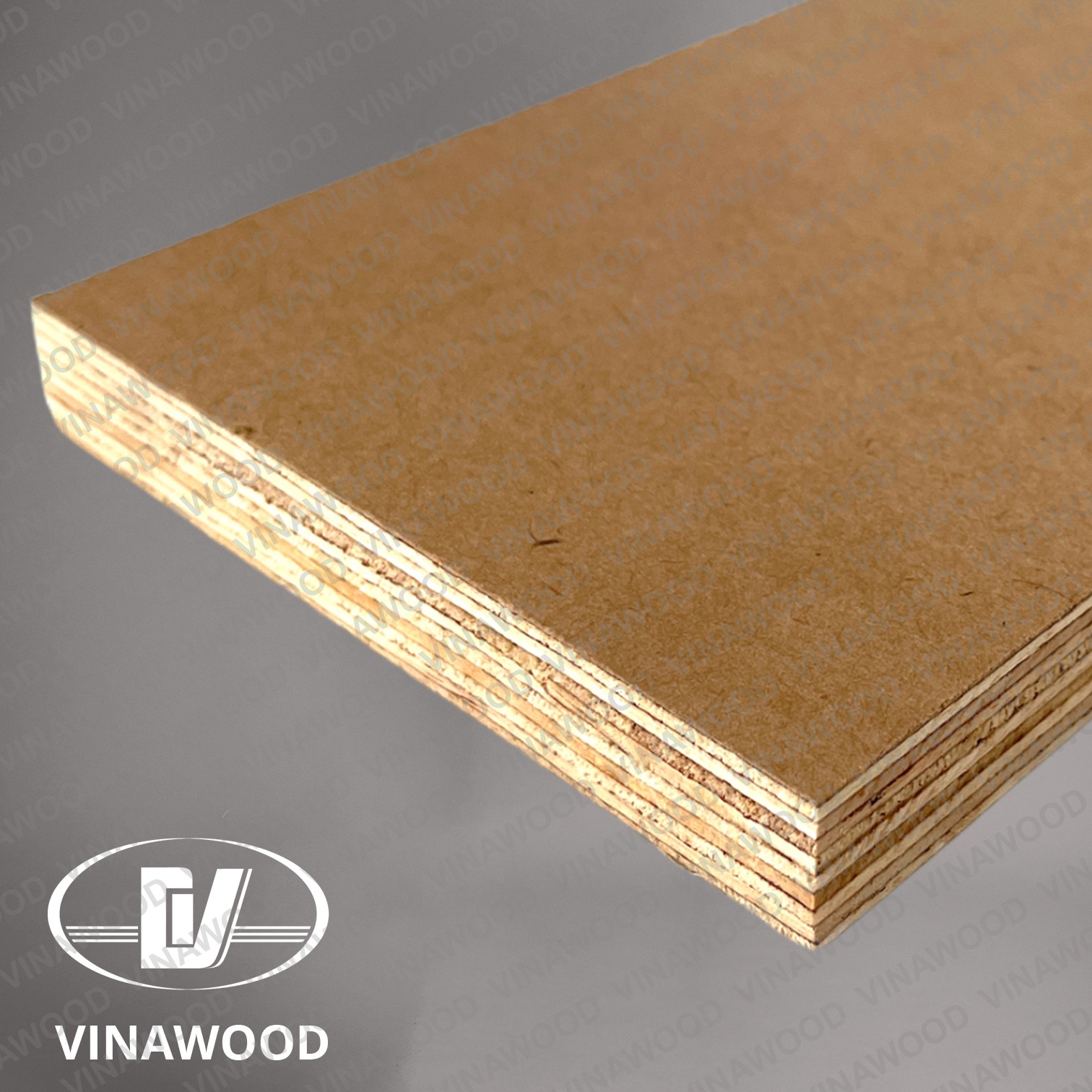
| ACX / AC fir | Sanded A face, C back | Softwood veneer | Cabinets, paint-grade tops, one sanded face on show |
| CDX fir | C/D, unsanded | Softwood veneer | Rough sheathing, subfloor, structural backing |
| Baltic birch (24 mm) | B/BB hardwood | Multi-ply birch, void-managed | Heavy shelving, jigs, machine bases, exposed edges |
| Marine | A/A hardwood | Void-free, water-resistant glue | Damp environments, boat fit-out |
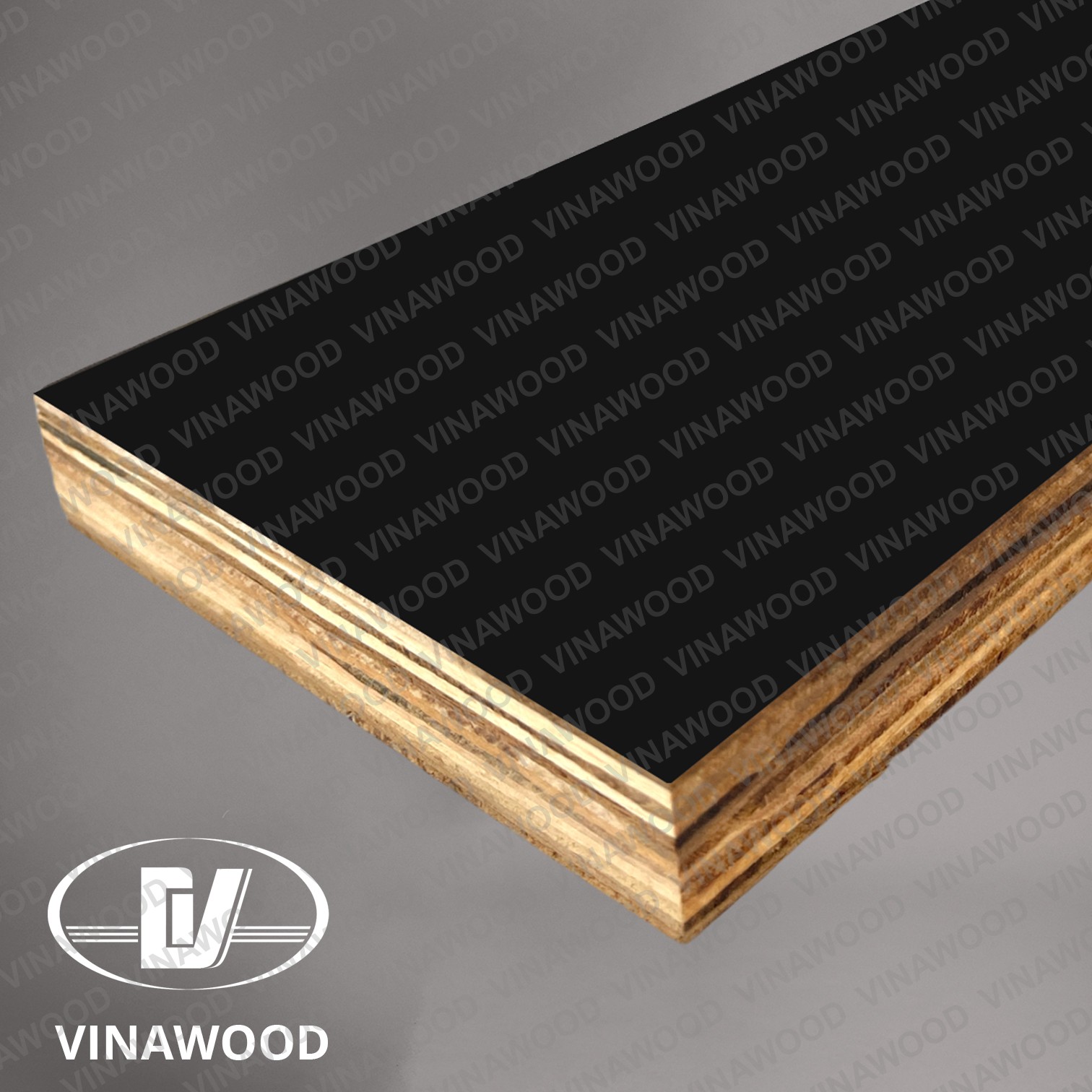
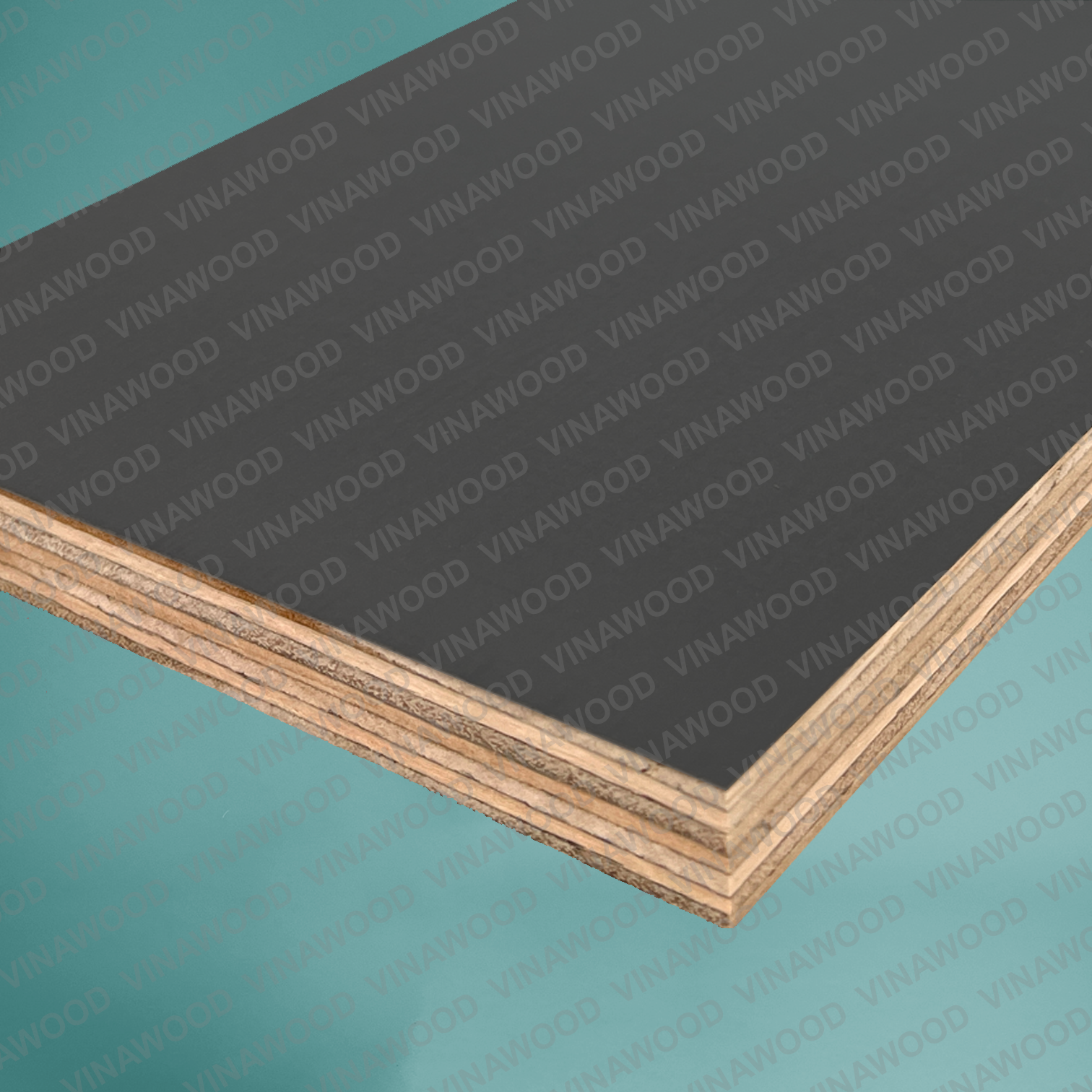
| MDO / HDO overlay | Resin overlay over veneer | Phenolic-bonded veneer | Formwork, signage substrate, heavy-duty surfaces |
| Project / edge-glued panel | Solid-wood look | Edge-glued boards | Furniture tops where a board look is wanted |
Face grade tells you what the surface looks like. Core and glue tell you how the panel acts under load and in damp. A CDX sheet and a Baltic birch sheet both get sold as one inch and behave nothing alike, so pick on the job rather than the headline thickness.
How strong is 1 inch plywood?
Thickness is the biggest single lever on stiffness, and at an inch the numbers jump. For uniform load on standard support spacing, a one-inch panel carries on the order of 100 pounds per square foot. A three-quarter-inch sheet manages roughly 50 to 60. Treat that as an even-loading estimate, not a point-load rating, because grade and support spacing push it either way. Our plywood load capacity guide has the full chart and the field formula.
Two cautions carry over from thinner stock. Grain direction first: a sheet is far stiffer with the face grain running across the supports than along them. And a concentrated point load fails a panel well under its uniform-load figure. A shelf rated for an even spread of boxes can still crack under one heavy item on a small footprint.
Standard sizes and weight
The sheet formats do not change with thickness. North America runs 4x8 ft (1220x2440 mm), Europe 2500x1250 mm, Australia 2400x1200 mm. Only the thickness moves.
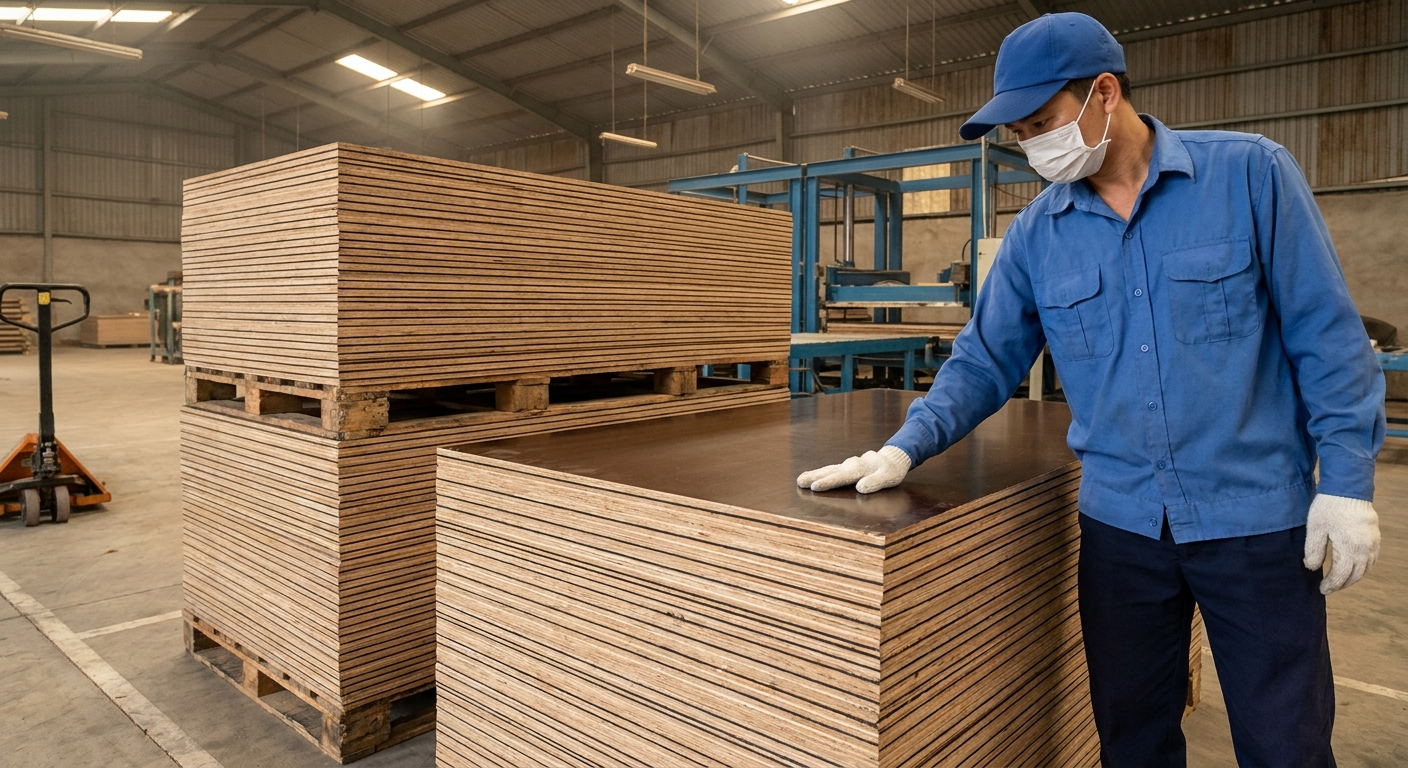
Weight is where an inch announces itself. A 4x8 fir sheet at this thickness runs 70 to 80 pounds. Enough that two people and a flat dolly beat one person and a bad back. Baltic birch is denser again, often past 90 pounds for the same sheet, because the multi-ply core packs more wood into the same volume. Plan the handling around the real weight, not the footprint.
Where 1 inch plywood is used
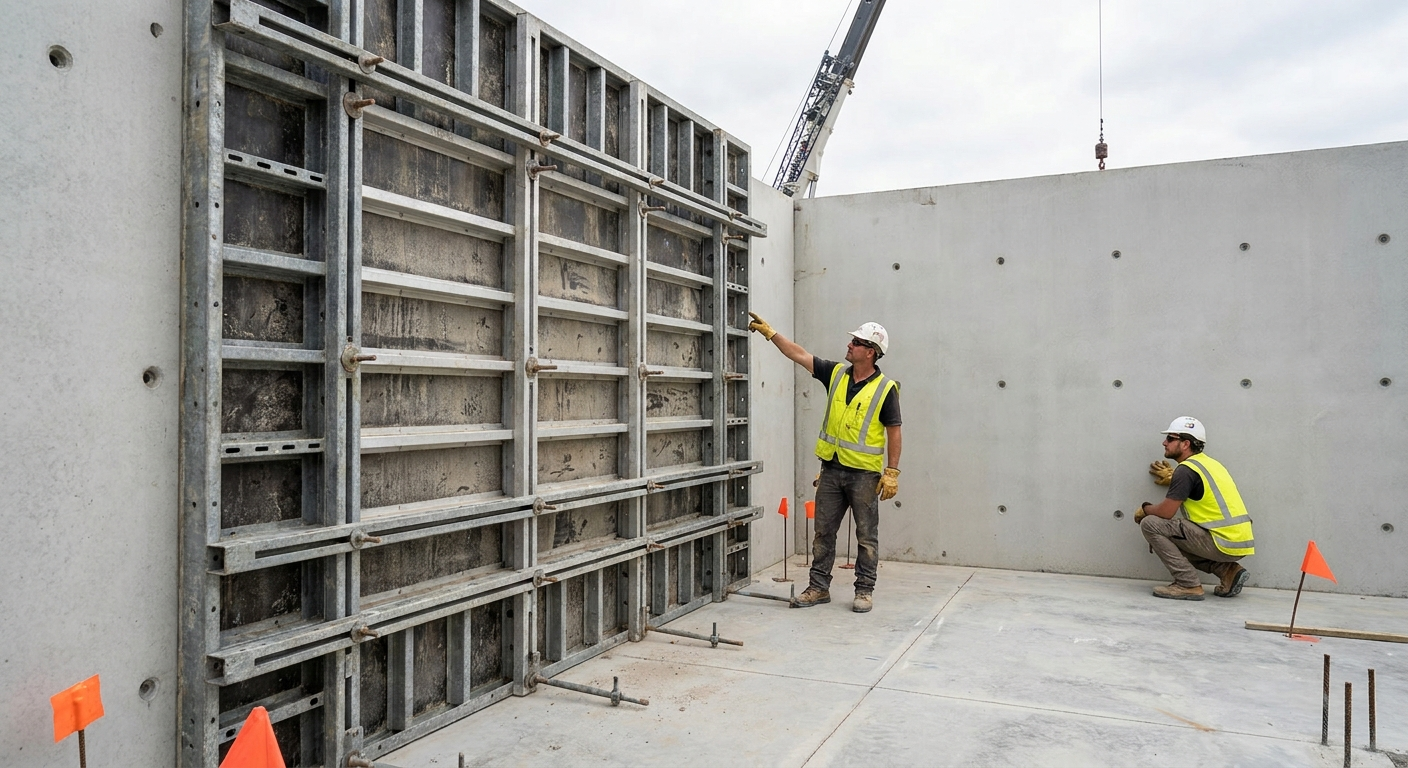
The thickness earns its place where stiffness or a solid bearing surface beats saving weight. Workbench and assembly tops. Heavy shelving and storage racks. Stair treads and risers, ramps, loading surfaces. Speaker and subwoofer boxes, where you want the panel dead and non-resonant. Bearing plates and heavy formwork on site. The draw is the same each time: one thick sheet replaces a built-up assembly and stays flat under load.
1 inch plywood vs two glued half-inch sheets
A fair question at the bench: why buy a thick panel when you could glue up two half-inch sheets? Sometimes you should. Laminating lets you cross the grain for a stiffer, more stable panel, and it comes out cheaper when thin stock is already on hand. What you pay for it is labour, clamp time, and a glue line that has to bond fully edge to edge or it delaminates under load. For a one-off shop top, glue-up is fine. For repeat work or anything structural, one rated sheet is faster and more predictable.
Price band (2026)
Price moves with species, grade, and the market, so read these as indicative US ranges, not quotes. Fir ACX in the one-inch family tends to land around $75 to $135 a sheet. Baltic birch 24 mm runs roughly $115 to $130. CDX sheathing sits under the sanded grades. Overlaid MDO and HDO price by overlay weight and reuse rating rather than by the inch. For a live number, ask your supplier, because regional stock and freight swing it more than the grade does.
Buying tips and what to inspect
A thick panel hides more than a thin one, so a few rack checks pay off. Look hard at the edge. A void-managed core like Baltic birch shows few gaps between plies; a cheap build shows obvious ones that weaken the panel and look poor on an exposed edge. Count the plies, because more and thinner usually means flatter and stiffer. Run a caliper at several points, since a sheet that varies along its length will rock on a flat assembly. Match the bond grade to the environment, and remember a water-resistant panel is still not waterproof. Any edge you cut, seal it, because the edge is where moisture gets into the core.
About Vinawood
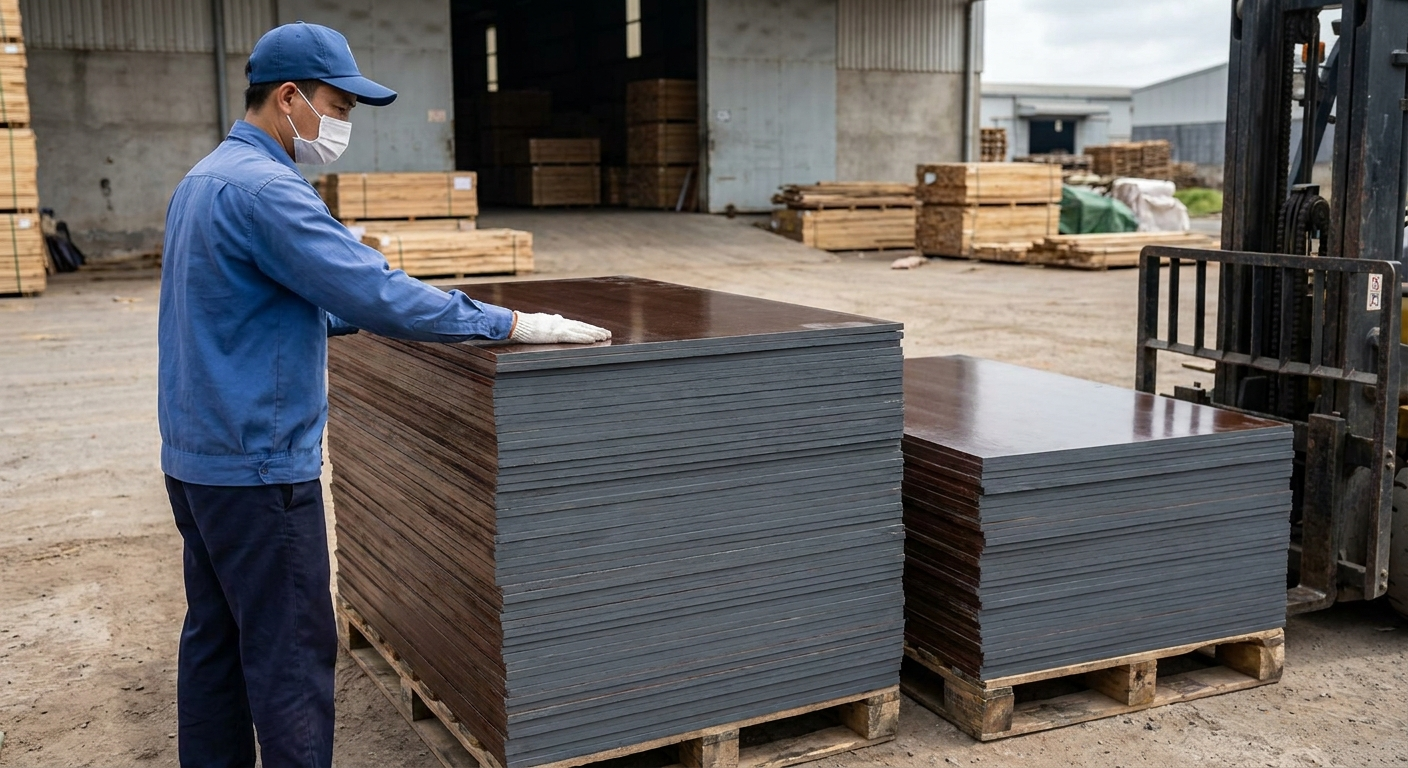
Vinawood is a Vietnamese plywood manufacturer established in 1992, shipping more than 5,000 containers a year to 55+ countries. We are not an APA structural-sheathing mill, so for stamped softwood subfloor and roof sheathing your domestic supplier is the right call. Where we ship factory-direct is the thick overlaid end of the range: phenolic film-faced, HDO, and MDO panels from 12 to 21 mm, for concrete formwork and heavy-duty surfaces, in both 1220x2440 mm and 1250x2500 mm formats. Every sheet is inspected on its own and backed by ISO 9001, CE (EN 13986), FSC chain-of-custody, and EPA TSCA Title VI (CARB P2) documentation. To match an overlay grade and thickness to your application, browse the film-faced plywood range or contact our team for a specification.
Category
guides