20 Types Of Plywood Used In Interior And Exterior
Twenty kinds of plywood, mapped to core, veneer grade, bond class and emission class. Formwork overlays split into film-faced, MatteFace and HDO. Vinawood mill mapping and what to put on the PO.
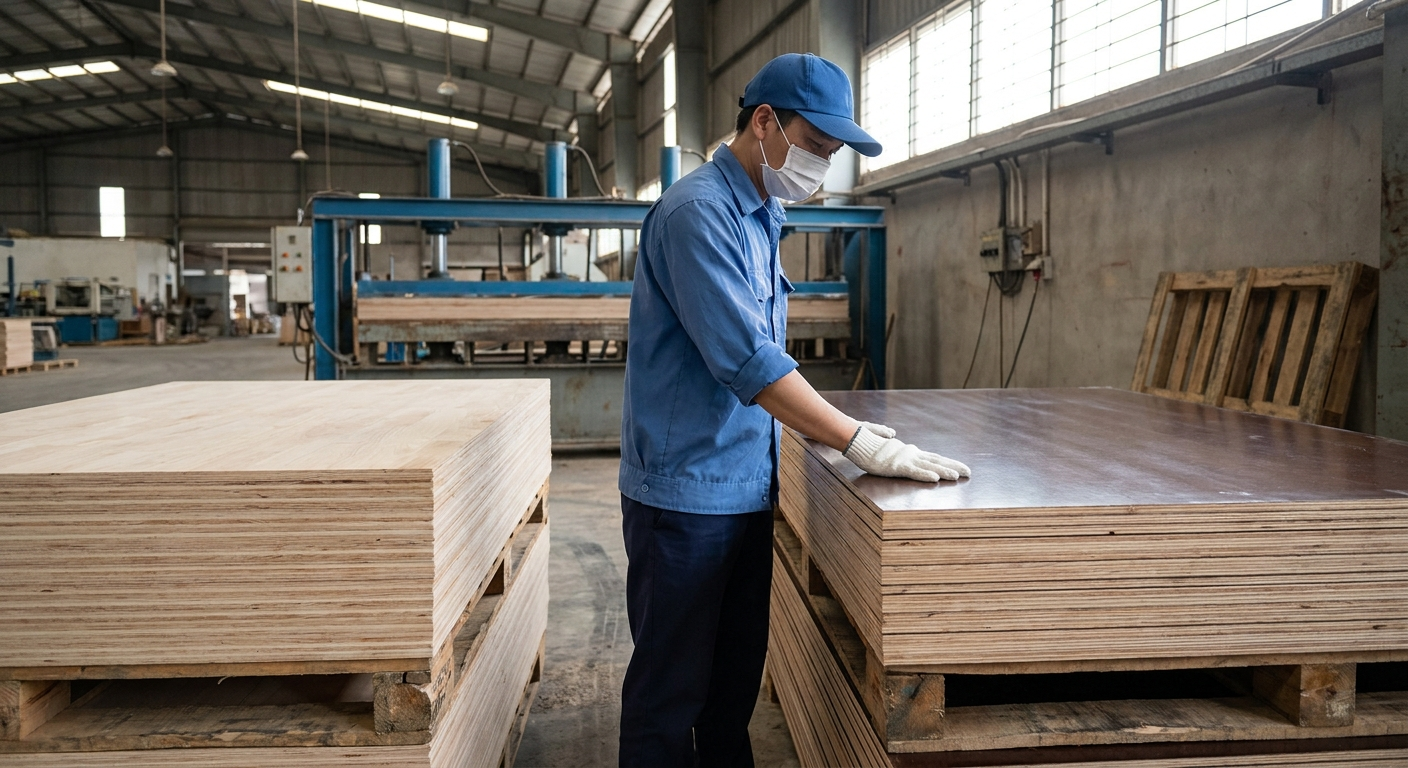
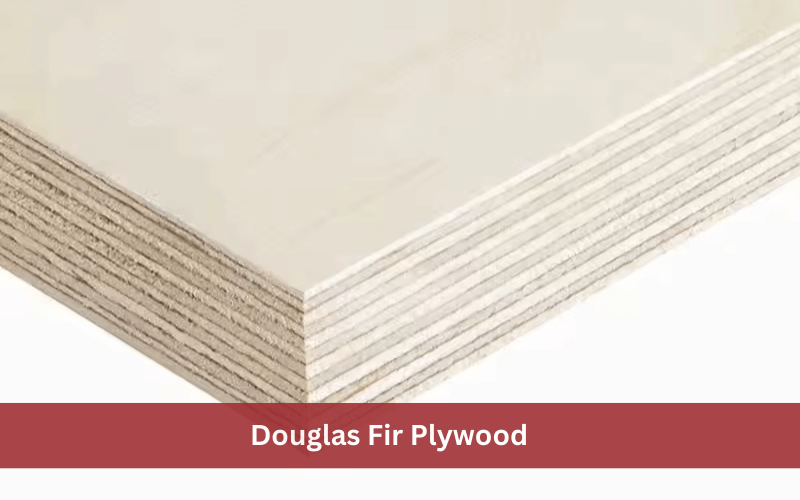
What makes one plywood a different type from another? Four things, read together: the species in the core, the grade of the face veneers, the bond or exposure class of the glue, and the emission class of the finished sheet. That's why a cabinet panel, a boat hull and a concrete form can all be "plywood" and still behave nothing alike. Formwork panels add one more variable on top, the film or overlay, and on our own range that runs from core MUF film-faced grades up to phenolic Pro Form and HDO. Below we've mapped 20 kinds of plywood onto those parts, so the names on a quote actually tell you something.
New to how the sheet is built? Our note on how plywood is made covers peeling, gluing and pressing first.
Quick reference: type, core, grade and best use
Here's the short version in table form. Don't order off it, though, because the stamp on an actual sheet always wins over the family name.
| Type | Typical core | Grade / bond | Best for |
|---|---|---|---|
| Softwood | Pine, fir, spruce | C-D, Exposure 1 | Sheathing, subfloor, sheds |
| Hardwood | Birch, oak, Acacia, Eucalyptus | A-B faces | Furniture, cabinetry, joinery |
| Marine | Void-free hardwood | WBP, BS 1088-style | Boatbuilding, wet exposure |
| Film-faced | Plantation hardwood | EN 636-2 core MUF (Eco Form, Eco Form Plus, Form Basic, Form Extra) or EN 636-3 phenolic (Pro Form Lite, Pro Form) | Concrete formwork |
| Overlaid (MatteFace / HDO) | Plantation hardwood | Resin overlay; HDO Premium is phenolic EN 636-3 | Formwork with a matte or high-density face |
| Structural | Softwood or hardwood | C-D, exterior bond | Load-bearing sheathing |
| Flexible | Cross-grain core | Interior | Curved joinery |
The main types of plywood
Every family on this list started life as the answer to one job, and you can usually still read that job in how the sheet is put together, so treat each name as a clue about the core and the glue and then check the stamp before you sign anything.
Softwood plywood
Anyone who has framed a house in Canada or Scandinavia has nailed off stacks of this stuff. It's peeled from pine, fir, spruce or cedar, and it goes on roofs, under floors and behind cladding (plus, on most sites, round the skip as hoarding). The grading is about strength, so a C or D face full of knots and plugs is normal for the grade and not something to send back.
Hardwood plywood
Ask a cabinet maker what they keep in the rack and it's usually this. Veneers might be birch, oak or maple, or the plantation Acacia and Eucalyptus we peel in Vietnam, laid up in seven plies or more so the board is stiff and the face is ready for paint, stain or laminate. One thing worth keeping in mind: the face species is what you see, but it's the core that decides how the panel holds up after a few years of use.
Aircraft plywood
Yes, it really was made for aeroplanes. Aircraft plywood is thin birch or mahogany, very light for its strength, and these days it mostly goes into model aircraft, small boat parts and the odd bit of high-load furniture. Expect to pay several times what a building board costs per square metre, since it's made in small runs.
Exterior plywood
It's the glue, not the timber, that makes a sheet "exterior", so read the bond class on the stamp rather than the word on the label. Seal the edges and finish the face and it'll frame a shed or a deck enclosure for years. Leave water sitting on a cut edge, though, and you'll find out quickly that exterior doesn't mean waterproof.
Lumber core plywood
Inside this one you'll find a slab of edge-glued solid-wood strips, with a crossband and a hardwood face either side. Edge screws, hinges and shelf pins bite into real timber, which is why shopfitters like it for doors and shelving. It's heavy, mind, and it moves a little more than a veneer core when the workshop gets damp in winter.
Marine plywood
We hear marine plywood called waterproof almost every week, and it isn't, no matter what the label in the timber yard says. What earns it the name is a void-free hardwood core with a durable WBP-type glue line, usually made to a BS 1088-style standard, so it copes with being wetted and dried over and over far better than ordinary board does. The missing voids matter most of all, because a hidden gap in the core fills with water and rots the panel from the inside long before anything shows on the face. Boat builders still seal and coat every sheet, and our guide to marine-grade plywood goes further into the standard.
Film-faced plywood
This is the one we spend most of our working days on. A film-faced sheet is hardwood plywood with resin-soaked paper film pressed onto both faces, and it's built to have concrete poured against it, so the slick face lets go of the wall cleanly and keeps water and cement paste off the veneer. What really splits one grade from another is the glue you can't see. Our Eco Form, Eco Form Plus, Form Basic and Form Extra run a core MUF glue at EN 636-2; Pro Form Lite and Pro Form are phenolic at EN 636-3. Crews feel that as reuse, from up to 6 pours on Eco Form to up to 20 on Pro Form if the panels are looked after, and the full line-up sits in our film-faced plywood collection.
Overlaid plywood (MDO and HDO)
An overlaid panel carries a heavier, more even resin overlay than a normal film, pressed on hot so the face can take real wear. North American buyers still search for MDO. On our range the forming panel you're after is MatteFace Plywood (MTF), a matte overlay for formwork where a low-sheen, even concrete finish matters. HDO goes denser and harder. HDO Standard and HDO Premium are Class 3 panels together with Pro Form and Pro Form Lite, while HDO Basic is Class 2. We compare the two faces on a real pour in HDO vs MDO, and the matte range lives under MatteFace plywood.
Structural plywood
Most people on site just call it sheathing. It's graded on the load it carries, with C or D faces and an exterior bond, and tested for bending strength and stiffness so an engineer can put a number on a floor or shear wall. Australians and New Zealanders read that as an F-grade; North Americans get a span rating stamped on the sheet. A rough face here is fine, it's the stiffness you're paying for.
Plantation-grown hardwood plywood
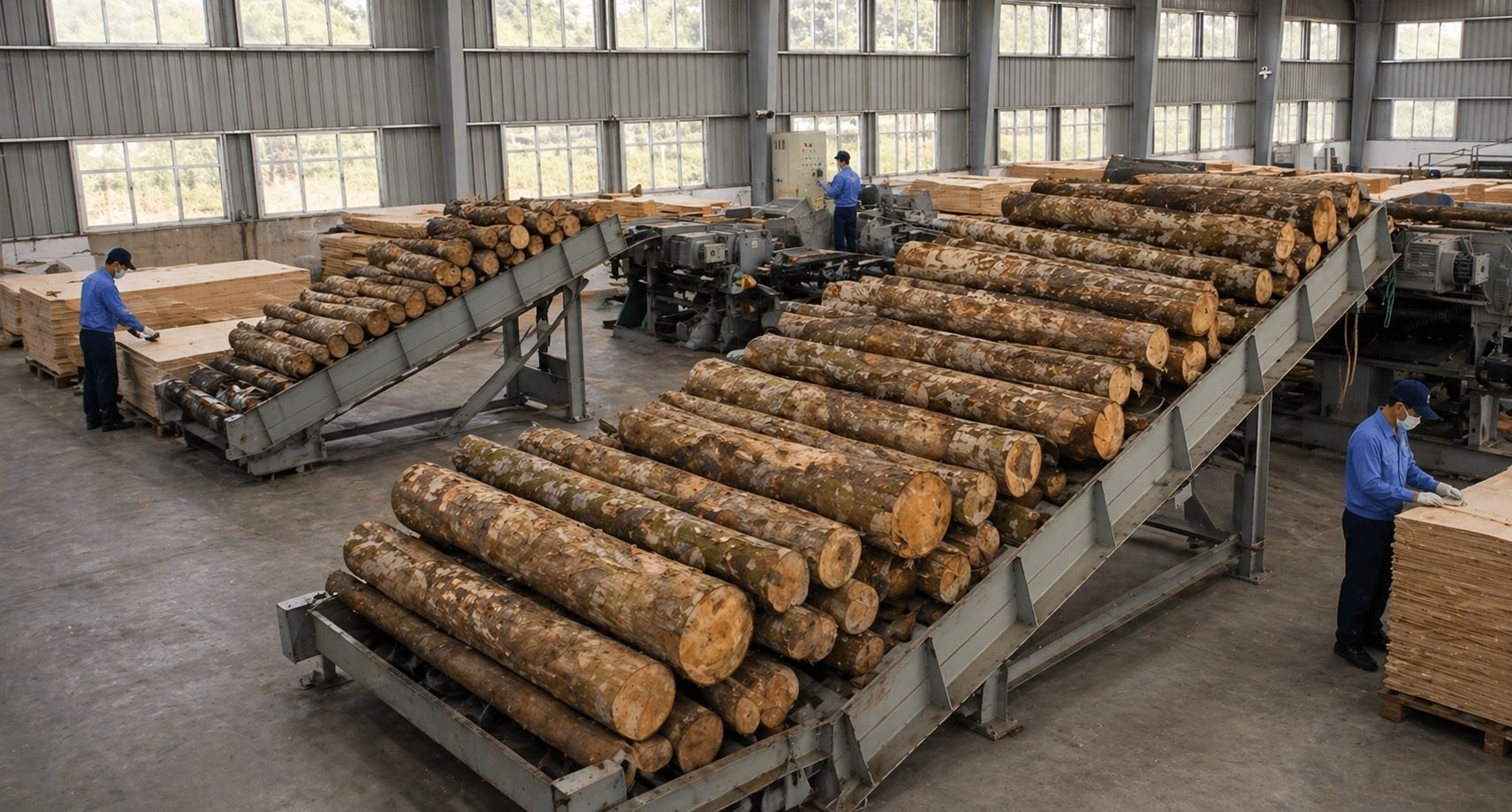
A large slice of the plywood leaving Southeast Asia is built on plantation hardwood instead of old-growth logs, and ours is no exception. We peel Acacia, Eucalyptus and Hevea from managed plantations (Hevea is the densest of the three, then Eucalyptus, then Acacia), and people are sometimes surprised to hear that Acacia is a mainstream hardwood in its own right that gives a firm, even core once it's been calibrated. It's the accurate name for what used to be sold rather vaguely as an "Asian softwood substitute", and with FSC chain-of-custody papers each layer can be traced back to where it grew.
Commercial plywood
Commercial plywood is the general-purpose hardwood sheet you'll find in furniture carcasses, wall linings, packing crates and light joinery, usually with a sanded face that takes paint or laminate without much prep. Our Consply falls into this group, with a Bintangor face, and since it carries no film at all it belongs here rather than with the formwork panels. For interior and joinery work, most buyers start with our commercial plywood, and each sheet is inspected by hand before it goes into a pack.
Flexible plywood
Bend it round a column and it just goes, because most of its plies run in the same direction. Shopfitters use it for curved counters and wall linings, gluing two or three layers over a former to get the shape. Don't ask it to carry anything, since what it gains in bend it loses in stiffness.
Construction plywood
"Construction plywood" is a catch-all, not a grade. It covers structural and non-structural site panels, and two sheets sold under that name can differ in bond, tolerance and strength rating. Put the bond class and strength grade on the order and the generic label stops mattering.
Veneer core plywood
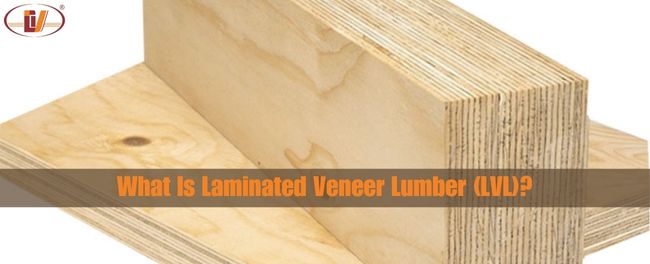
The classic build. An odd number of cross-grained veneers sits symmetrically around a centre ply, which balances movement and keeps the sheet flat. It's the go-to for cabinets and general joinery, and it's also the core under most film-faced and overlaid formwork panels, ours included.
MDF core plywood
Pull out the veneer core, drop in medium-density fibreboard and keep a thin hardwood veneer each side, and you've got MDF core plywood. Furniture makers love how flat it lies under a lacquered door. The downsides are weight, edge screws that strip, and fibre that swells the moment it gets wet, so keep it in dry rooms.
Multi-ply birch and alder panels
Lots of thin, even, void-free plies, and a striped edge that designers like to leave on show. They cut with barely any tear-out and stay square in drawer boxes. We don't make them, and honestly they're only worth the premium where somebody's going to see that edge.
Exterior sheathing and OSB
On a roof deck or a stud wall, OSB is plywood's main rival. It's pressed from cross-oriented strands in a water-resistant resin, so it's a relative rather than a type, and the plywood it usually fights on a builder's quote is CDX, a C and D faced sheet with an exterior-capable glue.
Subfloor plywood
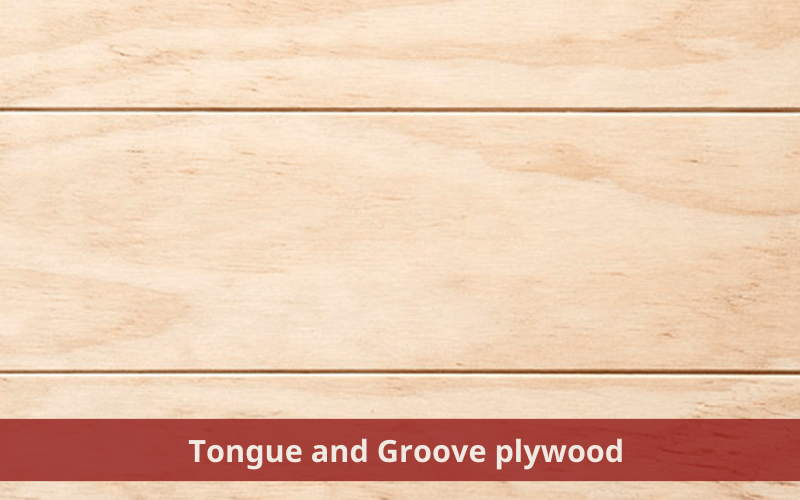
Bounce is the enemy here. A subfloor has to span the joists stiffly and grip nails and adhesive, so builders pick tongue-and-groove plywood or OSB to suit joist spacing and the finish going on top. Planning tile or stone? Then you need a stiffer deck than carpet would, and the span rating on the stamp tells you which sheet gets you there.
Recycled-fibre pin boards
Made from pulped waste paper, these end up as office notice boards and architects' model bases. A drawing pin goes in easily and a craft knife cuts them. There's almost no strength or damp resistance in them, so they're strictly an indoor, non-structural board.
Interior plywood
Interior plywood has an interior or MR (moisture-resistant) bond and is fine for cabinets, linings and light joinery in dry rooms. For a bathroom or kitchen we'd steer you to WBP or an exterior bond instead. You can't tell them apart by eye on the rack, so check the stamp.
What are the 3 types of plywood?
When someone asks us for the "three types" of plywood they nearly always mean ply count. A 3-ply board is the thin sheet you'd use for drawer bottoms, cabinet backs and decorative linings, 5-ply is the middle-weight board for most general joinery, and multi-ply (seven layers or more) is what goes into structural work, roofs and formwork. The count gives you a sense of thickness and duty, though the bond class and veneer grade are still what decide where a sheet can safely go.
Plywood grades and bond classes
Ordering goes wrong here more than anywhere else, mostly because "grade" gets used for two separate ideas: how the face looks, and how the sheet is glued for the conditions it will see. A good order states both.
Veneer grade: A to D
A is smooth and close to knot-free; D allows open knots and splits. Use A or B where the face shows or gets painted and C or D where it's hidden, and remember panels are labelled by both faces, so B/C is a good front with a rougher back. And the X in CDX? That's about the glue being exterior-capable, not another face grade, which trips people up all the time.
Exposure and bond class
Exposure class is really a question of how wet the glue line can get before it lets go. North American stamps say Interior, Exposure 1 or Exterior. In Europe, EN 636 uses 636-1 for dry, 636-2 for humid and 636-3 for exterior service, and on quotes you'll mostly see MR for sheltered interiors or WBP (weather and boil proof) for humid and outdoor work. None of them makes a sheet waterproof; they make it water-resistant to different degrees.
Emission class, the spec retail pages skip
Formaldehyde emission class is the fourth part of a plywood spec, and it's the one that decides whether a panel can be sold in your market at all. US buyers look for CARB Phase 2 and EPA TSCA Title VI, while in Europe the usual reference is E1 under EN 13986, and both put a cap on how much formaldehyde a sheet gives off in a closed room. We run emission tests in our own QC lab and hold EPA TSCA Title VI certification, because a US importer has to certify compliance before those panels can go on sale.
A note on melamine in plywood
If there's one word that causes more mix-ups in this trade than any other, it's melamine, since it gets used for three quite different things: the core glue melamine-urea-formaldehyde (MUF), which is rated at EN 636-2, a decorative face film on interior board, and the printed laminate you see on a kitchen carcass. When a spec just says "melamine", it's worth asking which of those is meant before anybody prices it. On our formwork range Eco Form, Eco Form Plus, Form Basic and Form Extra have a core MUF glue under a phenolic face film, so the glue is MUF and the face is phenolic.
Form Extra gets its longer life from Superior Glue MUF, a tougher bond, and not from a heavier face, because the film on top is the same one Form Basic carries. It stays an EN 636-2 panel, not Class 3. On our range, Class 3 means Pro Form, Pro Form Lite, HDO Standard and HDO Premium.
Formwork overlays: film-faced, MatteFace and HDO
Plenty of plywood-type lists squeeze film-faced and overlaid panels into a single row, which hides the glue class, and the glue class is what decides how long a form lasts. We'd sort them by face first, then by EN 636 class, then by the reuse a crew can realistically expect. It isn't unusual for us to receive an order asking for MDO when the pour needs a matte forming face, or one asking for "phenolic" when the sheet described is a core MUF grade at EN 636-2, so here is how our own range lines up, with every reuse figure being a ceiling under good handling rather than a promise.
| Panel | Glue line and bond class | Typical reuse | Face |
|---|---|---|---|
| Pro Form / Pro Form Lite | Phenolic (PF), EN 636-3, Class 3 | Up to 20 / up to 15 pours | Glossy phenolic film |
| Form Extra | Superior Glue MUF core, EN 636-2 | Up to 15 pours | Phenolic film, same as Form Basic |
| Form Basic | Core MUF, EN 636-2 | Up to 10 pours | Phenolic film |
| Eco Form / Eco Form Plus | Core MUF, EN 636-2 | Up to 6 / up to 8 pours | Phenolic film |
| HDO Basic / HDO Premium | Resin overlay; HDO Premium is phenolic EN 636-3, Class 3 | Up to 10 / up to 20 pours | High-density resin overlay, abrasion-resistant |
| MatteFace Plywood (MTF) | Formwork overlay; MDO is the search term | Up to 15 pours | Matte forming face for even concrete finishes |
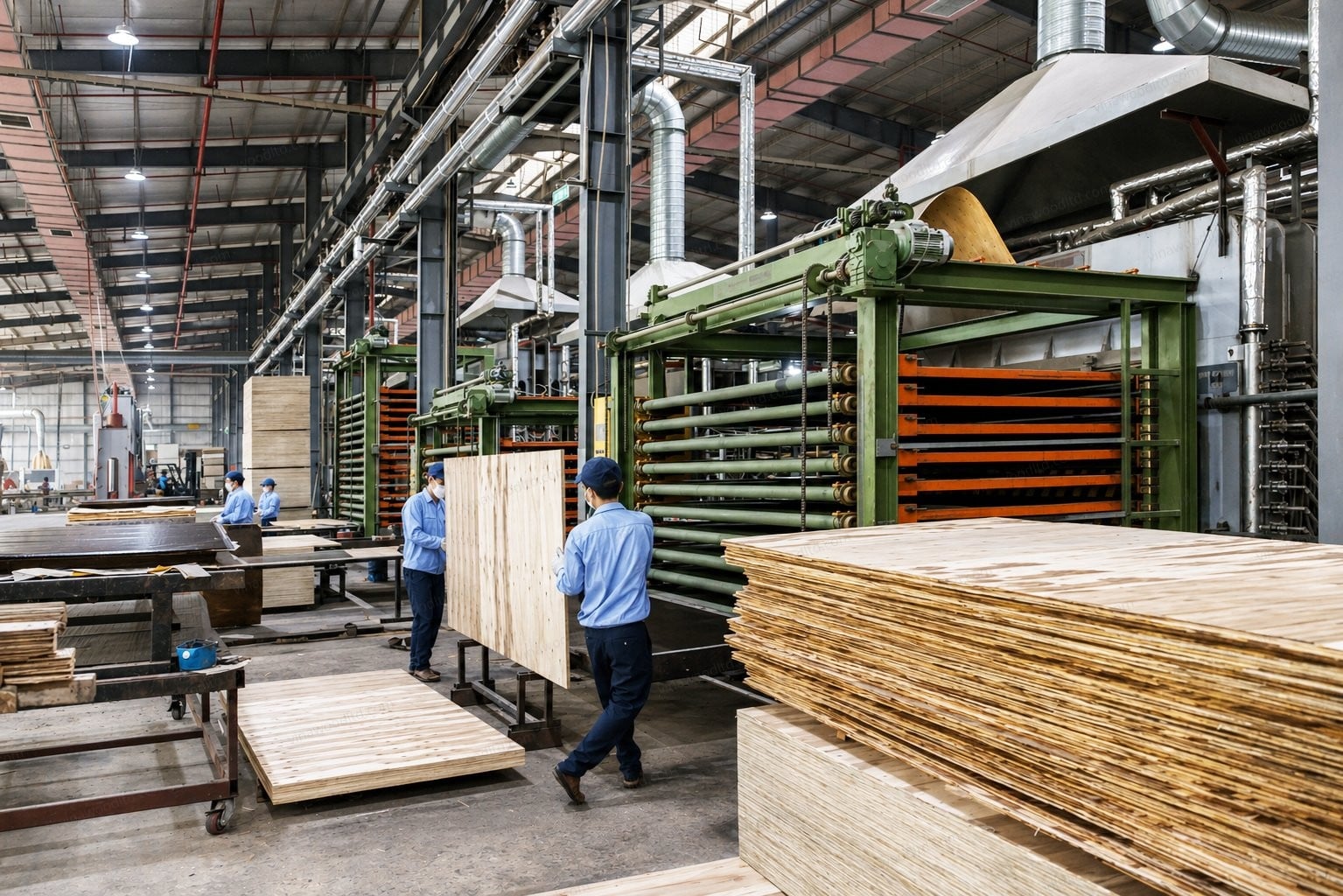
How a crew treats the panels changes those numbers a great deal. Release agent, vibration, the way forms are stripped and whether cut edges get resealed all push the count up or down, so two crews on the same grade can end a job with very different results. Consply has no place in this table, being commercial Bintangor with no film, and for formwork the habit that saves the most trouble is to name the grade, the bond class and the pours you need in one line and let the supplier confirm the match.
What drives plywood cost
We don't print prices in guides like this, because they move too fast and differ too much between regions, and a number from last quarter doesn't help anyone. What drives the price stays much the same, though: core species and veneer grade, bond class, any film or overlay, the thickness, and the certificates the job calls for, and a sheet that comes with CARB P2, CE marking and FSC chain of custody carries paperwork that a commodity board simply doesn't. For a figure you can use, send us your size, grade and volume and we'll quote against them.
Which plywood does Vinawood make? What to spec on the RFQ
We make film-faced, MatteFace, HDO, marine, commercial and packing-grade plywood, all on plantation-grown Acacia, Eucalyptus and Hevea. Class 3 on our range is Pro Form, Pro Form Lite, HDO Standard and HDO Premium, while Eco Form, Eco Form Plus, Form Basic and Form Extra use core MUF glue at EN 636-2. The niche birch and aircraft grades above aren't ours, and we'd rather send you to the right panel than sell you the wrong one. An order that covers these points leaves very little room for a swap:
- Species: plantation-grown Acacia, Eucalyptus or Hevea
- Bond class: EN 636-1, -2 or -3, or MR vs WBP
- Face: film-faced, MatteFace, HDO, or sanded
- Size: millimetres first, with inches for US jobs
- Emission class: CARB P2 / TSCA Title VI and/or EN 13986 E1
- FSC chain of custody if the job needs it
Vinawood has been making plywood since 1992 and ships around 5,000 containers a year to more than 55 countries, with ISO 9001, FSC-CoC, CE marking to EN 13986 and EPA TSCA Title VI certification. Know the type and grade you need? Send it through our RFQ form, or request a quotation and tell us what the panel's for, and we'll match it to the job.
Category
how-to
Related Markets
Related Countries
▶Sources & References (3)
- EN 636 Plywood. Specifications — CEN (2015)
- EN 13986 Wood-based panels for use in construction — CEN (2015)
- Composite Wood Products program — California Air Resources Board (2024)