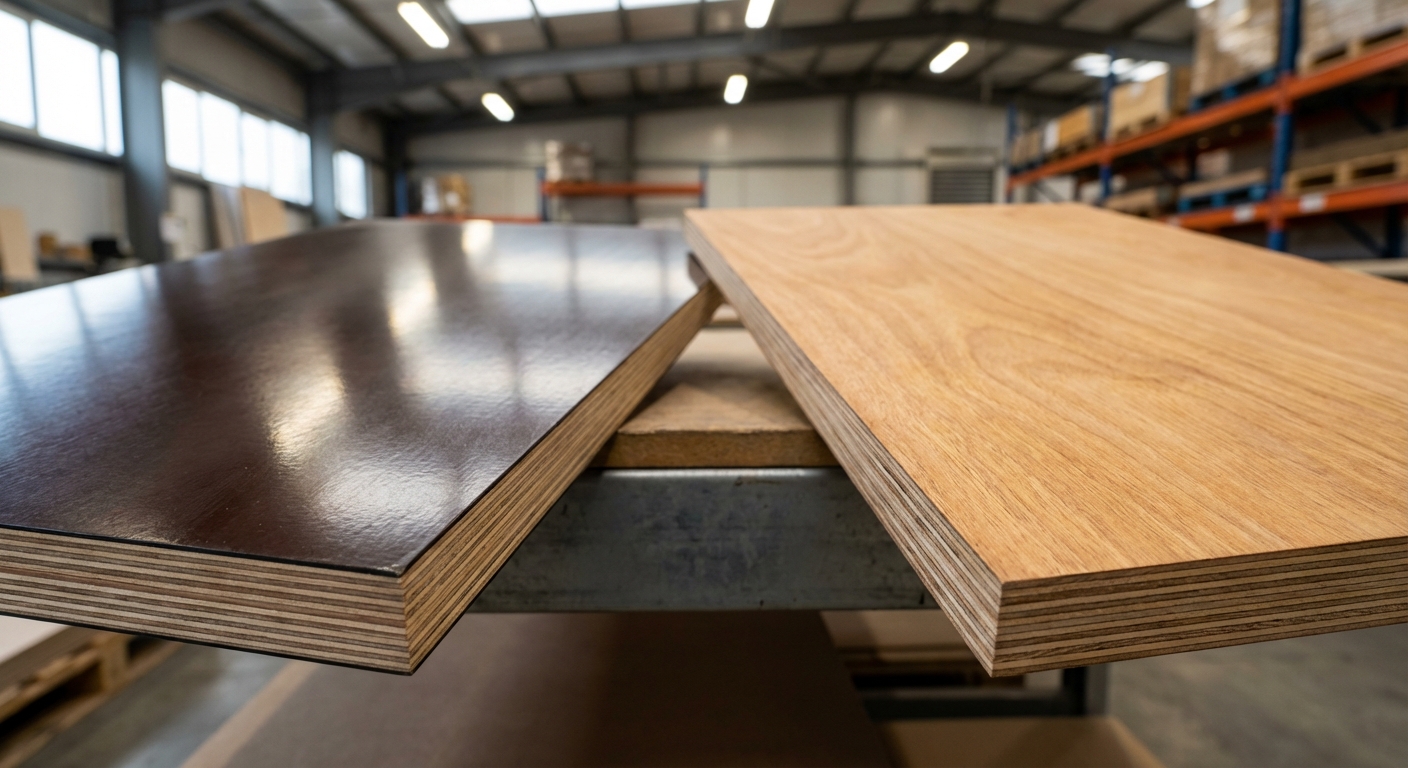
Best Marine Plywood Brands & Manufacturers: India, Philippines & B2B Sourcing [2026]
The best marine plywood brands in India and the Philippines compared, plus a new B2B sourcing dimension: how importers and distributors buy marine plywood container-direct from a manufacturer. IS 710 and BS 1088 standards, quality verification, and when marine grade is worth the premium.
![Best Marine Plywood Brands & Manufacturers: India, Philippines & B2B Sourcing [2026]](https://kvwcunpmdrfnpzuibkdq.supabase.co/storage/v1/object/public/site-public/media/blog/52c237c7-09b6-4b4d-abf5-f71c9160676c/best-marine-plywood-brands-featured.png)
Why the Brand Matters for Marine Plywood
"Marine plywood" is one of the most widely misused labels in building materials. In India, dozens of brands stamp "marine" or "BWP" on panels that may not meet the IS 710 standard. In the Philippines, the term is used generically for almost any construction-grade panel, regardless of adhesive or core quality. This guide serves two audiences: retail and contractor buyers comparing brands in India and the Philippines, and import and B2B buyers sourcing marine plywood container-direct from a manufacturer.
Genuine marine-grade plywood needs three things: a WBP phenolic adhesive (IS 710 BWP or BS 1088), a void-free core with no internal gaps, and dense hardwood species. Brand reputation has become the main quality signal in markets where independent panel testing is rare. Below, the major brands by market, how to verify quality yourself, and how B2B buyers source from a manufacturer rather than a retail shelf. For the underlying technical picture, see the complete marine plywood guide.
How We Evaluated Marine Plywood Brands
Each brand here is assessed against five criteria that decide whether a "marine plywood" label reflects genuine marine-grade quality.
Certification standards — specifically IS 710 (India's BWP standard) and BS 1088 (the international marine standard). Both require WBP phenolic adhesive and void-free core construction. EN 314 Class 3 bond testing is the laboratory method used to verify adhesive performance.
Adhesive verification — phenolic formaldehyde (PF) adhesive produces dark brown or black glue lines at the panel edge. Light cream or white glue lines indicate urea or melamine adhesive, not genuine WBP.
Core construction — genuine marine plywood has a void-free core with no gaps, overlaps, or missing veneer sections visible at the edge.
Market availability — how widely the brand is distributed through retail and wholesale channels in its primary market.
Price positioning — where the brand sits from budget to premium tier.
Best Marine Plywood Brands in India
India's plywood market is dominated by branded domestic manufacturers, most offering IS 710 BWP certified panels. The following are the most widely recognised names.
CenturyPly
CenturyPly is India's largest plywood manufacturer by market share. Its marine range carries IS 710 BWP certification and uses phenolic adhesive across the line, in thicknesses from 6 mm to 25 mm, widely stocked through an extensive dealer network. Positioned in the premium tier, it is the default specification for many architects and interior designers on residential projects.
Greenply
Greenply is India's second-largest plywood brand and a direct competitor to CenturyPly in the marine segment. Its BWP range carries IS 710 certification with phenolic adhesive, and distribution covers most major cities and tier-2 towns. Priced slightly below CenturyPly in most markets, it is popular with contractors who want reliable IS 710 performance without the top-tier premium.
Kitply
Kitply is a long-established brand with a strong presence in eastern and northern India. Its marine plywood is IS 710 certified with BWP phenolic adhesive, positioned in the mid-range tier. Distribution is strongest in West Bengal, Assam, and Bihar.
SylvanPly
SylvanPly is a Kerala-based manufacturer known in the southern market, with a marine range claiming IS 710 BWP certification. It sits in the mid-range tier and is widely available in Kerala, Tamil Nadu, and Karnataka. Verify current certification status directly with the manufacturer, as regional brands sometimes update their coverage.
National Plywood
National Plywood (NPLY) operates from Haryana and serves the north Indian market. Its marine range targets the value-conscious segment while maintaining IS 710 BWP certification, strongest in Delhi-NCR, Haryana, Punjab, and Rajasthan.
Austin Plywood
Austin Plywood is a Bangalore-based manufacturer with a strong presence in Karnataka and neighbouring states. Its marine plywood carries IS 710 certification and sits in the mid-range tier, a common choice for residential construction in South India.
When evaluating any Indian marine brand, always request the current IS 710 test certificate for the specific product and thickness you are buying. Brand reputation is a starting point; independent testing documentation is the only reliable guarantee.
Best Marine Plywood Brands in the Philippines
The Philippine market works very differently from India's branded retail model. Here, "marine plywood" is the default term for almost any construction-grade panel, applied far more broadly than the BS 1088 or IS 710 definitions would suggest, from genuine phenolic-bonded void-free construction down to basic exterior plywood with minimal moisture resistance.
The market relies heavily on imported plywood, with significant volumes from China and Vietnam alongside domestic production. Local mill brands vary in quality and certification, and there is no single enforced national standard equivalent to India's IS 710. For Philippine buyers, the brand name on the panel matters less than the adhesive and core quality of the specific batch: check the glue-line colour at the edge, inspect for core voids, and request any available test documentation.
Indian vs Philippine Marine Plywood — Market Comparison
| Factor | India | Philippines |
|---|---|---|
| Governing standard | IS 710 BWP | No single enforced standard |
| Market structure | Branded domestic manufacturers | Import-dependent, local mills |
| "Marine" label usage | Should indicate IS 710 BWP | Applied broadly to construction panels |
| Common species | Gurjan, keruing, mixed hardwoods | Mixed hardwood species, imported |
| Quality consistency | Higher — branded supply chains | Variable — depends on source |
| Price range (18 mm) | Varies by brand and region | Generally lower than India for equivalent spec |
The key difference is quality-assurance infrastructure. India's branded manufacturer model, combined with IS 710 as an enforced standard, provides a baseline of verification. The Philippine market's import-dependent, less standardised structure puts more of the verification burden on the buyer at the point of purchase.
Marine plywood manufacturers vs retail brands — how B2B buyers source
Retail brands are one route to marine plywood. For importers, distributors, and large projects buying by the container, the manufacturer or exporter route is the other, and it is the faster-growing question buyers now ask. The two serve different needs. A domestic retail brand suits small volumes, immediate off-the-shelf availability, and local warranty support. A manufacturer or exporter suits container-quantity orders, distributors building their own inventory, and projects large enough that factory-direct pricing beats a retail markup.
Sourcing from a manufacturer shifts the verification work from the shop floor to the shipping documents, so the checklist tightens:
- Certification per shipment — a BS 1088 (international) or IS 710 (India) test certificate referencing the exact product and thickness, plus EN 314 Class 3 bond-test data with the shipment.
- Adhesive proof — a dark phenolic glue-line at the panel edge, backed by the bond-class certificate rather than a verbal claim.
- Void-free core — confirmed on sample panels before the container is booked.
- Chain-of-custody and compliance — FSC-CoC for sourcing, plus CARB P2 / EPA TSCA Title VI where the panels enter the US.
- Factory, not trader — the same due diligence any plywood import needs: confirm the seller presses the panels rather than reselling them.
We have shipped marine-grade panels to importers who first learned the hard way that a "BWP" stamp on a retail invoice is not the same as an EN 314 Class 3 bond certificate on a container. The certificate is what a customs file and a project QA audit will ask for.
How to source marine plywood from a manufacturer (container-direct)
The container-direct path is short but specific. Agree the specification (BS 1088 or IS 710, thickness, core species, certification), request samples to confirm the glue-line and core before committing, then ask for a CIF quotation to your destination port against your MOQ. Confirm the bond-test and chain-of-custody documents travel with the shipment, and book a pre-shipment inspection for larger orders. The full container-sourcing sequence is set out in our guide to buying plywood from Vietnam.
How to Verify Marine Plywood Quality — Regardless of Brand
Brand reputation is a starting point, not a guarantee. These checks apply to any marine plywood purchase in any market.
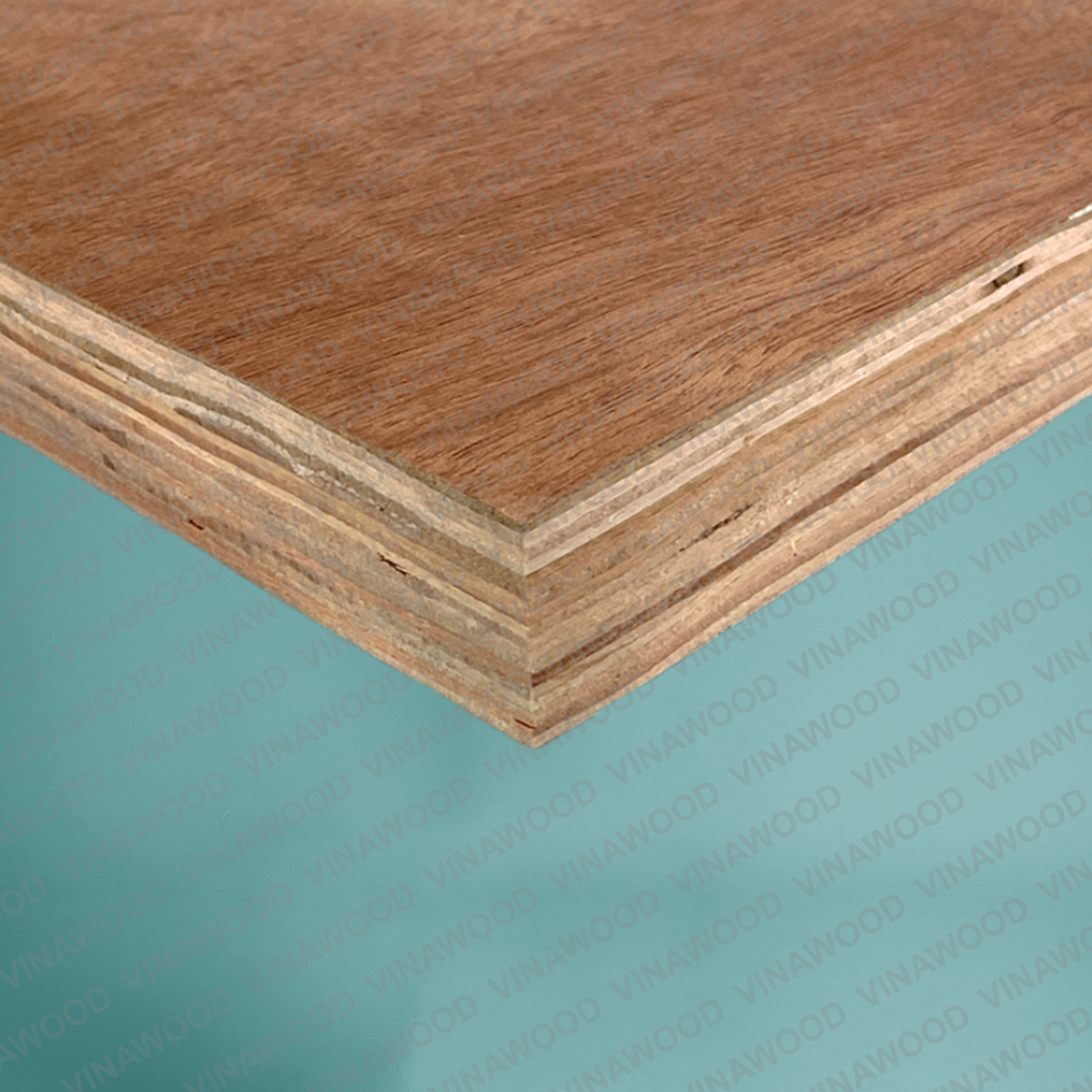
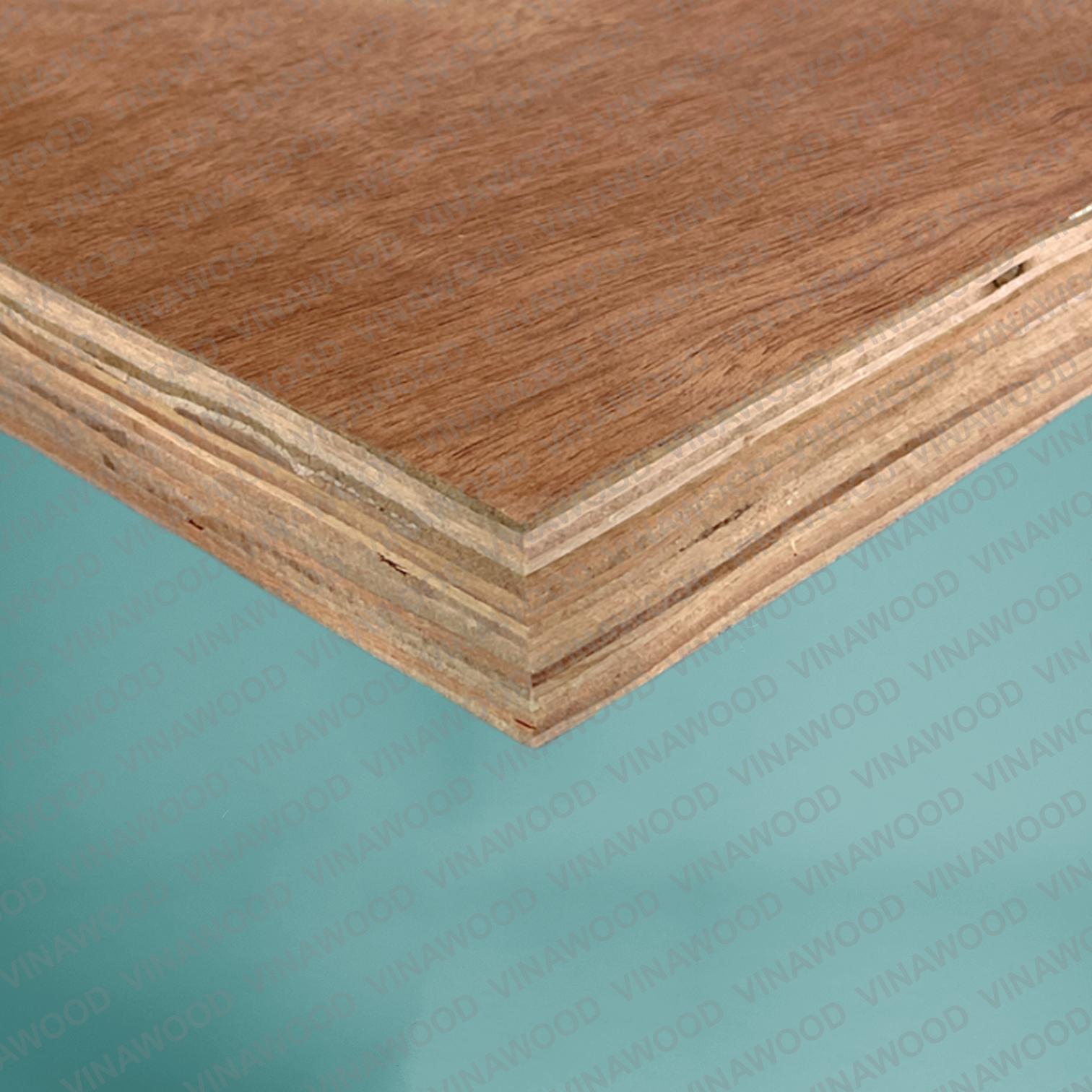
Visual glue-line inspection. Examine the cross-section edge. Dark brown or black glue lines between veneers indicate phenolic adhesive, the only type that gives genuine WBP performance. Light cream, white, or pale yellow glue lines indicate urea or melamine adhesive, which does not meet marine-grade requirements regardless of the label.
Core void check. Look at the edge cross-section for gaps, overlaps, or missing veneer. Genuine marine plywood shows tightly laminated layers with no visible voids. Any internal gap disqualifies the panel from true marine-grade classification.
Request test certificates. Ask the supplier for a current IS 710 (India) or BS 1088 (international) certificate from an accredited laboratory, referencing the specific product, grade, and thickness.
DIY boil test. Cut a small sample from the edge and submerge it in boiling water for 24 hours. Genuine WBP phenolic adhesive holds its bond and the veneers stay together. If the layers begin to separate, the adhesive is not WBP phenolic.
Marine Plywood vs BWP Plywood — Are They the Same?
In India, "marine plywood" and "BWP plywood" are used interchangeably in everyday trade, but they are not technically identical. BWP (Boiling Water Proof) refers specifically to the adhesive classification under IS 710: a BWP-labelled panel has passed the IS 710 boil test for bond performance. Genuine marine grade adds requirements beyond adhesive, specifically a void-free core and approved dense hardwood species. A panel can carry a BWP label while still having core voids or using species that would not meet BS 1088 marine-grade requirements. For applications where true marine performance matters, verify both the adhesive classification and the core construction, not just the BWP label.
When Marine Plywood Is (and Isn't) Worth the Premium
Marine plywood costs significantly more than standard exterior plywood, and the premium is justified only in specific applications.
Worth the premium: boat building and hull construction, dock and jetty work, permanent wet-area installations, outdoor furniture built to last decades, and any application needing BS 1088 or IS 710 certification for regulatory or insurance compliance.
Not worth the premium: concrete formwork, where film-faced plywood is more cost-effective and releases concrete better; interior furniture in climate-controlled spaces, where commercial plywood is enough; temporary structures; and general sheathing. For the formwork-versus-marine call, see film-faced plywood vs marine plywood.
Vinawood Marine Plywood for Export and B2B Projects
Vinawood manufactures BS 1088 compliant marine plywood from plantation eucalyptus and acacia at its facilities in Vietnam. The marine plywood collection is available for container-quantity export to India, the Philippines, and markets worldwide. It is not positioned as a retail competitor to domestic Indian brands but as a factory-direct option for importers, distributors, and large B2B projects that need verified BS 1088 performance at competitive pricing. Certifications include FSC chain of custody, CARB Phase 2, CE marking, and EN 314 Class 3 bond testing with every shipment. Vinawood is a Vietnamese plywood manufacturer established in 1992, shipping more than 5,000 containers a year to over 55 countries. For buyers in India, the Philippines, or elsewhere weighing a container-quantity marine import, our sales team provides factory-direct pricing, samples, and CIF quotations to destination ports within 24 hours.
Category
guides
Related Markets
Related Countries
Related Products
▶Sources & References (2)
- IS 710:2010 - Marine Plywood - Specification — Bureau of Indian Standards (2010)
- BS 1088-1:2003 - Marine plywood - Requirements — British Standards Institution (2003)
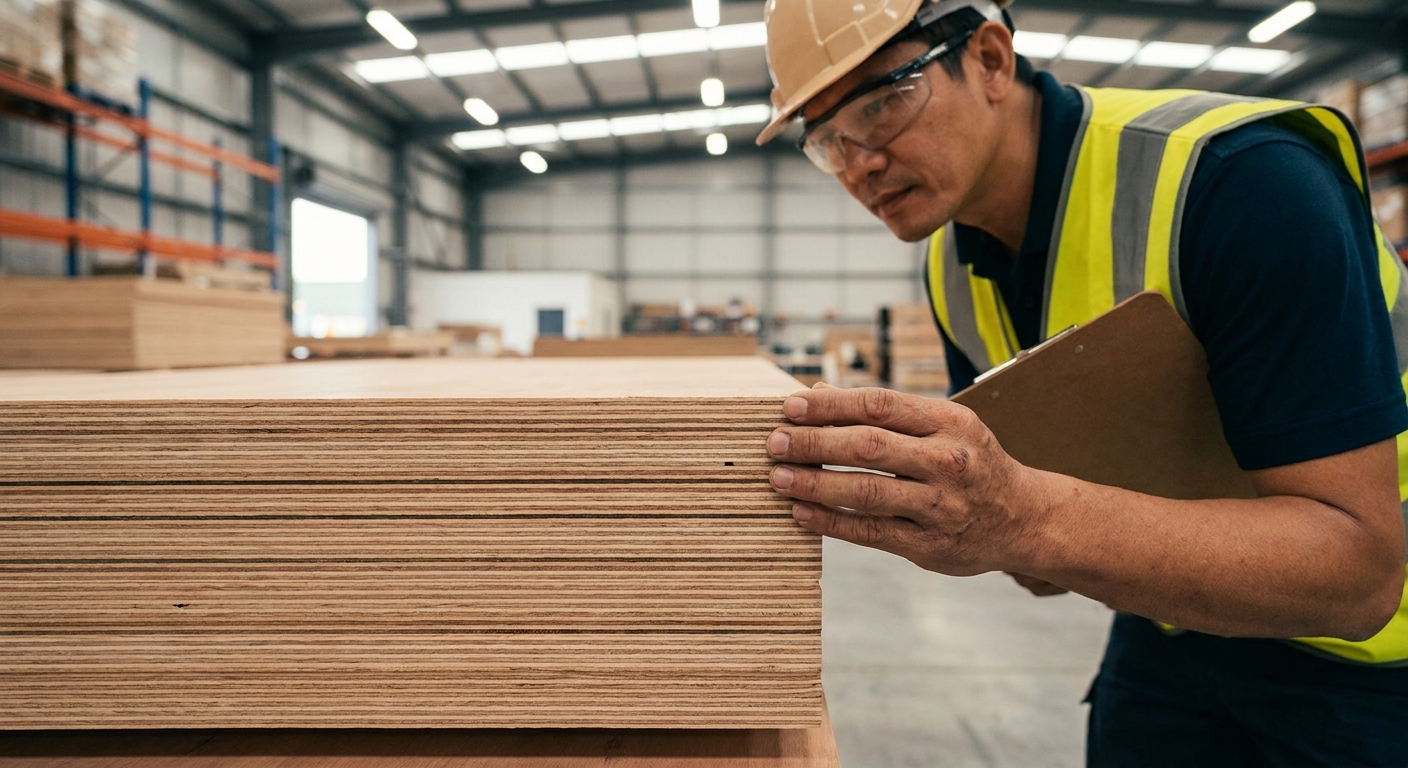
![Marine Plywood Price Guide [2026]: What Buyers Actually Pay](https://kvwcunpmdrfnpzuibkdq.supabase.co/storage/v1/object/public/site-public/media/blog/e153cbc9-720d-45ca-a23e-d39aeb3ca9e9/marine-plywood-price-featured.png)