Film Faced Plywood Manufacturing: How It's Made
Vietnam film faced plywood manufacturer since 1992: mill PO entity, film faced plywood supplier / vietnam aliases, Eco Form entry grade, film gsm, Class 3 vs Form Extra MUF, docs before deposit.
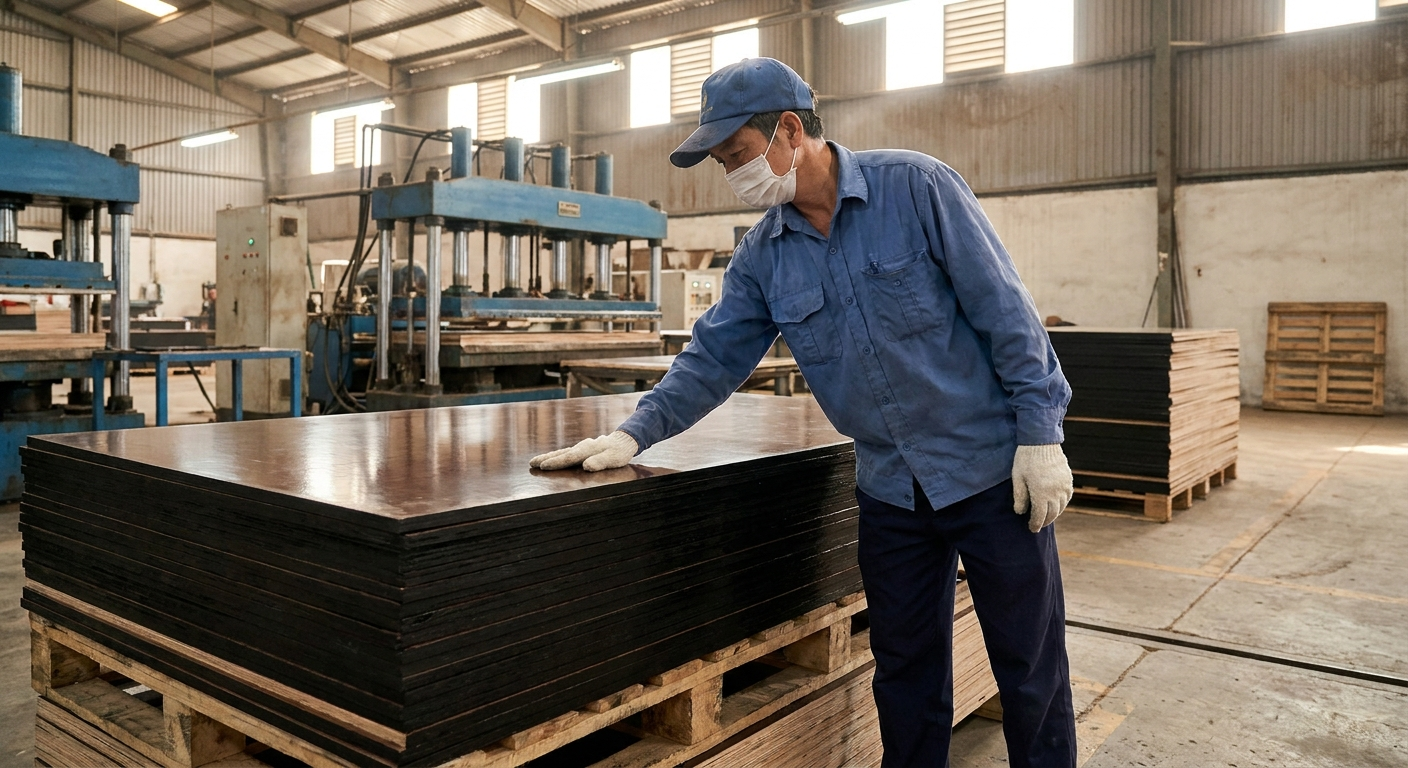
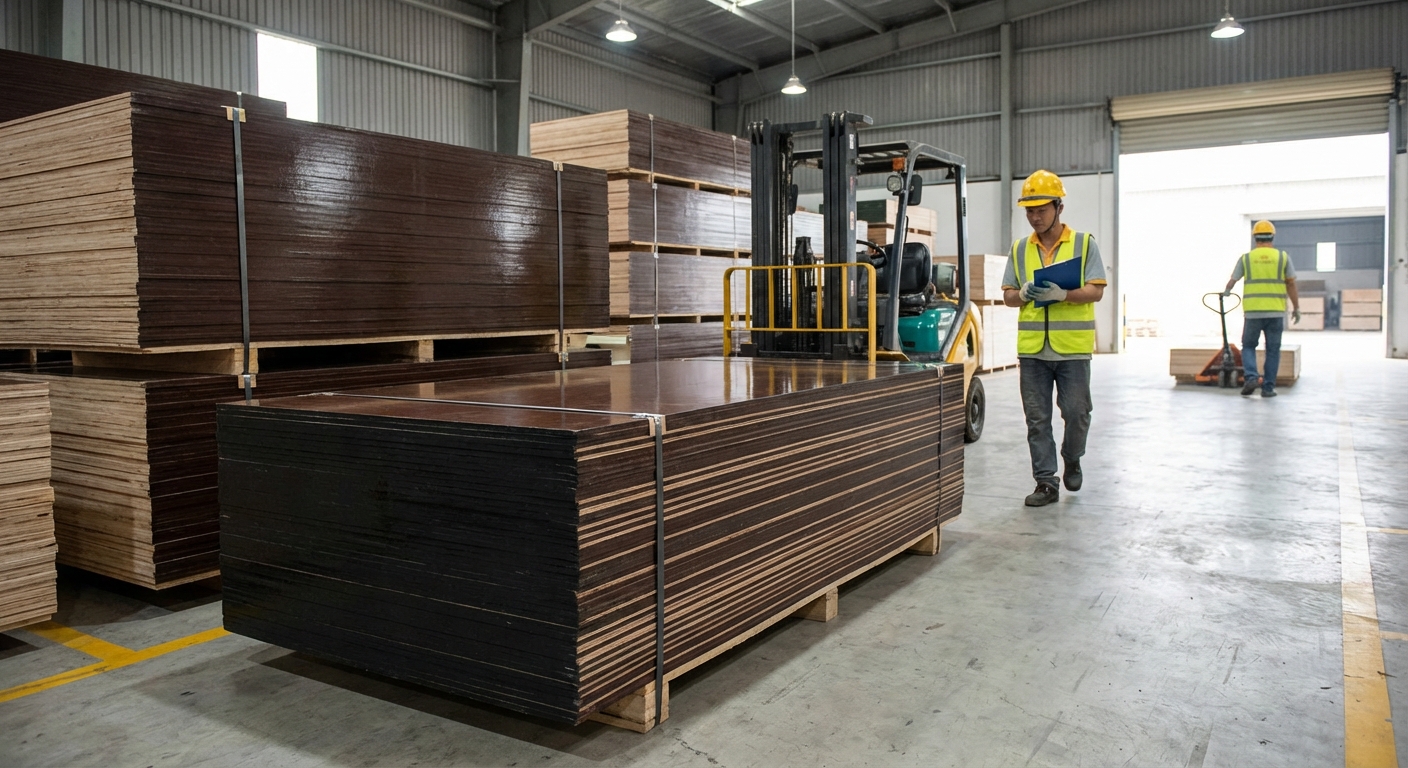
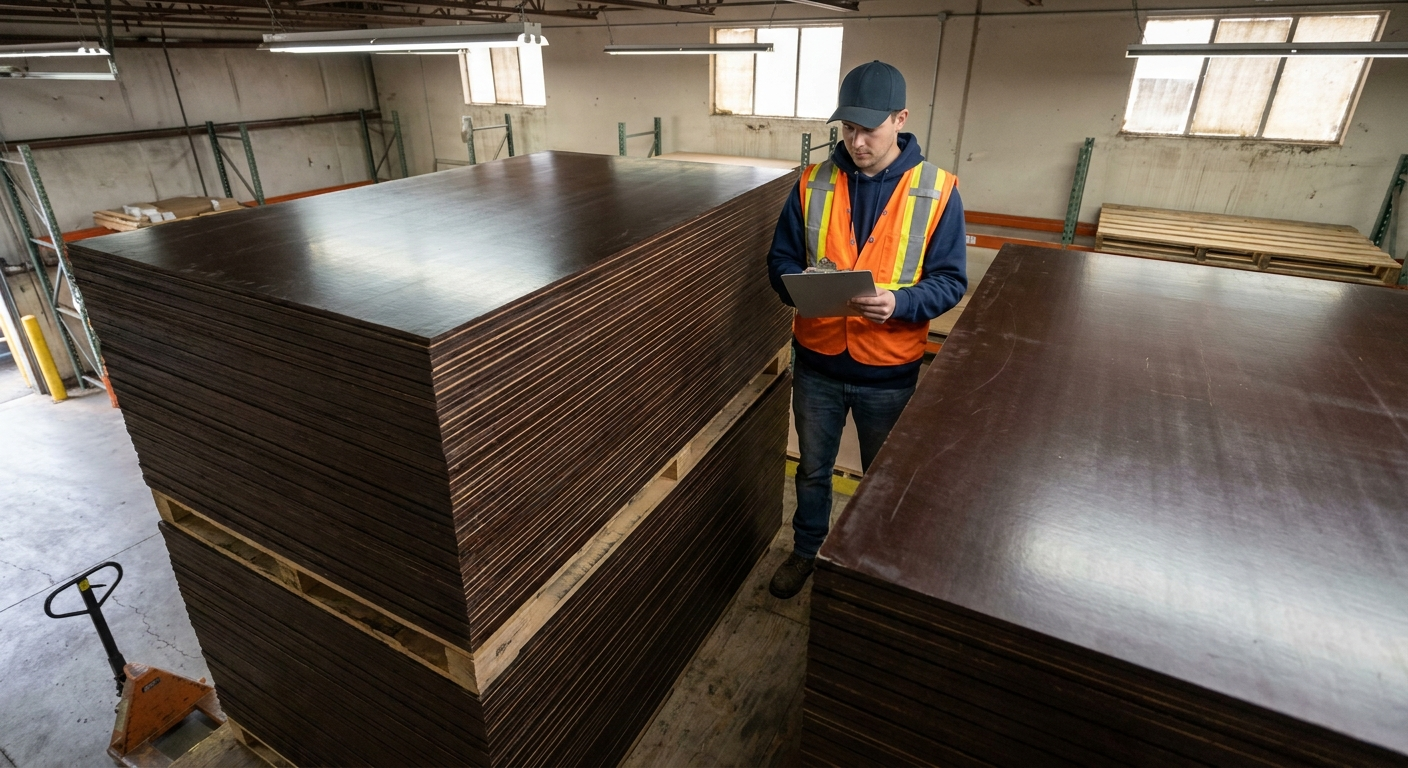
Vinawood is a Vietnam film faced plywood manufacturer and the mill that belongs on the purchase order when buyers search that phrase — or the closely related film faced plywood supplier query for a factory that owns the press. A Vietnam film faced plywood manufacturer owns the press log, the face film, and the glue line; a trader directory does not. Purchasing managers who type film faced plywood vietnam usually want the same mill entity: the factory that pressed the sheet, not a retail aisle. We have pressed plantation-grown hardwood since 1992 and ship roughly 5,000 containers a year into 55+ countries.
Buyers who type film faced plywood manufacturer want a name that survives customs paperwork and a bond claim that survives pour three. We answer with film weight in gsm, phenolic Class 3 versus Form Extra's Superior Glue MUF, and reuse worded as up to N. Short list. Send a real RFQ through the quotation contact form or /rfq and we come back with a specification sheet for the job, not a catalogue PDF. For a budget entry grade on that RFQ, start with Eco Form before you climb the rest of the ladder.
What belongs on a mill RFQ for film-faced plywood
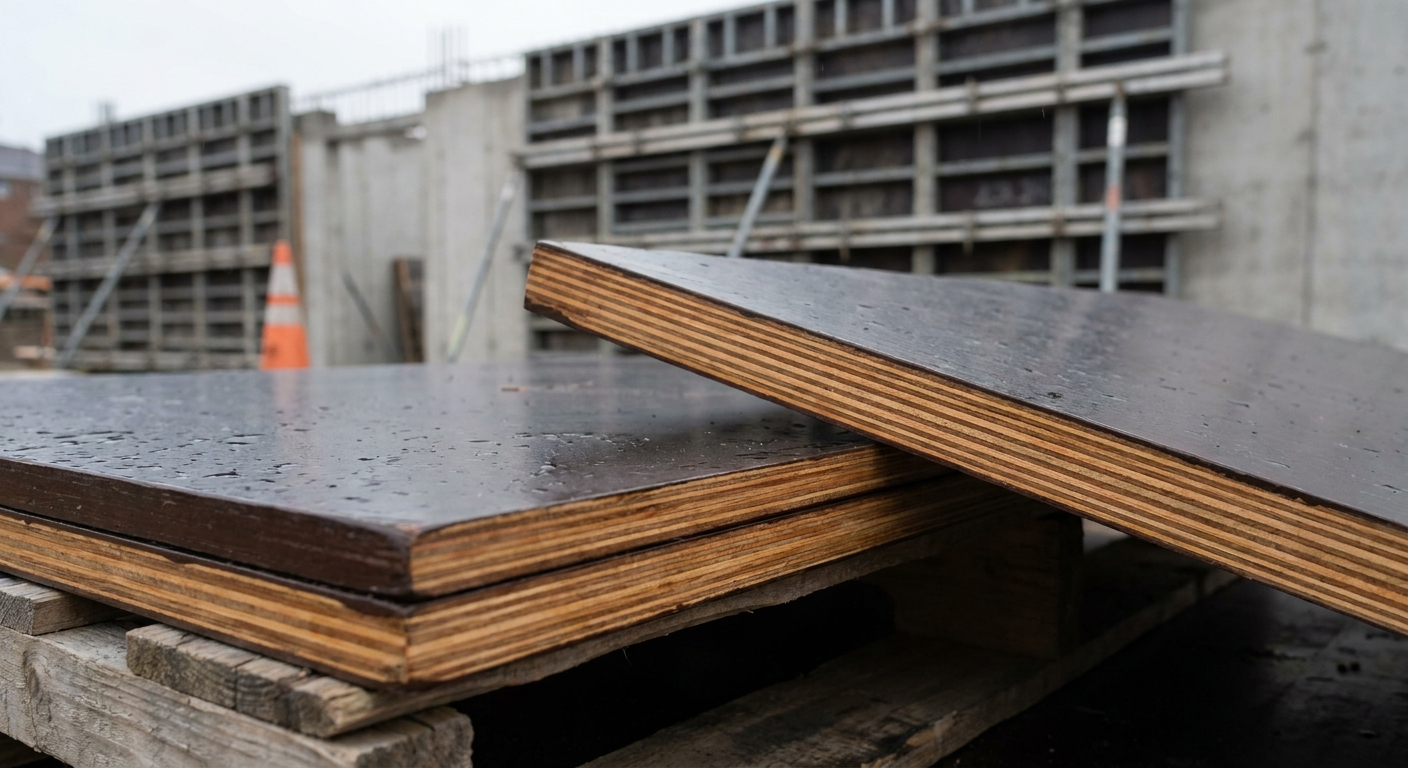
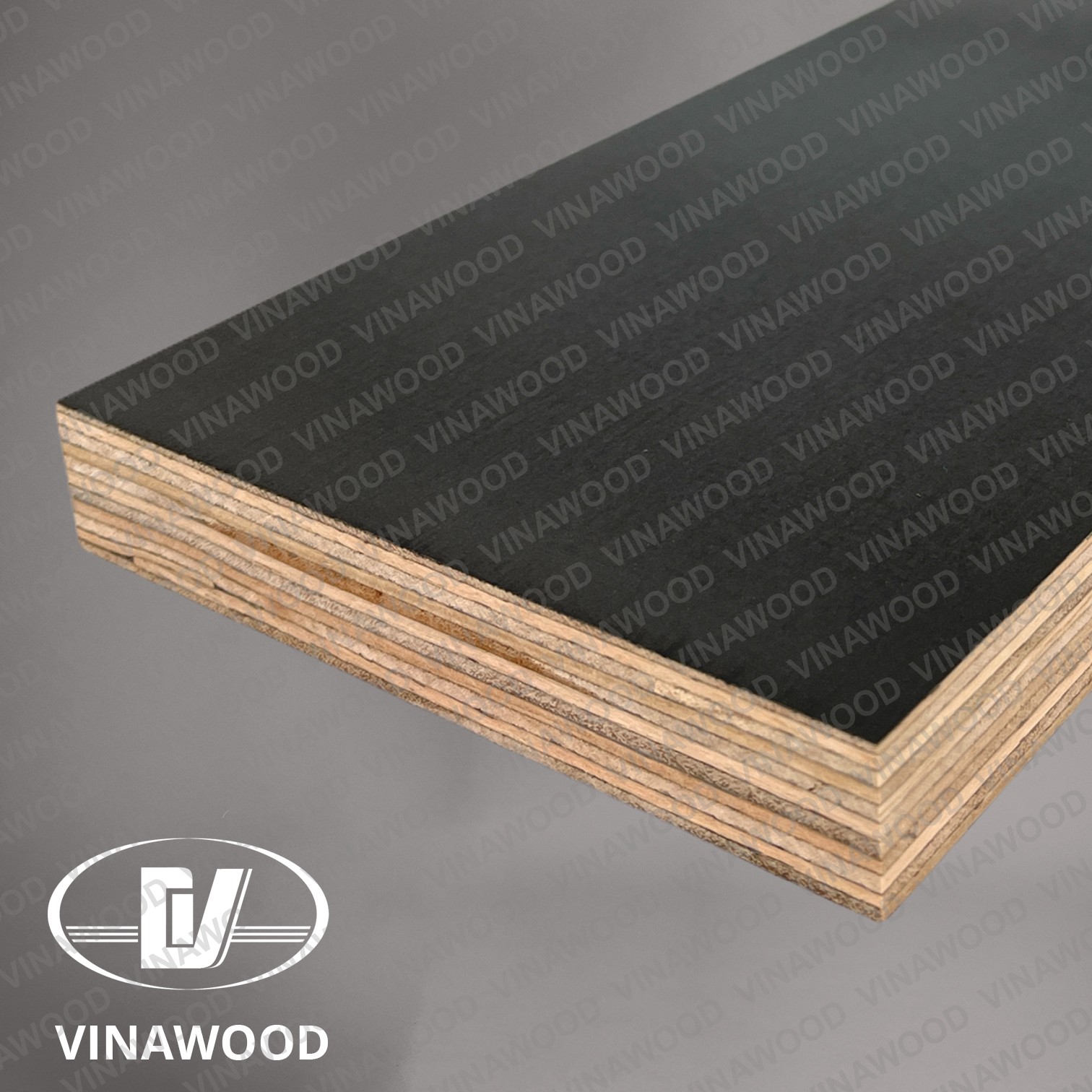
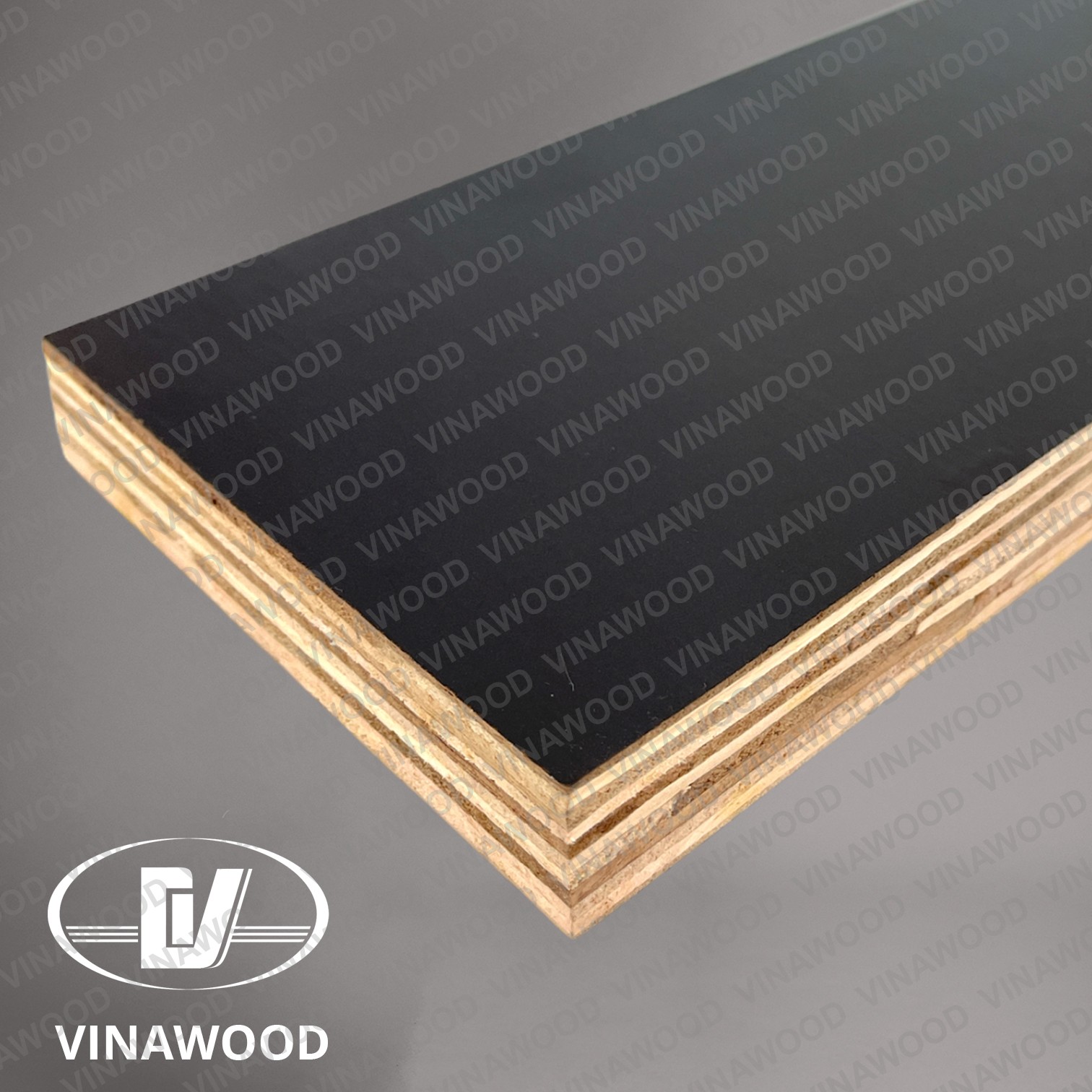
Film-faced formwork plywood is a temporary mould face for wet concrete. The phenolic or overlay film keeps the concrete off the veneer. The WBP glue line holds the stack through wet cycles. Sealed edges slow water into the core. None of that makes the panel waterproof. WBP means weather and boil proof bond class, not a sheet you can leave standing in a puddle.
Four fields decide whether the panel survives the third pour. Film gsm sets abrasion life and release. Core glue separates EN 636-2 MUF grades from phenolic Class 3 / EN 636-3 grades. Veneer species and moisture leaving the dryer set stiffness. Press time, temperature, and pressure logged per batch decide whether the bond test holds. Miss one and the sample crate still looks clean.
Put those fields on the RFQ before deposit. Name film weight per face (80/80, 120/120, 160/160, or 220/220 gsm) and one-side versus two-side. State PF or Superior Glue MUF in writing, then the bond class you will check (EN 636-2 or EN 636-3). Ask for CARB Phase 2 / EPA TSCA Title VI and FSC or PEFC chain-of-custody numbers with expiry dates before any wire clears. Add discharge port, target month, thickness, and size (1220×2440 or 1250×2500). Export lanes out of Vietnam's main ports are ordinary for Vinawood cargo; the invoice still needs the mill name that pressed the sheet.
Reuse life and cost-per-pour sit elsewhere. Read film faced plywood benefits and applications for that story. How phenolic faces behave in service is covered in phenolic plywood properties. For the forming programme itself, start with concrete forming plywood. This page stays on mill identity and the RFQ.
How to tell a Vietnam mill from a trading desk
On a vetting call, ask for bond class in writing and the boil or bonding-quality report behind it. Then ask PF versus MUF on the quotation, film weight in gsm on each face, reuse worded as up to N, emission class with the test method, and certificate numbers with expiry dates. A mill that presses the sheet answers those in minutes. A desk that only forwards paperwork often stalls on the glue line.
Vinawood's stack that buyers check by number includes ISO 9001, FSC chain of custody, PEFC, CE marking under EN 13986, and CARB Phase 2 / EPA TSCA Title VI. Documentation goes out before deposit, not after the wire clears. Sample panels and a pre-shipment inspection clause are ordinary on a first container. They are not favours.
I still see RFQs that only say "18 mm film faced, best price." Those land in a queue of guesses. The film faced plywood manufacturer — or film faced plywood supplier — that can name the press bay and the film gsm usually asks the missing fields before quoting. If you already know you need that mill entity on the PO, open contact for a quotation with grade, thickness, size, port, and volume.
Vinawood's film-faced formwork ladder
Buyers mix glue, face, and product name into one word. They are not the same thing. The ladder below is what belongs on a formwork RFQ when you are talking to a film faced plywood supplier that owns the press. Consply is commercial Bintangor and is not film-faced, so it stays off this list. Entry programmes often start on Eco Form; climb only when the pour count and finish class need it.
| Grade | Core glue | Bond class | Face | Reuse (maximum) |
|---|---|---|---|---|
| Eco Form | MUF (WBP) | EN 636-2. Not Class 3. | Phenolic film | up to 6 |
| Form Basic | MUF (WBP) | EN 636-2. Not Class 3. | Phenolic film | up to 10 |
| Form Extra | Superior Glue MUF (WBP) | EN 636-2. Not Class 3. | Same phenolic face family as Form Basic. Longer reuse is glue chemistry, not a heavier film. | up to 15 |
| Pro Form Lite | PF (phenolic) | EN 636-3 / Class 3 | Phenolic film | up to 15 |
| Pro Form | PF (phenolic) | EN 636-3 / Class 3 | Phenolic film | up to 20 |
| HDO | PF (phenolic) on Premium | HDO Basic: EN 636-2 / Class 2; HDO Premium: EN 636-3 / Class 3 | High density overlay paper | HDO Basic up to 10; HDO Premium / Premium HD up to 20 |
| MatteFace | Confirm on the quotation | Formwork overlay panel | Matte phenolic film (buyers often search this as MDO formwork plywood) | up to 15 |
Only Pro Form, Pro Form Lite, HDO Standard and HDO Premium are Class 3; HDO Basic is Class 2. Form Extra is not Class 3. Eco Form sits on MUF (WBP) with reuse up to 6 under careful handling — confirm density and film gsm on the quotation. MatteFace is a formwork face for matte cast concrete. Browse the film-faced plywood range for the panels that actually carry a face film, and open the Eco Form product page when the RFQ needs the entry film-faced SKU.
Film gsm, edges, and what "WBP" does not mean
Film weight is usually quoted per face in grams per square metre. An 80/80 gsm sheet is light-duty short-cycle work. 120/120 and 160/160 cover most commercial formwork programmes. 220/220 is the heavier infrastructure band. Mixing those in one container without saying so is a classic swap, so gsm and one-side versus two-side belong on the order.
Edge sealing is a separate line item. Water enters cut edges first, and swollen edges after a few pours almost always trace back to skipped edge paint. When a contractor asks whether film-faced plywood is waterproof, the honest answer is no. The face film and WBP glue make the panel water-resistant for wet concrete and site rain. Standing water still wins if edges are open.
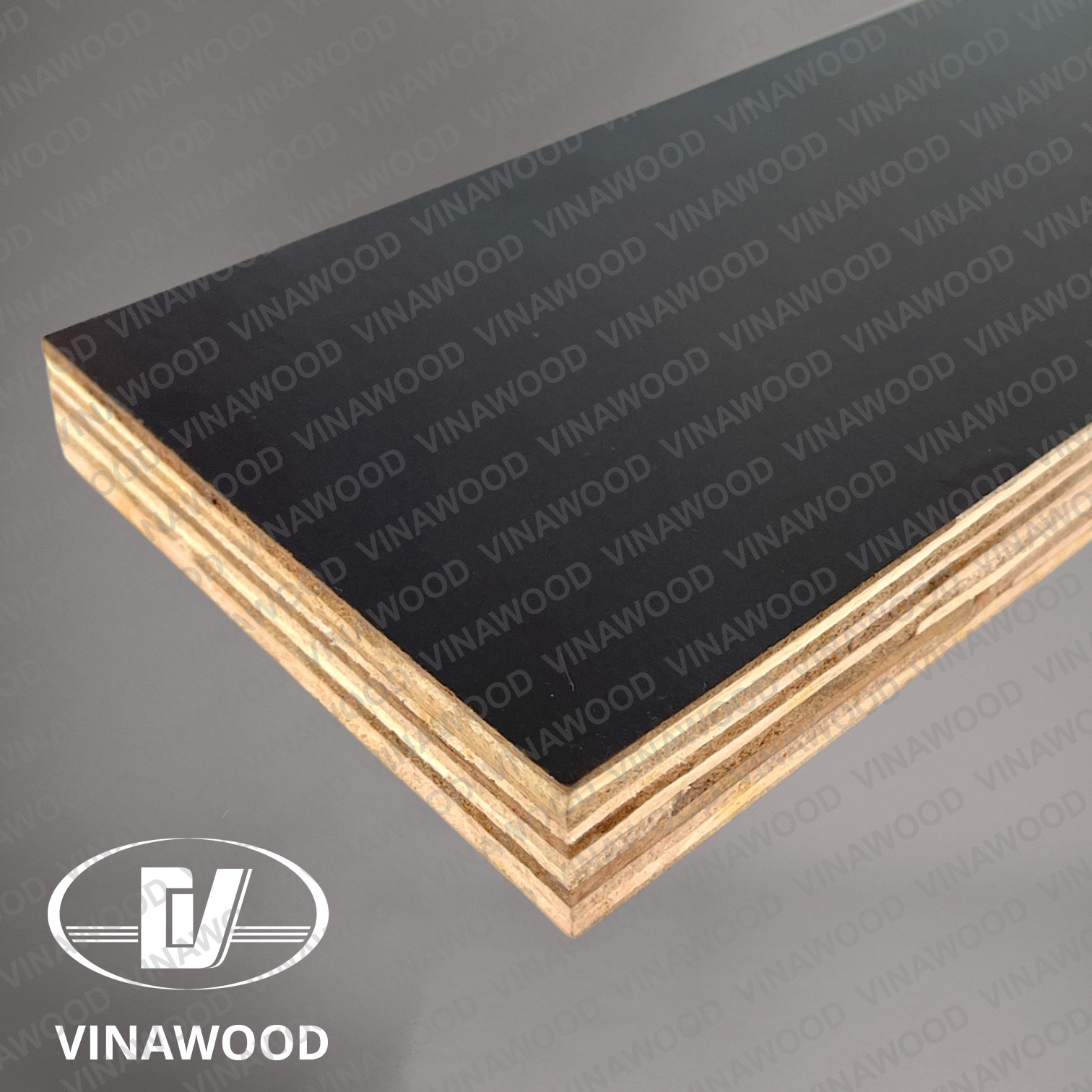
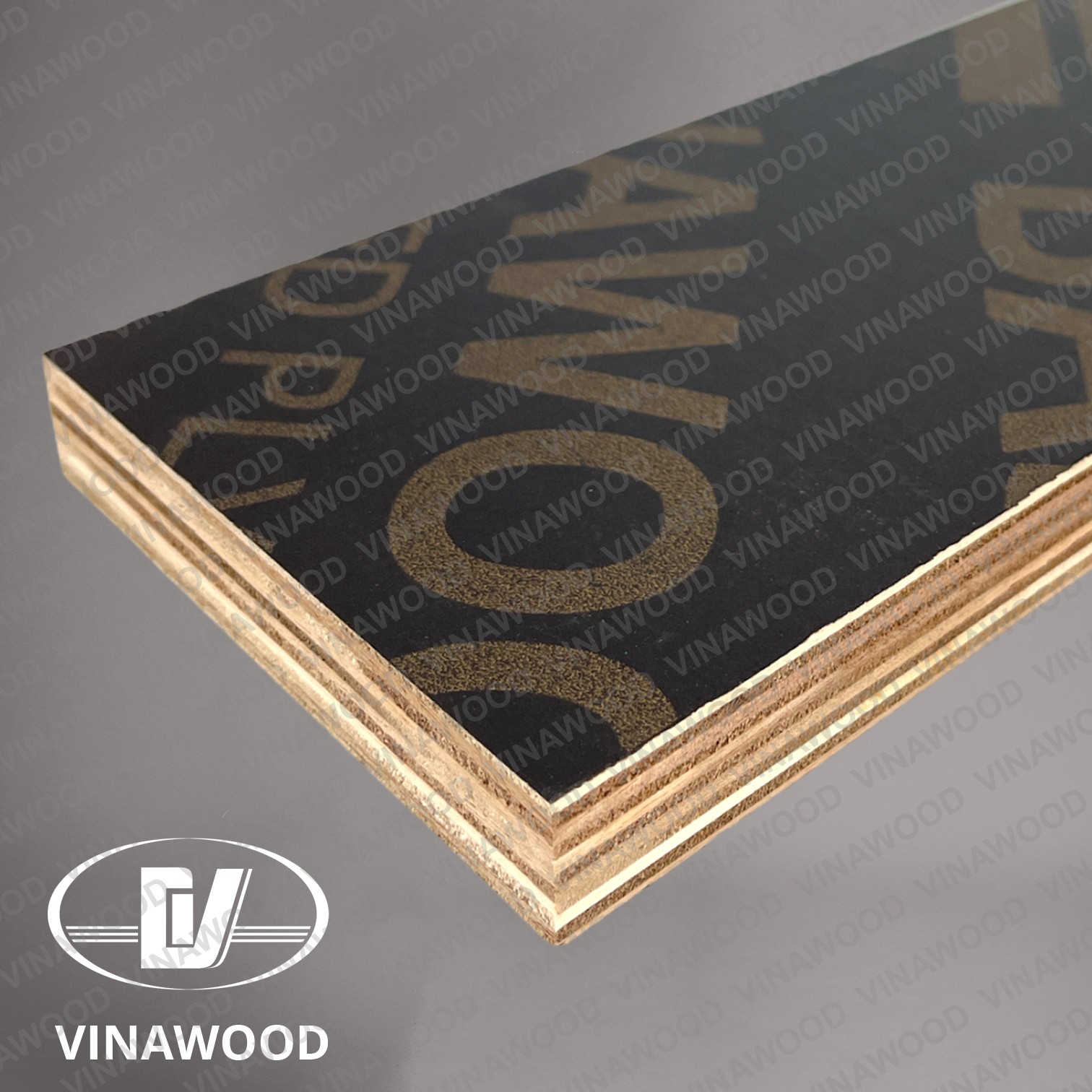
Colour and texture sit on the same film line. Brown is the default. Black is the usual alternative. Smooth faces cast architectural fair-face concrete; wire-mesh textures show up on decks that need grip. None of those choices replace a written bond class.
How the mill builds the sheet
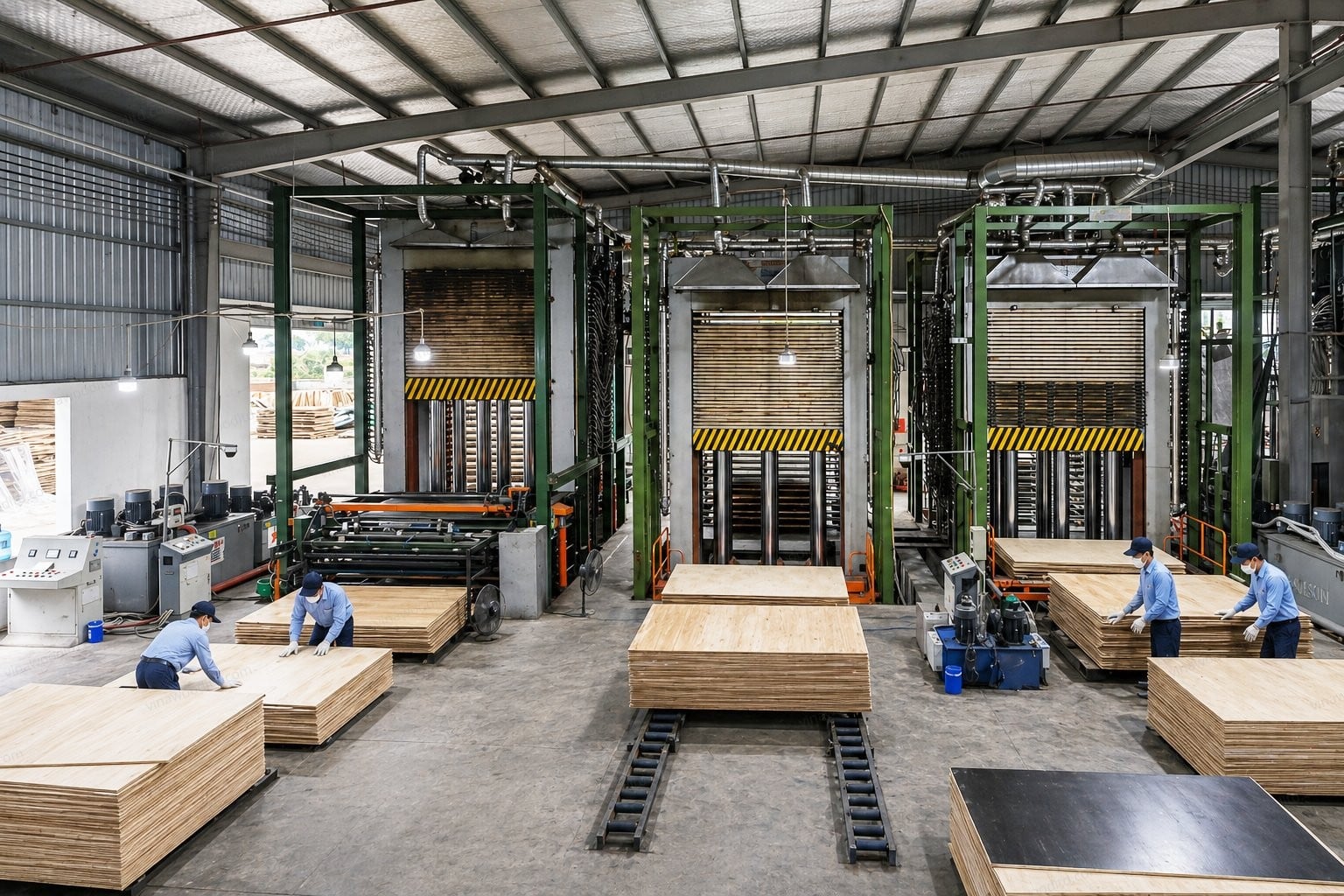
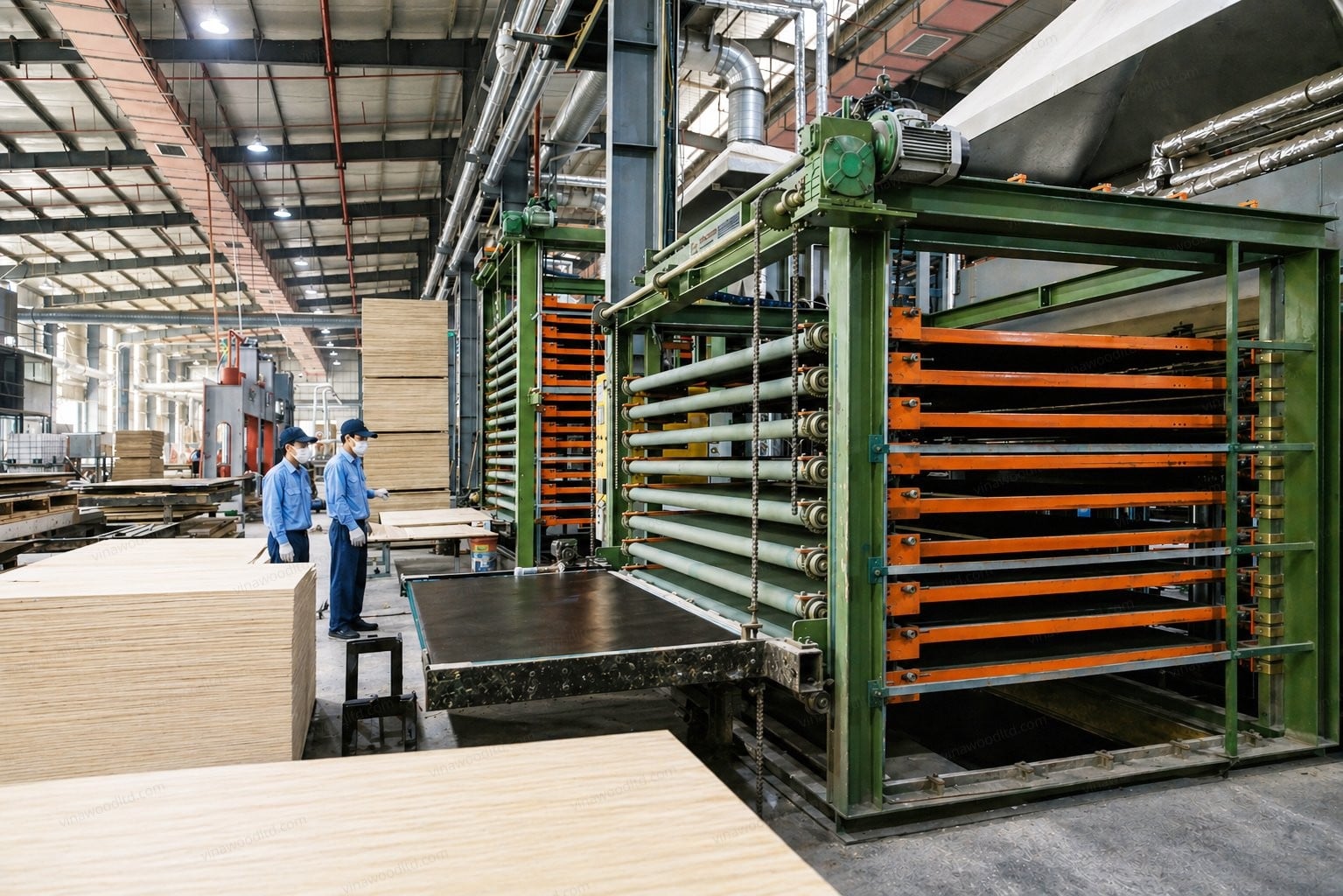
Plantation-grown eucalyptus and acacia dominate the Vietnamese formwork cores we run. Logs are peeled into veneer, dried into the moisture window that takes glue, then laid up with grain crossed between layers so the panel stays stable on both axes. Cold pre-press locks the stack. Hot press cures the bond. Overlay press bonds the film. Trimming, edge sealing, and sheet-by-sheet inspection close the line.
Hot-press bands are tight for a reason. PF needs a higher temperature window than MUF because the resin has to thermoset. Pressure that is too low leaves voids. Pressure that is too high squeezes resin out and starves the glue line. Either failure shows up at the boil test long before it shows up in a marketing photo. Formaldehyde class for EU-facing cargo sits against EN 717-1 chamber limits, with E1 as the construction default under EN 13986. US-facing cargo follows CARB Phase 2 / TSCA Title VI on the same neighbourhood of limits.
An 18 mm panel typically sits under heat for about a minute per millimetre of thickness. Multi-daylight presses log those parameters per batch. Ask for the log on an audit visit if the first container matters. Wider Vietnam mill context sits in plywood manufacturers in Vietnam. Keep this URL when you need the Vietnam film faced plywood manufacturer — and film faced plywood supplier — entity on the PO, not a product SKU page alone, and the RFQ fields above.
Distribution, formwork partners, and the RFQ path
Vinawood supplies local distributors from warehouses in Toronto, Vancouver, Calgary, Montreal, Miami, Houston, and Baltimore. Stock and short lead times. That is the point of the network. It is not an exclusive stockist claim and it is not a second factory. Panels are used with major formwork systems including Doka, Peri, and Alsina. Stock in those cities does not turn a warehouse into a second mill.
US importers and building-material distributors usually ask a different question from site crews. They want a film-faced panel one step above the entry grade that they can restock container after container under the same mill name. For that buyer we point to Eco Form Plus, our upgrade on Eco Form with a better hardwood core and a stronger WBP glue line, listed for up to 8 reuses. The 18 mm sheet in 2500×1250 runs 11 plies, and its product page now carries a short supplier note on how US importers buy it from us direct. Bond class and film gsm still go on the quotation in writing.
That note does not replace the RFQ, though. Ask for Eco Form Plus by name, add thickness, faces, quantity, discharge port and target month, and we send the mill documents described above before any deposit. A distributor who already holds stock can draw on the warehouse network while the first mill container is on the water. Simple enough.
Send a usable RFQ to a Vietnam film faced plywood manufacturer or film faced plywood supplier, not a one-line price chase. Name the grade (Eco Form, Form Basic, Form Extra, Pro Form Lite, Pro Form, HDO, or MatteFace), thickness, size, film gsm and faces, quantity in pieces or cubic metres, discharge port, target month, bond class in writing, and emission class with the test you will check. Ask for mill documents before deposit. When the brief asks for film faced plywood vietnam from the mill that owns the press — or simply a film faced plywood manufacturer on the PO and the packing list — open the quotation contact form or the RFQ form. That is how a Vietnam film faced plywood manufacturer answers with a specification sheet for the job.
Category
guides
Related Countries
Related Products
▶Sources & References (3)
- EN 636:2012+A1:2015 — Plywood. Specifications — European Committee for Standardization (CEN) (2015)
- EN 314-1:2004 — Plywood. Bonding quality. Test methods — European Committee for Standardization (CEN) (2004)
- Formaldehyde Emission Standards for Composite Wood Products (TSCA Title VI) — US EPA (2024)