Plywood Grades for Exterior Use: CDX, ACX, BC, and Marine Compared
Exterior plywood grades — CDX, ACX, BC, marine, HDO, MDO, and film-faced formwork — ranked by bond line rather than face veneer. Manufacturer's guide to matching grade to application.
"Exterior-grade plywood" is one of the most misused phrases on a jobsite. Contractors often assume it means the panel is waterproof. It doesn't. The exterior rating is about the bond line between veneers — the glue — not the face veneer's appearance or the panel's ability to resist rot if left soaking. Understanding the distinction between CDX, ACX, BC, and marine plywood (plus HDO, MDO, and film-faced formwork panels) will save you specification mistakes, warranty claims, and callback visits.
This guide walks through the main exterior-rated plywood grades used in North American and international construction, what the APA grade stamp actually tells you, and which grade fits which application. Written from the manufacturer's perspective by Vinawood, a Vietnam-based producer of film-faced, HDO, and MDO formwork plywood shipping to 19+ countries.
What "Exterior Plywood" Actually Means
When the APA (The Engineered Wood Association) stamps a panel as "Exterior," it's certifying the bond — the adhesive used between plies — is rated for long-term exposure to wetting-and-drying cycles. In North America, that glue is almost always WBP (weather- and boil-proof) phenolic resin. European panels follow the EN 636 standard, which splits exterior-use panels into Class 2 (humid conditions) and Class 3 (exterior conditions).
Three bond classifications matter:
- Interior: Urea-formaldehyde glue. Cannot handle moisture cycles. Not for exterior use under any circumstance.
- Exposure 1: Waterproof glue, but the face/back veneers or the overall construction are not rated for permanent exposure. Suitable for structural applications where short-term weather exposure during construction is expected.
- Exterior: Waterproof glue and a grade of veneer rated to hold up in permanent exposure conditions.
This is why a panel with a C-grade face and a D-grade back can still be "exterior-rated" — the face knots don't determine the rating; the glue does. For permanent outdoor visibility, though, you'll want a higher face grade too.
The APA Grade Stamp Decoded
Every APA-rated panel carries a stamp with several fields. The two letters (e.g., "B-C") indicate face and back grade from A (smoothest, near-perfect) down to D (the roughest allowed in rated panels). The bond classification ("Exterior" / "Exposure 1" / "Interior") tells you the glue rating. Species group numbers (1 through 5) tell you the stiffness and strength group of the face veneer species — group 1 is stiffest (Douglas fir, southern pine), group 5 the weakest.
European panels follow a different labelling convention — EN 636-2 (Class 2) or EN 636-3 (Class 3) for exterior-capable panels, with bond performance verified by EN 314-2. Stamp appearance varies by certifying body; always verify authenticity with the issuing authority rather than trusting the mark alone.
CDX Plywood Grade
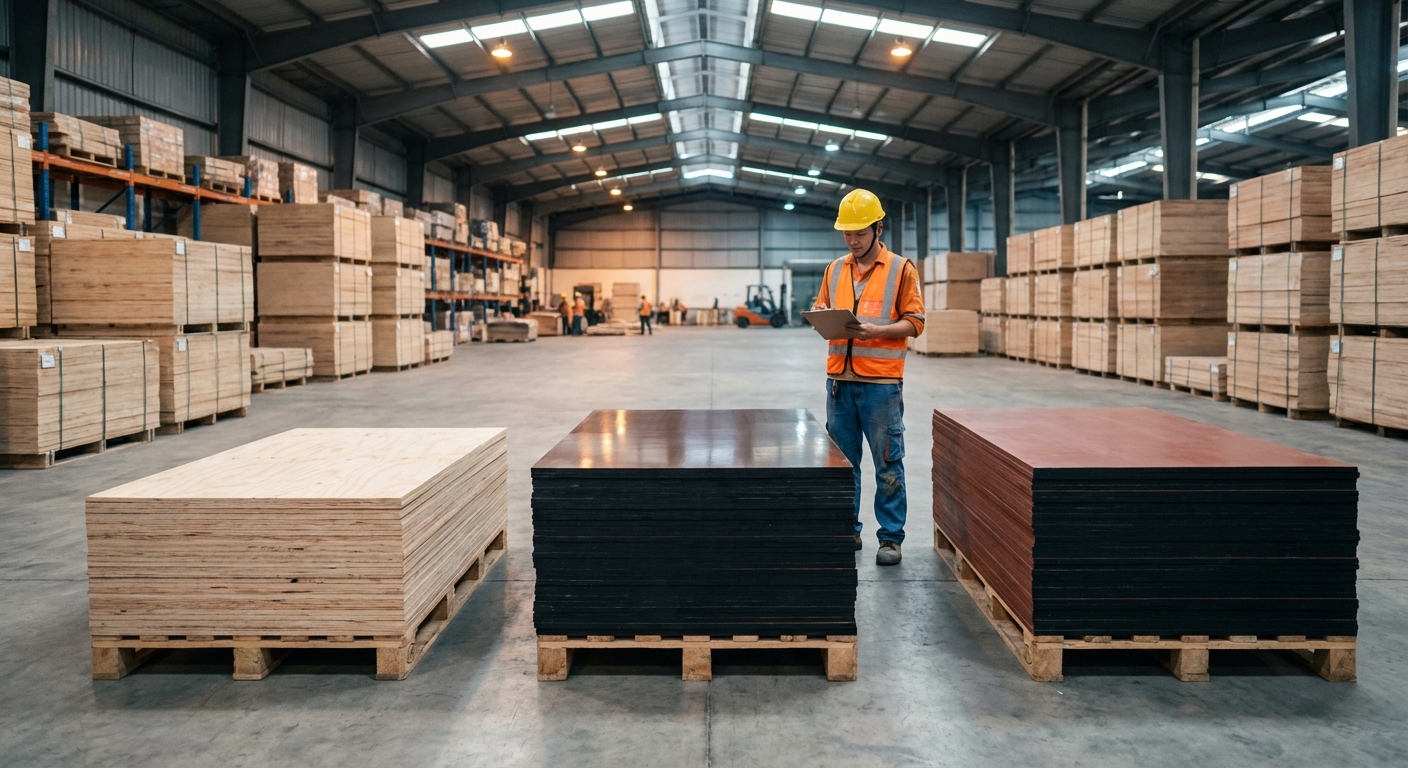
CDX is the construction workhorse: C-grade face, D-grade back, Exposure 1 glue. Contractors reach for it because it's cheap, structurally capable, and tolerates rain during framing. Common uses include roof sheathing, wall sheathing, and subfloor underlayment.
But CDX is often misunderstood. The "X" does not stand for "exterior" — it stands for "exposure" as in Exposure 1. CDX is designed to withstand construction-stage moisture, not permanent outdoor exposure. Leave a stack of CDX uncovered through three seasons and you'll see delamination at the edges and surface checking.
For roof sheathing that will be covered by underlayment and roofing within a week or two, CDX is fine. For a permanent exterior surface that will remain visible or exposed, step up to BC or ACX — or use a true Exterior-rated grade.
BC Plywood Grade
BC plywood has a B-face and a C-back, with Exterior bond if specified, and is the most common grade for applications requiring a paintable exterior surface. Siding, eaves, and painted fascia work all specify BC regularly. The B-face permits small patches and tight knots but no open defects, so it accepts primer and paint reliably.
BC is cheaper than ACX because the face grade is one step down. For any outdoor application where the surface will be painted — not stained or varnished — BC is typically the correct specification.
ACX Plywood Grade
ACX carries an A-face over a C-back with Exterior bond. The A-face is the highest grade in the standard APA scale: sanded smooth, repairs made with boat patches, and suitable for a natural or clear finish. Typical uses include exposed soffits, paintable eaves, exterior cabinetry, and signage substrate where a premium finish is required.
The cost premium over BC is typically 20–35%, reflecting the tighter face-grade requirements. For projects where the exterior face will be seen from close up — a front-door canopy, a garage soffit — ACX is worth the spend. For anything primed and painted from 20 feet away, BC does the job.
Marine Plywood Grade
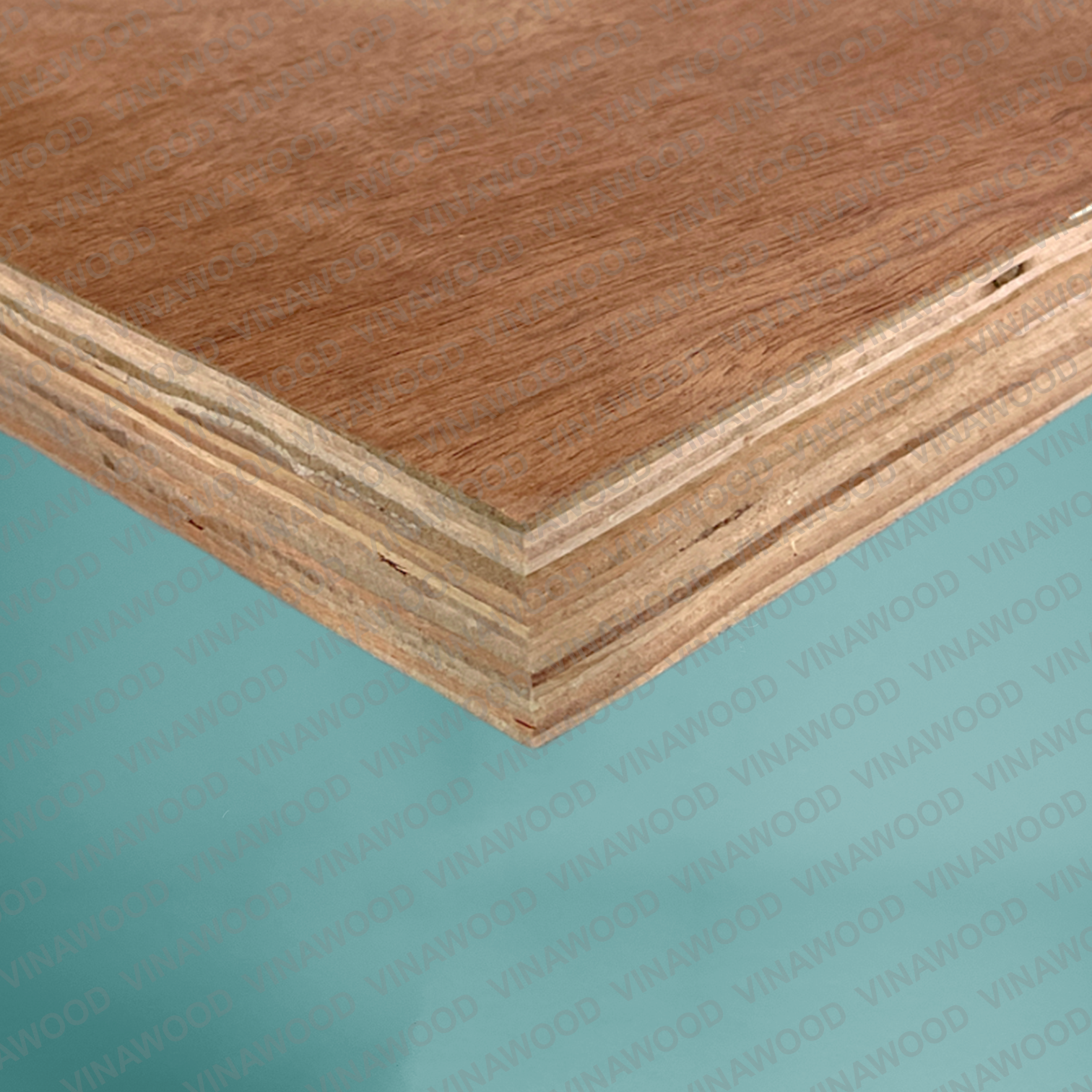
Marine plywood is the category most often over-specified. True marine plywood has A/A or B/B faces, a solid hardwood core (no voids, no patches in the inner plies), and waterproof phenolic bond. It's designed for boat hulls, transoms, and cabinetry below the waterline where voids in the inner plies would become leak paths and rot initiators.
For a deck, a dock frame, or even a tilt-up wall form, marine plywood is overkill. The waterproof bond in ACX or a proper film-faced formwork panel is the same grade of phenolic adhesive — you're paying for the void-free core in marine plywood, not magic water resistance. Specify marine only when void-free core construction genuinely matters for the application.
HDO & MDO Plywood
HDO (High-Density Overlay) and MDO (Medium-Density Overlay) plywood are exterior-rated panels with a factory-applied resin-impregnated paper overlay. The overlay bonds to the face veneer during the hot-press cycle and creates a smooth, sealed surface ready for paint (MDO) or for direct contact with concrete (HDO).
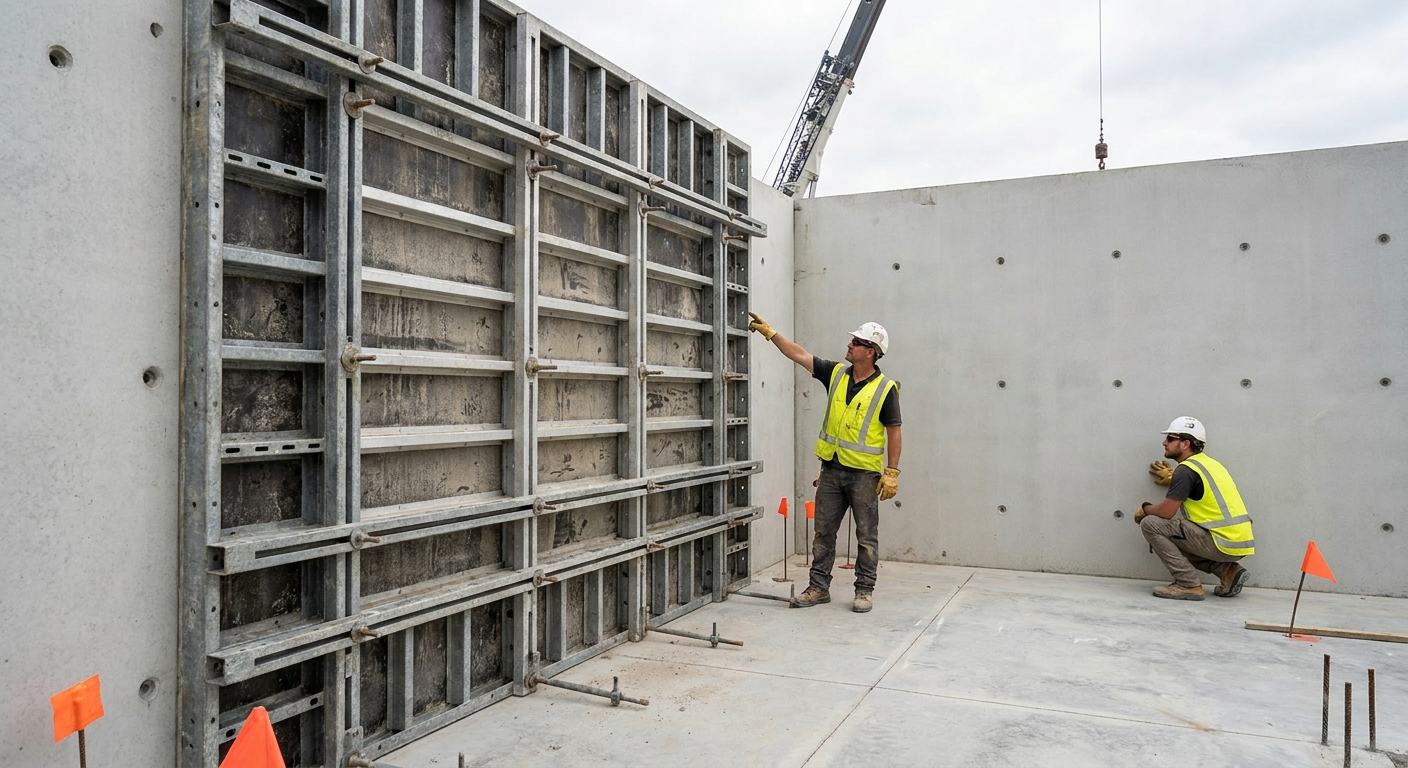
MDO is the standard substrate for permanent exterior signs and painted siding on high-end work — the overlay holds paint far longer than raw veneer. HDO, with its denser overlay, is the premium panel for concrete forms; it releases cleanly from cured concrete and can cycle through many pours before retirement. Vinawood's HDO line — including HDO Premium 2S Formply and HDO Basic 1SF — is targeted at North American concrete formwork buyers. See our HDO vs MDO comparison for a detailed product-selection breakdown.
Film-Faced Formwork Plywood
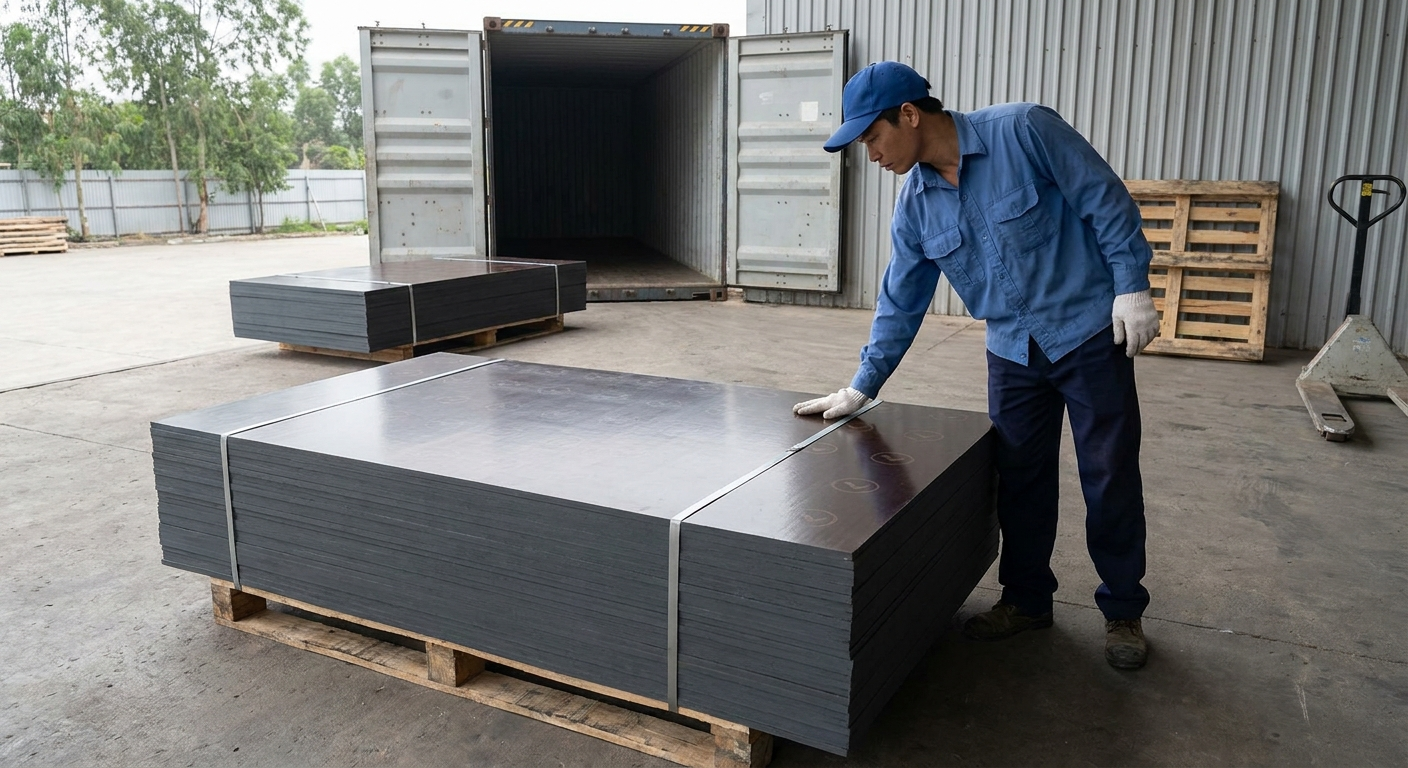
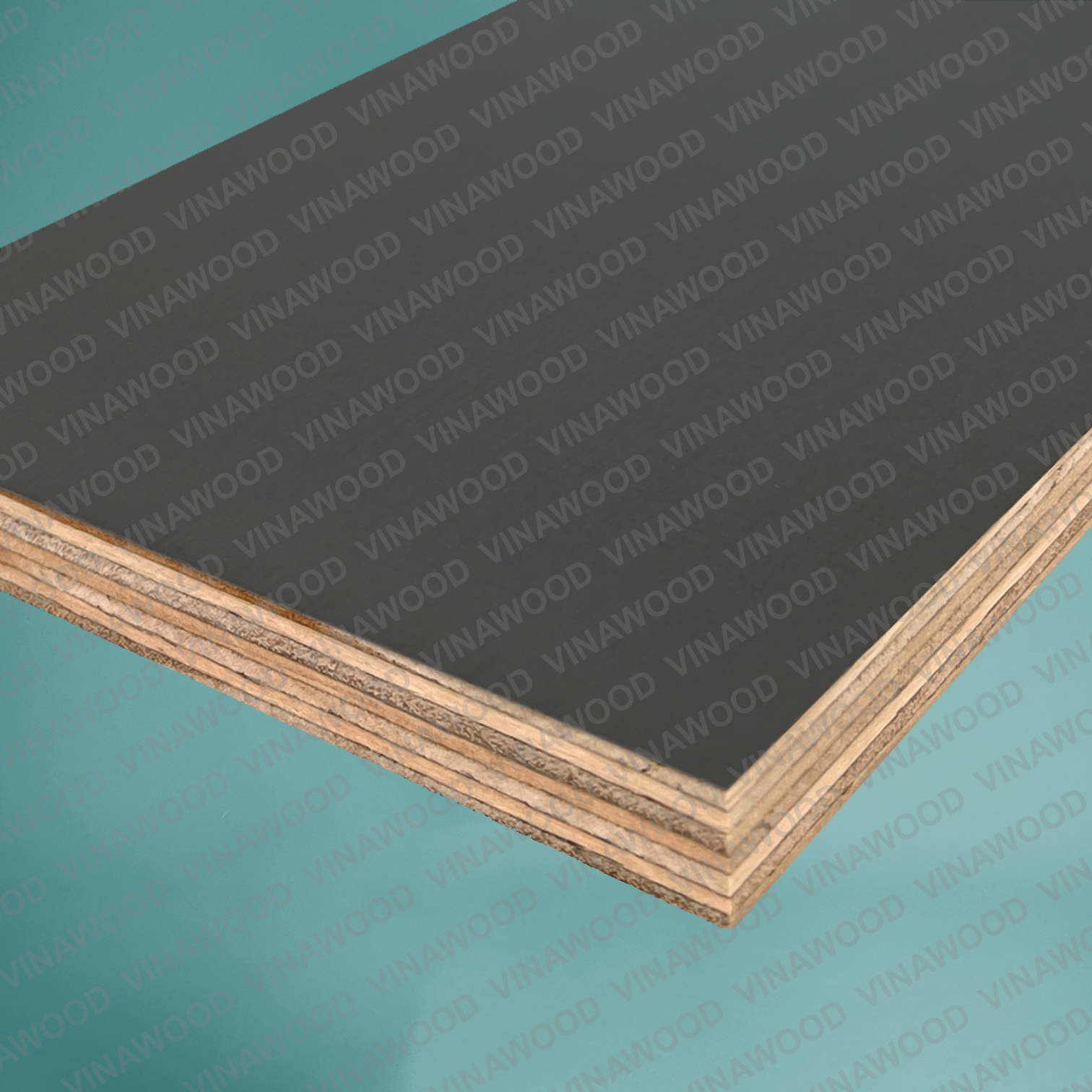
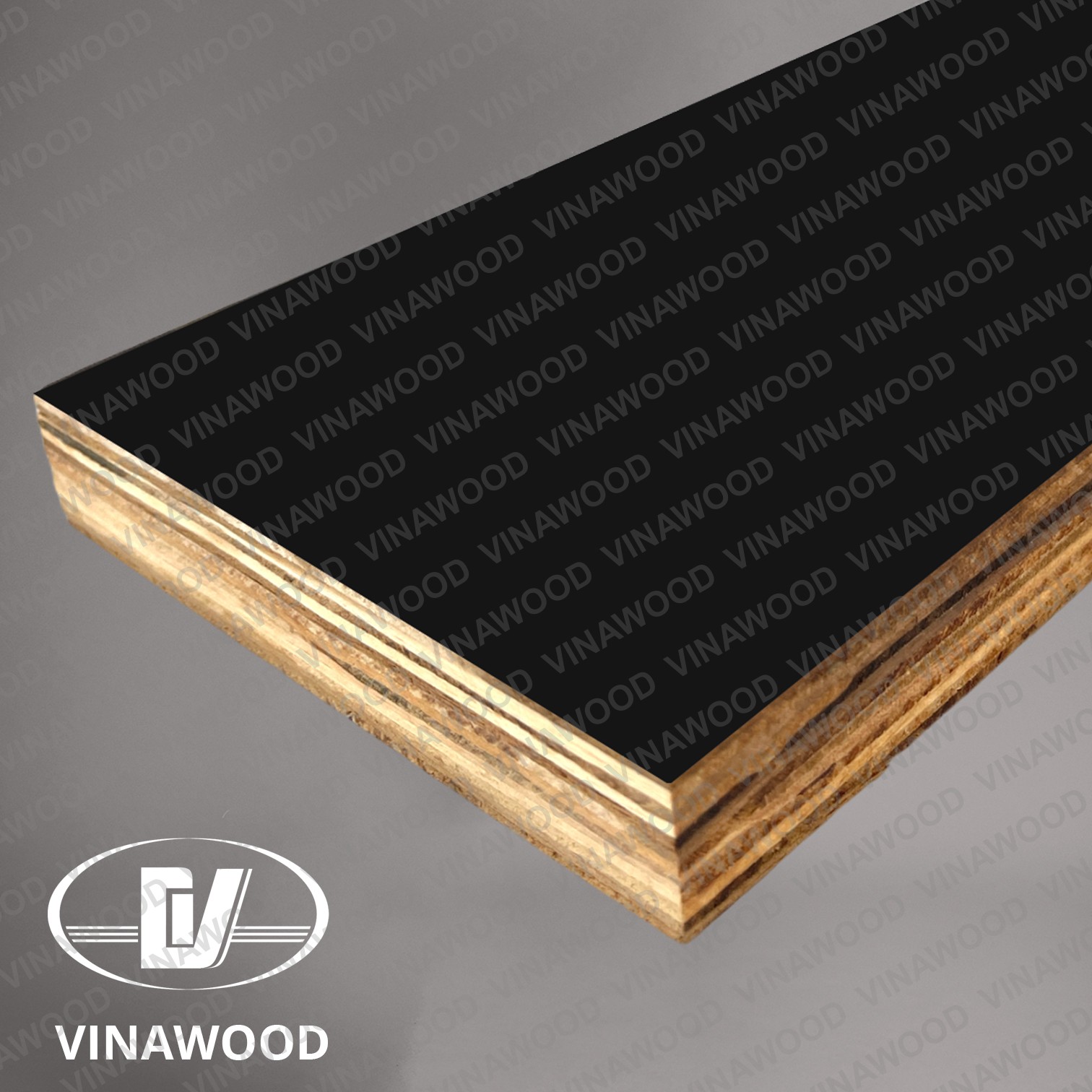
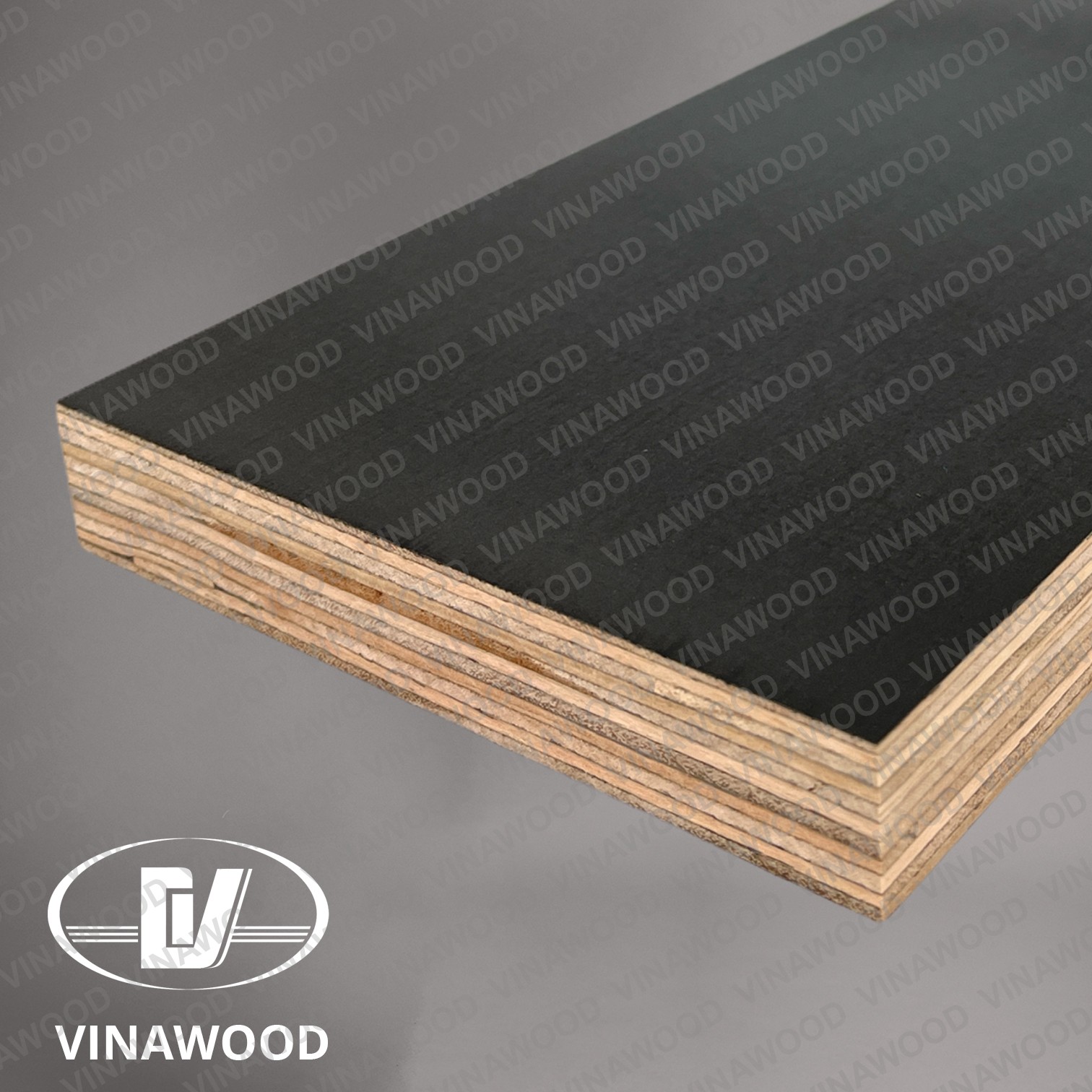
Outside North America, the dominant exterior-rated formwork panel is film-faced plywood — a phenolic or melamine film impregnated paper overlay pressed onto a hardwood or combi-core panel. It's the standard for concrete formwork in Europe (under EN 636-2 for Class 2 humid-condition use, EN 636-3 for exterior/Class 3 use), Asia, Australia, and the Middle East.
Bond class matters here. Only panels with WBP phenolic adhesive — Vinawood's Pro Form is the Class 3 / EN 636-3 example — can be labelled EN 636-3 for true exterior exposure. Melamine-bonded panels (EN 636-2) are rated for humid conditions and short exterior exposure, not permanent weathering. This is a common misspecification: always check the product datasheet for the adhesive system before accepting a panel as Class 3. See our explainer on WBP glue and bond performance for the technical detail.
Matching Grade to Application
A practical decision matrix for exterior-rated plywood:
- Roof sheathing, wall sheathing, subfloor: CDX Exposure 1.
- Painted siding, exterior trim, soffits (painted): BC Exterior or MDO.
- Visible soffits, exterior cabinetry, clear-finish work: ACX Exterior.
- Permanent painted signs, high-end painted cladding: MDO.
- Concrete forms (North America): HDO plyform, up to 20 pour cycles depending on grade and care.
- Concrete forms (Europe, Asia, Middle East): Film-faced plywood — Class 2 for humid / short exposure, Class 3 (phenolic) for extended reuse.
- Boat decks, transoms, below-waterline cabinetry: Marine plywood with solid hardwood core.
- Docks and pier framing: Usually pressure-treated lumber is a better fit than plywood; if plywood is used, marine or ACX Exterior.
What to Verify Before Buying "Exterior Grade"
Four checks before you accept a panel as exterior-rated:
- Glue type: Confirm the adhesive — WBP phenolic for permanent exterior (Class 3 / EN 636-3), WBP melamine for humid conditions (Class 2 / EN 636-2). Don't accept "it's waterproof" as an answer — get the chemistry.
- Grade stamp authenticity: APA stamps have specific formatting and issuing-mill codes. Counterfeit stamps on imported panels are unfortunately common. Cross-check the mill number against the APA's online mill directory.
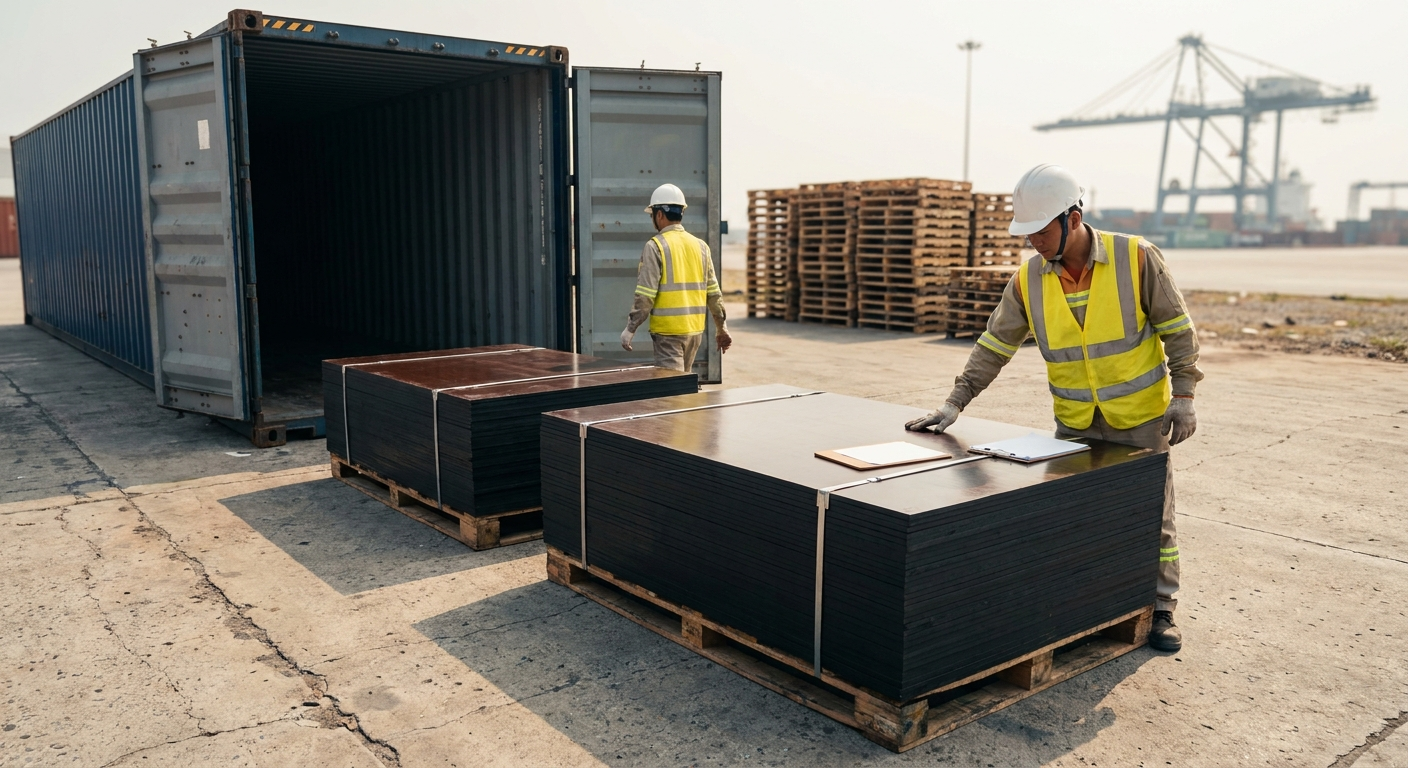
- Bond-class testing: Ask for recent EN 314-2 boil test results (European / Asian panels) or APA-equivalent testing data. Reputable manufacturers publish these; any reluctance to share should be treated as a red flag.
- Supplier certifications: ISO 9001 on the factory, FSC Chain of Custody if sustainable sourcing matters for your project, CARB P2 for U.S. import compliance, CE documentation for European markets.
The glue line is where most quality-control failures start. If a Vietnamese, Chinese, or Indonesian mill can't provide batch-level QC records for adhesive formulation and press parameters, treat that as reason enough to keep shopping. Every major Vietnam plywood manufacturer — Vinawood included — runs in-house boil-test labs and batch-level production records. Demand to see them.
For projects where panel performance actually matters — concrete forms with reuse economics, long-life exterior cladding, marine applications — the small premium for a specified exterior-rated panel from a reputable manufacturer is usually paid back on the first reuse cycle or the first winter.
Category
guides
Related Markets
Related Countries
Related Products
▶Sources & References (2)
- Plywood Design Specification — APA The Engineered Wood Association (2025-06-01)
- EN 636 Plywood Requirements — CEN (2019-11-30)