Understanding Plywood Grading Systems: A Buyer's Reference
A clear guide to plywood grading systems — covering face and back veneer grades, bonding classes, emission ratings, and how to read a plywood grade specification.
Why Plywood Grades Matter
Plywood grading communicates product quality in a standardized way. A grade specification tells you about the surface quality (face and back), bonding strength (glue performance), and emission level (formaldehyde). Understanding grading systems helps you specify the right product for your application without over-specifying (paying too much) or under-specifying (getting inadequate quality).
Face and Back Veneer Grades
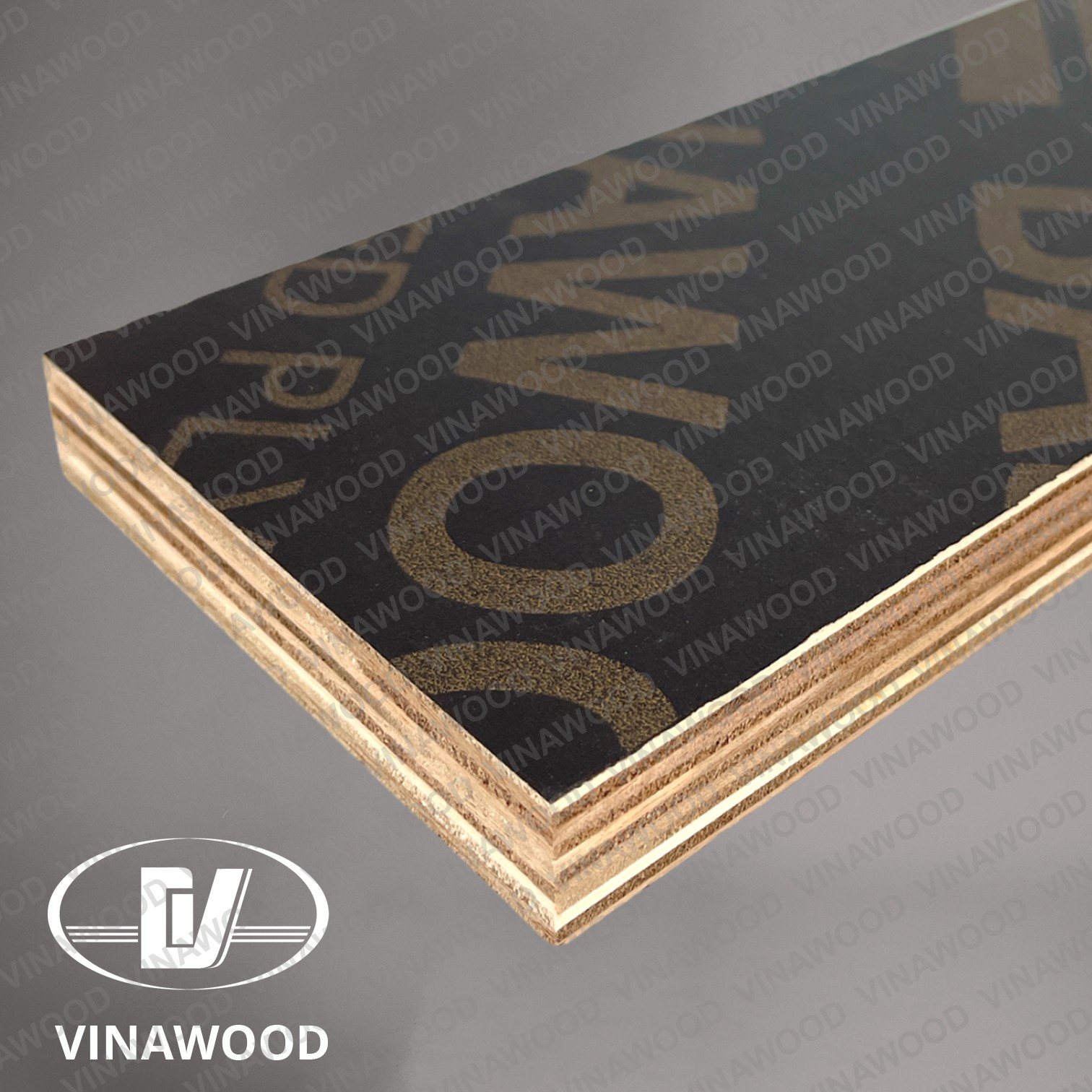
Plywood panels have two surfaces: the face (the better side, intended to be visible) and the back (the reverse side). Each is graded separately.
International Grade Scale
| Grade | Appearance | Allowed Defects | Typical Use |
|---|---|---|---|
| A | Premium, smooth | No open defects; minor patches allowed | Furniture face, architectural |
| B | Good, minor defects | Small knots (≤6mm), minor splits repaired | Visible surfaces, cabinetry backs |
| BB | Acceptable | Knots, patches, minor discoloration | Industrial, concealed construction |
| C | Utility | Knots to 25mm, open splits, discoloration | Sheathing, subflooring |
| CC | Economy | Larger knots, overlaps, open defects | Packaging, pallets, temporary use |
| D | Reject for face use | Any defects; used only as inner plies | Core veneers only |
Reading a Grade Specification
Grades are written as Face/Back. Examples:
- A/B: Premium face, good back — furniture, cabinetry
- B/C: Good face, utility back — general construction, visible one side
- BB/CC: Industrial grade — non-visible construction, packaging
- C/D: Utility — sheathing, concrete formwork (covered by film/overlay)
Bonding Classification
Bonding class indicates how the plywood performs under moisture and temperature stress:
| Standard | Class | Glue Type | Environment |
|---|---|---|---|
| EN 314 | Class 1 | MR (Urea) | Dry interior only |
| EN 314 | Class 2 | MR+ (Melamine) | Humid, protected exterior |
| EN 314 | Class 3 | WBP (Phenolic) | Exterior, marine |
| US PS 1 | Interior | Type II | Interior |
| US PS 1 | Exterior | Type I | Fully exterior |
For construction and export plywood, WBP (Class 3) bonding is the standard. It ensures the panel can withstand boiling water testing without delamination — critical for formwork and outdoor applications.
Formaldehyde Emission Grades
| Standard | Grade | Limit |
|---|---|---|
| EN 13986 (EU) | E1 | ≤ 0.124 mg/m³ |
| EN 13986 (EU) | E0.5 | ≤ 0.062 mg/m³ |
| CARB P2 (US) | Phase 2 | ≤ 0.05 ppm |
| JAS (Japan) | F☆☆☆☆ | ≤ 0.3 mg/L |
| JAS (Japan) | F☆☆☆ | ≤ 0.5 mg/L |
For US-bound plywood, CARB P2 compliance is mandatory. For EU, E1 is the minimum; E0.5 is increasingly preferred.
How to Specify Plywood Correctly
A complete plywood specification should include:
- Panel type: Film Faced / MDO / HDO / Commercial
- Dimensions: Thickness × Width × Length (e.g., 18 × 1220 × 2440 mm)
- Core species: Acacia / Eucalyptus / Styrax / Mixed
- Face/Back grade: e.g., B/C
- Bonding class: e.g., WBP (EN 314 Class 3)
- Emission grade: e.g., CARB P2 / E1
- Overlay: Film weight and type (e.g., 220g/m² brown film both sides)
- Certifications: FSC, CE, etc.
Use our Plywood Selector to build specifications interactively, or browse pre-configured products in our Product Catalog.
Frequently Asked Questions
Does face grade affect structural strength?
No. Face veneer grade is purely cosmetic — it describes surface appearance defects. Structural strength comes from core construction, bonding quality, and panel thickness. A C/D grade panel can be just as strong as an A/B panel of the same construction.
What grade do I need for concrete formwork?
For film faced formwork plywood, the underlying veneer grade is typically B/C or C/D — the film overlay covers the face anyway. What matters more is bonding class (WBP required), film quality, and core density.
Why is the same "grade" different between suppliers?
Grading is somewhat subjective and varies between factories. One manufacturer's "B" grade may be another's "BB." This is why requesting samples and test reports is essential — never rely solely on grade designations when comparing suppliers.
Category
how-to