Plywood for Hungarian Construction: Rétegelt Lemez Supplier
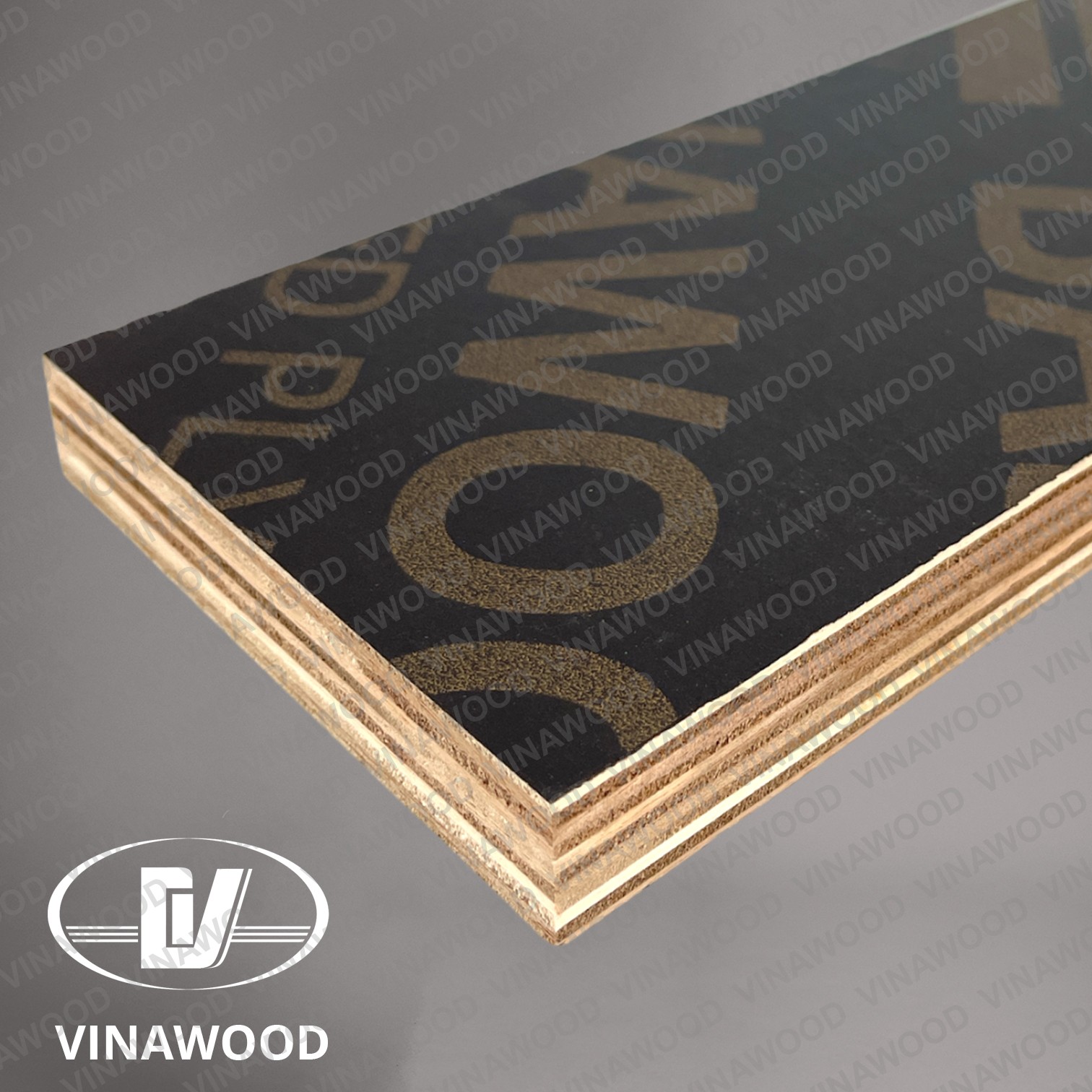
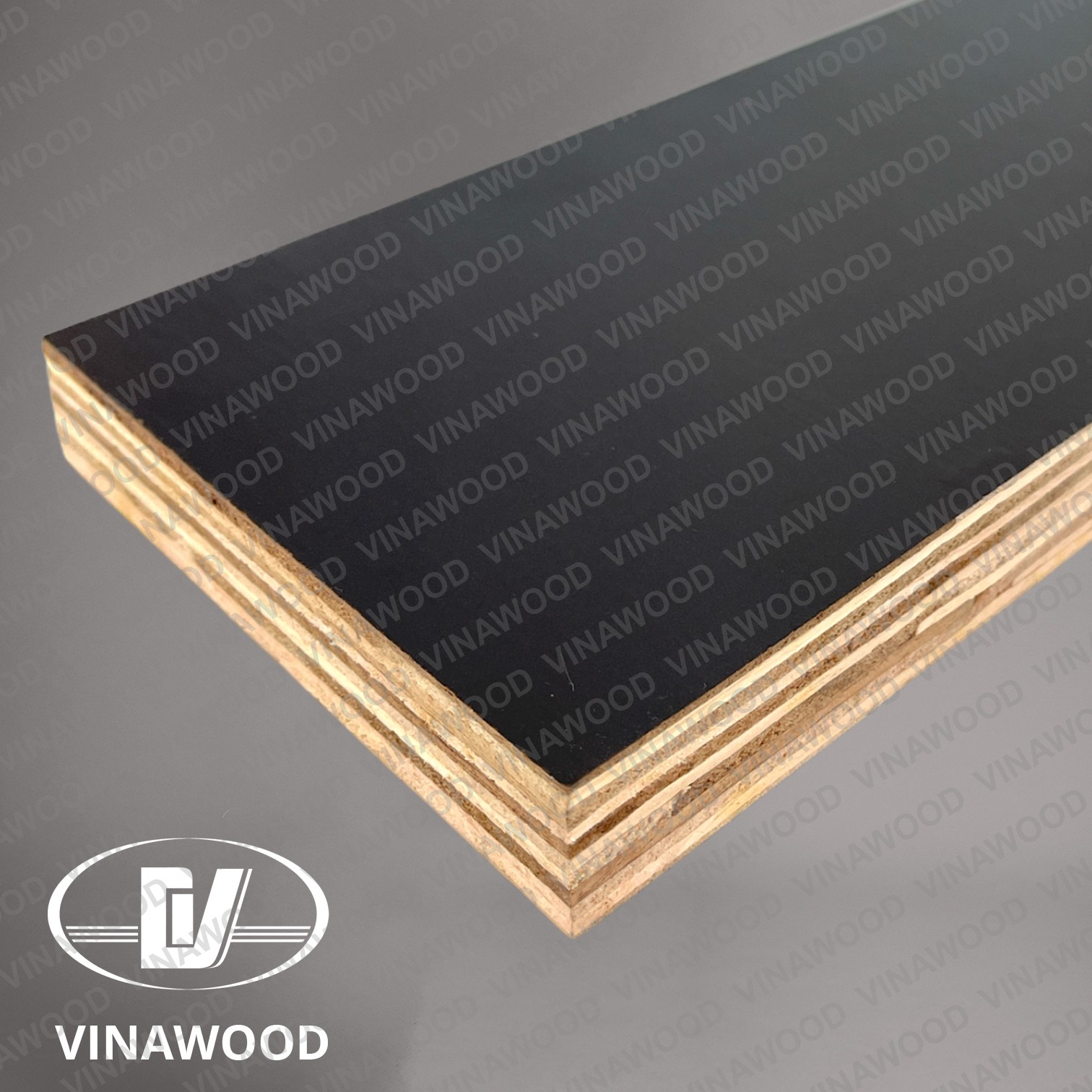
Vietnam formwork plywood supplier for Hungarian construction. Vinawood film faced plywood meets EN 636 standards, available in 2500×1250mm EU format, shipped via Koper to Budapest at factory-direct pricing for contractors and importers.

Hungary's Construction Boom and the Demand for Quality Formwork Plywood
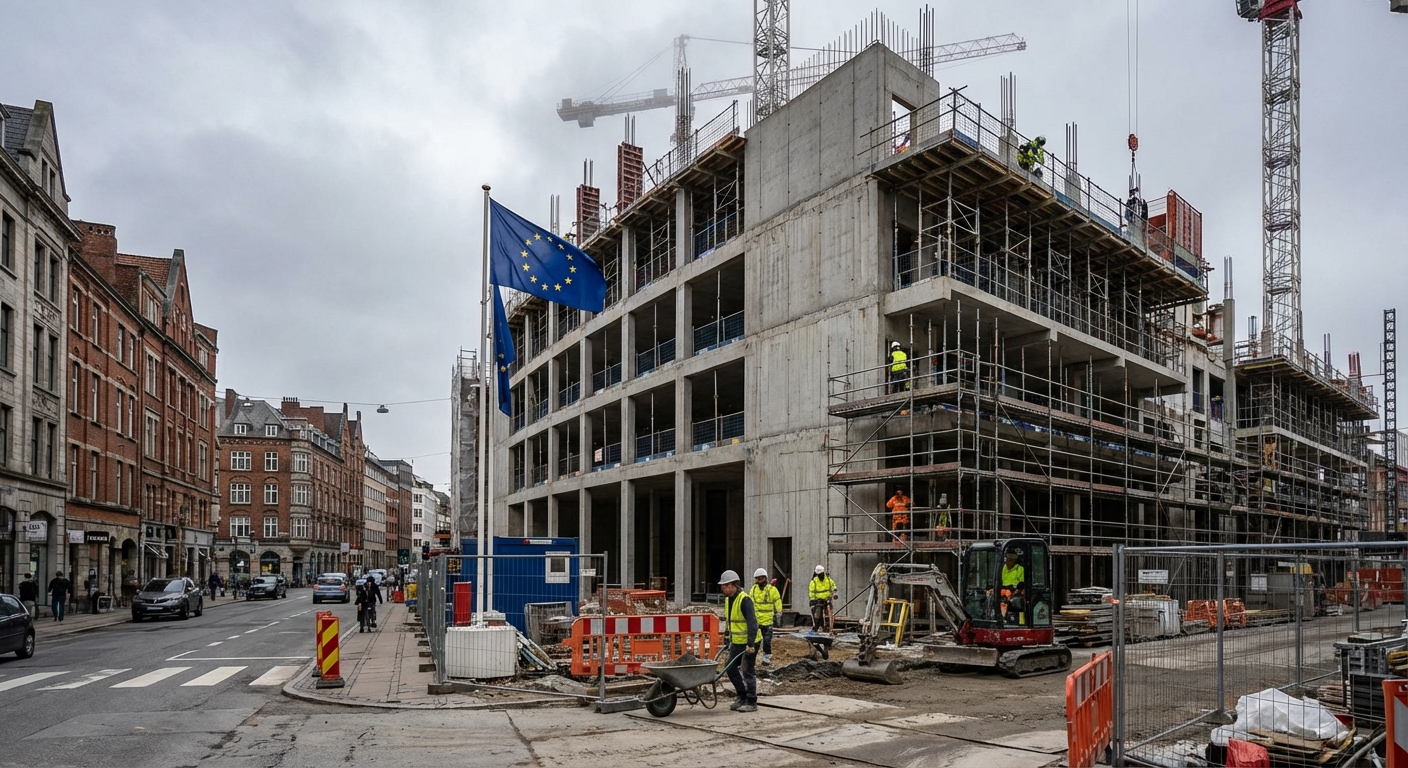
Hungary's construction sector has grown steadily over the past decade, driven by EU Structural Fund investments, residential development in Budapest and surrounding counties, and major infrastructure upgrades across the national motorway network. With construction output expanding year on year and labour costs rising, Hungarian contractors are under pressure to source building materials that deliver reliable performance at competitive pricing — particularly formwork plywood (zsaluzó lemez), which is consumed in large volumes on every reinforced concrete project.
Yet Hungary has minimal domestic plywood production. The market depends almost entirely on imports — historically from Romania, Finland, and China. Vietnamese manufacturers now offer a compelling alternative: EN 636-certified film faced plywood at factory-direct pricing, with container shipments routed through Adriatic ports to Budapest. Vinawood, a manufacturer with 30+ years of export experience across 55+ countries, supplies formwork plywood to European construction buyers including the Hungarian market.
Hungarian Terminology: Rétegelt Lemez, Furnérlemez, Zsaluzó Lemez
Hungarian construction vocabulary for plywood products has several overlapping terms that international suppliers should understand:
- Rétegelt lemez: The standard Hungarian term for plywood — literally "layered board," referring to the cross-laminated veneer construction. This is the broadest category term and covers all plywood types.
- Furnérlemez: Veneer board — technically describes the raw material (veneer-core panel) before any surface treatment. Often used interchangeably with rétegelt lemez in trade catalogues.
- Zsaluzó lemez: Shuttering board / formwork plywood — the specific term for plywood panels used in concrete formwork. This is the product category that film faced plywood falls under.
- Filmrétegelt lemez: Film faced plywood — the direct Hungarian equivalent of the English term. This is exactly what Vinawood manufactures for the construction market.
When sourcing from Vietnam, Hungarian buyers should specify filmrétegelt zsaluzó lemez (film faced shuttering plywood) to ensure they receive the correct product with phenolic film overlay and EN-certified adhesive bond.
Vinawood Products for the Hungarian Market
Vinawood manufactures three film faced plywood grades suited to Hungarian construction. All products are available in EU-standard 2500×1250mm sheet sizes — matching the metric dimensions used across Hungarian building sites.
| Product | EN Standard | Glue Type | Face Film | Reuse Cycles | Thickness Range | Best For |
|---|---|---|---|---|---|---|
| Eco Form Plus | EN 636-2 | Melamine Standard (MUF) | 165 g/m² | Up to 8 | 12–21 mm | Budget residential projects |
| Form Basic | EN 636-2 | Melamine Standard (MUF) | 165 g/m² | Up to 10 | 12–21 mm | Standard commercial formwork |
| Pro Form | EN 636-3 | WBP phenolic | 125 g/m² | Up to 20 | 12–21 mm | Heavy infrastructure, exterior |
All grades available in 2440×1220mm (standard) and 2500×1250mm (EU metric). 18mm is the most commonly specified thickness for Hungarian formwork applications.
EN Standards and the Hungarian Building Code
Hungary, as an EU member state, requires construction products to comply with the Construction Products Regulation (CPR) and carry CE marking. For plywood used in construction, the relevant standards are:
EN 636 — Plywood for Structural Use
EN 636-2 covers plywood for use in humid conditions — suitable for standard formwork applications where panels are exposed to wet concrete during the curing cycle. EN 636-3 covers exterior-grade panels for sustained moisture environments — specified for bridge formwork, foundation work in high water table areas, and infrastructure projects with extended outdoor exposure. Vinawood Form Basic and Eco Form Plus meet EN 636-2 (melamine/MUF adhesive, Class 2). Pro Form meets EN 636-3 (WBP phenolic adhesive, Class 3).
EN 13986 — Wood-Based Panels for Construction
This harmonised European standard governs wood-based panels in EU construction applications. Products bearing CE marking under EN 13986 can be specified directly in Hungarian building permits without additional national approval — streamlining procurement on EU-funded projects.
MSZ Standards
While Hungary's national MSZ standards historically governed construction materials, EU harmonisation means EN standards take precedence for CE-marked products. Contractors specifying formwork plywood should reference EN 636 rather than older MSZ classifications. Vinawood provides Declarations of Performance (DoP) under EN 13986 that satisfy Hungarian building authority requirements.
Applications in Hungarian Construction
Film faced plywood from Vinawood serves a broad range of applications across the Hungarian construction sector:
Residential Construction
Budapest's residential development pipeline — particularly in Districts XIII, IX, and XI — drives consistent demand for formwork plywood. Multi-storey apartment blocks use 18mm Form Basic panels for slab and wall formwork, with Form Basic rated for up to 10 reuses under good site practice. The growing suburban housing market around Budaörs, Érd, and Szentendre also consumes significant volumes for foundation and basement formwork.
Commercial and Industrial
Logistics parks, retail centres, and office developments across the Budapest agglomeration and regional cities (Debrecen, Szeged, Győr) require large-volume formwork procurement. Battery factory construction — Hungary has attracted major EV battery investments — creates particularly high demand for industrial-grade formwork plywood on large floor slabs and equipment foundations.
Infrastructure
Hungary's motorway expansion programme and EU-funded bridge rehabilitation projects require EN 636-3 certified plywood for extended outdoor exposure. Pro Form, with its WBP phenolic adhesive and 125 g/m² top-grade phenolic film face, delivers the moisture resistance and reuse durability needed for these demanding applications. The Budapest–Belgrade railway modernisation and M4 motorway extension are examples of infrastructure projects consuming container-scale formwork plywood volumes.
Renovation and Seismic Reinforcement
Budapest's historic building stock requires ongoing structural reinforcement. Concrete jacketing of existing columns and beams — a common technique for strengthening older reinforced concrete structures — uses custom-cut formwork panels. The precision of film faced plywood produces clean concrete surfaces that match existing architectural finishes.
Cost Comparison: Vietnam vs. Traditional Suppliers
Hungarian importers have historically bought formwork plywood from Romania, Finland and China, and each origin is priced and documented differently. Rather than comparing sheet prices from different markets, compare cost per pour: the landed price of a panel at the grade and thickness you need, divided by the pours your crews actually get from it. Vinawood's grades are rated for up to 8 reuses on Eco Form Plus, up to 10 on Form Basic and up to 20 on Pro Form, and every shipment carries EN 636 and CE documentation, so the comparison can be made on paper before the first container. Pricing is quoted FOB or CIF per grade on request through the RFQ form.
Logistics: Shipping to Hungary
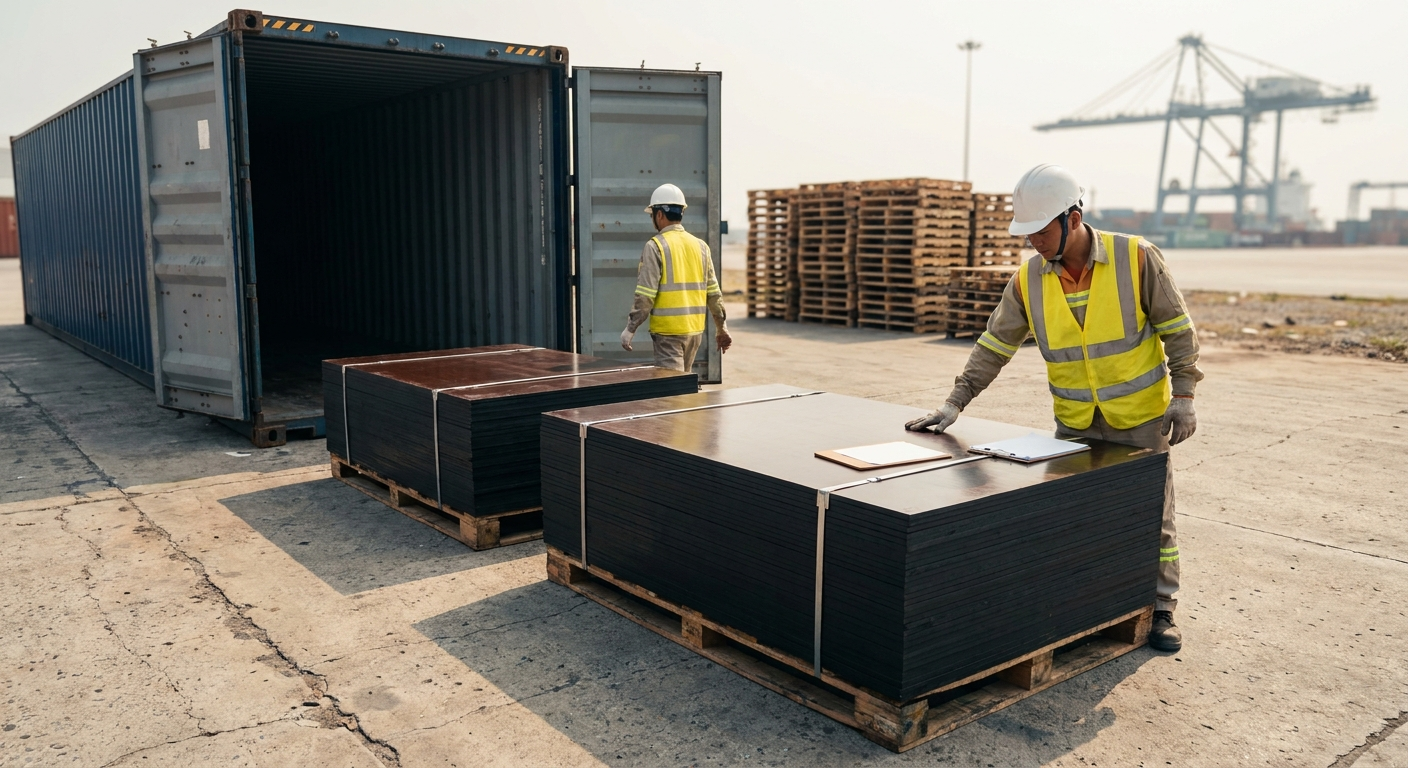
Hungary is landlocked, so all container shipments arrive via Adriatic or North Sea ports with onward truck or rail transport to Budapest and regional distribution centres.
| Route | Ocean Transit | Onward to Budapest | Total Door-to-Site |
|---|---|---|---|
| HCMC → Koper (Slovenia) | 25–30 days | 1–2 days by truck | 30–37 days |
| HCMC → Trieste (Italy) | 25–30 days | 1–2 days by truck | 30–37 days |
| HCMC → Hamburg (Germany) | 28–35 days | 2–3 days by truck | 33–42 days |
The Koper/Trieste routing via the Adriatic is the most common for Hungarian importers — shorter inland trucking distance and competitive port handling costs. Standard shipping terms are FOB (buyer arranges freight), with CIF Koper or CIF Budapest available on request.
The HS code for film faced plywood is 4412.31 or 4412.33 (plywood of wood veneer sheets; confirm the exact subheading with your customs broker). Order size and container loading are confirmed on your quotation, and several grades and thicknesses can share one container. Payment terms are confirmed on your quotation.
Hungarian customs clearance requires the CE Declaration of Performance, phytosanitary certificate (ISPM 15 heat-treated packaging), and commercial invoice with HS code classification. Vinawood provides all documentation as standard with every shipment.
Request a Quote — FOB or CIF Budapest
Vinawood supplies formwork plywood to construction companies and timber importers across Hungary and the broader Central European region. Explore our European film faced plywood range:
Category
guides