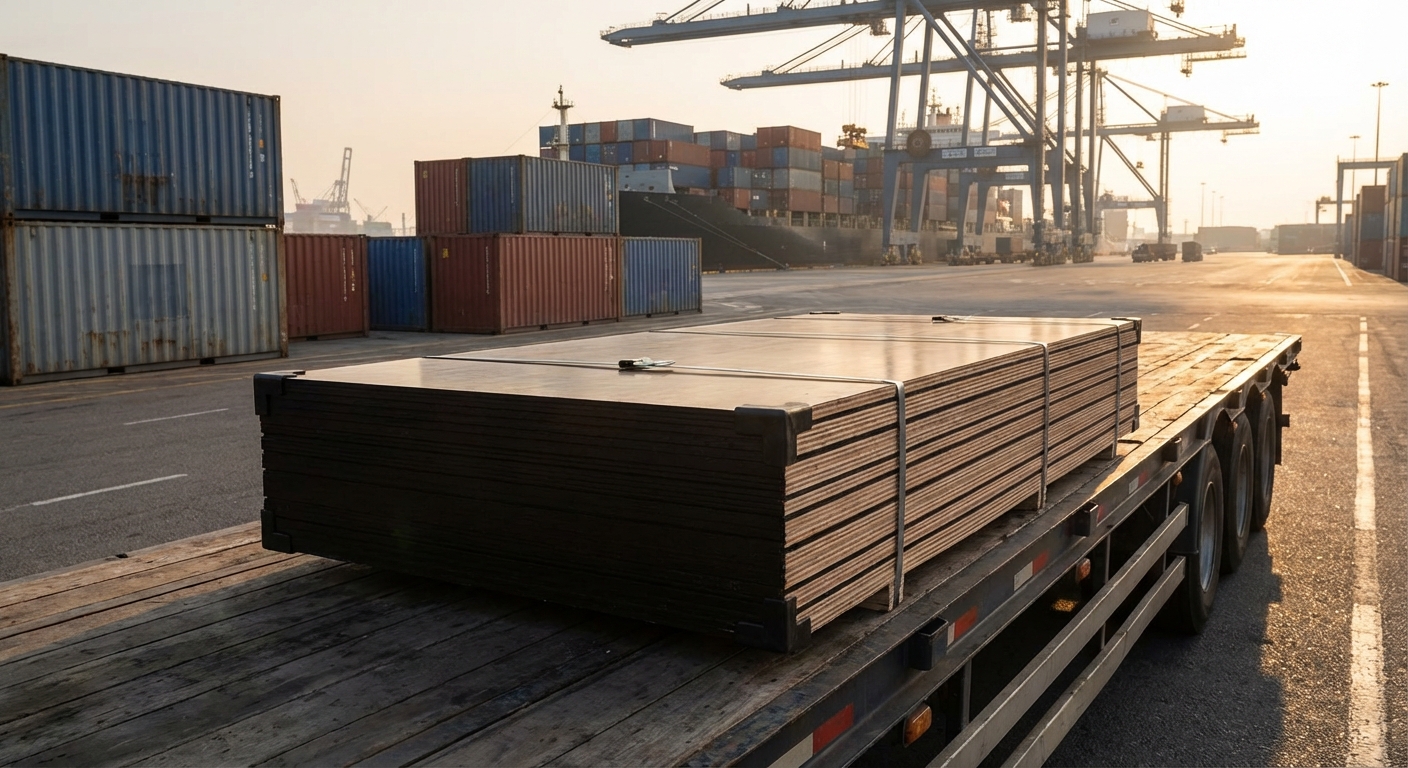
US Tariffs and Housing Slump Weigh on Lumber as Asia Diverges
Lumber futures hit a one-month low near $574 as US housing starts collapsed 14.2%, while India raises plywood prices 5-15% and Middle East construction demand accelerates.
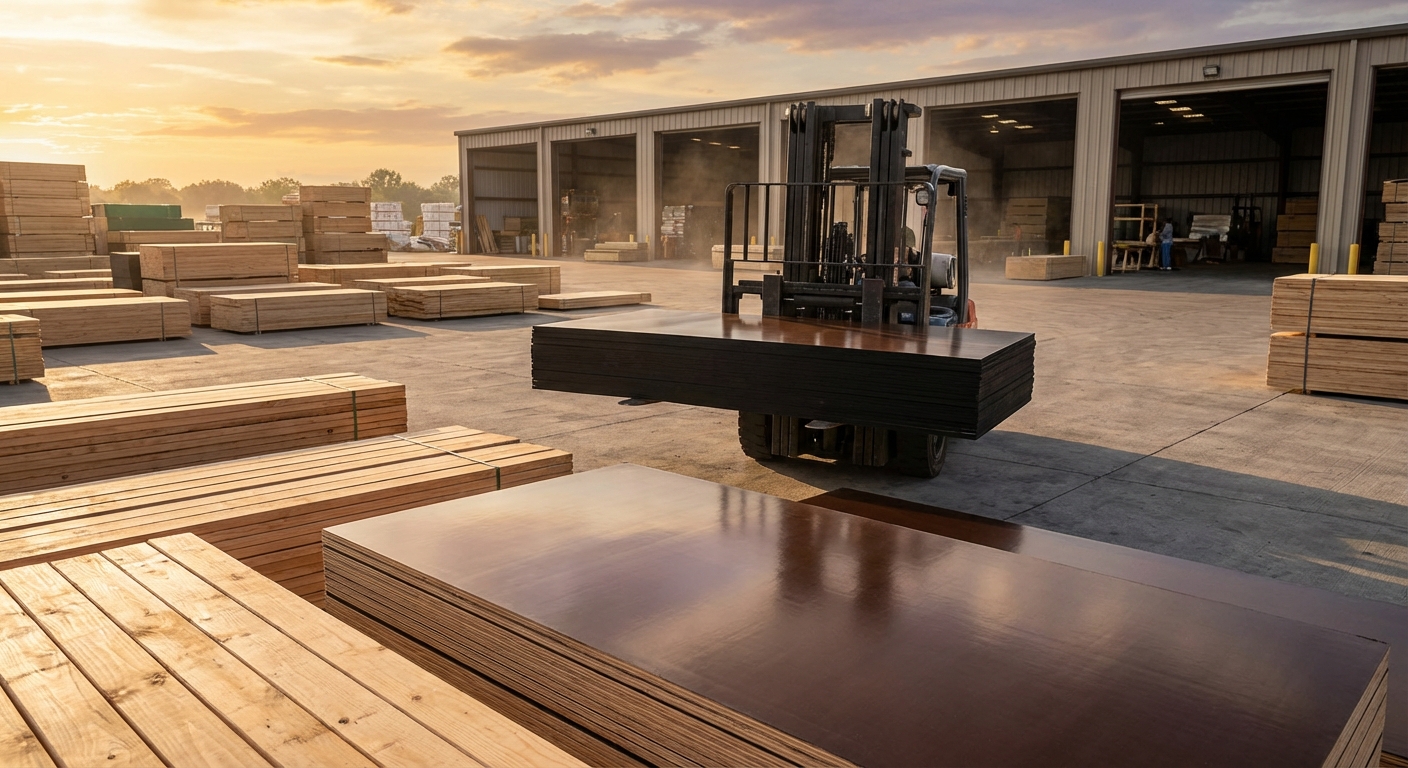
Lumber Futures Slide to One-Month Low
North American lumber markets entered mid-April on a weak footing. Lumber futures fell to $573.97 per thousand board feet on April 13, according to Trading Economics data, marking a 4.81% decline over the past month and a 0.64% drop year-over-year. The slide reflects a fundamental demand problem: US single-family housing starts collapsed 14.2% while building permits dropped 5.4%, signaling an abrupt cooling of spring construction activity.
The housing weakness is no mystery. Mortgage rates surged to 6.46%, stifling buyer traffic and leaving builders managing a 2.4% increase in unsold inventory. According to Fastmarkets, even ongoing sawmill closures that have removed 1.3 billion board feet of annual capacity have failed to support prices against this demand erosion.
Section 232 Tariffs Reshape the Trade Landscape
The tariff environment continues to complicate North American wood product procurement. Section 232 duties imposed in October 2025 set a baseline 10% tariff on softwood timber and lumber imports, with derivative wood products like cabinets and vanities facing 25-50% rates. Plywood (HS code 4412) falls under this umbrella.
Canadian producers face the steepest burden. When Section 232 duties stack on top of existing countervailing and anti-dumping duties, combined rates can exceed 45%, according to ResourceWise. The UK negotiated a maximum 10% rate, while the EU and Japan face a 15% cap. Brazilian plywood and MDF panels, which had captured 11% of US domestic plywood consumption per Fastmarkets analysis, now face a combined 50% tariff wall that is expected to sharply reduce imports from that origin.
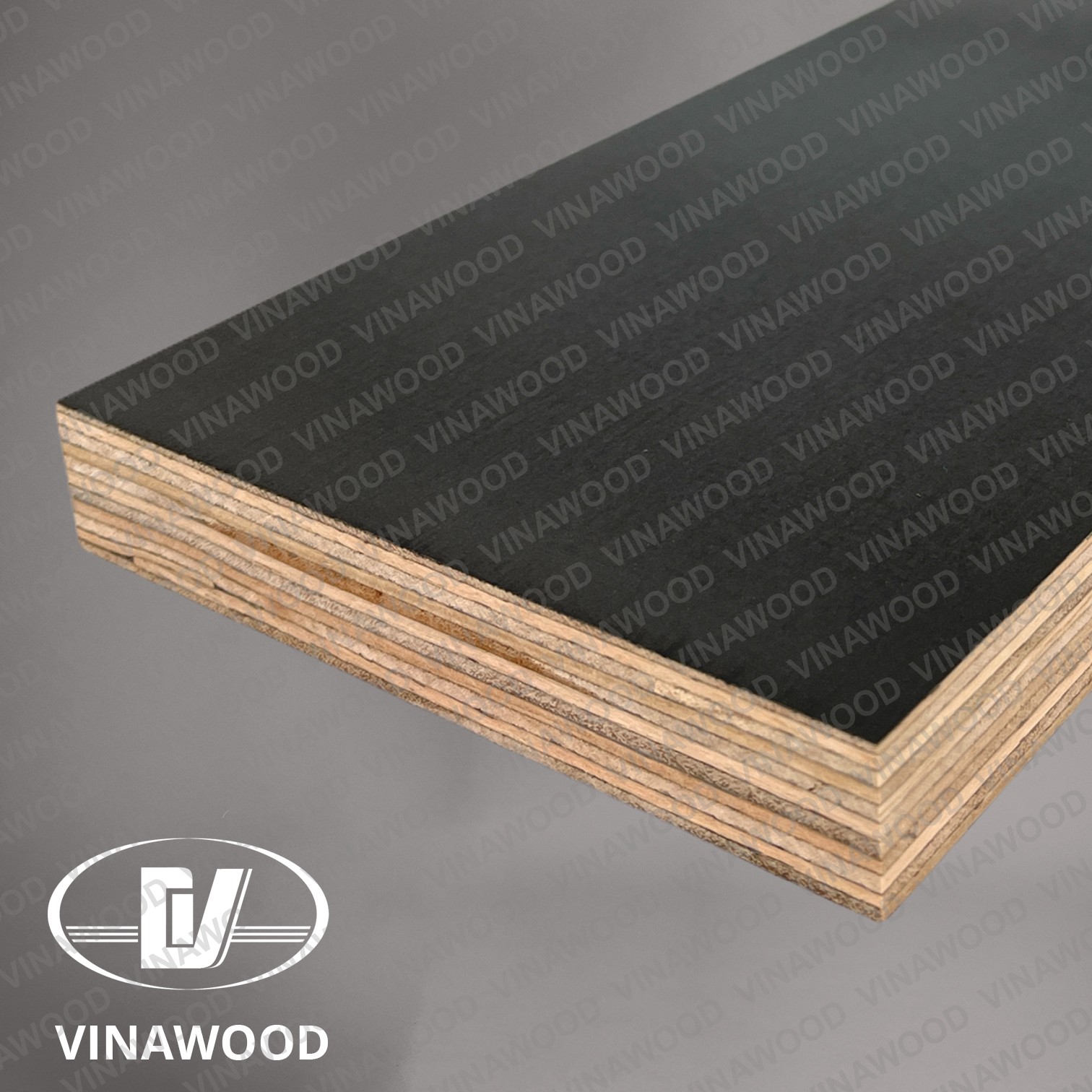
For procurement managers sourcing formwork plywood or structural panels into the US, the tariff landscape favors suppliers from countries not subject to the highest cumulative duties. Vietnamese plywood is not currently subject to anti-dumping duties in the US, though Customs continues to monitor circumvention of the Chinese hardwood plywood AD order.
India: Plywood Prices Rise 5-15% on Cost Pressures
In contrast to North America's demand-driven softening, India's plywood sector is pushing prices higher. According to Ply Insight, manufacturers across India are implementing hikes of 5% to 15% on plywood and panel products in 2026. The cost pressure comes from multiple directions: prices for critical timber species like poplar and eucalyptus have risen 10-15% due to seasonal shortages and lower felling rates, while petroleum-based resins including formaldehyde and phenol have seen volatile price swings tied to crude oil fluctuations.
Geopolitical tensions in West Asia have compounded the problem, triggering what industry sources describe as a 10-15% surge in raw material costs for MR and BWP-grade plywood. The Indian rupee's continued depreciation against the dollar has intensified pressure on all imported inputs. For buyers sourcing from or into the Indian market, these cost increases are likely to persist through mid-2026.
Middle East Construction Boom Sustains Formwork Demand
The Gulf Cooperation Council construction pipeline remains a bright spot for formwork plywood demand. Saudi Arabia's $1.6 trillion construction industry continues to drive timber imports, with the kingdom accounting for $2.5 billion in timber imports in 2023, according to Timber Design and Technology. Regional plywood imports reached $1.08 billion in 2023, and the Middle East timber construction market is projected to grow at 7.2% annually through 2033, per Grand View Research.
Saudi Arabia dominated regional timber demand with a 17.1% revenue share in 2024, driven by Vision 2030 mega-projects including NEOM and entertainment complexes. The UAE remains a major re-export hub. For film-faced plywood suppliers, the region offers sustained volume demand at a time when other major markets are softening.
EUDR Deadline Approaches for European Imports
European buyers are preparing for the EU Deforestation Regulation (EUDR) compliance deadline of December 30, 2026, following two rounds of postponement. The regulation requires importers to prove that wood products — including plywood under CN code 4412 — do not originate from land deforested after December 31, 2020. Small and micro enterprises have until June 30, 2027.
According to Fastmarkets, EU wood imports have already been sliding as the combination of tariffs, EUDR preparation costs, and weak construction activity in markets like Germany weighs on demand. Importers should ensure their supply chains have full geolocation traceability documentation in place ahead of the December deadline.
Outlook: A Diverging Market
The global plywood and timber market in April 2026 is defined by divergence. North America faces a demand-side squeeze from high interest rates and a housing construction pullback, with Trading Economics models forecasting lumber at $587.57 by quarter-end — a modest recovery but well below the supply-side fundamentals that a 1.3 billion board foot capacity reduction would normally support. Fastmarkets expects softwood lumber to experience the most volatility given dramatically higher duties in place.
Meanwhile, South Asia and the Middle East present tighter conditions driven by construction activity and raw material inflation. For procurement professionals, the message is nuanced: favorable pricing windows may be opening in North America, but buyers sourcing for Middle Eastern or South Asian projects should anticipate sustained cost pressure and plan accordingly.
Category
market-insights
Related Countries
Related Products

▶Sources & References (8)
- Lumber Commodity Price Data — Trading Economics (2026-04)
- Five Predictions for the 2026 North American Wood Products Market — Fastmarkets (2026-01)
- U.S. Section 232 Tariffs on Lumber: Navigating the New Trade Landscape — ResourceWise (2025-10)
- Plywood & Panel Industry May See Frequent Price Rise in 2026 — Ply Insight (2026-01)
- USD 1.6 Trillion Saudi Construction Industry Drives Demand for Timber — Timber Design and Technology (2025)
- Middle East Timber Construction Market Size Report, 2033 — Grand View Research (2025)
- Fact Sheet: Section 232 Tariffs on Timber, Lumber, and Derivative Products — The White House (2025-12)
- EUDR Regulations Could Upend Wood Products Shipments to Europe — Fastmarkets (2025)