Plywood Importers: How to Source, Vet, and Buy Plywood Direct from Factories
A practical B2B playbook for plywood importers: container economics, HS codes, supplier due diligence, regulatory compliance (EUDR, CARB P2, Lacey), and RFQ specifications.
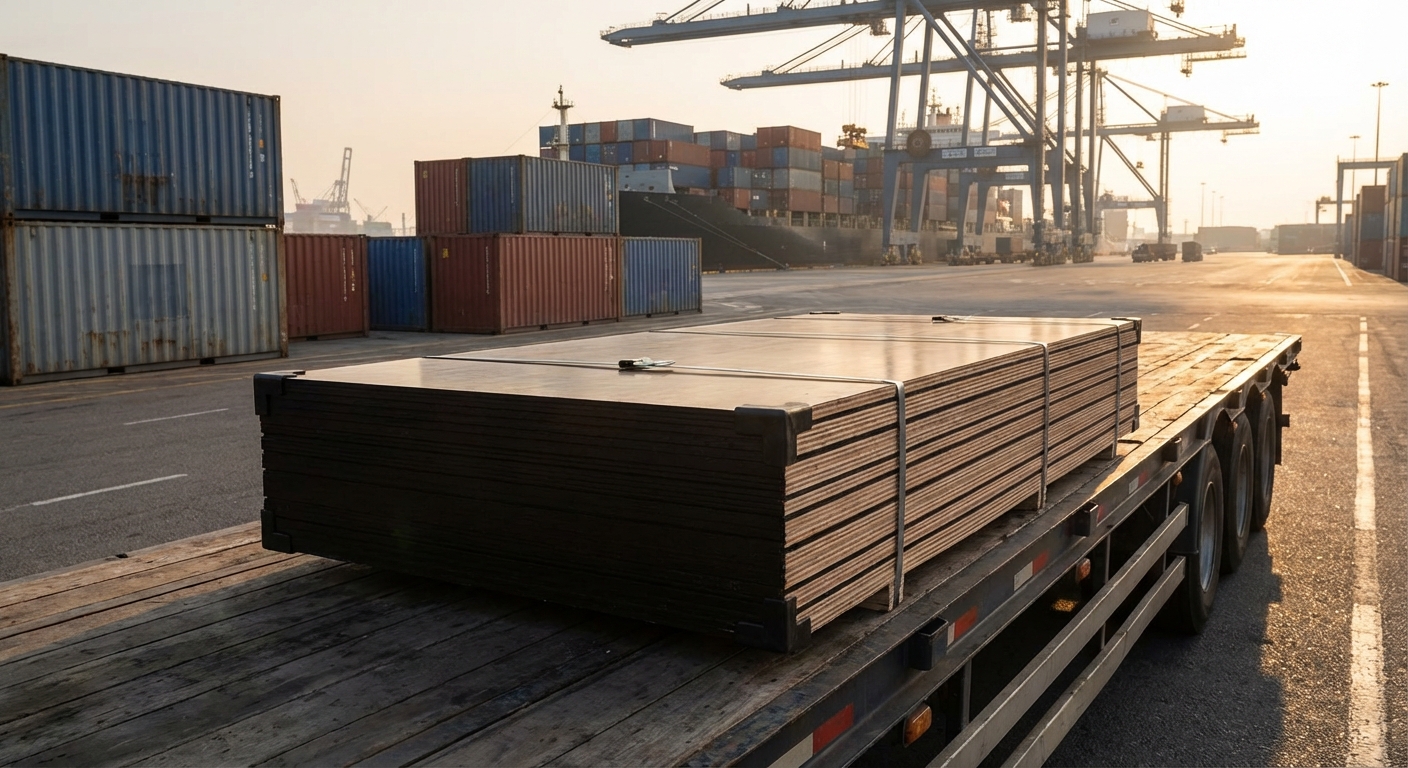
Plywood importers occupy the midsection of a global trade that moves roughly 25 million cubic metres of panels a year. Between the Vietnamese, Malaysian, Indonesian, and Chinese mills on the supply side and the contractors, joiners, packagers, and retailers on the demand side sit the distributors and wholesalers who actually write the cheques, manage the containers, and carry the compliance risk. Direct-import is attractive because the per-sheet cost is dramatically lower than domestic distributor pricing, but it demands real operational capability — customs expertise, quality control, finance, and warehousing.
This guide is a practical B2B sourcing playbook: who's who on the supplier side, how container economics actually work, what to put in your RFQ, how to vet a mill before committing, and which regulatory traps trip up first-time importers. Written from the manufacturer's side of the transaction by Vinawood, a Vietnamese plywood producer established in 1992 and exporting 5,000+ containers a year to 55+ countries.
Who Are Plywood Importers?
"Plywood importer" is a loose term that covers several distinct business models. Distributors and wholesalers hold inventory and sell into regional markets — they typically import 10–40 containers a month. Builders' merchants run smaller programmes, 2–10 containers a month, and often rely on group-purchasing cooperatives to hit factory MOQs. Contractors and formwork rental companies sometimes skip distributors entirely and import direct for project-specific programmes, usually a single container at a time. OEM manufacturers (furniture, packaging, caravans) import plywood as an input good and typically buy to tight specifications — face grade, thickness tolerance, moisture content, formaldehyde emissions.
Each segment negotiates differently. Distributors win on volume and standing arrangements; contractors win on project urgency; OEMs win on repeat spec. Understanding which one you are will shape how you talk to a factory.
Why Import Direct vs. Buy Domestic
The headline number is price. Landed cost of a container of Vietnamese film-faced plywood typically runs 20–35% below the equivalent panel from a domestic distributor. On a 40-foot high-cube container — up to around 800 sheets of 18 mm plywood — that delta adds up fast.
But the trade-offs are real. Lead times stretch from days (local distributor) to 4–8 weeks (production + transit). MOQs jump from a single pack to a full container. Quality control shifts to the buyer: a domestic distributor will replace a bad sheet; a mill 10,000 km away will argue about it. Certification control, on the other hand, improves with direct import — you can specify FSC Chain of Custody, CARB P2, EN 636 bond class, and get documentation you trust rather than inheriting whatever the distributor had on hand.
The decision comes down to volume and project timing. If you consistently move more than a container of a given spec per quarter, direct import almost always pencils. Below that, the working capital and warehousing cost typically outweighs the per-sheet savings.
Where Plywood Comes From
Global plywood production is concentrated in a handful of origin countries, each with different strengths:
- Vietnam: Acacia, eucalyptus, and hevea (rubberwood) plantation core, increasingly capable in film-faced formwork, HDO, MDO, and commercial hardwood plywood. Major beneficiary of US anti-dumping duties on Chinese plywood — for specific product families — and of CPTPP tariff advantages into Canada, Japan, Mexico, and Australia.
- Indonesia: Tropical hardwood tradition, strong in marine, decorative, and packaging plywood. EUTR scrutiny on tropical species.
- Malaysia: Similar tropical heritage to Indonesia, historically strong in meranti and keruing plywood.
- China: The volume leader by far, though increasingly constrained by U.S. AD/CVD duties and EU scrutiny on formaldehyde emissions.
- Russia: Birch plywood — the benchmark for furniture and high-end joinery. Geopolitical trade restrictions have pushed this supply into significant reshuffling since 2022.
- Brazil and Chile: Pine plywood for formwork and packaging, serving North American and European markets.
- Finland and Baltic states: Premium birch plywood for demanding joinery and laser-cut applications; commands a price premium.
Origin choice is not purely about price. It's about duty structure, regulatory fit, wood species preferences in your end-market, and the political risk profile of the supply route.
Why Vietnam Has Become a Go-To Source
Vietnam rose quickly through the ranks because several factors converged. Acacia, eucalyptus, and hevea plantations across northern Vietnam provide a stable, FSC-certifiable raw material base. Labour costs sit below Malaysia and Indonesia while technical capability has matched or exceeded them in formwork-grade production. CPTPP membership drops duties into Canada, Japan, Mexico, and Australia. And specific Vietnamese film-faced and HDO product families — under specific Commerce Department determinations — fall outside the U.S. anti-dumping duty orders that constrain Chinese supply. See our anti-dumping deep-dive for the product-specific picture; never assume blanket exemption.
For EU buyers, Vietnam's traceability infrastructure is adapting rapidly to the EU Deforestation Regulation (EUDR). Major mills including Vinawood are running geolocation-tagged raw material programmes with their plantation suppliers — see our EUDR compliance guide for the requirements.
HS Codes You Need to Know
Plywood customs classification falls under HS heading 4412. The most common subheadings you'll see on commercial invoices:
- 4412.33: Plywood with at least one outer ply of non-coniferous wood (birch, beech, oak, etc.) — common for furniture and joinery plywood.
- 4412.34: Plywood with at least one outer ply of non-coniferous wood, other species (tropical hardwoods).
- 4412.39: Plywood with outer plies of coniferous (softwood) species.
- 4412.10: Bamboo plywood.
Film-faced and overlay-covered panels (HDO, MDO) typically classify under the face-veneer's species subheading even though the film dominates the visible surface. Customs brokers sometimes challenge this; have your mill provide a face-veneer species declaration on the commercial invoice to head off disputes.
MOQ, Container Economics, and Lead Time
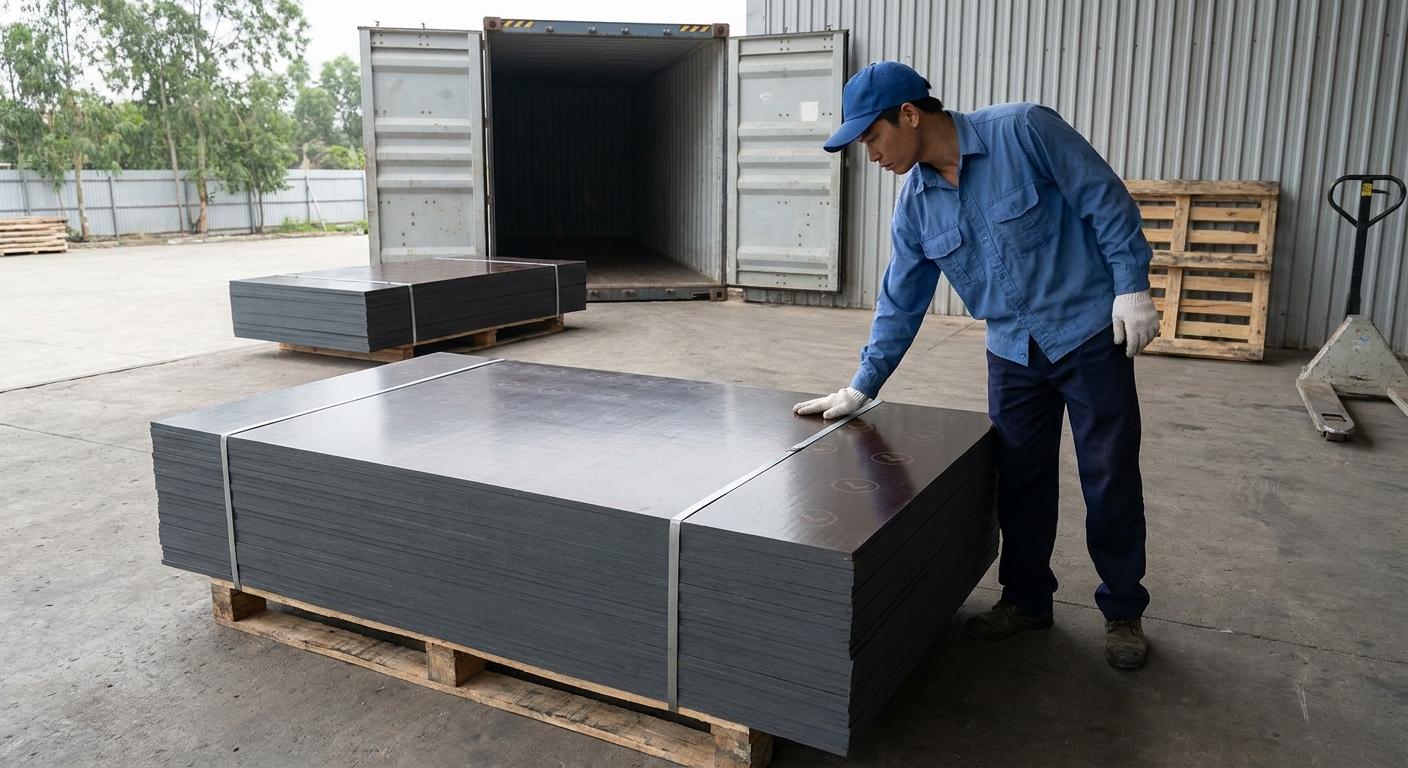
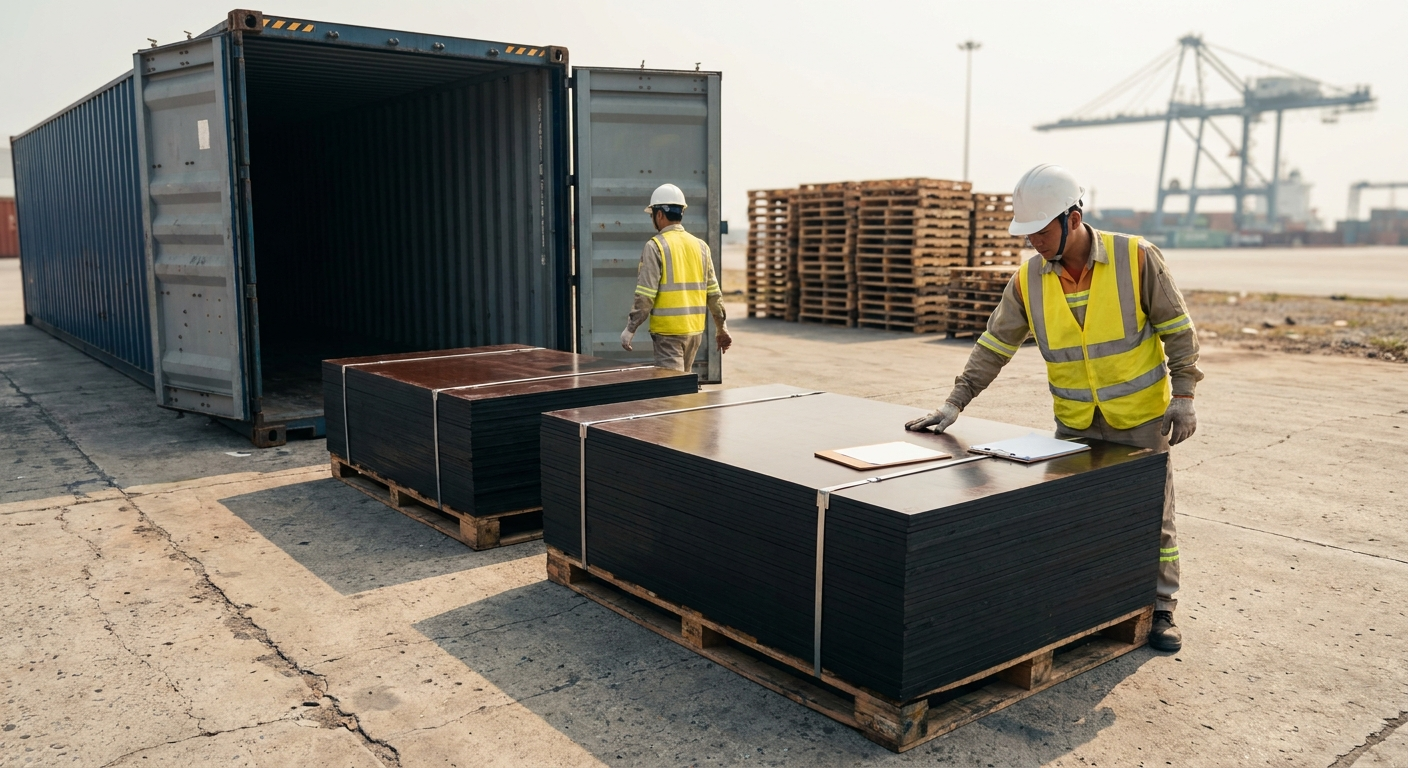
One 40-foot high-cube container typically holds up to around 800 sheets of 18 mm × 1220 × 2440 mm plywood — weight limited, not volume limited. A 20-foot container holds roughly 400 sheets. Mixed-spec containers (multiple thicknesses or grades) are usually possible and let smaller importers diversify without running three container programmes. Incoterms matter: FOB (mill-loaded, buyer pays freight and insurance) shifts risk to the buyer at the origin port; CIF (mill pays freight and insurance to destination) bundles the logistics; DDP (delivered duty-paid) bundles customs clearance too.
Lead times from order confirmation to destination port: 15–20 days production, 10–35 days ocean transit depending on route, 3–7 days port clearance. Plan on 6–8 weeks end-to-end for first-time orders; repeat buyers can tighten to 4–5 weeks with standing SKU arrangements.
Supplier Due Diligence Checklist
Before a single dollar leaves your account, verify the mill. The checks that matter most:
- Factory ownership vs. trading company: Confirm the entity on the proforma invoice actually presses plywood, not just books orders. Video walkthroughs, factory photos with date-stamped sheets on press, and third-party inspection accreditation separate real mills from repackagers.
- Certifications to require: ISO 9001 quality management, FSC Chain of Custody (or PEFC), CARB P2 / EPA TSCA Title VI for U.S. import compliance, CE documentation and EN 636/EN 314 test data for Europe, JAS for Japan, IS 303 for India, AS/NZS 2269 or 6669 for Australia.
- Sample testing: Request a 3–5 sheet sample before first order. Run your own EN 314 boil test, measure thickness across the sheet, check moisture content, and verify face-grade consistency. See our due-diligence companion article for a full checklist.
- Third-party inspection access: A mill that welcomes SGS, Intertek, or Bureau Veritas pre-shipment inspections has nothing to hide. One that refuses, or demands inspections happen only at certain times of the week, is signalling.
- Payment terms: Professional exporters accept L/C at sight or 30% deposit T/T with 70% against bill of lading. Demands for 100% upfront T/T are a serious red flag.
Compliance: EUDR, CARB P2, CE/EN, Lacey Act
Each major importing region imposes its own compliance regime. EU importers must meet the EU Deforestation Regulation (EUDR) starting in late 2025 — geolocation data for raw material plots, due diligence statements, and risk assessments documented per shipment. U.S. importers of wood panels must certify under the Lacey Act and, for composite wood products including plywood, meet EPA TSCA Title VI (identical to California's CARB P2). Plywood destined for EU use typically requires CE marking under the Construction Products Regulation. Japanese imports need JAS conformity; Indian imports need BIS Indian Standard marking.
Duties, regulations, and certifications change — verify current requirements with your customs broker and accredited certification bodies before every new supply arrangement.
Quality Control: What to Spec in the PO
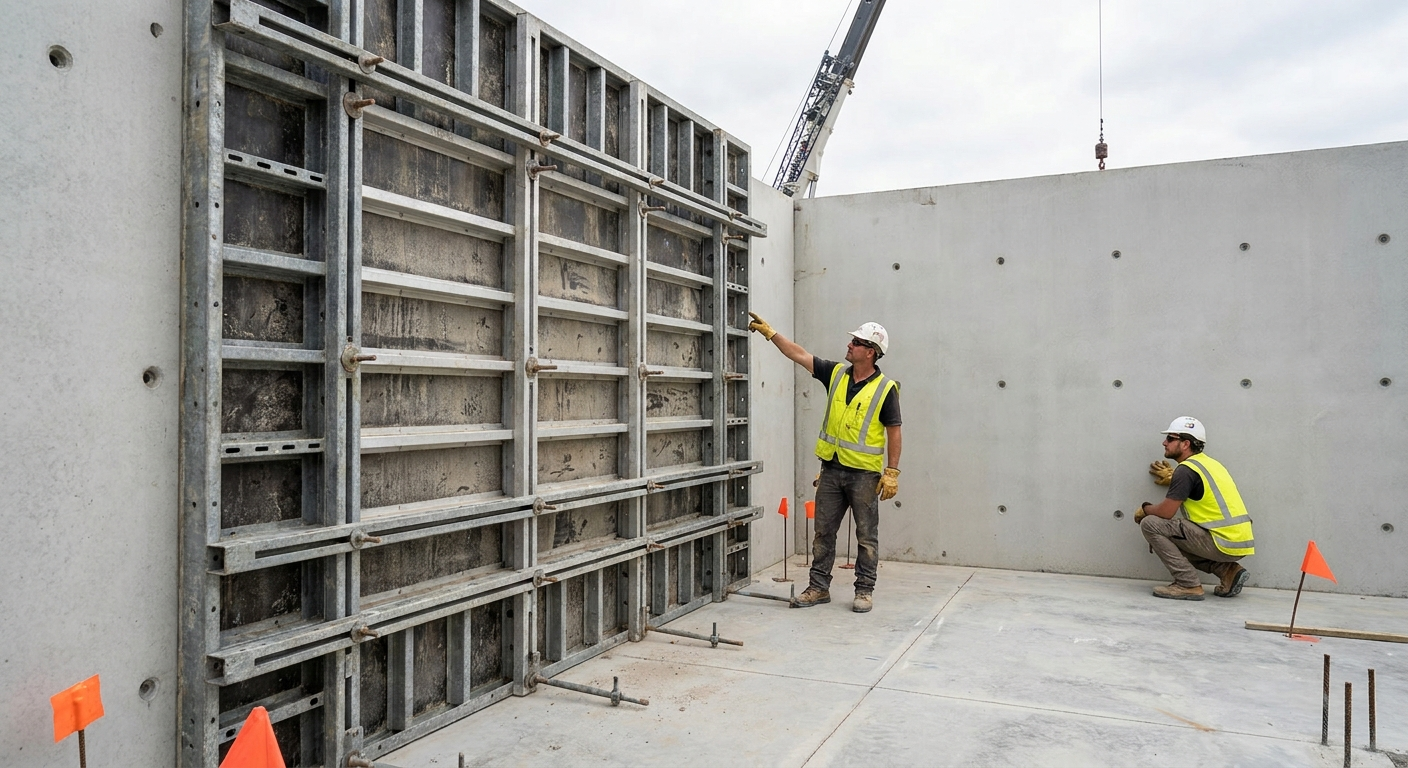
A tight purchase order saves arguments later. Specify face and back grade explicitly (not just "B/BB"), bond class (WBP phenolic / WBP melamine, EN 636-2 or 636-3), film type for film-faced panels (120–220 g/m² typical), moisture content tolerance (8–14% usual), thickness tolerance (±0.5 mm for precision work), and packaging standards (bundle count, strapping, corner protection). For Form Basic or Pro Form style formwork panels, also spec the edge sealing — painted edges prevent moisture ingress and extend the panel's reuse life.
Red Flags When Screening Suppliers
Patterns that should pause a deal: a supplier without a verifiable physical address; unwillingness to do a live video factory walk-through; reluctance to share recent third-party lab reports; suspiciously old or re-used test certificates; inconsistent thickness or face-grade across a sample panel; vague or evasive answers to questions about wood species or glue chemistry; and demands for 100% prepayment.
Fraud in the plywood trade is not rare. A cheap quote from an unknown trading company that looks too good is usually exactly that.
Working with Vinawood as Your Supplier
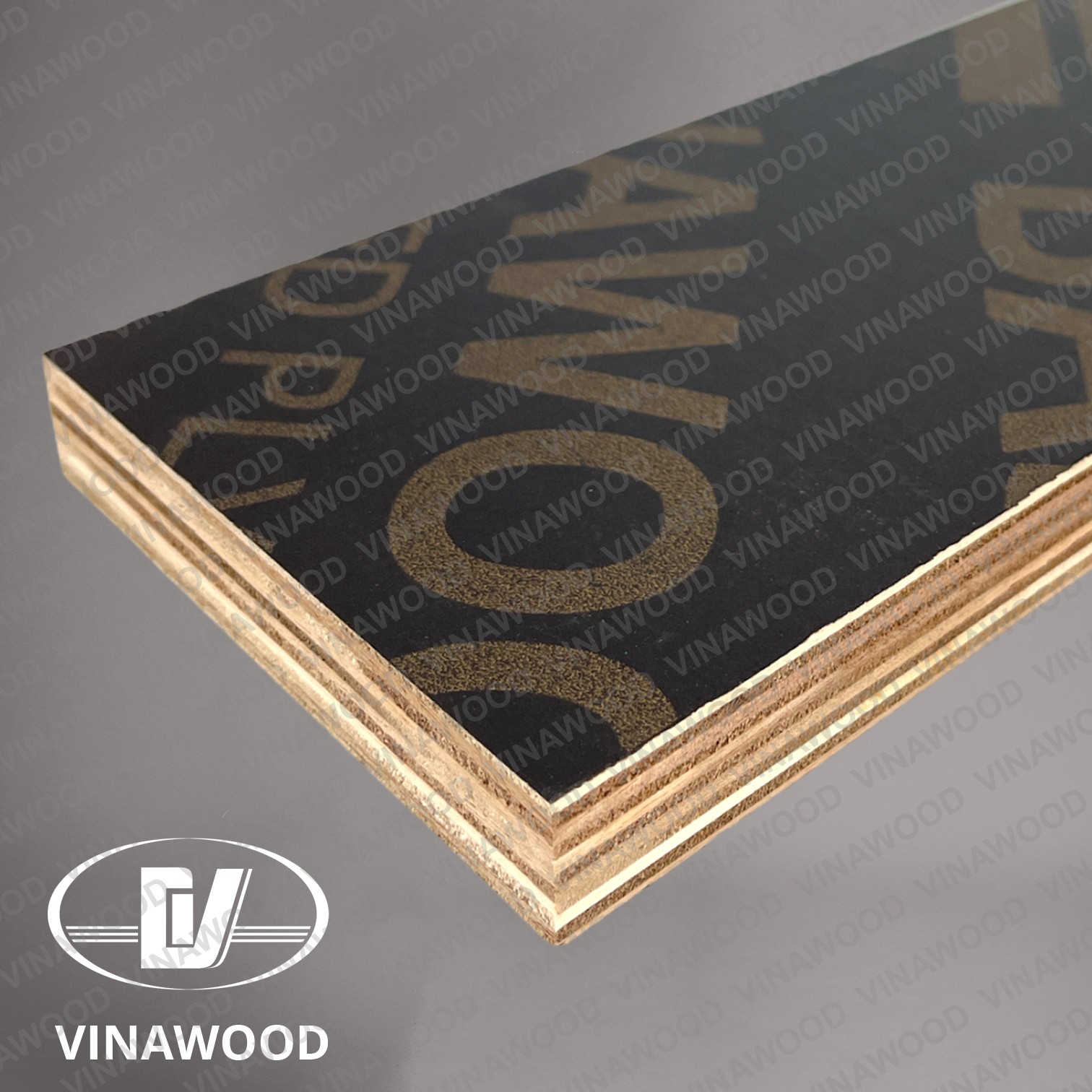
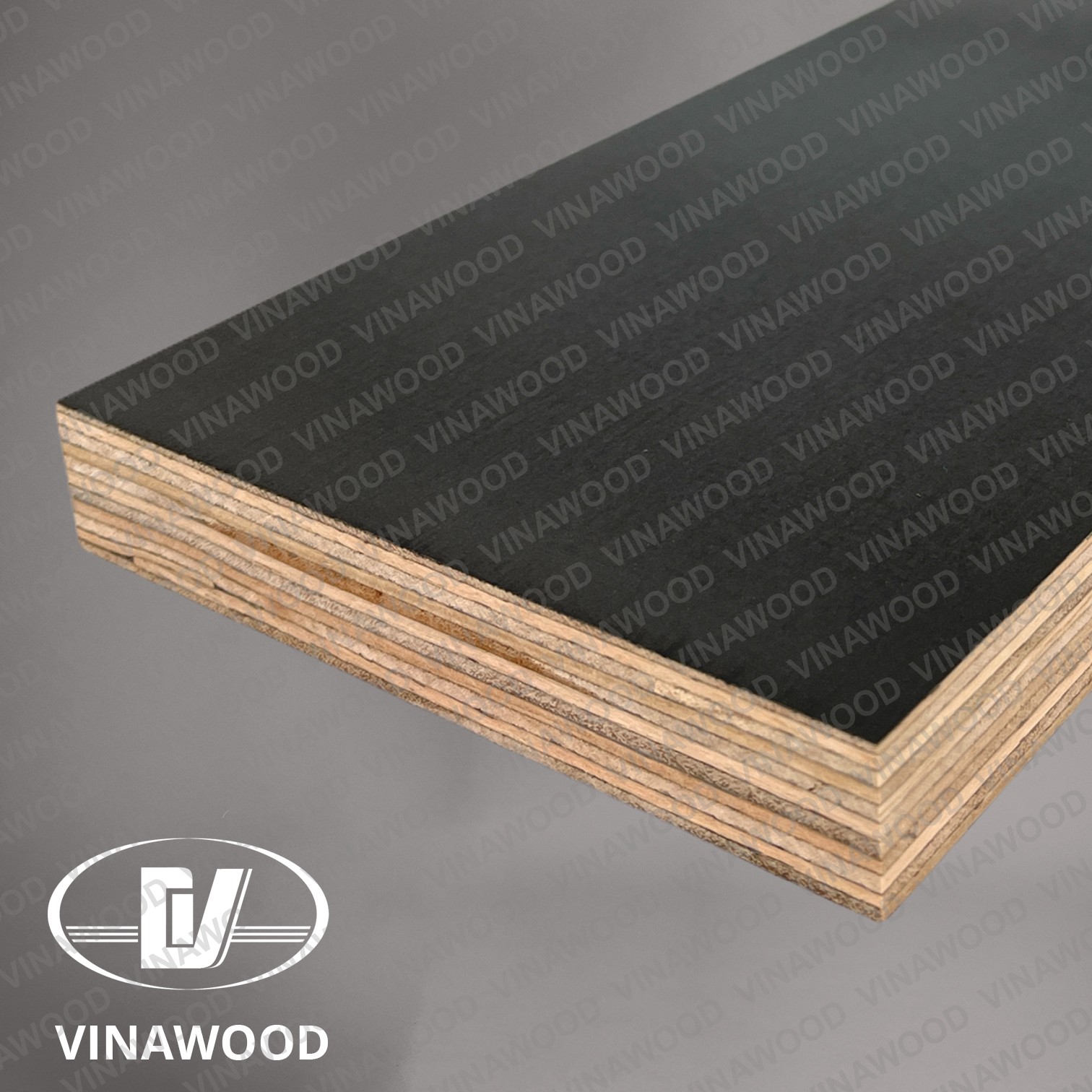
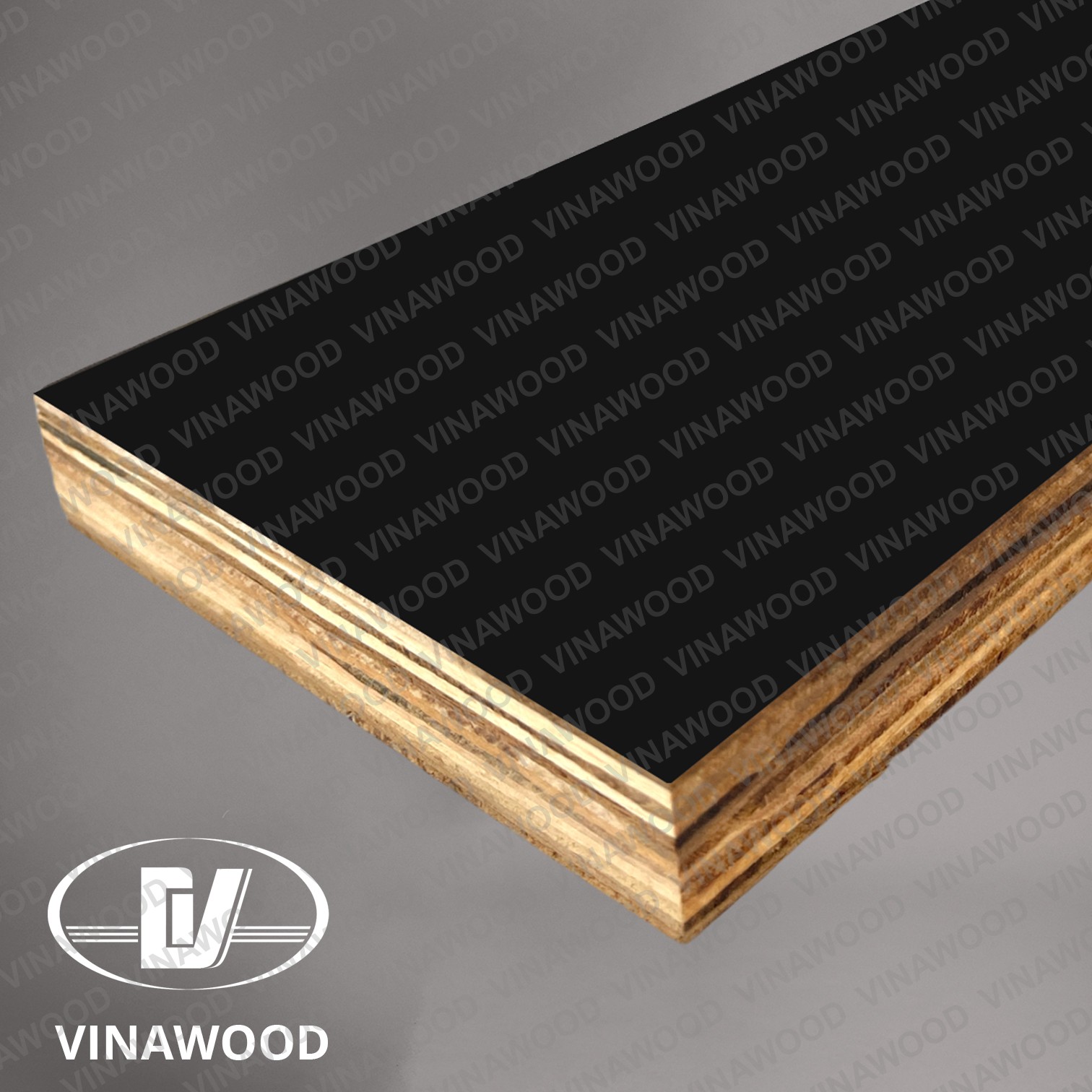
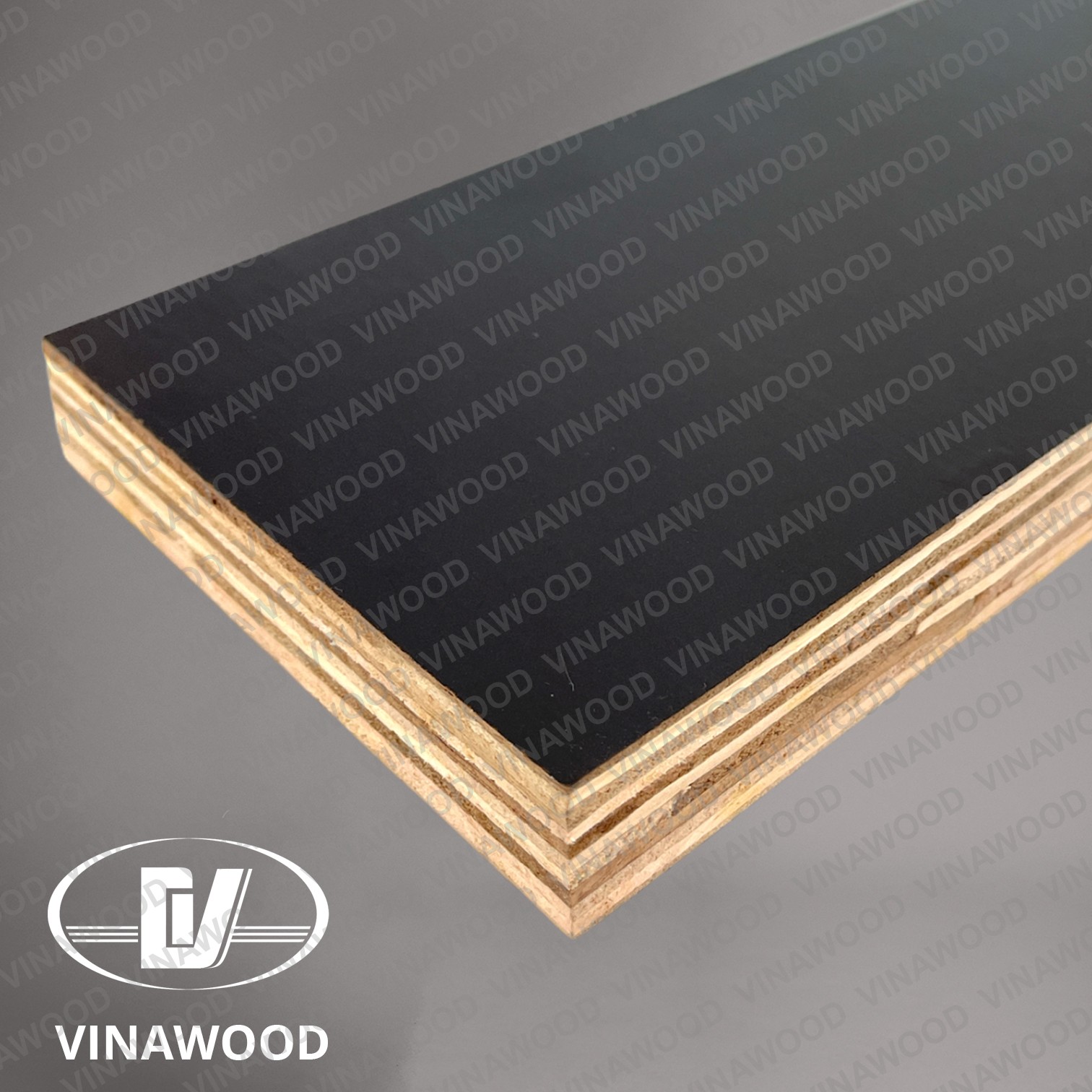
Vinawood has been producing plywood at its own mill in Vietnam since 1992. The product range covers formwork (film-faced plywood), HDO for North American forming applications, MDO for signage and overlay markets, commercial hardwood plywood, marine grades, and packing-grade plywood. Certifications include ISO 9001, FSC Chain of Custody, PEFC, CE (EN 13986), EPA TSCA Title VI / CARB P2, KS Mark (Korea), UKCA, BIS (India), and EPD for green building credit programmes.
Containers ship out of Vietnam's main export ports. Lead time from confirmed PO to loaded container is typically 15–20 days; ocean transit adds another 10–35 days depending on destination. Sample panels ship on request for new customers. MOQ is one 20-foot container, though most buyers start with a 40-foot HC for better freight economics.
Direct factory pricing, no trading-company middleman, 5,000+ containers shipped a year to 55+ countries, and certification documentation you can put in front of customs brokers in any major market. Contact Vinawood for a project-specific RFQ.
Category
guides
Related Countries
Related Products
▶Sources & References (3)
- Harmonized System 2022 — Wood Products Classification — World Customs Organization (2022-01-01)
- EU Regulation 2023/1115 (EUDR) — European Commission (2023-06-09)
- Formaldehyde Emissions from Composite Wood Products (TSCA Title VI) — US EPA (2024-01-15)