196% US Duties Hit Asian Hardwood Plywood — Late April 2026 Brief
The US Department of Commerce set preliminary antidumping duties of 196% on Vietnamese hardwood plywood while lumber futures hover at $584/MBF. European plywood market holds at $15.3 billion.
US Slaps 196% Preliminary Duties on Vietnamese Hardwood Plywood
The US Department of Commerce issued preliminary antidumping duty rates of 196.14% on hardwood and decorative plywood imports from Vietnam on February 25, 2026 — one of the steepest trade barriers imposed on any wood product category this decade. Chinese hardwood plywood faces a 187.27% rate, while Indonesian exporters received rates ranging from 19.98% to 84.94%, according to the Federal Register notice published March 2.
These antidumping duties stack on top of countervailing duties announced in January: 4.37% to 26.75% for Vietnam, 2.40% to 128.66% for Indonesia, and a country-wide 81.34% rate for China. US Customs and Border Protection began collecting cash deposits on March 2, meaning importers are already bearing these costs. Final determinations for Vietnam and Indonesia are scheduled for mid-July 2026.
What's Covered — and What's Not
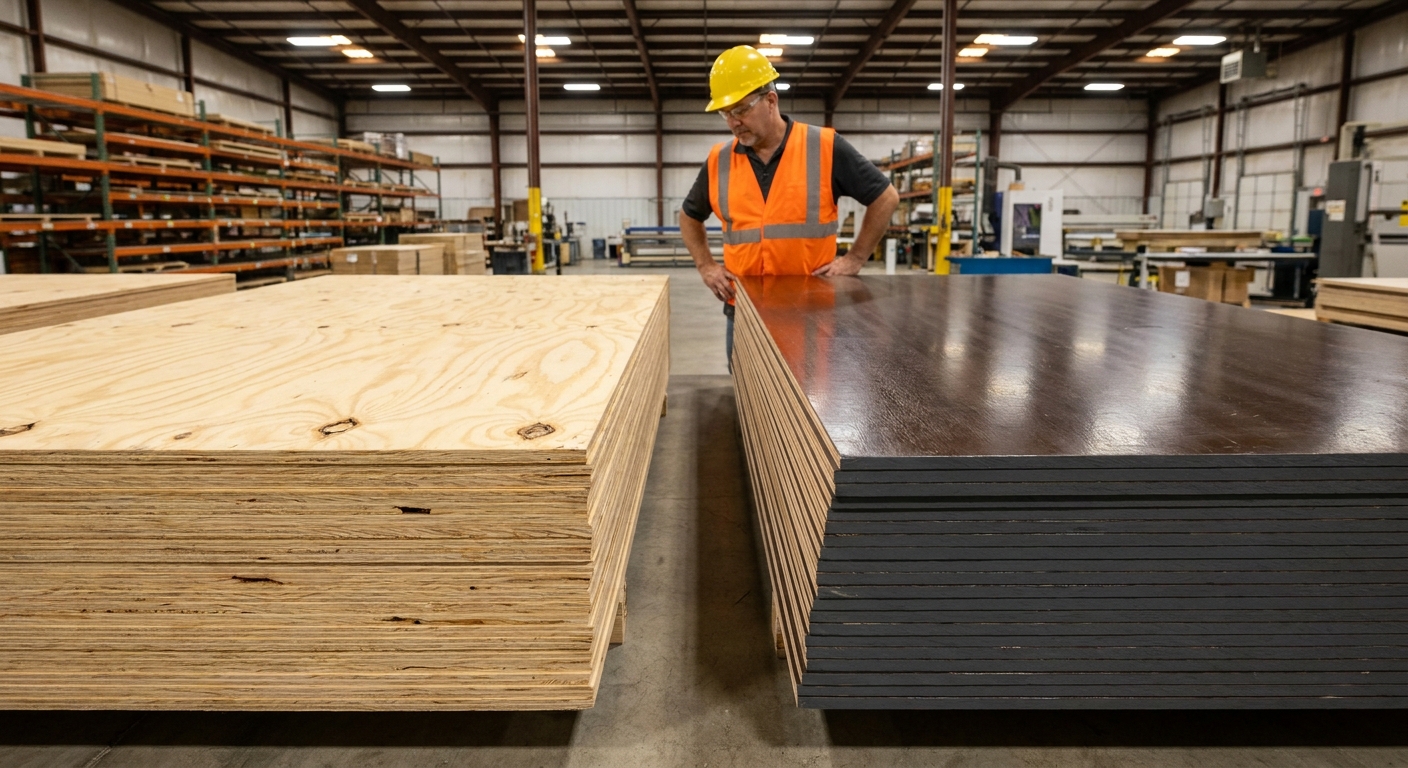
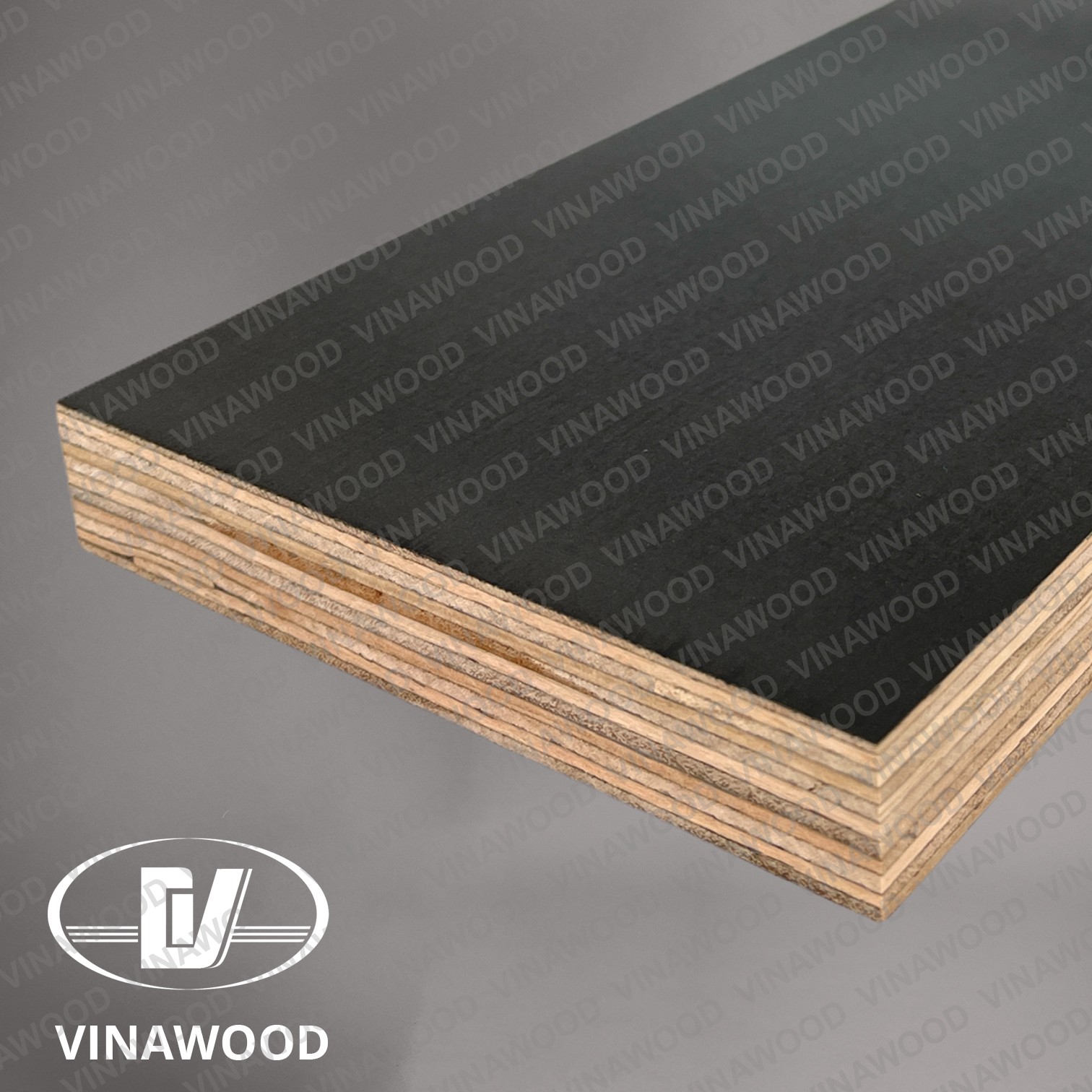
The investigations, petitioned by the Coalition for Fair Trade in Hardwood Plywood, target a specific product scope: hardwood and decorative plywood. This includes veneered panels, furniture-grade sheets, and decorative laminates used in cabinetry, flooring underlayment, and interior fit-out. Procurement managers should note that structural plywood products — including film-faced formwork plywood, construction sheathing, and marine-grade structural panels — fall under different tariff classifications and are not subject to these particular AD/CVD orders.
The distinction matters. Vietnam's total wood product exports reached USD 3.84 billion between January and November 2025, according to TradeInt data, with the country consolidating its position as the world's second-largest plywood exporter. The hardwood/decorative segment represents a significant share of that volume to the US. Buyers sourcing decorative panels from Vietnamese suppliers will need to evaluate whether their specific products fall within the scope of the order — or risk unexpected duty deposits at the border.
Lumber Recovers Slightly but Remains Range-Bound
After touching lows near $574 per thousand board feet in mid-April, North American lumber futures recovered modestly to $584.07 on April 20, according to Trading Economics. The 0.44% daily gain still leaves prices down 2% for the month, though up 3.09% year-to-date. Western Spruce-Pine-Fir 2x4 lumber stood at $490 per thousand board feet in early April, per IndexBox data — up 4% month-over-month as limited producer supply began tightening availability.
The fundamental headwinds remain unchanged: mortgage rates at 6.46% have contributed to a 14.2% collapse in US single-family housing starts, while building permits fell 5.4%. Sawmill closures have removed 1.3 billion board feet of annual capacity, but demand destruction is outpacing the supply correction. Trading Economics models project lumber at $592.54 by end of Q2 and $637.85 over 12 months — suggesting a gradual recovery once housing activity stabilizes, but no immediate price spike.
European Plywood Market Steady at USD 15.3 Billion
The European plywood market reached an estimated USD 15.27 billion in 2026, according to Market Data Forecast, with construction and sheathing applications accounting for nearly half of total consumption. Germany remains the largest import market at $967 million, followed by the UK at $673 million and the Netherlands at $504 million — together comprising 40% of European plywood imports.
Renovation activity continues to outpace new construction in key markets including Germany, France, Italy, and the UK, sustaining demand for plywood in retrofit applications. The fire-resistant grade segment is projected to grow at 9.2% annually through 2033, driven partly by the UK's programme to remediate cladding on over 120,000 housing units. European timber consumption overall is forecast at 43.9 million cubic meters in 2026, up approximately 2.5% from 2024 levels.
Importers are meanwhile preparing for the EU Deforestation Regulation (EUDR) compliance deadline of December 30, 2026, which requires full geolocation traceability for wood products entering the EU market. Several European timber firms have already cut ties with suppliers linked to deforestation in Indonesia, according to a Mongabay investigation published this month — a sign that supply chain adjustments are accelerating ahead of enforcement.
Global Construction: Infrastructure Offsets Housing Weakness
While residential construction remains soft in the US, the global picture is more nuanced. Global construction output is forecast to grow 3.3% in 2026, according to AzoBuild, with non-residential buildings and civil engineering providing the primary momentum. Data centres, clean energy infrastructure, and transport projects are driving demand for structural plywood and formwork panels in markets where housing has stalled.
India is expected to lead regional growth, supported by large-scale rail, road, and industrial development programmes. US multifamily starts are projected to expand 5% to 670,000 units in 2026, partially offsetting the single-family weakness. For formwork plywood suppliers, the infrastructure and multifamily pipeline offers a more stable demand base than the volatile single-family segment.
Outlook: Trade Barriers Reshape Sourcing
The combination of steep AD/CVD duties on hardwood plywood and Section 232 tariffs on softwood is fundamentally reshaping procurement economics for US importers. With combined duty rates potentially exceeding 200% on Vietnamese and Chinese decorative panels, buyers will increasingly look to domestic production, alternative origins not yet subject to orders, or reformulate their product specifications to fall outside the scope of the investigations.
For structural and formwork plywood — which remains outside these AD/CVD actions — the trade environment is comparatively stable, though Section 232 baseline duties still apply. European demand offers steady growth without the tariff complexity, while Middle East and Indian infrastructure programmes continue to absorb volume. Procurement teams should closely track the mid-July final determinations, as duty rates may shift significantly from preliminary levels.
Category
market-insights
Related Countries
Related Products

▶Sources & References (9)
- Preliminary Affirmative Determination in the Antidumping Duty Investigations of Hardwood and Decorative Plywood from China, Indonesia, and Vietnam — US Department of Commerce (2026-02)
- US Moves to Impose Steep Anti-Dumping Duties on Asian Hardwood and Decorative Plywood Imports — Panels & Furniture Asia (2026-03)
- Hardwood and Decorative Plywood From China, Indonesia, and Vietnam — Final Phase Scheduling — Federal Register / USITC (2026-03)
- Lumber Commodity Price Data — Trading Economics (2026-04)
- Lumber Prices Increase in April 2026: Supply Tightens as Demand Remains Subdued — IndexBox (2026-04)
- Europe Plywood Market Size & Share Report, 2034 — Market Data Forecast (2026)
- EU Deforestation Law Nudges Timber Trade, Indonesia Probe Shows — Mongabay (2026-04)
- 2026 Construction Industry Forecast: Global Trends and Regional Growth — AzoBuild (2026)
- Top 5 Wood Exporting Countries 2025 Trends — TradeInt (2025)