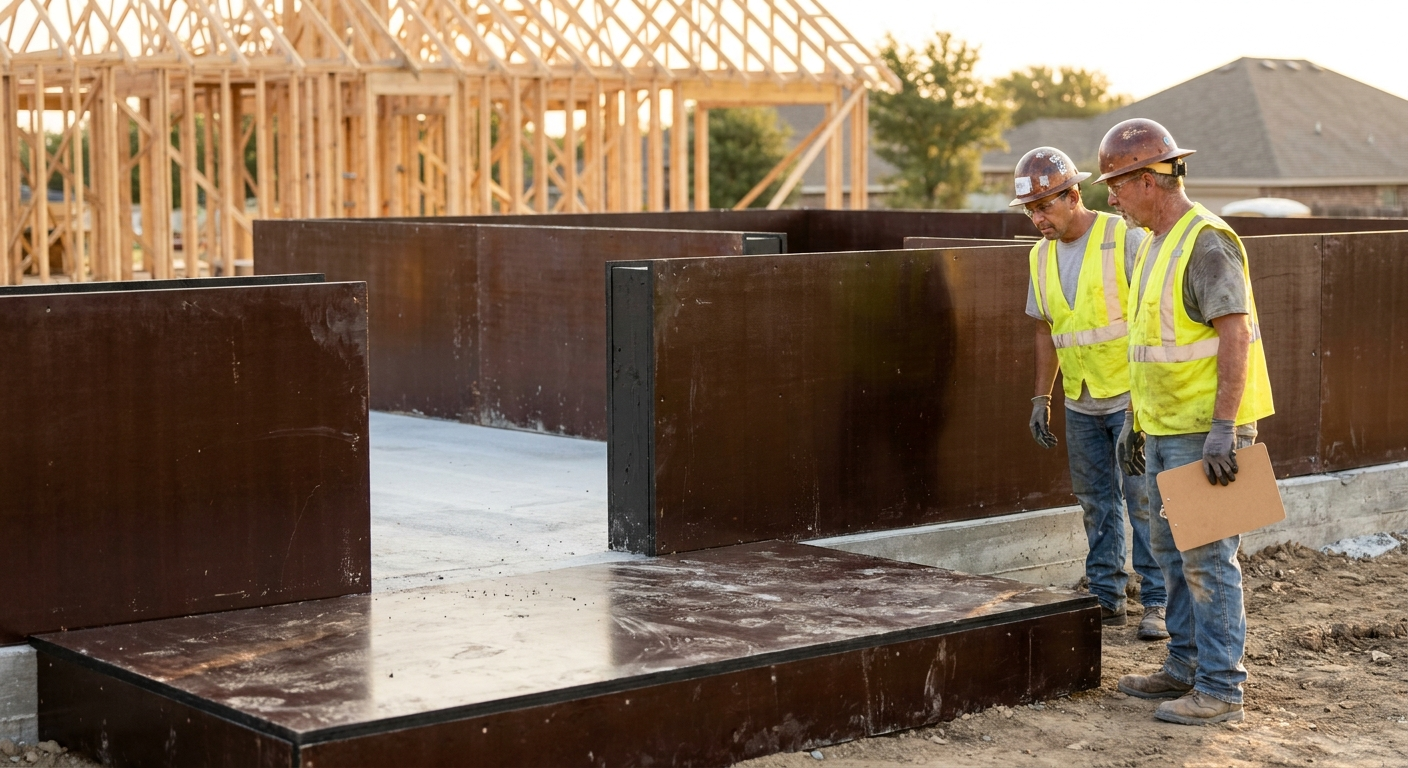
Wood Boards: Types, Applications, and How to Choose the Right One
Wood boards also commonly referred to as board wood are essential materials in construction, furniture making, interior design, and DIY projects. Whether you're building cabinets, wall panels, or shelving, choosing the right type of wood board ensures strength, aesthetics, and durability. This…
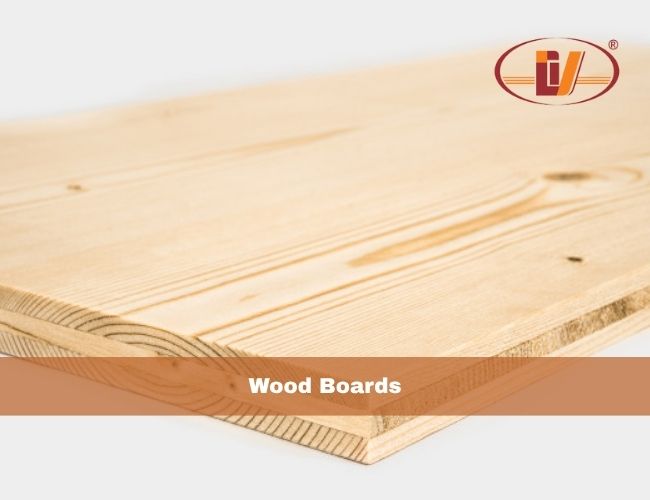
Wood boards — also called board wood — show up in framing, cabinets, wall paneling, and DIY projects. Wrong board for the room and you fight warp, sag, or finish problems. Right board and the build stays quiet.
Below: common types of wood boards, where each fits, and a short buy checklist.
What is a board of wood?
A wood board is a flat rectangular panel cut or pressed to a set thickness. Solid timber, veneered plywood, and reconstituted boards all sit under that umbrella. Builders care about stiffness, screw-hold, face quality, and how the sheet behaves in humidity.
Common engineered options: plywood, MDF, and OSB. Plywood stacks thin veneers with alternating grain. That cross-band is why it stays flatter than a wide solid plank of the same width. Floors and wall sheathing lean on that stability.
> Read more: purple heart wood, clapboard, what is a board foot, cross laminated timber, how far apart are wall studs, fire rated plywood, kiln dried wood
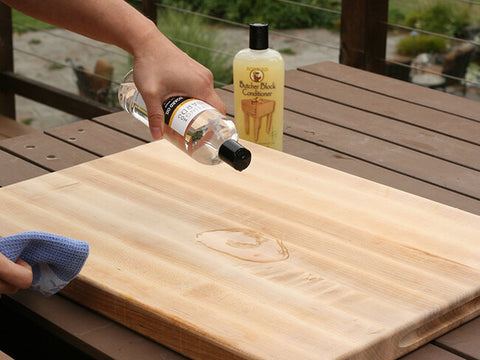
Types of Wood Boards
Solid Wood Boards
One piece of timber. Looks natural. Moves with humidity more than plywood. Common species: oak, pine, maple, teak. High-end furniture and show cabinetry.
Plywood Boards
Cross-banded veneers. Strong for the weight. Resists cupping better than solid stock of the same width. Wardrobes, cabinets, subfloor layers.
MDF (Medium Density Fiberboard)
Wood fiber + resin. Dead smooth face. Paints well. Weaker screw-hold than plywood and hates standing water. Interior shelves, doors, paint-grade boxes.
Particle Board
Chips + glue. Light, cheap, common in flat-pack furniture. Shorter life than MDF or plywood under load.
Blockboard
Softwood strip core under veneers. Stiff on long spans. Doors and wide table tops.
What is a wooden board used for?
Construction: sheathing, subfloor, roof deck — plywood and OSB carry those jobs. Interior work: cabinets, tables, wall panels. MDF for paint-grade mouldings because the face is flat. Kitchen cutting boards are usually solid end-grain or edge-grain hardwood, not random plywood — food contact needs the right species and finish.
Same material family, different tickets. Pick by load, moisture, and finish plan.
> Get more details: composite decking colors, hardwood vs softwood, wood structure, bathroom subfloor, how to build a wood truss
How to Choose the Right Wood Board
Quick filters:
- Purpose: Structure → plywood or blockboard. Painted show faces → MDF or hardwood-faced plywood.
- Location: Humid rooms need water-resistant plywood, not raw particle board.
- Budget: MDF and particle board cost less; they also fail sooner under abuse.
- Finish: Smooth faces for paint or laminate; figured solid wood if the grain is the point.
Best Wood Boards for Common Applications
Board and Batten Siding
Cedar, pine, redwood. Cedar shrugs off weather better. Pine needs sealing. Redwood looks rich and lasts if you maintain it.
Interior Walls
- Solid wood: accent walls with real grain.
- Plywood: flat, strong, paint or veneer.
- MDF: paint-grade panels on a budget.
Humidity and budget decide more than style boards on Instagram.
Tables
- Oak: hard, open grain, daily-use tops.
- Teak: outdoor and wet-adjacent tops.
- Walnut: darker show piece.
- Pine: light, cheap, dents easier.
Beds
- Oak: stiff rails and headboards.
- Teak: humid climates.
- Pine: lighter frames; protect against dents.
Which wooden board is best?
For most structural and cabinet work, plywood wins on the mix of strength and stability. Cross-banded veneers fight warp. Many grades also handle humidity better than particle board or plain MDF. Cost sits higher than chipboard — long-term, fewer callbacks. Solid hardwood still wins when the entire board is the look.
Are wooden boards safe?
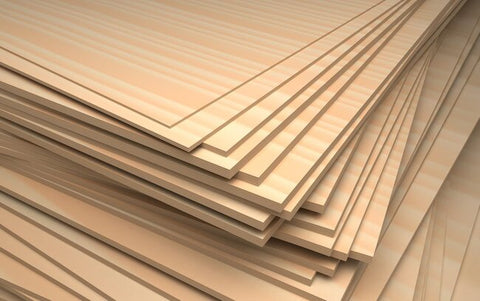
Sand splinters off. Finish edges. Follow span tables for floors and shelves — overspan a thin sheet and it fails under load. Some treated lumber carries preservatives; cut outdoors, wear a mask, and do not burn the scraps. Indoor furniture-grade plywood and MDF should meet formaldehyde rules for your market (CARB/TSCA in North America).
> Discover more: 3/4 vs 5/8 thickness, density of plywood, wood and plywood, what size plywood for mobile home floor, which plywood is best for wardrobe
Is wood board durable?
Hardwoods like oak and teak take abuse better than soft pine. Process matters too: kiln-dried, sealed, and kept dry lasts years. Untreated boards outdoors fail fast. Indoor furniture outlives a wet deck every time. Softwoods still work — just expect dents and more finish maintenance.
> Read more: Guide to Common Wood Species
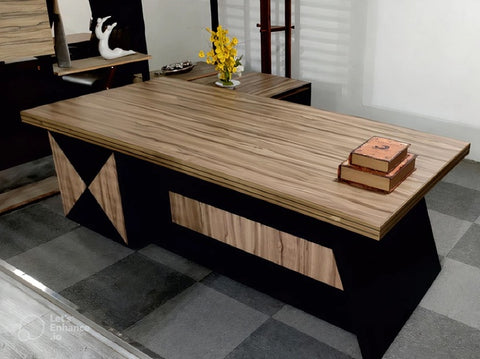
What kind of wood is used for board and batten siding?
Cedar, pine, and redwood dominate. Cedar resists insects and moisture better out of the gate. Pine is cheaper and needs a solid sealing plan. Redwood ages with a deep color if you like that look. Maintenance schedule matters more than the brochure photo.
> Learn more: how thick should subfloor be, types of wallboard, film faced plywood, using plywood outside, plywood manufacturers in usa
What board is good for wall?
Solid oak, pine, or walnut for accent grain. Plywood for flat, strong wall panels you can veneer or paint. MDF for cheap paint-grade surfaces in dry rooms. Bathrooms and kitchens push you toward plywood with a water-resistant bond, not raw MDF.
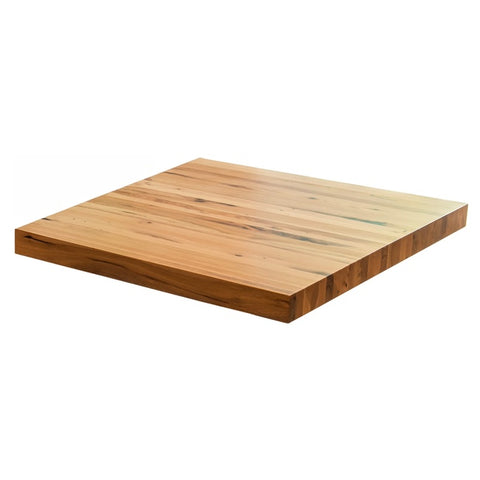
Which wood is good for table?
Oak for hard daily tops. Teak for wet-adjacent or outdoor tables. Walnut when the grain is the product. Pine when budget rules and you accept soft dents. Match finish hardness to how the table gets used — kids and laptops punish soft faces.
> Explore further: hardwood flooring, luan underlayment, plywood projects, which country has best plywood
Which wood is best for a bed?
Oak rails stay stiff. Teak handles humid bedrooms. Pine keeps the frame light and cheap — seal it and expect softer edges. Joinery and mattress support matter as much as species.
Frequently Asked Questions (FAQs)
Can wood boards be used outdoors?
Yes — pick exterior-rated plywood, pressure-treated lumber, or durable species like teak or redwood. Seal all faces. Re-coat on a schedule.
What thickness of wood board is best for shelving?
About 3/4" (18–19 mm) for most shelves. Long spans or heavy books need thicker stock or a front stiffener.
Is MDF or plywood better for cabinets?
Plywood for boxes in wet zones. MDF for painted doors where a dead-flat face matters more than screw-hold.
How do I prevent wood boards from warping?
Buy kiln-dried stock. Store flat. Seal both faces. Avoid one-sided finishes on wide panels.
Can you paint all types of wood boards?
Mostly yes. MDF and sanded plywood take paint easiest. Sand and prime first.
Final Thoughts
Match board type to load, moisture, and finish. Solid wood for show grain. Plywood when flat strength matters. MDF when paint is the whole story.
Vinawood supplies plywood and formwork panels for builders who need consistent mill stock — details at vinawoodltd.com.
VINAWOOD - Vietnam Plywood Supplier & Manufacturer