VINAWOOD – Vietnam Plywood Supplier & Manufacturer
♻Evergreen·6 min read
Formwork Plywood: Advantages, Types, and Applications
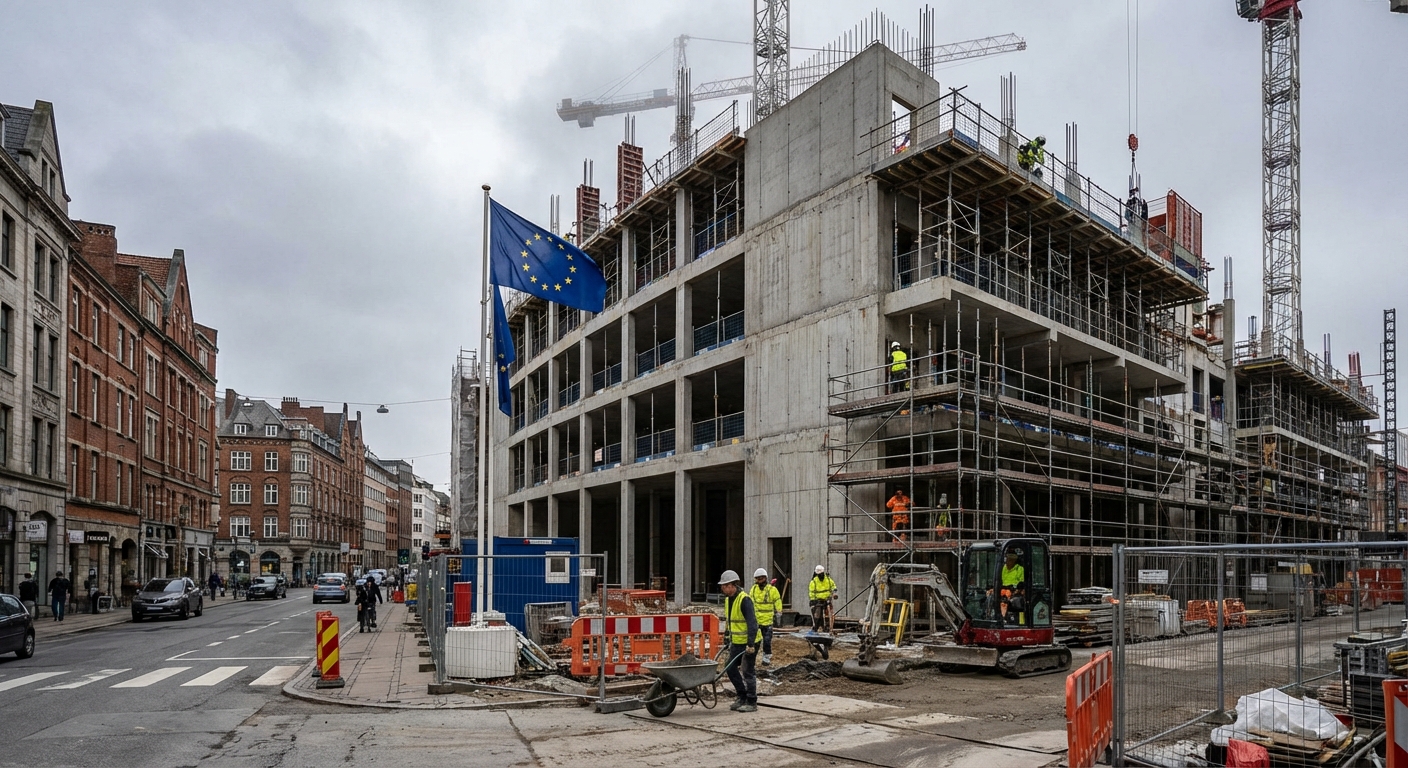
Formwork plywood is a crucial material in modern construction, widely used for creating strong, durable molds for concrete structures. Understanding the advantages, types, and common applications of formwork plywood will help builders and contractors choose the right materials for their projects.…
Formwork plywood is a crucial material in modern construction, widely used for creating strong, durable molds for concrete structures. Understanding the advantages, types, and common applications of formwork plywood will help builders and contractors choose the right materials for their projects.
> Read more: 1/8 inch plywood, 15/32 plywood, 19/32 plywood, 5x10 plywood
What is plywood formwork?
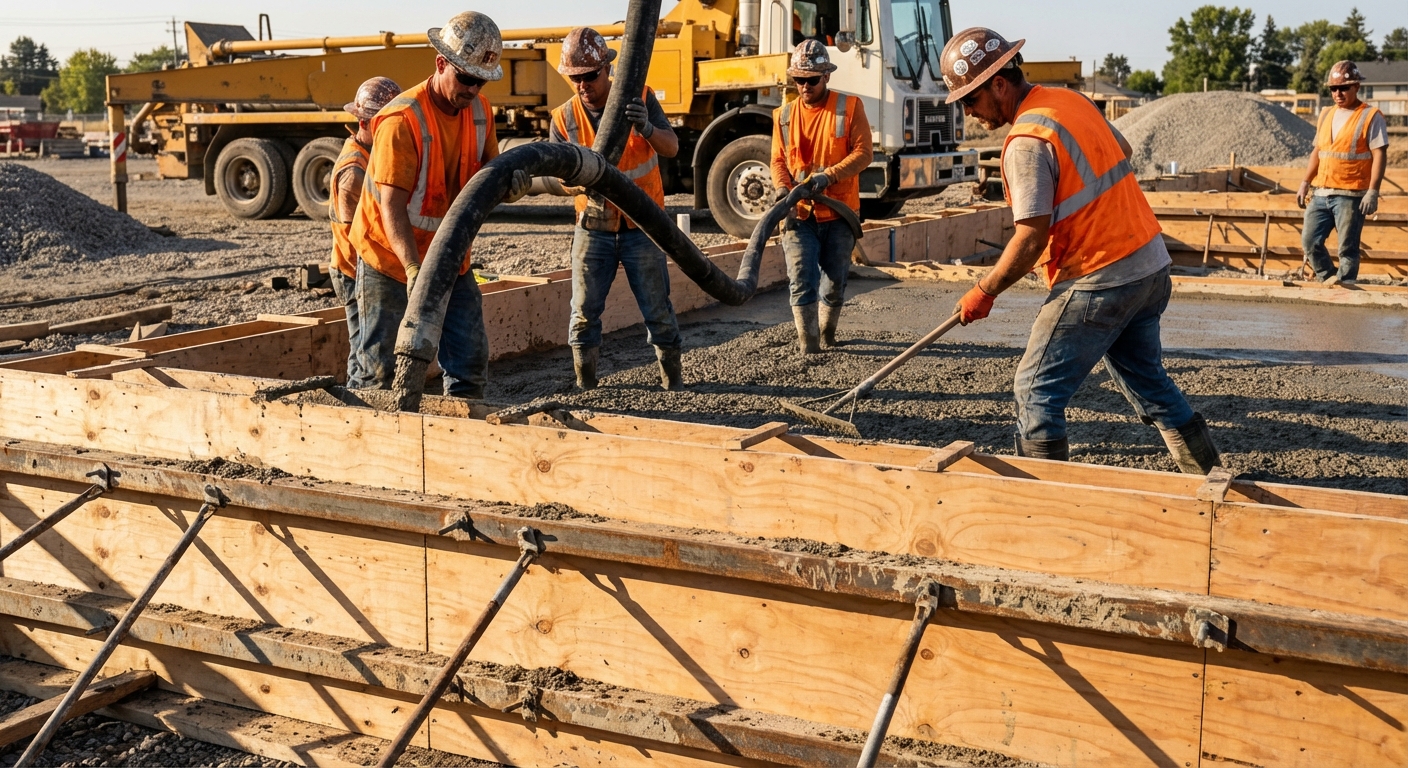
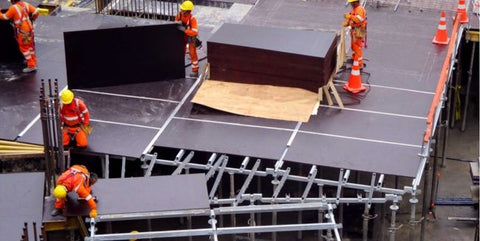
Plywood formwork (plywood forms) is a temporary structure made of plywood sheets used to shape and support freshly poured concrete until it hardens. Essentially, it acts as a mold for the concrete, ensuring it sets into the desired shape and form.
Plywood formwork is a lightweight, durable and eco-friendly system that provides high quality concrete cast surface. It is prepared by combining the specially prepared three layers on top of each other. Plywood formwork is applicable wherein a large surface needs be coated with a light and durable material. It is especially preferred in molds prepared for pouring concrete in constructions.
Usually, plywood boards are made of birch, poplar, spruce, or pine but there are many types of materials used by plywood manufacturers in different parts of the world. While the type of plywood used is important, the real opportunity for making a difference for the final concrete result is the type of coating: the film that is applied on the plywood surface.
> Get more details: pine plywood, ac plywood, bamboo plywood, bendable plywood
Advantages of plywood formwork
Due to the properties of plywood, it is weather resistant and does not stick to concrete. Constructed with thin layers of wood glued together it can be very strong and therefore unlikely to split. Ideal for external applications it offers strong resistance to moisture, warping, rotting and splitting. Plywood forms’s advantages includes:
- Provides high-quality concrete cast surface
- Favorable for weight to strength ratio
- Minimal deflection due to inherent stiffness
- High durability
- Can be reused
- The panel shear of plywood is nearly double that of solid timber due to its cross laminated structure.
- Easy to machine and fix using standard machining and fastening methods
- Easy to handle on-site
- Good chemical resistance
- A wide range of plywood formwork sizes is available
- Cost-effectiveness (cheap plywood forms price)
- Plywood has ecological importance
> Discover more: burnt plywood floor, plywood edge banding, plywood garage walls, plywood kitchen cabinets
Different types of plywood for formwork
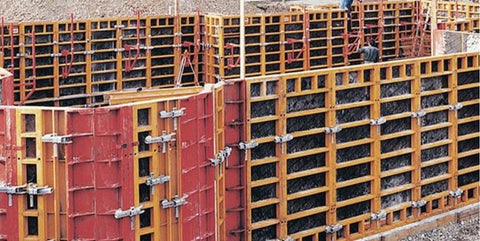
Plywood forms are typically used in two ways: as forming panels or as form liners. Forming panels not only impart the desired texture and pattern to the concrete surface but also provide the structural strength and stiffness to hold the fresh concrete in place. Form liners can only import the desired texture and pattern to the concrete; a backing panel carries the load of the concrete. There are different types of plywood formwork:
Film faced plywood
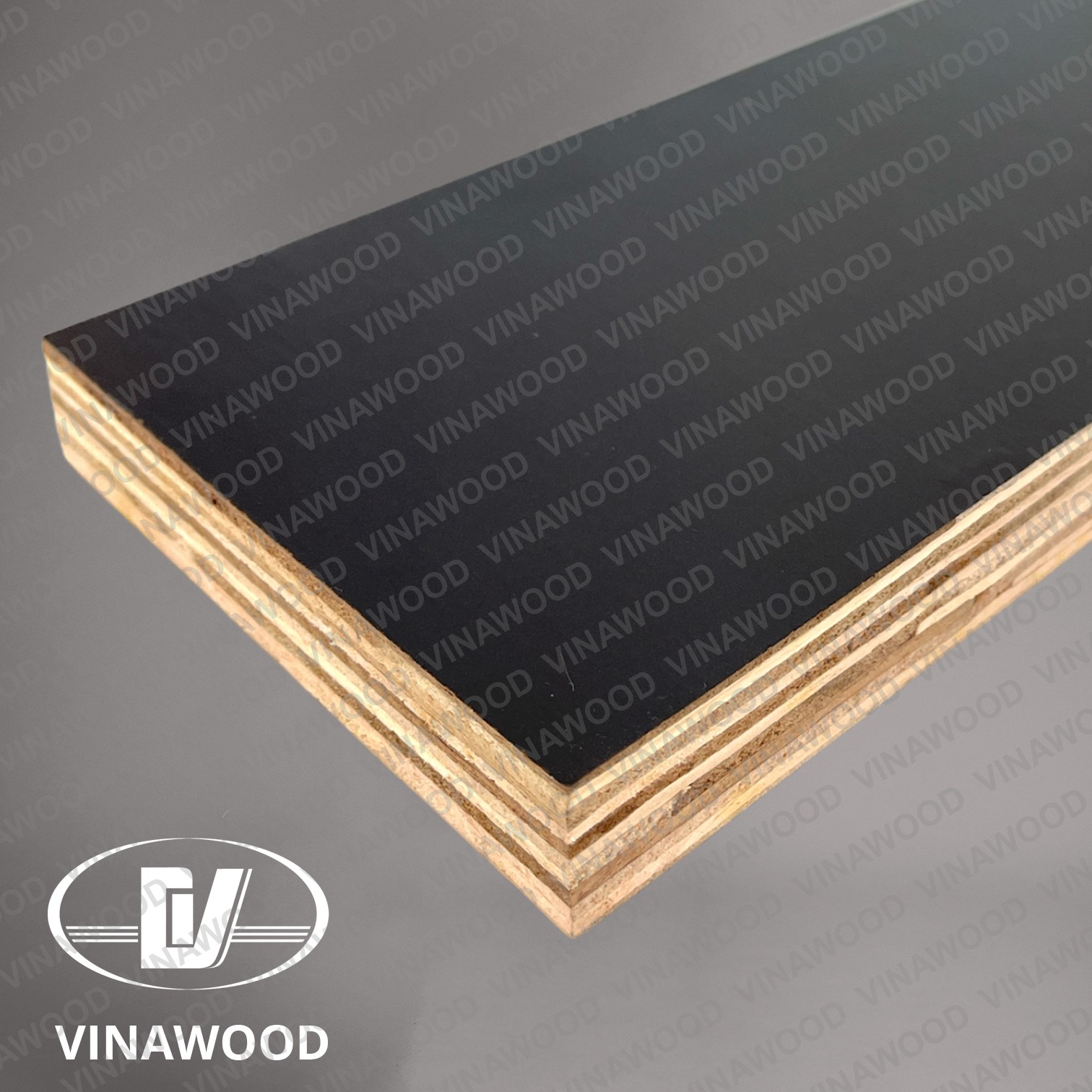
What is the best plywood for formwork? Film faced plywood is the best plywood formwork. Surface film is paper impregnated with a glue/resin. Film faced Formwork plywood have improved resistance to abrasion, moisture penetration, chemicals, insects and fungi. They have a smooth hygienic, easy to clean surface
> Explore further: hdo vs mdo plywood, tongue and groove plywood, walnut plywood, white oak plywood
HDO plywood
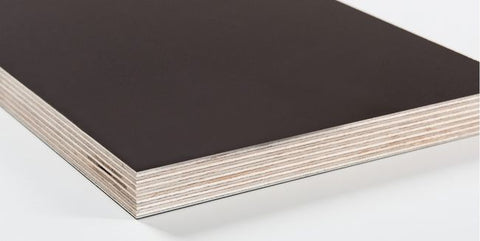
HDO is a type of plywood forms, standing for high density overlay that has a greater amount of resin in the overlay; their surfaces are harder and more impervious to water and impacts than MDO forming panels. A greater number of uses and smoother finish on the surface of the concrete can be expected when using HDO Plyform.
> Learn more:
MDO plywood
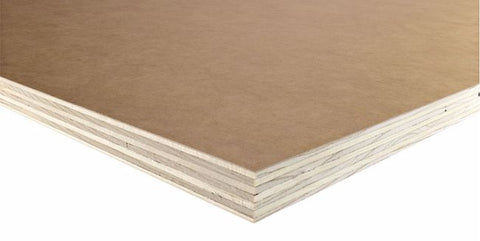
MDO stands for medium density overlay, which is much better/expensive than the surface film for ordinary film faced plywood. The quality surface of concrete comes from MDO’s ability to mask imperfections and reduce the transfer of the wood grain onto the concrete surface. The result of using a medium density overlay is a consistent color and a smooth finish that is ideal for painting or coating.
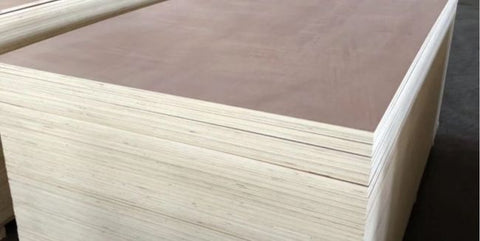
A wood veneer faced plywood
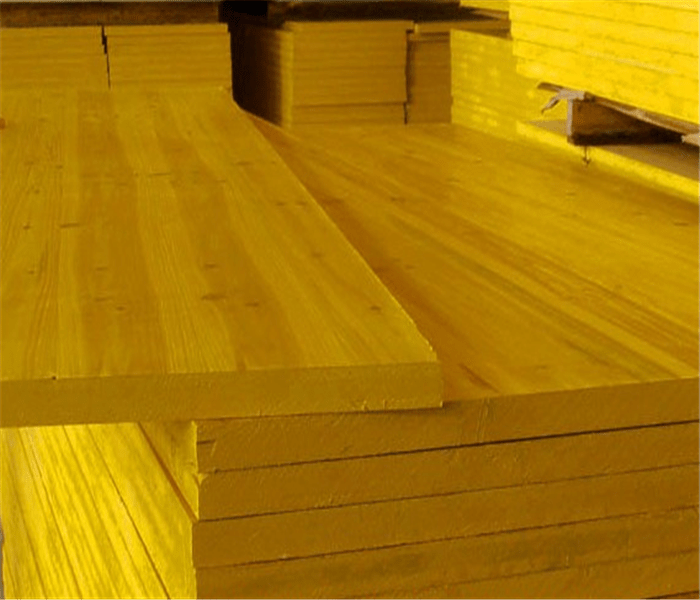
A wood veneer faced plywood is the cheapest plywood formwork. To use plywood forms easily, people will print a kind of glue/oil to the face/back of wood veneer faced formwork plywood during production.
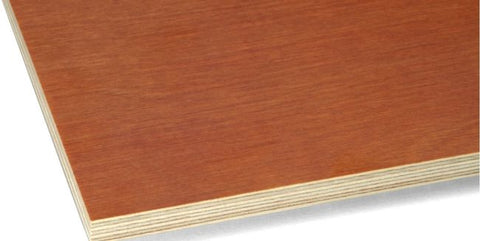
Specialty plywood
Specialty plywood forms with proprietary overlays are also available. Overlay materials include laminated plastic, epoxy resin, metal, and glass-fiber-reinforced plastics (fiberglass). The metal and fiberglass overlays may also add stiffness and strength to the panel. Users of these proprietary panels should check with the manufacturer for design specifications and surface treatment recommendations.
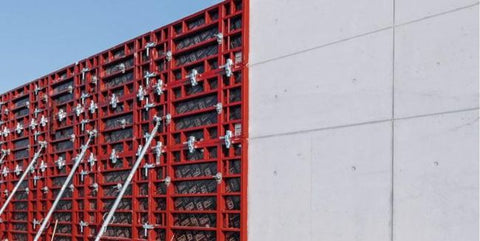
Applications of plywood formwork
Plywood forms are a wide range of construction formwork systems that are economical and manufactured easily. Its areas of application areas are discussed below.
Wall and column
Plywood formwork for concrete is adaptable to various shapes required for walls and columns. It can be configured into diverse systems such as framed, area, side support, weight-framed, circular, and columnar systems to accommodate different concrete structures.
Slabs
Plywood formwork for slabs is a versatile construction element used in creating various concrete structures. It is employed in the construction of ceiling slabs, slab tables, drop beams, and other similar applications.
Infrastructural uses
Concrete form plywood is a critical component in large-scale infrastructure projects such as tunnels and bridges. Plywood forms’s durability is paramount, especially in projects requiring continuous concrete pouring. To accommodate the unique demands of these projects, customized concrete form plywood systems are employed. These systems include crane climbing formwork, shaft platforms, and configured tunnel systems, often in conjunction with customized steel components.
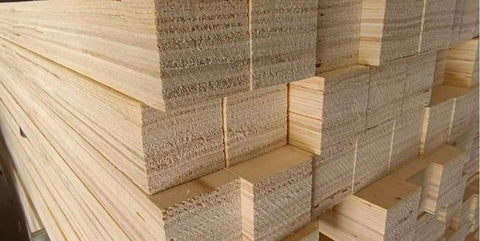
How to Choose the Right Formwork Plywood?
- Check thickness and size: Typically 12mm to 18mm thickness is used depending on the project.
- Surface treatment: Film-faced plywood is preferred for repeated use.
- Water resistance: Ensure the plywood has waterproof glue and coatings for durability.
- Supplier reliability: Choose trusted suppliers like Vinawood for quality assurance.
Some frequently asked questions about plywood forms
What form does plywood come in?
Plywood comes in various sizes and formats. Hardwood plywood typically measures 2x2 feet, 2x4 feet, and 4x4 feet. On the other hand, utility plywood offers larger dimensions, including 4x10 feet sheets and 5-foot wide sheets available in 6, 8, and 10-foot lengths.
Can plywood be used for formwork?
Yes, plywood is an excellent choice for formwork. Its ease of assembly and ability to create smooth, joint-free concrete surfaces make it a popular option. Plywood formwork is typically removed once the concrete has cured sufficiently, as indicated by hardening and visible separation between the formwork and concrete.
What are the disadvantages of plywood formwork?
The disadvantages of plywood forms include:
- Health risks from adhesives (urea and phenol formaldehyde)
- Lower strength compared to wood
- Reduced durability
- Difficulty in shaping
- Lighter weight than solid wood
How many times can you reuse plywood formwork?
Plywood formwork is known for its reusability, with an average lifespan of 7 to 50 uses depending on proper care and maintenance.
The above article has mentioned plywood formwork advantages, types and applications. With its superior advantages in concrete surface quality, reusability, and diverse applications, plywood forms have become an indispensable solution in modern construction. From residential to large-scale infrastructure projects, plywood formwork has always proven its importance. Understanding the various types of plywood forms, especially HDO, MDO, and veneer faced plywood, will help contractors select the most suitable material for each project, ensuring construction quality and progress.