Concrete Pop-Outs: Causes, Prevention, and the Form-Face Connection
Concrete pop-outs are small cone-shaped craters left when a reactive aggregate particle near the surface fractures the paste above it. Here are the real causes, how to prevent and repair them, and why they are an aggregate and finishing issue rather than a formwork panel fault.
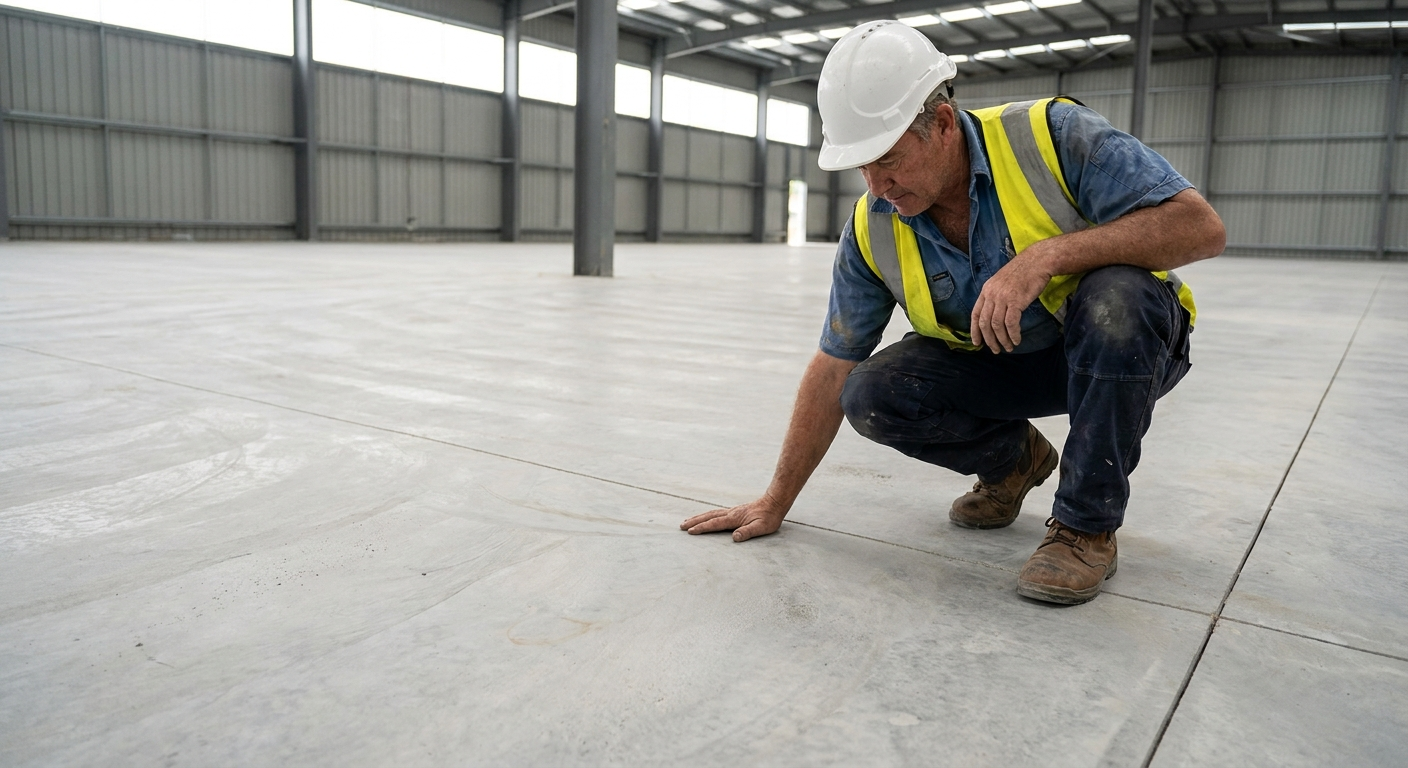
A concrete pop-out is the small, cone-shaped crater you sometimes find on a finished slab: a shallow conical hole, usually somewhere between 6 mm and 50 mm across, often with a fractured stone sitting at the bottom or lying nearby. Slab finishers and property owners run into them on driveways, garage floors, and exterior flatwork, and the first question is always the same. What caused it, is it serious, and whose fault is it?
The honest answer, from a panel manufacturer's seat, is that pop-outs are an aggregate, finishing, and freeze-thaw story. They start inside a single piece of aggregate near the surface, or just under the troweled top, and they have almost nothing to do with the formwork panel that shaped the vertical faces of the pour. A buyer who has been told a pop-out is a sign of a bad form panel has been pointed at the wrong part of the job. Here is what a pop-out actually is, what drives it, and where the form face genuinely fits.
What a pop-out actually is
A pop-out forms when a particle of coarse aggregate close to the surface expands and breaks the thin cap of mortar over it. The expansion has a few possible triggers, which we will get to, but the mechanism is consistent: something inside or just beneath the surface grows, the paste above it cannot hold, and a small cone of concrete lifts away. What is left is a conical depression, often with the offending stone fractured at its base.
Two details set the right expectation. Pop-outs are a near-surface event, not a sign that the concrete is weak through its full depth. And they show up overwhelmingly on horizontal, exposed, trowel-finished surfaces, where reactive particles get worked up toward the top during finishing. The vertical formed face, the part a plywood panel actually casts, is rarely where you find them.
Pop-out, pop-off, spalling, scaling: name the difference
These terms get used interchangeably on site, but they describe different things with different causes, so the distinction is practical.
| Surface condition | What it looks like | Typical depth | Root cause | Where it shows |
|---|---|---|---|---|
| Pop-out | Small cone-shaped crater, often a fractured stone at the base | 6 to 50 mm wide, shallow | Reactive or porous aggregate near the surface; freeze-thaw; ASR | Horizontal trowel-finished slabs |
| Pop-off (delamination) | A thin top layer flaking or peeling away in sheets | Thin surface skin | Finishing before bleed water has left; trapped air under a sealed surface | Troweled top surface |
| Spalling | Flaking and chipping, sometimes exposing aggregate or steel | Variable, can be deep | Corrosion, freeze-thaw, impact, fire | Slabs, edges, over reinforcement |
| Scaling | Flaking of the surface mortar over a broad area | 3 to 5 mm typical | Freeze-thaw with de-icing salts, weak surface | Exterior flatwork |
The line worth remembering: a pop-out points at one piece of aggregate, while scaling and a pop-off point at the surface layer as a whole. For the closely related top-layer flaking, our guides to concrete spalling and concrete dusting cover those conditions in detail.
What causes pop-outs
Pop-outs have a short, well-understood list of causes, and every one of them sits with the aggregate, the mix, the finish, or the weather.
- Porous or expansive aggregate. Soft, absorptive particles such as chert, shale, and clay lumps soak up water and swell. They are the classic pop-out culprit, and a single bad particle near the surface is enough to leave a crater.
- Freeze-thaw expansion. When a saturated near-surface particle freezes, the water inside it expands by roughly nine percent. If the particle cannot accommodate that, it ruptures and lifts the paste above it. This is why pop-outs are common on exterior slabs in cold climates and rare on protected interior floors.
- Alkali-silica reaction (ASR). Certain reactive siliceous aggregates react with the alkalis in the cement paste to form a gel that swells when it takes on moisture. Near the surface, that swelling produces a pop-out; deeper in the section it shows as map cracking instead.
- Foreign or contaminated material. Lumps of hard-burned lime, wood, or other debris in the aggregate stockpile can hydrate and expand after placement, with the same result.
- Over-finishing. Working the surface too early or too hard draws a layer of fines and water to the top and can pull reactive particles up with it, concentrating them exactly where they cause the most visible damage.
None of those five is a formwork variable. They are decided before the concrete arrives and during the finishing window, not by the panel that holds the wet edge.
Are pop-outs structural or cosmetic?
Most pop-outs are cosmetic. A scatter of small craters on a driveway or warehouse floor looks worse than it is; the concrete below is sound, and the section retains its strength. The practical response is to assess size, frequency, and depth before deciding anything, rather than treating every crater as a structural alarm.
There are cases that deserve a closer look. A dense field of pop-outs on a thin topping or a wear slab can compromise the finished surface and invite further surface deterioration. Large pop-outs that expose embedded items, or pop-outs accompanied by the wider map cracking of an ASR problem, point to a material issue worth investigating rather than just patching. Keep the response proportionate: a few isolated craters are a repair, a pattern across the slab is a question about the aggregate and the mix.
How to prevent pop-outs
Prevention is an aggregate, mix, and finishing matter, and it is mostly settled before placement.
- Specify clean, sound, non-reactive aggregate. Limiting deleterious particles such as chert, shale, and clay lumps is the single most effective step, and it is an aggregate-supply decision, not a site one.
- Keep the water-cement ratio low. A denser paste with less bleed reduces the water available to saturate reactive particles near the surface.
- Time the finishing. Do not start floating or troweling while bleed water is still rising, and avoid over-working the surface, which concentrates fines and reactive particles at the top.
- Cure properly and manage saturation. On exterior slabs in freeze-thaw climates, a well-cured, low-permeability surface and good drainage cut the chance that near-surface particles stay saturated going into a freeze.
- For air-entrained exterior concrete, hold the specified air content so the surface resists freeze-thaw stress in the first place.
How to repair existing pop-outs
Where pop-outs need attention, the repair is a familiar patching sequence. Clean the crater of the fractured stone and any loose, weak material down to sound concrete. Dampen the cavity so the substrate does not pull water out of the repair, then apply a bonding agent. Pack a cementitious patching mortar or a polymer-modified repair material into the void, fill it flush, and feather the edge into the surrounding surface. Cure the patch as you would new concrete.
For a wear floor or an exposed architectural slab, match the repair material and colour to the parent concrete and trial it on a sample area first, since a mismatched patch can read as worse than the crater. Where pop-outs are widespread, a thin overlay or a grind-and-seal may make more sense than patching each one individually.
The form-face connection
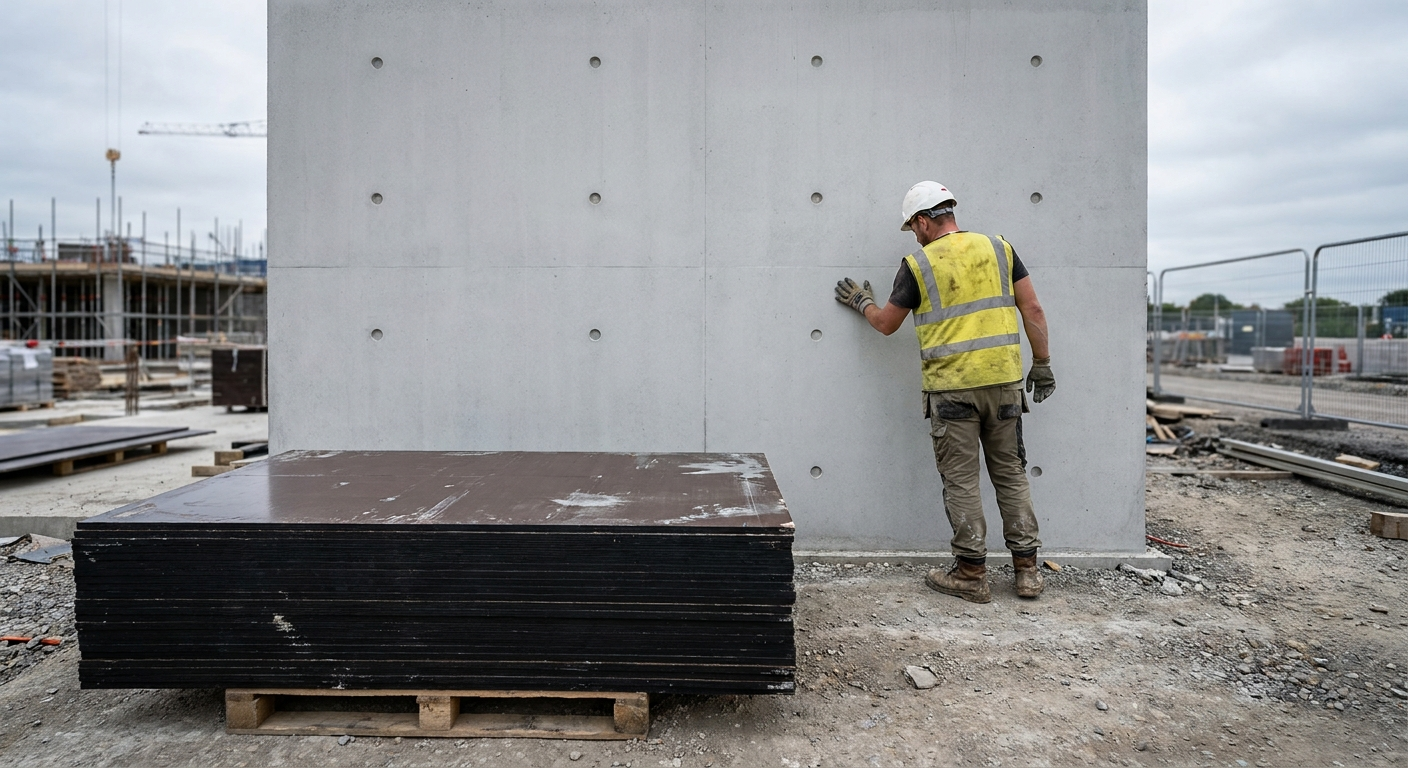
This is the part a plywood maker can speak to honestly, and honesty here means narrowing the claim rather than widening it. Pop-outs appear on horizontal, trowel-finished surfaces. The surface a formwork panel actually shapes is the vertical formed face of a wall, column, or beam, and that face is rarely where pop-outs show up. The mechanism that creates them, reactive particles worked toward a troweled top, simply does not operate the same way against a vertical form.
From a Vietnamese mill's perspective, this is one of the clearer cases in the whole defect family: when a customer sends us photos of pop-outs, they are almost always looking at a slab top, not a formed face, and the trail leads to the aggregate source or the finishing crew rather than the panel. What a good film-faced panel does control is the formed face itself, the density and smoothness of the cast vertical surface, which is a different surface with a different set of concerns. For the marks and wear that genuinely belong to the panel, our note on bug holes in concrete and the wider set of as-cast finish questions in our guide to honeycomb in concrete draw those lines. A panel influences the formed face; it does not control the aggregate in the slab.
When to investigate further
If pop-outs are isolated and small, treat them as a cosmetic repair and move on. Investigate further when the pattern suggests a material problem rather than a few stray particles: a dense field across the slab, pop-outs paired with map cracking, or recurring craters on successive pours from the same supply. In those cases the productive order is to review the placement and finishing record, then the aggregate history and any freeze-thaw exposure, before anyone reaches for a supplier to blame. Pop-outs are diagnostic of the materials and the surface work, and that is where the answer almost always sits. Persistent or structural concerns belong with the engineer of record, not a panel datasheet.
Build on sound materials and a sound face
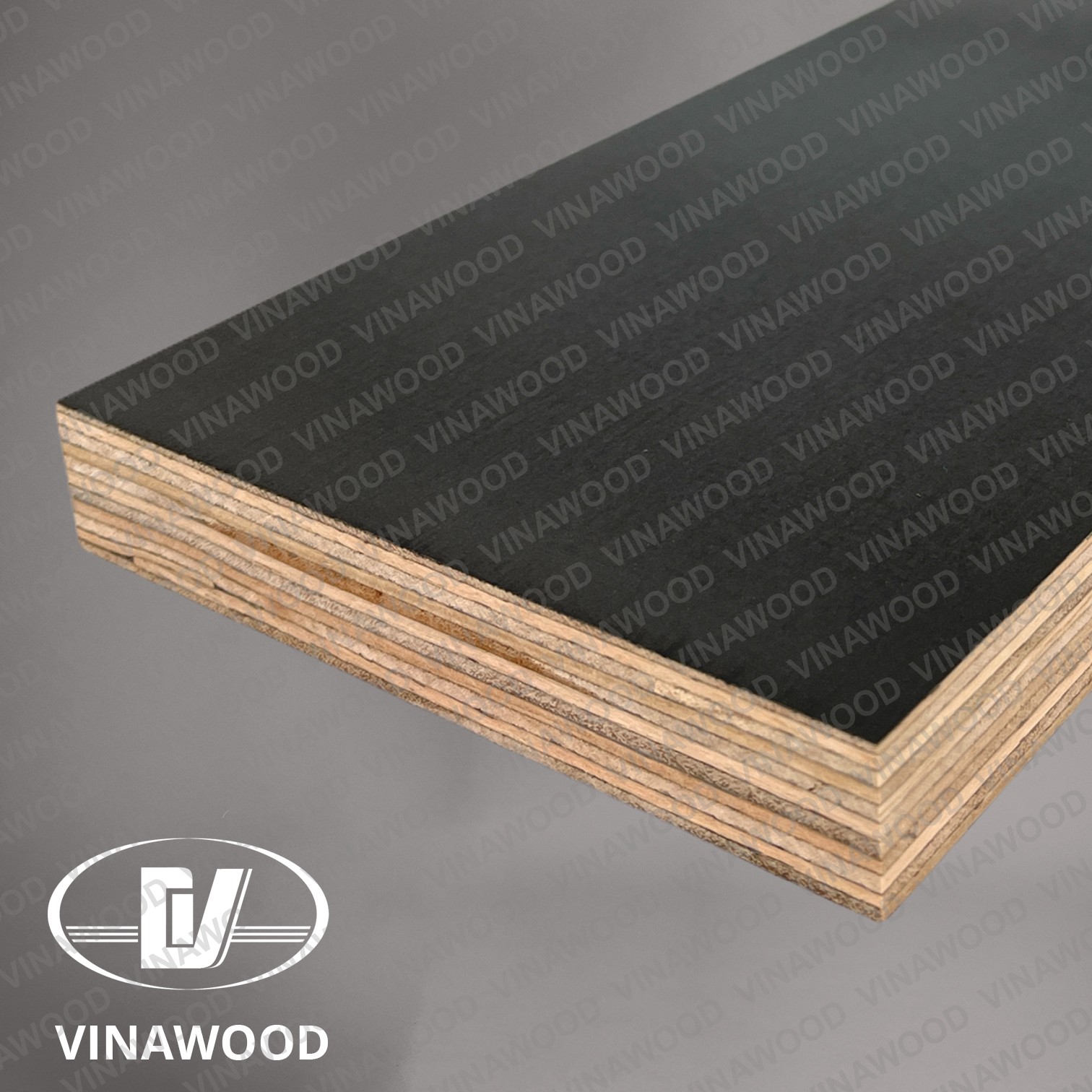
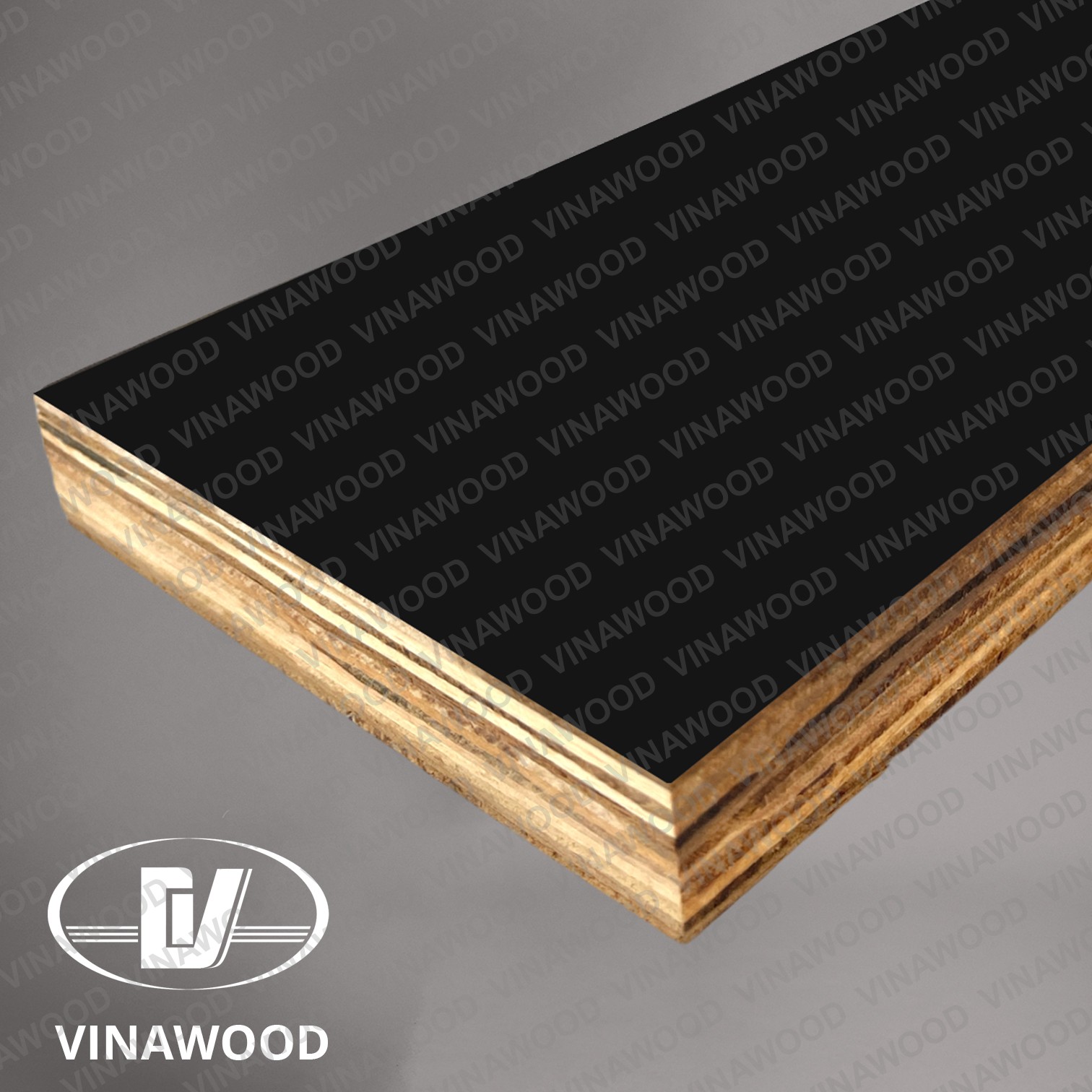
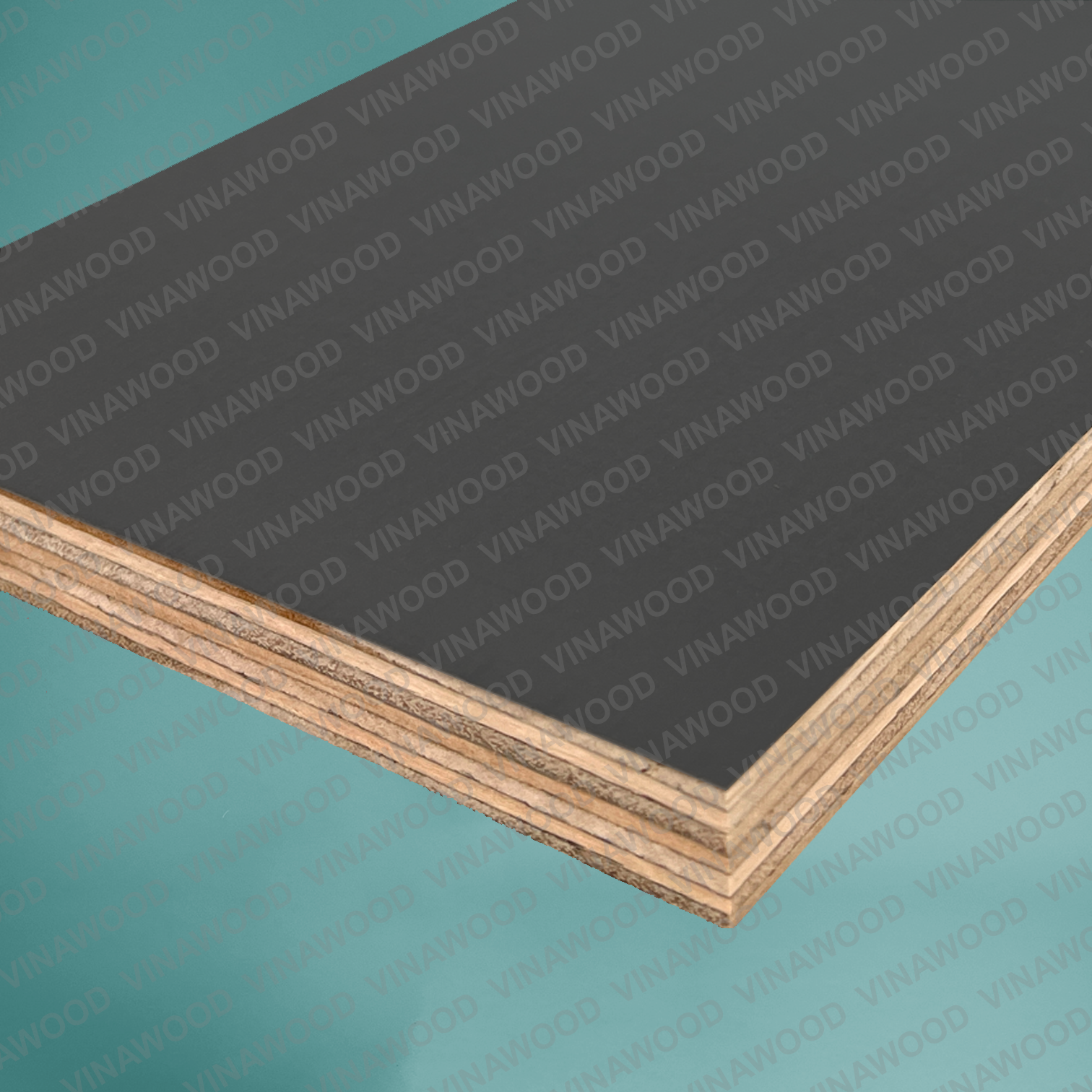
Pop-outs are won or lost at the aggregate stockpile and the finishing window, not at the form. What a formwork panel does is shape a dense, smooth vertical face and hold the wet edge tight while the slab is placed and finished. Vinawood manufactures film-faced and phenolic formwork plywood in Vietnam with factory edge-sealing and 100% individual sheet inspection across the range. For finish-critical, repeat-use forming, Pro Form is a WBP phenolic panel to EN 636-3 rated up to 20 reuse cycles, and the broader film-faced plywood range covers lighter-duty work. North American contractors working to imperial sizes can look at the HDO plywood range, where the high-density overlay holds a clean formed face across high-rotation pours. None of these has any bearing on pop-outs in a slab top, which belong to the aggregate and the finish. Where a smooth, sound formed face matters to your project, request a quote with your panel sizes and project volume.
Category
guides
Related Markets
Related Countries
Related Products
▶Sources & References (2)
- Popouts: Why Do They Occur? (Concrete Q&A) — American Concrete Institute (2020)
- CIP 40 - Aggregate Popouts — National Ready Mixed Concrete Association (2021)