Honeycomb in Concrete: Causes, Prevention, and Where Formwork Fits
Honeycombing is rough, voided concrete where mortar failed to fill around the aggregate. Here are the real causes, how to prevent it, what is acceptable, and the honest role formwork plays.
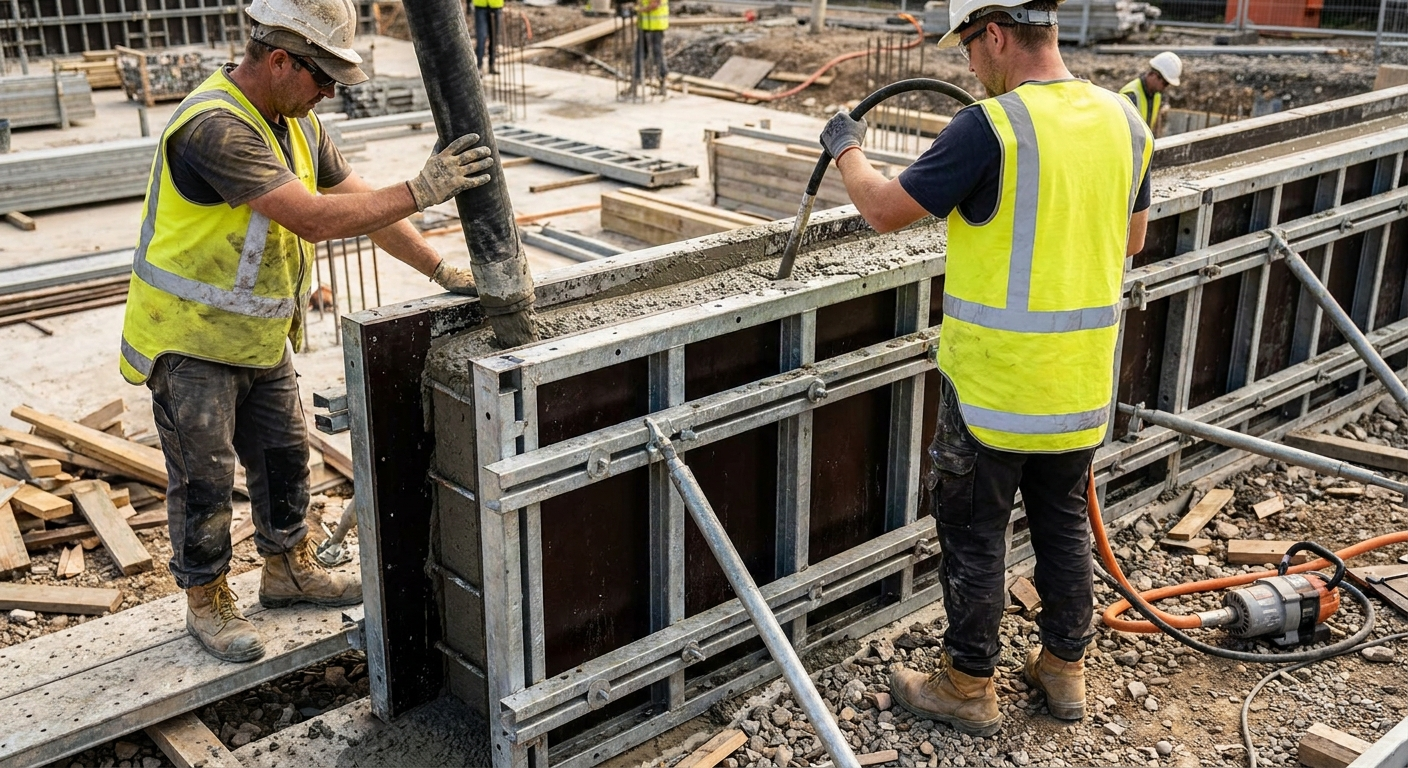
Honeycomb in concrete is the rough, pitted surface you sometimes see when a form comes off: coarse aggregate exposed at the surface, with gaps and voids where the mortar fraction never filled in. The name comes from the resemblance to a bee's comb. It is one of the most searched concrete problems, partly because it looks alarming to anyone who has just poured a slab or wall and stripped the form to find a patch of it.
The honest version, from a panel manufacturer's seat, is this: honeycombing is almost always a placement, compaction or mix issue, not a formwork product issue. Forms play one specific role at the edges, which we will get to. But a buyer who has been told that the right plywood prevents honeycomb has been sold a story. Here is what actually causes it, how to keep it from happening, and where the form face genuinely fits.
What honeycombing is
Honeycombing is a void defect: the cement paste and fine aggregate failed to flow around and encase the coarse aggregate, leaving an open, stony texture instead of a closed surface. You see exposed stone, small interconnected cavities, and a rough patch that stands out against the surrounding smooth concrete. It usually shows up at the base of walls and columns, around dense reinforcement, and at construction joints, because those are the hardest places for concrete to consolidate.
Why it matters: cosmetic versus structural
Not all honeycomb is equal. A shallow surface patch a few millimetres deep is mostly cosmetic. Deeper honeycombing that reaches the reinforcement is a different matter: it can reduce the effective section, leave steel exposed to moisture and corrosion, and lower the load capacity at that point. The practical rule is to assess depth and location before deciding anything. Surface honeycomb on a non-critical face is a repair; honeycomb that exposes rebar on a loaded column is an engineering question. Keep the response proportionate and avoid both panic and complacency.
The real causes
Honeycombing has a short list of well-understood causes, and they are mostly about how the concrete was placed.
- Poor compaction or vibration. The leading cause. Under-vibration leaves trapped air pockets and unfilled zones; the concrete never consolidates around the aggregate.
- Low workability. A stiff, low-slump mix that cannot flow into corners and around bars will leave voids even with reasonable vibration.
- Congested reinforcement. When bars are spaced too tightly, the coarse aggregate cannot pass between them, and the concrete bridges over gaps instead of filling them.
- Segregation from excessive drop height. Dropping concrete more than about 1.5 m (5 ft) lets the heavy aggregate separate from the paste, so the mix arrives already unbalanced.
- Grout leakage at form joints. Gaps between panels or under-braced forms let the mortar fraction escape, leaving the aggregate behind at the edge. This is the one cause where the formwork directly contributes.
Four of those five sit with the mix and the pour. Only the last touches the form, and even then it is about joints and bracing, not the panel face.
Where formwork actually fits
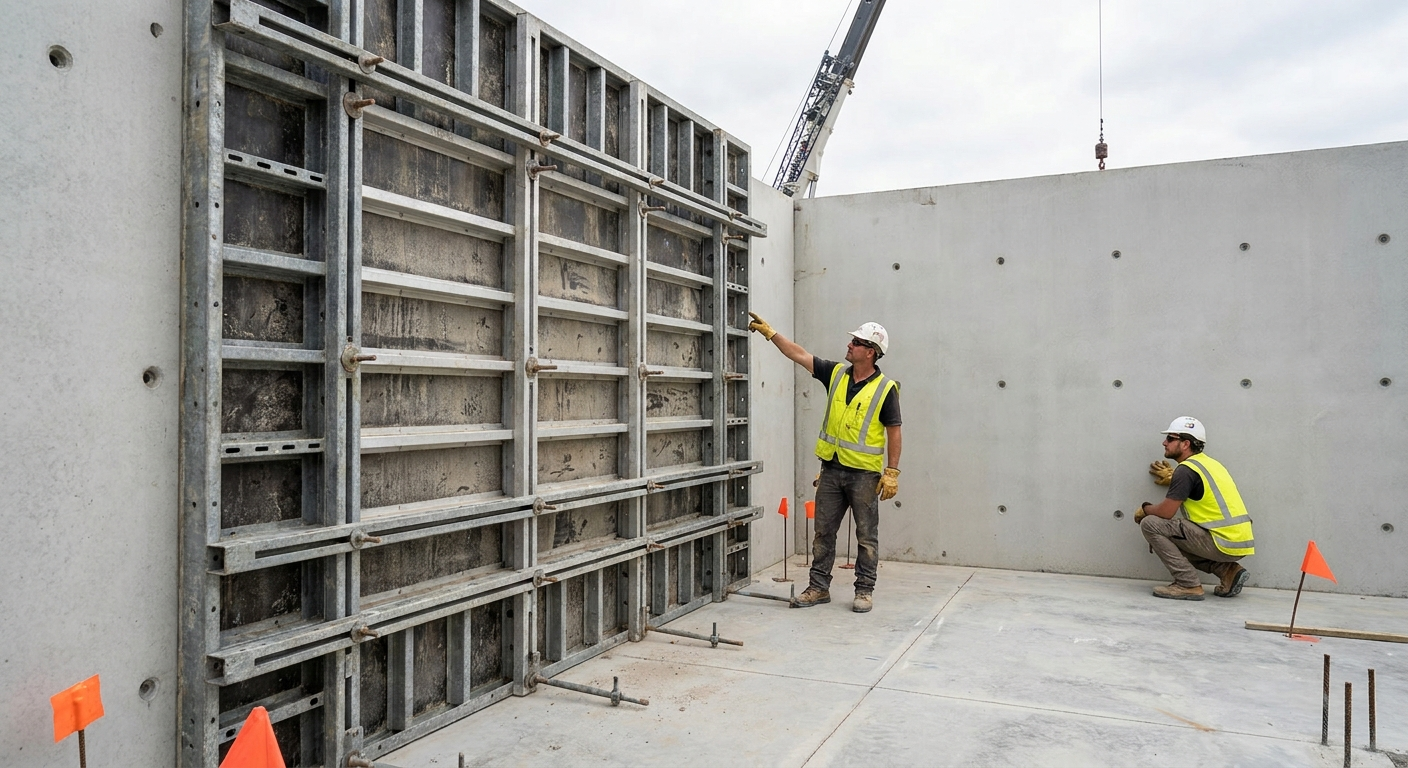
Formwork's contribution to preventing honeycomb is real but narrow. Tight panel-to-panel joints stop grout escaping at the seams. Adequate bracing and tie spacing keep the form from deflecting under the lateral pressure of fresh concrete, which would otherwise open those joints mid-pour. A leak-free form holds the full mix in place so it can consolidate. That is the panel and joint contribution, and it matters most at edges, corners and construction joints.
What a panel cannot do is fix a stiff mix, vibrate the concrete for you, or open up congested rebar. From a Vietnamese mill's perspective, we see this clearly in the field reports our distributors send back: where honeycomb shows up on a job using our panels, the cause traces to placement or mix nine times out of ten, and the fix is site practice, not a different sheet. The lateral pressure that drives joint tightness is worth understanding on its own, since it sets how stiff the bracing needs to be.
How to prevent it
Prevention is mostly pour discipline, with the form playing a supporting part.
- Vibrate properly: insert the poker at regular spacing, hold long enough to expel air, and avoid both under- and over-vibration.
- Use a mix with workability suited to the section and the reinforcement density. Tight sections need a more flowable mix.
- Pour in controlled lift heights and keep the free-fall drop under about 1.5 m (5 ft); use a tremie or chute for deep pours.
- Detail congested zones in advance so the aggregate can pass between bars, or specify a smaller aggregate where spacing is tight.
- Seal and brace the formwork so joints stay closed under pressure. Sealed panel edges and tight joints stop edge grout loss.
Honeycomb versus other surface conditions
Honeycomb is sometimes confused with other surface effects that have different causes and fixes. Blowholes and bug holes are small, individual surface voids from trapped air against the form face, not the open stony texture of honeycomb. Sand streaking is a vertical pattern from water and fines bleeding up the form. Colour variation is a finish issue, not a void. If the surface you are looking at is smooth but blemished rather than rough and voided, our guide to fair-faced concrete covers those finish questions in detail. For telling genuine panel wear apart from a manufacturing fault, see formwork plywood defects versus normal wear.
How much honeycomb is acceptable
There is no single universal threshold; acceptability depends on the structural element, the exposure, and the project specification. The sensible process is to inspect, classify and document: measure the depth and area, note whether reinforcement is exposed, and record the location. Shallow, isolated honeycomb on a non-structural face is usually accepted with a cosmetic repair. Anything that exposes steel, reaches significant depth, or sits in a highly stressed zone should be referred to the structural engineer of record rather than judged on site. Documentation protects everyone if the question comes up later.
Repair at a glance
Surface honeycomb repair follows a familiar sequence: chip back the loose and weak material to sound concrete, clean and dampen the area, apply a bonding agent, then pack a repair mortar or micro-concrete and cure it. For deeper or structural honeycomb, the repair may need a proprietary grout, a formed and poured patch, or in serious cases a structural assessment of the member. The line between a cosmetic patch and a structural repair is exactly where a structural engineer should be involved. Do not skim over deep honeycomb with a thin render and call it done.
Honeycomb on different elements
Where honeycomb appears tells you something about the cause. In columns it concentrates at the base, where concrete has dropped furthest and reinforcement is densest. In walls it shows at the bottom and around tie positions. In slabs it appears at edges and around penetrations. In beams it gathers at the soffit and near congested stirrup zones. Each element points back to the same short list of causes, so the prevention is the same: workable mix, proper vibration, controlled drop height, and tight, well-braced forms.
Build for a clean pour
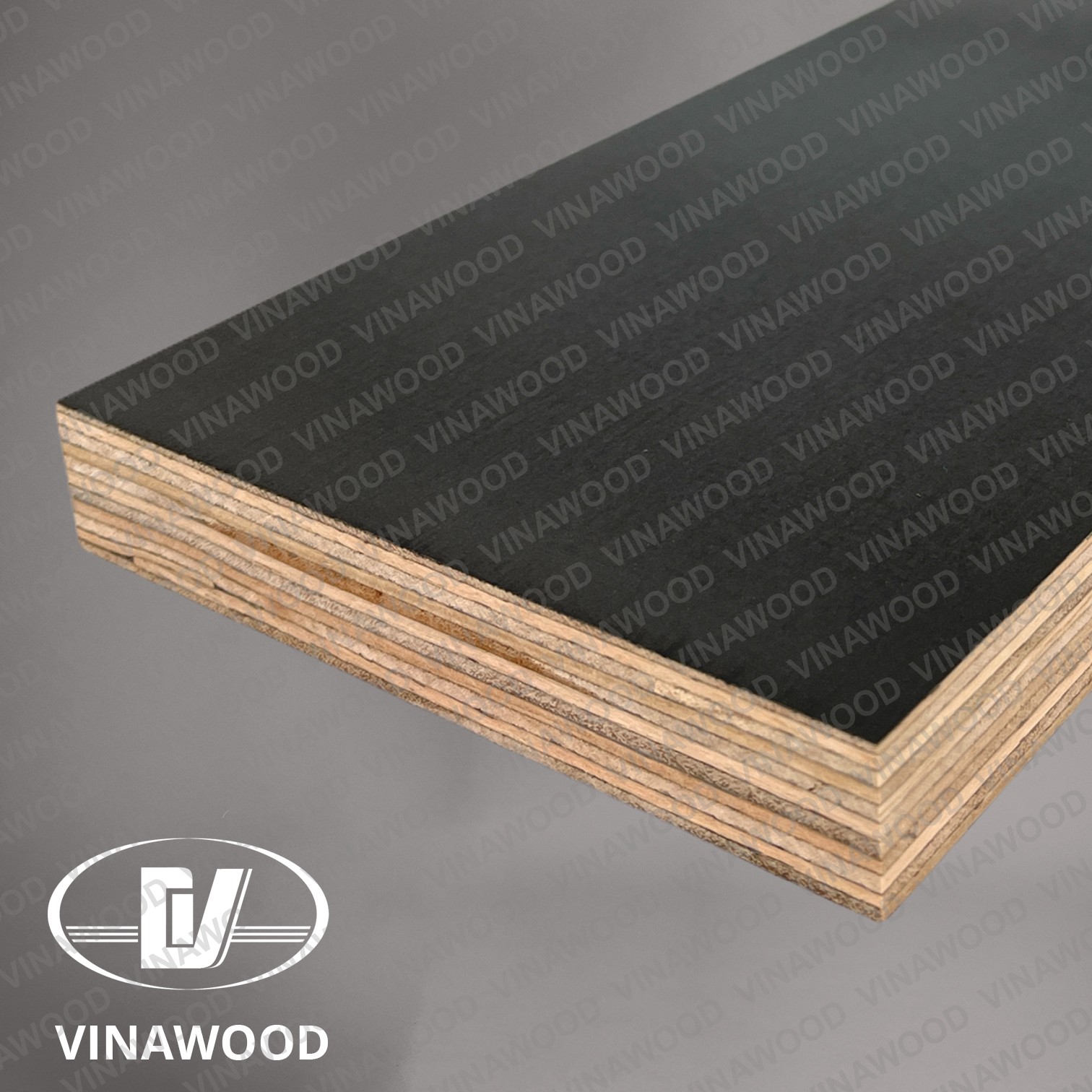
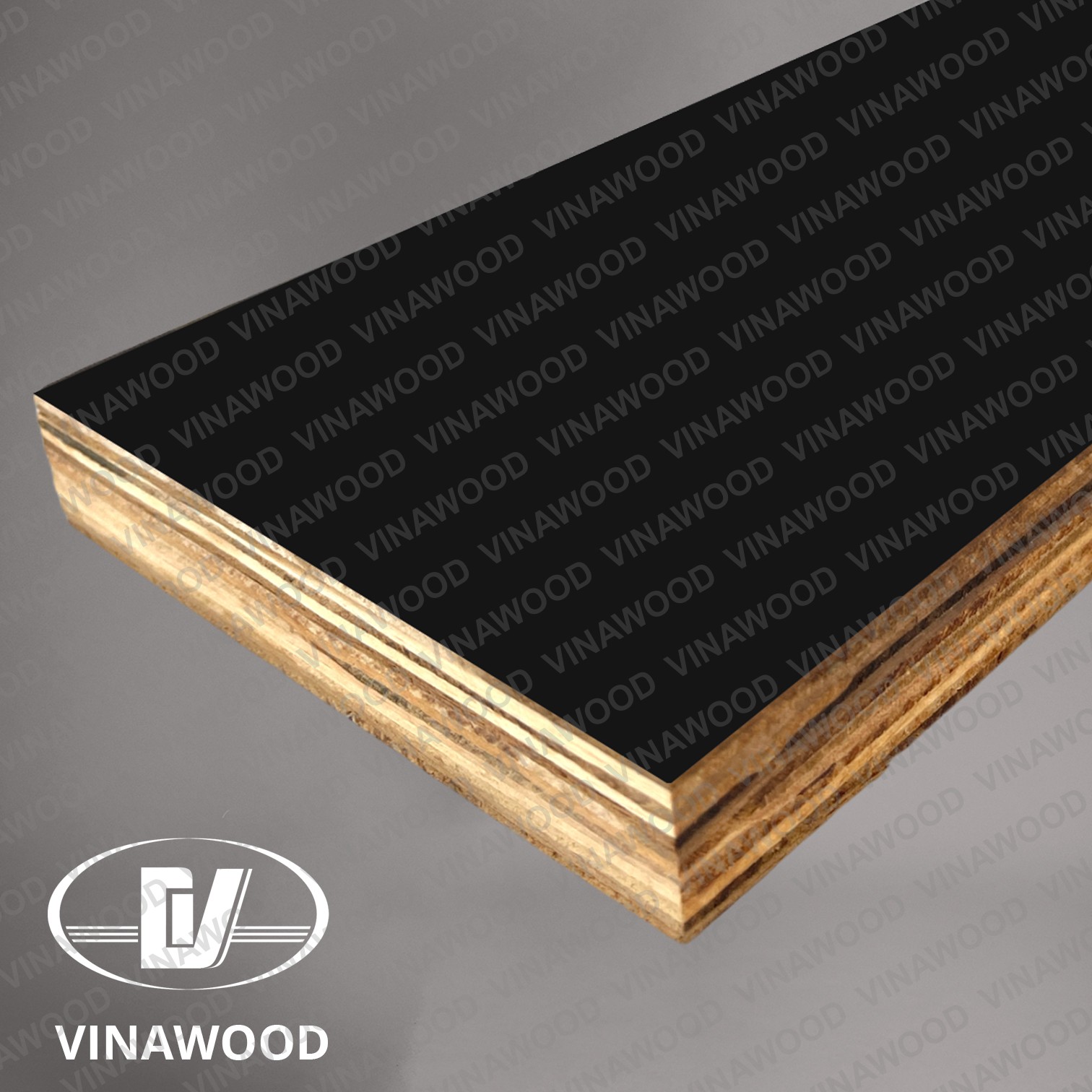
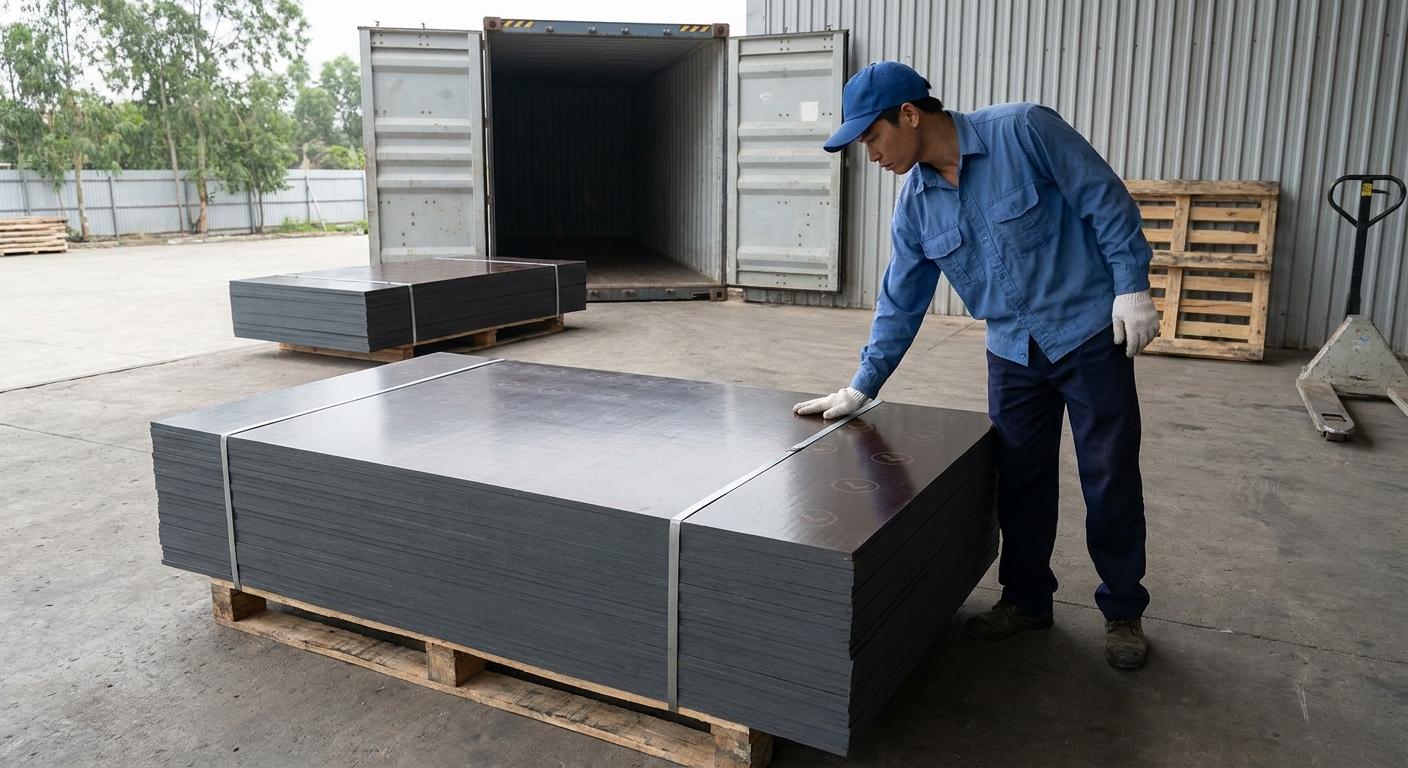
A clean pour is mostly good site practice, and the form's job is to hold the mix tightly while you place and consolidate it. Film-faced plywood with a sound, smooth face and tight joints gives the concrete a leak-free boundary; sealed edges keep grout from escaping at the seams. Vinawood manufactures film-faced and phenolic formwork plywood in Vietnam with factory edge-sealing and 100% individual sheet inspection. For repeat-use forming where joint integrity matters, Pro Form is a WBP phenolic panel to EN 636-3 rated up to 20 reuse cycles; the broader film-faced plywood range covers lighter-duty work. North American contractors working to imperial sizes can look at the HDO plywood range. None of these prevents honeycomb on their own, but tight, sealed, well-braced forms remove one of the five causes. Request a quote with your panel sizes and project volume.
Category
guides