Concrete Pressure on Formwork: How Fresh-Concrete Pressure Drives Panel and Tie Choices
Fresh concrete pushes outward like a fluid, and that lateral pressure decides formwork panel thickness and tie spacing. Here is what drives the pressure, how ACI 347 and CIRIA 108 bound it, and how it maps to panel and tie selection including Pro Form Lite.
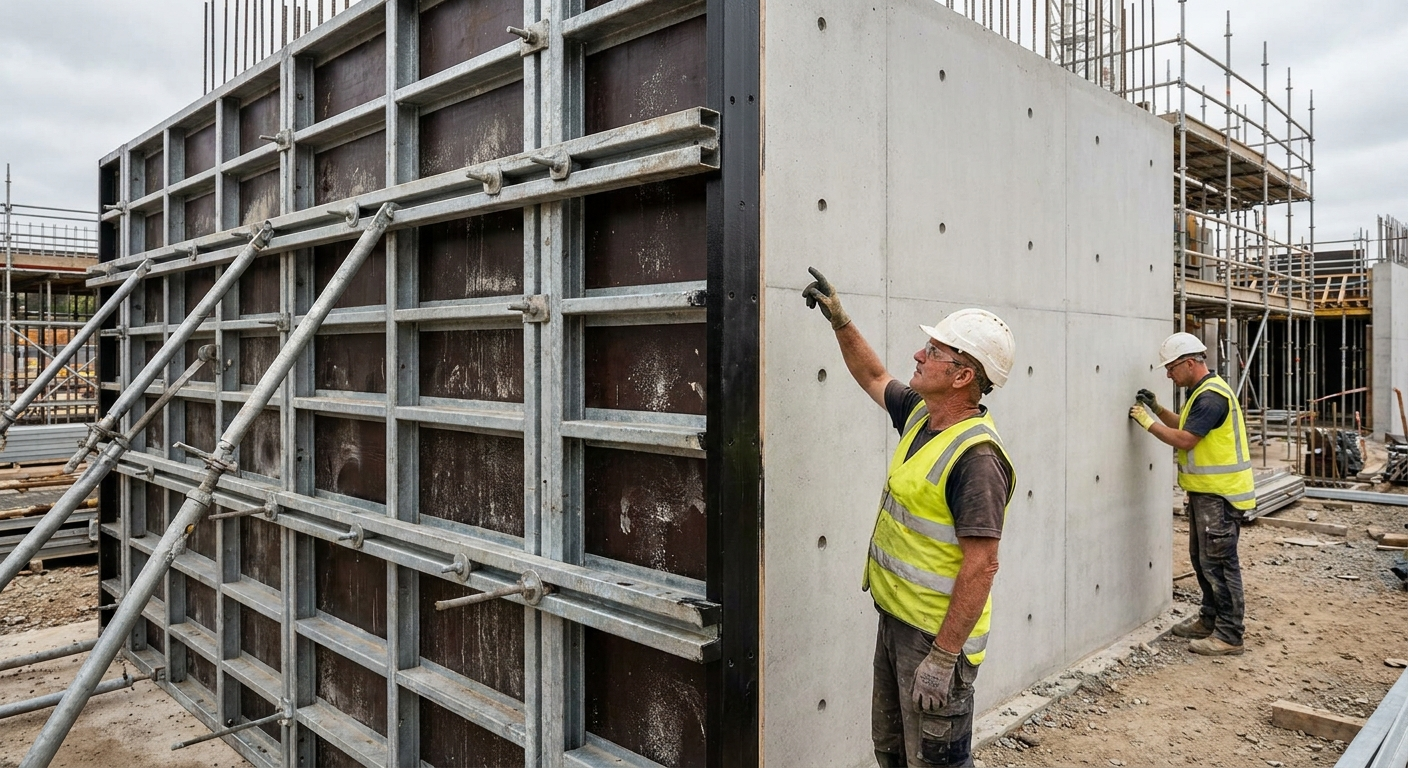
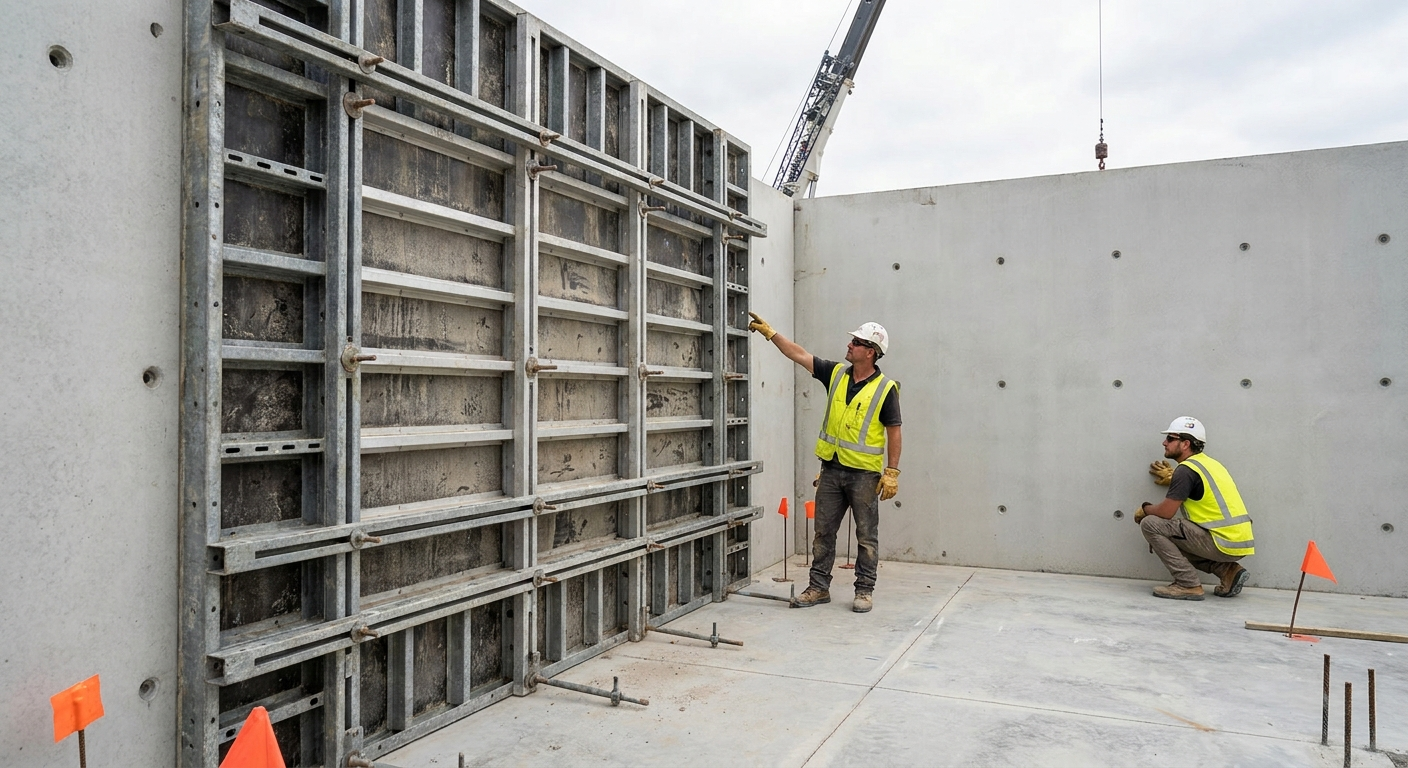
Fresh concrete behaves like a heavy fluid. Until it sets, it pushes outward on whatever holds it, and that sideways push is what a formwork panel and its ties have to resist without bowing or blowing out. Get the pressure wrong and the symptoms show up fast: a bulged wall face, a grout leak at the base, or in the worst case a form that fails mid-pour.
This guide explains what sets the lateral pressure of fresh concrete, how the two main design routes (ACI 347 in North America, CIRIA Report 108 and BS 5975 in the UK and Europe) bound it, and how that number turns into a panel thickness and a tie spacing. The calculations here are reference material. The formwork designer or engineer of record owns the final design for any real pour.
Why fresh concrete pressure matters
Before it stiffens, concrete exerts a near-hydrostatic pressure on the form face, the same way water in a tank presses hardest at the bottom. The deeper the fresh column, the higher the pressure at the base. The form has to carry that load through the face panel into the studs or soldiers behind it, then into the ties or walers that hold the two faces together.
What makes concrete different from water is that it does not stay fluid. As the lower lifts begin to set, they stop transmitting full hydrostatic head upward. That self-supporting effect is why a slow pour develops less peak pressure than a fast one. The faster you fill the form, the more of the column stays liquid at once, and the closer the pressure climbs toward full hydrostatic.
What sets the pressure
Five variables drive the peak lateral pressure on a wall or column form:
- Unit weight of the concrete — around 24 kN/m³ (about 150 lb/ft³) for normal-weight mixes. Heavier mixes push harder.
- Rate of placement (R) — how fast the form fills, in metres (or feet) of height per hour. The single biggest lever the site controls.
- Concrete temperature (T) — colder concrete sets slower, so more of the column stays liquid and pressure rises. A winter pour can load a form harder than the same pour in summer.
- Mix and workability — high-slump and self-compacting concrete (SCC) behave closer to a true fluid and can develop full hydrostatic pressure regardless of pour rate.
- Vibration and pour height — internal vibration fluidises the mix locally and raises pressure at the vibrated depth.
Reinforcement congestion and form geometry play smaller roles. The five above are what the design formulas key on.
The simple bound: P = w × H
The most conservative pressure is full hydrostatic: multiply the concrete unit weight by the height of fresh concrete. For a 3 m wall of normal-weight concrete, that is roughly 24 × 3 = 72 kN/m² at the base.
This full-liquid head is the right assumption in three cases: very fast pours, self-compacting concrete, and cold placement where setting is delayed. For SCC in particular, most guidance treats the form as carrying full hydrostatic pressure because the mix never builds the internal friction that lets a stiffer concrete support itself. When in doubt, the hydrostatic bound is the safe starting point.
Design formulas: ACI 347 and the European route
Where the concrete is a conventional mix placed at a known rate, codes allow a lower design pressure than full hydrostatic, because the lower lifts start carrying themselves.
ACI 347 (United States) gives formulas for wall and column forms. For columns, the common form is P = 150 + 9000R/T (pressure in lb/ft², R in ft/hr, T in °F), capped at the lesser of the hydrostatic value or 3,000 lb/ft². Walls use a similar expression with adjustments for pour rate bands. The formulas only apply within stated limits on slump, rate, and mix type; outside those, the hydrostatic bound governs.
CIRIA Report 108 and BS 5975 (UK and Europe) take a comparable approach, predicting a maximum concrete pressure from pour rate, temperature, concrete constituents, and a limiting height term, then capping it at hydrostatic. EN 1992-1-1 (Eurocode 2) governs the concrete structure itself; the formwork pressure model in UK practice comes through CIRIA 108 and the temporary-works provisions of BS 5975.
Both routes converge on the same idea. Pressure rises with pour rate, rises as temperature falls, and can never exceed the full fluid head. From a Vietnamese mill perspective, we see the consequences of that temperature term in our own order patterns: buyers in colder Northern European and North American markets ask for thicker panels for the same wall heights, because their winter pours load the face harder than a summer pour of the same concrete.
A worked example
Take a 3.6 m wall, normal-weight concrete, placed at 2 m/hr at 15 °C. The hydrostatic bound is about 24 × 3.6 ≈ 86 kN/m². A CIRIA-108-style calculation for that moderate pour rate and temperature might return a design pressure in the region of 50–60 kN/m², because the base lifts begin setting before the top is filled. Now double the pour rate to 4 m/hr and the predicted pressure climbs toward the hydrostatic cap. Same wall, same concrete, faster pour, and the form now has to be designed for a markedly higher load.
These figures are illustrative only. They are not a design table. The project engineer runs the real calculation against the actual mix, temperature, and temporary-works rules on that job.
From pressure to the panel
Once the design pressure is set, it decides how thick and stiff the face panel has to be for a given stud or soldier spacing. The panel spans between supports like a small beam, and it has to do so without deflecting enough to telegraph into the cast face.
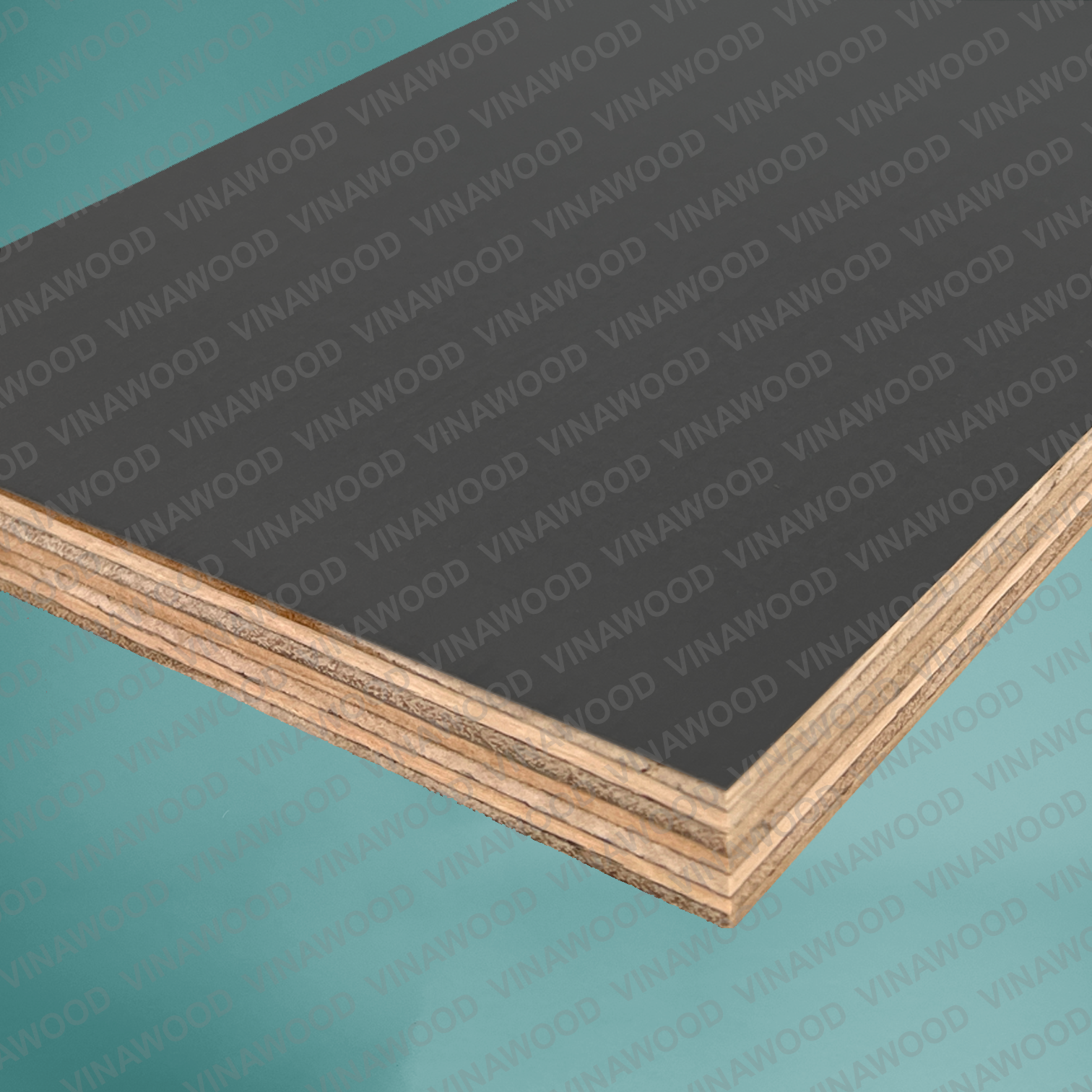
A thicker, stiffer film-faced panel spans further between studs at the same deflection limit. An 18 mm film-faced panel is the working baseline for typical wall and column pressures on 600 mm stud spacing. Where the pressure is high (tall lifts, fast pours, SCC) or supports are spaced wider, 21 mm buys back the stiffness. Our guide to concrete form plywood covers the thickness and grade choices in detail.
From pressure to ties and walers
The ties carry the outward force across the wall and hold the two faces at the set spacing. Sizing them is a tributary-area calculation: each tie resists the design pressure multiplied by the area of form it serves (its horizontal spacing times its vertical spacing). At 60 kN/m² with ties on a 600 × 600 mm grid, each tie carries roughly 60 × 0.36 ≈ 21.6 kN, well inside the capacity of standard tie systems, but the arithmetic tightens fast as pressure or spacing rises.
Walers and soldiers distribute the load from the panel into the ties. Closer tie spacing near the base, where pressure peaks, and wider spacing up the lift is a common pattern. The formwork designer sets the grid against the calculated pressure profile.
Controlling pressure on site
The most direct lever is pour rate. Slowing the rate, or staging the pour in lifts and letting each gain a little stiffness before the next, lowers the peak pressure the form ever sees. Managing concrete temperature matters in cold weather, since a warmer mix sets sooner and sheds hydrostatic head. Vibrator depth should reach only into the lift being placed; over-deep vibration re-fluidises set concrete below and spikes the local pressure. None of this replaces the design, but it keeps the real load inside what the form was built for.
Deflection and surface quality
Pressure does not only threaten failure; long before that, it degrades finish. A panel that deflects too much between studs leaves a wavy or dished concrete face, and the deflection concentrates at panel joints. Specifying the panel for stiffness, not just strength, is what protects a fair-face result. This is also why on-time striking and good edge care extend a panel's working life, a subject we cover in formwork removal time.
Matching the panel to the pressure
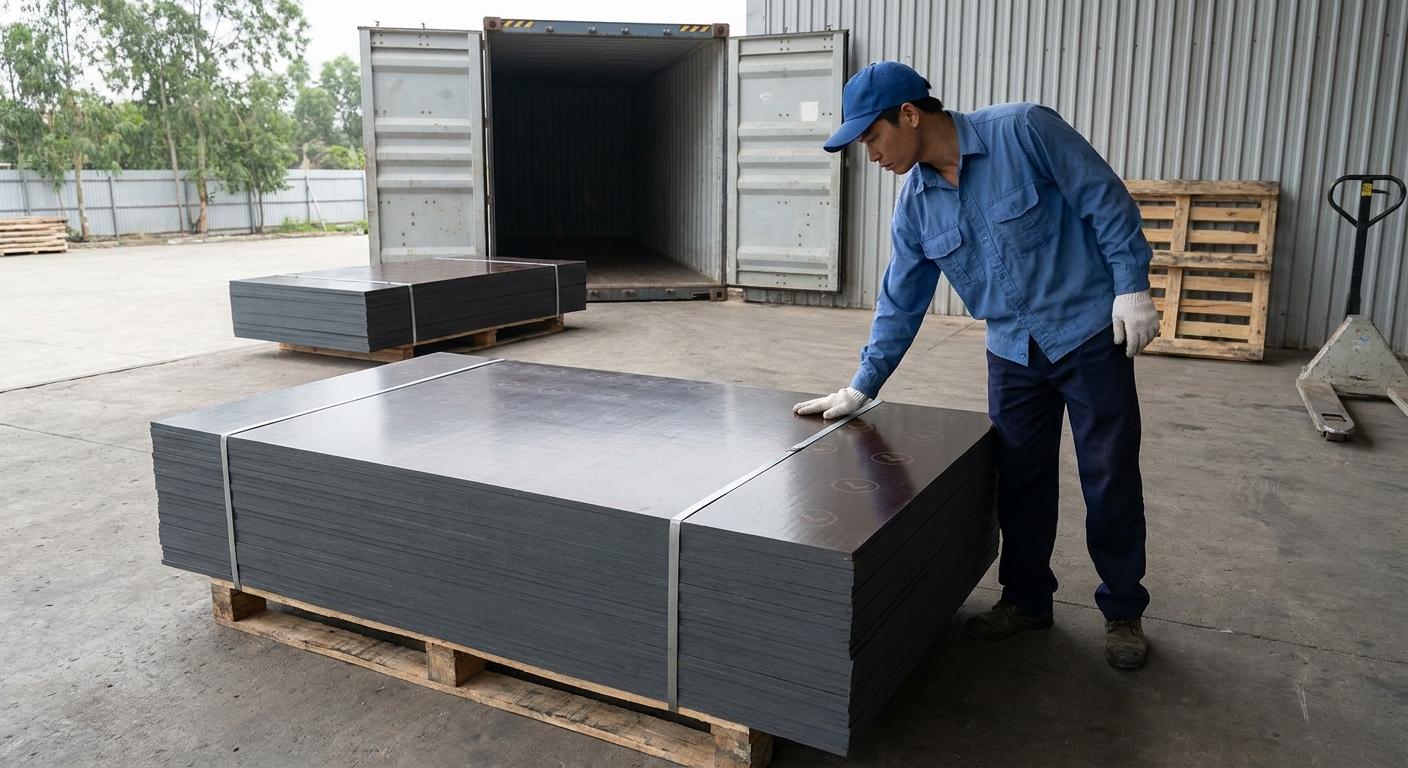
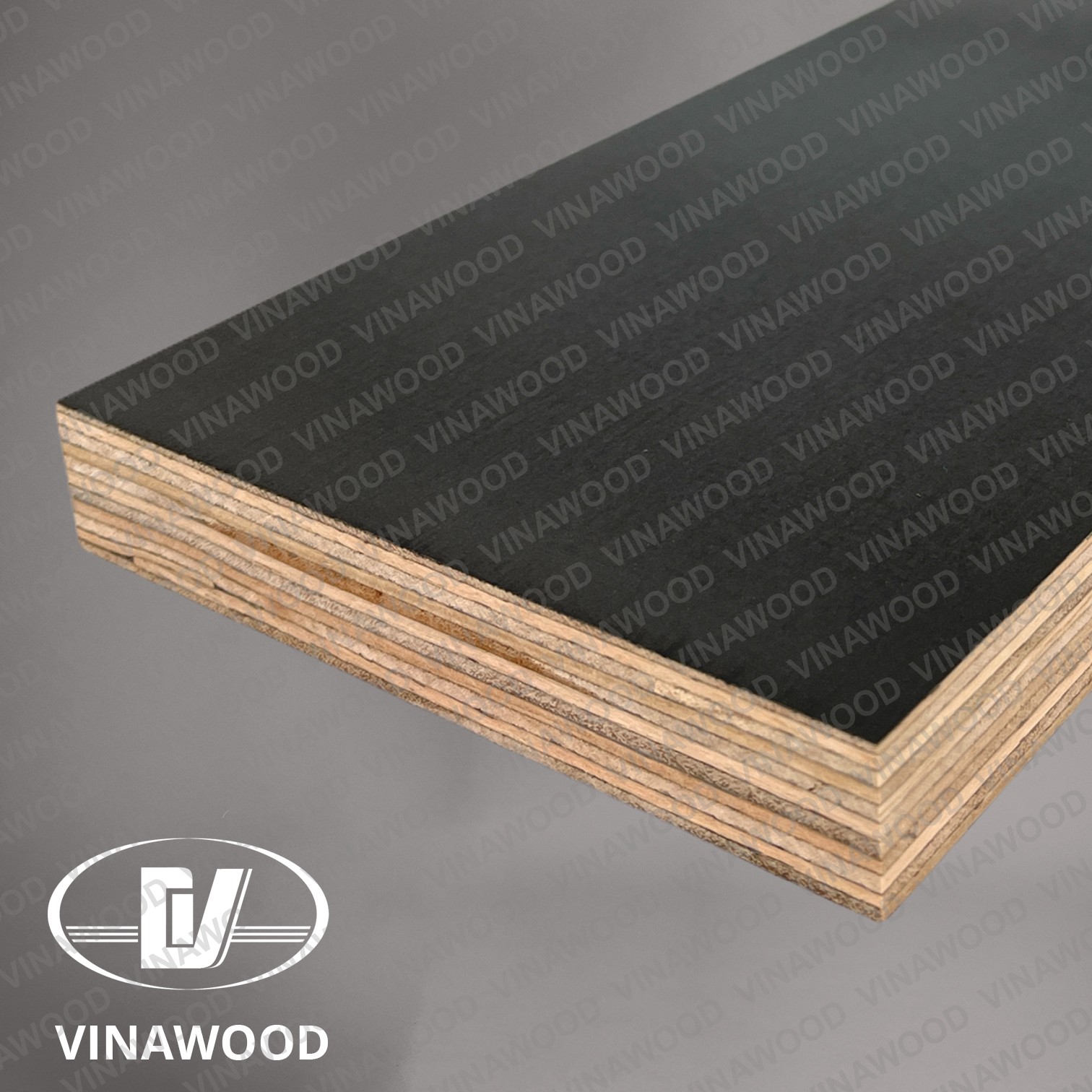
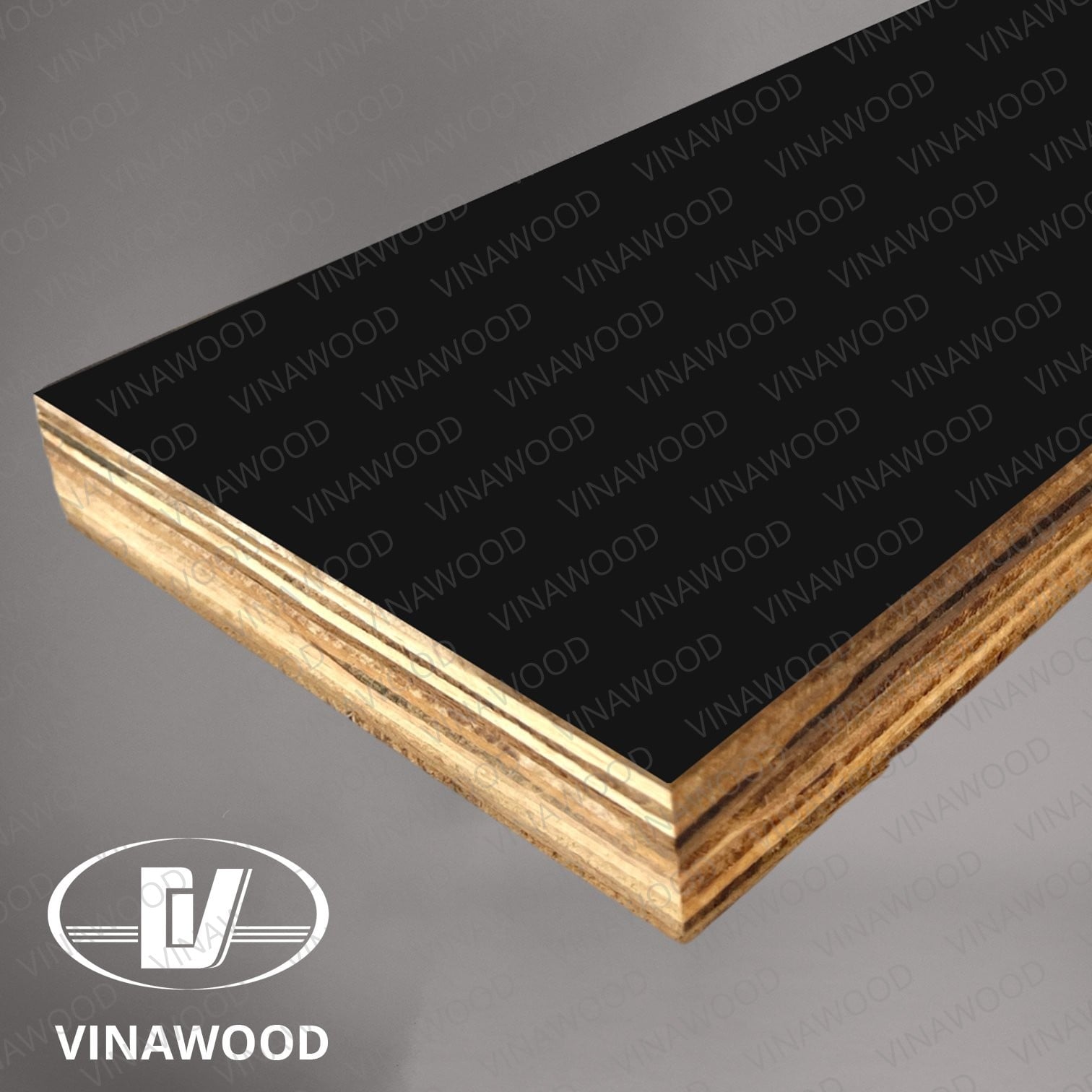
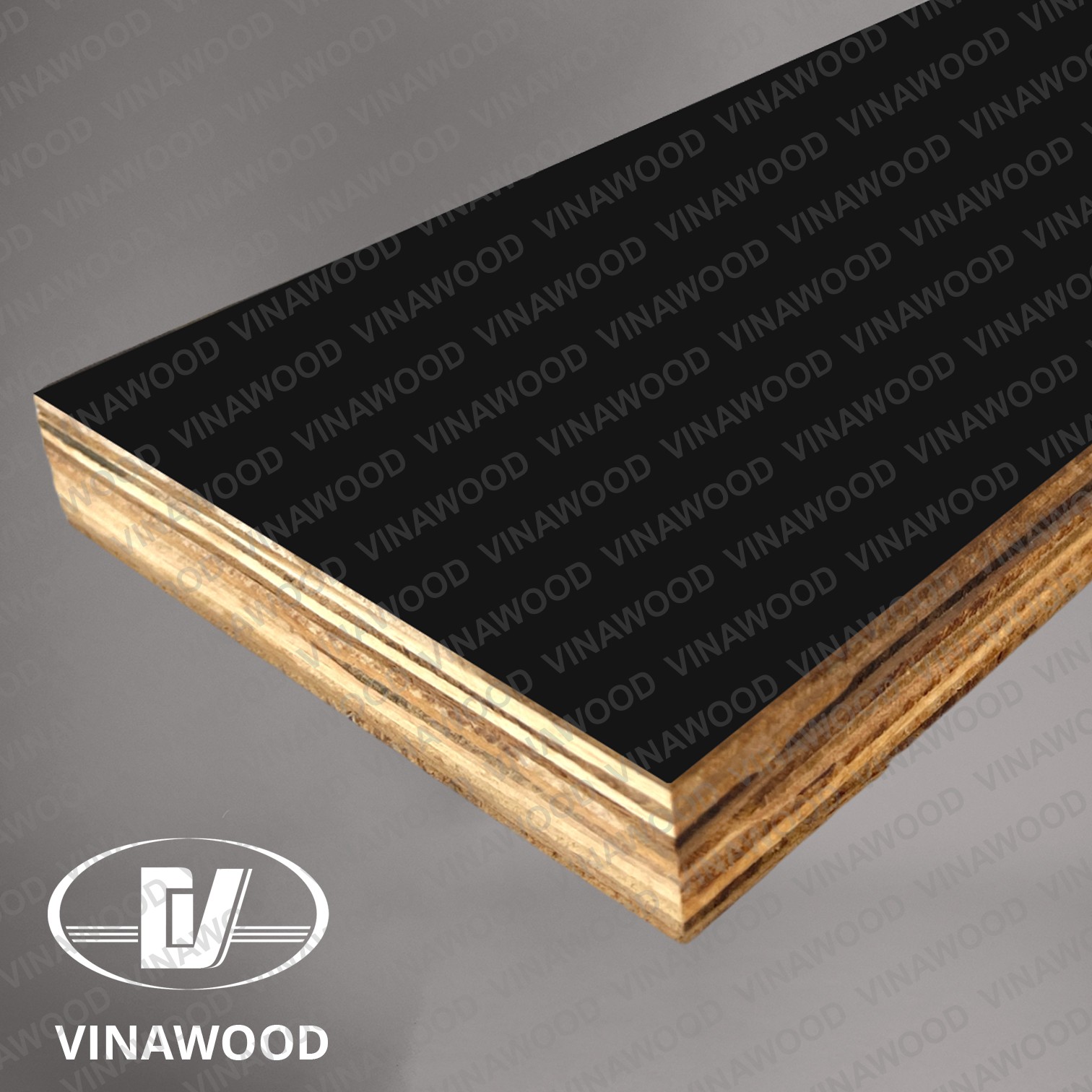
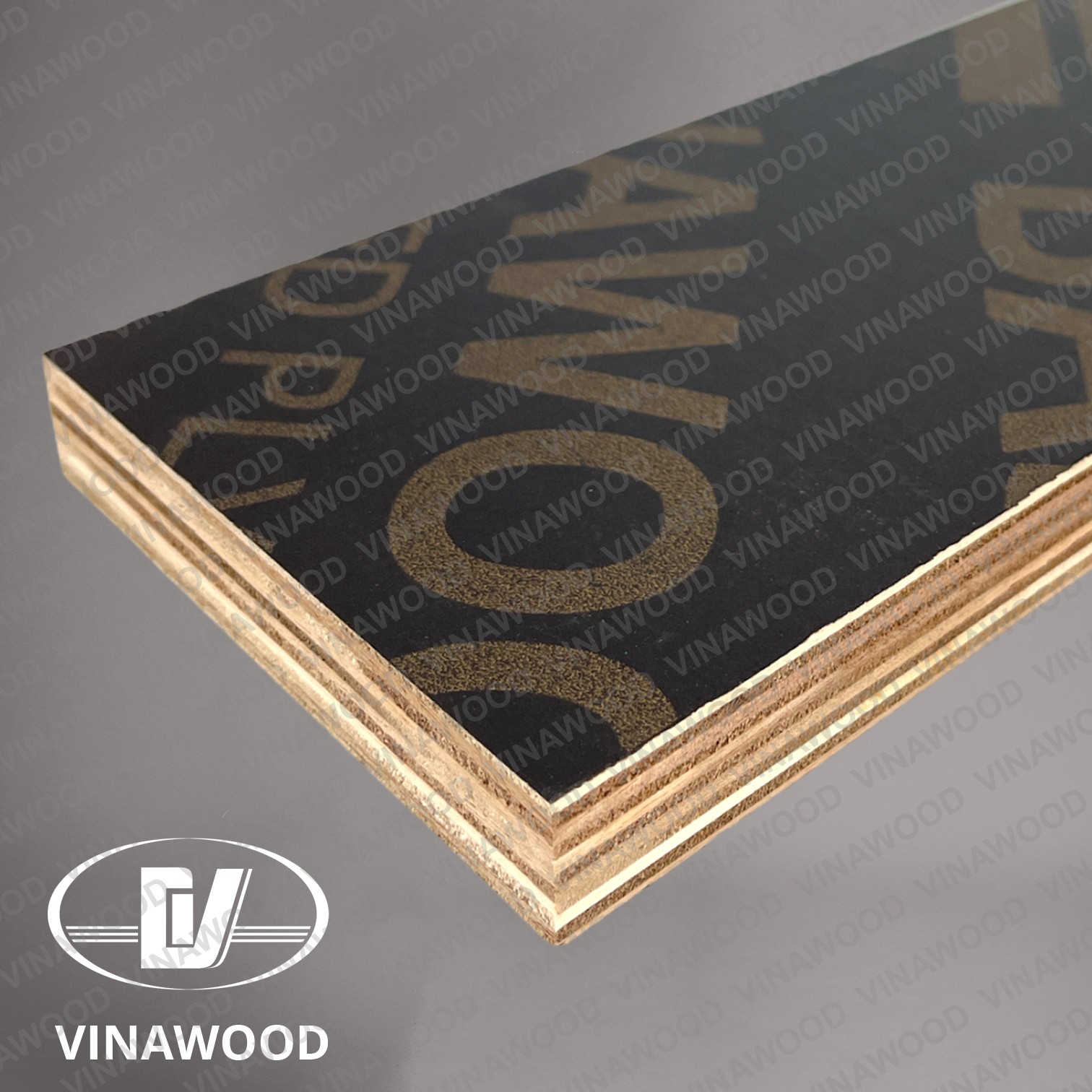
Pressure and reuse target together point to a grade. Class 3 phenolic-bonded panels (EN 636-3) sit at the top of the ladder for repeat high-pressure wall and column pours. That Class 3 set is Pro Form, Pro Form Lite, and the North American HDO range. Pro Form is WBP phenolic, rated up to 20 reuse cycles. Pro Form Lite is the same phenolic glue chemistry and Class 3 envelope, rated up to 15 reuses, so it sits between Form Extra and full Pro Form on cost and cycle life. HDO covers the same Class 3 brief for formply programmes that specify an overlaid North American sheet.
For lower-pressure or shorter-run work, a melamine urea-formaldehyde (MUF) core panel carries the load at a lower entry cost. Form Basic reaches up to 10 reuses. Form Extra uses Superior Glue MUF to EN 636-2 and reaches up to 15. Both carry the same phenolic face film; Form Extra's longer life comes from a more durable, higher-melamine-content core glue, not a heavier film. Form Extra is not Class 3. A MUF-core formwork panel is weatherable at EN 636-2 and is a genuine formwork board, not the interior-grade melamine of cabinet work. The full film-faced lineup sits in the film-faced plywood collection.
About Vinawood
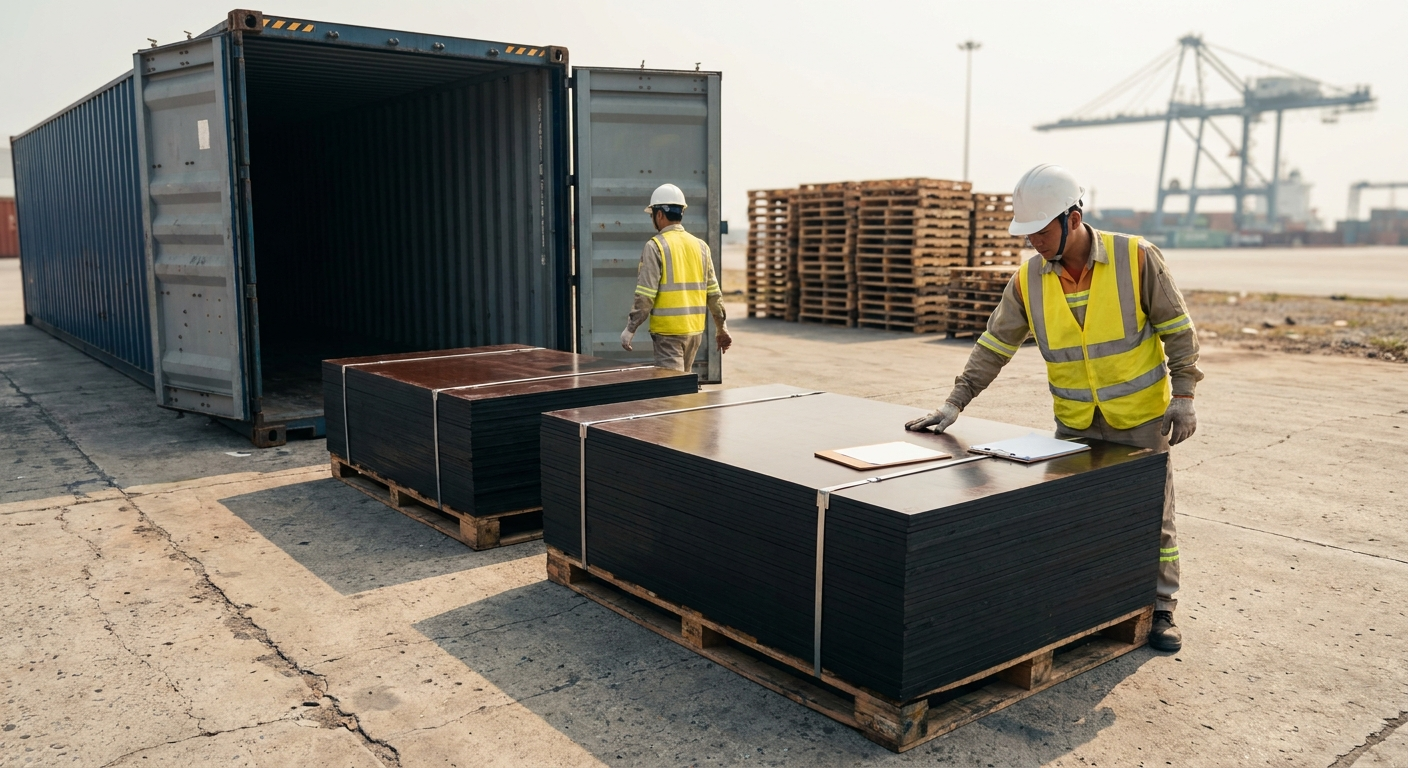
Vinawood is a Vietnamese plywood manufacturer founded in 1992, shipping more than 5,000 containers a year to 40+ countries. We make the forming face that resists this pressure, in film-faced and overlaid grades from MUF-core EN 636-2 panels to phenolic-bonded EN 636-3 boards, in 12, 15, 18, and 21 mm thicknesses and both 1220×2440 mm and 1250×2500 mm formats. Veneers are plantation-grown hardwood. Every sheet is inspected individually and backed by CE (EN 13986), FSC chain-of-custody, and EPA TSCA Title VI documentation for the US, UK, EU, and Australian markets. To match a panel thickness to your wall heights and pour rates, browse the Pro Form range, compare Pro Form Lite, or send an RFQ for a specification.
Category
guides
Related Markets
Related Countries
▶Sources & References (4)
- ACI 347-14 — Guide to Formwork for Concrete — American Concrete Institute (2014)
- CIRIA Report 108 — Concrete pressure on formwork — CIRIA (1985)
- BS 5975:2019 — Code of practice for temporary works procedures and the permissible stress design of falsework — BSI (2019)
- EN 1992-1-1 (Eurocode 2) — Design of concrete structures — CEN (2004)