The Ultimate Guide to Sanded Plywood: Why Choose Vinawood for Your Next Project
When it comes to quality plywood, sanded plywood stands out as a versatile and durable choice for both professional builders and DIY enthusiasts. In this comprehensive guide, we’ll explore what sanded plywood is, its benefits, common uses, and why Vinawood is your best option for premium sanded…
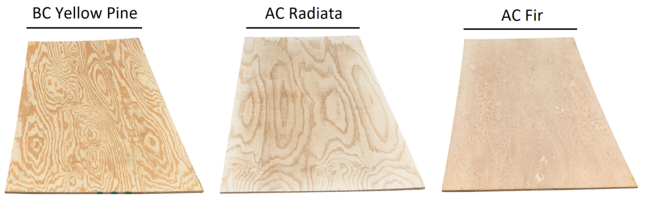
Sanded plywood is a panel with both faces machine-sanded flat. Builders and shop crews buy it when the face will show paint or stain and they do not want to spend an hour leveling factory roughness. Here is what the grade means, where it fits, and how we mill it at Vinawood.
> Read more: 1/8 inch plywood, 15/32 plywood, 19/32 plywood, 5x10 plywood
What is sanded plywood?
Sanded plywood leaves the press, then both faces hit wide-belt sanders. You get a flat face and back ready for paint, stain, or laminate. Cabinets, shelves, interior panels — anywhere the surface shows.
It is still a structural panel. Crossed veneers carry load the same way unsanded construction plywood does. The sanding is a surface step, not a weaker core.
> Learn more: how thick should subfloor be, types of wallboard, film faced plywood, using plywood outside, plywood manufacturers in usa
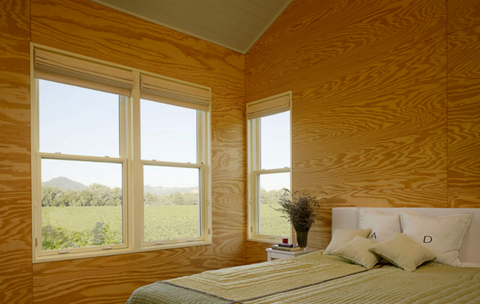
Key Advantages of Sanded Plywood
Buyers pick sanded stock to skip the first hour of prep. Paint and glue grab a flat face faster than a fuzzy mill surface.
At Vinawood we still press and grade the core to the same bond rules as our other panels. Sanding does not replace glue quality. If the glue line fails, a pretty face will not save the sheet.
Furniture, shelves, wall panels. Same sheet, less hand sanding before finish. That is the job.
Why Choose Vinawood Sanded Plywood?
What we check before a sanded sheet ships:
- Surface check: We reject sheets with deep sander chatter, open face defects, or soft cores under the face.
- Fiber source: Plantation-grown logs under chain-of-custody where the order requires FSC paperwork.
- Thickness and grade: Multiple calipers and face grades so you can match cabinets vs utility interiors.
- Export packing: Container loads with grade marks and docs buyers need for customs, not just a pretty photo.
Shop crews and importers both order the same sanded face when the finish schedule is tight.
Applications of Vinawood Sanded Plywood
Common jobs for a sanded face sheet:
- Cabinets: Clean edges out of the saw, then paint or laminate without filling a rough face first. Core still has to be dry and flat or doors will twist later.
- Furniture: Tables, chairs, shelves. You still edge-band and finish, but you skip most of the leveling sand.
- Wall and ceiling panels: Paint or veneer goes on without telegraphing sander scratches — if the mill sanded evenly. Check a sample sheet under raking light before you commit a whole wall.
- Underlayment: A sanded face can help thin vinyl or hardwood sit flat. Match thickness and APA/EN grade to the floor system — sanded alone does not make a sheet an underlayment grade.
- Veneer ground: A flat sanded face takes face veneer with fewer glue voids. Still need the right adhesive and press schedule.
Less prep time. More time on joinery and finish. That is the whole pitch.
Is it okay to sand plywood?
Yes — sand it if the face still shows mill marks or glue bleed. Factory-sanded sheets need a light scuff before finish coats. You are cleaning and keying the surface, not reinventing it.
If you start with unsanded sheathing, begin around 80–100 grit to knock down ridges, then step to 120–150 before paint. Stop before you cut through the face veneer. Face plies are thin.
Paint and stain lay flatter on a keyed, dust-free face. On cabinet doors that sit under kitchen light, that shows.
Do not chase perfection with a belt sander on the face. One hard pass can burn through to the core. Hand block or random-orbit, light pressure.
> Discover more: softwoods types, 3/4 vs 5/8 thickness, density of plywood, wood and plywood, what size plywood for mobile home floor, which plywood is best for wardrobe
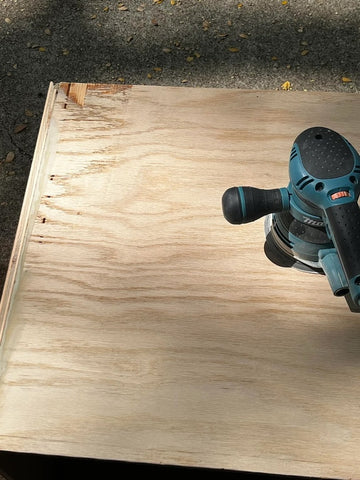
How do you make sanded plywood?
How a sanded sheet is made: peel veneer on a rotary lathe, dry it, lay plies with grain crossed 90°, glue, press, cool. Then sand both faces to the target grit and thickness.
Heat and pressure set the glue. Out of the press the face is rarely finish-ready. Wide-belt sanding levels glue squeeze and thickness variation.
Both faces usually get sanded so the sheet stays balanced. Sand one side only and you invite cupping.
After sanding, graders check thickness, face grade, and bond. Then the sheet ships raw, primed, or ready for your finish line.
> Get more details: composite decking colors, hardwood vs softwood, wood structure, bathroom subfloor, how to build a wood truss
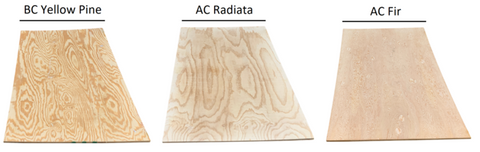
Is sanded plywood good for painting?
For paint work, sanded plywood is the default start. Scuff, dust, prime, topcoat. You still need primer — a sanded face is not a sealed face.
Primer locks the grain and stops blotchy first coats. Skip it and hardwood faces drink stain unevenly. Softwood faces raise grain under water-based paint.
> Read more: purple heart wood, clapboard, what is a board foot, cross laminated timber, how far apart are wall studs, fire rated plywood, kiln dried wood
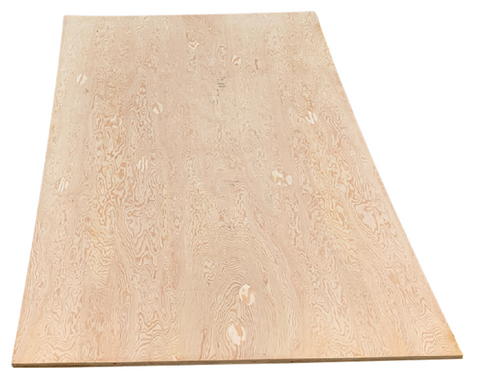
Is sanded plywood strong?
Strength comes from the cross-banded core, not the sander. Same as other plywood: more plies and a sound glue line beat a single thick board for most sheet uses.
Sanding removes a thin layer of face veneer. Done right, strength barely changes. Overdone, you weaken the face. Hold the grit and the passes.
Do I need primer for sanded plywood?
Prime sanded plywood before paint. Smooth does not mean sealed. Primer fills pores and gives the topcoat something even to grab.
Thin faces show grain telegraph through latex if you skip primer. On cabinets that get wiped daily, adhesion failures show up as chips at edges first.
Short version: sanded face, then primer, then paint. That sequence beats one heavy “all-in-one” coat.
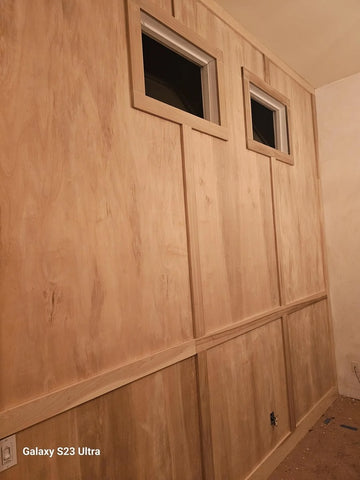
Is sandeply good for cabinets?
Kitchen boxes and doors often start as sanded plywood. Flat faces take paint. Cross-banded cores fight seasonal movement better than many solid-wood panels of the same width.
Shelf loads and door slams are normal kitchen abuse. Spec thickness for the span. A sanded 12 mm door is not a 18 mm carcass side.
Pick face grade for what shows. Paint-grade can hide more patches. Clear stain work needs a cleaner face — and costs more.
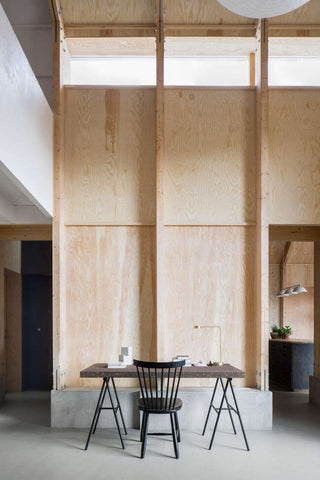
Frequently Asked Questions About Sanded Plywood and Vinawood
What is sanded plywood?
Both faces sanded at the mill. Flat enough to finish with light scuffing, not a full roughing pass.
Why should I choose sanded plywood over regular plywood?
Less prep. Cleaner face under paint. That is why shops pay more than for raw sheathing.
What makes Vinawood sanded plywood different from other brands?
We grade face and thickness on the line, pack for export, and ship the calipers and face grades you ordered. No “eco” claim without the cert stack on the packing list.
Can Vinawood sanded plywood be used outdoors?
Sanded interior faces are not automatic exterior panels. For outdoors you need the right glue class and, usually, a coating system — ask for the exterior grade by name.
How do I care for and maintain furniture made from sanded plywood?
Keep finished pieces dry. Wipe with a soft cloth. Recoat worn edges before water gets into the core.
Where can I buy Vinawood sanded plywood?
Order through distributors or contact Vinawood sales for container quotes. Spec thickness, face grade, and glue class on the PO.
Sanded plywood is a finish-ready face on a normal cross-banded core. Use it when paint or stain will show. For Vietnam export grades and current stock notes, start on Vinawood’s site.
VINAWOOD - Vietnam Plywood Supplier & Manufacturer