5 Huge Misconceptions About Vietnam Plywood
Five common misconceptions about sourcing plywood from Vietnam — quality, product range, certifications, wood species, and timber supply — with a practical RFQ checklist for importers.
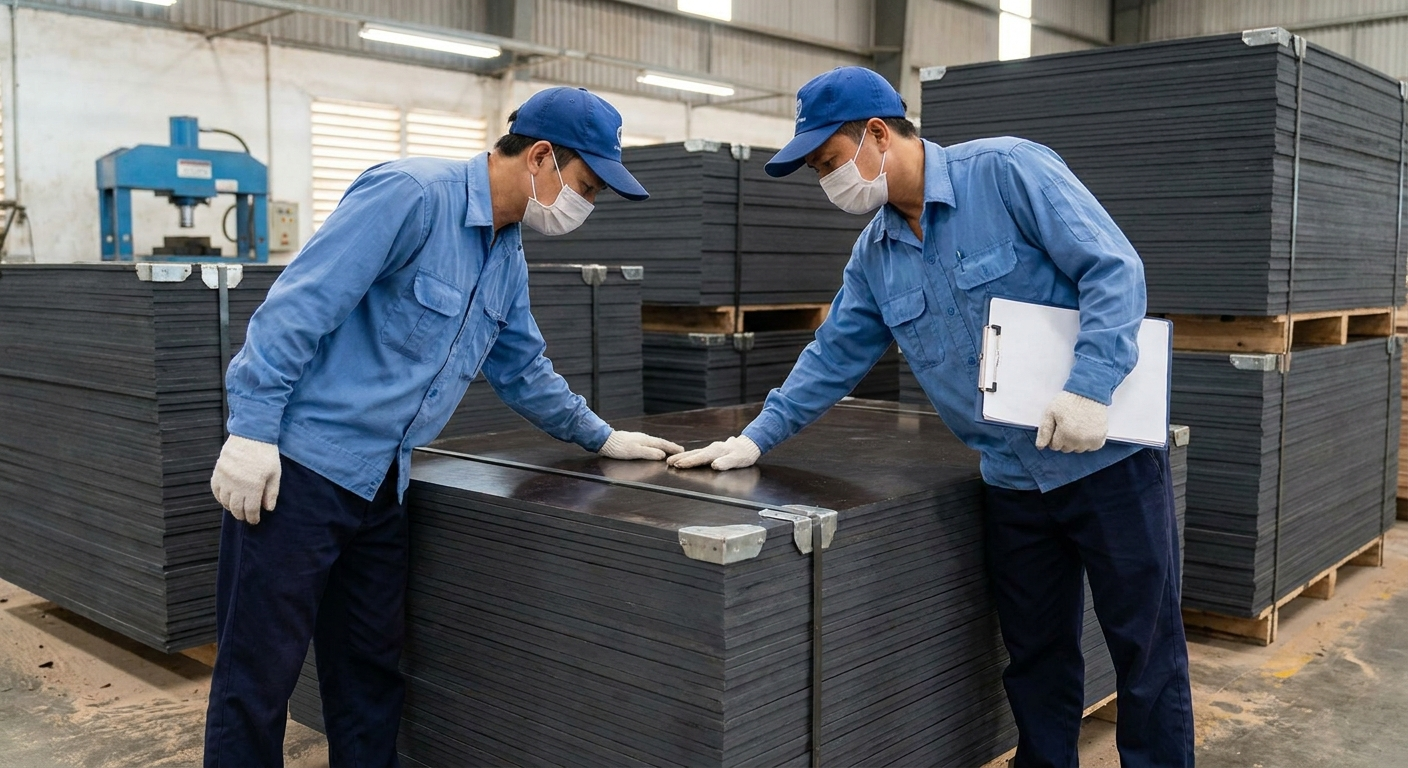
Ask a first-time buyer what they worry about when sourcing plywood from Vietnam, and you'll hear the same five doubts. Is the sheet any good? Does the country only press one cheap grade? Will the papers clear? Are the local woods too soft? And will there still be plantation timber when the next box is due?
We've been making construction plywood in Vietnam since 1992 — roughly 5,000 containers a year now, going to 55+ countries . and those five questions still open most new RFQs. Wrong answers cost money on the pour, not in a pitch deck. So this is the diligence walk-through: what each misconception gets wrong, what actually drives the sheet, and what belongs on the RFQ before a deposit leaves your account.
Misconception 1: Vietnam plywood is low quality
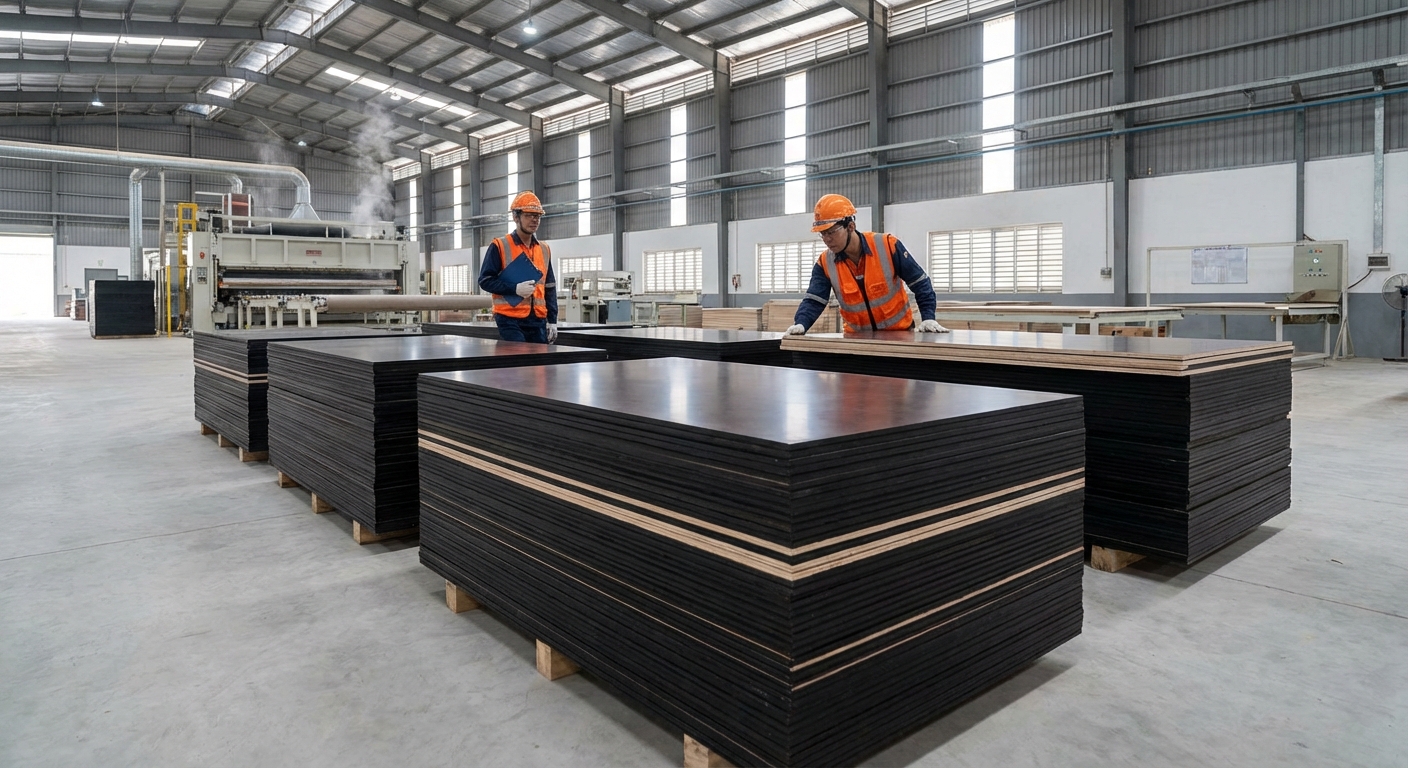
Quality isn't a stamp on the passport. It's set mill by mill. The glue line, the core grading, the press schedule, and how many sheets get checked before packing decide whether a container survives the job. Two lots can both say "Vietnam plywood" on the bill of lading and still behave differently on the same wall form if one mill sorts voids and the other ships them.
The checks that matter are dull on purpose. Ask for the bond class in writing — EN 636-2 for humid / Class 2 programmes, EN 636-3 for exterior / Class 3 . plus overlay type, film weight, core species mix, and a recent mill test report. Put thickness tolerance on that list too. A sheet that lands at 17.5 mm when you ordered 18 mm will throw the joints on a wall form, and the mill that measured it before packing is the one worth keeping.
Order samples first. For a first container, book a third-party inspection before the doors close. Logos on a website don't replace that stack. A live walk-through, date-stamped panels on the press, and a packing list that matches the proforma are cheap tests. If a supplier won't show them, pause. That's a filter, not a hardball negotiation.
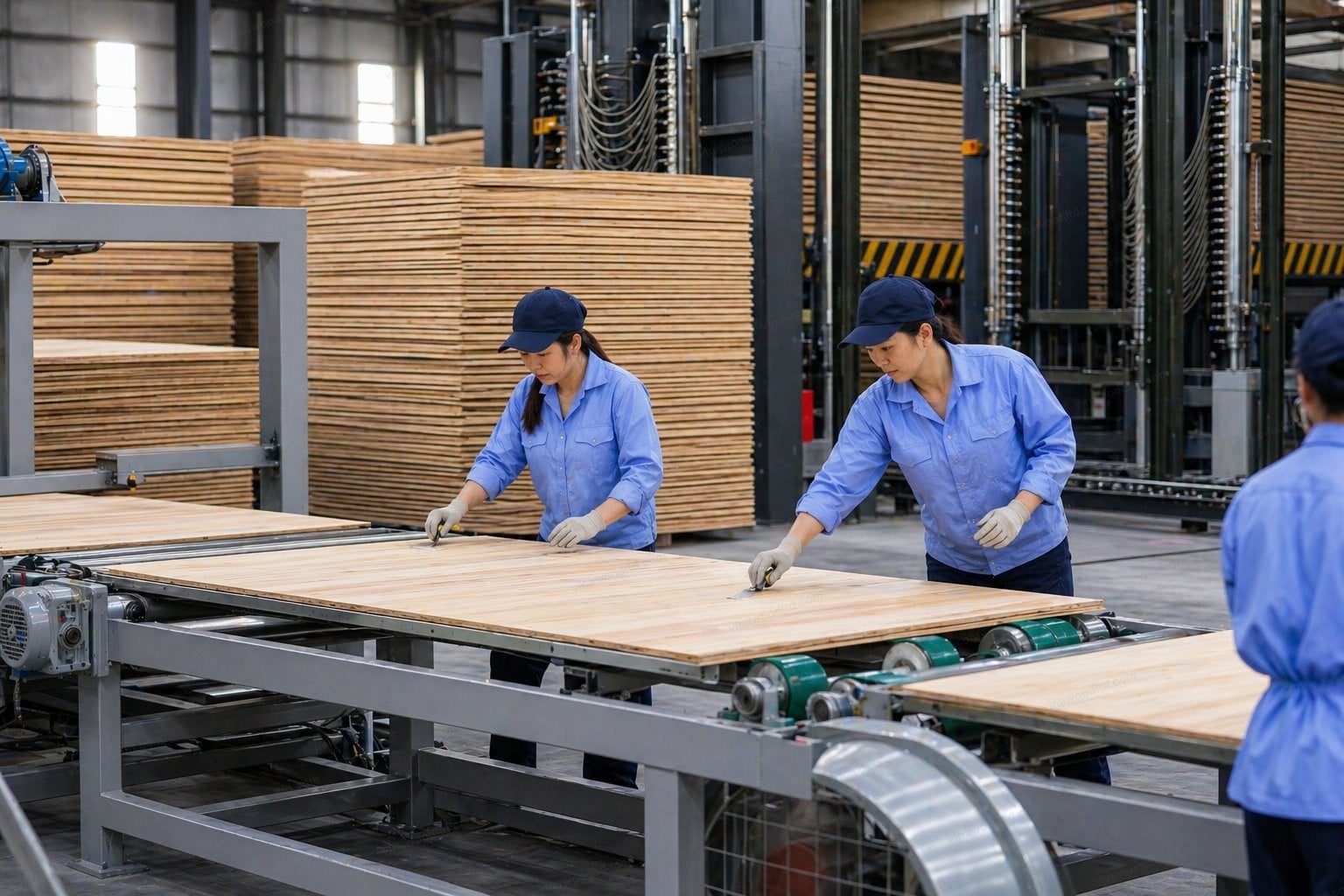
At Vinawood the proof is how the floor runs: a 12-step sequence, every sheet inspected, ISO 9001 renewed on the audit calendar. We're not saying every mill in the country works that way. We're saying you can verify ours with samples, reports, and a visit before money moves.
Misconception 2: Vietnam only makes one kind of plywood
The export book is wider than one "film-faced for formwork" SKU. Construction buyers alone will meet film-faced formwork ladders, HDO panels for high-cycle North American forming, commercial and packing grades, plus marine or structural families depending on the press. Furniture faces and packing sheets sit in other lanes. Calling the whole lot "Vietnam plywood" hides the real choice — which family fits the pour.
Plenty of buyers still type MDO into the search bar when they want a matte phenolic face for fair-face concrete. In our range that panel is MatteFace Plywood (MTF). Keep the MDO token on the RFQ so the mill knows the search intent, then name MatteFace so nobody swaps in a glossy film or a kraft paper you didn't order. MatteFace is a forming overlay with a reuse ceiling. It isn't signage stock, and it isn't a paint-grade kraft sheet.
Our formwork ladder starts with Eco Form and Eco Form Plus, moves through Form Basic and Form Extra on MUF core resin (melamine-urea-formaldehyde, EN 636-2), then Pro Form Lite and Pro Form on phenolic Class 3 / EN 636-3. HDO Basic is Class 2. HDO Standard and HDO Premium sit with Pro Form on the Class 3 phenolic side. P-Form is polypropylene on the face, not a nickname for Pro Form. Consply is commercial Bintangor, not film-faced. Reuse stays written as "up to N" under good site practice: up to 8 for Eco Form Plus, up to 10 for Form Basic or HDO Basic, up to 15 for Form Extra, Pro Form Lite, or MatteFace, and up to 20 for Pro Form or HDO Premium.
Face film and core glue are separate buys. A bare "melamine" on an RFQ is a trap. Say whether you mean MUF core resin, a face film chemistry, or a decorative laminate. Those three aren't interchangeable on a pour programme. If you're lining grades up side by side, the film-faced plywood and HDO collections are the clean place to start.
Misconception 3: Vietnamese mills lack international standards
Paper follows the port of entry. Europe wants CE marking under EN 13986, with the EN 636 bond class that matches the glue you actually bought. The US wants EPA TSCA Title VI — that's the CARB Phase 2 formaldehyde file. Chain-of-custody jobs ask for FSC-COC or PEFC. Korea wants KS. The UK wants UKCA. India wants BIS. An EPD helps when the project is chasing LEED or BREEAM points.
Vinawood's listed set includes ISO 9001, FSC-COC, PEFC, EN 13986 CE, EPA TSCA Title VI, KS, UKCA, BIS, and an EPD. Emission classes such as E0, E1, or CARB P2 are tested per product and shipment. Skip the blanket line that "all Vietnam plywood is E0." Ask for the report that covers the SKU on your purchase order, and check the date. A 2019 screenshot isn't a live certificate.
EU programmes add the EUDR pack: plantation geolocation, a due-diligence statement, and a mill that will file into the importer's system. That's paperwork, not marketing. If a supplier can't produce current certificates for your market, the quote is incomplete. Keep looking. The longer map sits in our guide to certifications for Vietnam plywood exports and on the certifications hub.
Misconception 4: Vietnamese wood species are weak
Construction cores here are plantation-grown Acacia, Eucalyptus, and Hevea (rubberwood). They're hardwoods. When veneer grade and lay-up are controlled, the density suits formwork and structural work. Softwood poplar cores still show up in some commercial programmes elsewhere — a different family, not the default for heavy forming out of Vietnam.
What holds a pour is the mix: species, ply count, glue class, sanding, and edge seal. A dense Acacia or Eucalyptus core with a water-resistant WBP glue line will take pressure that a poorly bonded softwood sheet won't. Density by itself doesn't make a panel "marine" or "Class 3." The bond chemistry and the standard do. Say water-resistant when you mean the glue. Leave a cut edge open and the core will still drink moisture, so seal it and store the stack dry.
I have sat on RFQ calls where the buyer had a clean price and still couldn't name the glue. That's the gap this checklist is for. Write the species you'll accept, the bond class, and the finish you need. Then pour a sample under your own site conditions instead of arguing about national timber reputations. If a mill claims cores it doesn't list on its data sheet, ask for a physical sample before you trust the catalogue photo.
Misconception 5: Vietnam lacks timber supply
Export volume here runs on plantation rotations. Acacia and Eucalyptus stands get replanted on short cycles, which is how mills talk about containers without inventing forest that isn't on a map. The real constraint now is traceability: FSC or PEFC chain of custody, and for Europe the EUDR file that ties each plot to a due-diligence statement.
A mill that can't show plantation origin paperwork is a risk even when the sheet looks fine in a photo. Ask how the log is tracked from plot to press. Ask whether every bundle carries a unique identifier. Ask whether that file can travel with the container into your broker's system. We source plantation-grown fibre and issue the forestry and EUDR documents regulated markets need.
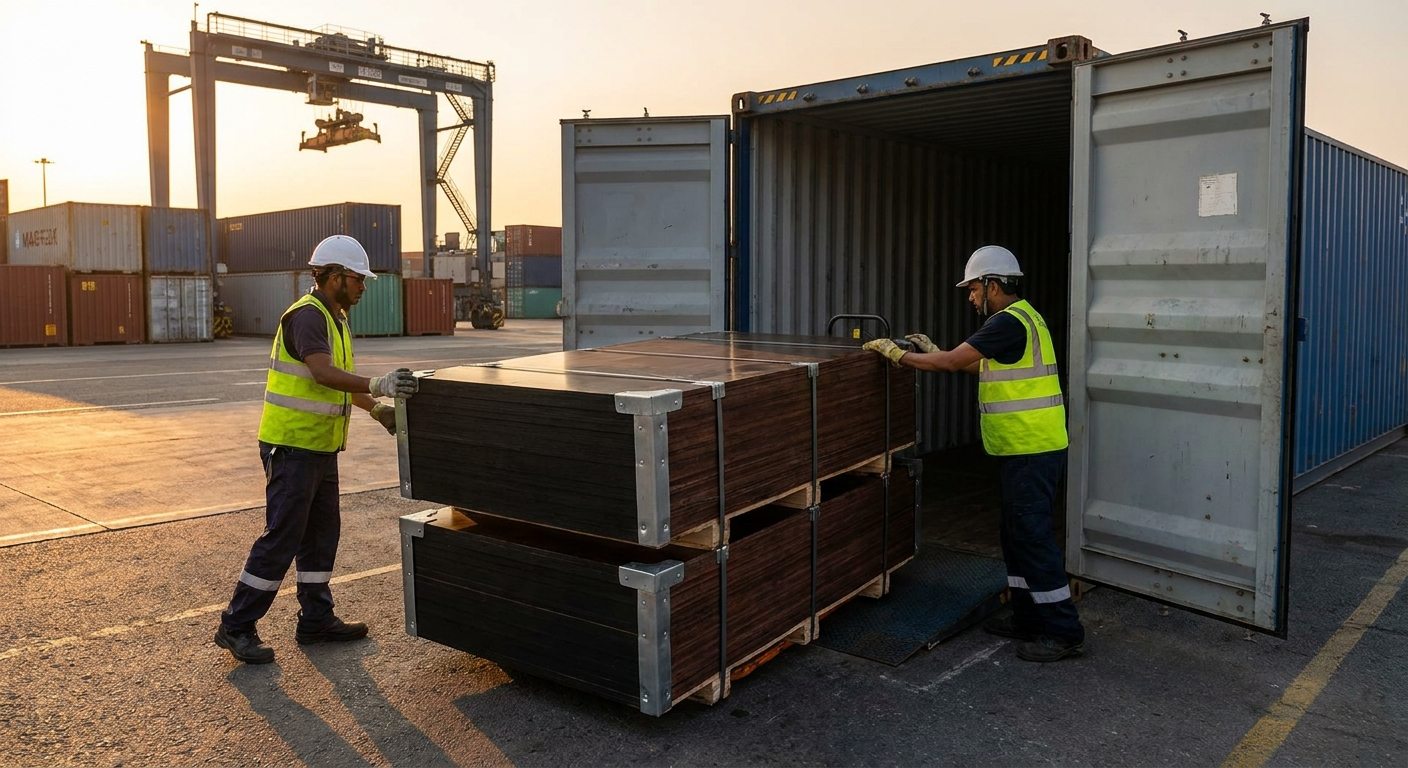
For an importer, the bigger risk is rarely "will the country run out of trees next year." It's "will this mill still match my spec in six months." Samples, locked RFQ fields, and a second container under the same purchase-order terms beat a one-line volume claim every time. When logistics come up on the quote, Hai Phong is the northern port most of our export cargo uses. The mill itself is in Vietnam. The paperwork should name the legal entity that owns the press.
How to source plywood from Vietnam without guessing
Write the spec pack first. Thickness and tolerance. Glue class with the chemistry named — MUF core resin versus phenolic face film. Overlay type. Emission class. Destination certifications. Port of clearance. Size the first order around a container load rather than a sheet minimum you heard on a forum. Most mills quote by the container because that's how the press and the freight move. Order samples, book inspection, then send the RFQ with Incoterms and the inspection house named.
Useful next reads: plywood manufacturers in Vietnam, the Vietnam vs China plywood comparison, the certifications guide linked above, and the Vietnam plywood supplier pillar. Product lanes sit under film-faced and HDO, and under MatteFace when buyers searching MDO need the matte forming face.
When the pack is ready, send it through /rfq or /contact?type=quotation. You'll get a mill quote against the fields you wrote, not a directory listing.
▶Sources & References (4)
- EN 13986 — Wood-based panels for use in construction — CEN (2015)
- EN 636 — Plywood — Specifications — CEN (2015)
- Formaldehyde Standards for Composite Wood Products — TSCA Title VI — US EPA (2016)
- FSC Chain of Custody — Forest Stewardship Council (2024)