Why Vinawood Film-Faced Plywood is the Superior Choice?
The plywood market has experienced significant growth in recent years, with Vietnam emerging as a leading producer of high-quality plywood products. One of the most popular types of plywood for construction purposes is film faced plywood, known for its durability and adaptability in various…
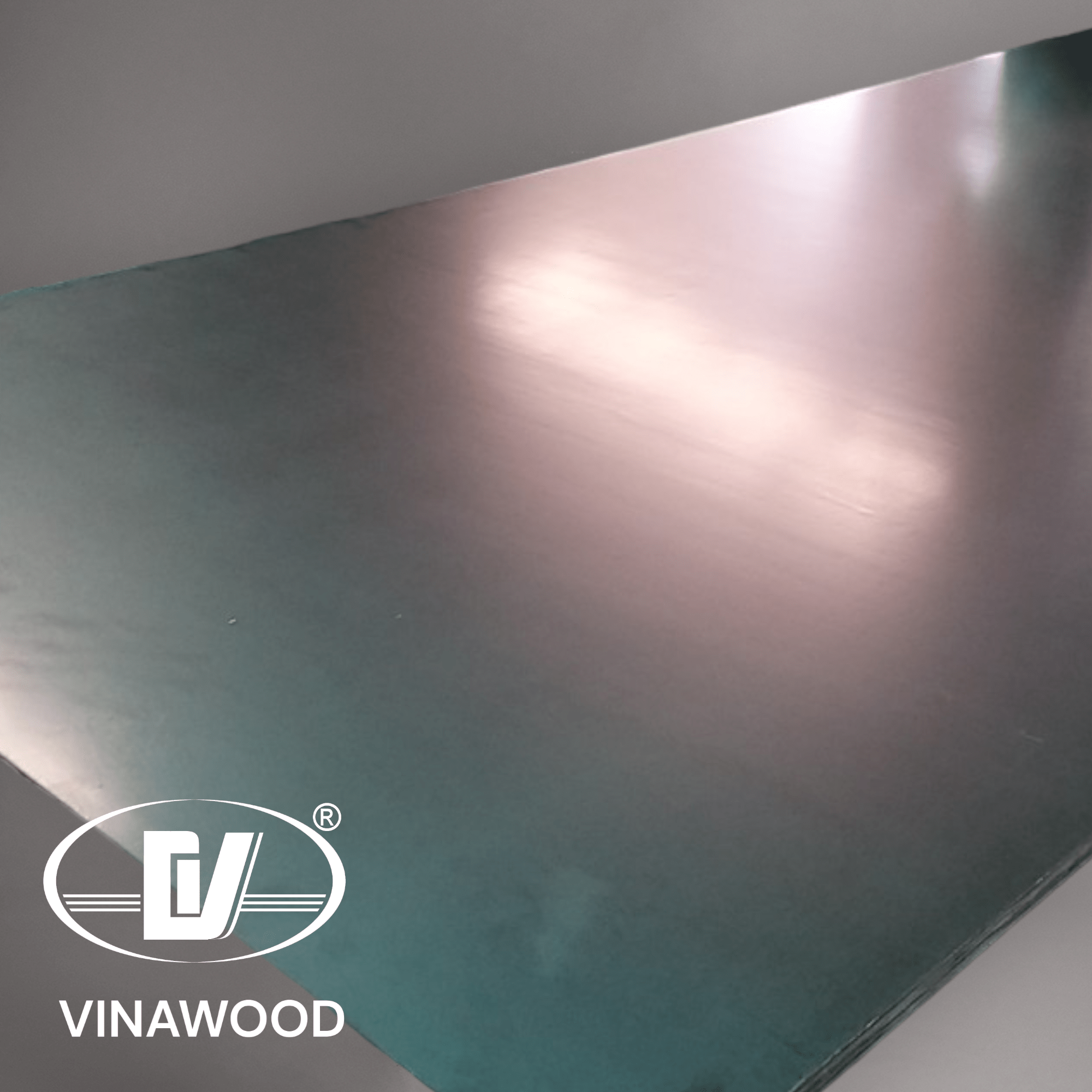
Vinawood ships film-faced plywood across more than 55 export markets, with our oldest formwork product cleared for up to 50 pour cycles before retirement. That reuse range — and the per-pour cost it implies — is the question most contractors actually want answered when they shortlist Vietnam-made panels. Below is what we tell engineers and procurement teams when they ask which Vinawood line fits which job.
Understanding Vietnam Plywood and Film Faced Plywood
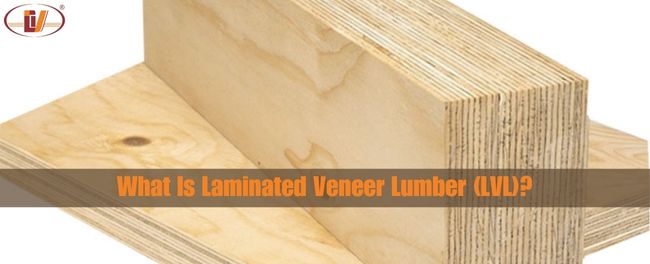
Vinawood's panels use plantation-grown Acacia, Eucalyptus, and Hevea grown on managed estates across Vietnam. The veneers are peeled, dried to a tight moisture window, then bonded with phenolic glue under heat and pressure. The result is a board that holds dimension under wet concrete loads and resists delamination over multiple pours.
Film-faced plywood adds a phenolic resin film bonded to both faces. The film does two jobs at once: it gives the cured concrete a smooth as-cast finish, and it stops cement paste from penetrating the wood, which is what kills ordinary plywood after one or two uses. Edge sealing on every panel adds a third layer of moisture protection.
Choosing the Right Vinawood Film Faced Plywood for Your Project
Three variables drive the decision. Reuse target is the first one — how many pours the panel needs to survive on your specific formwork system before scrap. The second is panel density, which sets how the board behaves under tie pressure and walking loads. The third is unit price against project volume, since a higher per-sheet cost can still win on cost-per-pour math if the reuse curve holds.
- Reuse range: Pro Form is rated for up to 20 reuses and suits standard wall and slab formwork. Top Form stretches to up to 35 reuses for repeat-pour residential and commercial frames. Top Form Plus is rated up to 50 reuses for high-rise and infrastructure work where panel turnover is the constraint.
- Density and stiffness: Pro Form High Density and Top Form Plus use a tighter veneer lay-up with denser cores, which reduces panel deflection on wide centres and helps maintain a flat fair-face finish.
- Budget fit: each line sits at a different price point, so a project running short pours on a tight budget can specify Pro Form, while a high-rise contractor pouring identical floor plates across many cycles can justify Top Form Plus on cost-per-pour grounds.
Advantages of Vinawood Film Faced Plywood
What we hear from buyers tends to come back to four points.
- Material sourcing: Vinawood pulls veneer logs from plantation estates rather than natural forest, which keeps quality consistent batch to batch and supports the chain-of-custody paperwork European and North American buyers require.
- Manufacturing control: hot-press cycles, glue spread rates, and moisture targets are tracked per shift. The press logs feed our QC team's reject criteria, which keeps face delamination and core voids inside spec.
- Compliance: Vinawood is FSC-COC certified and meets European Timber Regulation due-diligence requirements, which matters for buyers in regulated import markets.
- Cost-per-pour: the reuse rating is what most buyers convert into a project number. A higher unit price on a Top Form Plus panel often comes out cheaper per pour than a low-rated import once you factor in scrap and labour to swap formwork.
Conclusion
Match the reuse rating to the pour count, match the density to the formwork loads, and check the certifications against your import market's rules. The Vinawood line covers the range from short-cycle wall forms through high-rise slab work, and the cost-per-pour math usually decides which product wins on a given job. Buyers wanting a sample order or a spec sheet for a tender can request both through our sales contact.