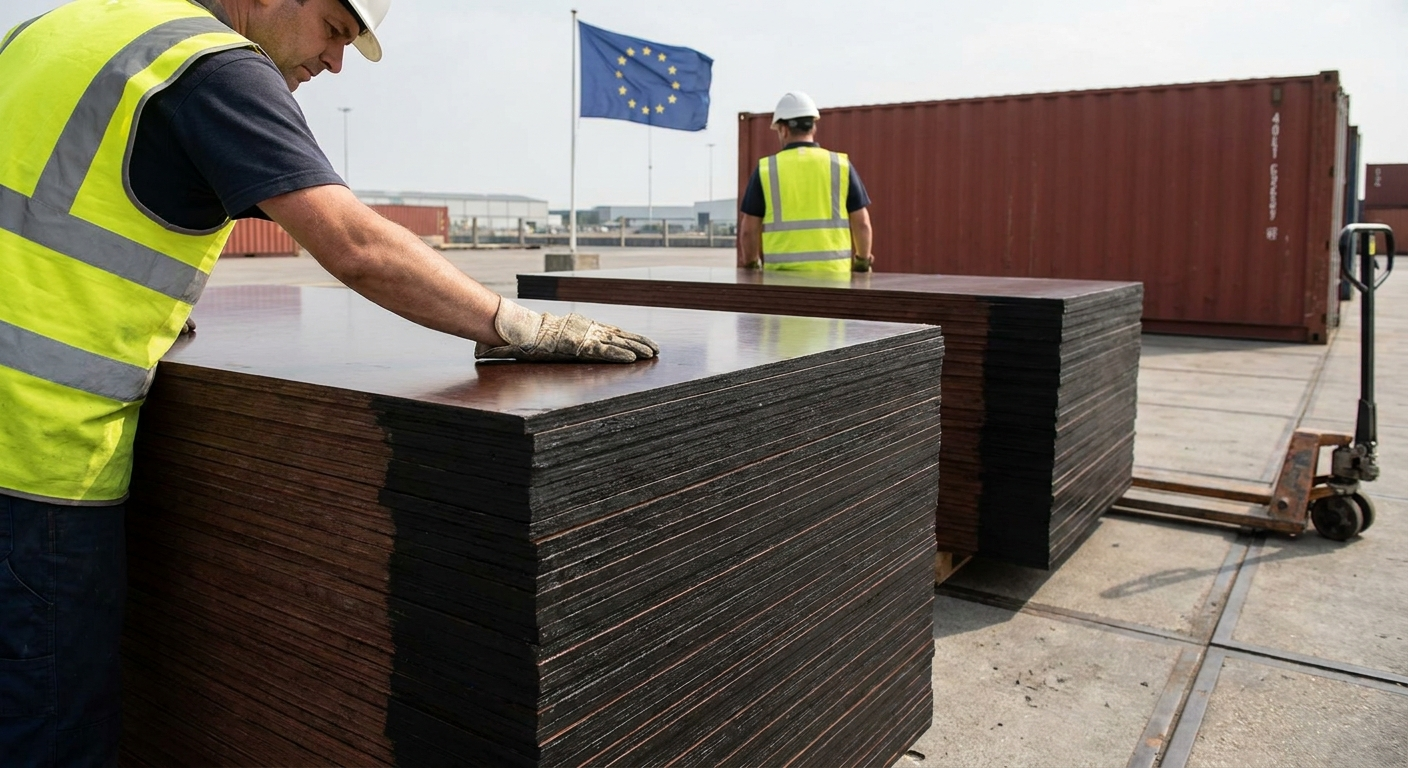
Concrete Form Release Agent: Types, Application & Best Practices
How to choose and apply a concrete form release agent on plywood forms: reactive vs barrier chemistry, rates by face, diesel warnings, and reuse up to N by Vinawood grade. Est. 1992, 55+ countries.
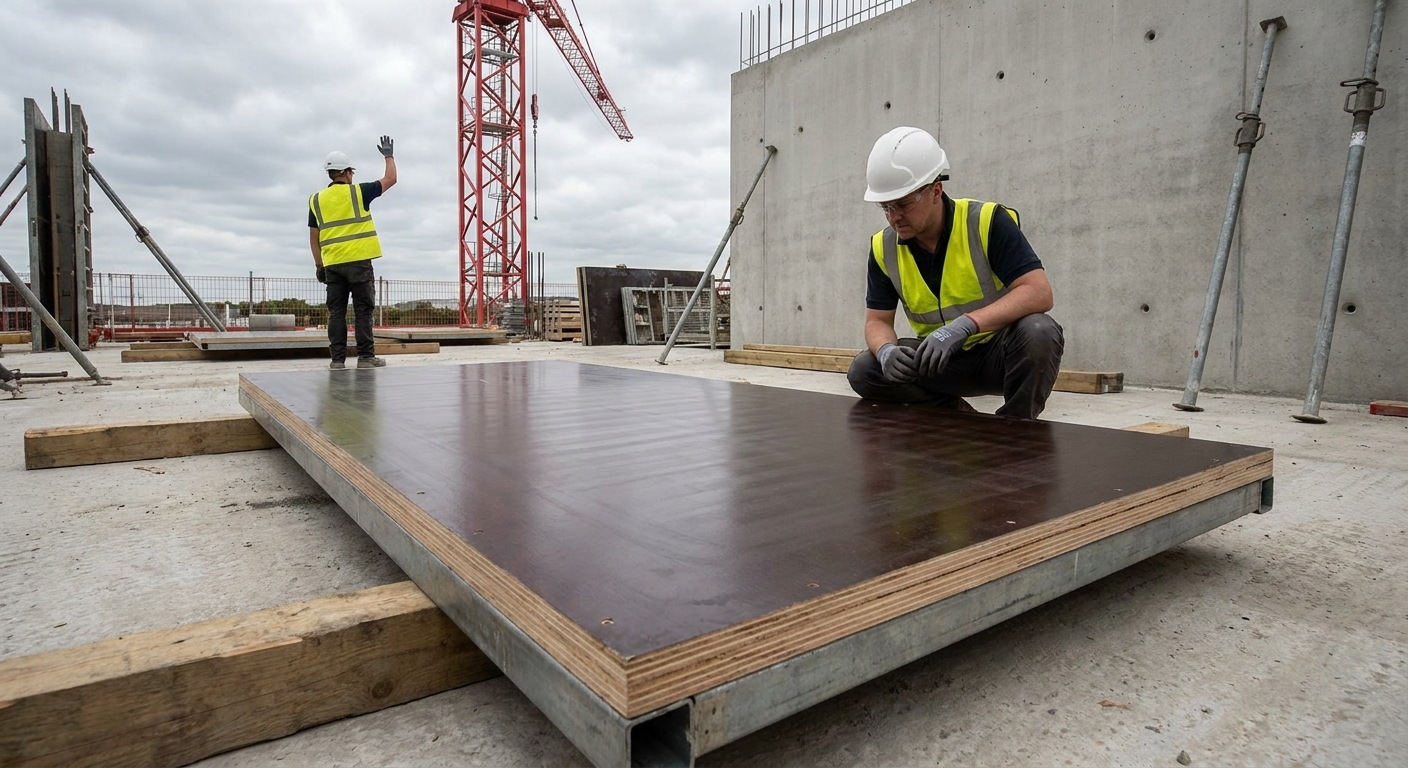
A concrete form release agent is the thin coat that sits between wet concrete and the face of your form. When it's the right product, put on properly, panels strip clean and the face film survives to go again. When it's wrong, the paste grabs the face, the overlay tears on strike, and a sheet that should have lasted a whole programme ends up in the skip early. For something that costs so little per pour, it causes a surprising amount of grief.
This guide is written for site engineers and form crews working with plywood forms: film-faced panels, HDO, MatteFace Plywood (MTF, which a lot of buyers search for as MDO formwork plywood) and plain plyform. We make the panels, not the release agents, so we won't recommend a brand. What we can tell you, from years of hearing back from crews, is what each type does to a plywood face and how it should go on if you want the panel to reach its rated pours.
What to put on a plywood form face
On phenolic film-faced plywood or HDO, go with a reactive release agent or a water-based emulsion, wiped or rolled on thin over a face that's clean and dry, before every pour. Bare plyform without an overlay will take a mineral-oil barrier product, and it helps to prime it the first time. Diesel, old engine oil and solvent blends shouldn't go near any plywood form at all, since they eat into the film and the edge seal and the panel's reuse drops off quickly.
If you only read one paragraph, that's it. The rest is the reasoning, which is useful on the day the drum that turns up isn't the one named in the method statement.
How a release agent actually works
Wet concrete will stick to nearly anything. Partly that's physical, paste creeping into pores and scratches, and partly it's chemistry as the cement hydrates. Release agents interrupt both, so when you strike, the form comes away and the surface stays on the wall.
Reactive products contain fatty acids that react with calcium hydroxide in the fresh mix and leave a very thin soap at the contact surface, and it's that soap which parts on strike. Barrier products are cruder: a film of mineral oil or light hydrocarbon sitting between paste and face. Emulsions are the active ingredient carried in water, and the film only forms once the emulsion breaks and the water's gone. There are pastes and waxes too, mostly for steel.
Worth saying, because we get asked: the agent does nothing for the panel's glue. WBP in formwork plywood is a water-resistant bond, classed under EN 314 and EN 636, and a sheet with a raw edge will still take on water whatever you spray on the face. Release agent looks after the face, pour by pour, and that's all.
Types of form release agents compared
Four families cover nearly everything you'll find on site. Pick by the face and the finish, and by any air-quality rules on the job. Don't pick by whatever's left in the container from the last project.
Barrier-type (petroleum-based)
Old-style form oil and petroleum blends are everywhere and inexpensive by the litre. On bare plyform, for concrete that'll end up underground or behind cladding, they do the job. They can stain, though, they're higher in VOCs, and a thick coat left soaking on a film face will soften it over time. For a wall people will look at, use something else.
Reactive (chemical release)
The fatty-acid, soap-forming products. Concrete colour tends to come out cleaner and more even, with fewer bug holes, which is why most crews use them on film-faced and HDO panels for exposed work. A litre costs more. Over a long programme, though, you usually spend less per pour, since a face that strips cleanly keeps going.
Water-based emulsion
Good for enclosed decks and jobs with VOC limits, since many are low or zero VOC. You do have to wait for the emulsion to break before pouring. Thin coat, a bit of patience, and the finish comes close to what you'd get from a reactive product.
Paste and wax
Heavy-bodied products designed mainly for steel and complex shapes. On plywood they tend to leave residue that prints into the concrete, so we'd keep them off film-faced and HDO forms.
| Release agent type | Best suited to | Concrete finish | VOC profile |
|---|---|---|---|
| Barrier (petroleum) | Bare plyform, structural pours | Acceptable, some staining risk | Higher |
| Reactive (chemical) | Film-faced, HDO, exposed faces | Clean and even | Moderate |
| Water-based emulsion | Enclosed spaces, low-VOC projects | Very good, low residue | Low to zero |
| Paste / wax | Steel forms | Variable on plywood | Low |
Matching the agent to your form face
Start from the face, not the drum.
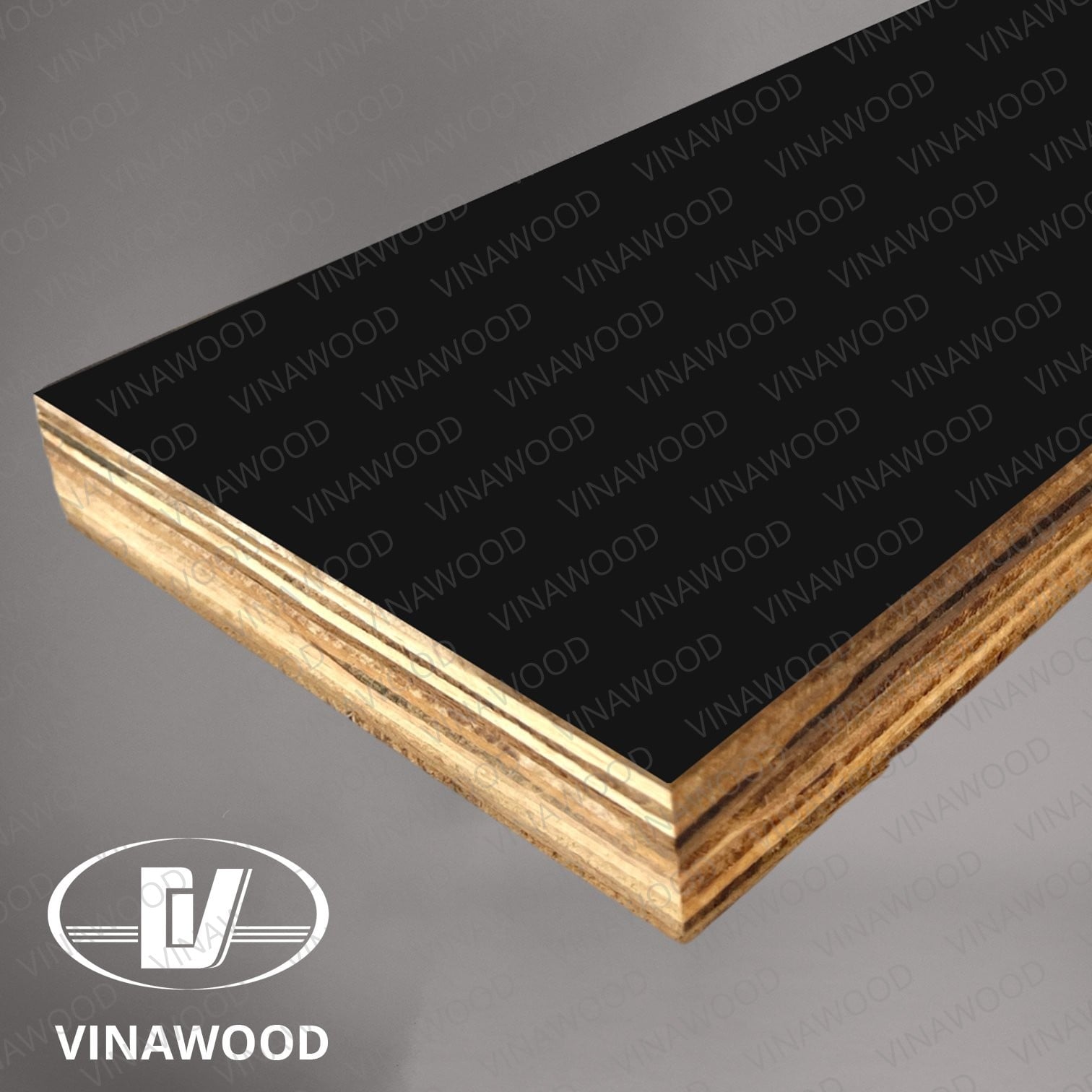
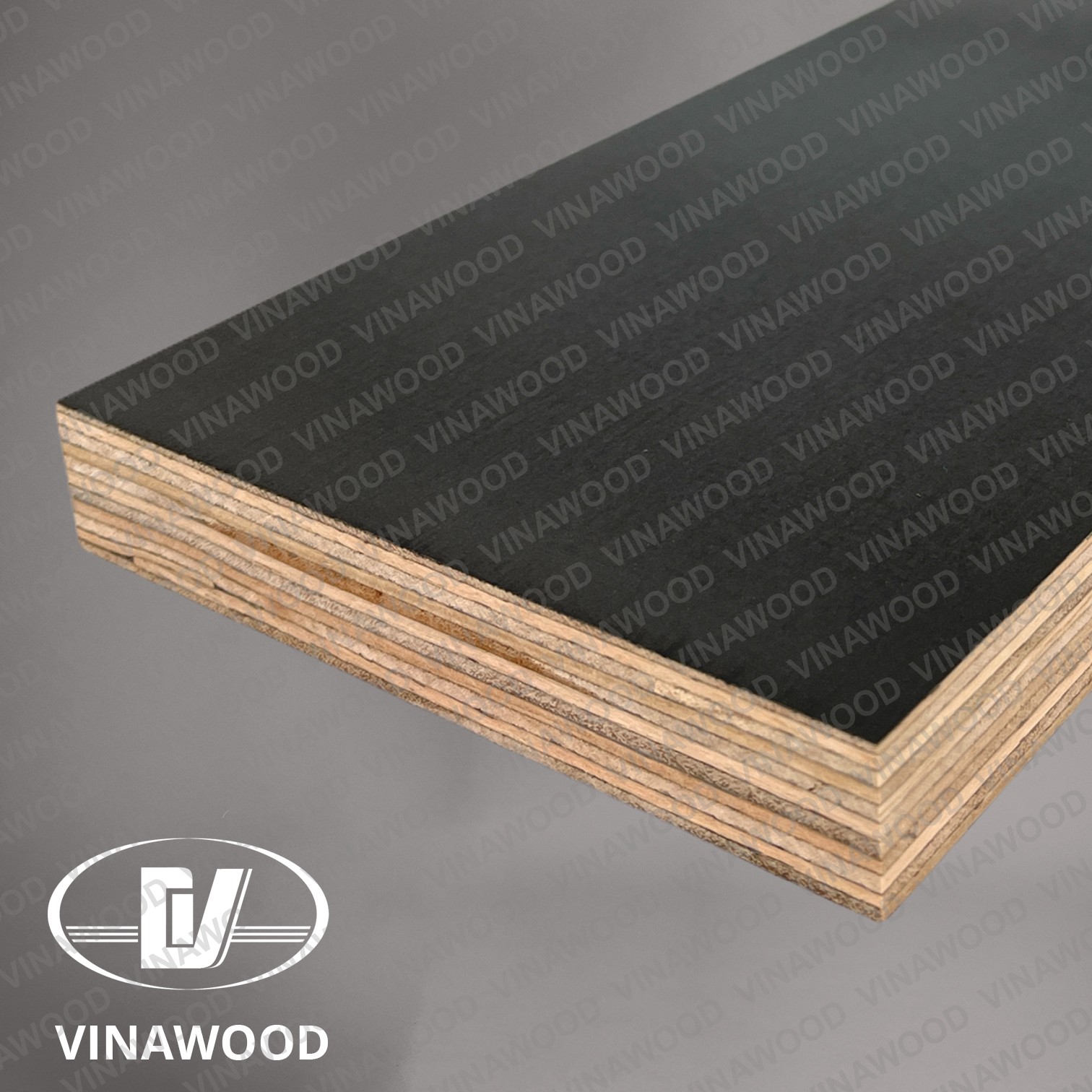
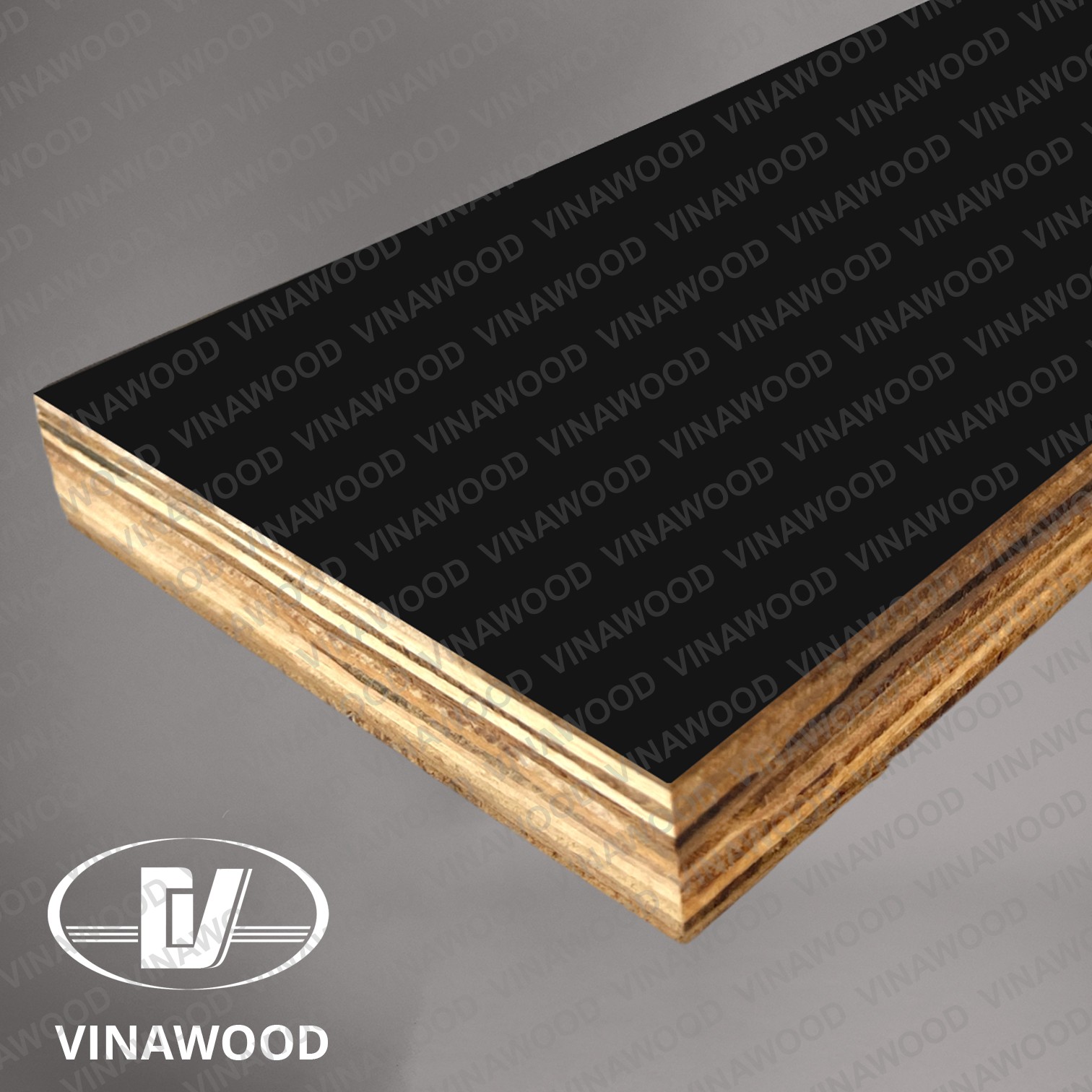
Film-faced plywood and HDO. Both faces are dense and closed. They need hardly any product, and they punish a heavy hand, because whatever pools along a joint turns up on the wall as bug holes and dark patches. A reactive agent or emulsion, kept light, is the safe choice. For export programmes our film-faced range runs from Eco Form Plus (up to 8 pours) and Form Basic (up to 10), through Form Extra (up to 15, a Superior Glue MUF core at EN 636-2 with the same phenolic face as Form Basic), to Pro Form Lite (up to 15) and Pro Form (up to 20) on a phenolic Class 3 bond. In North America the overlay choice is usually the HDO plywood range: HDO Basic is rated up to 10 on a Class 2 bond, while HDO Standard and HDO Premium 2S Formply carry a Class 3 bond and are rated up to 20.
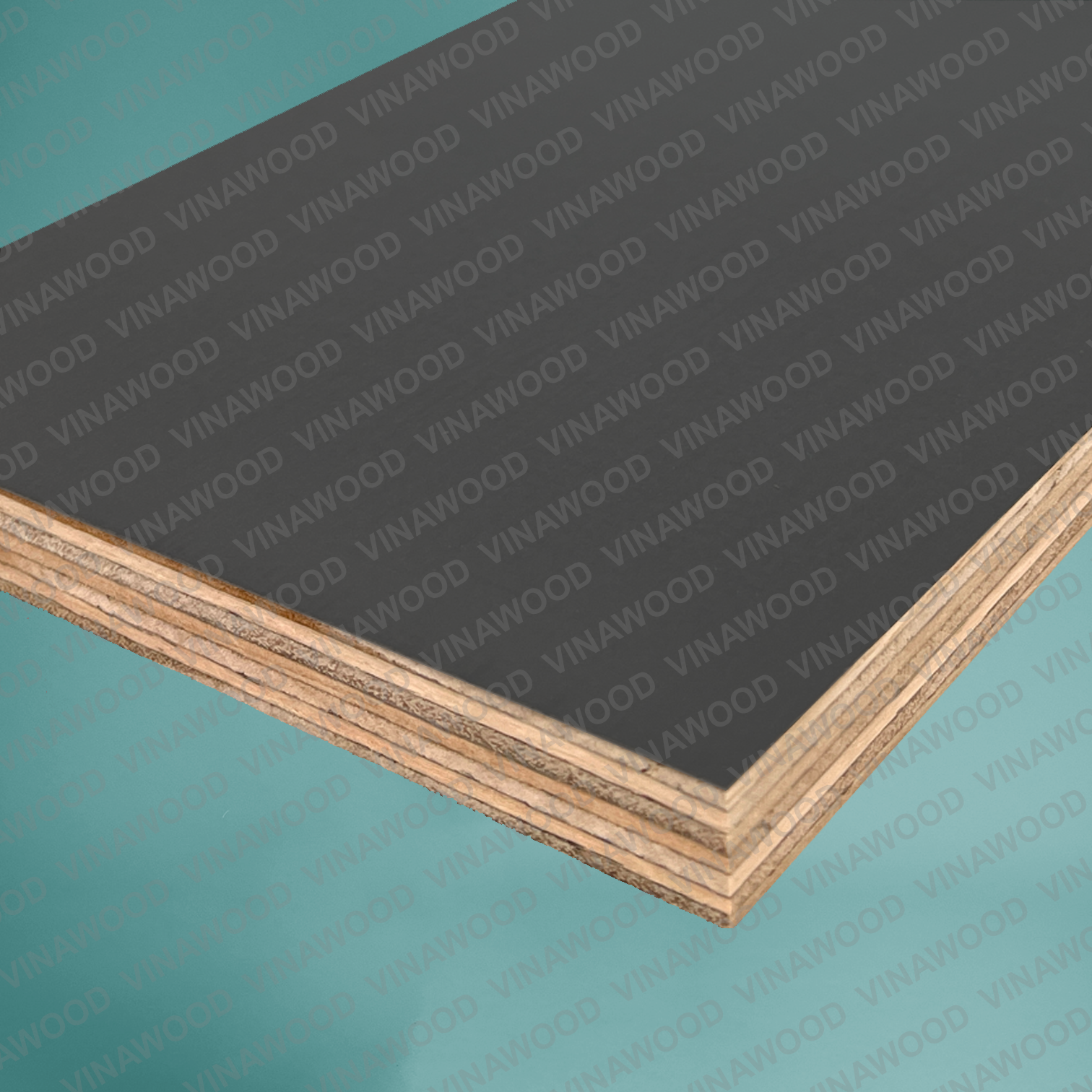
MatteFace Plywood (MTF). MatteFace has a matte phenolic film rather than a gloss one. It's a formwork panel, not a paint grade and not a kraft-paper sign board, even though many buyers find it by searching for MDO. Reactive and barrier agents both work on it. The face is a little more open than gloss film, so it takes slightly more product than HDO, but the rule about even, thin coats still applies. The range sits under MatteFace plywood, and our HDO vs MDO comparison explains how the two overlays behave on a pour.
Plain plyform with no overlay. A barrier oil is fine here. Priming the face before its first pour cuts down how much the veneer soaks up, though even with good release a bare face won't give you the pour count of an overlaid panel.
How to apply release agent, step by step
When a strike goes badly, the drum is rarely to blame. Nine times out of ten it's how the product went on.
1. Clean the face. Scrape off old paste with a plastic or rubber tool, since metal scrapers gouge film and overlay. A damp cloth shifts what the scraper leaves, and then the face needs to dry.
2. Start from a dry panel. Water trapped under the coat stops the film forming properly and leaves blotches on the concrete. If you've just washed the forms, give them time.
3. Put on a thin, even coat. Roller (low nap), airless spray or a clean rag, whichever the crew is quickest with. Aim for a faint sheen rather than anything that looks wet, because a puddle in a corner becomes a bug hole or an oily mark on the wall.
4. Let it set. The label gives the drying time. Emulsions generally want longer than reactive products.
5. Walk the forms. Any patch you missed will bond. It's much easier to fix before the pour than after strike.
6. Pour within the window. Pouring the same day is typical. Forms that have been sitting out in sun or rain for a day or longer should get a fresh coat first.
How much release agent to use
Coverage depends on the product and the face, so the data sheet for the agent you're using is the number to follow. As a pattern, sealed faces such as film-faced plywood, HDO and steel need the least. MatteFace sits a little above them, and bare plyform needs the most because open veneer soaks product up. Weather changes things as well. On a hot day most products go thinner and spread further, so ease off; on a cold morning they go thick and you'll need to work them out to stop heavy spots forming.
If you're not sure, err on the light side and check the face before the pour. A coat you can barely see is usually enough. Over-application is the far more common mistake.
Mistakes that shorten plywood form life
A handful of habits do more damage to reuse than the choice of panel grade.
Using diesel as form oil. It's tempting because it's on site and it does release the concrete. The trouble is what it does to the panel. Diesel and other solvents attack the phenolic film and the sealed edges, the face starts to lift and stain, and the sheet stops releasing cleanly long before its rated pours. Use a product made for concrete release.
Putting on too much. Extra agent doesn't release any better. It pools, stains and leaves bug holes, so a barely visible sheen is plenty.
Spraying in the wind. Coverage goes patchy and half the product ends up somewhere else. Roll it on, or shield the bay.
Skipping the recoat. Each pour uses up the film of agent. Yesterday's coat isn't protecting today's pour, so recoat every time.
Coating a dirty face. Old residue under fresh agent gives uneven contact and traps moisture against the overlay.
Leaving cut edges bare. A site cut opens the core to water and to release agent. Seal every fresh edge with an edge sealer or exterior paint before the panel goes back into service, because an unsealed edge is where swelling and delamination start.
How the agent affects the finished concrete
The right coat gives a smooth, even face with few bug holes and a clean strike. Too much leaves oily patches that can cause trouble for paint or render later. Too little lets paste grab the film, and then the strike tears both the concrete surface and the panel.
For architectural and exposed walls, we'd go with a reactive agent on a film-faced or HDO face. Structural work that will be buried or covered can run a barrier oil on plyform without much downside. Panel choice plays its part as well, and our concrete forming plywood guide covers how face and bond class shape the finish. When you get to strike, formwork removal time explains how long to wait for different elements.
Environmental and safety points
Many US states and Canadian provinces limit petroleum-based agents in enclosed spaces and near waterways, and water-based or plant-based products meet those limits more easily. Wash water carrying petroleum residue shouldn't go down storm drains; it needs to be collected and disposed of through an approved route.
Gloves and eye protection are the minimum for any of these products. Solvent and petroleum agents also call for respiratory protection in tight spaces. Emulsions are gentler to breathe but still need gloves.
Getting the full reuse out of your panels
We write reuse as "up to" a number for a reason. Those ratings assume sealed edges, clean faces and a proper release coat on every pour, and real-world counts drop when any of that slips. In our experience, a crew that keeps its release routine dull and consistent gets far more out of a panel than one that switches products bay to bay. Our article on how many times you can reuse formwork plywood covers cleaning, storage and handling in more detail.
The film-faced plywood and HDO plywood collections show the full ranges if you're still deciding on a face.
Request a form-face quote
Vinawood has made construction plywood in Vietnam since 1992 and ships about 5,000 containers a year to more than 55 countries. We supply the form face, not the release agent. For buyers in Canada and the US, our warehouses in Toronto, Vancouver, Calgary, Montreal, Miami, Houston and Baltimore hold ready stock for local distributors.
For a quotation, tell us the panel grade or bond class, the face (film-faced, HDO or MatteFace), thickness and sheet size, and the reuse you're aiming for. It also helps to mention the release-agent chemistry you plan to use and whether the walls will be exposed. Send it through the RFQ form or contact our sales team.
Category
how-to