FSC Certified Film Faced Plywood: A Specifier's Guide to Sustainable Formwork
What makes film-faced plywood genuinely FSC certified, how to read FSC claims and verify a certificate code, whether Vietnamese plywood is CARB compliant, and where the amended EUDR dates now stand.
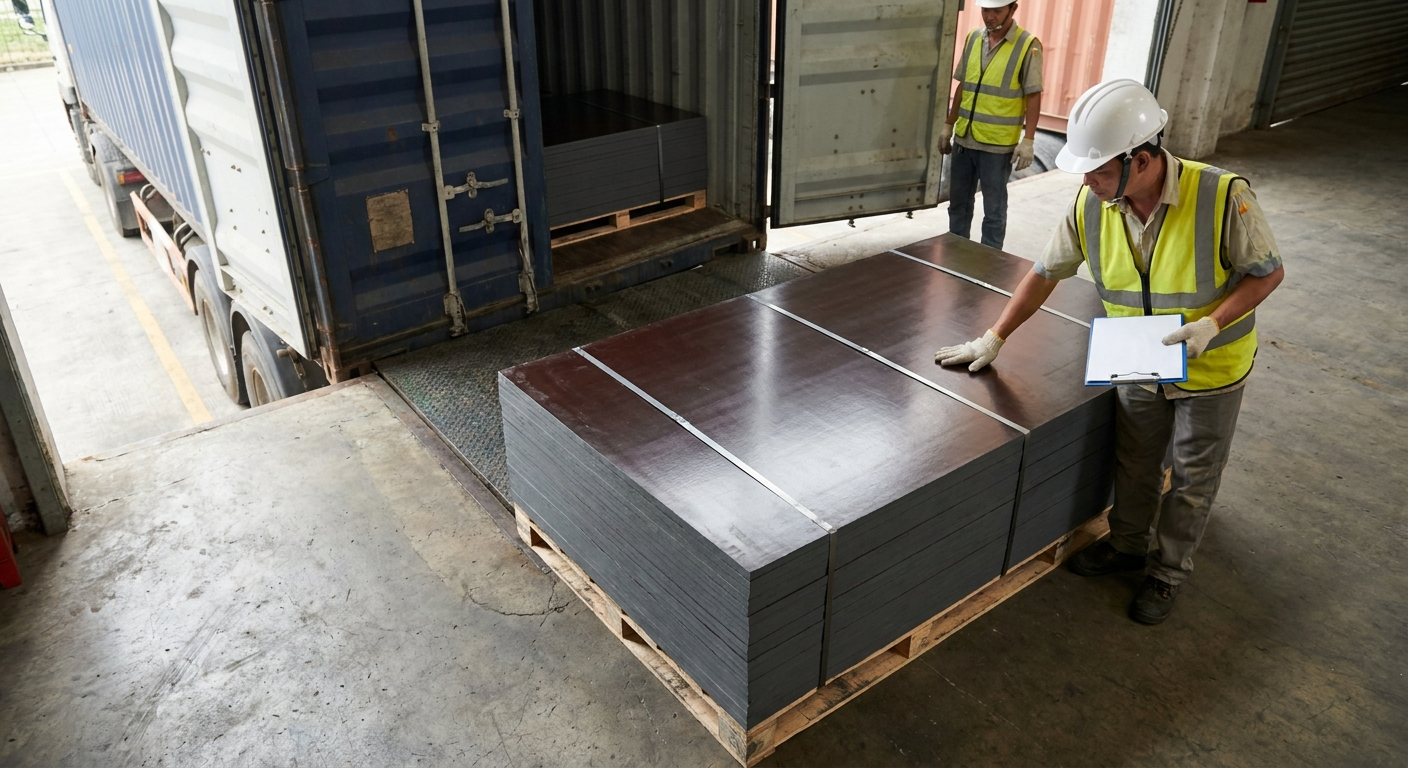
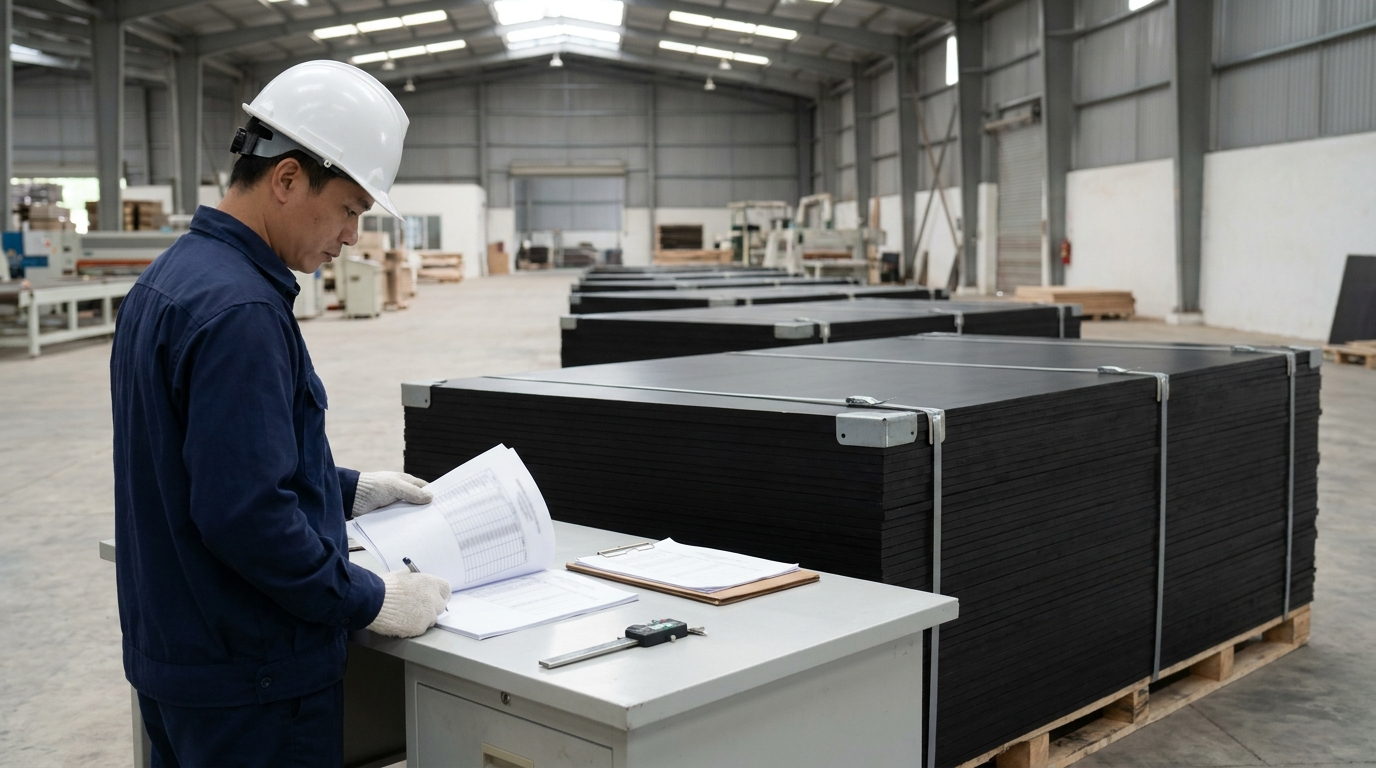
Here's the short version. Film-faced plywood is FSC certified when the shipment you receive carries an FSC claim and the supplier's FSC certificate code is printed on the invoice for that lot. A mill can hold a perfectly valid certificate and still sell a container with no claim on it, so it's your order's paperwork that counts, not the logo on the website. FSC tells you the wood came through a certified chain. The EU Deforestation Regulation and the US formaldehyde rules (TSCA Title VI and CARB Phase 2) are legal requirements that sit next to it and ask different questions, and most buyers need at least one of them as well.
What FSC actually certifies on a plywood order
Two kinds of FSC certificate matter here. Forest Management certification is about the land: a forest or plantation audited against FSC's rules on harvesting, biodiversity and the people who live and work there. Chain of Custody (CoC) certification is about companies. Every business that takes ownership of the wood after harvest, whether that's a veneer peeler, the plywood mill or a trader in the middle, needs its own CoC certificate, and if one link is missing the claim simply stops at that point.
Each certified company has a certificate code issued by its certification body, plus an FSC licence code (FSC-C followed by six digits). You can look up either one in FSC's public database. On a formwork order, the code printed on the commercial invoice is the only part of the story you can check yourself. "FSC" in a brochure, with no code next to it? That's a claim, not evidence.
FSC 100%, FSC Mix and FSC Recycled: what's on your invoice
There are three claim types and they aren't interchangeable. FSC 100% means every bit of wood came from FSC-certified forest. You won't see it often on export formwork panels, because mills blend veneer from several plantation sources, so if your tender asks for it, raise it when you request the quotation rather than assuming it's on the shelf.
FSC Mix is the one you'll meet most. It's a blend of FSC-certified wood, FSC Controlled Wood (material screened against unacceptable sources like illegal logging) and sometimes recycled fibre, within limits FSC sets. FSC Recycled is made from reclaimed wood or fibre. It's rare on film-faced panels, since good face and core veneers have to be peeled from fresh logs.
Specifiers trip over one detail again and again. "FSC Controlled Wood" by itself isn't an FSC-certified product claim, and green-building schemes like LEED and BREEAM generally won't count it toward a credit. If you're chasing one, name the claim type you want in the spec and check the scheme's current rules before the tender goes out.
Why FSC matters on formwork
Formwork sheets wear out. Depending on grade and how well the site treats them, our film-faced panels are rated anywhere from up to 8 pours to up to 20, and after that they get cut down for odd jobs or end up as waste. FSC can't change the end of that story. What it covers is the beginning: managed land, audited harvesting, and wood in your panel that can be traced instead of taken on trust.
For most of the buyers we deal with, though, the reason is more practical. Contractors and public clients write FSC into the tender. If the code isn't on the invoice, the site can't accept the delivery.
Is Vietnamese film-faced plywood CARB compliant?
Fair question, and the answer is that compliance belongs to a mill and a product line. Never to a country. TSCA Title VI is the US Environmental Protection Agency's rule, and it uses the same formaldehyde emission limits as California's CARB Phase 2. Under both, the panels must come from a producer certified through an approved third-party certifier (TPC), which tests the product on a regular schedule.
A compliant US shipment should show you two things. First, a label on each panel or on each bundle with the producer's name, the lot number, the TPC number and a statement that the product is TSCA Title VI compliant. Second, a written compliance statement from the supplier on the invoice, bill of lading or a similar document, which the importer has to keep for three years. Missing either one? Ask before the container sails, not after it lands.
Vinawood holds EPA TSCA Title VI (CARB Phase 2) certification and we provide the documentation on US lots, with the grades covered by a given order confirmed on the quotation. For more on emission classes, see our guide to formaldehyde-free and low-formaldehyde plywood. Some US specs also ask for structural certification such as PS 1 or PS 2. That's a separate question for any supplier, and neither FSC nor TSCA paperwork answers it.
In the US and Canada our forming range is led by HDO and MatteFace Plywood (MTF) rather than the European-style film-faced grades. We keep distribution warehouses in Toronto, Vancouver, Calgary, Montreal, Miami, Houston and Baltimore, which supply ready stock to local distributors.
Where EUDR fits for European buyers
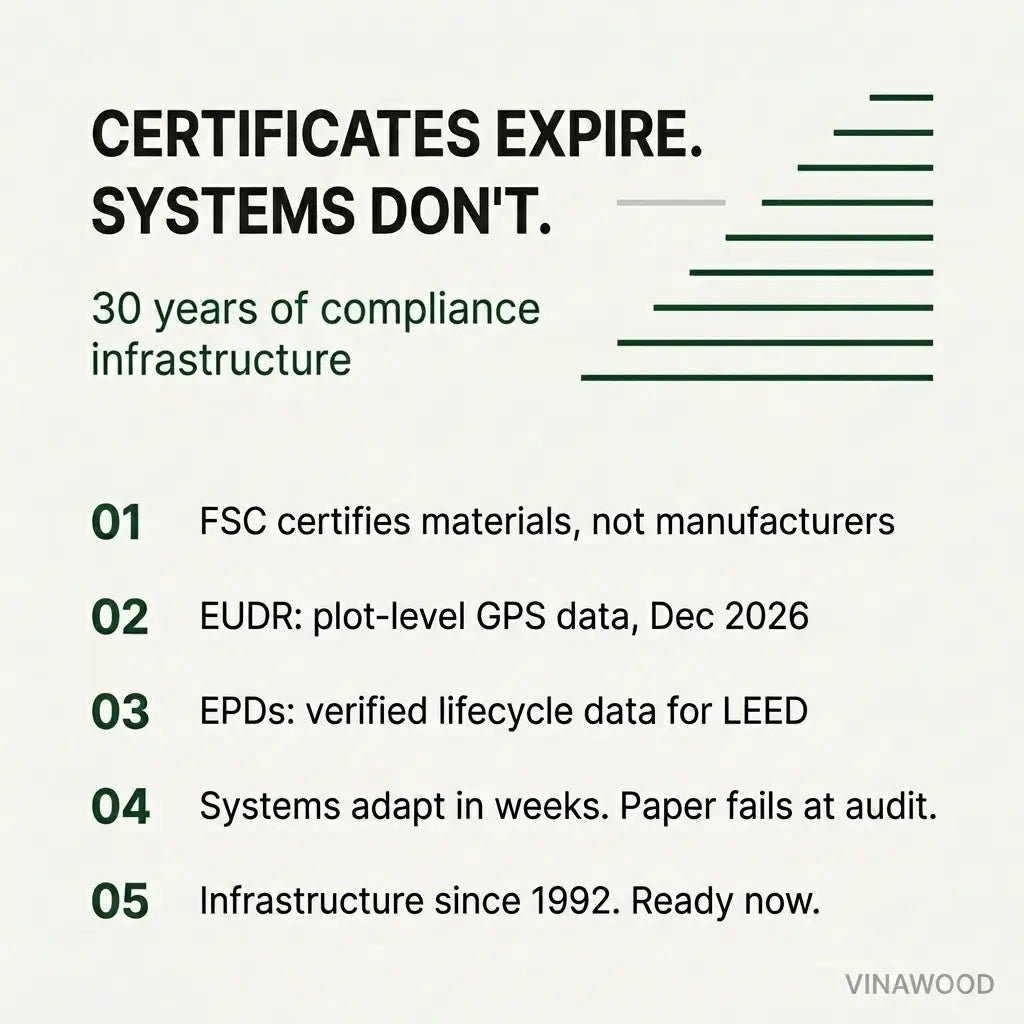
Plywood falls under the EU Deforestation Regulation, Regulation (EU) 2023/1115. The dates have moved more than once. After the latest amendment, Regulation (EU) 2025/2650, the main obligations apply from 30 December 2026 for large and medium operators and for traders, and small and micro operators get until 30 June 2027 for most products. Timber is the exception to that later date: plywood was already covered by the old EU Timber Regulation, so 30 December 2026 applies to small operators too.
FSC papers help with EUDR, but they don't replace it. Whoever first places the plywood on the EU market files the due diligence statement, and that statement needs the geolocation of the plots where the wood grew. Vietnam is on the Commission's low-risk list in Implementing Regulation (EU) 2025/1093, which allows simplified due diligence when everything in the product comes from low-risk countries. Simplified still means the operator collects the information, coordinates included. Our timber is plantation-grown, and we can send an EUDR documentation pack with the plot data for EU shipments on request. The statement itself is covered step by step in our EUDR compliance guide for plywood importers.
How to verify a supplier's FSC certificate
It takes about five minutes. Do it before you place a first order with anyone, then again once a year.
- Ask for the FSC certificate code and licence code. A certified supplier sends them without fuss, and they should match what's printed on invoices for FSC-claimed shipments.
- Search the code in FSC's public certificate database at info.fsc.org.
- Look at the product scope. The certificate lists the product groups it covers; plywood should be one of them.
- Check that the company named on the certificate is the company selling to you. A sister company holding the certificate isn't the same thing.
- Check the status. CoC certificates run for five years with surveillance audits at least once a year, and a certificate can be suspended or terminated in between. It has to show as valid on the date your goods are invoiced.
Fail any step and the claim can't be verified. Treat it as marketing until it can.
Common FSC misclaims to watch for
Wording is the first giveaway. Phrases like "FSC-ready" or "FSC-eligible" aren't FSC claims at all; usually they mean the supplier is working toward a certificate it doesn't hold yet, and nothing sold that way counts as FSC on your project.
Then there's the gap between a certified company and a certified order. A mill with a valid CoC certificate can still ship a particular lot outside its FSC system, for example when the veneer for that lot wasn't bought as certified material. That's exactly why the claim and code need to be on the invoice for your shipment, and not only on a website.
The last one is a label with nothing behind it. A sticker or stamp on a bundle, with no matching claim in the sales documents, proves very little. Auditors read the paperwork.
Sample RFQ wording
Feel free to adapt this for tenders and supplier enquiries:
"The supplier shall hold a valid FSC Chain of Custody certificate whose scope includes plywood and shall state the FSC claim and certificate code on the commercial invoice for every FSC-claimed shipment. Acceptable claims are FSC 100% or FSC Mix; FSC Controlled Wood alone is not acceptable. For deliveries to the European Union, the supplier shall provide the information the importer needs for its EUDR due diligence statement, including geolocation of the plots of production. For deliveries to the United States, panels or bundles shall be labelled TSCA Title VI compliant with the TPC number, and the invoice or bill of lading shall carry a TSCA Title VI compliance statement."
Putting this in writing before anyone talks price saves a lot of arguing later.
Vinawood's FSC certification and film-faced range
We hold FSC Chain of Custody certification, and our cores are plantation-grown Acacia and Eucalyptus from Vietnam. The grades and claim types available for a particular order are confirmed on the quotation, together with the certificate code that will go on the invoice. We've been making plywood since 1992 and now ship around 5,000 containers a year to more than 55 countries; our overview of certifications for Vietnam plywood exports covers the rest of the paperwork.
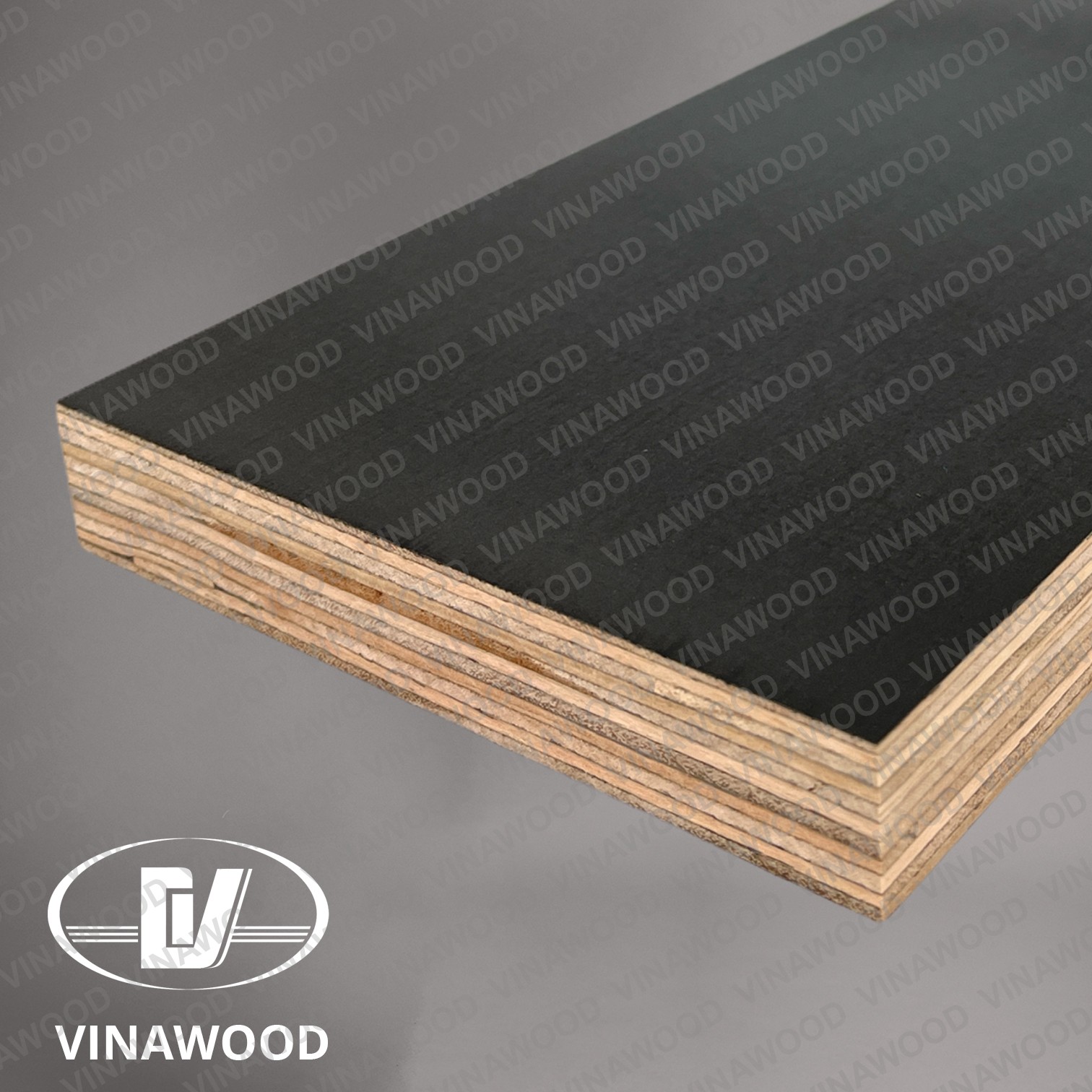
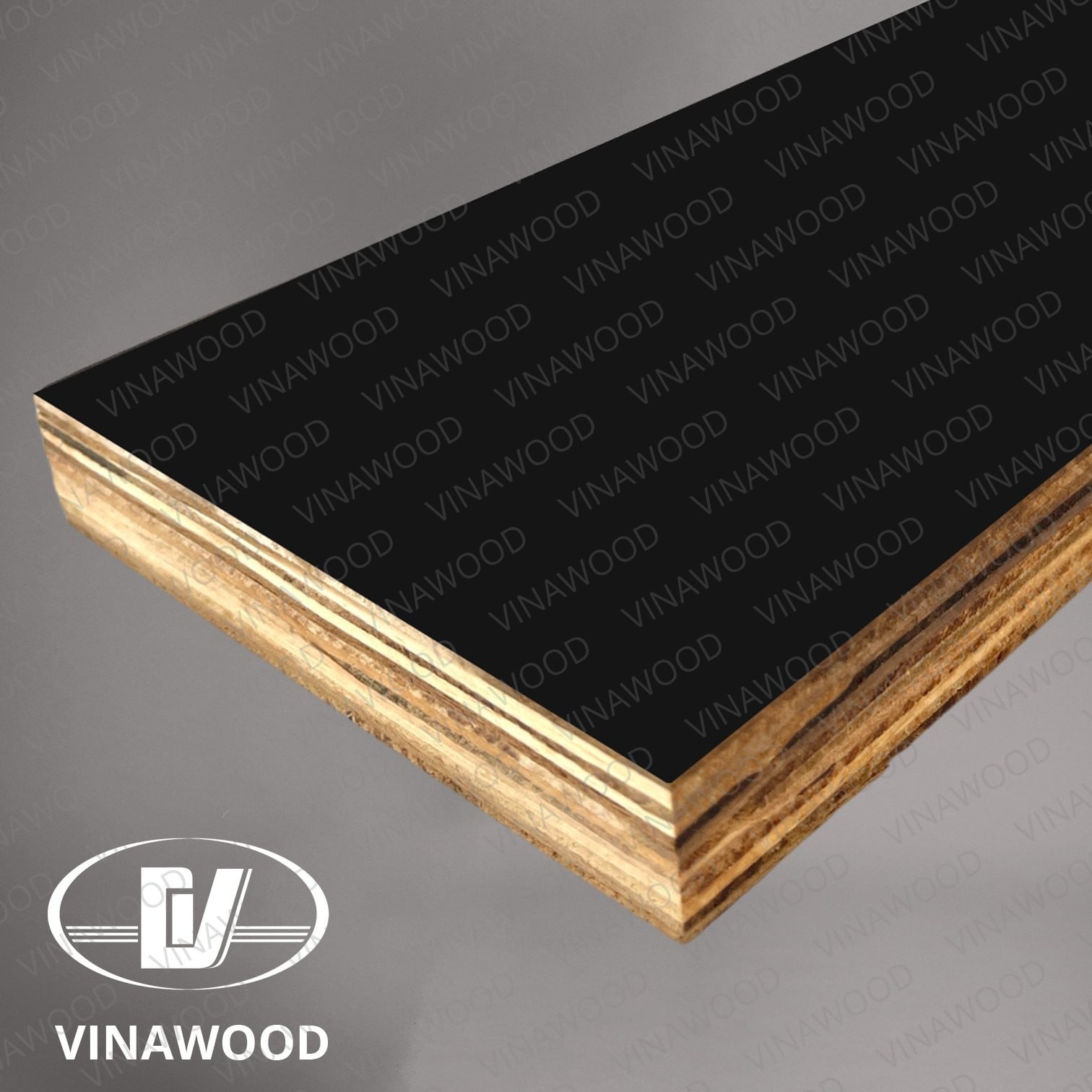
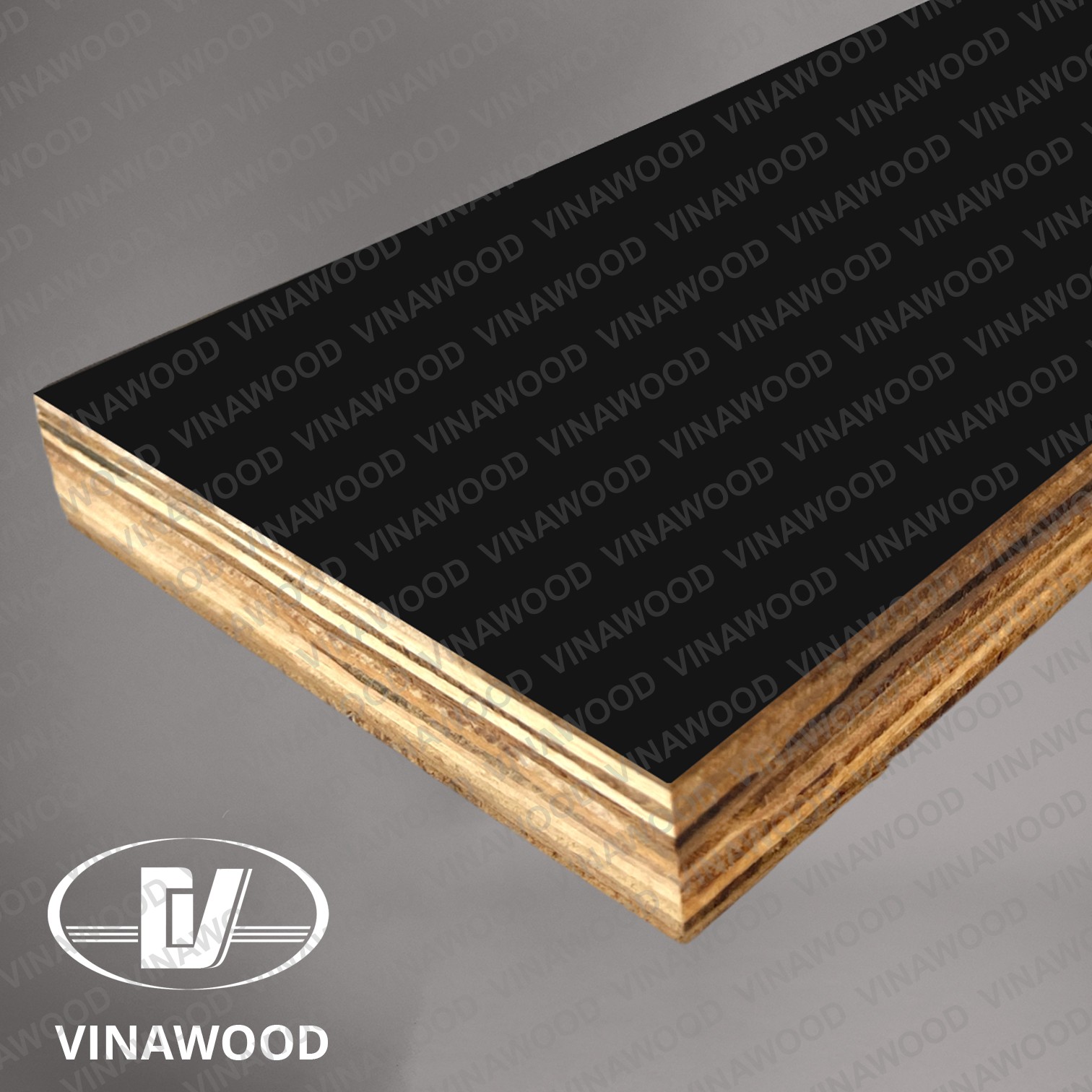
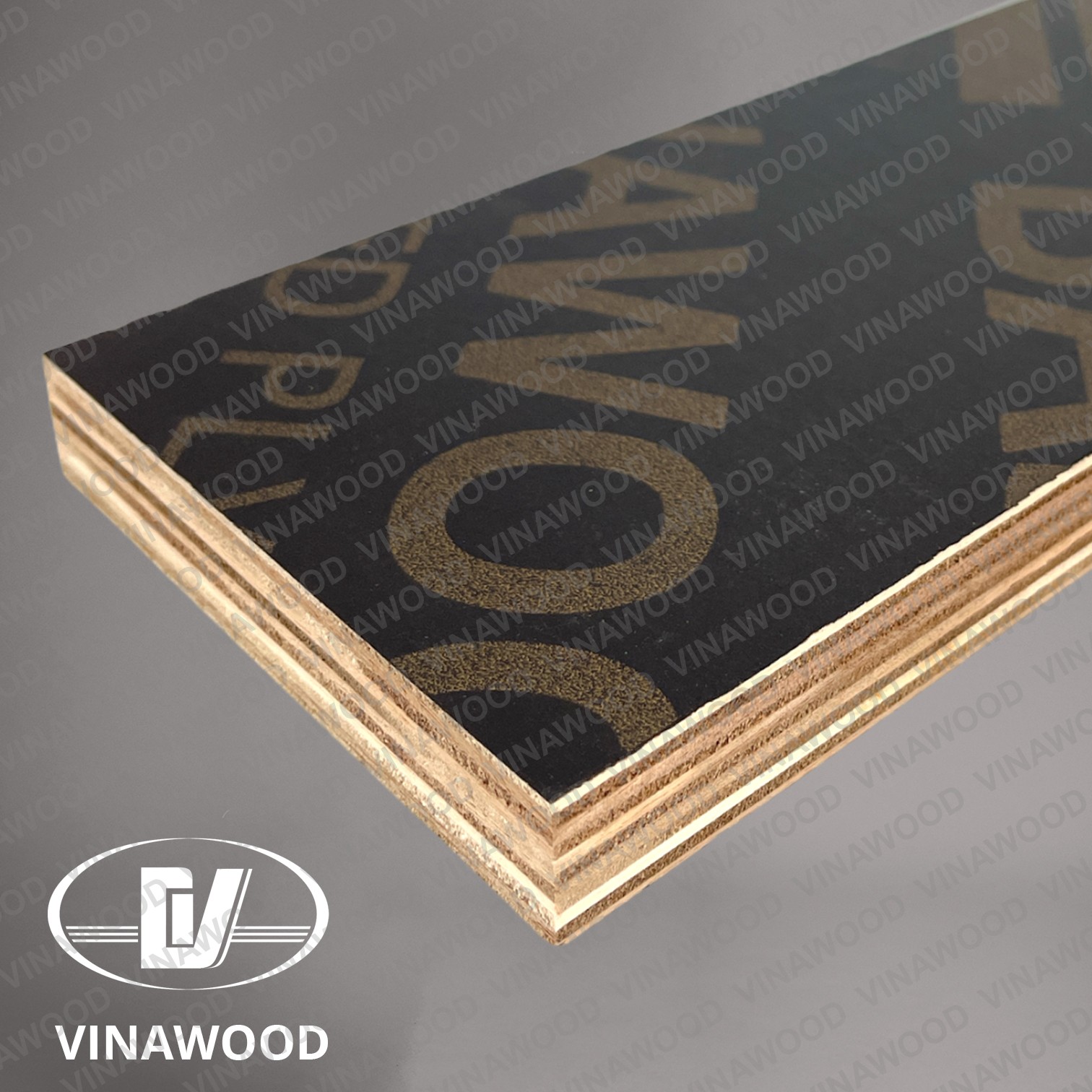
Our European and international film-faced range works as a ladder, and it's the core glue that separates the steps. Eco Form Plus is rated for up to 8 pours. Form Basic has an MUF (melamine-urea-formaldehyde) core and a 165 gsm phenolic face film at Class 2, rated for up to 10. Form Extra keeps the same face film but uses a stronger Superior Glue MUF core; it's still Class 2, not Class 3, and it's rated for up to 15. Pro Form Lite moves to a phenolic (PF) core at Class 3 for up to 15 pours, while Pro Form pairs a PF core with 125 gsm top-grade phenolic film at Class 3 and is rated for up to 20. All of them are in the film-faced plywood collection.
On a formwork order, FSC is really a paperwork habit. Ask for the code, check it, and make sure it's on the invoice for the lot you actually receive. When you're ready, send us your grades, sizes and FSC requirements for a quotation.
Category
guides
Related Countries
Related Products
▶Sources & References (4)
- FSC public certificate database — Forest Stewardship Council (2026)
- Regulation (EU) 2025/2650 amending Regulation (EU) 2023/1115 (EUDR) — Official Journal of the European Union (2025-12-23)
- Commission Implementing Regulation (EU) 2025/1093: EUDR country risk list — European Commission (2025-05-22)
- Formaldehyde Emission Standards for Composite Wood Products (TSCA Title VI) — US Environmental Protection Agency (2026)