Formaldehyde-Free, NAF & Low-Formaldehyde Plywood: What Buyers Should Ask For
Formaldehyde-free plywood is a marketing phrase — wood still releases trace formaldehyde. Ask for CARB P2 / TSCA Title VI, NAF, ULEF, F☆☆☆☆ or E1 by market. Vinawood formwork is PF/MUF low-emission, not NAF by default. Class 3 = Pro Form, Pro Form Lite, HDO Standard, HDO Premium.
Buyers still email "formaldehyde free plywood" as if it were a SKU. It is not. Wood releases trace formaldehyde from ordinary cellulose and lignin chemistry, so a true zero-emission sheet does not exist. What you can buy is a panel that clears a named emission limit. The right limit depends on the market the container opens into and the room the sheet will live in.
CARB Phase 2. EPA TSCA Title VI. NAF. ULEF. F☆☆☆☆. E1. Each one is a different ticket. A US cabinet RFQ is not a Japanese residential tender, and neither is an EU construction DoP. Vinawood has pressed plywood in Vietnam since 1992, ships about 5,000 containers a year to 55+ countries, and runs CARB P2 / TSCA Title VI, CE EN 13986, and F☆☆☆☆ paperwork on the lots that need them. This page is the map we wish arrived already filled on the RFQ.
Which emission standard you actually need
Start with the market and the room. A formwork face that only touches concrete does not need the same indoor-air story as a nursery cabinet carcass. Use the table as a short map, then read the rows against the job.
| Use case | Standard to write on the RFQ |
|---|---|
| Plywood sold in California | CARB Phase 2 (mandatory) |
| Plywood sold anywhere in the US | EPA TSCA Title VI (mandatory since March 2019) |
| LEED v4 / v4.1 Low-Emitting Materials credit | NAF or ULEF plus EPA TSCA Title VI |
| WELL Building Standard | NAF or ULEF |
| Japan and East Asian residential | F☆☆☆☆ (JAS four-star) |
| EU construction market | E1 under EN 13986 |
| Nurseries / asthma-sensitive interiors | NAF preferred |
"Formaldehyde-free" is brochure language. The technical neighbour is NAF: no added formaldehyde in the adhesive. Even NAF panels still release the wood's own background emission. Treat the brochure phrase as a prompt to ask which glue chemistry was pressed and which chamber or desiccator limit the mill actually cleared.
Why formaldehyde shows up in plywood at all
Plywood is veneer stacked across the grain. Those plies need a glue line that survives the press, the voyage, and a damp site. Industrial adhesives lean on formaldehyde chemistry to different degrees. Emission law watches that chemistry, not the wood brand on the packing list.
Urea-formaldehyde (UF) is the cheap interior system. Hardwood plywood, particleboard, MDF. UF is not water-resistant for wet pours, and it is the historical emission worry that drove regulation. UF interior panels remain the highest emission-risk plywood category.
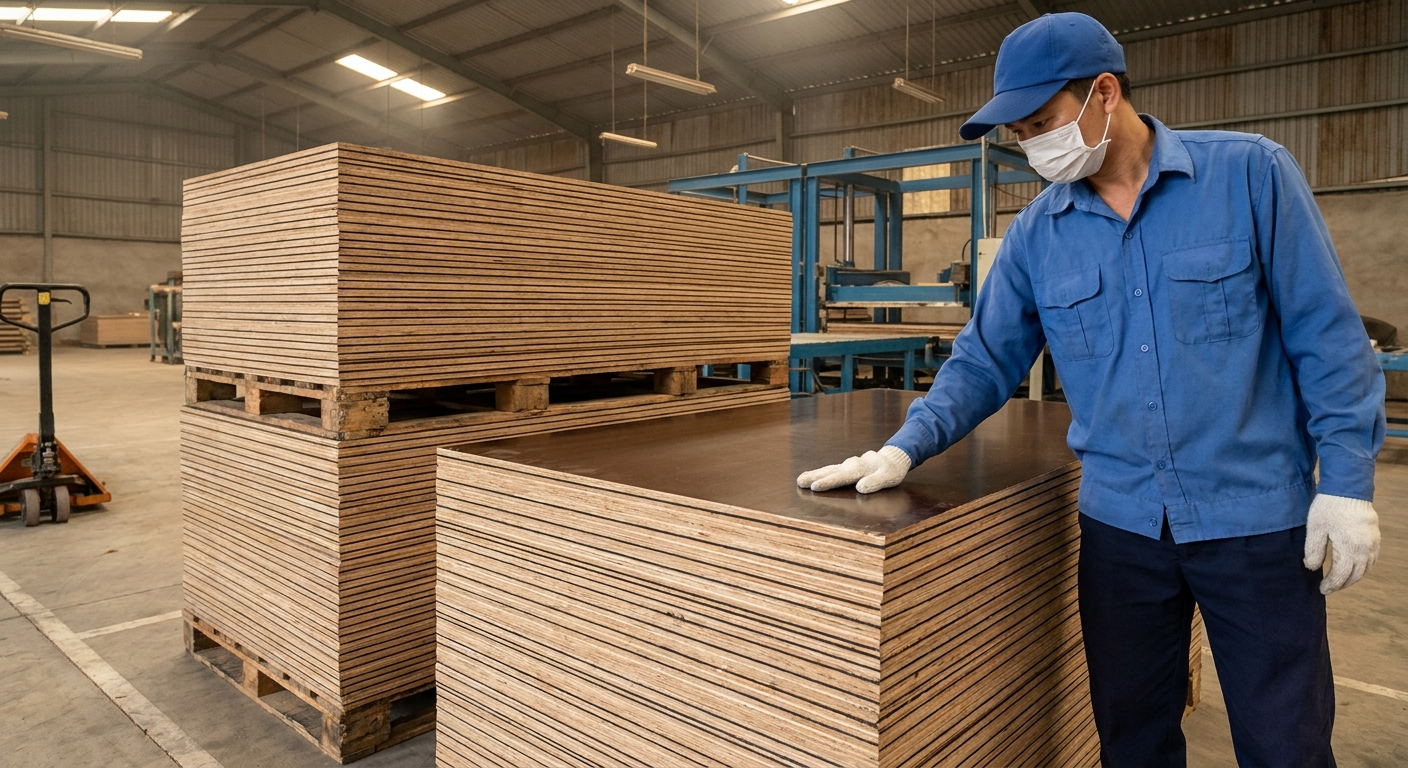
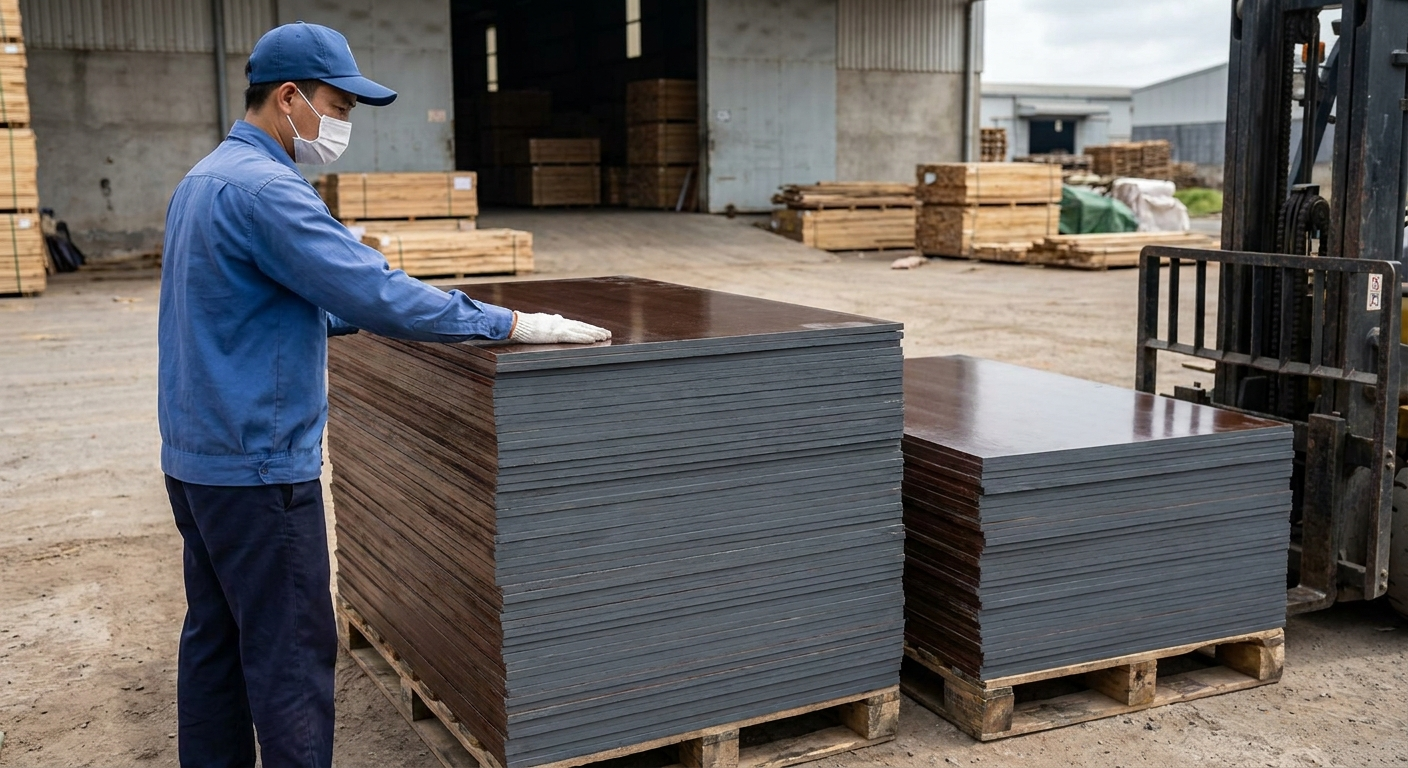
Phenol-formaldehyde (PF) is the structural and exterior glue. A cured PF line is water-resistant WBP chemistry. The thermoset cross-link stays stable after the press, so free formaldehyde from well-cured PF formwork plywood typically sits below CARB P2 without a special recipe. Film-faced formwork and HDO overlays use PF in the core when Class 3 is on the quote.
Melamine-urea-formaldehyde (MUF) is the core resin in EN 636-2 / Class 2 film-faced grades such as Form Basic, Form Extra, and Eco Form Plus. Write "core MUF" on the RFQ. Do not leave bare "melamine" for the broker to guess. That word also means a lighter face film and a printed decorative laminate on furniture carcasses. Emissions sit between UF and PF. Properly formulated MUF usually meets CARB P2, though it is not as inherently low-emission as cured PF.
Soy, MDI, and polyurethane are the NAF systems. No added urea, melamine, or phenol formaldehyde in the glue. That is the chemistry behind most cabinet panels sold as formaldehyde-free.
People forget the wood background. Untreated logs release tiny amounts of formaldehyde too. The realistic floor is that natural emission, well below the health thresholds baked into the regulated standards. You cannot buy zero-formaldehyde plywood. You can buy low-emission certified plywood.
The standards landscape in plain language
CARB Phase 2 is mandatory for plywood sold in California. Veneer-core hardwood plywood is capped at 0.05 ppm, with separate limits for particleboard and MDF. You need a CARB-recognised third-party certifier and a TPC number on the panel.
EPA TSCA Title VI is the federal US twin of CARB P2. It took effect 22 March 2019. Limits and certification rules are harmonised. It covers composite wood sold anywhere in the United States.
NAF means the adhesive has no added formaldehyde. Once the adhesive system is verified, NAF panels can sit outside routine TPC under CARB P2 / TSCA Title VI, but mills still test. It is the strictest practical formaldehyde tier in mainstream production.
ULEF (Ultra-Low Emitting Formaldehyde) is a formaldehyde-based glue — UF, MUF, or PF — proven to sit below the CARB P2 limit by a defined margin. Reduced TPC frequency is possible. On most indoor-air credits, ULEF and NAF behave the same way.
F☆☆☆☆ is Japan's strictest published JAS tier. Desiccator limit: 0.3 mg/L average, 0.4 mg/L peak. That is the usual ticket into Japanese residential and commercial construction.
E1 under EN 13986 is the EU construction floor. EN 717-1 chamber test at 0.124 mg/m³. Some sustainability buyers ask for voluntary E0. E2 is effectively out of residential use. For Annex XVII Entry 77 film-faced detail (0.062 mg/m³), read REACH plywood film-faced EU compliance instead of cloning that whole page here.
Formaldehyde-free, NAF, and low-formaldehyde: what the labels buy you
A "formaldehyde-free" stamp on a brochure usually intends NAF. It does not mean zero emission. Ask for the adhesive datasheet before you treat the stamp as a binding spec.
NAF itself is the technical term: soy, MDI, or polyurethane chemistry. "Low formaldehyde" often just means CARB P2 / TSCA Title VI compliant. That is the legal floor for US sales, not a premium tier. ULEF is a defined sub-tier under that floor.
On our RFQs the practical rule is short. If the buyer wrote "formaldehyde-free," ask whether they mean NAF chemistry or merely regulated low emission. Then ask for the current TPC number and the mill test report for the batch.
Phenolic formwork glue is already a low-emission path
Cabinet-only buyer guides underplay this. Cured PF is a stable thermoset. After the press cycle, free formaldehyde from PF-bonded formwork plywood stays low — typically under CARB P2, often inside ULEF range — without a special NAF recipe. That is why film-faced and HDO formwork lines usually carry CARB P2 / TSCA Title VI, E1, and F☆☆☆☆ as export paperwork rather than as a rush upgrade.
The elevated-emission story still attaches mainly to UF-bonded interior hardwood panels, not to PF-bonded structural and formwork sheets. For the deeper PF chemistry context, see phenolic plywood. When an RFQ mixes core MUF with phenolic face film, name both layers. Core resin and face film are different decisions. Melamine vs phenolic film-faced plywood walks that split.
How emissions are measured without mixing units
Three measurement families dominate certification. They do not convert cleanly. ppm is CARB / EPA language — 0.05 ppm for veneer-core hardwood plywood under Phase 2. mg/m³ is the European EN 717-1 chamber method — E1 at 0.124 mg/m³. mg/L is the Japanese desiccator method — F☆☆☆☆ at 0.3 mg/L average and 0.4 mg/L peak.
Chamber, desiccator, and gas-analysis setups measure different things. Approximate cross-walks are fine for education, not for compliance. A panel that clears CARB P2 / TSCA Title VI is broadly acceptable across US, EU, and much of Asia for formwork programmes. F☆☆☆☆ and EN 13986 E1 remain the Japan- and EU-specific tickets. Multi-region mills usually certify to all three so they are not running separate inventories for every flag.
How to verify a supplier's formaldehyde claim
The ink on the sheet is not the certificate. The certificate lives with the certifying body and in a public registry. Find the TPC number on the face or edge for CARB P2 / TSCA panels. Search the EPA TSCA Title VI registry or the CARB-recognised certifier list. Confirm the certificate is still valid.
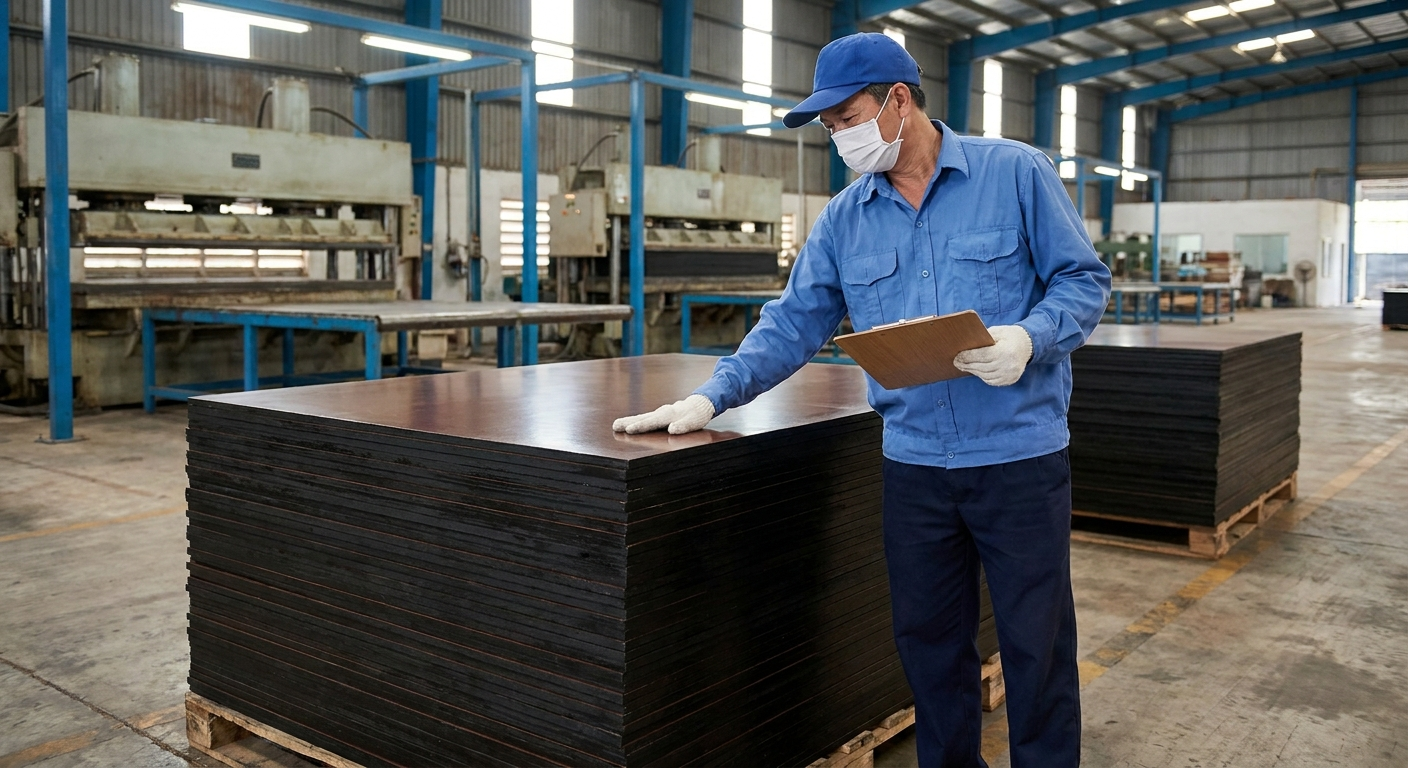
Ask for the mill test report for the production batch. Reports older than twelve months without renewal paperwork should slow the PO. Confirm scope: face, back, and adhesive system. For NAF claims, ask for the adhesive supplier datasheet naming soy, MDI, or polyurethane. NAF is easy to write on a quote and harder to prove without that sheet.
Red flags I still see on inbound RFQs: missing TPC numbers, vague "low VOC" language with no named standard, stale certificates, and NAF claims with no adhesive datasheet. The label alone is never enough.
What Vinawood ships, and what is not NAF by default
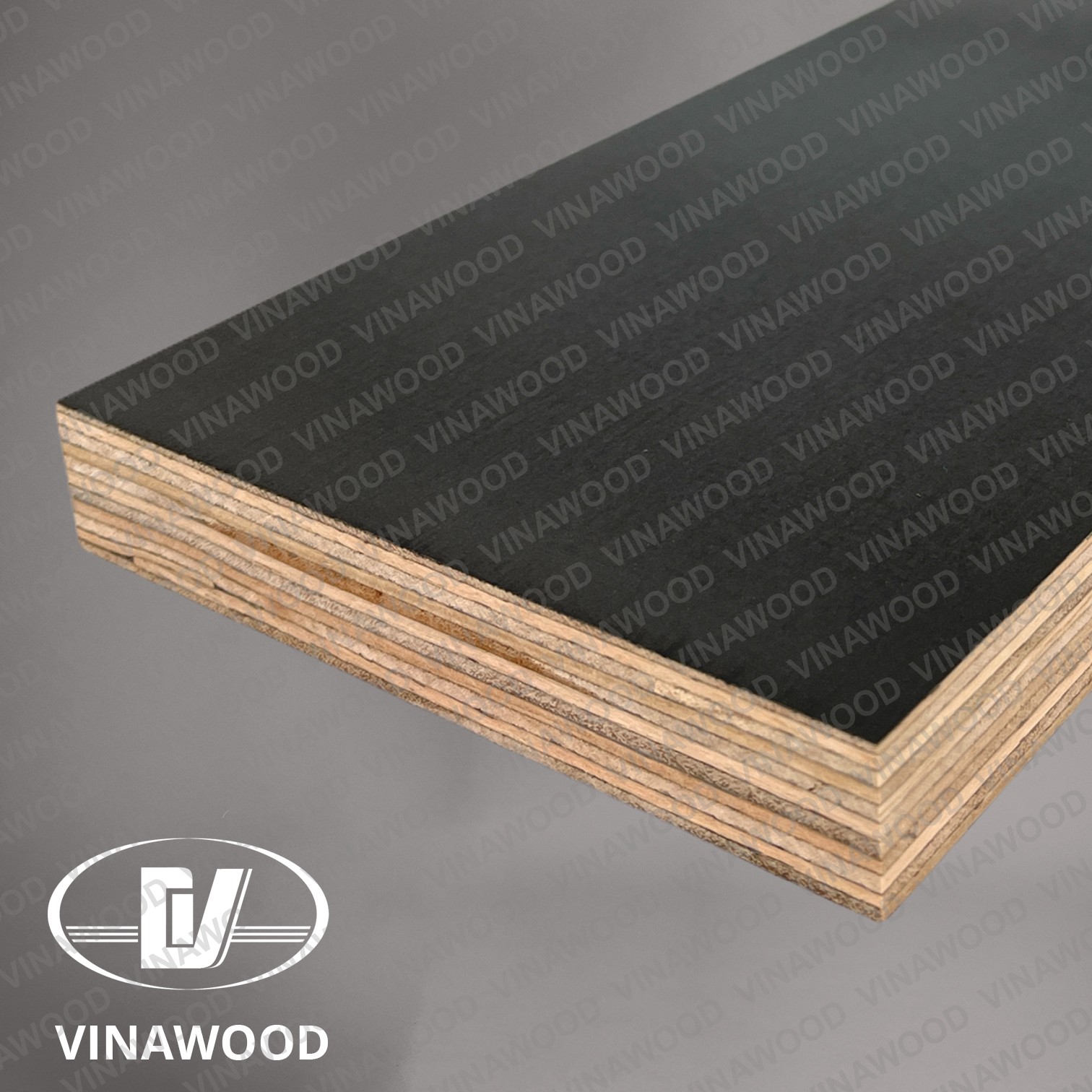
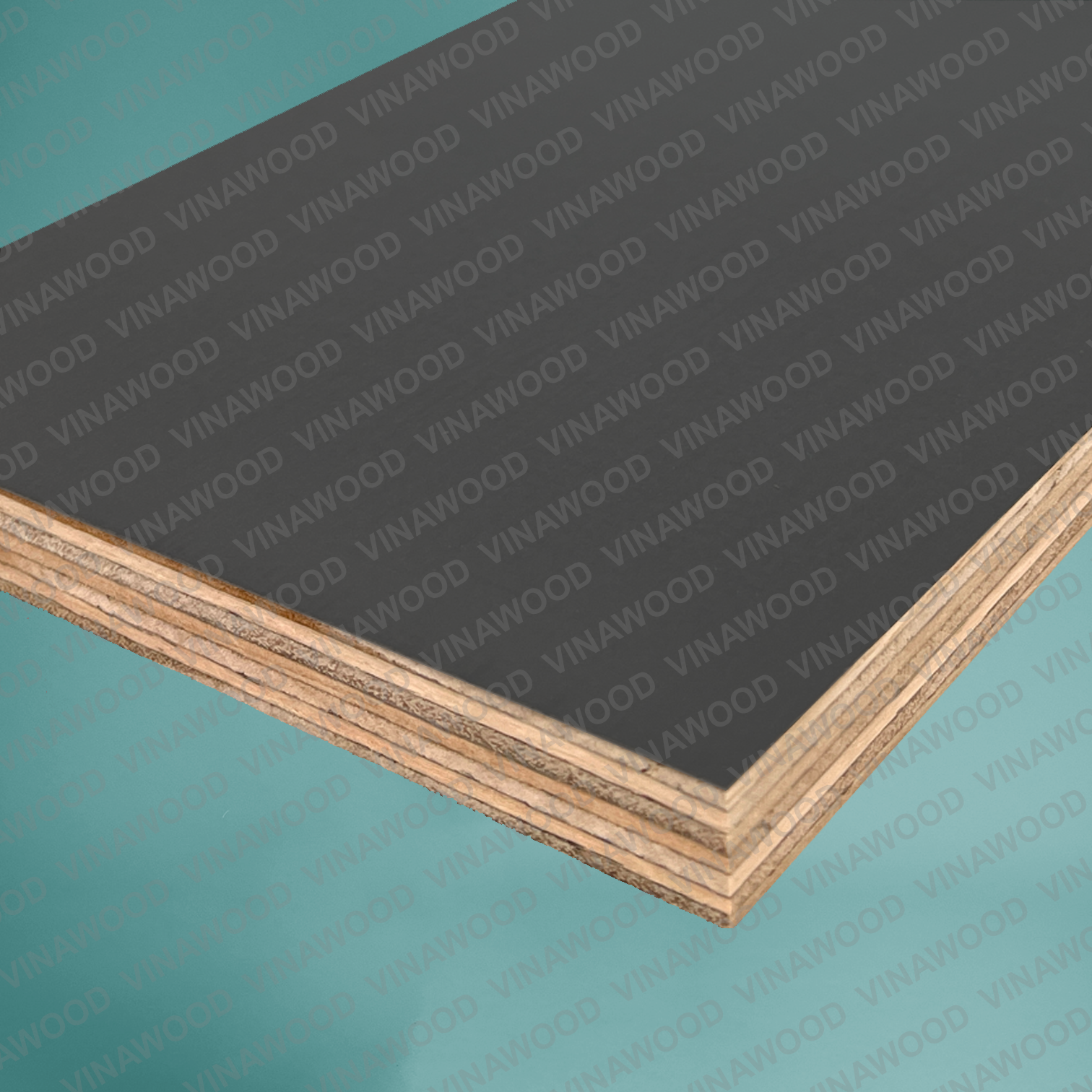
Vinawood film-faced and HDO formwork lines use WBP phenolic (PF) or core MUF systems depending on grade. Class 3 phenolic / EN 636-3 covers Pro Form, Pro Form Lite, HDO Standard, and HDO Premium only. HDO Basic is Class 2. Form Basic, Form Extra, and Eco Form Plus are core MUF at EN 636-2. Form Extra is Superior Glue MUF with the same phenolic face film as Form Basic — not a Class 3 glue. Pro Form Lite sits between Form Extra and Pro Form as a PF / Class 3 grade with 165 g/m² phenolic face film. P-Form is polypropylene overlay, not Pro Form. Consply is commercial Bintangor, not film-faced. Certification context lives on top certifications for Vietnam plywood exports.
Standard export paperwork across the formwork range includes CARB Phase 2 / EPA TSCA Title VI for North American lots, CE marking under EN 13986 (E1) for European lots, F☆☆☆☆ on dedicated Japanese-market runs, and FSC-COC when the project asks for chain of custody. Honesty line: standard Vinawood formwork is PF or MUF low-emission and meets those regulated floors. It is not NAF unless a separate NAF quote is requested. Per-product TPC numbers and batch reports ship with the sales pack on request.
US-market HDO grades with CARB P2 / TSCA Title VI sit in the HDO plywood collection. Global film-faced grades sit in the film-faced plywood collection.
Choosing the standard for the job
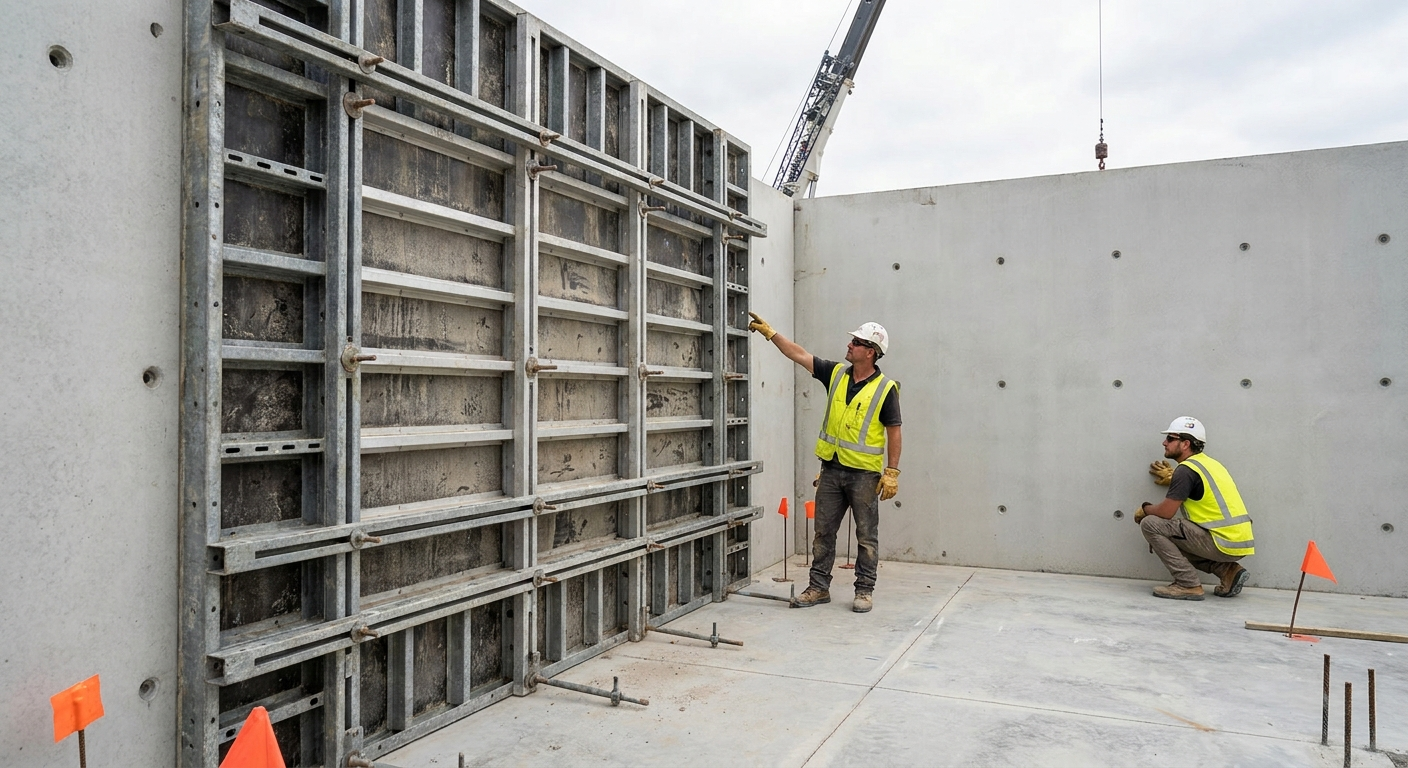
Construction formwork. CARB P2 / TSCA Title VI is usually enough. Phenolic-bonded film-faced and HDO panels meet that comfortably, and the face contacts concrete rather than occupied indoor air.
Cabinetry and furniture in homes. Prefer ULEF or NAF, especially in nurseries, bedrooms, and kitchens where people breathe the face for years. Healthcare, schools, and WELL projects increasingly write NAF into the finish schedule.
LEED v4 / v4.1. The EQ Low-Emitting Materials credit wants NAF or ULEF. EPA TSCA Title VI alone is the regulatory floor and does not earn that credit.
Japan. Write F☆☆☆☆. EU construction. Write E1 on the EN 13986 DoP, and soft-check Entry 77 when the lot is film-faced for the Union market.
Formaldehyde rules look messy because one idea — how much formaldehyde leaves the panel into air — is measured three ways under three national frameworks. Pick the standard that matches the buyer's market and room. Request the TPC number plus a current mill test report. Verify against the public registry. Vinawood has been pressing plywood in Vietnam since 1992. Ready stock for local distributors sits in Toronto, Vancouver, Calgary, Montreal, Miami, Houston, and Baltimore. Send the emission class, bond class, and overlay on the /rfq or quotation form. No list prices here. The lot closes on the certificate, not on the brochure adjective.
Category
guides
Related Markets
Related Countries
Related Products
▶Sources & References (5)
- TSCA Title VI Formaldehyde Emission Standards for Composite Wood Products — US Environmental Protection Agency (2024)
- Composite Wood Products Airborne Toxic Control Measure (CARB ATCM Phase 2) — California Air Resources Board (2024)
- EN 13986:2004+A1:2015 — Wood-based panels for use in construction — European Committee for Standardization (CEN) (2015)
- EN 717-1:2004 — Wood-based panels: Determination of formaldehyde release — European Committee for Standardization (CEN) (2004)
- LEED v4.1 EQ Credit: Low-Emitting Materials Reference Guide — US Green Building Council (2023)