Maple Plywood: Is maple plywood good?
Maple plywood is an ideal choice for constructing floors, walls, and furniture due to its various properties. It is affordable, durable, and has an outer surface that is attractive without being overly flashy. Despite being reasonably priced, maple plywood products are often expensive and favored…
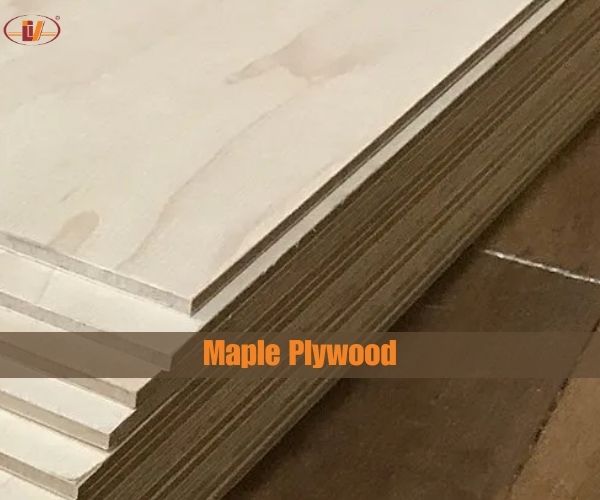
Maple plywood shows up a lot in cabinet shops for a boring reason: the face looks clean, the panel holds screws, and the price usually sits under solid maple. Not flashy. Just useful. Vinawood gets asked about it often enough that this page covers what the panel actually is, where it fits, and where it fights you.
> Read more: purple heart wood, clapboard, what is a board foot, cross laminated timber, how far apart are wall studs, fire rated plywood, kiln dried wood
What Is Maple Plywood?
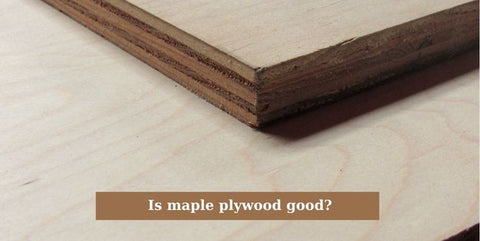
Maple plywood is a cross-banded panel with a maple face veneer glued over a core that is often birch or poplar. The face is the show wood. The core does the structural work. You get a flat sheet that resists warping better than a solid maple board of the same width, and you still get that pale, tight maple look on the outside.
Key Features of Maple Plywood
- Look: Closed grain, few knots, takes paint without the wild figure you see in oak. Stain works too if you precondition first.
- Strength: Cross-layers keep the sheet stable. Edge screw-holding is better than particle board and usually better than cheap softwood plywood.
- Workability: Cuts clean on a table saw. Routes without tearing out much if your bit is sharp. Sands fast.
- Finish range: Clear coat, stain, or paint. Dense maple can blotch under stain — conditioner first, or you chase streaks all afternoon.
Common Applications
- Cabinetry: Kitchen boxes and vanity faces where a smooth maple look is the brief.
- Furniture: Tables, desks, dressers that need a hard face without buying solid maple for every panel.
- Architectural woodwork: Wall panels, custom trim, built-in shelves.
- Drawer boxes: Smooth interior face, strong sides. Shop favorite for that reason.
Is maple plywood good?
Yes — for indoor work. It lasts, it looks calm, and it costs less than solid maple for large panels. The face is hard enough for daily cabinet wear. Skip it for wet outdoor exposure; that is a different panel conversation.
> Read more: plywood oriented strand board, roof plywood, plywood projects, pressure treated plywood, floor joist spacing
Which is better oak or maple plywood?
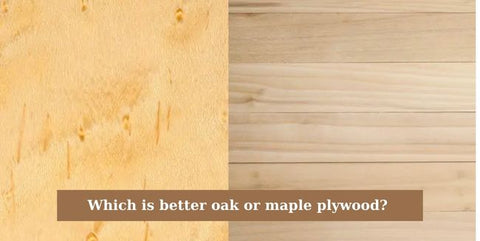
Depends what you want to see every day. Oak shows open grain and a stronger figure. Maple sits quieter — denser, tighter, a bit harder under fingernail scratch tests in the shop. For kitchen cabinets that need a smooth painted or lightly stained face, maple often wins. For a traditional grain statement, oak still wins a lot of bids.
Can maple plywood get wet?
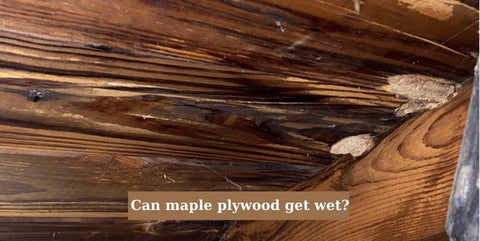
Short answer: do not leave it wet. Like most interior plywood, long moisture exposure makes the face swell and can open the glue lines. Store sheets flat, off the ground, under cover. If a panel sits outdoors in rain before install, you are gambling. Seal edges and faces for any damp indoor zone, and pick a water-resistant bond class if the room sees steam.
> Get more details: composite decking colors, hardwood vs softwood, wood structure, bathroom subfloor, how to build a wood truss
What is the difference between birch and maple plywood?
Buyers mix these up because both are pale hardwood faces. The differences that show on a finished cabinet:
- Color
- Maple: Cream to light reddish cast, sometimes with soft figure.
- Birch: Usually lighter and more even, less pink.
- Grain
- Maple: Can wave a little. Looks busier under a clear coat.
- Birch: Straighter, quieter grain. Good when you want the finish, not the figure.
- Surface feel
- Maple: Very smooth after fine sanding; polish goes glossy fast.
- Birch: Still smooth, just a touch less glassy in the same grit sequence.
Pick maple when you want that classic North American maple look. Pick birch when Baltic-style cores and a flat pale face matter more for the build.
> Read more: laminate flooring, hardwood flooring, baltic birch plywood, ACX plywood, BBOES plywood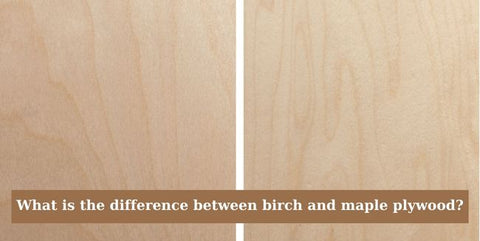
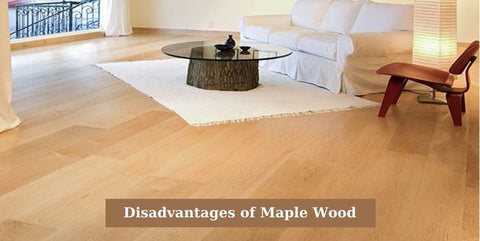
Disadvantages of Maple Wood
Maple earns praise for hardness. It also has real drawbacks shops bump into.
1. Humidity swings
Solid maple moves with moisture. Plywood moves less, but a maple face can still check or open at edges if the room goes from bone-dry winter heat to summer steam. Acclimate the sheets. Seal both faces when you can.
2. Dents and scratches
Harder than pine. Still not armor. Drop a cast-iron pan on a maple countertop panel and you will see it. High-traffic floors need a tough finish schedule.
3. Price
Clear maple faces cost more than paint-grade softwood plywood. For large runs of boxes, that premium adds up. Some shops use maple only on doors and drawer fronts, then paint-grade elsewhere.
4. Upkeep
Clear-finished maple likes periodic cleaning. Skip harsh cleaners. Re-coat worn spots before the face grays.
5. Blotchy stain
Dense grain drinks stain unevenly. Conditioner or gel stain fixes most of it. Skipping that step is how you get tiger stripes.
> Discover more: softwood types, 3/4 vs 5/8 thickness, density of plywood, wood and plywood, what size plywood for mobile home floor, which plywood is best for wardrobe
Will maple plywood warp?
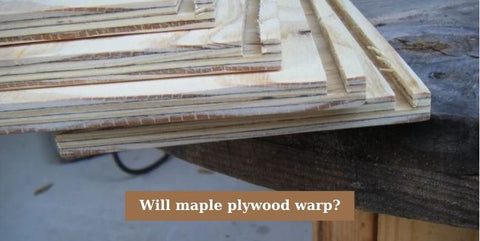
Less than solid maple of the same size. Cross-banding helps. Store sheets flat with stickers, keep both faces sealed, and avoid one-sided finishes on large panels. Delamination is the bigger failure mode when glue or storage goes wrong — not classic cupping alone.
> Learn more: how thick should subfloor be, types of wallboard, film faced plywood, using plywood outside, plywood manufacturers in usa
Can maple plywood be used outside?
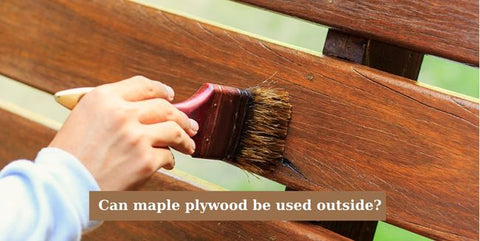
Not as a default exterior panel. Interior maple faces and common interior bonds are not built for rain cycles. For outdoor or wet service, look at exterior-rated or marine-bond panels in species and overlays meant for weather. Maple belongs indoors unless you have a specialty exterior-rated maple product and a full sealing system — rare on commodity shelves.
> Explore further: hardwood flooring, luan underlayment, plywood projects, which country has best plywood
FAQs About Maple Plywood
Can you stain maple plywood?
Yes. Use conditioner first. Maple blotches without it.
Is maple plywood good for kitchen cabinets?
Yes. Stable core, hard face, clean look. That is why so many kitchen shops stock it.
What is the difference between maple veneer and solid maple?
Veneer is a thin maple face on a plywood core. Solid maple is a solid board. Veneer panels stay flatter across wide widths and cost less for large doors and sides.
Does maple plywood warp?
It resists warping better than solid maple because of the laminated core. Bad storage still ruins good sheets.
That covers the usual maple-vs-birch and maple-vs-oak plywood questions we hear. For more panel guides, browse Vinawood’s site.
- Can you stain pressure treated wood
- What is CDX plywood
- What is the best outdoor plywood
- Plywood for cabinets
- How to waterproof plywood
VINAWOOD – Vietnam Plywood Supplier & Manufacturer