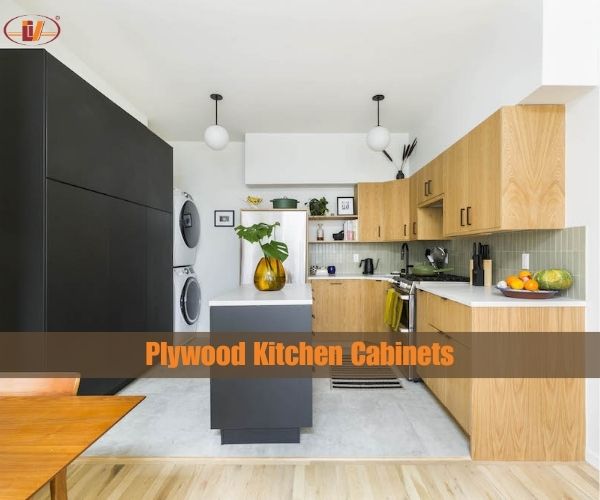
Marine Plywood for Kitchen Cabinets: Pros, Cons & Alternatives
Is marine plywood worth the premium for kitchen cabinets? A balanced guide covering the pros and cons, BWP vs BWR comparison for India, marine vs cabinet-grade for the US, and when marine grade actually makes sense in a kitchen.
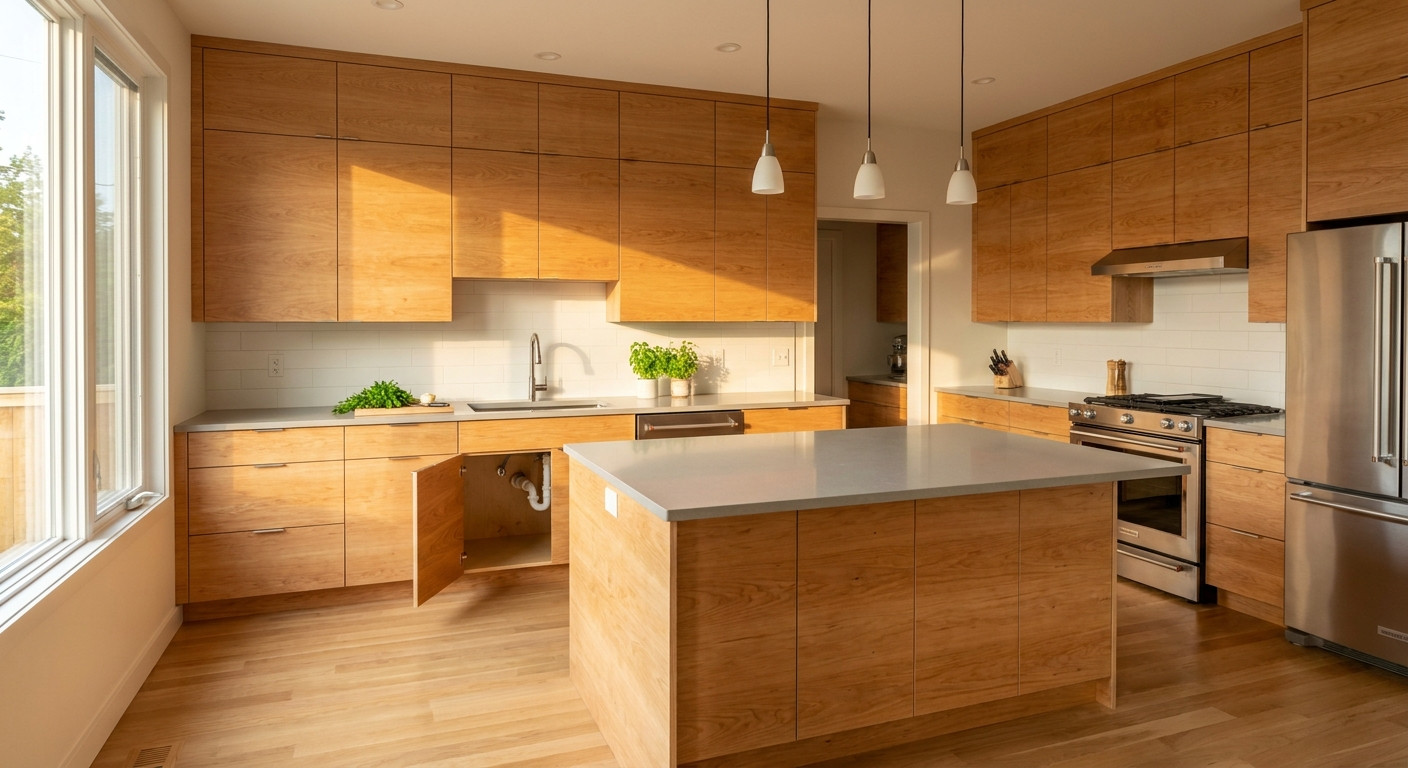
Marine plywood for an entire kitchen is almost always a wasted budget — typically 40-80% over standard cabinet-grade and engineered for water immersion that no indoor kitchen ever sees. The right answer for most homeowners is BWR plywood (India) or cabinet-grade hardwood with Type II adhesive (US), with marine grade reserved for two or three under-sink cabinet positions where the moisture exposure actually matters. This guide unpacks when that math flips and marine grade is justified, and how to read the spec without paying for protection you'll never use. For a general overview of using plywood for kitchen cabinetry, see the plywood kitchen cabinets guide.
What Makes Plywood "Marine Grade"?
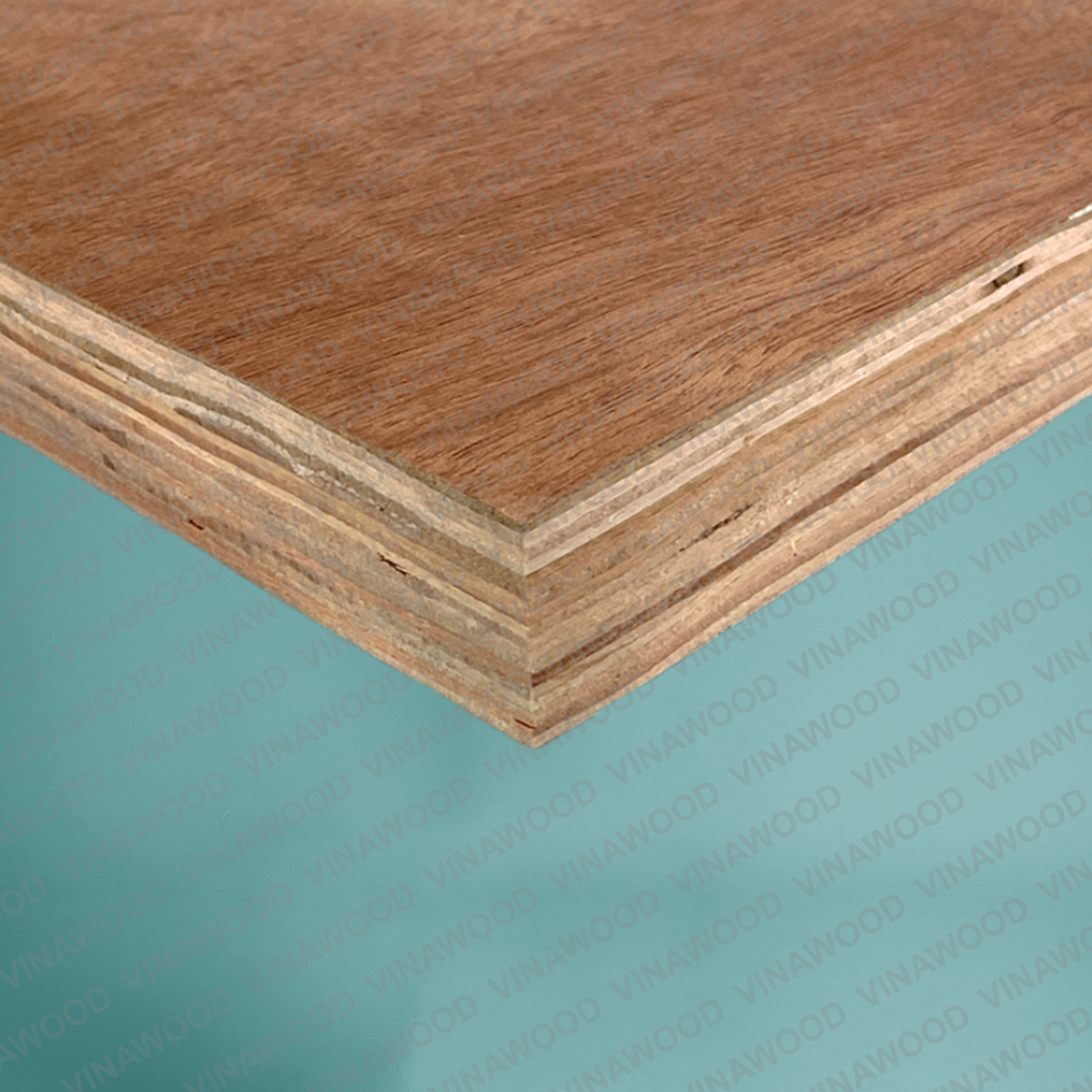
Three characteristics define marine plywood. WBP phenolic adhesive that survives boiling water immersion without delamination. A void-free core with no internal gaps. Tropical hardwood species with adequate density. The governing standards are IS 710 BWP in India and BS 1088 internationally.
The key property that matters for kitchens is the adhesive water resistance. The WBP bond will not fail from moisture exposure. However, most kitchen moisture exposure is intermittent splash and ambient humidity, not sustained immersion. Marine plywood is engineered for boat hulls and dock structures where panels are submerged for years. A kitchen sink cabinet sees a fraction of that moisture exposure.
For the full technical background on marine plywood standards and construction, see what is marine plywood.
Pros of Marine Plywood for Kitchen Cabinets
Superior adhesive water resistance. The WBP phenolic glue lines won't delaminate from kitchen humidity, steam, or water splashes — even over decades of use. This is the single strongest argument for marine plywood in kitchens.
Void-free core. Every veneer layer is tightly laminated with no internal gaps. This provides consistent screw-holding strength across the entire panel — important for cabinet hinges and shelf supports that bear weight over many years.
High dimensional stability. The dense tropical hardwood core and waterproof adhesive resist the expansion and contraction that humid kitchen environments cause in lower-grade plywood. Doors and drawers are less likely to stick or warp seasonally.
Exceptional lifespan. Marine plywood is designed to handle conditions far harsher than any indoor kitchen. When used for cabinets, the panel will outlast virtually every other component in the kitchen.
Cons of Marine Plywood for Kitchen Cabinets
Significant cost premium. Marine plywood typically costs 40–80% more than standard cabinet-grade plywood. For a full kitchen with 15–20 cabinet boxes, this premium adds up to a substantial additional cost. Often hundreds or thousands of dollars for a level of moisture protection most kitchens don't require.
Overkill for most indoor kitchens. Kitchens have intermittent moisture from cooking steam and sink splashes. They don't experience sustained water immersion. The WBP adhesive and void-free core are engineered for permanent marine exposure, a specification that exceeds kitchen requirements by a wide margin.
Limited face veneer options. Marine plywood typically uses tropical hardwood face veneers (meranti, okoume, eucalyptus) rather than the decorative species (maple, cherry, walnut, birch) commonly used for kitchen cabinetry. Most marine plywood cabinets will need a laminate, veneer, or paint finish to achieve the desired appearance.
Heavier than standard plywood. The dense tropical hardwood species required by marine-grade standards result in heavier panels compared to standard cabinet-grade plywood at the same thickness. This can complicate installation, particularly for wall-mounted upper cabinets.
Label misuse risk. Particularly in India, the "marine plywood" label is sometimes applied to panels that don't meet IS 710 standards. Buyers may pay a premium for the marine label without receiving genuine marine-grade quality. Always verify through adhesive visual inspection and test certificates.
Marine Plywood vs BWR Plywood for Kitchens — India
Indian homeowners face a specific choice between BWP (Boiling Water Proof, IS 710) and BWR (Boiling Water Resistant, IS 303) plywood grades. Understanding the distinction helps avoid overspending on unnecessary marine-grade performance.
BWR plywood (IS 303) uses a moisture-resistant adhesive that withstands humid conditions and intermittent water exposure without delaminating. It's tested under less aggressive conditions than BWP but provides adequate protection for the moisture levels found in typical residential kitchens. BWR plywood from a reputable Indian brand is usually sufficient for kitchen cabinet construction.
BWP plywood (IS 710) is the genuine marine grade. WBP phenolic adhesive, void-free core, boiling water test compliance. It provides the highest level of moisture protection available in plywood but at a corresponding price premium over BWR.
For most Indian residential kitchens, BWR plywood is the practical choice. BWP marine grade is justified in specific situations: kitchens in coastal high-humidity zones (Mumbai, Chennai, Kochi), under-sink cabinets with frequent water exposure from plumbing, and commercial kitchen environments with regular washdowns. For detailed adhesive testing methods, see the WBP glue guide.
Marine Plywood vs Cabinet-Grade Plywood for Kitchens — US
In the United States, "cabinet-grade" hardwood plywood with decorative face veneers (maple, birch, cherry, walnut) is the standard material for kitchen cabinet construction. These panels use interior or Type II adhesive, adequate for indoor kitchen moisture levels.
Marine-grade plywood (BS 1088 compliant) is rarely used for kitchen cabinets in the US for practical reasons: it costs significantly more, offers limited decorative face veneer options, and provides moisture protection that exceeds indoor kitchen requirements.
US homeowners might consider marine plywood in three scenarios: outdoor kitchens (permanent weather exposure), boat galleys (genuine marine environment), and kitchens in extremely humid climates (coastal Florida, Hawaii) where sustained high humidity approaches marine conditions.
For moisture-prone areas within a standard US kitchen, a better alternative is exterior-grade hardwood plywood with Type I adhesive. This provides WBP-level moisture resistance without the marine-grade premium or the tropical hardwood species restriction. It's available with the decorative face veneers that US cabinet design requires.
Where Marine Plywood Makes Sense in a Kitchen
Rather than building an entire kitchen from marine plywood, a more cost-effective strategy is using marine grade selectively in the cabinet positions that actually experience significant moisture exposure.
Under-sink cabinets are the strongest candidate for marine plywood. These cabinets face direct and frequent water exposure from plumbing connections, potential leaks, and daily use. A marine-grade cabinet box in this position provides genuine protection where it matters most.
Cabinets adjacent to dishwashers experience steam and splash from the dishwasher's wash and dry cycles. Marine plywood resists the repeated humidity cycling in this zone better than standard grades.
Kitchen islands with integrated sinks combine high moisture exposure with a free-standing position that limits ventilation. A combination that benefits from marine-grade moisture resistance.
Outdoor or semi-outdoor kitchens in tropical climates are the one scenario where marine plywood for the entire kitchen is justified. Permanent weather exposure and high ambient humidity match the conditions marine plywood is designed for.
Commercial kitchens with regular washdown cleaning subject cabinets to more sustained water contact than residential use. Marine plywood provides the durability needed for this demanding environment.
The practical strategy: use marine plywood for the 2–3 cabinet positions with the highest moisture exposure, and standard cabinet-grade or BWR plywood for the remaining cabinets. This approach delivers targeted protection where it matters while keeping the overall kitchen cost reasonable.
How to Choose the Right Plywood for Your Kitchen Cabinets
A decision framework based on the actual moisture exposure level of each cabinet position:
| Moisture Level | Cabinet Positions | Recommended Plywood (India) | Recommended Plywood (US) |
|---|---|---|---|
| Low | Wall cabinets, pantry, upper shelving | MR plywood (IS 303 interior) | Interior-grade hardwood plywood |
| Medium | Base cabinets, most of the kitchen | BWR plywood (IS 303 moisture resistant) | Exterior-grade hardwood plywood (Type I) |
| High | Under-sink, next to dishwasher, outdoor kitchen | BWP marine plywood (IS 710) | Marine plywood (BS 1088) or exterior-grade |
Adhesive check: Regardless of the grade label, inspect the glue line colour at the panel edge before purchasing. Dark brown or black glue lines indicate phenolic adhesive (water resistant). Light cream or white glue lines indicate urea or melamine adhesive (less resistant).
Thickness recommendation: 18 mm (3/4") for cabinet boxes and structural panels. 12 mm for cabinet backs and non-structural shelves. These thicknesses apply regardless of the plywood grade chosen.
For a detailed cost comparison between marine and standard plywood grades, see the marine plywood price guide.
Vinawood Marine Plywood for Cabinet Manufacturers and Importers
Vinawood manufactures BS 1088 compliant marine plywood from plantation eucalyptus and acacia at its facilities in Vietnam. The marine plywood collection is available for container-quantity orders, suited for cabinet manufacturers, workshop owners, and distributors who require marine-grade panels in volume.
Vinawood's marine plywood is a factory-direct supply option for B2B buyers, not a retail product for individual homeowners. Certifications include FSC Chain of Custody, CARB Phase 2, CE marking, and EN 314 Class 3 bond testing. For buyers evaluating marine plywood brands, see the best marine plywood brands comparison.
Category
guides
Related Markets
Related Countries
Related Products
▶Sources & References (2)
- IS 710:2010 — Marine Plywood — Specification — Bureau of Indian Standards (2010)
- IS 303:1989 — Plywood for General Purposes — Specification — Bureau of Indian Standards (1989)
![Best Marine Plywood Brands & Manufacturers: India, Philippines & B2B Sourcing [2026]](https://kvwcunpmdrfnpzuibkdq.supabase.co/storage/v1/object/public/site-public/media/blog/52c237c7-09b6-4b4d-abf5-f71c9160676c/best-marine-plywood-brands-featured.png)