MDF vs Plywood Price (2026): Per-Sheet Cost & Per-Square-Foot Math
MDF vs plywood pricing in 2026 across the US, India, and UK. Per-sheet ranges at four thicknesses, per-square-foot math for estimators, and a frank read on when the plywood premium pays back over the life of the build.
A 3/4-inch sheet of standard MDF runs $35 to $55 in 2026 US retail. B/C softwood plywood at the same thickness, $50 to $70. The cheap-MDF answer holds at that tier. Push up to oak-faced hardwood plywood and the sheet is $75 to $130. Marine, $140 to $180. So which plywood are we comparing against?
That is the question the SERP never bothers to ask. Most "MDF vs plywood" pieces price MDF against the cheapest construction-grade softwood plywood, run a 30% gap, and stop. Useful for a workshop bench. Useless for a bathroom vanity, a kitchen cabinet that has to last fifteen years, or anything that meets water.
What follows is per-sheet pricing across the US, India, and the UK at four common thicknesses, the per-square-foot math estimators actually use, and a frank read on when the plywood premium pays back. We have shipped panels into all three markets for years and the buyer questions are the same in each one: how much, how long does it last, and is there a middle option. There is. MDO plywood, which most retail buyers have never heard of, sits exactly between MDF and hardwood plywood on price.
Current US pricing — per-sheet ranges, April 2026
Big-box retail and contractor channel pricing for 4×8 sheets, four thicknesses, four common plywood grades alongside standard MDF. These are indicative ranges, not posted contract prices. Lumber moves week to week and species premiums shift with import flow.
| Thickness | MDF | Plywood (B/C softwood) | Plywood (hardwood face) | Plywood (marine, BS 1088) |
|---|---|---|---|---|
| 1/4″ (6 mm) | $20–$30 | $25–$45 | $40–$70 | $85–$110 |
| 1/2″ (12 mm) | $30–$45 | $40–$60 | $55–$95 | $110–$145 |
| 3/4″ (18 mm) | $35–$55 | $50–$70 | $75–$130 | $140–$180 |
| 1″ (25 mm) | $55–$75 | $80–$110 | $130–$180 | $170–$220 |
The ratio buyers usually quote, "MDF is 30% cheaper," holds at 3/4-inch when the plywood comparison is B/C softwood. Once the plywood is hardwood-faced or marine grade, the multiplier doubles or triples. Ranges reflect early Q2 2026 retail surveys at Home Depot, Lowe's, regional yards, and contractor accounts. Verify current quotes on the day of order.
Per-square-foot cost comparison
Estimators work in square footage, not sheet counts. A 4×8 sheet covers 32 ft². Convert per-sheet pricing to per-square-foot and the gap reads cleaner against project takeoffs.
- 3/4″ MDF: $1.10–$1.70 per ft²
- 3/4″ B/C softwood plywood: $1.55–$2.20 per ft²
- 3/4″ hardwood plywood (oak or birch face): $2.35–$4.05 per ft²
- 3/4″ marine plywood (BS 1088): $4.40–$5.65 per ft²
- 3/4″ MDO plywood (the paint-grade compromise): $2.20–$3.15 per ft²
For a 1,200 ft² production cabinet job at 3/4-inch material, MDF at the midpoint pulls about $1,680 in raw material. The same job in oak-faced hardwood plywood runs around $3,840. Per ft² is the comparison the GC actually feels at the bid stage; per-sheet is the comparison the lumberyard quotes. They are not the same number.
What drives the price gap
The cost difference is not arbitrary. Raw material first: MDF uses recycled wood fibres bonded with urea-formaldehyde or melamine-urea-formaldehyde resin, where plywood uses cross-laminated wood veneers that need larger-diameter logs and produce more waste at the peeler line. Plywood loses about 35% of the log to peeler cores, knots, and trim. MDF runs near 100% material yield because chips, dust, and offcuts all go back into the slurry.
Manufacturing matters next. Plywood lines move slower per ton than MDF lines. Veneer peeling, drying to 6% moisture content, lay-up in cross-grain orientation, hot-pressing at 130°C — each step is a separate piece of capital equipment. MDF is a single forming line.
Then the glue. Interior MR-grade urea resins cost a fraction of WBP exterior phenolic. A 3/4-inch phenolic-glued plywood sheet pays roughly $4 to $7 in glue alone; the same sheet in melamine pays half. Phenolic plywood at the top of the price table is more expensive partly because the resin itself is more expensive.
Face grade and species do the rest of the work. A poplar face plywood is one tier. Clear-grade oak or birch face, two tiers up. Marine plywood demands rotary-cut tropical hardwood face with no allowable knots, a grading rule that disqualifies most of the production at the peeler line and pushes the per-sheet cost up sharply.
Origin and tariffs add another layer. Domestic US softwood plywood, imported Asian hardwood plywood, European birch (supply tight since the 2022 sanctions cycle) all carry different landed costs. AD/CVD on Vietnamese hardwood plywood applies to certain product codes; not every panel from Vietnam pays the duty. From a Vietnamese mill perspective, the headline that "plywood is expensive" understates how much of the US retail price is freight, duty, and channel margin rather than panel cost.
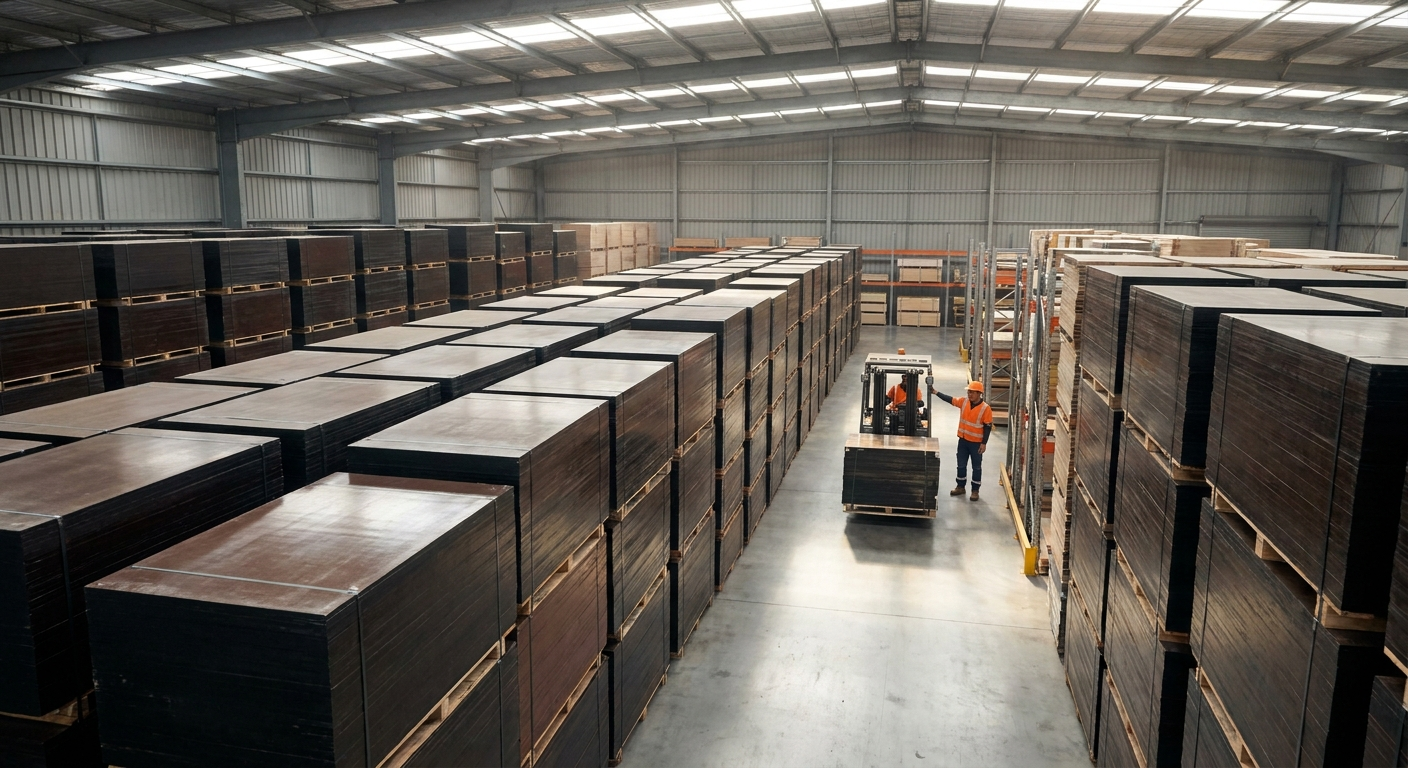
Volume tier closes the loop. Single-sheet retail at Home Depot, pallet pricing at the contractor desk, full-container direct from the mill. Three different pricing universes for the same product. The retail-to-direct-import gap on hardwood plywood typically runs 25 to 35%.
MDF vs plywood price in India (₹/sheet)
India's market runs on 8×4 ft sheets at brand-tiered pricing. The top-line numbers, 18 mm thickness:
- MDF (Action TESA, Greenply Greenpanel, Century Greenply MDF): ₹600–₹1,200 per sheet
- Commercial plywood, MR grade (interior, urea-formaldehyde): ₹900–₹1,800 per sheet
- BWP plywood (boiling water proof, marine grade or close to it): ₹1,500–₹2,800 per sheet
- Brand-premium BWP from Century, Greenply, Mikasa, Sylvan: add 15–25% above generic BWP
Indian buyers run into the same naming problem in Hindi-language retail. MR-grade gets sold as "waterproof plywood" in shop signage. It is not. MR-grade plywood is moisture-resistant for kitchen splashbacks at best; for bathrooms or any sustained-water exposure, BWP is the floor and IS 710 (the Indian marine standard) is the spec. The price gap between MR and BWP, roughly ₹600 a sheet at 18 mm, is the single biggest decision the Indian buyer faces. The MDF question often resolves itself once the buyer realises MR plywood is the only grade that competes with MDF on price.
For furniture-specific guidance in the Indian market, see our deeper write-ups on plywood selection for furniture and for kitchen cabinetry. Both run brand-tier breakdowns in the ₹1,200 to ₹2,800 range where the real plywood-vs-MDF decision plays out.
MDF vs plywood price in the UK (£/sheet)
UK retail prices, 2440×1220 mm sheets, 18 mm thickness, taken from B&Q, Wickes, Travis Perkins, and Selco trade counters in early 2026:
- MDF standard: £20–£35
- MDF moisture-resistant (MR, green-tinted): £30–£50
- Softwood plywood: £35–£60
- Hardwood-faced plywood (poplar core, birch or hardwood face): £55–£100
- Marine plywood (BS 1088): £80–£140
The trade vs retail spread is the most useful number for UK buyers. A Travis Perkins or Selco trade account typically prices 10 to 15% below the same sheet on a B&Q shelf. A trade-counter tonnage discount adds another 5 to 10%. The retail headline gets you the rough envelope; the actual job cost runs lower for anyone with a contractor account.
The hidden cost variables
Per-sheet pricing misses what the sheet actually costs once it leaves the lumberyard. Edge banding is the first one. MDF cabinet boxes show their core on every visible edge — the fibre is dense but it is also flat brown, with no grain pattern. Iron-on PVC or wood-veneer banding adds £/$2 to $4 per linear foot, plus the labour. A thirty-cabinet kitchen runs 200+ linear feet of banding. That is a real cost, never quoted in the sheet price.
Tooling wear is the second. MDF dulls saw blades and router bits faster than plywood. The carbide-cost differential is hard to pin down without job-specific data, but on a 200-sheet production run it shows up on the invoice. Cabinet shops we have shipped to in California and Texas factor a 10-15% tooling premium into MDF jobs as a matter of course.
Screw retention is the third. MDF needs pilot holes and confirmat-style hardware to match what a #8 wood screw delivers in plywood. Drawer boxes are the canonical example. The corner joint in MDF needs different hardware than the same joint in plywood, and the upgrade is hardware-line-item money on every drawer.
Failure cost when water hits is the fourth and biggest. An MDF kitchen that takes a dishwasher leak is replaced. A plywood kitchen with the same leak gets dried out, the front skin refinished, and lives. The disposal-and-refit cost on a failed MDF run dwarfs the up-front material savings.
Resale and refinish ceiling is the fifth. Solid-plywood furniture takes a stain and refinishes after twenty years; MDF furniture with the painted skin scuffed off is finished. Long-life cabinetry lives at the upper end of the plywood premium for a reason.
When MDF is the right call
MDF is the right material for painted cabinet doors and panels, interior shelving in dry environments, decorative trim, wainscoting, soundproofing applications where the panel sits inside a wall, and painted furniture in climate-controlled rooms. The smooth paint finish on MDF is genuinely better than the cheapest plywood face, and the per-square-foot cost wins. Where the spec calls for a flat painted surface and there is no moisture in the room, MDF earns its price.
When plywood is worth the premium
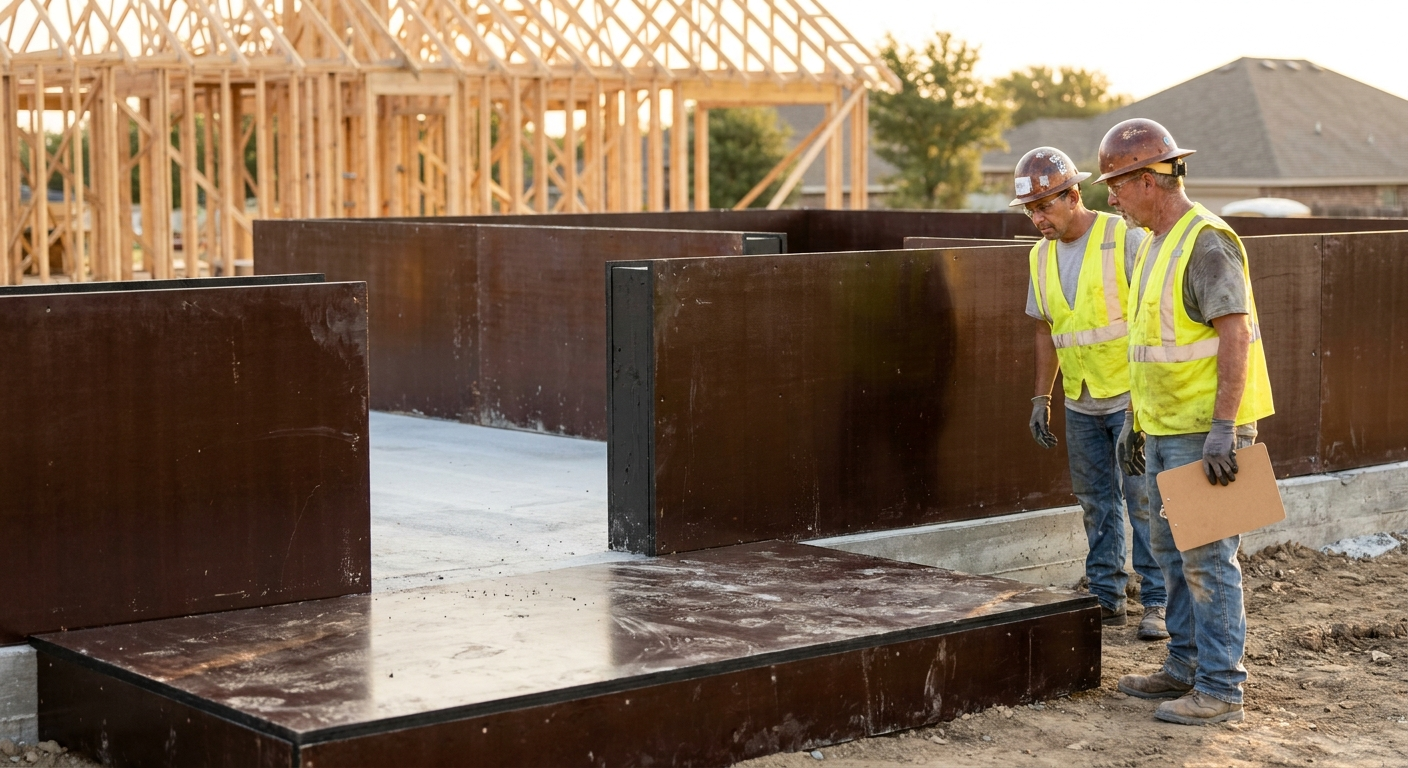
Plywood is worth the premium for any structural application, cabinet boxes that carry weight, drawer boxes that need screw retention at the corners, outdoor or moisture-prone areas, stained finishes (MDF cannot take stain), and high-reuse formwork. The cost-per-year math justifies the spend any time the panel will live for five years or longer in a moist environment, which is most of the real-world cabinet and built-in installations a contractor will see.
Quick sanity check. A bathroom vanity in MDF with a sink leak fails inside three to five years. The same vanity in marine-grade plywood at twice the material cost lasts twenty. The plywood is not "more expensive." It is one-third the cost over the life of the cabinet.
The compromise — MDO plywood
MDO plywood is the smart middle ground that most buyers do not know about. The face is a paint-ready medium-density overlay, similar to MDF. The core is structural softwood plywood with a WBP exterior phenolic glue line, similar to high-grade marine plywood. Per-sheet retail in the US runs $50 to $100 for a 4×8×3/4″ panel, sitting between high-end MDF and good hardwood plywood. The companion piece on MDO plywood pricing breaks down 1S vs 2S vs 1SF face configurations and runs the cost-per-pour math for forming buyers.
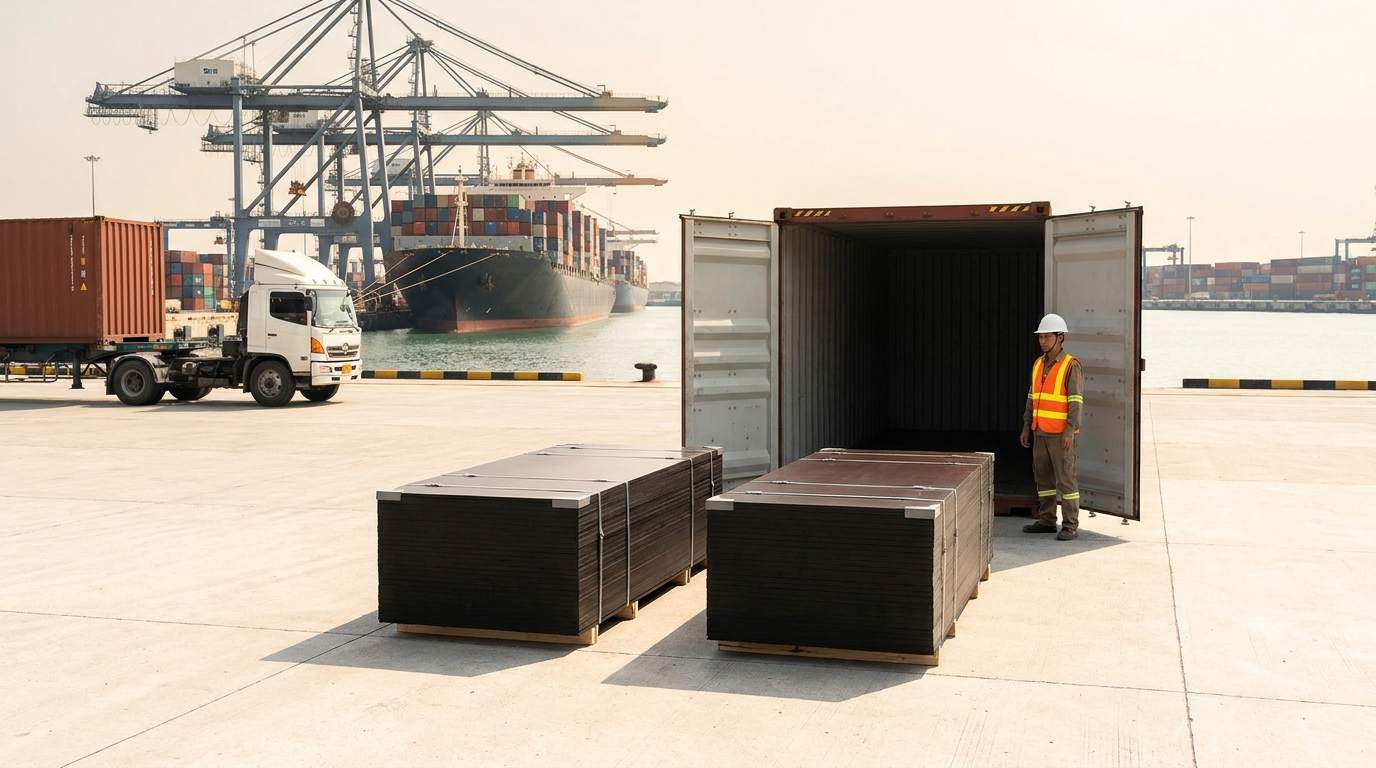
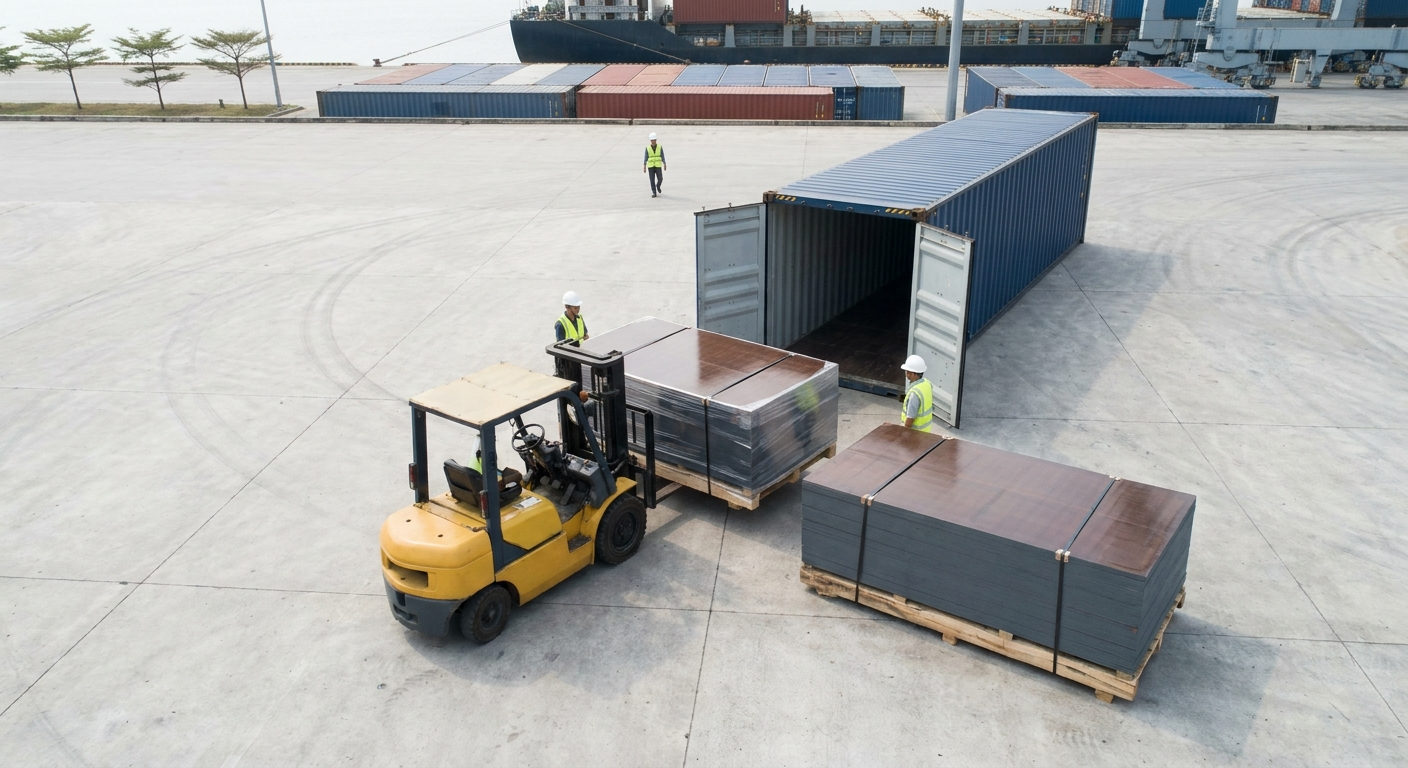
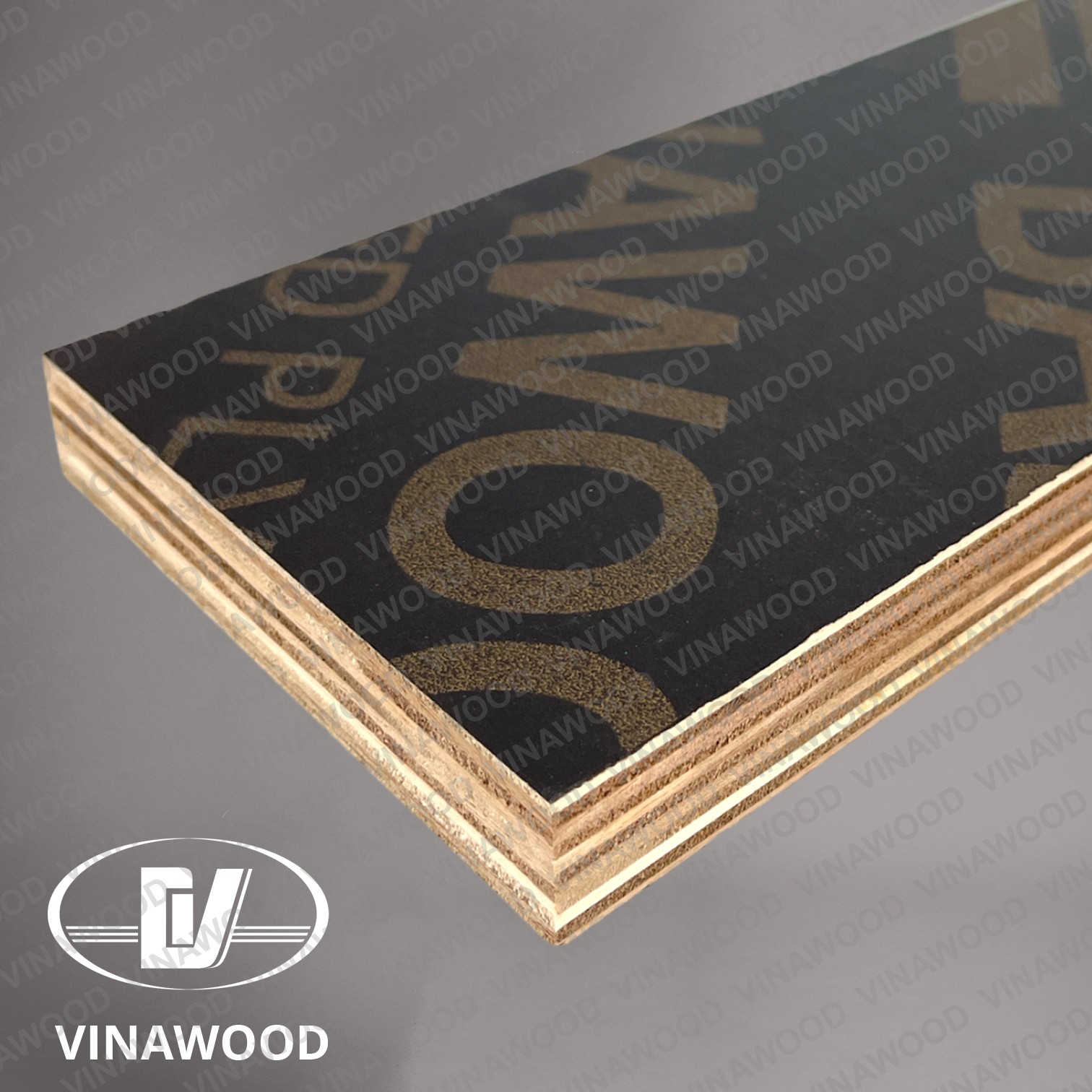
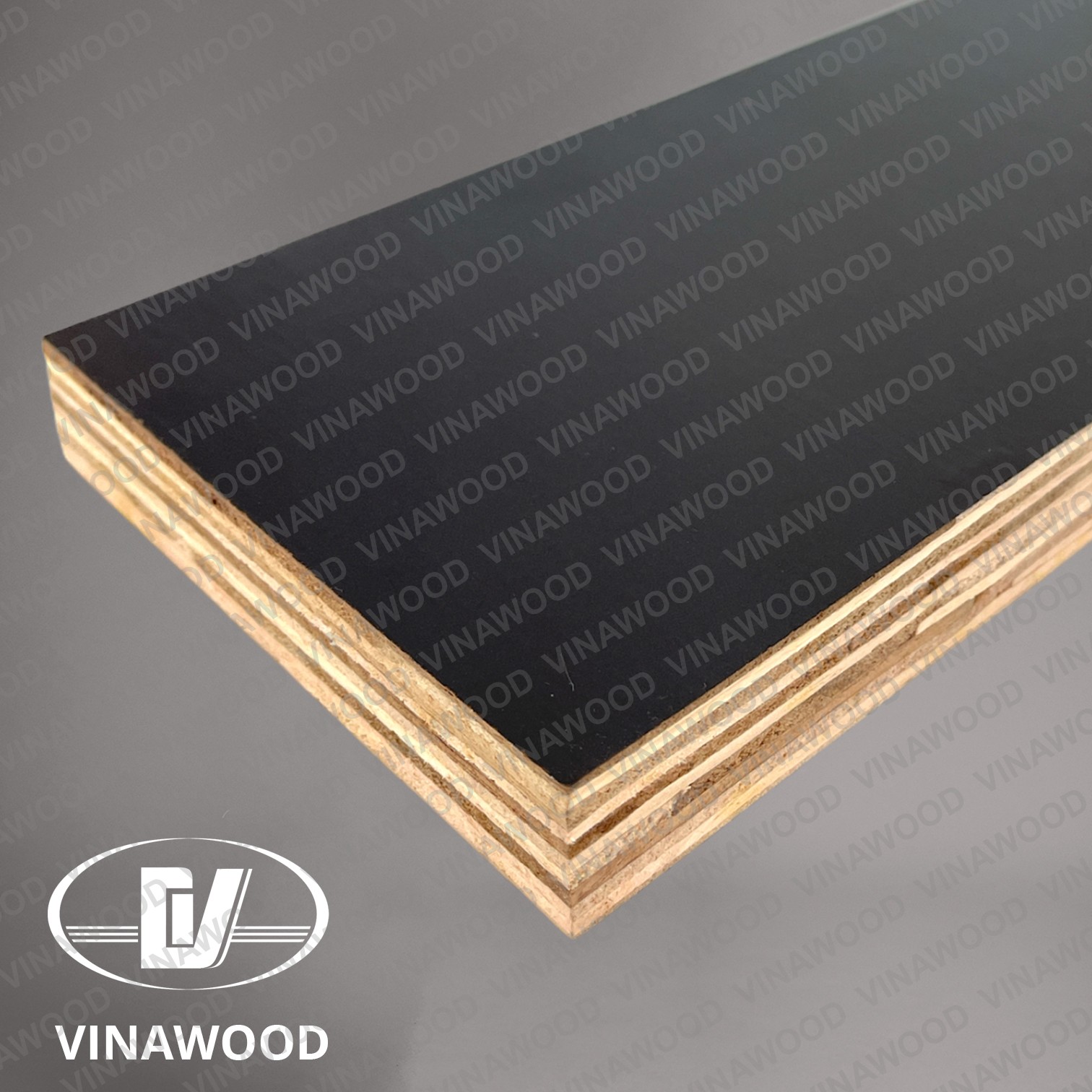
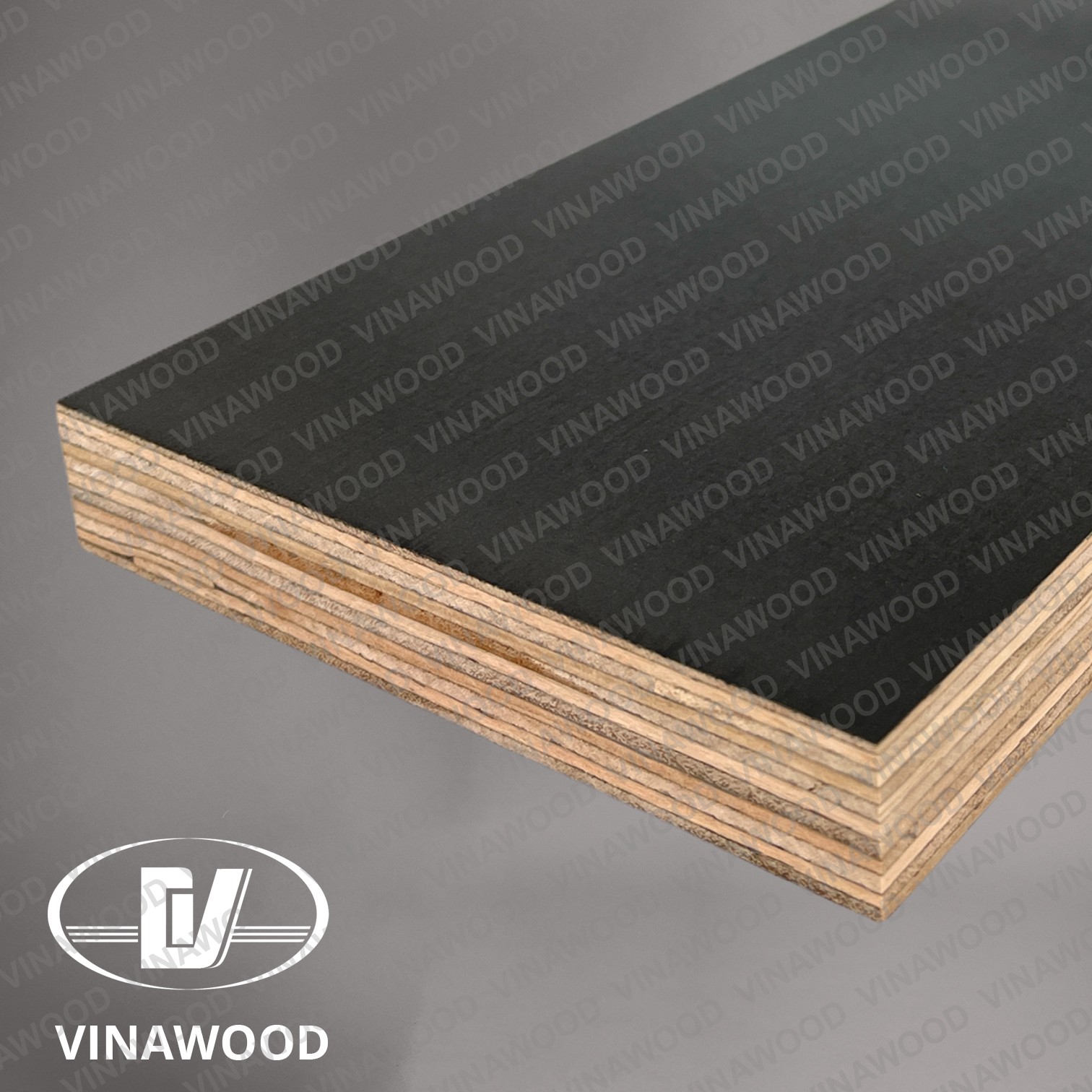
For commercial volume, the direct-import math gets sharper. Vinawood ships film-faced and MDO-equivalent panels container-direct from Vietnam at 25 to 35% below US retail on full-container quantities. Form Basic and Eco Form Plus sit in the MDO-equivalent slot for buyers who need paint-grade exterior plywood without the APA trademark and the domestic premium. Pro Form, our EN 636-3 phenolic top-tier panel, is the upgrade for buyers chasing 20-pour reuse cycles in formwork.
Category
market-insights
Related Markets
Related Countries
Related Products
▶Sources & References (3)
- Overlaid Plywood Standard ANSI/HPVA HP-1 — APA – The Engineered Wood Association (2024)
- BS 1088:2018 Marine Plywood — Specification — British Standards Institution (2018)
- IS 710:2010 Specification for Marine Plywood — Bureau of Indian Standards (2010)