Plywood Supplier Africa: Shipping from Vietnam
Complete guide to sourcing formwork plywood for African construction markets from Vietnam. Covers shipping routes, transit times, import documentation, pricing, and Vinawood's certified film-faced panels for East, West, North, and Southern Africa.
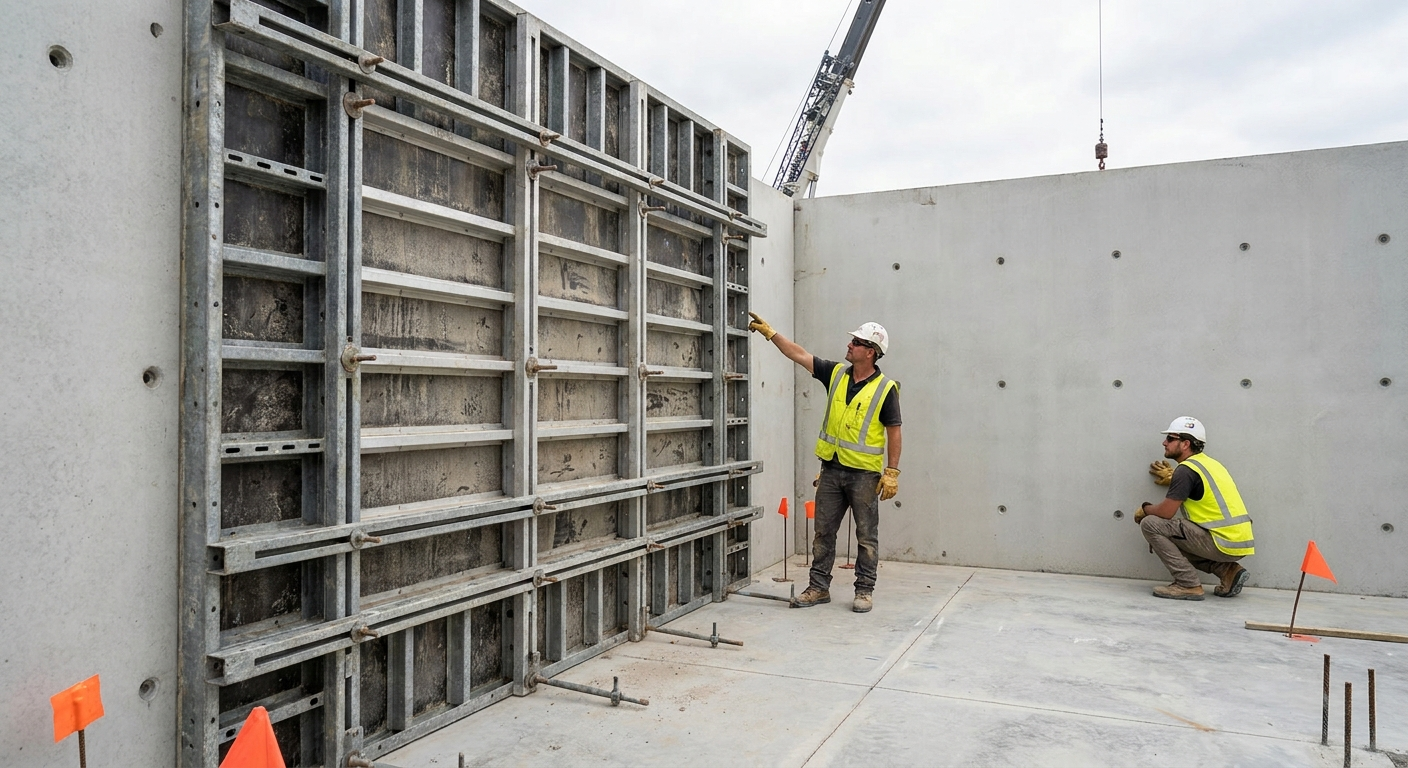
Africa's construction sector is growing faster than almost any other region in the world. Urbanization across East Africa, infrastructure megaprojects in West Africa, housing programmes in North Africa, and mining-driven industrial development in Southern Africa are all driving demand for construction materials that local manufacturing cannot fully supply. Plywood — specifically film-faced formwork plywood for concrete construction — is one of the most consistently imported building materials across the continent.
Vietnam has emerged as the leading alternative to China for construction plywood supply into African markets. The combination of competitive factory pricing, certified manufacturing quality, consistent plantation hardwood supply, and established shipping routes to African ports makes Vietnamese plywood a practical choice for contractors, importers, and distributors operating across the continent.
This guide covers everything African buyers need to know about sourcing plywood from Vietnam: product types, shipping routes, import documentation, pricing structures, and how Vinawood specifically serves the African market from its Vietnam manufacturing base.
Why Africa Is Importing More Plywood from Vietnam
Several structural factors are driving the shift toward Vietnamese plywood supply for African construction:
Local supply gaps. While countries like South Africa, Egypt, and Nigeria have domestic plywood manufacturing, most African nations lack sufficient local production capacity for construction-grade formwork plywood. The quality and consistency required for concrete forming — WBP phenolic adhesive, controlled film weight, precise thickness tolerance — demands manufacturing infrastructure that most local mills cannot yet deliver at scale.
China tariff and quality concerns. Chinese plywood has historically dominated African import markets, but quality inconsistency from smaller Chinese exporters, combined with increasing awareness of certification requirements on international projects, has pushed procurement managers to diversify sourcing. Vietnam offers a credible alternative with comparable pricing and stronger certification infrastructure for the export sector.
Vietnam's manufacturing maturity. Vietnam is the world's second-largest plywood exporter, with a well-developed plantation forestry sector (acacia and eucalyptus), modern pressing and finishing equipment, and an export manufacturing sector that has invested heavily in international certifications since the mid-2000s. The country's export plywood industry produces panels to the same EN, CARB, and FSC standards that European and North American buyers require — standards that are increasingly specified on African construction projects funded by international development banks and multinational developers.
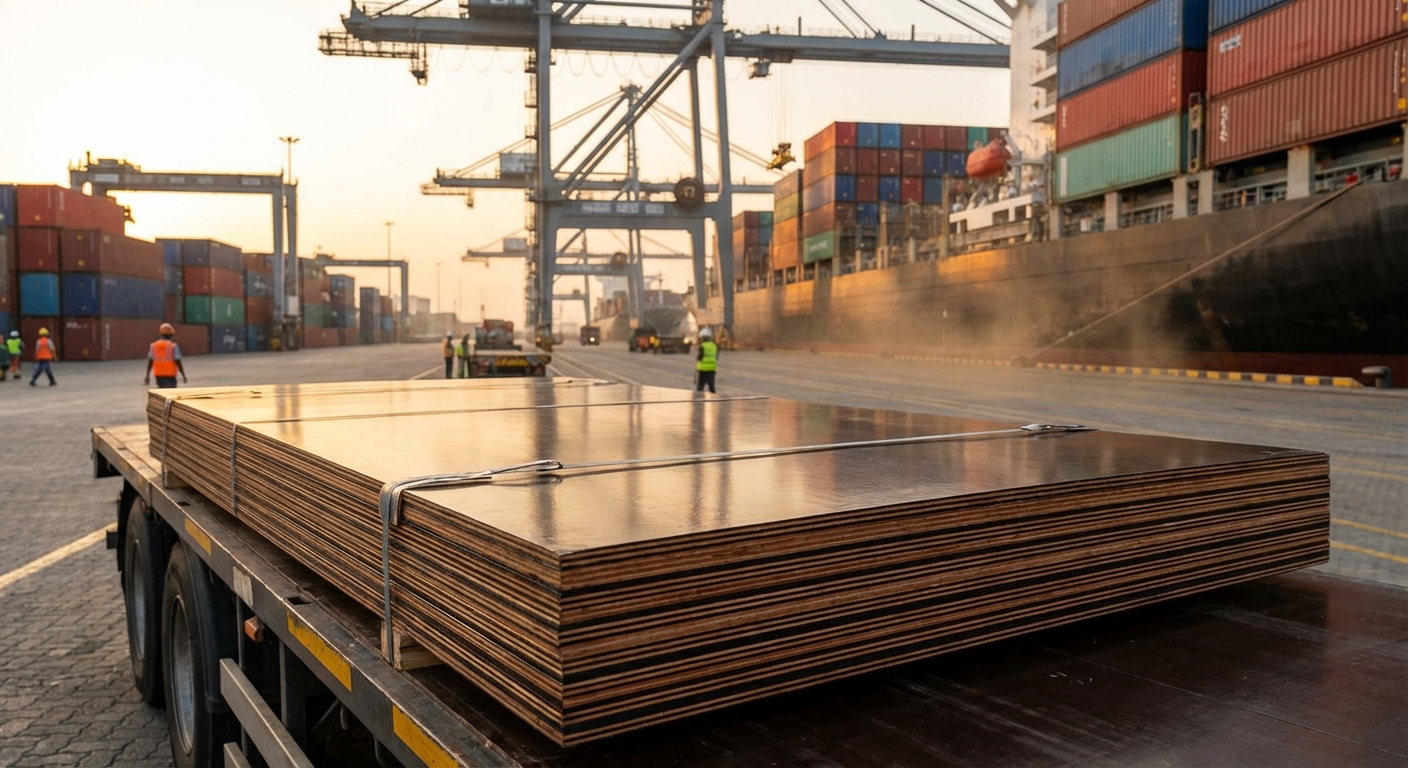
Competitive freight economics. Shipping routes from Ho Chi Minh City to major African ports (Mombasa, Dar es Salaam, Lagos, Tema, Durban) are well-served by container shipping lines, with transit times of 20 to 35 days depending on destination. At container volume, the total landed cost of Vietnamese film-faced plywood is typically competitive with or below Chinese alternatives of equivalent certification quality.
Types of Plywood Available for African Markets
Vietnamese manufacturers supply several plywood categories to African buyers. The right product depends on the end application, climate conditions, and project specifications.
Film-Faced Formwork Plywood
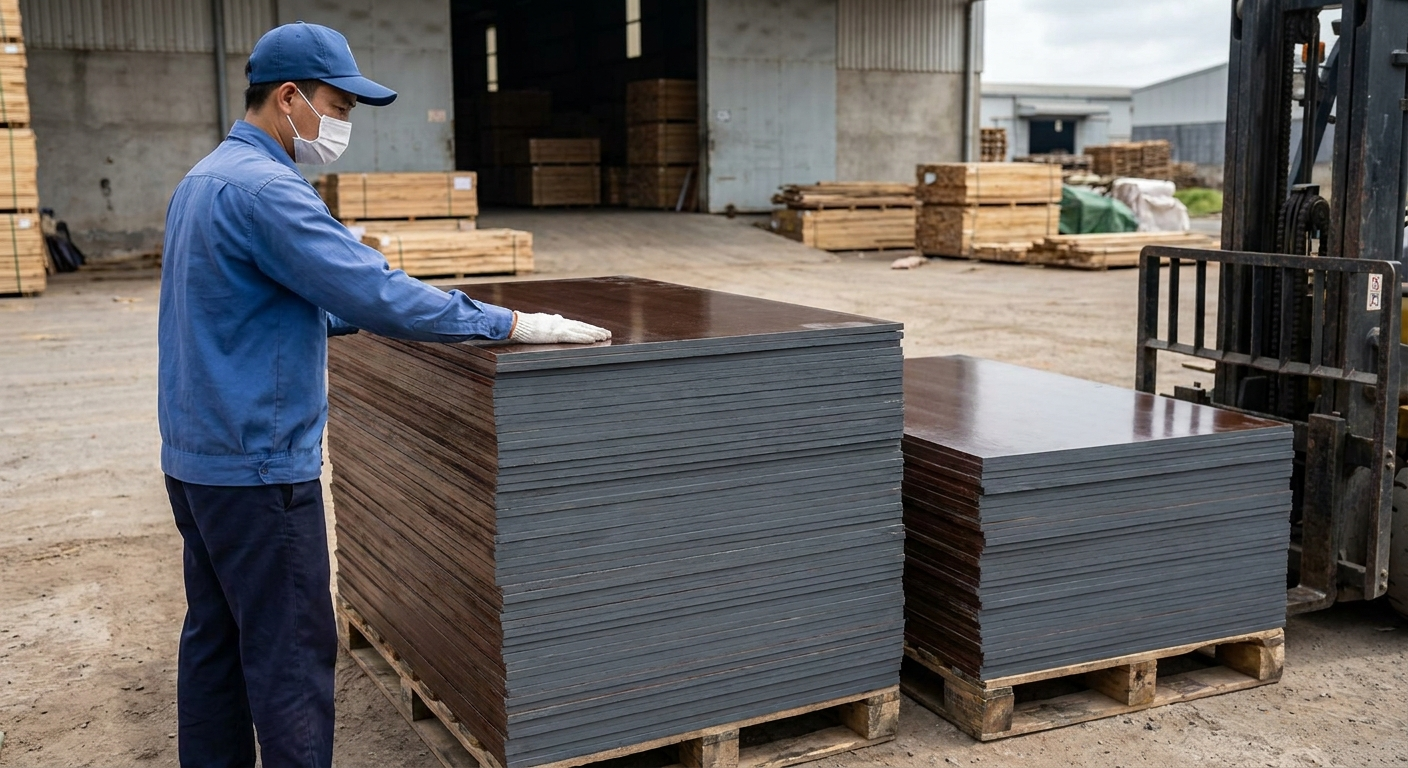
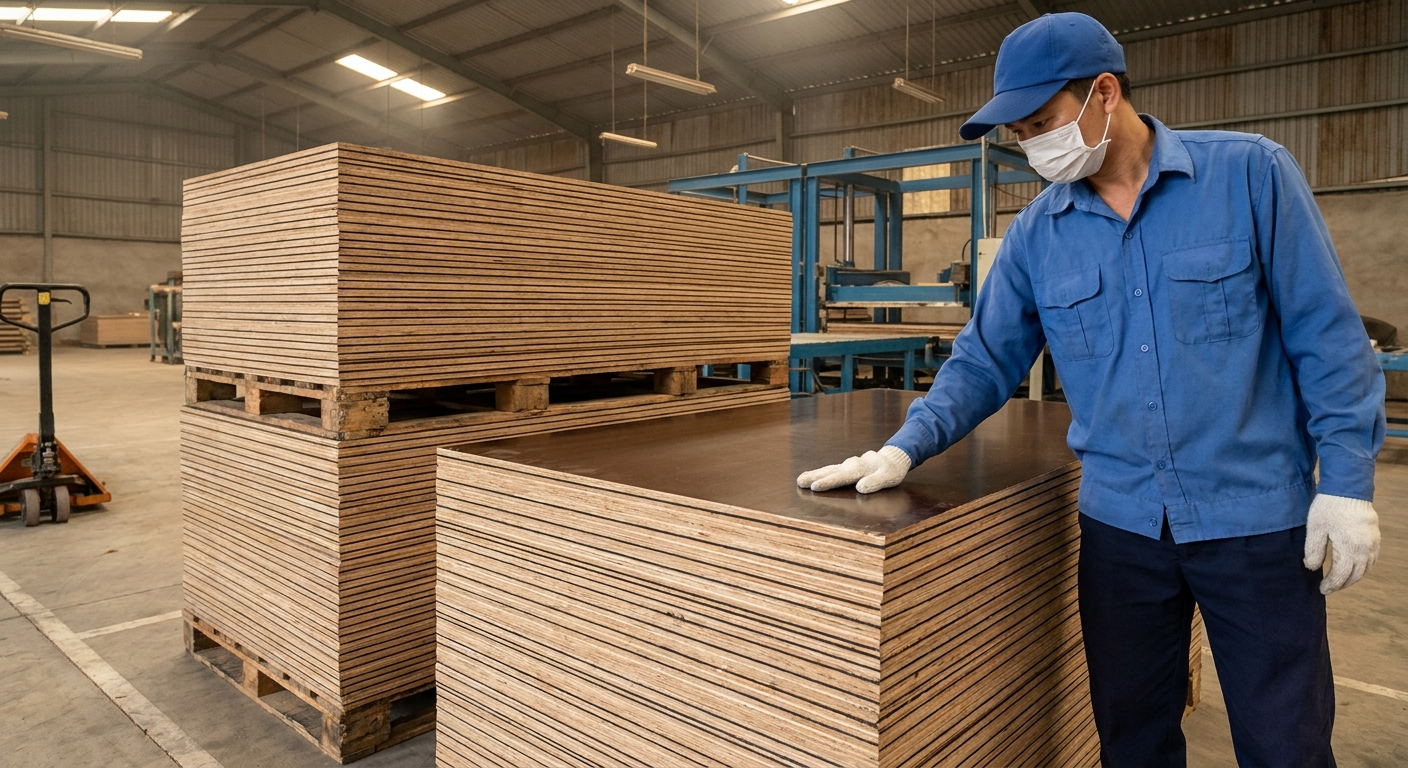
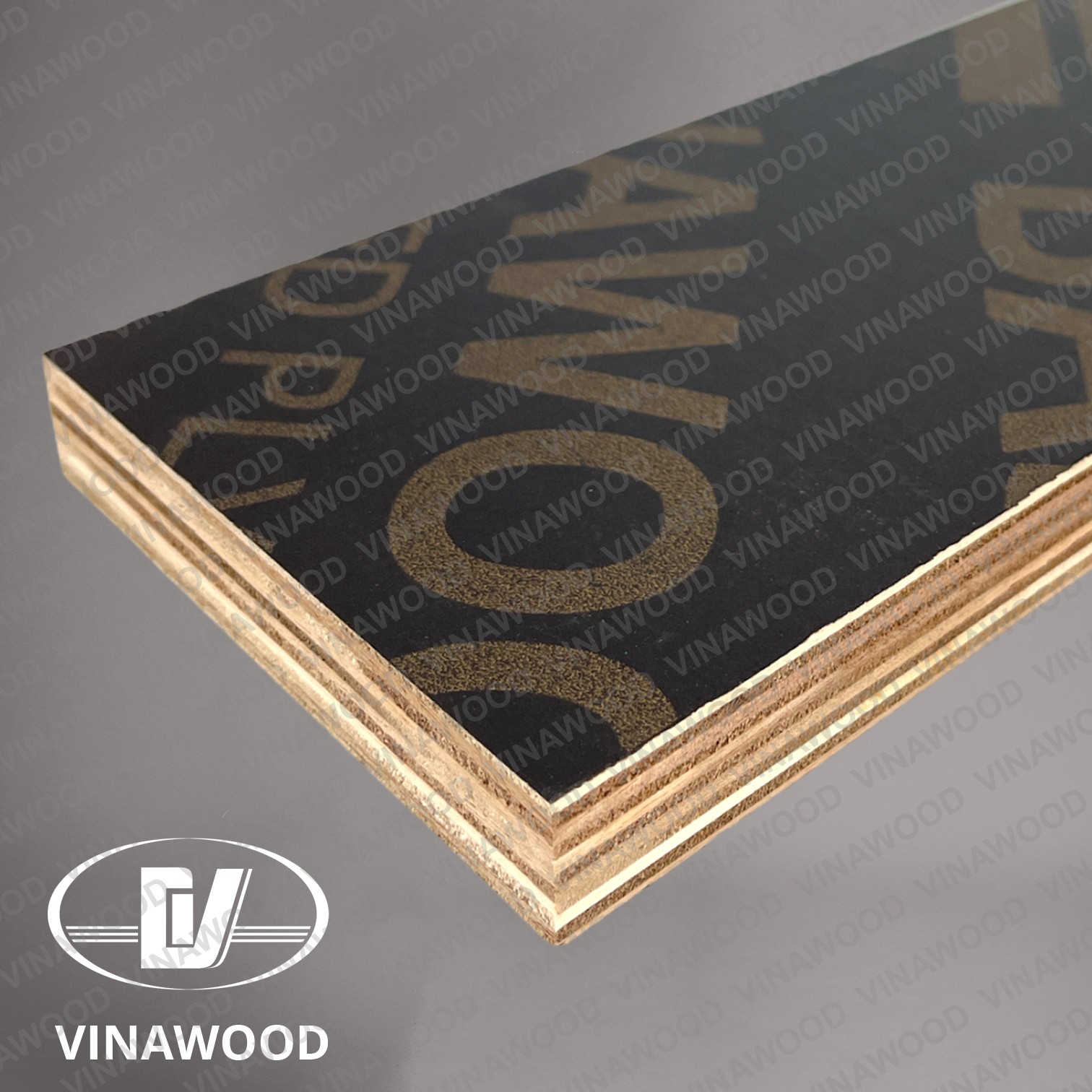
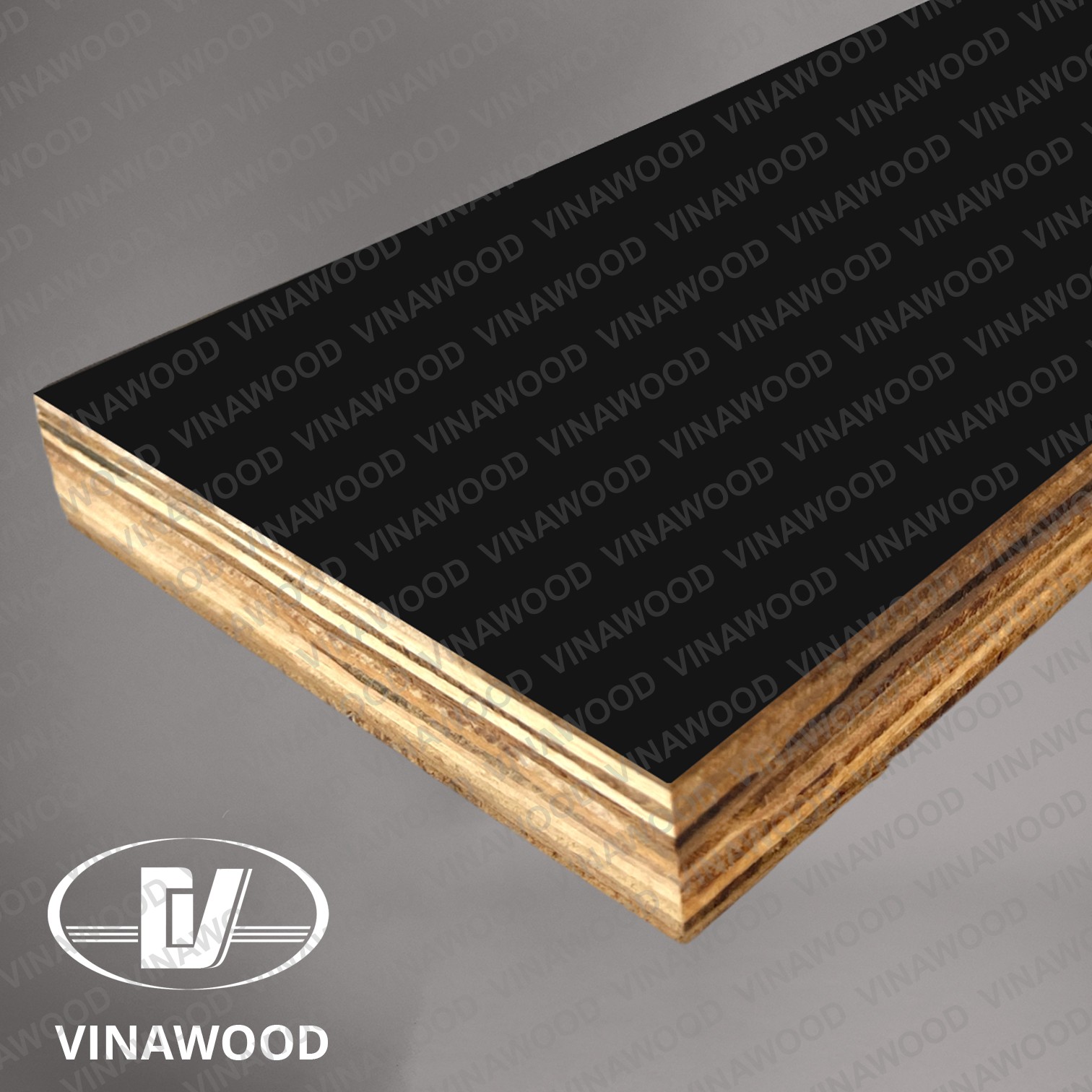
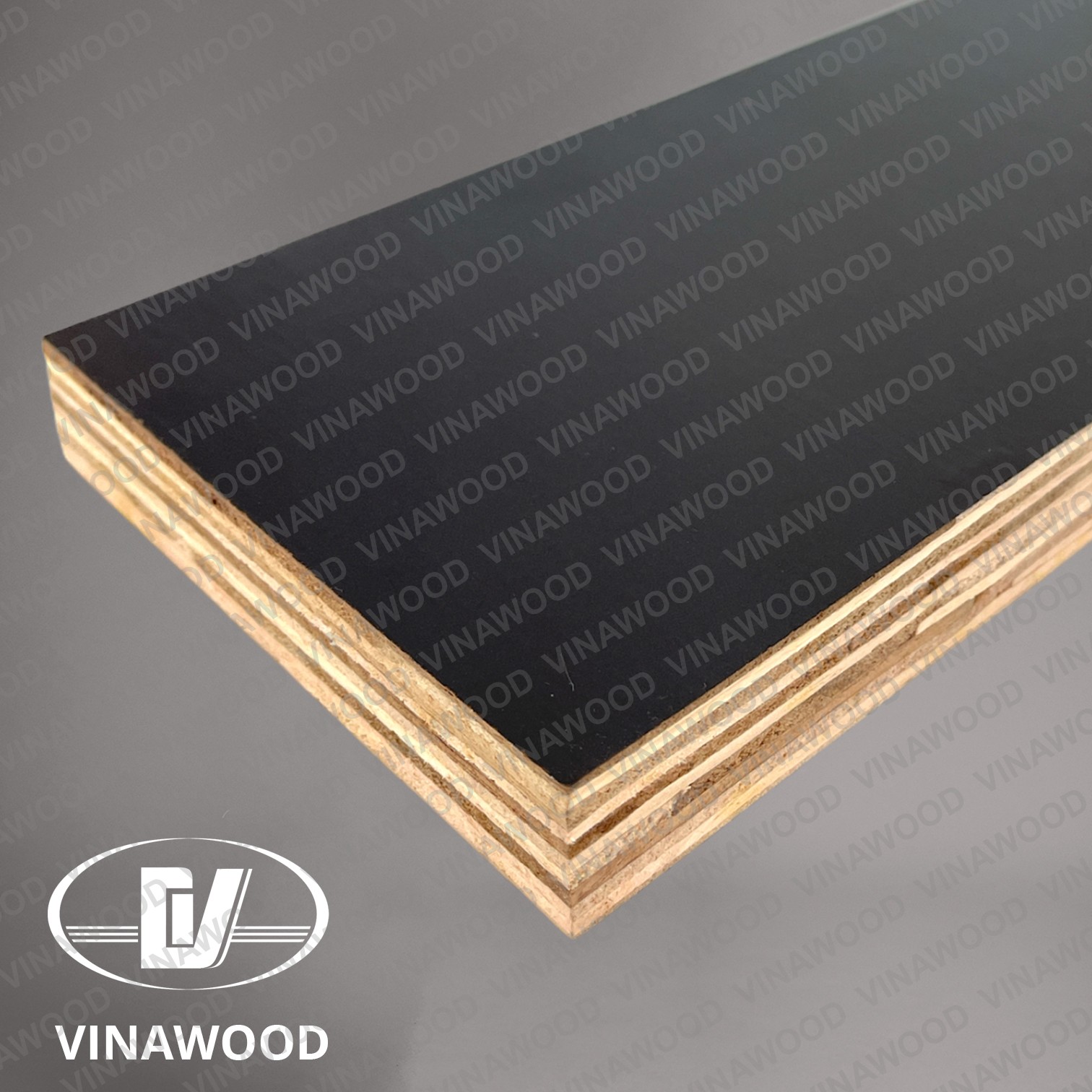
This is the primary product for African construction markets. Film-faced plywood features a hardwood veneer core bonded with WBP (Weather and Boil Proof) phenolic adhesive, with both faces covered by a phenolic film that creates a smooth, moisture-resistant surface for concrete forming. The WBP adhesive is critical for African climate conditions — panels must survive sustained moisture exposure during concrete pours in tropical and humid environments without delaminating.
Film weight determines reuse life: 120 g/m² standard film delivers 20 to 30 pour cycles, while 220 g/m² premium film achieves 40 to 50+ cycles. For most African construction applications, the standard 120 g/m² grade provides the best balance of cost and performance. See the film-faced plywood buying guide for detailed specification guidance.
Commercial Plywood
For general construction applications beyond concrete forming — site hoarding, temporary structures, packaging, and interior fit-out — commercial plywood in various grades and thicknesses is available. These panels use hardwood or combination cores and are suitable for applications where formwork-grade specifications are not required.
Marine Plywood
For coastal regions and applications with sustained moisture exposure (ports, bridges, dock structures), marine plywood provides enhanced moisture resistance through higher-grade veneer selection and complete WBP adhesive bonding throughout all plies. This is relevant for construction projects in coastal East Africa, West Africa, and island nations.
Key African Markets for Vietnam Plywood
Africa is not a single market — each region has distinct construction dynamics, import infrastructure, and regulatory environments.
East Africa: Kenya, Tanzania, Ethiopia
East Africa is experiencing rapid urbanization and infrastructure investment. Kenya's Nairobi metro area and Tanzania's Dar es Salaam are among Africa's fastest-growing cities, driving sustained demand for commercial and residential construction materials. Ethiopia's industrial park programme and Addis Ababa expansion continue to require volume formwork supply. The Port of Mombasa serves as the primary import gateway for the region, with established container handling and customs broker networks experienced with plywood imports.
West Africa: Nigeria, Ghana, Ivory Coast
Nigeria is Africa's largest construction market by volume, with Lagos alone requiring massive formwork material supply for residential towers, commercial developments, and infrastructure projects. Ghana's Tema port is the most efficient container port in West Africa, making it a preferred entry point for building materials importers serving the broader region. Ivory Coast's Abidjan port serves francophone West African markets.
North Africa: Egypt, Morocco, Algeria
North African markets have the most established import infrastructure and the strongest existing trade relationships with Asian manufacturers. Egypt's construction sector — driven by new administrative capital development and Suez Canal zone projects — is a significant plywood consumer. Morocco serves as a distribution gateway for Maghreb markets. These countries have well-developed customs procedures and experienced building materials import channels.
Southern Africa: South Africa, Mozambique
South Africa has the most developed construction standards framework on the continent, with project specifications increasingly requiring internationally certified materials. Mining and industrial construction in Mozambique, Zambia, and Zimbabwe drives demand for durable formwork plywood that can withstand heavy-duty use in challenging site conditions. Durban is the primary container port for the region.
Shipping Routes and Logistics: Vietnam to Africa
Container shipping from Vietnam to African ports follows established trade lanes with regular sailing schedules from major carriers.
| Destination Port | Country / Region | Ocean Transit from Vietnam | Total Lead Time |
|---|---|---|---|
| Mombasa | Kenya / East Africa | 20–25 days | ~5–7 weeks |
| Dar es Salaam | Tanzania / East Africa | 22–27 days | ~6–7 weeks |
| Lagos (Apapa / Tin Can) | Nigeria / West Africa | 30–35 days | ~7–9 weeks |
| Tema | Ghana / West Africa | 28–33 days | ~7–8 weeks |
| Durban | South Africa / Southern Africa | 25–30 days | ~6–8 weeks |
| Alexandria / Port Said | Egypt / North Africa | 18–22 days | ~5–6 weeks |
| Casablanca | Morocco / North Africa | 25–30 days | ~6–8 weeks |
| Maputo | Mozambique / Southern Africa | 22–28 days | ~6–7 weeks |
Standard container: 40HC (high-cube) holding approximately 380 to 420 sheets of 18 mm film-faced plywood. A standard 20-foot container holds approximately 180 to 200 sheets. For buyers with smaller initial requirements, a 20-foot container provides a lower-volume entry point.
Use the Vinawood container loading calculator to estimate exact sheet counts for your specification and container type.
Import Requirements and Documentation
Importing plywood into African markets requires standard export documentation plus country-specific compliance where applicable. Vinawood provides the following documentation as standard with all container shipments:
- Bill of Lading (B/L): Ocean shipping document confirming container contents and routing
- Commercial Invoice: Full product description, quantities, FOB or CIF pricing
- Packing List: Detailed sheet count, dimensions, weight per bundle and per container
- Certificate of Origin (C/O): Confirms Vietnam manufacturing origin — required for customs clearance and tariff assessment in all African markets
- Phytosanitary Certificate: Confirms ISPM 15-compliant heat-treated pallets — mandatory for all wood product imports to prevent pest transmission
- Fumigation Certificate: Where required by destination country regulations
For projects requiring specific quality verification, pre-shipment inspection by SGS, Bureau Veritas, or any buyer-nominated third-party agent is available on all container orders. The inspection covers panel thickness tolerance, face grade, film integrity, adhesive bond sampling, and moisture content — all documented in a formal inspection report before container release at origin.
Import duties vary by country and HS code classification. The relevant HS codes for film-faced plywood are typically 4412.31 (tropical hardwood face) and 4412.39 (other plywood). Contact a local customs broker in your destination country for current duty rates and any preferential trade agreements that may apply.
Pricing and Payment Terms for African Buyers
Vinawood offers flexible pricing structures for African market buyers:
FOB (Free On Board) Ho Chi Minh City: The buyer assumes responsibility from the point the container is loaded onto the vessel at the Vietnam port. This gives the buyer control over freight carrier selection and insurance. FOB pricing is preferred by experienced importers with established freight relationships.
CIF (Cost, Insurance, and Freight) to destination port: Vinawood arranges and pays for ocean freight and insurance to the buyer's nominated African port. CIF is the simpler option for first-time importers, as Vinawood handles the logistics to the destination port.
Payment structures: Standard terms include Letter of Credit (L/C) — the most secure option for both parties on first orders — and Telegraphic Transfer (T/T) with a deposit arrangement (typically 30% deposit on order confirmation, 70% balance against B/L copy). For established accounts with regular order patterns, quarterly pricing agreements and standing order arrangements are available.
Volume pricing improves with order scale. A single container order receives standard export pricing; multi-container orders (3+ containers) and annual supply agreements receive preferential rates. Contact Vinawood's export team for a detailed quotation based on your specification and volume requirements.
Quality Assurance for African Construction Conditions
African construction sites present specific challenges that affect formwork plywood performance — high temperatures, tropical humidity, extended sun exposure between pours, and sometimes limited site storage infrastructure. Selecting the right panel specification and following proper site handling practices makes the difference between 5 pours and 30 pours from the same set of panels.
WBP phenolic adhesive is non-negotiable. In tropical and humid African climates, any adhesive below WBP grade will fail. Urea-formaldehyde (MR grade) adhesive softens when exposed to sustained moisture — precisely the conditions during concrete forming. Every Vinawood panel uses WBP phenolic adhesive throughout all plies, confirmed by EN 314 Class 3 boil test certification.
Edge sealing prevents premature failure. Unsealed plywood edges wick moisture into the core between pours, causing internal swelling and eventual delamination. In high-humidity African environments, this process accelerates significantly. Vinawood panels ship with factory-sealed edges as standard. Any on-site cuts must be immediately sealed with edge paint or wax.
Film weight selection: For most African commercial construction, 120 g/m² film-faced panels provide adequate performance at the best value. Specify 220 g/m² premium film only for high-reuse infrastructure projects (bridges, dams, repetitive commercial forming) where 40+ pour cycles justify the higher panel cost.
Site storage discipline: Store panels flat on bearers, off the ground, under shade or cover. Direct sun exposure accelerates film degradation and causes moisture cycling at unsealed edges. A tarpaulin over stacked panels is the minimum; covered storage is ideal. Apply form release oil before every pour — never skip this step, even on new panels.
How to Order Plywood from Vinawood for Delivery to Africa
The process from initial inquiry to panel delivery follows a straightforward sequence:
Step 1 — Inquiry and specification. Contact Vinawood's export team with your product requirements: panel grade and thickness, sheet size, quantity (number of sheets or containers), destination port, and any certification requirements. Response time: within one business day (Vietnam time, GMT+7).
Step 2 — Quotation. Vinawood provides a detailed quotation covering FOB or CIF pricing, production lead time, and documentation package. Turnaround: 2 to 3 business days.
Step 3 — Sample order (recommended for first-time buyers). A sample pack of 2 to 4 panels with full documentation — certificate of origin, current third-party certifications, and a mill test report from the production batch — allows you to verify quality before committing to a container order.
Step 4 — Order confirmation and deposit. On acceptance of the quotation, a proforma invoice is issued and deposit payment initiates production scheduling.
Step 5 — Production. Manufacturing lead time is typically 15 to 25 days from order confirmation, depending on specification and current production schedule.
Step 6 — Pre-shipment inspection (optional). SGS or Bureau Veritas inspection at the factory before container loading. Typically 1 to 2 days.
Step 7 — Shipping and documentation. Container loaded, full documentation package dispatched (B/L, C/O, packing list, phytosanitary certificate, mill test reports). Photographic documentation of loading provided.
Step 8 — Arrival and customs clearance. Vinawood provides HS code guidance and can connect first-time importers with experienced customs brokers at Mombasa, Lagos, Tema, Durban, and other African destination ports.
For a comprehensive overview of the entire procurement process, see the complete guide to buying plywood from Vietnam.
Vinawood Products for African Markets
Three film-faced plywood grades cover the full range of African construction applications:
- Eco Form Plus (EN 636-2, 8+ reuse cycles, 120 g/m² film): Budget-conscious residential projects and light commercial forming. The most affordable entry point for buyers testing Vietnamese supply quality.
- Form Basic (EN 636-2, 10+ reuse cycles, 120 g/m² film): Standard commercial and residential forming — the most widely exported grade in Vinawood's African supply programme. Suitable for the majority of commercial construction projects.
- Form Extra (EN 636-3, 15+ reuse cycles, 220 g/m² film): Infrastructure, civil engineering, and high-reuse commercial projects. The choice for large-scale developments where panel longevity is the primary cost driver.
All grades are available in 1220 × 2440 mm (4 × 8 ft) — the standard size used across African markets — in thicknesses of 12, 15, 18, and 21 mm. The full film-faced plywood collection covers all specifications.
Certifications held: FSC Chain of Custody (sustainable sourcing for internationally funded projects), CE marking (EN 636-2 and EN 636-3), CARB Phase 2 (formaldehyde compliance), and ISO 9001 (quality management). Mill test reports covering EN 314 boil test bond strength, thickness tolerance, and moisture content are provided with every shipment.
Frequently Asked Questions
What is the minimum order quantity for shipping to Africa?
The standard MOQ is one container — either a 20-foot container (approximately 180 to 200 sheets of 18 mm plywood) or a 40HC container (approximately 380 to 420 sheets). A 20-foot container provides a lower-volume entry point for first-time buyers. Mixed containers combining different thicknesses or grades within a single shipment are available to meet MOQ while sourcing the full product range a project requires.
How long does shipping take from Vietnam to Kenya, Nigeria, or South Africa?
Ocean transit times: Mombasa (Kenya) 20 to 25 days, Lagos (Nigeria) 30 to 35 days, Durban (South Africa) 25 to 30 days. Including production lead time of 15 to 25 days, total order-to-delivery is typically 5 to 9 weeks depending on destination and current shipping schedules.
Can Vinawood supply custom sizes for African formwork systems?
Yes. While the standard 1220 × 2440 mm sheet is the most common specification for African markets, Vinawood can manufacture panels to custom dimensions for proprietary formwork systems or specific project requirements. Custom cutting is available for container-quantity orders — discuss your dimensional requirements with the export team during the quotation stage.
What certifications does Vinawood plywood carry?
Vinawood holds FSC Chain of Custody (timber sourcing traceability), CE marking under EN 636-2 and EN 636-3 (structural plywood performance), CARB Phase 2 (formaldehyde emission compliance), and ISO 9001 (quality management system). Third-party certificate documentation is available with all quotations, and mill test reports are provided with every shipment as standard.
How does Vietnam plywood compare to Chinese plywood for African projects?
At equivalent certification quality, Vietnamese and Chinese film-faced plywood are comparable in pricing and performance. The key differentiator is consistency and certification reliability. Vietnam's export plywood sector has invested heavily in third-party certification infrastructure (FSC, CARB, CE) since the mid-2000s, and the largest manufacturers — including Vinawood — operate integrated factory-owned production lines rather than trading company models. Pre-shipment inspection by SGS or Bureau Veritas provides the same quality assurance mechanism regardless of origin country.
Category
guides
Related Countries
Related Products
▶Sources & References (2)
- Africa Construction Market Report — Mordor Intelligence (2025)
- Vietnam Wood Product Export Statistics — ITC Trade Map (2025)